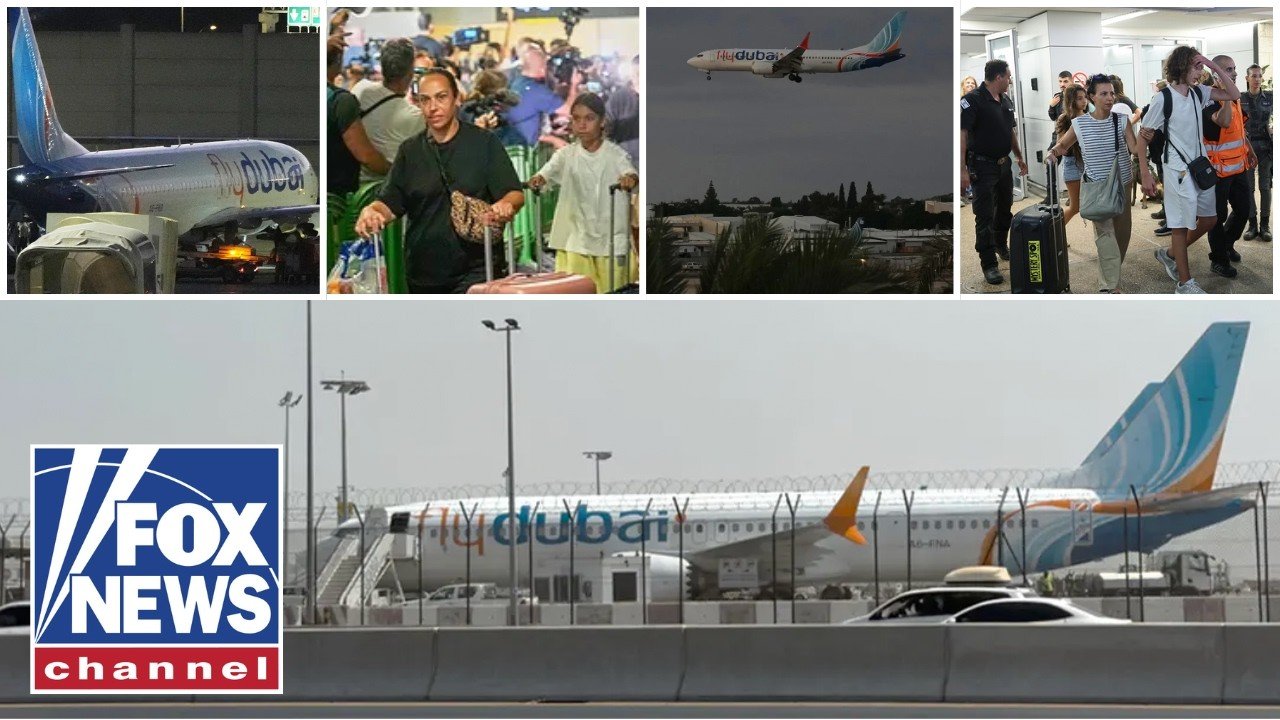


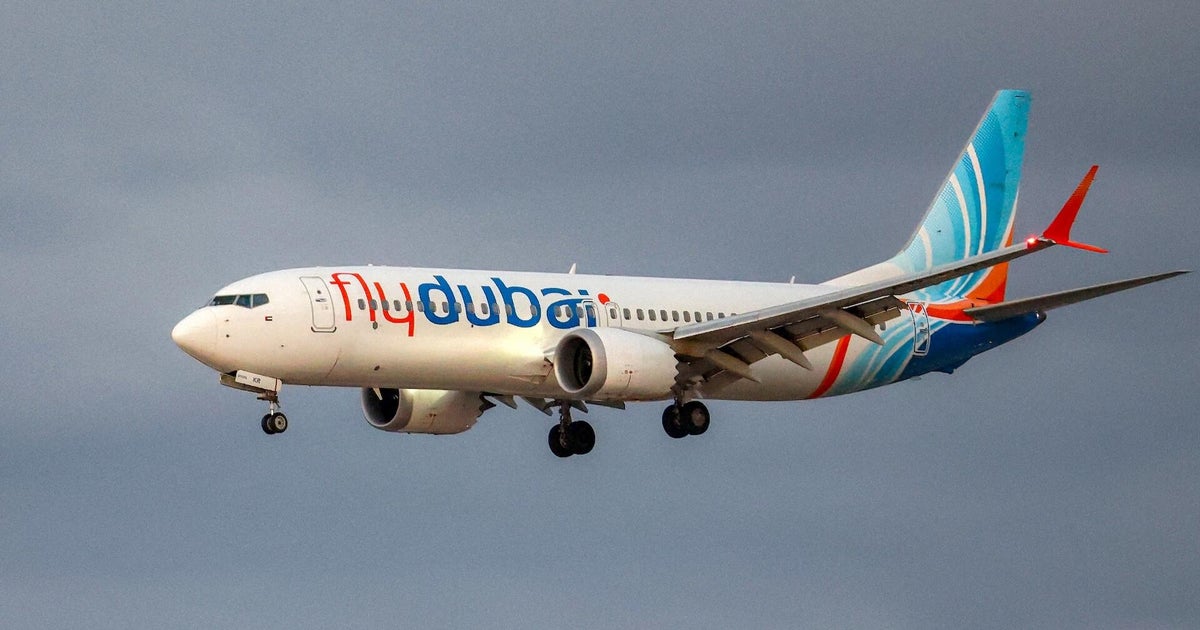


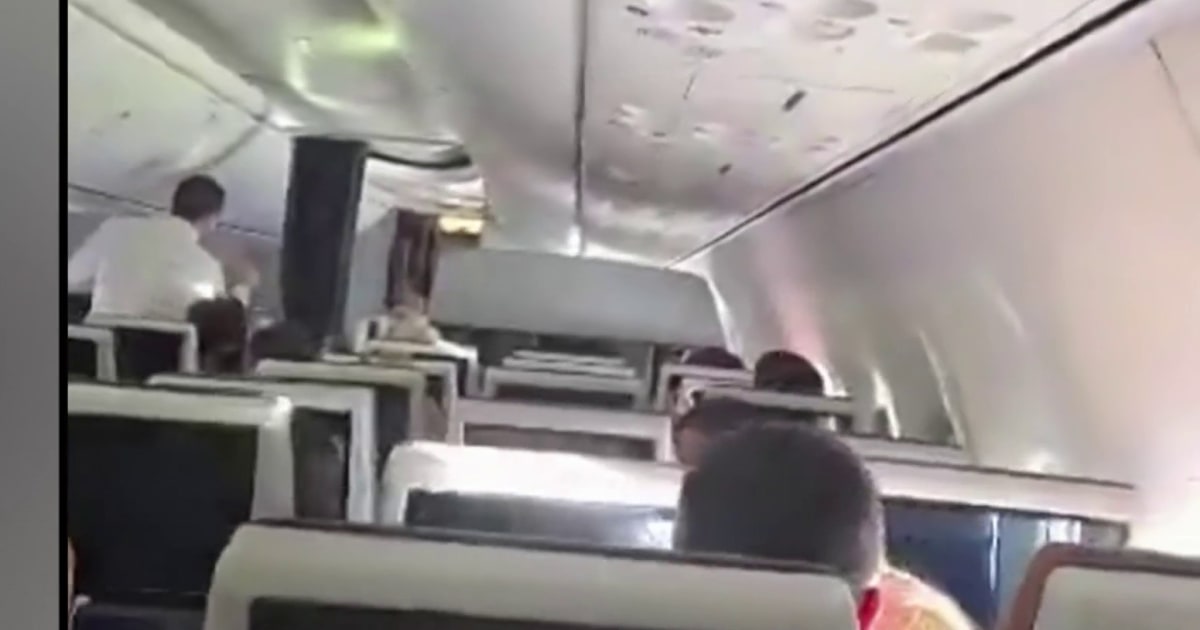
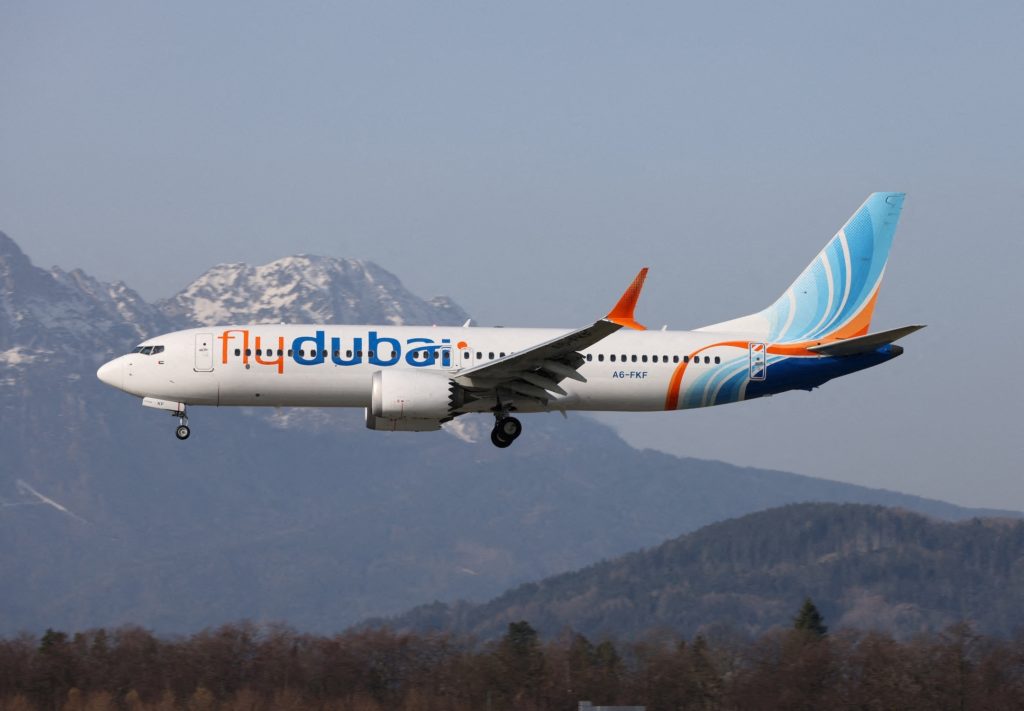










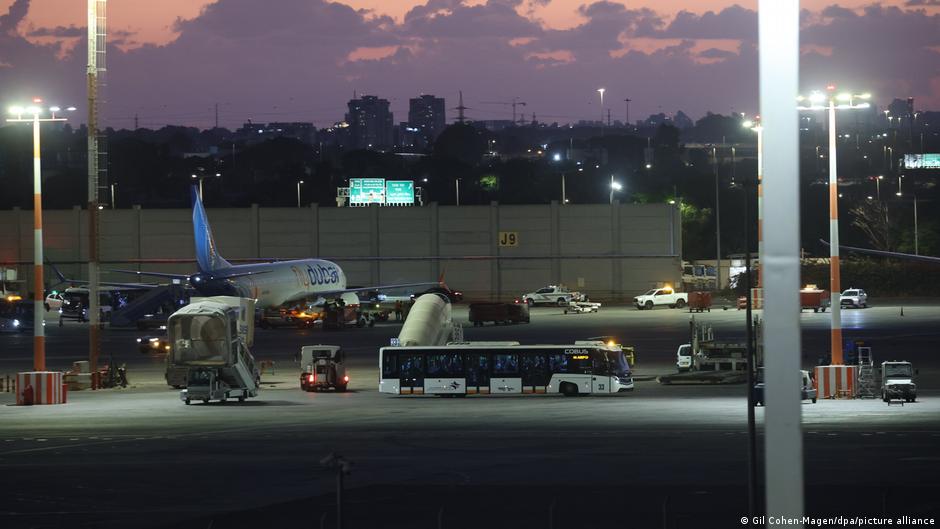
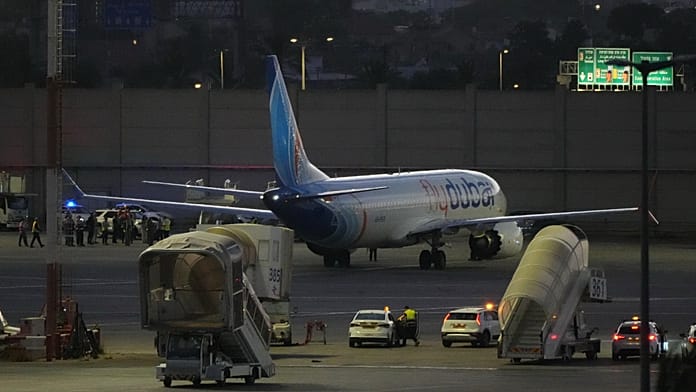
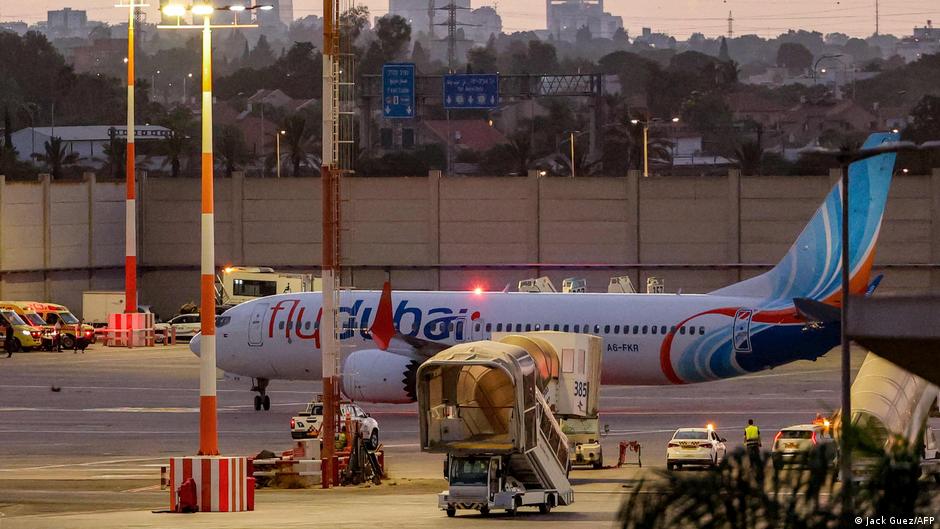






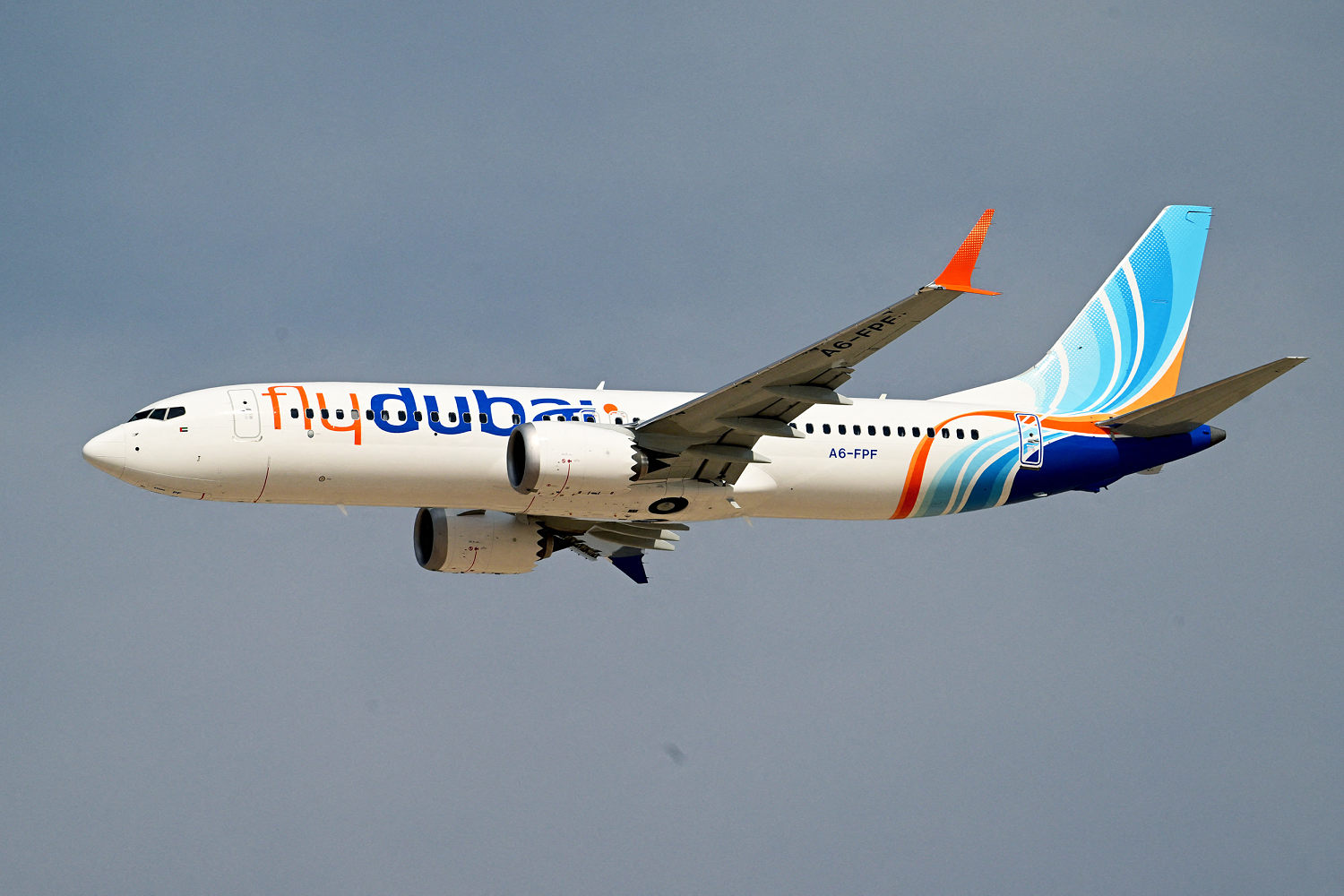


A Flydubai flight from Dubai to Tel Aviv made an emergency landing in Saudi Arabia on Wednesday after an altercation in the cockpit left the captain seriously injured and sent the aircraft into a rapid descent.
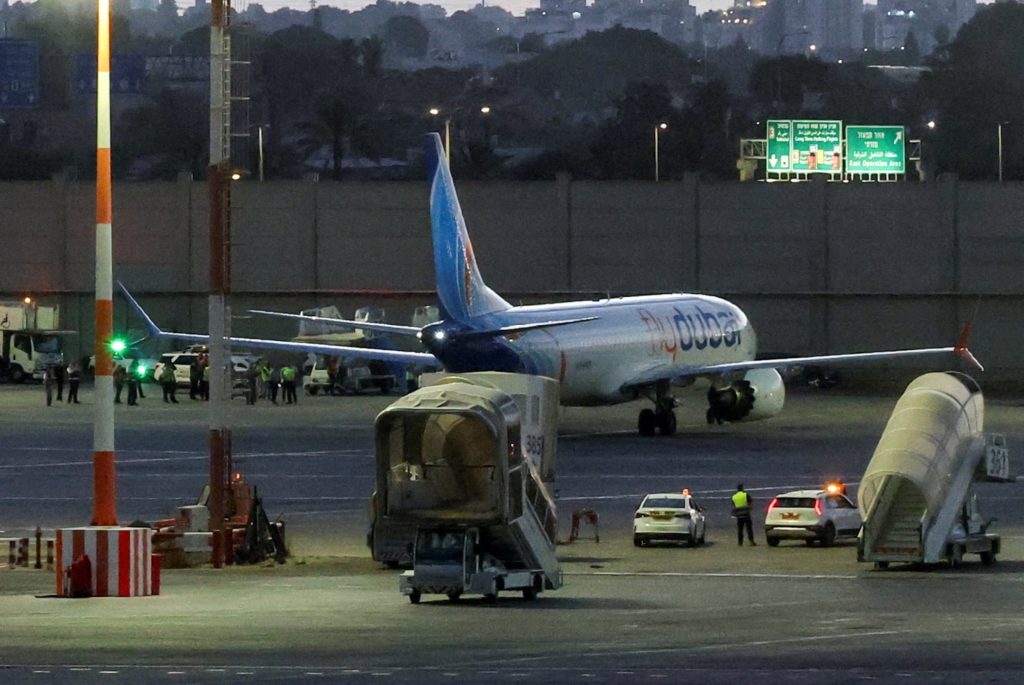
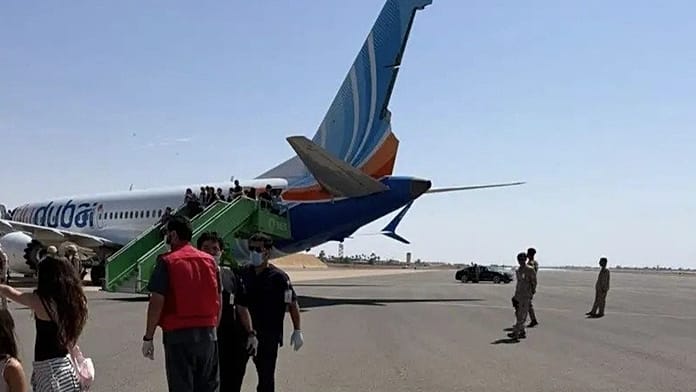
Flight FZ1073, carrying 174 passengers and crew, landed safely at Tabuk Airport after passengers and crew members intervened. The airline later suspended flights between the United Arab Emirates and Israel while authorities began investigating the incident.
The Boeing 737 was travelling from Dubai International Airport to Ben Gurion International Airport on 30 September when a confrontation broke out in the flight deck.
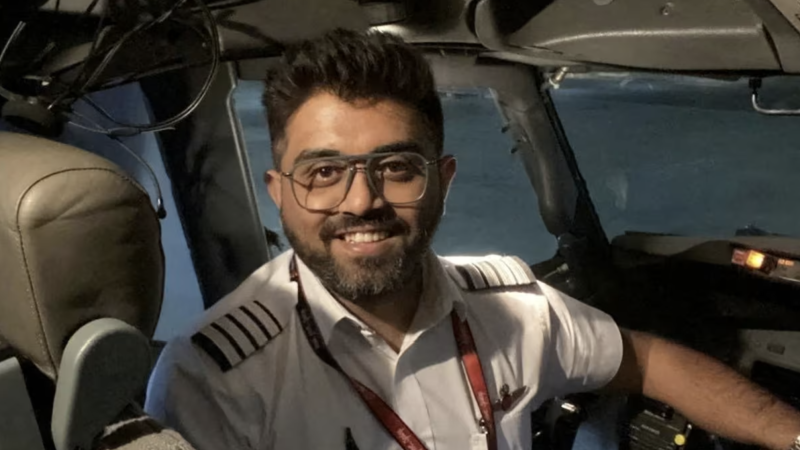
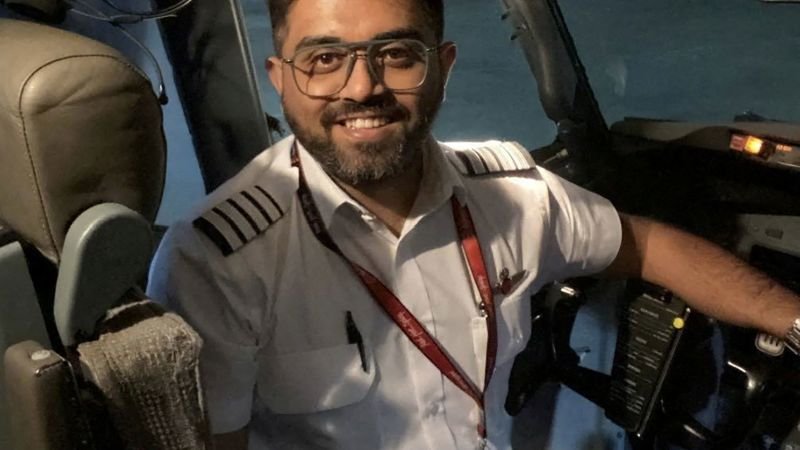
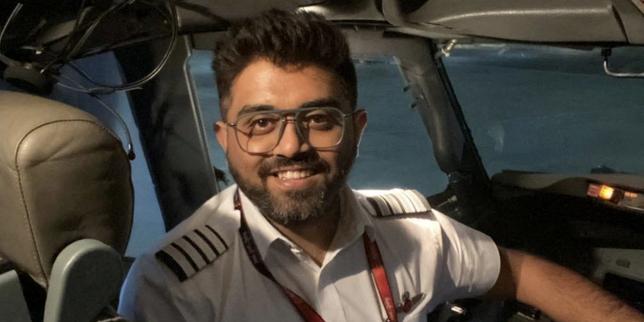
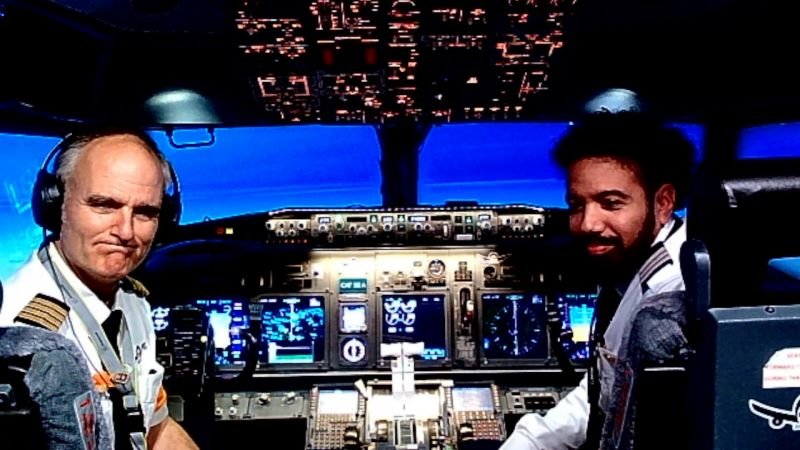
According to accounts cited by Israeli officials and passengers, the co-pilot allegedly attacked Captain Smit Machchhar, an Indian national, and attempted to interfere with the aircraft’s controls. The captain was wounded but managed to open the cockpit door before collapsing, allowing passengers to enter and overpower the attacker.
Emergency over Saudi Arabia
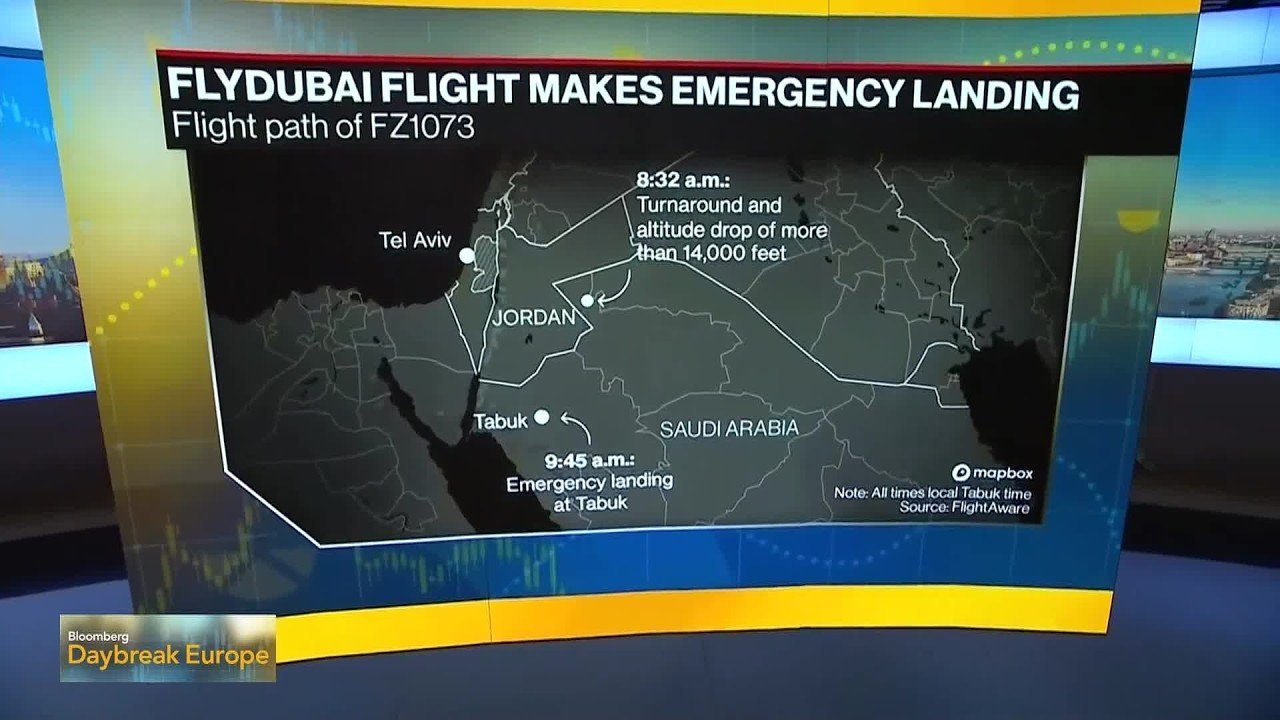
Flight-tracking data showed the aircraft dropping more than 17,000 feet in less than two minutes while it was over Saudi Arabia. The aircraft transmitted the emergency code 7700, used to indicate a general emergency, before switching to squawk 7500, which signals unlawful interference or a possible hijacking.
The aircraft briefly entered Jordanian airspace before turning back towards Saudi Arabia. It landed at Tabuk at approximately 06:58 GMT, nearly four hours after departing Dubai.
Flydubai described the event as an “altercation” in the flight deck and said the aircraft was secured and diverted by an on-duty Flydubai crew travelling on the flight.
“All passengers and crew are safe and accounted for,” the airline said.
Passengers rush to cockpit
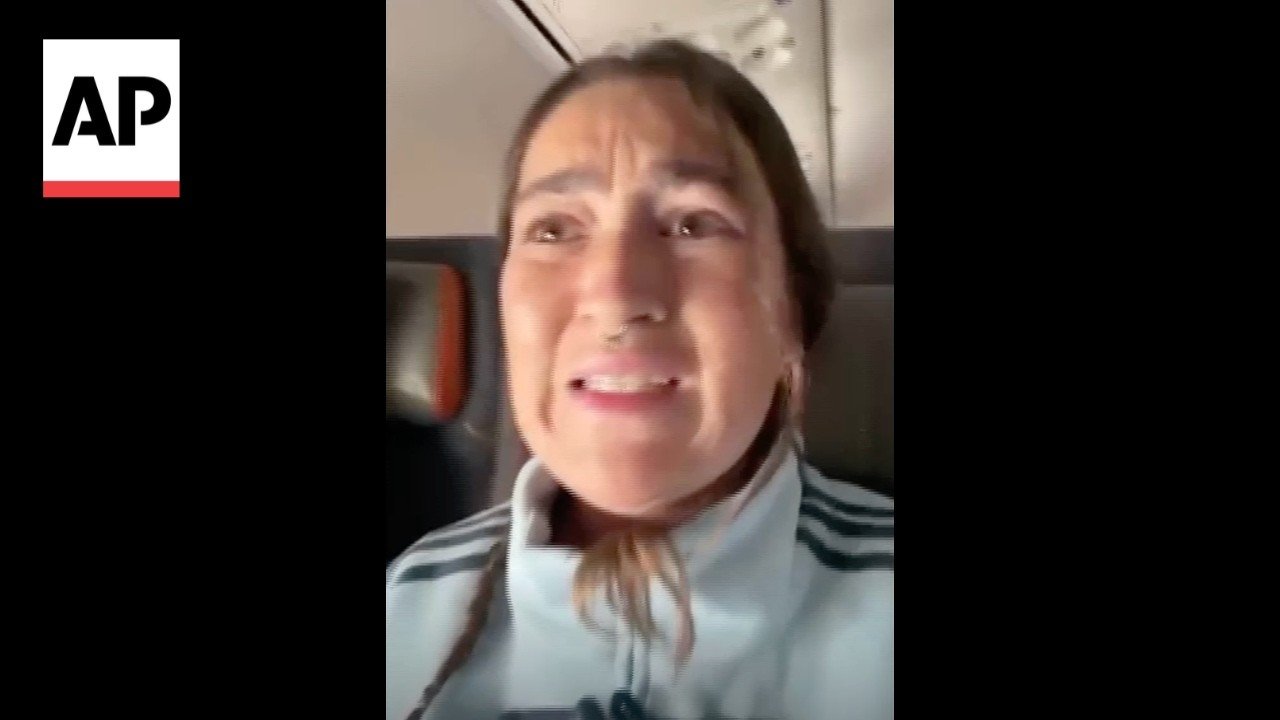
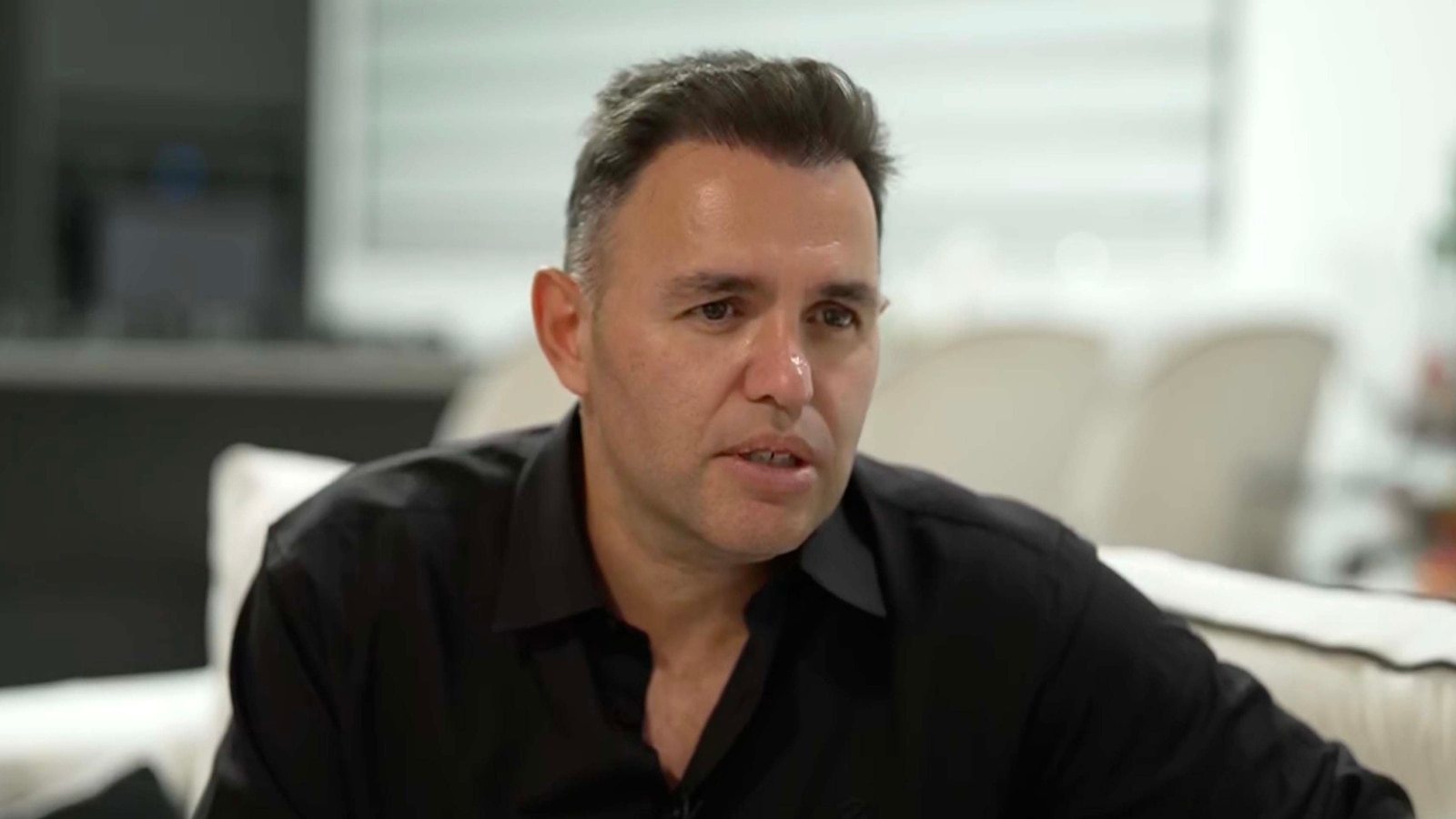
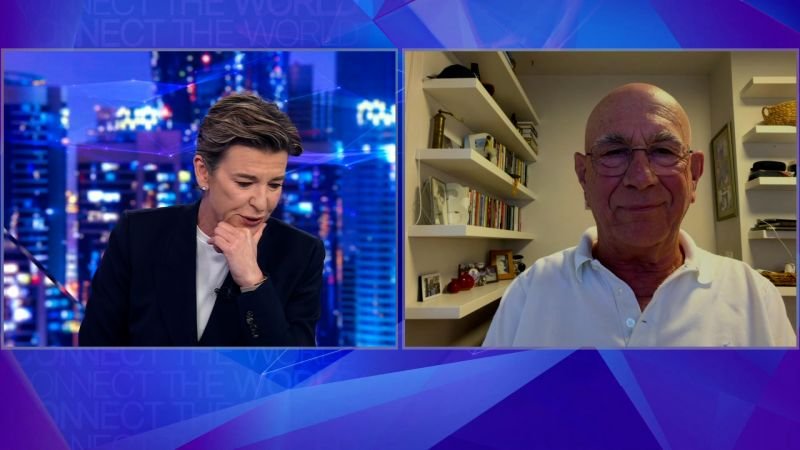
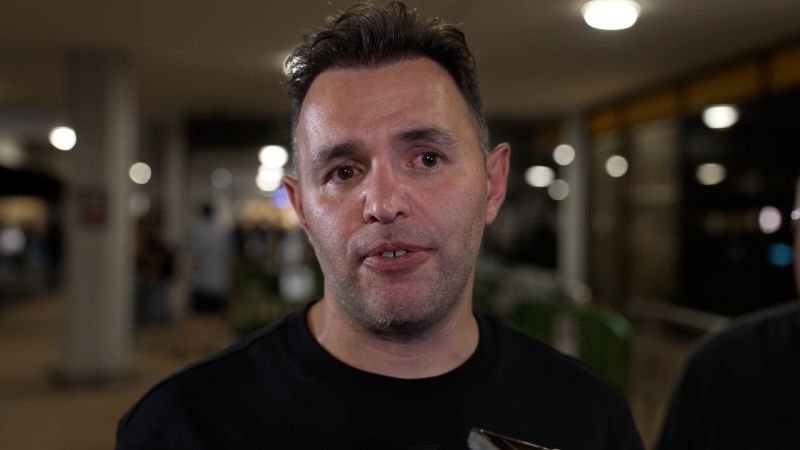
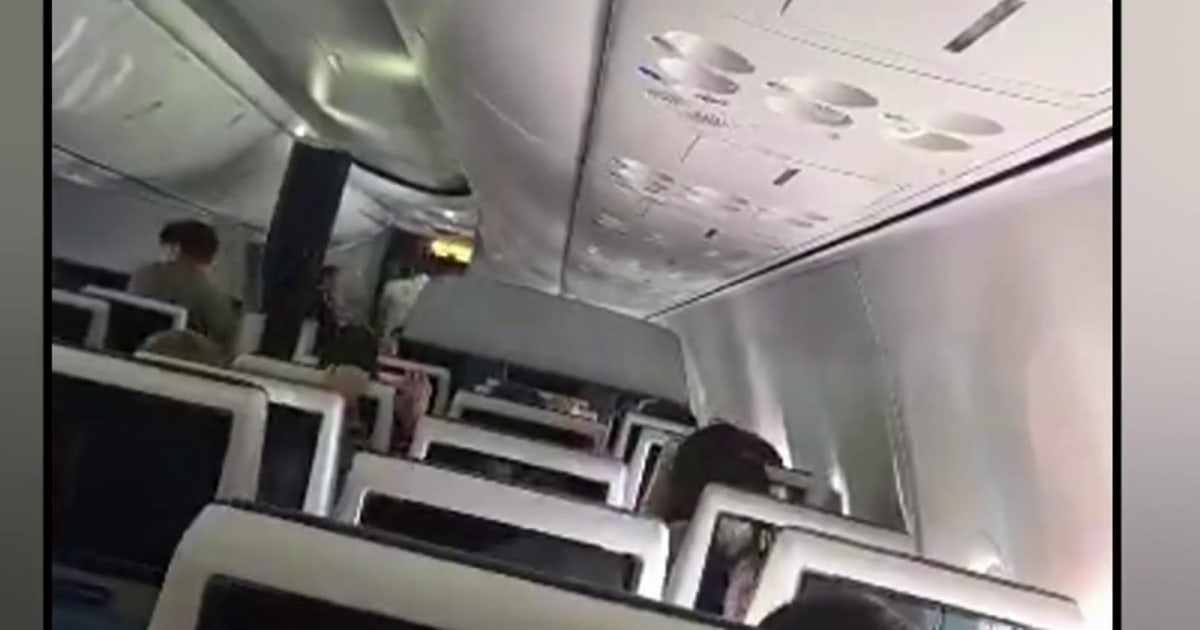
Passengers described a sudden and terrifying descent that felt like a roller coaster. Almog Itali, one of those on board, told the BBC that the aircraft appeared to fall repeatedly before levelling out.
Passengers then saw people moving towards the cockpit. Israeli officials said an Israeli woman, Tali Manes, first alerted others after hearing a disturbance from the flight deck.
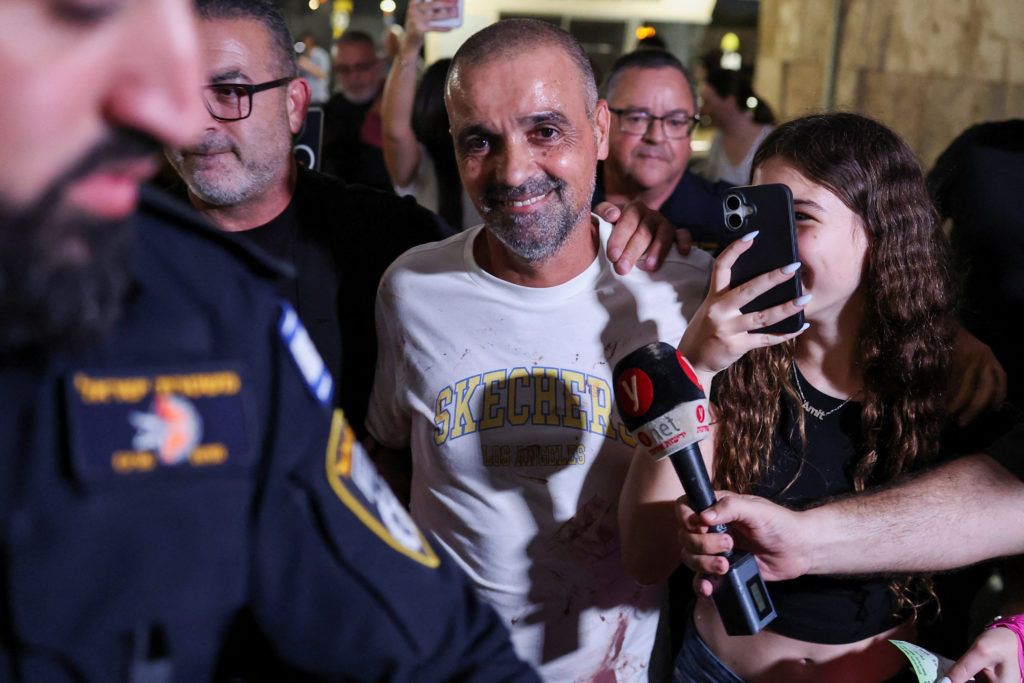
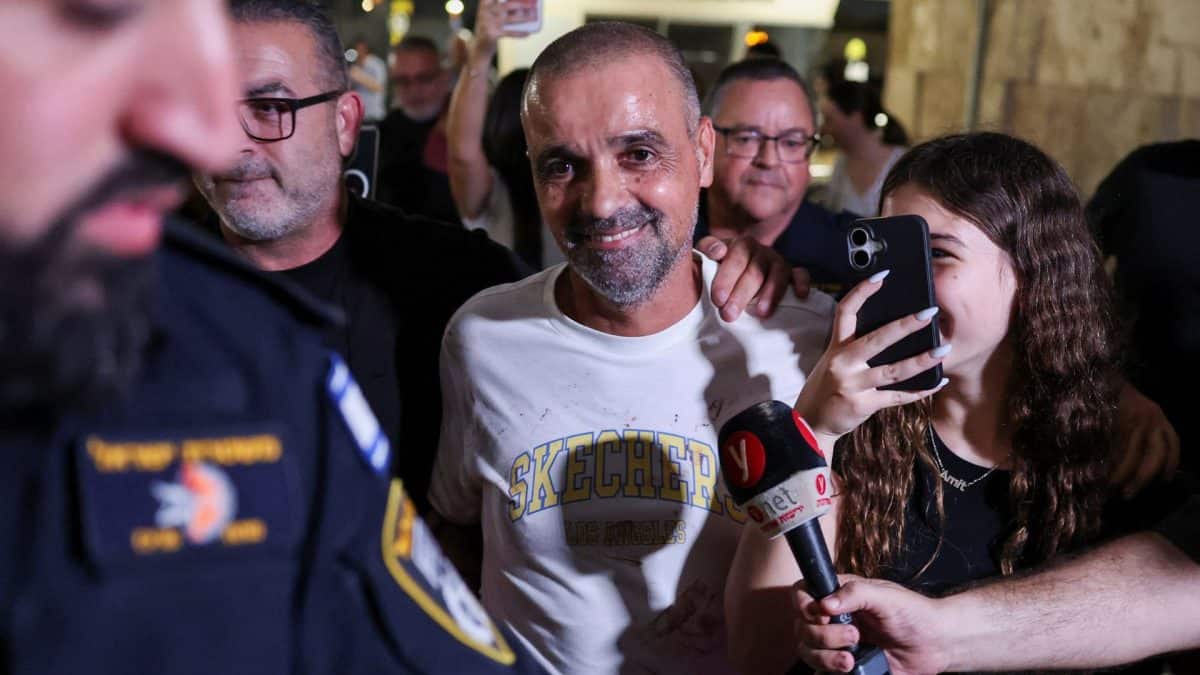
Her husband, Zvika Manes, and three other passengers—Yaniv Hayun, Dr Shota Musayev and Asaf Rajuan—went to the cockpit. According to an account released by Israeli President Isaac Herzog’s office, they overpowered the attacker while Hayun helped steady the aircraft’s controls.
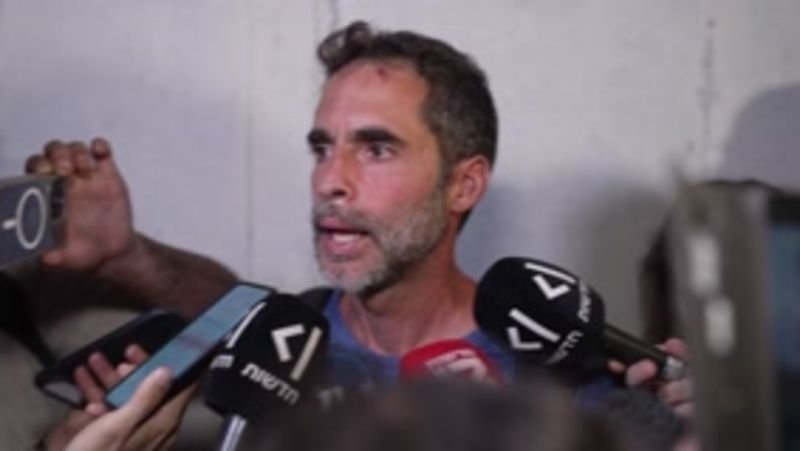
Hayun later said the attacker appeared to be trying to damage the aircraft’s instruments. He placed the man in a chokehold and pulled him away from the controls, while other passengers restrained him using zip ties and headphones.
Dr Musayev, who was reportedly a dentist, treated the injured captain until additional crew members could take control of the aircraft. The replacement crew then stabilised the plane and completed the emergency landing at Tabuk.
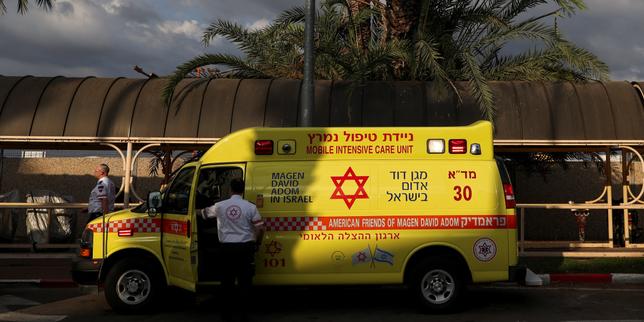
The captain and co-pilot were both injured and initially taken to hospital in Saudi Arabia. Saudi authorities later said their conditions had improved and that both had been transferred to Abu Dhabi. Indian officials said Machchhar was recovering and in stable condition.
Identity and motive under investigation
Israeli officials have identified the suspected attacker as an Omani national, although Oman, the UAE and Flydubai have not publicly confirmed his nationality or released his name.
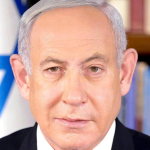
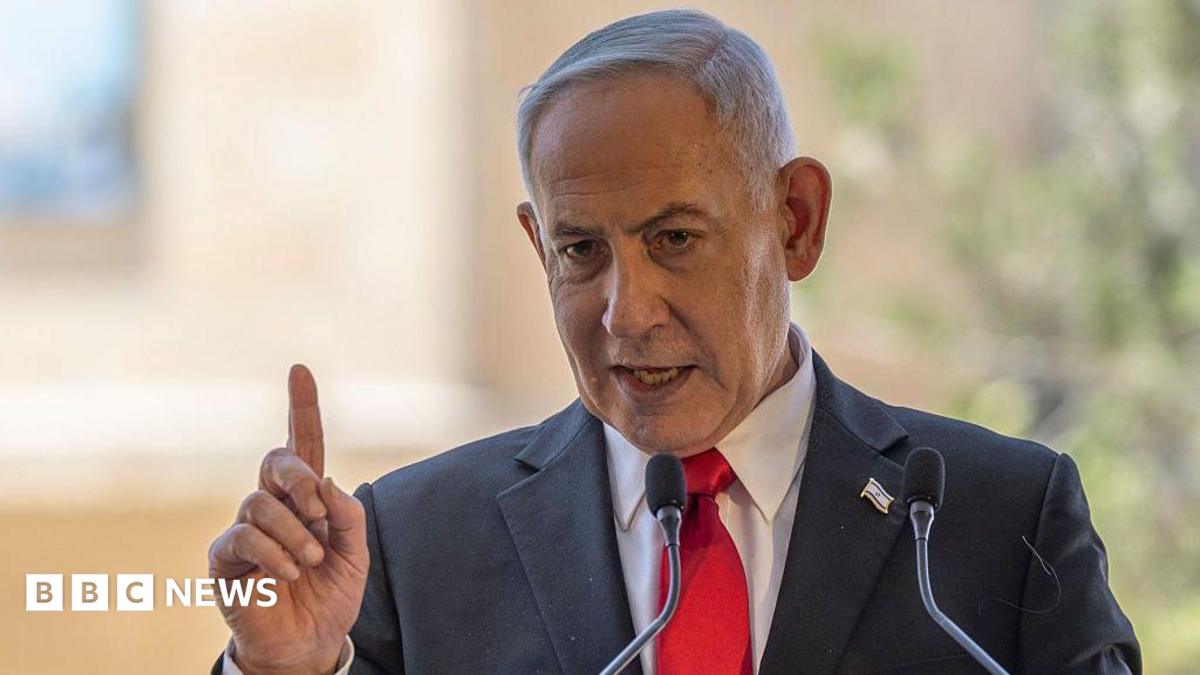
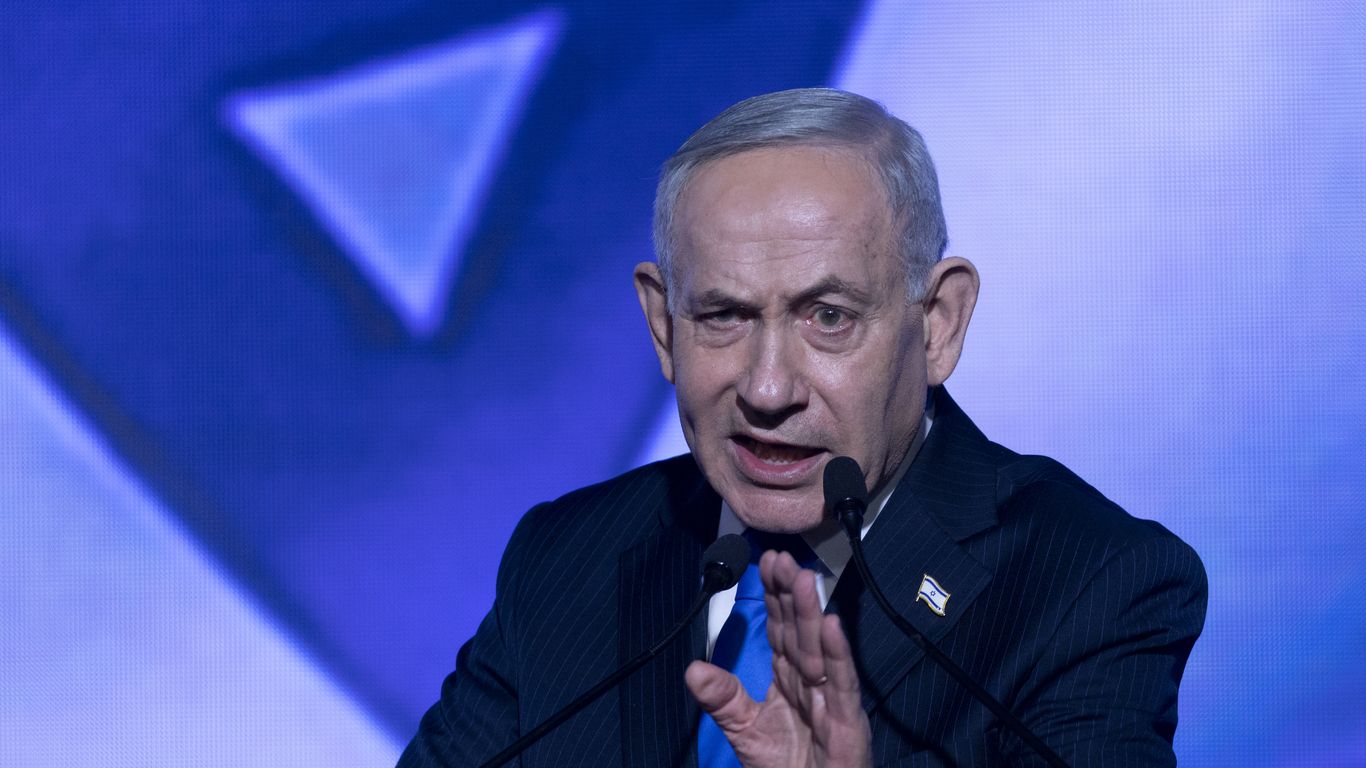
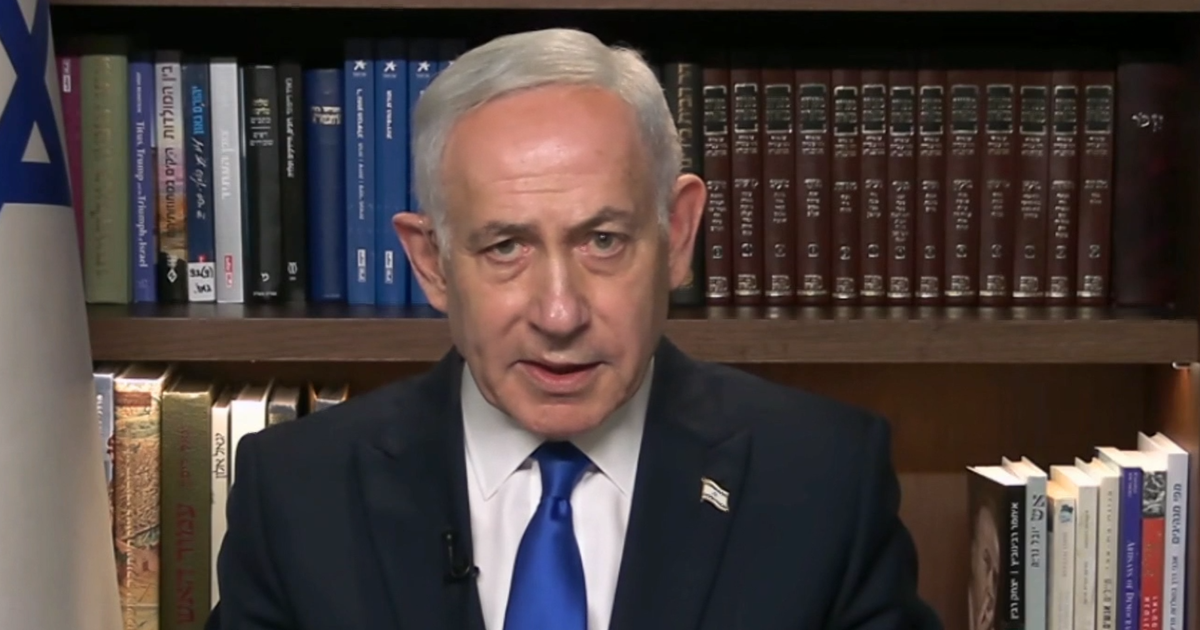
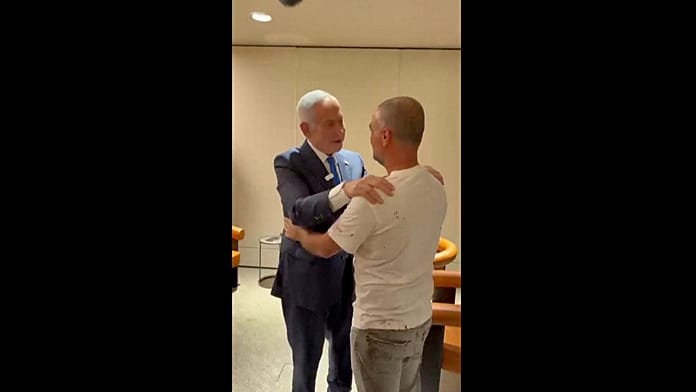
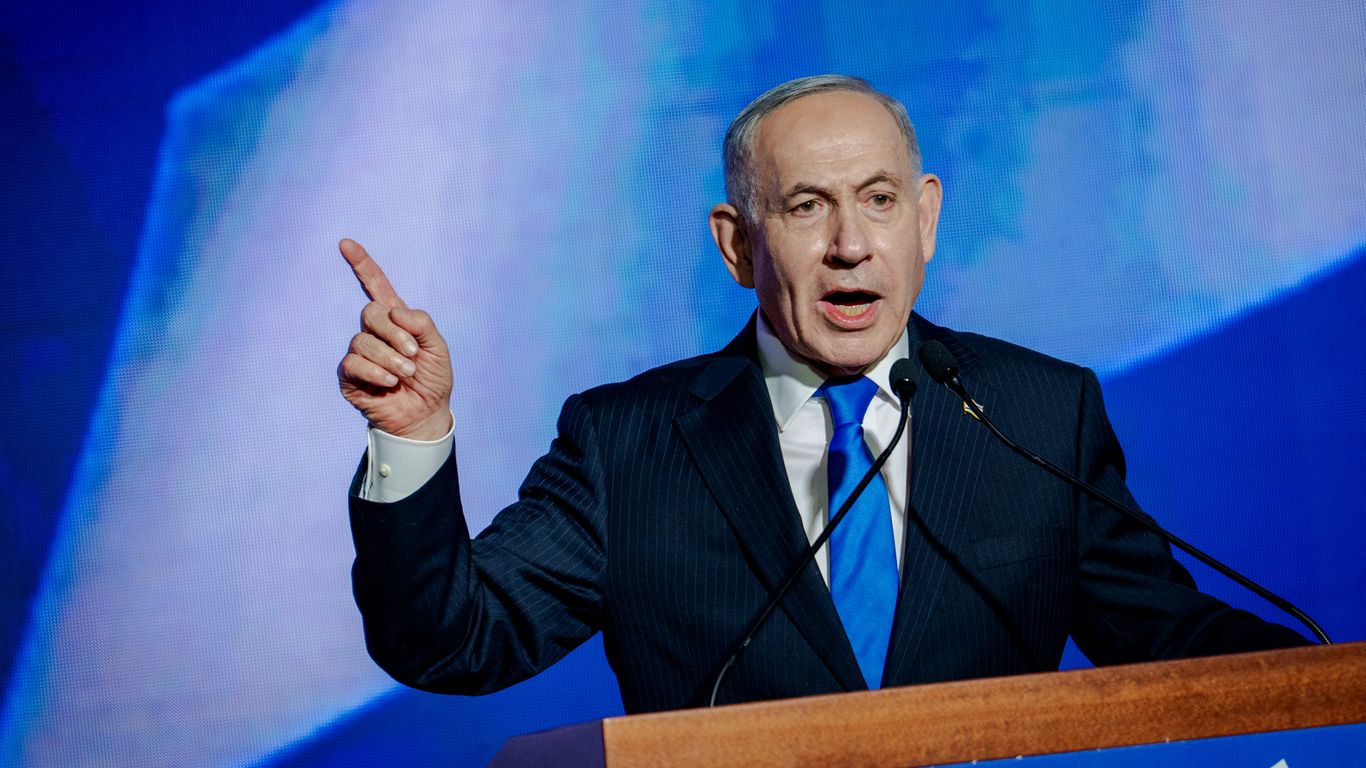
Israeli Prime Minister Benjamin Netanyahu praised Machchhar as a hero and said the captain’s actions helped save the lives of all 174 people on board. Indian Prime Minister Narendra Modi also commended the pilot’s bravery.
My salute to the Indian pilot Captain Smit Machchhar for his extraordinary bravery.
— Benjamin Netanyahu – בנימין נתניהו (@netanyahu) September 30, 2026
Despite being stabbed and seriously injured, he fought back, resisted, opened the cockpit door, and enabled passengers and crew to overpower the attacker — preventing a catastrophic mid-air…
Captain Smit Machchhar has shown the world the highest form of courage.
— Narendra Modi (@narendramodi) October 1, 2026
Without fearing for his own life, he fought valiantly and prevented another 9/11 like attack from happening.
140 crore Indians salute Captain Smit and are praying for his well-being. pic.twitter.com/YGTA9CFCAg
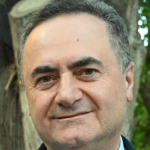
Israeli Defence Minister Israel Katz described the incident as an “attempted jihadist terror attack”. Netanyahu later said investigators were examining whether the co-pilot had undergone what he called “Islamist radical indoctrination”. He also said it was too early to determine whether the incident had any connection to Iran, an armed group or a state actor.
Those claims have not been established by an independent investigation. Flydubai has cautioned against speculation, saying the reasons and motives remain unknown.
The UAE’s attorney general has ordered a specialist investigation into the incident. The inquiry is examining the circumstances of the confrontation, the possibility of terrorist intent, and whether the attack involved prior planning or direction. The investigation is being conducted with the UAE’s General Civil Aviation Authority and other government agencies.
Because the aircraft is registered in the UAE, Emirati authorities have said the country’s courts have jurisdiction over crimes committed aboard it, regardless of where the incident occurred. Saudi authorities are also cooperating with the UAE investigation.
Flydubai suspends Israel services
Flydubai suspended flights to and from Israel while the investigation continues. The airline said the suspension was temporary and intended to allow authorities to establish the facts of the incident.
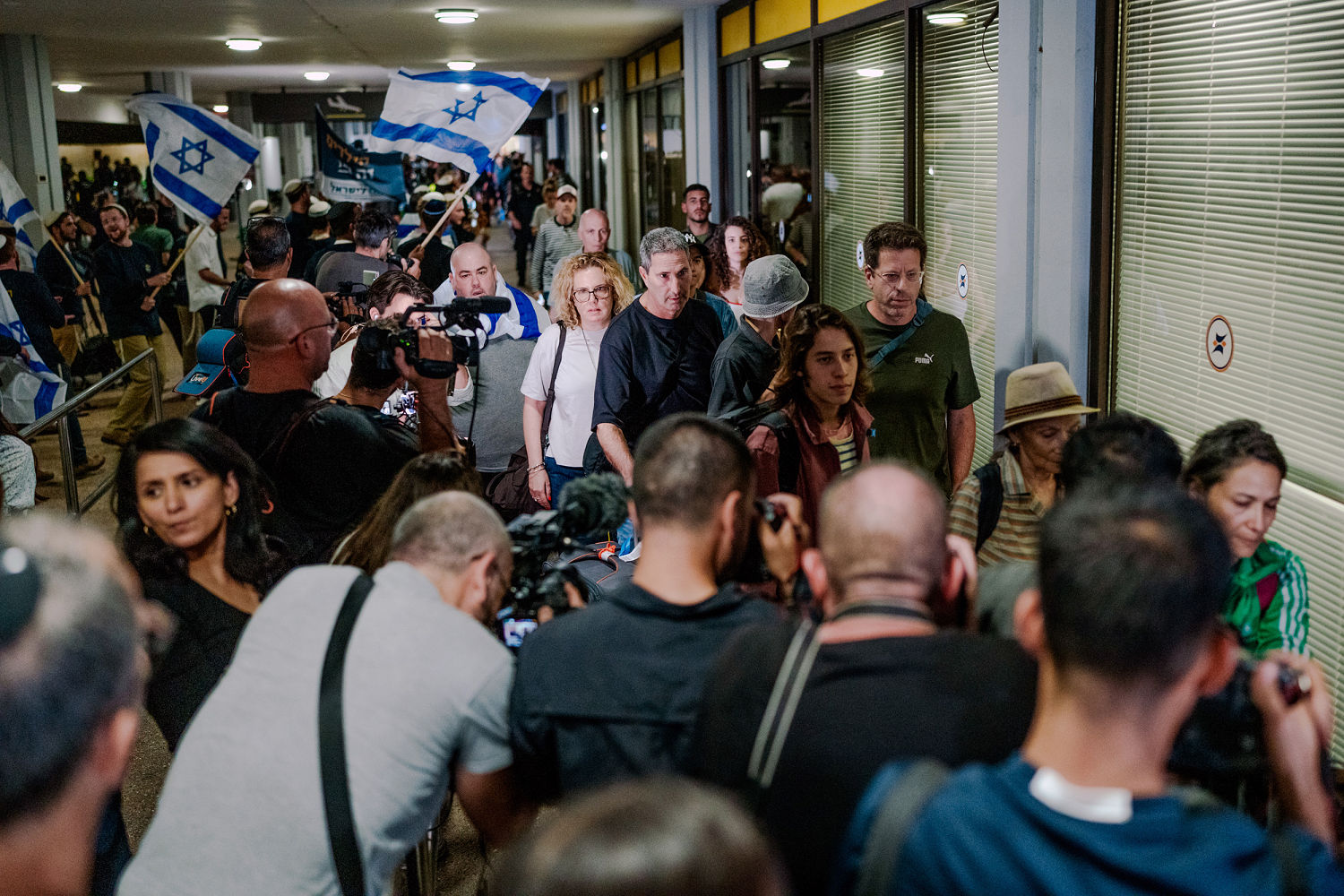
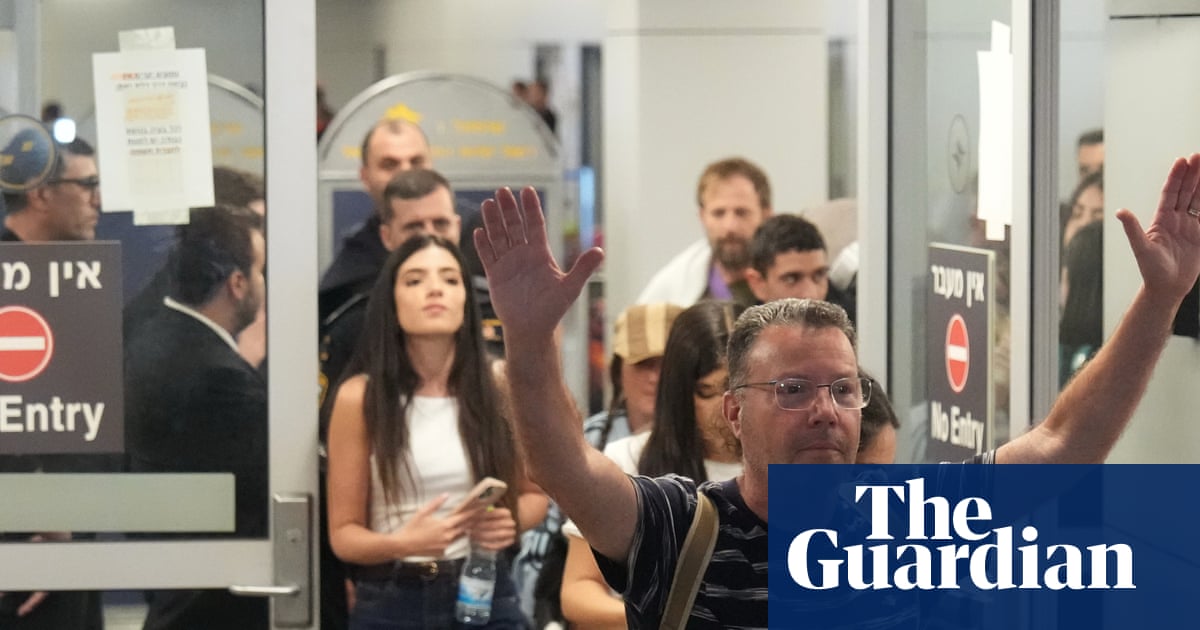
The suspension affects the Dubai–Tel Aviv route but does not affect Flydubai’s wider international network, according to the airline. Flydubai said it had sent replacement aircraft to Tabuk to transport the stranded passengers and crew. A repatriation flight later carried the passengers to Tel Aviv.
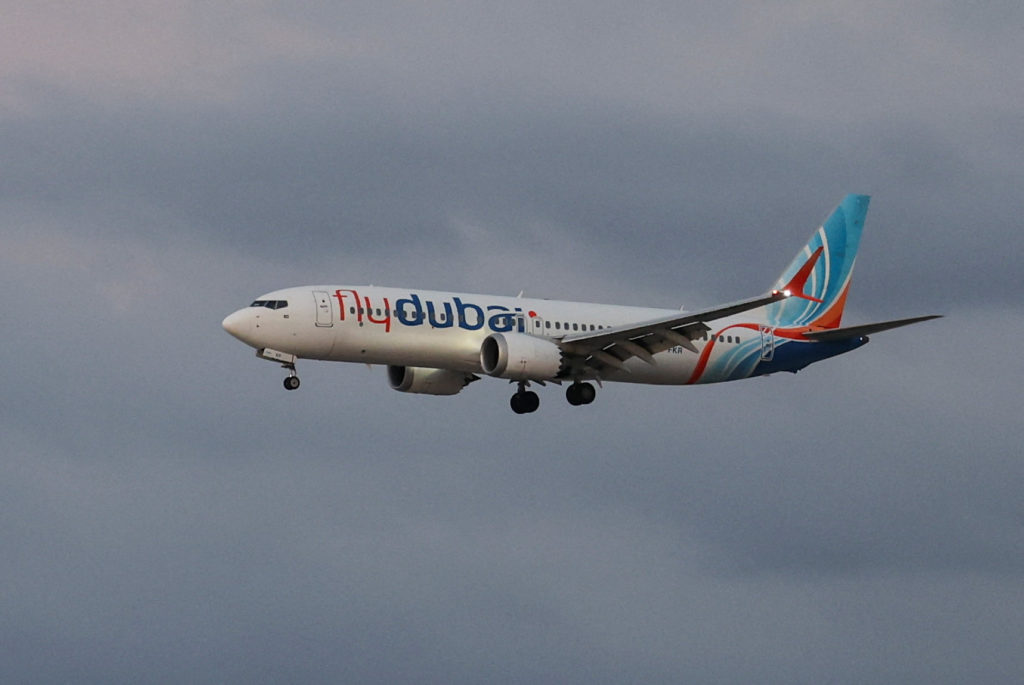
The airline operates a network of more than 125 destinations and a fleet consisting entirely of Boeing 737 aircraft, including Boeing 737 MAX 8 and MAX 9 aircraft.
Aviation-security questions
The incident is likely to prompt scrutiny of cockpit-access procedures, pilot screening and the safeguards used when two-person flight crews are involved in a confrontation.
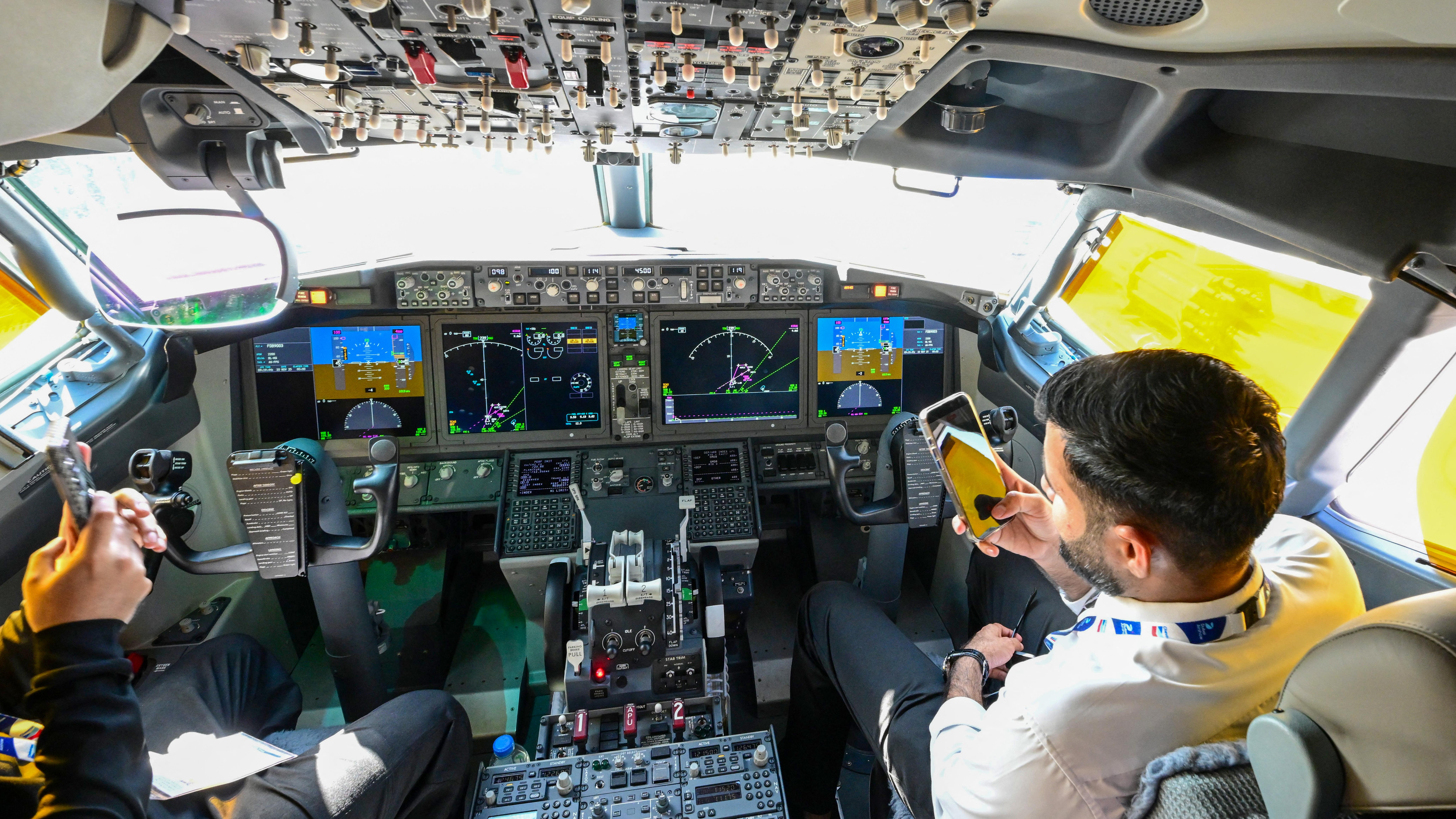
Modern commercial aircraft are designed to prevent unauthorised access to the cockpit, but the situation on FZ1073 appears to have involved both a wounded captain attempting to open the door and passengers entering during an unfolding emergency. Investigators will need to establish how the cockpit door was opened, who controlled the aircraft during each stage of the descent, and how the reserve crew gained access to the flight deck.
Authorities will also examine the suspect’s employment history, medical and security checks, communications, online activity and any possible links to an organisation. Until those inquiries are complete, descriptions of the event as a terrorist attack remain allegations rather than confirmed findings.
For the passengers, the immediate crisis ended without loss of life. But the incident left an international flight carrying families and children in a rapid descent, with passengers and off-duty aviation personnel forced to intervene to prevent a possible catastrophe.
This article has been updated to distinguish confirmed statements from allegations and preliminary reports. The investigation remains ongoing.