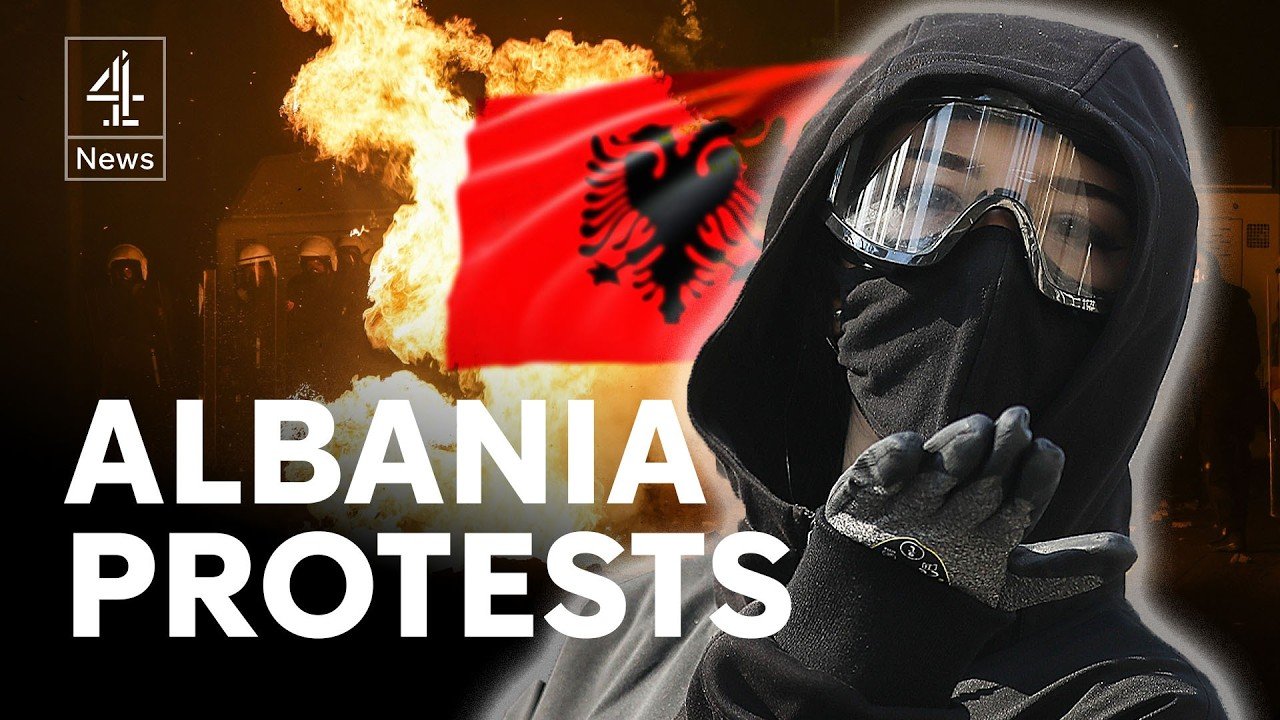






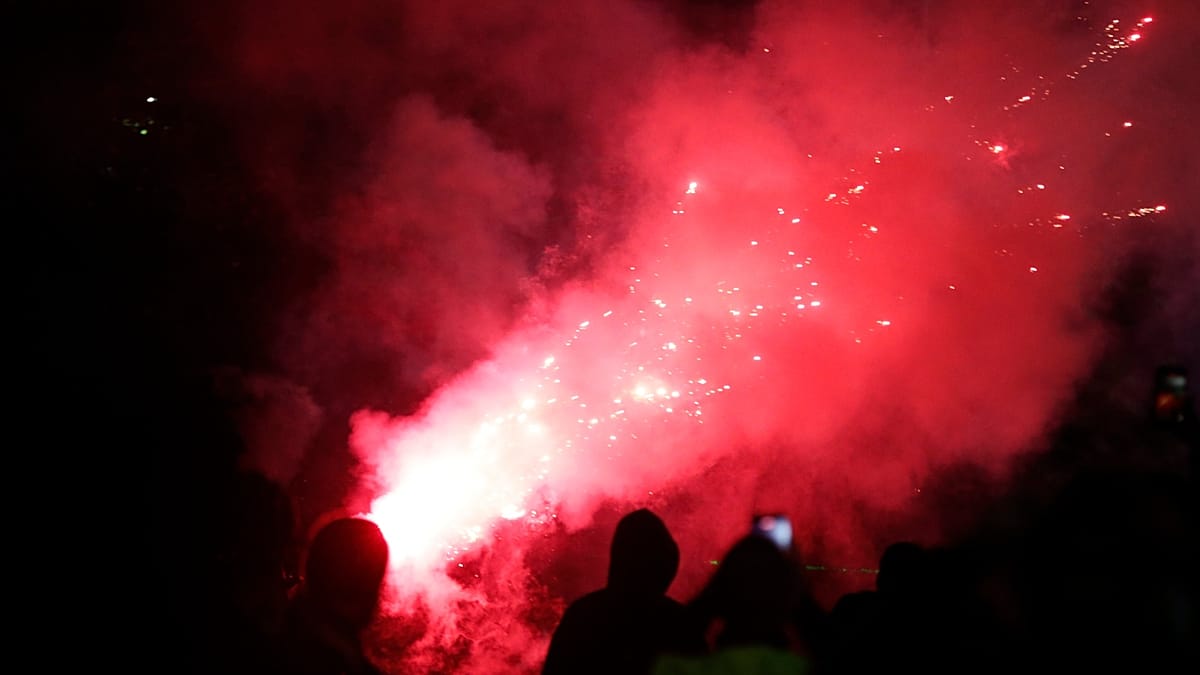
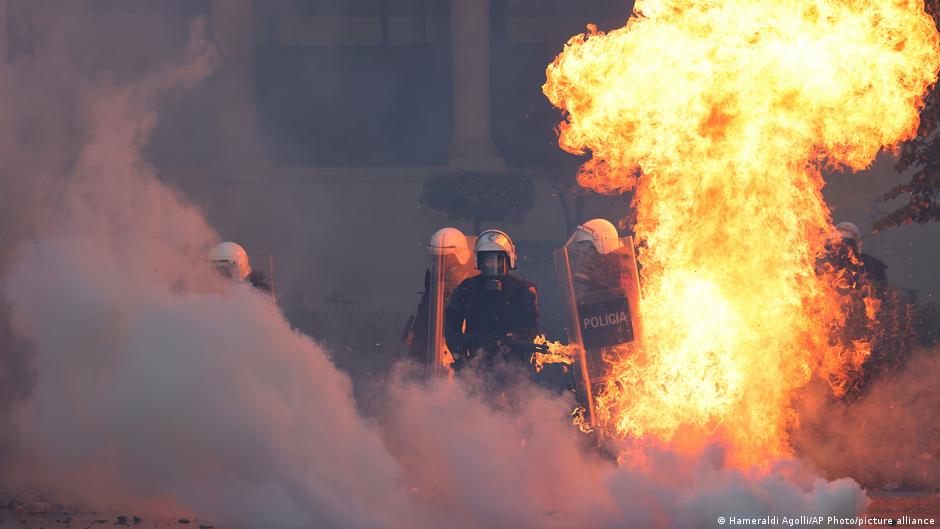


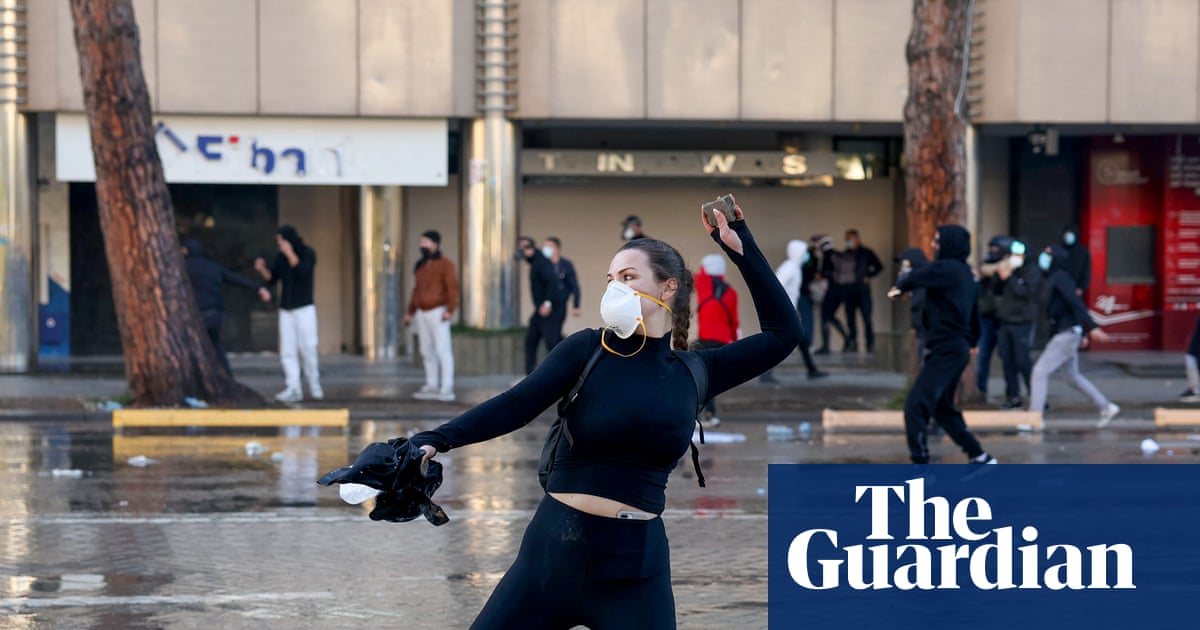


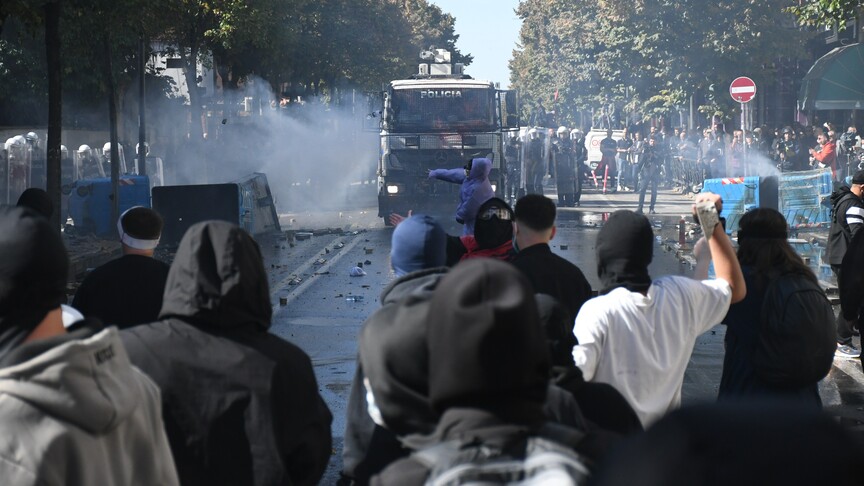

Student-led demonstrations over education costs and job prospects have converged with months of anger over corruption and a Trump-family-linked coastal development, bringing repeated clashes to Tirana.
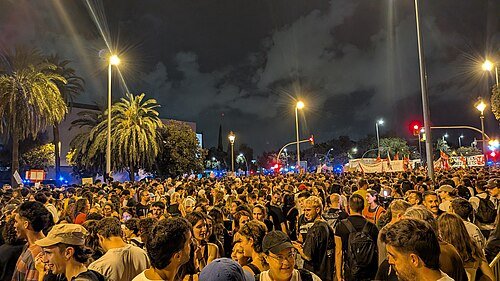
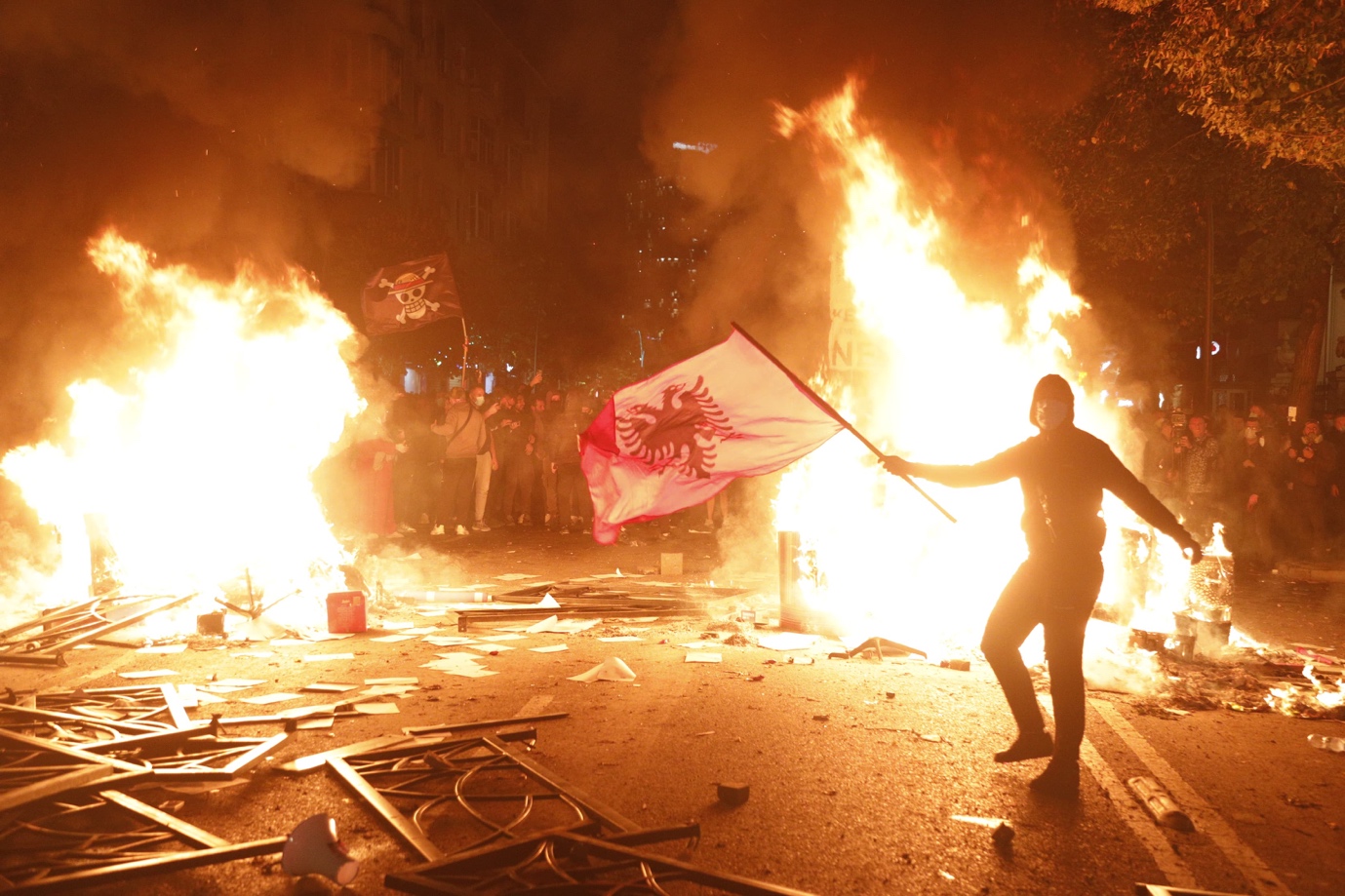
TIRANA — Anti-government protesters returned to the streets of Albania’s capital on Sunday, October 25, defying new measures announced by Prime Minister Edi Rama as a student-led movement demanding his resignation continued after nearly two weeks of violent unrest. Demonstrators gathered outside the Education Ministry before marching to Rama’s office, where they burned chairs he had placed outside as an invitation to dialogue.
The protests have brought together grievances over university conditions, education costs, unemployment and alleged government corruption. They follow months of demonstrations against a luxury coastal development backed by Jared Kushner, US President Donald Trump’s son-in-law, which has become a focus of wider anger over the government’s handling of public land and foreign investment.
Rama, who has governed since 2013 and won a fourth term in 2025, has refused to resign. But his latest response combined a tougher approach to demonstrations with an acknowledgement that some protesters’ concerns were legitimate.
“I believe that those who demand my resignation are mistaken if they think they can impose it through violence or any other means, but I do not believe that everything they say or demand is wrong,” he said in a video address on Sunday.
Education grievances become a broader challenge
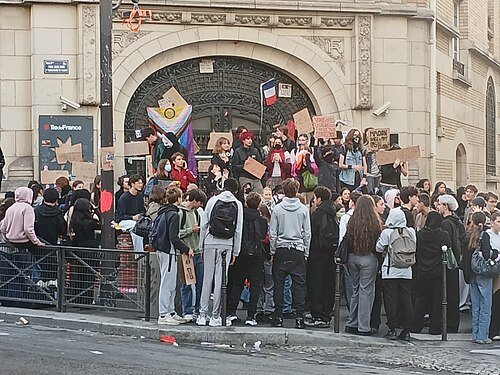
The latest wave of demonstrations grew out of student demands for better university conditions, lower education costs and improved employment opportunities. High school and university students have been prominent in the protests, which have spread beyond Tirana to other cities.
Their demands have widened to include Rama’s resignation, early elections and changes to the electoral system that supporters hope would allow new political forces to enter parliament, according to reporting by TRT World.
The movement has also attracted support from university professors, teachers, artists and opposition parties. However, opposition involvement does not mean the demonstrations are uniformly aligned with an established party. AFP reported that protesters have distanced themselves from political parties and directed corruption accusations at both Rama and longtime opposition leader Sali Berisha.
For some students, the central issue is whether they can build a future in Albania rather than leave.
“We are here for one reason: we want to stay in our country and not have to dream of a life elsewhere,” first-year medical student Rosela Mira told AFP at Saturday’s rally. “I want to have a future here.”
From coastal development to the “Flamingo” movement
The student mobilisation followed an earlier protest campaign against a luxury tourism development linked to Kushner and his wife, Ivanka Trump. Demonstrations against the project began in May and continued through the summer before the October escalation.
Known as the “Flamingo Revolution,” the movement takes its name from the pink birds associated with the coastal habitat protesters fear will be damaged. Environmental objections have become intertwined with demands for transparency and accusations that politically connected development is taking precedence over public interests. Those accusations remain protesters’ claims, rather than findings established by the demonstrations themselves.
Rama has defended the investment, arguing that it would help modernise Albania after decades of communist isolation. Opponents have challenged construction in environmentally sensitive coastal areas and questioned the government’s support for the project.
The connection between the two phases of unrest is important: the October demonstrations are not solely a dispute over tuition fees, nor are they solely an environmental campaign. Student grievances have joined an existing movement challenging the government’s broader record.
Clashes leave hundreds injured
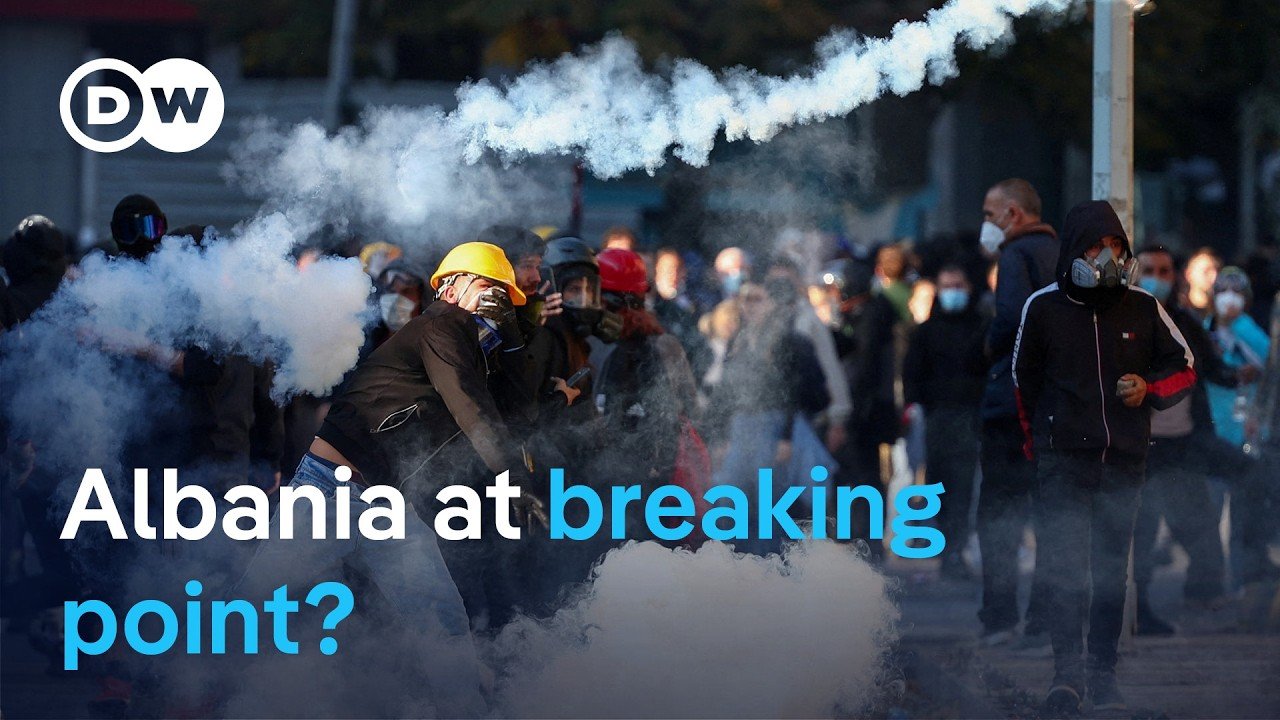
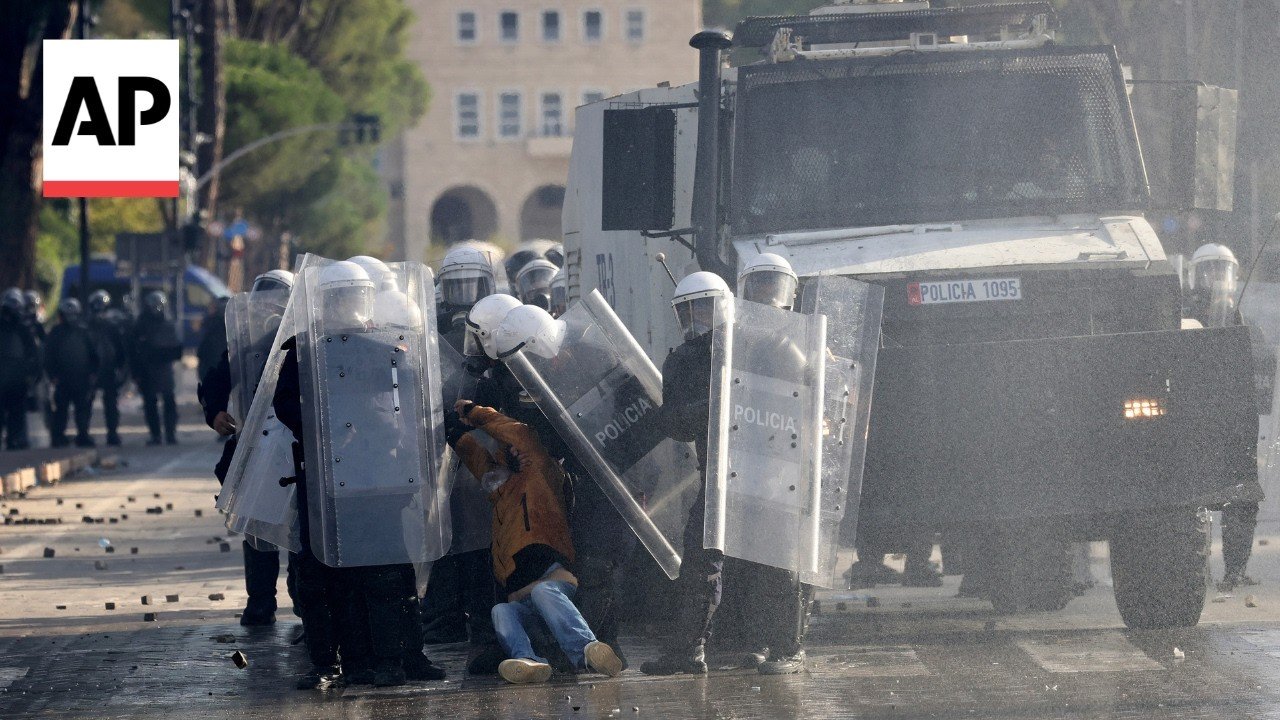
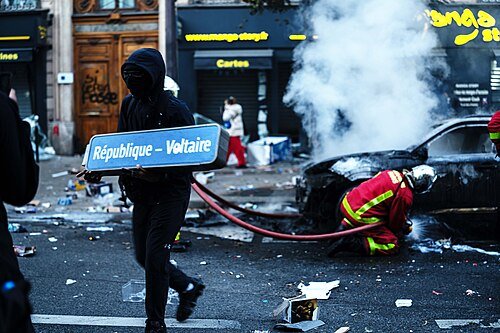
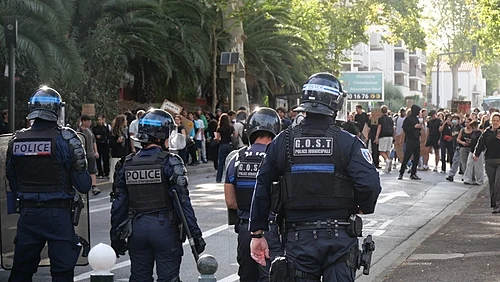
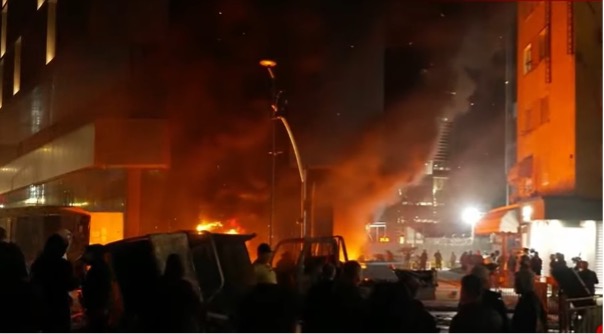
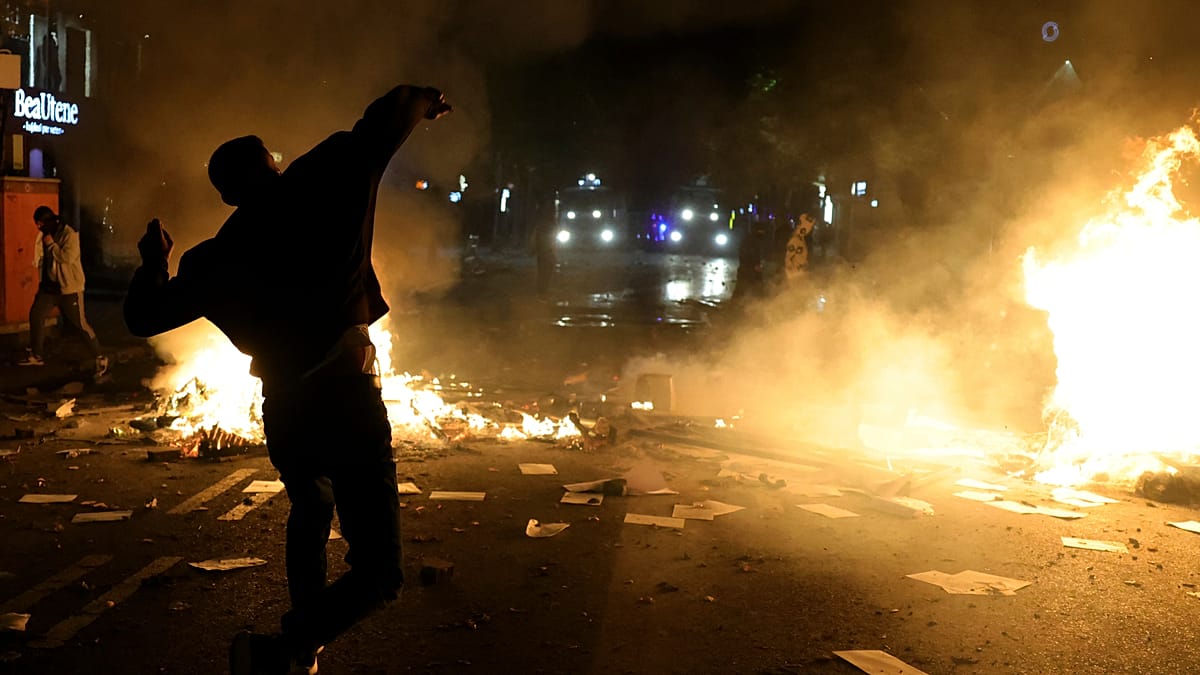
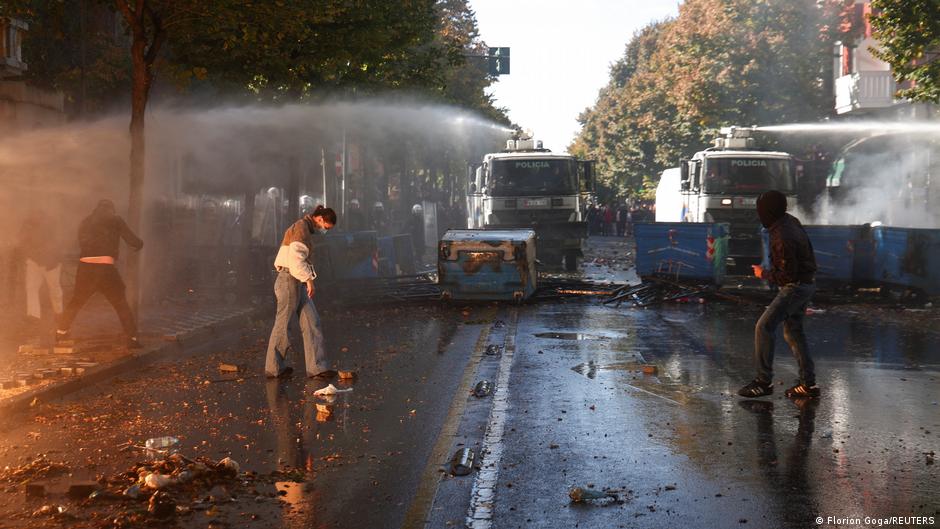
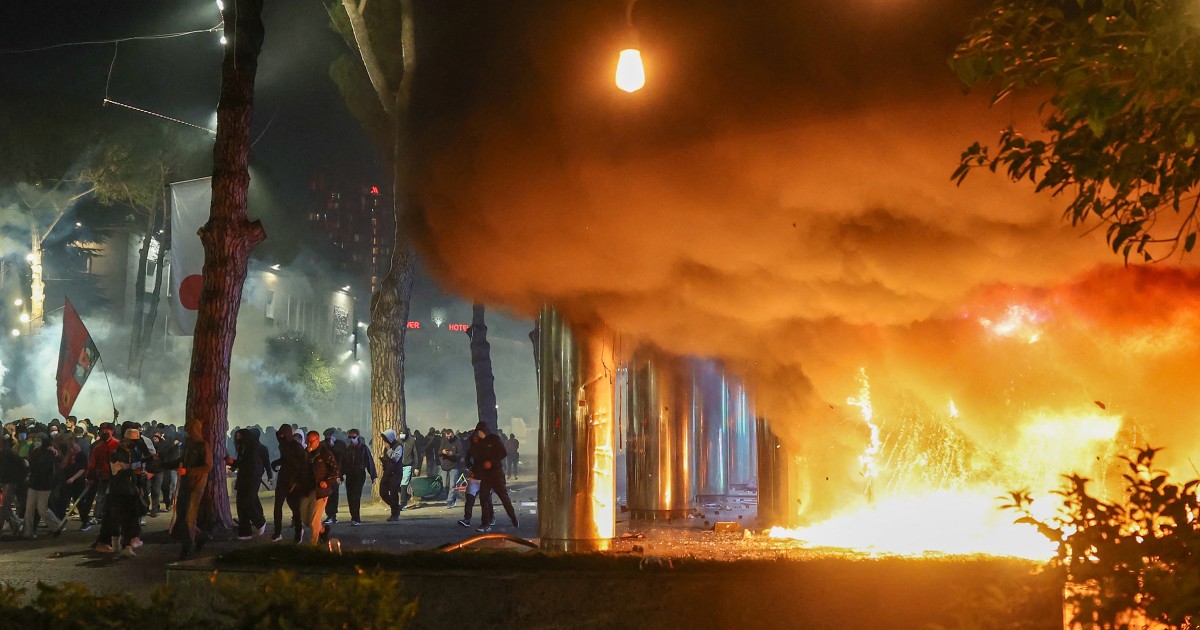
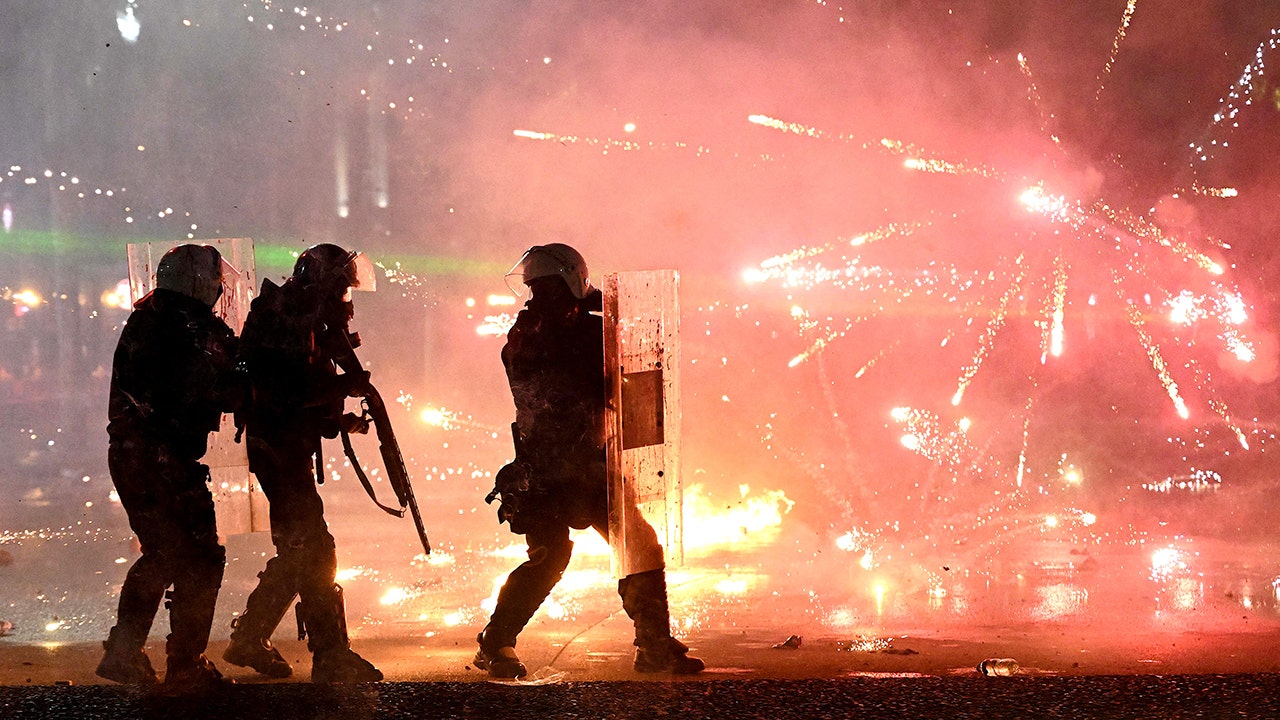
Repeated confrontations have damaged government buildings and private businesses. Reuters reported that demonstrators had set fire to government buildings and banks, smashed shop windows and torn up paving stones to throw at police. Officers have used tear gas, water cannons and rubber bullets during the unrest.
By October 24, authorities reported that more than 300 protesters and police officers had been injured. That figure supersedes the earlier toll of 272 injuries reported during the first week of clashes; neither should be presented as a final count for the continuing unrest.
Arrest figures have also risen over time. Tirana police reported 271 arrests across the preceding seven days in an October 20 account published by the Organized Crime and Corruption Reporting Project, while TRT World reported more than 600 arrests by October 23. The figures reflect different reporting dates and should not be added together.
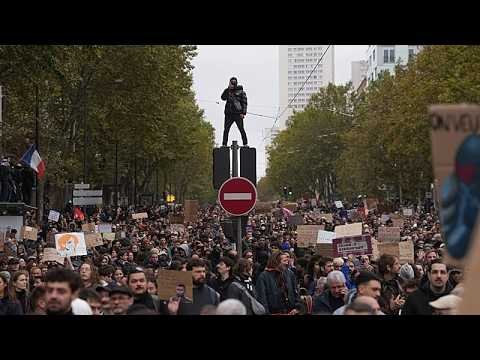
The violence has not been universally endorsed within the movement. At Saturday’s demonstration, teachers and university professors carried banners reading “No violence,” “Transparency” and “Democracy in danger,” according to AFP.
Police conduct faces scrutiny
The authorities’ response has raised concerns about the treatment of detainees, particularly minors.
A preliminary investigation by Albania’s People’s Advocate, the country’s ombudsman, documented allegations of physical and verbal abuse, unjustified detention of bystanders and mobile-phone searches conducted without judicial orders, according to OCCRP’s reporting.
At one police station, five of eight detained minors alleged abuse, and two showed visible signs of injury. Monitors also reported overcrowding and inadequate access to beds, water, heating and medical care at a detention facility holding 109 arrested people.
The ombudsman called for an immediate reduction in overcrowding, an end to unlawful phone searches and visible identification for officers. Its administrative investigation was continuing at the time of the October 20 report.
Rama offers talks while tightening penalties
Rama has offered dialogue while insisting that violence will not force a change of government. On October 25, he announced measures including fines of 500,000 lek — approximately US$6,188 at the exchange rate cited by Reuters — for anyone participating in a protest that turns violent, even if that person does not personally commit violence.
He has also alleged that foreign and political actors are exploiting public grievances. Earlier in the unrest, he described the demonstrations as the work of an “outside hand” without clarifying that claim in the address reported by Deutsche Welle. His allegations should be distinguished from independently established explanations for the protests.
The prime minister has linked political stability to Albania’s ambition to join the European Union. His government has set a target of membership by 2030, while the European Commission has condemned violence and welcomed the authorities’ stated commitment to protect the right to protest.
For now, the government’s invitation to talks has not ended the confrontation. Sunday’s renewed march — and the burning of the chairs intended to symbolise dialogue — underscored the continuing distance between Rama’s offer and demonstrators’ demands for his departure.