


















French authorities will maintain targeted curfews and restrictions on demonstrations after two successive weekends of protests over living costs and deteriorating school conditions, as President Emmanuel Macron promises measures to address grievances that have brought hundreds of thousands of people into the streets.
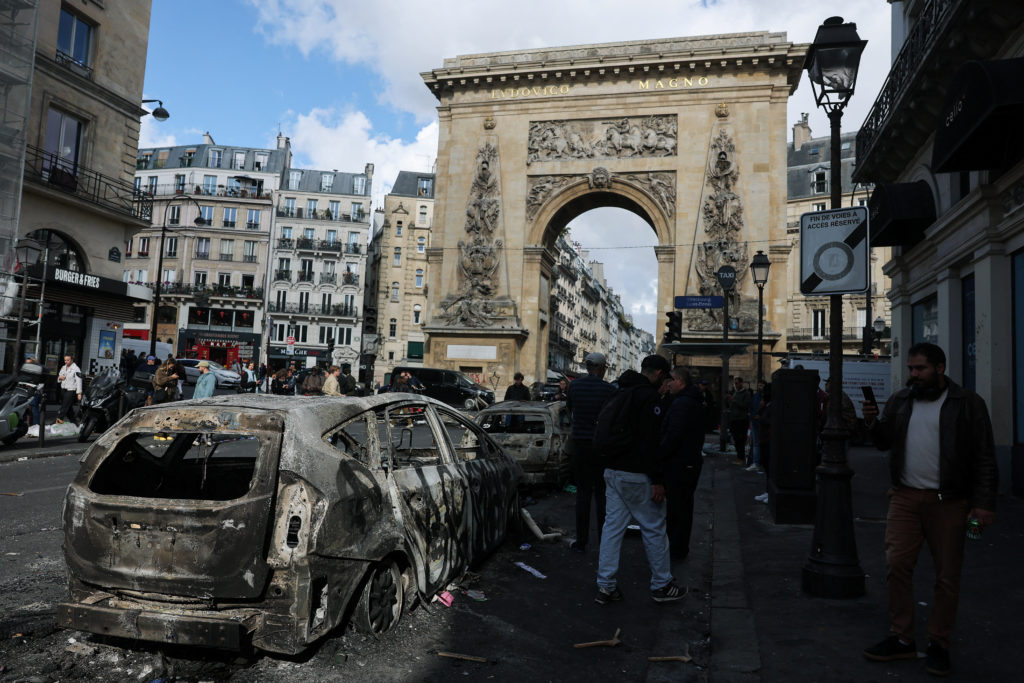
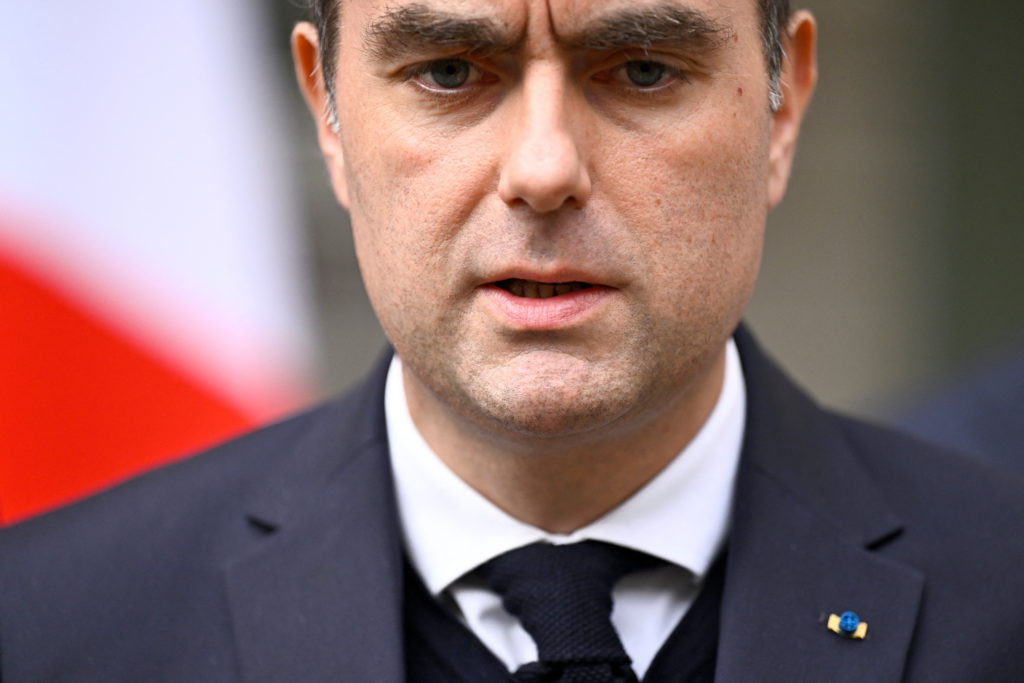
Interior Minister Laurent Nuñez said on October 26 that prefects would decide on curfews in consultation with mayors in just over a dozen cities. Restrictions on demonstrations in city centres would also remain where authorities considered public safety at risk. The measures follow widespread looting and arson on October 17 and a second nationwide mobilisation on October 24 that saw less extensive destruction but further clashes and mass arrests.
The government now faces a dual challenge: restoring public order while responding to an expanding protest movement rooted in complaints about underfunded education, rising fuel prices and declining public services. Further demonstrations are planned for October 31, followed by a nationwide strike on November 5.
From school protests to a broader movement
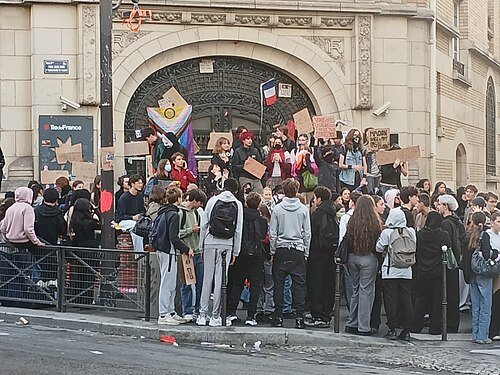
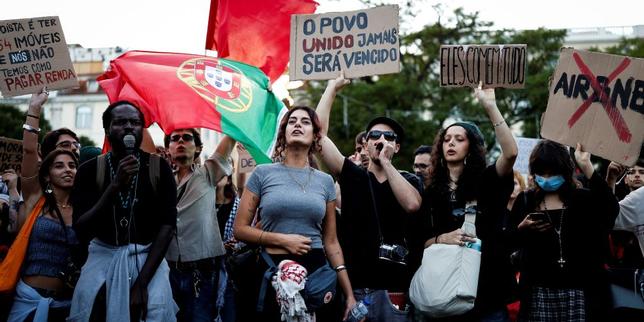
The demonstrations began in September with students protesting against poor school conditions, including dilapidated buildings and teacher shortages. They subsequently broadened as trade unions, cost-of-living campaigners and groups identifying with the Yellow Vest movement joined the mobilisation.
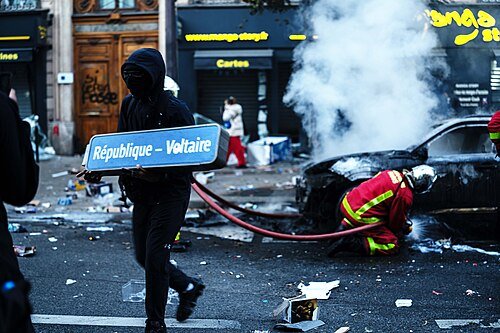
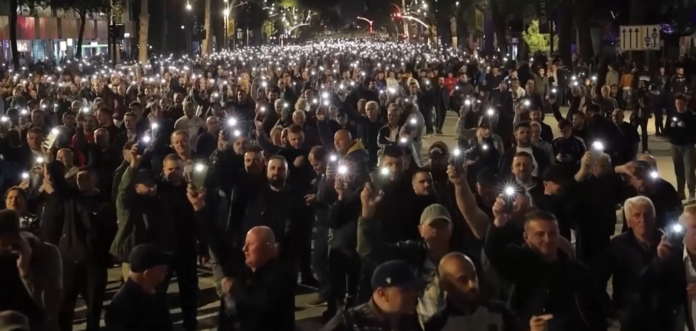
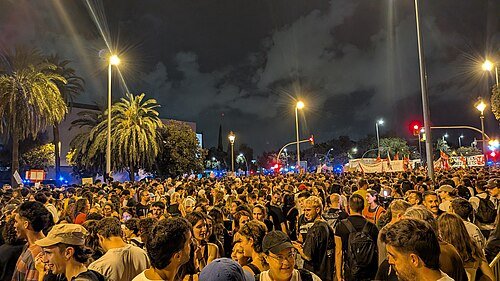
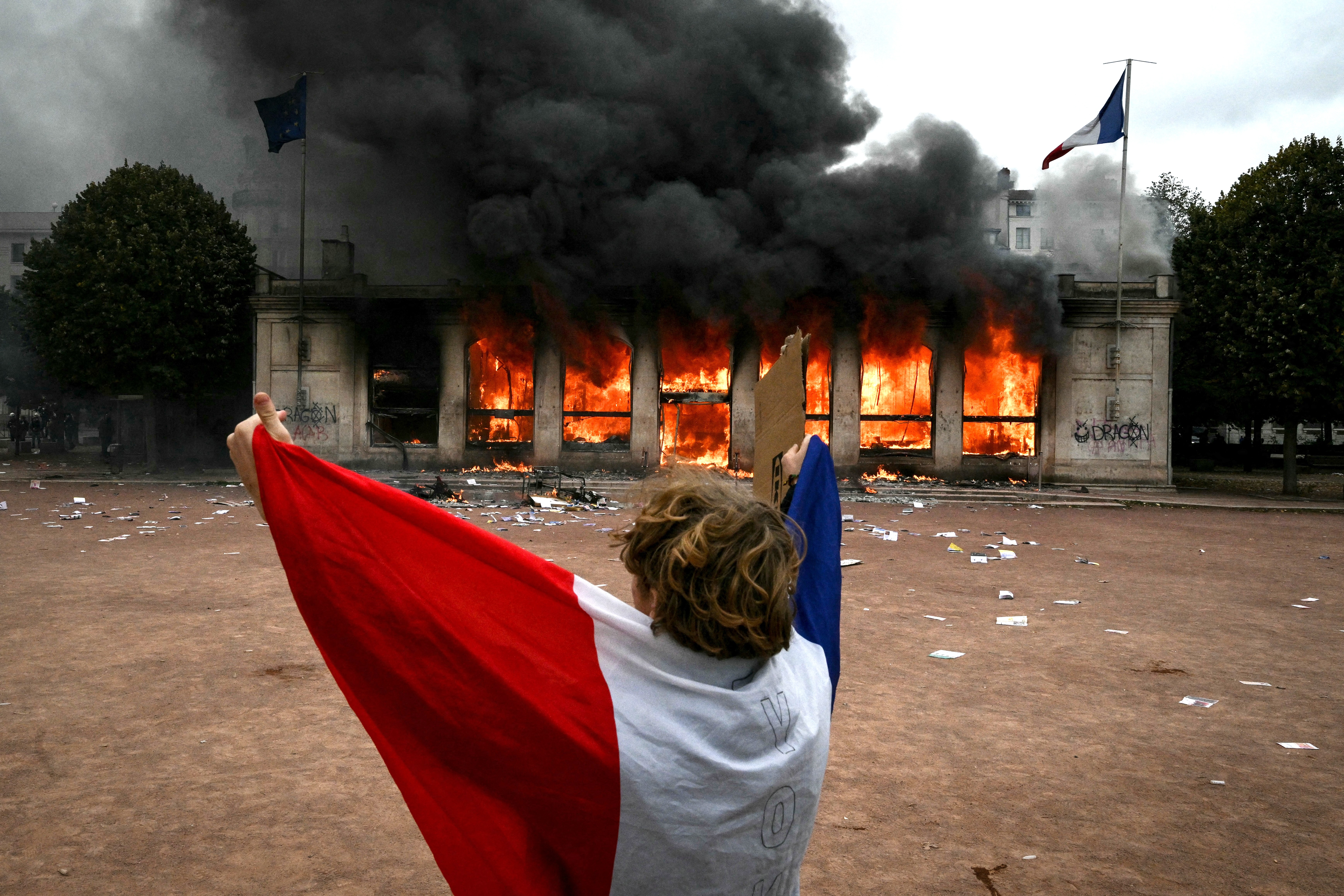
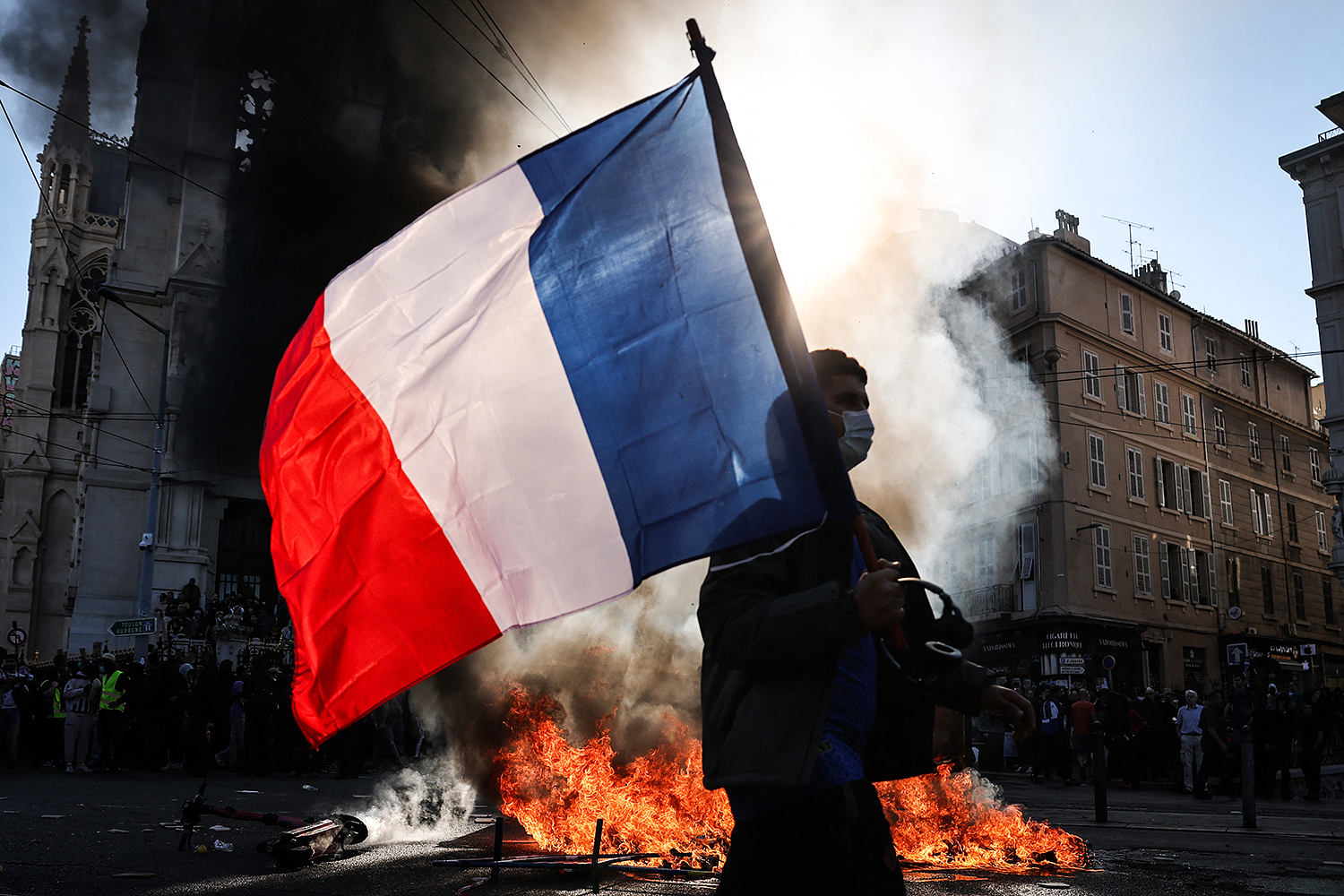
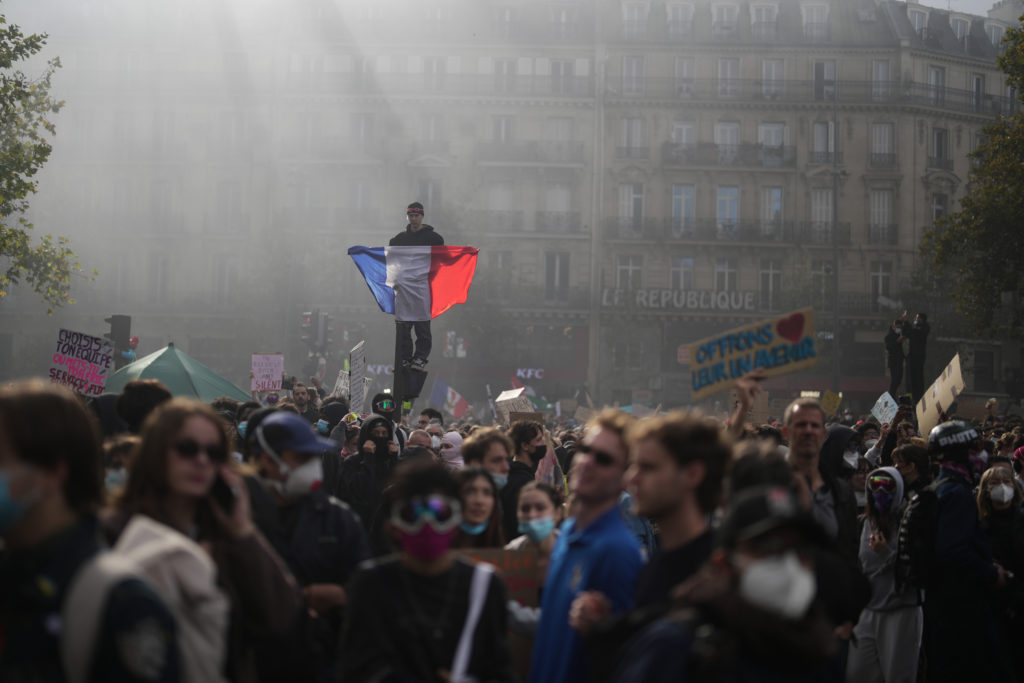
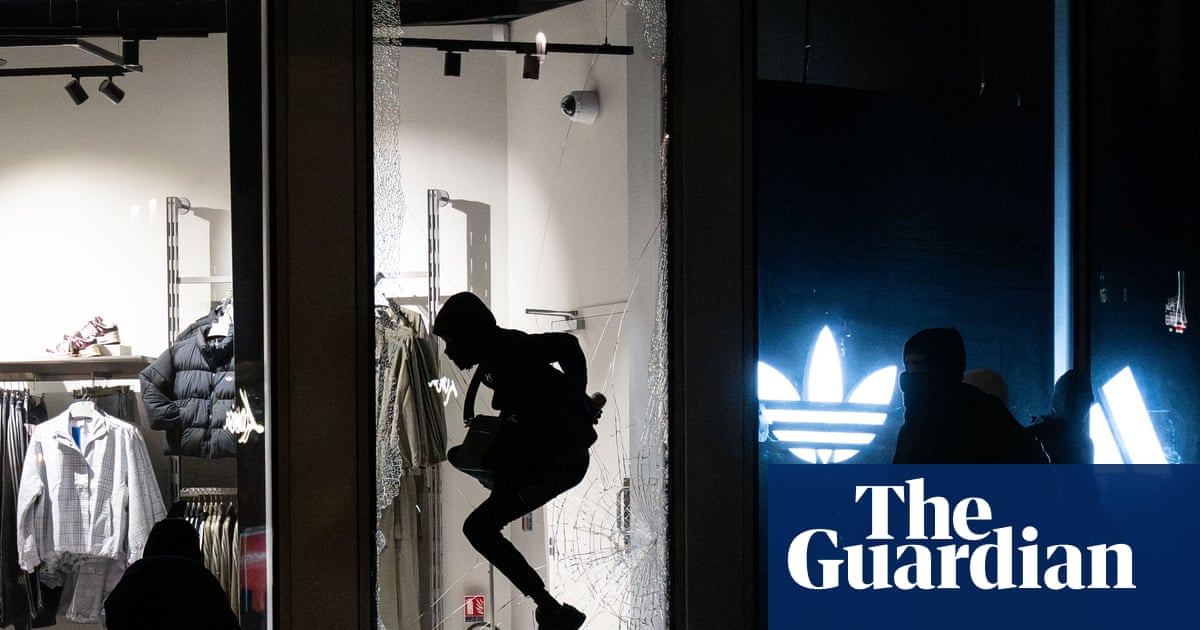
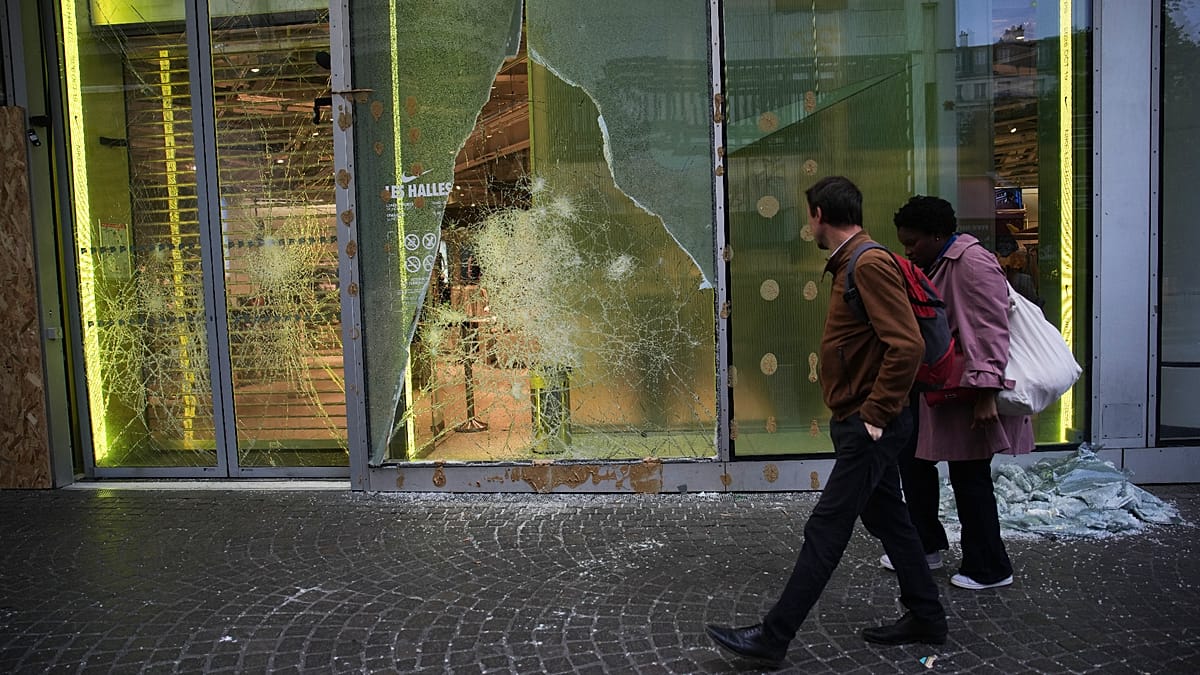
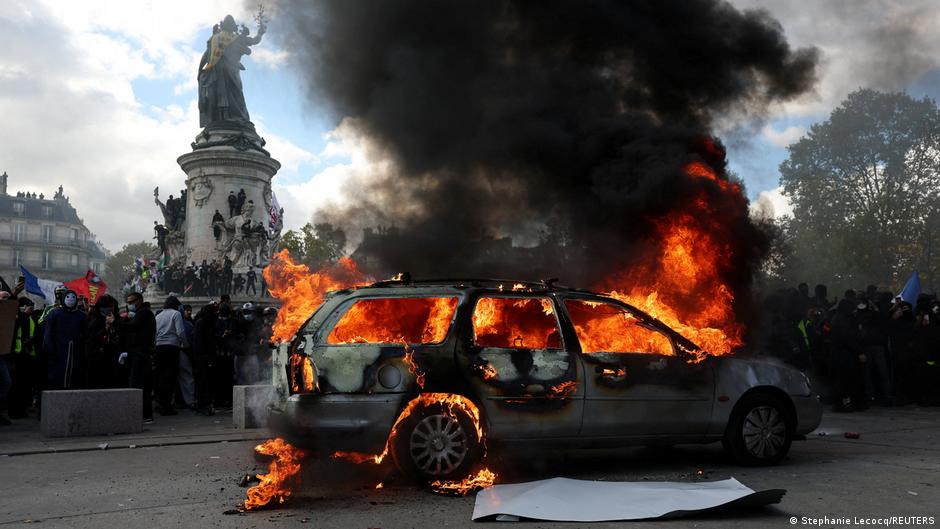
Around 550,000 people demonstrated nationwide on October 17, according to figures reported by the BBC. The marches were largely peaceful before violence erupted in several cities, where groups set buildings and vehicles alight, smashed shopfronts and looted businesses.
The distinction between the demonstrations and the subsequent disorder has become central to the political dispute. Protesters have continued pressing demands over education and purchasing power, while the government has accused radical groups of exploiting the mobilisation to provoke violence.
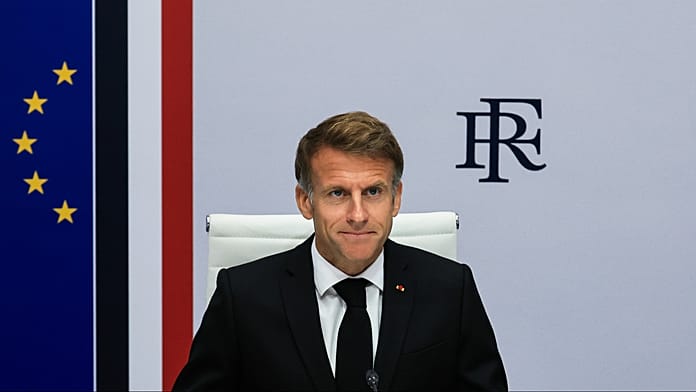
On October 26, Macron said the government would announce “concrete measures” addressing school students’ demands for more resources and better learning conditions. His intervention followed weeks of class boycotts, school blockades and demonstrations.
Local curfews, not a nationwide lockdown
France’s security response has centred on localised restrictions rather than a blanket national curfew. Prime Minister Sébastien Lecornu initially instructed local authorities to introduce limited measures in affected areas, while leaving open the possibility of a state of emergency if necessary.
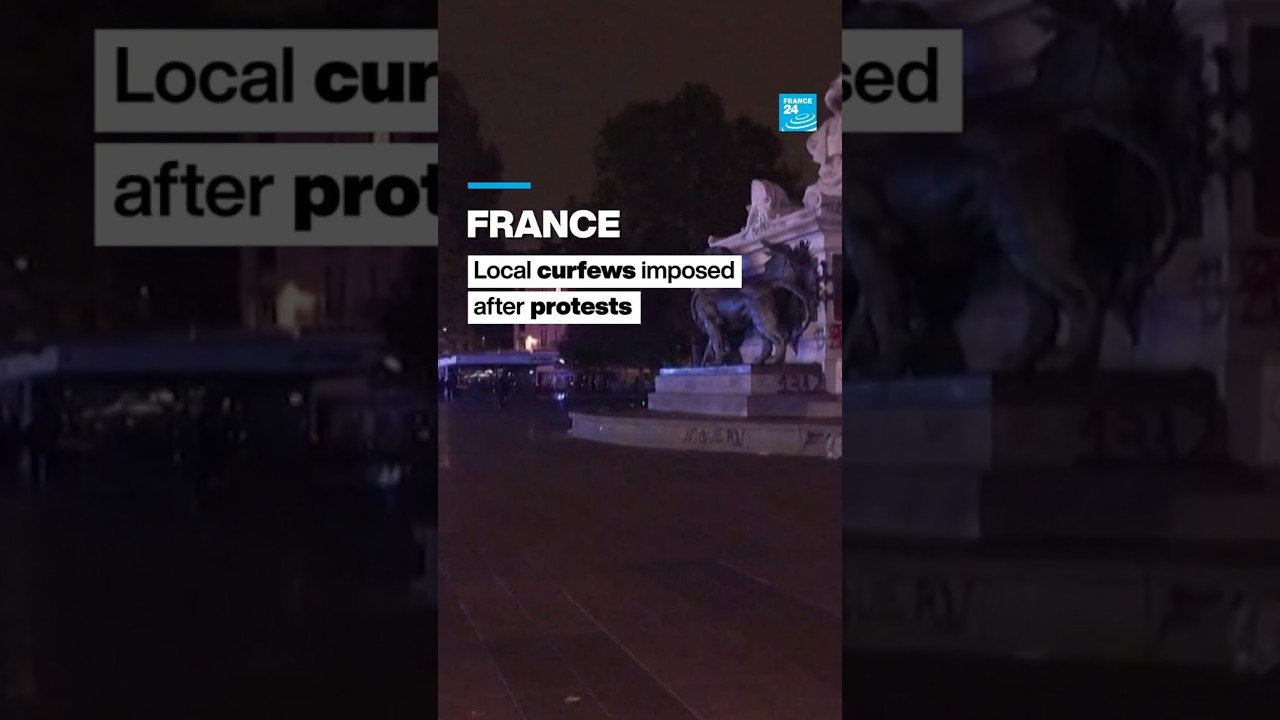
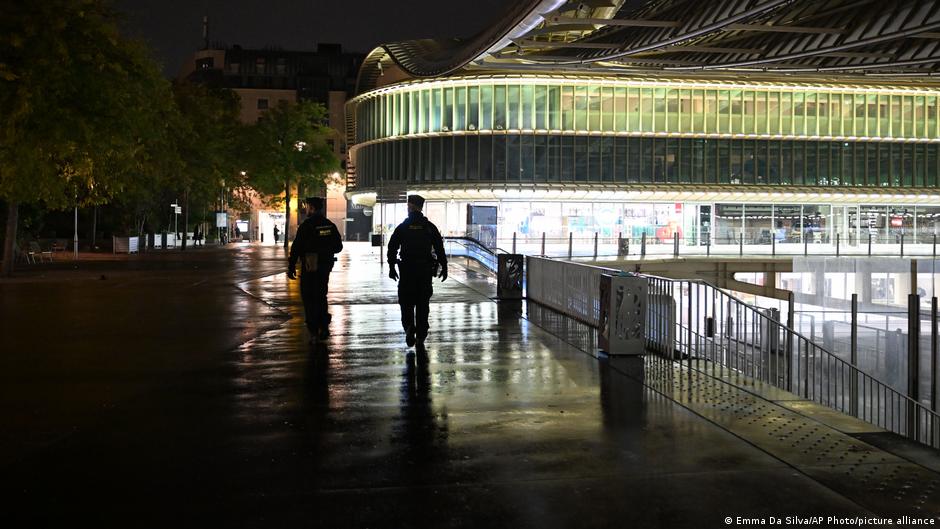
In Paris, the initial overnight restrictions covered Place de la République and the Les Halles shopping district, prohibiting movement between 11 p.m. and 6 a.m. Separate orders restricted gatherings in other parts of the capital. Authorities later extended the partial curfew through October 26 ahead of the second weekend of demonstrations.
Other cities adopted different rules. Nice announced a youth curfew, while restrictions were also introduced in Lyon, Bordeaux, Lille and several northern towns. Their scope varied, with some targeting minors and others limiting gatherings or access to particular areas.
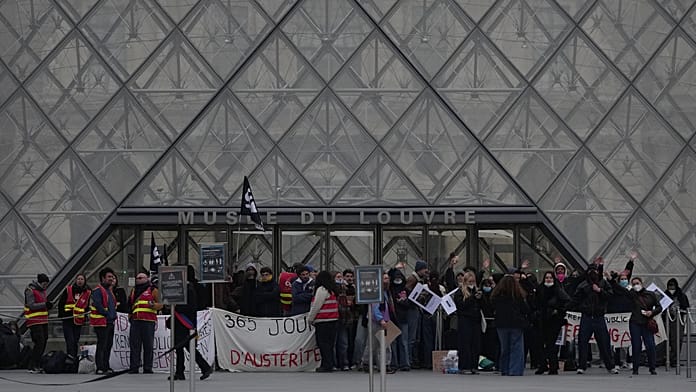
Ahead of the October 24 mobilisation, authorities banned protests in Marseille and Lyon. Marseille also announced a suspension of public transport for the day. In Paris, the Louvre, Musée d’Orsay and Picasso Museum announced Saturday closures as authorities prepared for further demonstrations. Those closures were date-specific precautions, not announcements that the museums would remain shut indefinitely.
Second weekend brings fewer large-scale disturbances
Authorities deployed approximately 70,000 police and other security personnel for the October 24 demonstrations, substantially strengthening the operation after criticism of their response a week earlier. Official turnout estimates put participation at about 410,000, while organisers’ estimates reached roughly 800,000.
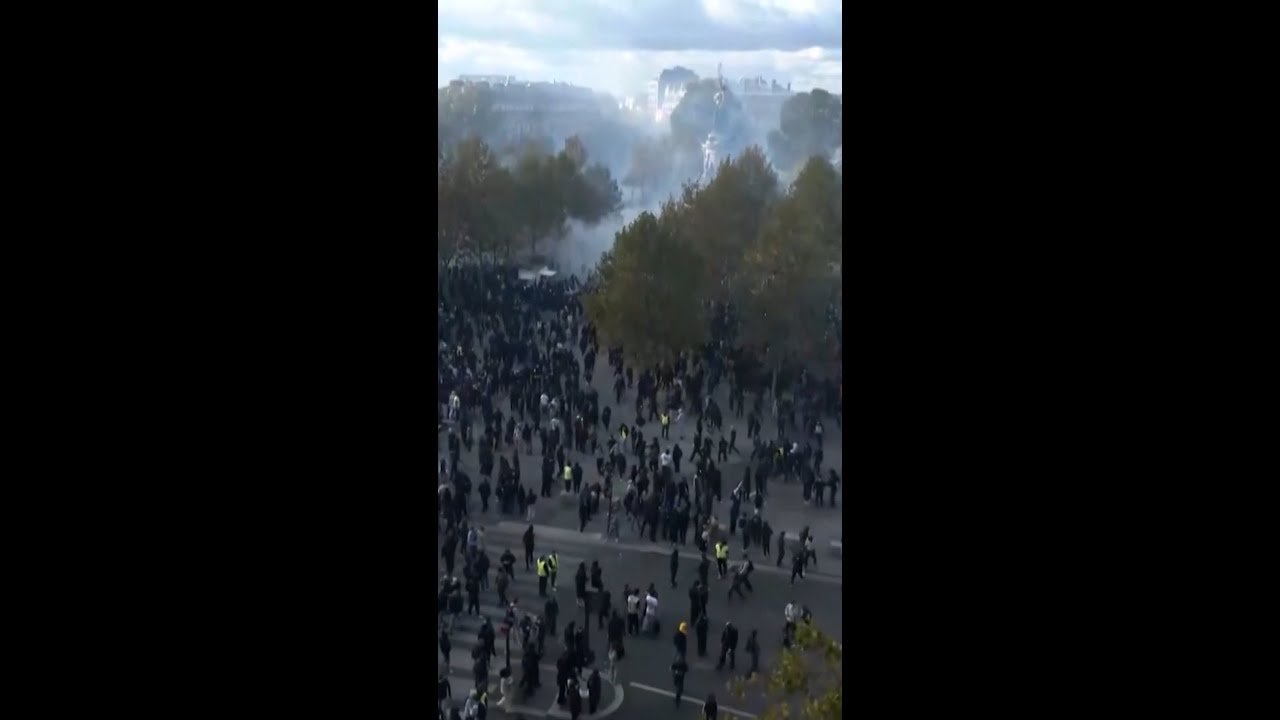
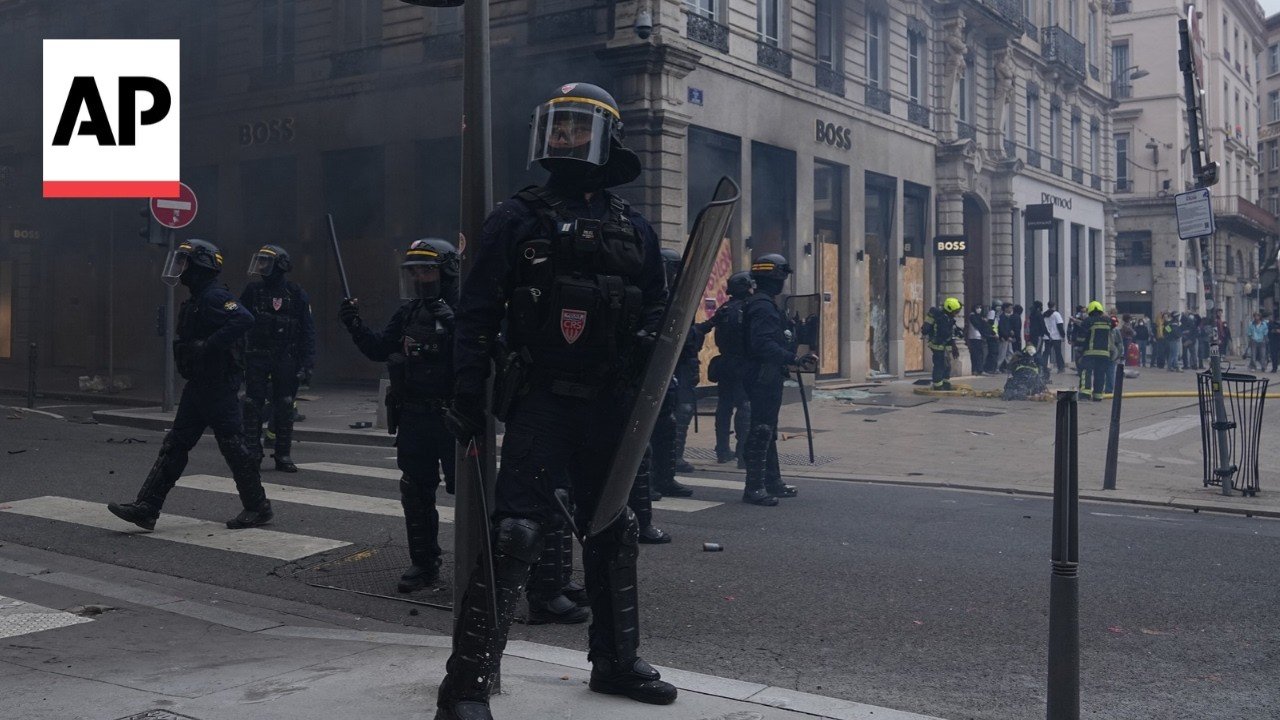
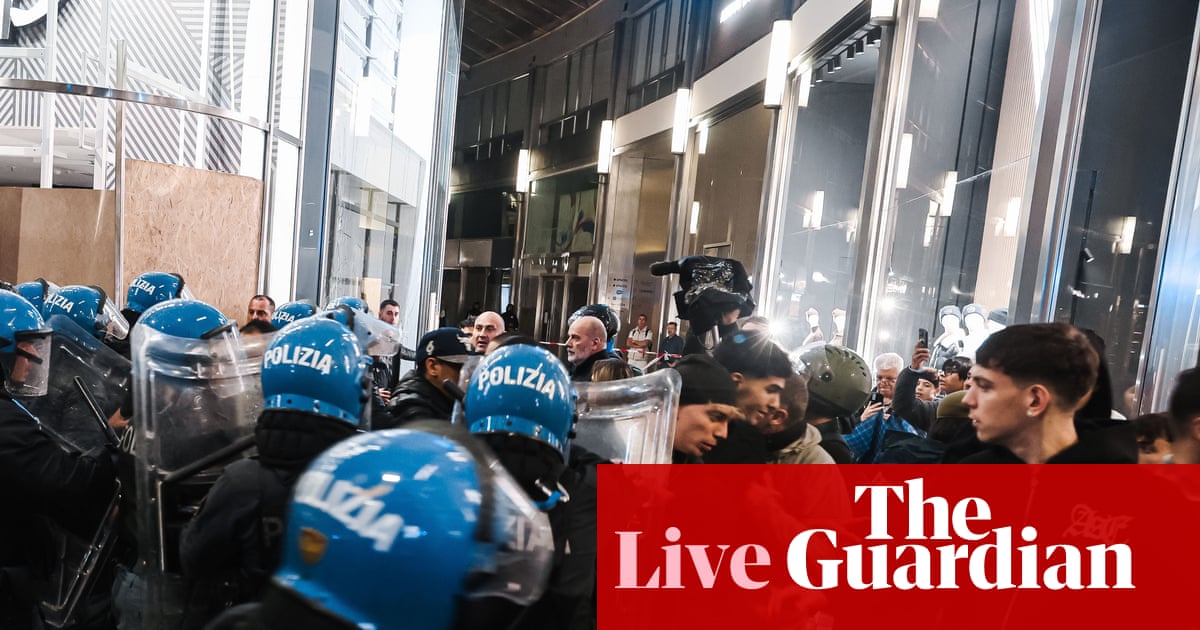
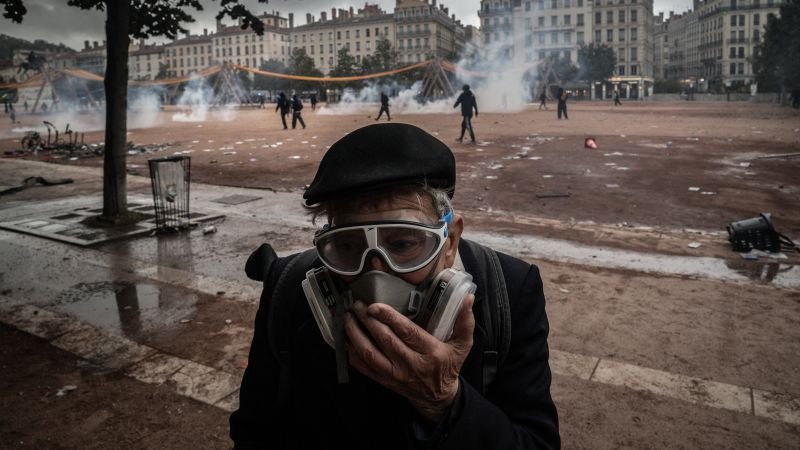
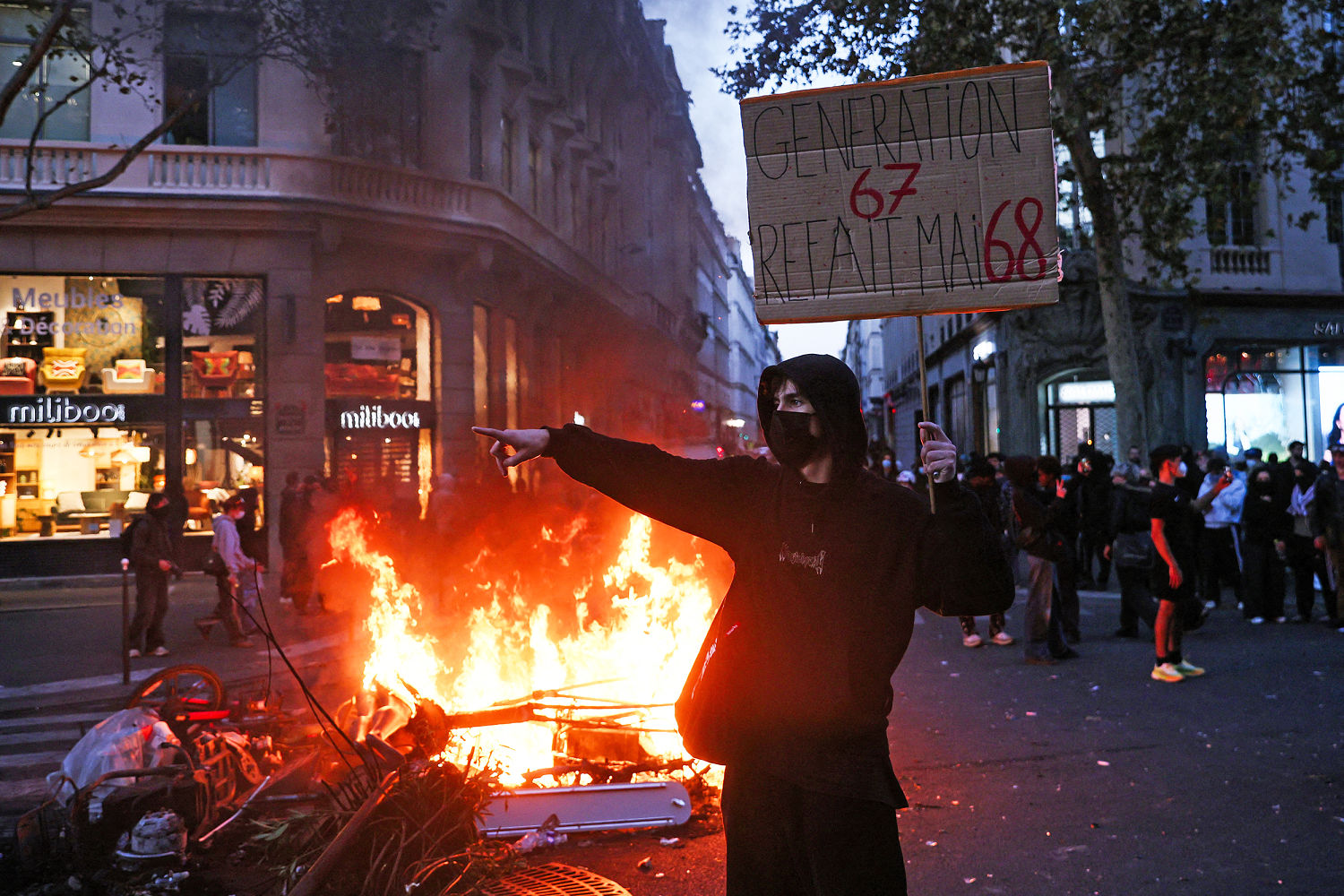
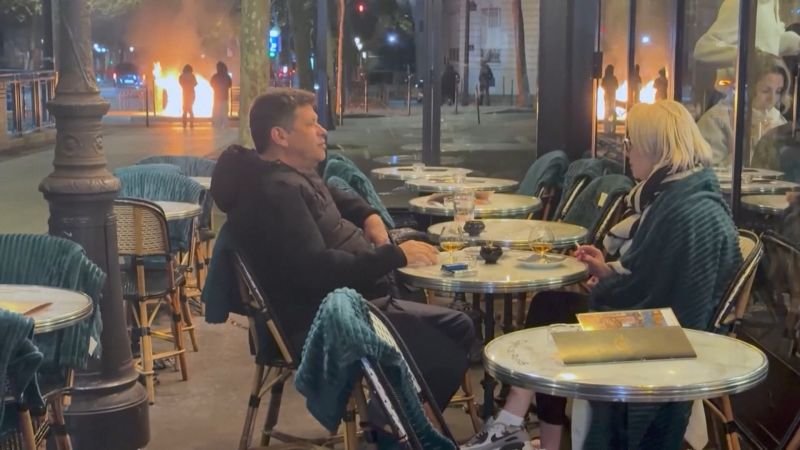
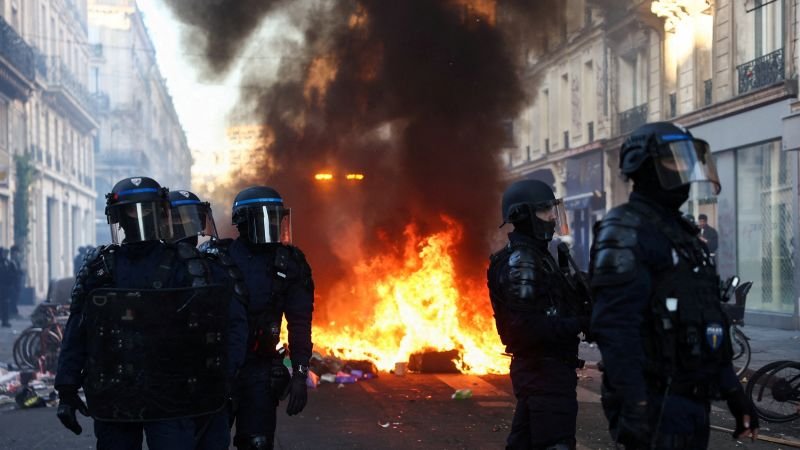
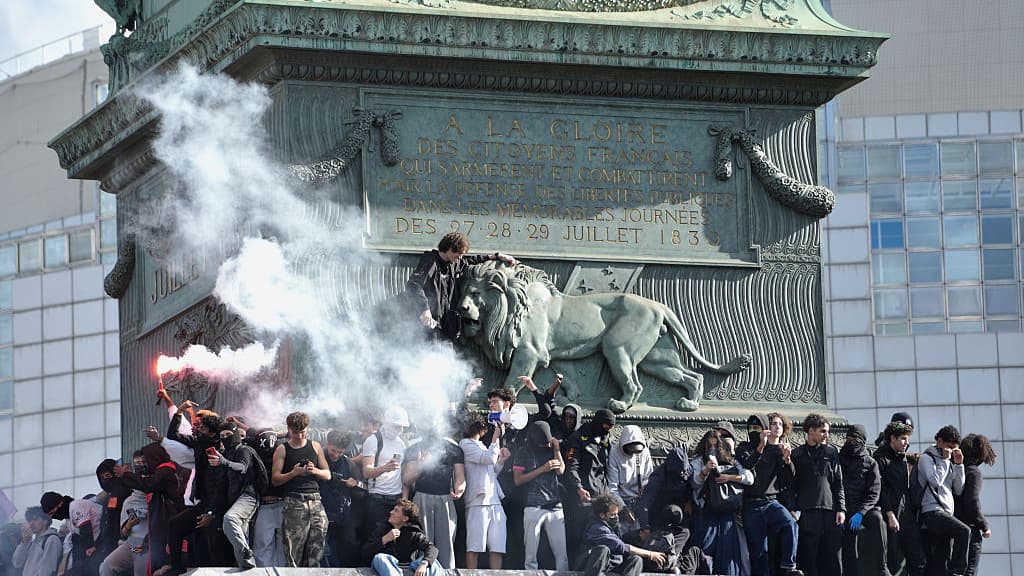
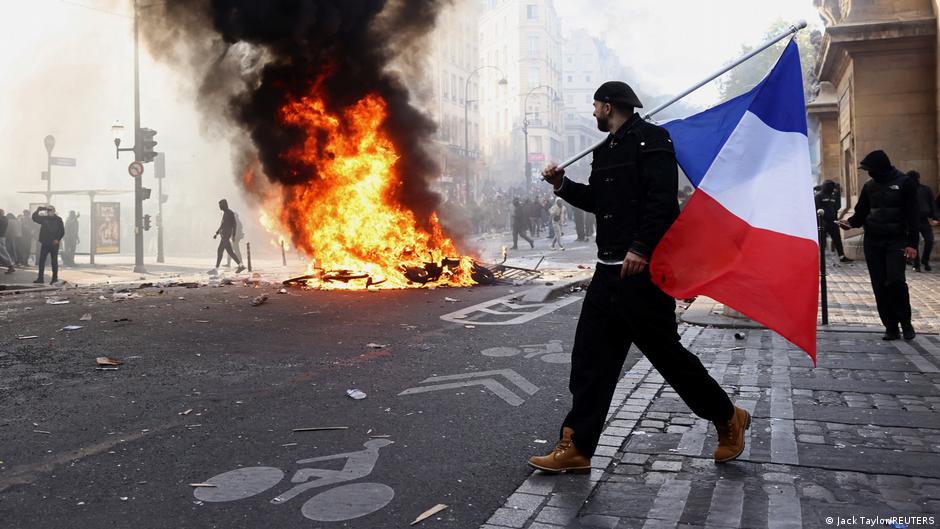
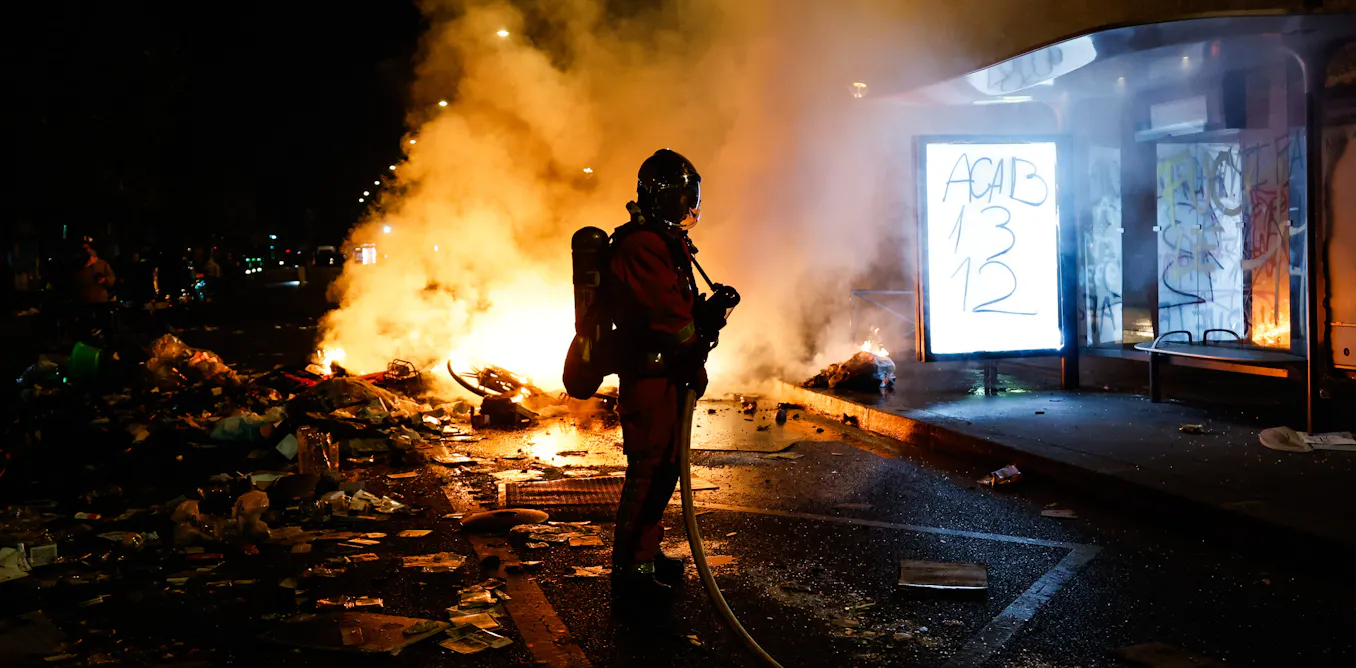
The deployment helped prevent a repeat of the widespread looting seen on October 17, although clashes broke out in cities including Paris, Marseille and Lyon. Police used tear gas and water cannon, while some groups erected barricades or set rubbish bins alight.
Arrest figures were revised as reporting developed. A provisional Interior Ministry tally published after the demonstrations recorded 1,314 detentions; Nuñez gave an updated total of 1,435 on October 26. The later figure relates to the October 24 mobilisation and should not be confused with arrests following the previous weekend’s violence.
Nuñez also reported a further development: organised far-right gangs confronting far-left activists in several cities, adding another dimension to the policing challenge.
Businesses and historic buildings bear the damage
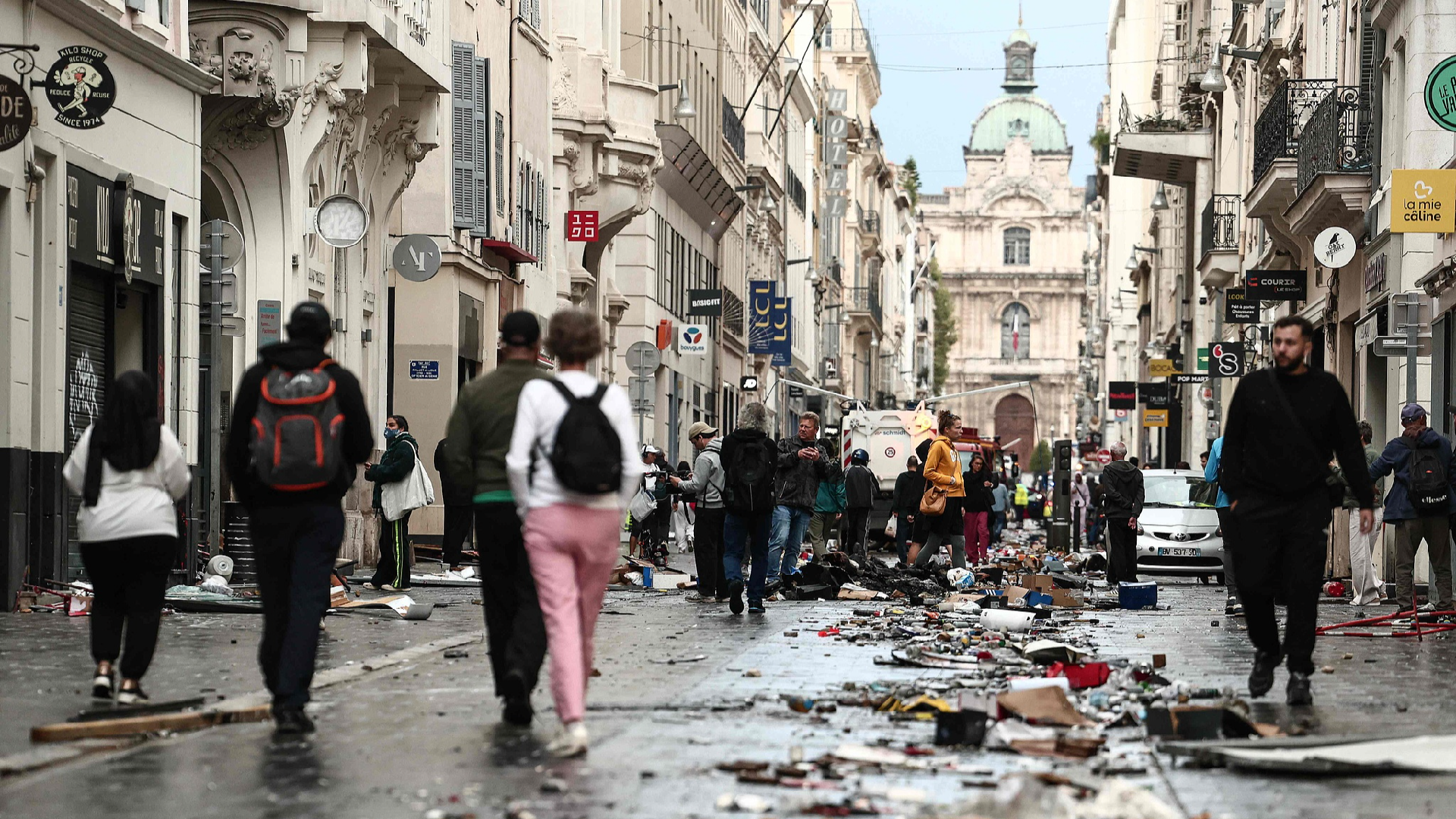
The economic consequences of the October 17 unrest extend beyond the immediate cost of broken windows and stolen stock. France’s Chambers of Commerce and Industry initially said more than 2,000 businesses had been directly affected and estimated damage in the hundreds of millions of euros. Separate reporting by PBS described at least 3,000 businesses as damaged or ransacked. Those estimates were not presented as a single reconciled national total.
Carrefour reported losses running into tens of millions of euros from theft and damage, describing the situation as unprecedented. In Marseille, business representatives said shopkeepers were in deep distress, with some fearing their businesses would not survive.
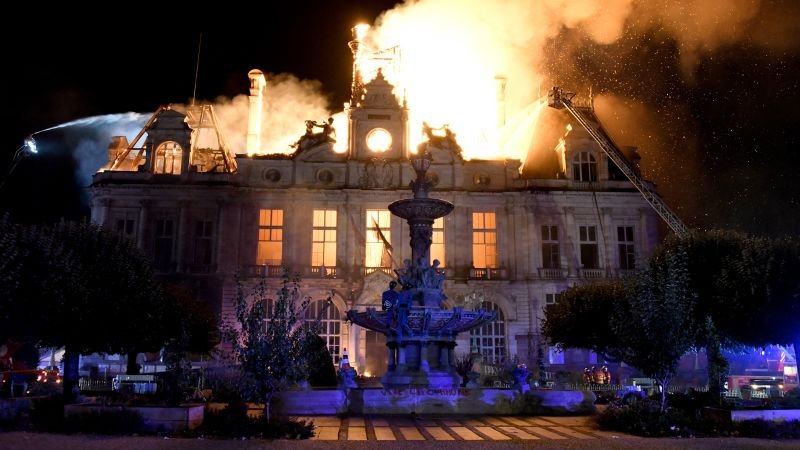
Among the most prominent buildings damaged was Limoges’ ornate 19th-century town hall. Fire engulfed the building during the October 17 unrest, causing its clock tower and parts of the roof to collapse. Lyon’s tourism office was also set alight.
The government announced recovery support for affected areas and a partial-unemployment fund for employees unable to work because of the destruction. Lecornu also proposed legislation intended to recover repair costs from those responsible.
The turmoil added to financial-market concerns. Reuters reported on October 20 that France’s benchmark 10-year government bond yield reached its highest level in 24 years as investors worried about further unrest, against a backdrop of existing budget pressures.
Fast-track trials and scrutiny of policing
By October 22, Justice Minister Gérald Darmanin said 2,700 people had been arrested in connection with the first weekend’s disorder and more than 1,000 had appeared in court. He said 217 had been convicted in fast-track proceedings and jailed. About half of those detained had no previous criminal record, according to his remarks reported by the BBC.
Authorities assigned 200 investigators to examine CCTV footage and identify people involved in the violence. A parliamentary inquiry was also being established to investigate the unrest and the state’s response.
The human toll has included injuries to both police and demonstrators. Early reporting put the number of injured officers at around 1,000 after the October 17 violence. The BBC, citing AFP, also reported that a demonstrator lost a hand to a police crowd-control grenade. Subsequent reporting has highlighted scrutiny of riot-control weapons blamed for life-changing injuries among young protesters.
The government has acknowledged major operational shortcomings. Lecornu cited intelligence failures, overly static police deployments and the decision not to cancel scheduled police leave. Nuñez apologised and accepted his share of responsibility.
Macron rejected Nuñez’s offer to resign, with the Élysée saying continuity in the command of law enforcement was necessary. The president nevertheless demanded transparency over what he described as failures of intelligence and anticipation.
Political blame intensifies ahead of the election
The crisis is unfolding roughly six months before France’s next presidential election, increasing the political stakes of both the disorder and the response to it.
Macron and Lecornu have accused radical far-left groups of seeking to destabilise the country. Those accusations remain contested: Jean-Luc Mélenchon, leader of La France Insoumise, demanded that Lecornu provide evidence or apologise. They should therefore be understood as the government’s attribution of responsibility, not an established explanation for the entire protest movement.
The far right has attacked the government’s handling of public order, while protesters continue to argue that security measures do not resolve the complaints that brought them onto the streets. The largely peaceful participation of hundreds of thousands on October 24 demonstrated that the movement remained substantial even as authorities reduced the scale of the violence.
Further mobilisation planned
The United States, China and Germany issued safety warnings following the initial unrest, advising citizens to avoid demonstration areas and exercise caution around large gatherings. The US Embassy also advised travellers to check curfew restrictions and transport arrangements.
With further rallies planned for October 31 and a nationwide strike called for November 5, the next phase will test both the government’s security strategy and its response to demands over education, wages and public services. The reduced destruction during the second weekend offered authorities some relief, but the continuing turnout showed that the underlying mobilisation had not subsided.