












France plans to overhaul its university admissions system, expand higher education and fund school renovations, but the replacement platform will arrive after Emmanuel Macron leaves office.
France’s government has pledged to replace Parcoursup, the national higher education admissions platform, in 2028, offering a major concession to a student protest movement that has grown into a broader challenge over education funding and living costs. Changes to the existing system are promised for the 2027 admissions round, alongside additional study places, smaller classes and inflation-linked student grants.
Higher Education Minister Philippe Baptiste and Education Minister Édouard Geffray announced the package on October 26 after student representatives met Prime Minister Sébastien Lecornu. Two high school student groups welcomed some concessions but called for demonstrations to continue. Further protests are planned for October 31, followed by nationwide strikes and demonstrations called by labor unions for November 5.
The timetable leaves one of the government’s central promises to be delivered after President Emmanuel Macron’s departure. Macron cannot seek a third consecutive presidential term in 2027, while the replacement admissions system is not due to operate until the following year. Its design remains unresolved, and some changes could require legislation.
What will change for university applicants?
Parcoursup handles applications to universities and other higher education courses. Students have made it a focus of the protests, criticizing unclear selection criteria and unequal access to their preferred courses. The platform itself does not assess applications; individual institutions examine candidates, while Parcoursup administers the process and applies statutory access measures.
The government proposes a two-stage transition. For the 2027 admissions campaign, it says course selection criteria will be made public and easier to understand, and applicants will receive explanations for rejections in June. The package also promises earlier careers and study guidance, beginning in the first year of upper-secondary school, and opportunities for older pupils to spend a day in higher education where possible.
A committee bringing together high school students, teachers and ministers will help design the replacement system, with initial recommendations expected by the end of November. A parliamentary debate will also gather proposals, and the government says it will introduce legislation if the agreed reforms require changes to the law.
Several possibilities remain under consideration rather than settled policy. These include revising how continuous assessment results are used and introducing an artificial intelligence-assisted guidance tool drawing on previous admissions campaigns. The ministry says the tool would help pupils identify courses consistent with their results and interests.
More places, with an emphasis on technical courses
The admissions overhaul will be accompanied by 15,000 additional higher education places across 2027 and 2028. The government says expansion will target areas of strongest demand, particularly the Île-de-France region around Paris.
The announced allocation comprises:
- 10,000 places in BTS higher technical diploma courses from the start of the 2027 academic year.
- 4,000 places in BUT university technology degree courses over the two years.
- 1,000 university places supporting a health-studies entry pathway.
To support the expansion, ministers plan to propose more than 1,200 additional teaching posts for BTS courses in the 2027 education budget, alongside 204 university teaching posts over two years. These are planned staffing commitments, not posts already filled.
School renovation funding is largely loans, not grants
The infrastructure package includes a €4billion envelope of preferential-rate loans available through 2030 for school renovations. Regional authorities will be able to borrow for upper-secondary schools, with the scheme also available to departments and municipalities for other school buildings. The distinction matters: this is financing that local authorities must repay, rather than €4billion in direct renovation grants.
Separately, the state has pledged €1billion through 2029 for roughly 50 university campus renovation, rehabilitation or reconstruction projects. More than €200million is intended to support initial works launched or completed by summer 2027.
Class-size reductions will also be phased in. Classes in the first year of general and technological upper-secondary education will be capped at 28 pupils in the least advantaged half of high schools from September 2027, before the cap extends to all high schools in September 2028. The government also promises reductions in the most crowded classes in the final two years.
The ministry says it will cancel planned secondary-school teaching job cuts and propose 500 additional teaching posts in the 2027 budget. It also plans 500 posts for school psychologists, nurses and social workers—200 more than previously envisaged—and a guaranteed lunch break of at least one hour from the start of the 2027 academic year.
Student grants will track inflation
Means-tested university grants are to rise with inflation from the start of the 2027 academic year, while eligibility thresholds will evolve with family incomes. According to the ministry, grant recipients will receive an additional €37million in 2027, €121million in 2028 and €220million in 2029, each compared with 2026. Those figures describe the additional annual funding, not the increase for each student.
The measures address a movement whose demands extend beyond university admissions. Students have called for reliable teacher cover, renovated buildings, smaller classes and better learning conditions, particularly in poorer communities. On October 8, the government had already announced the deployment of 3,000 additional substitute teachers to struggling high schools.
Concessions follow weeks of disruption and violence
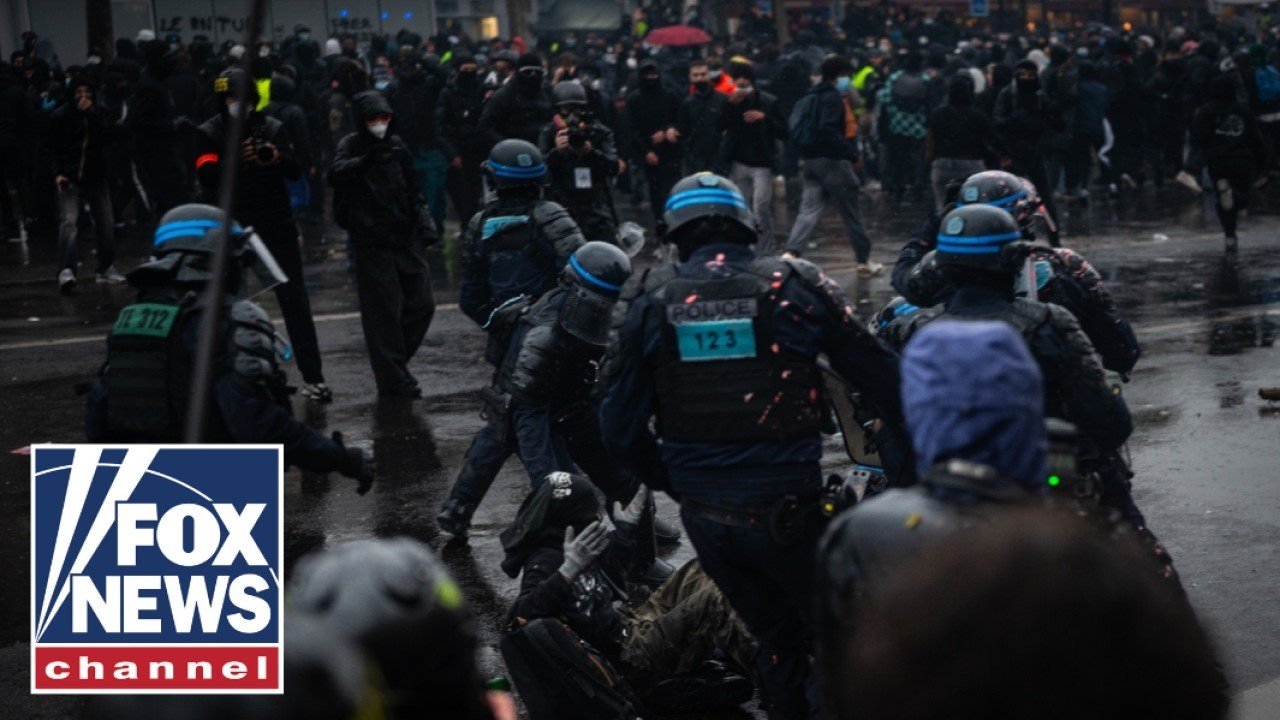
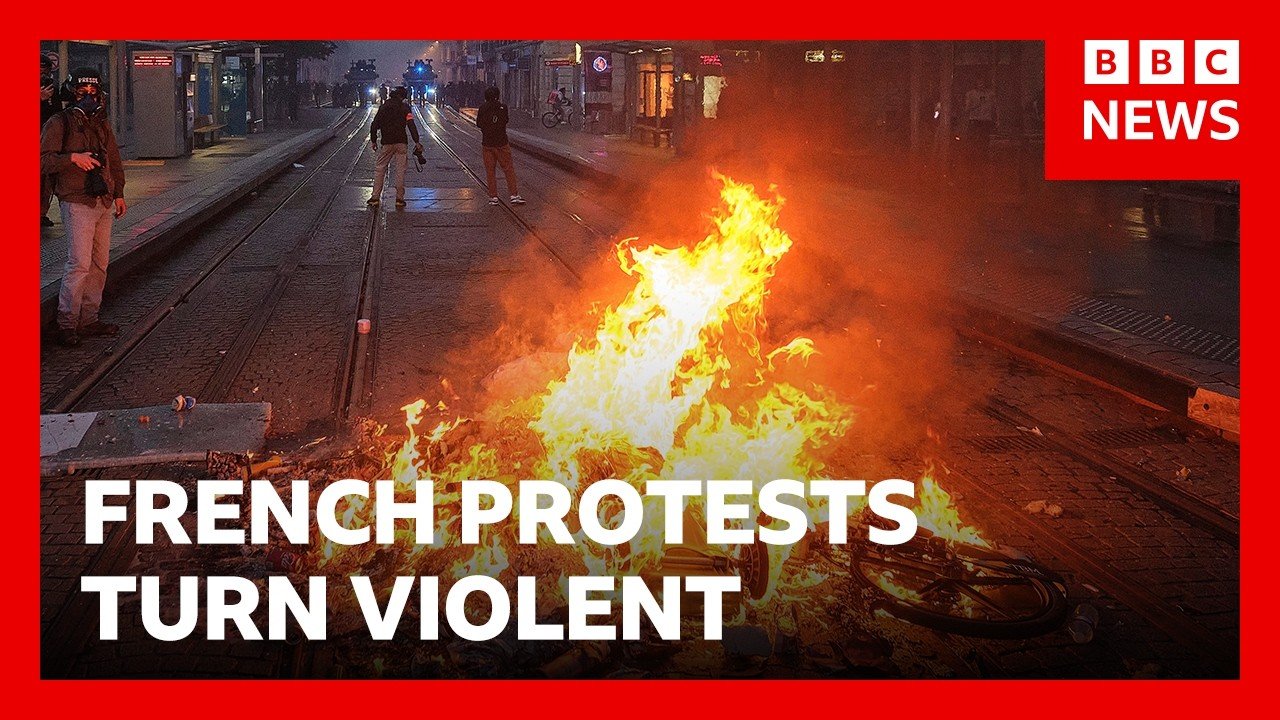
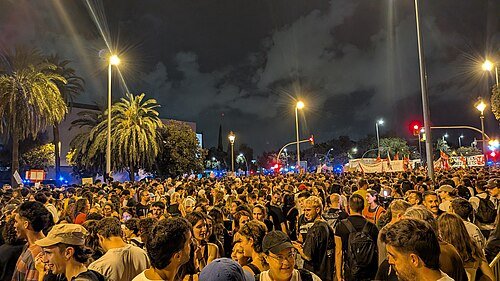
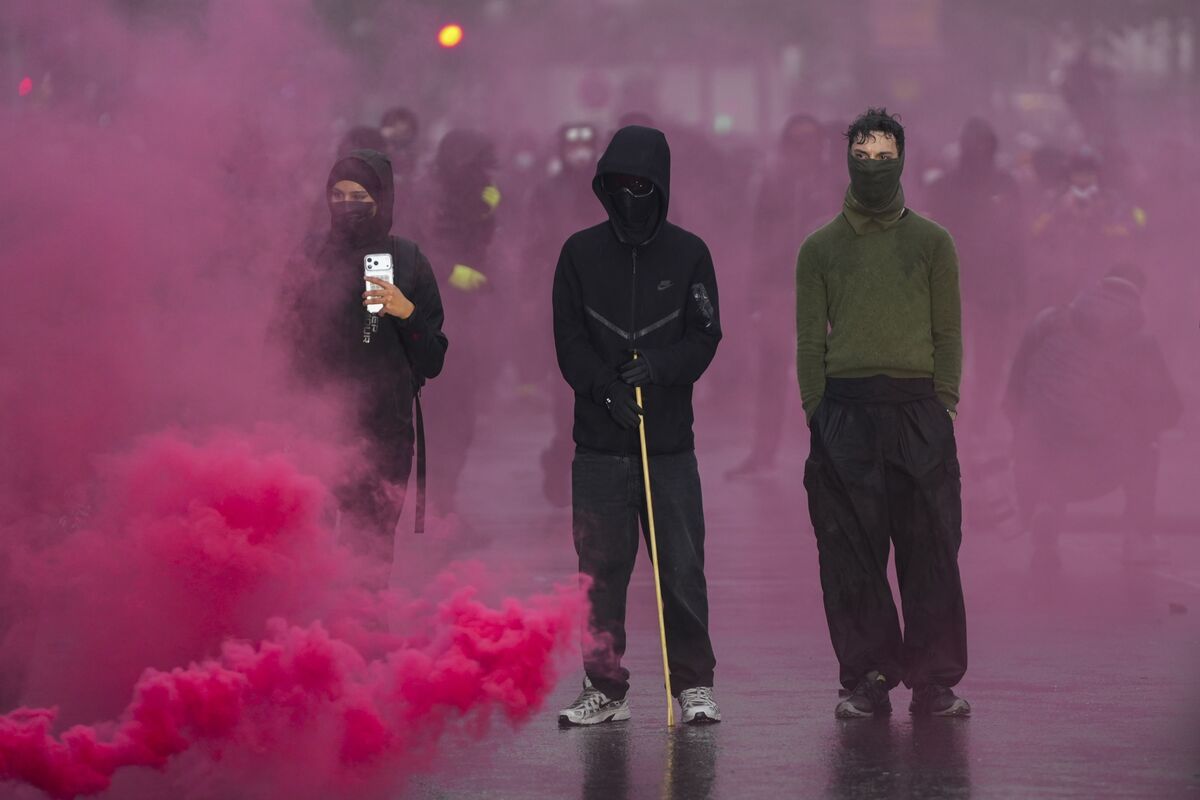
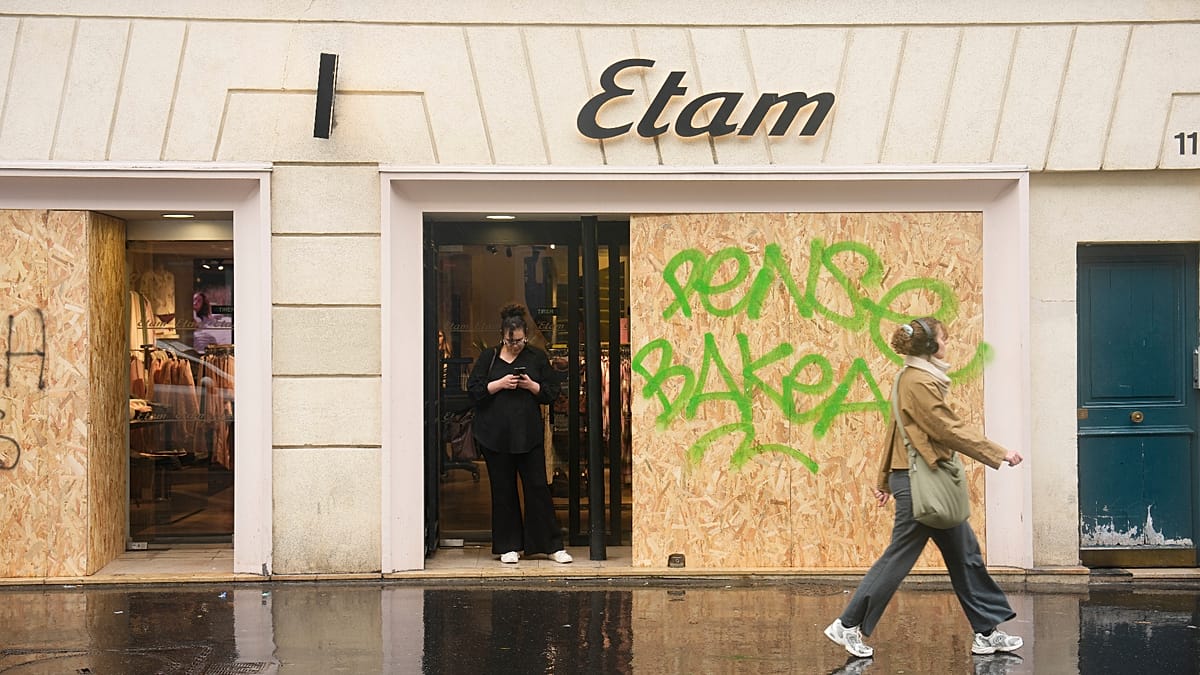
High school blockades began in mid-September. The unrest escalated on October 17, when demonstrations over school funding and rising living costs were accompanied by rioting, looting and clashes with police. Groups set fires and entered public buildings, including Marseille’s City Hall. About 2,400 people were arrested over that weekend, according to Associated Press reporting.
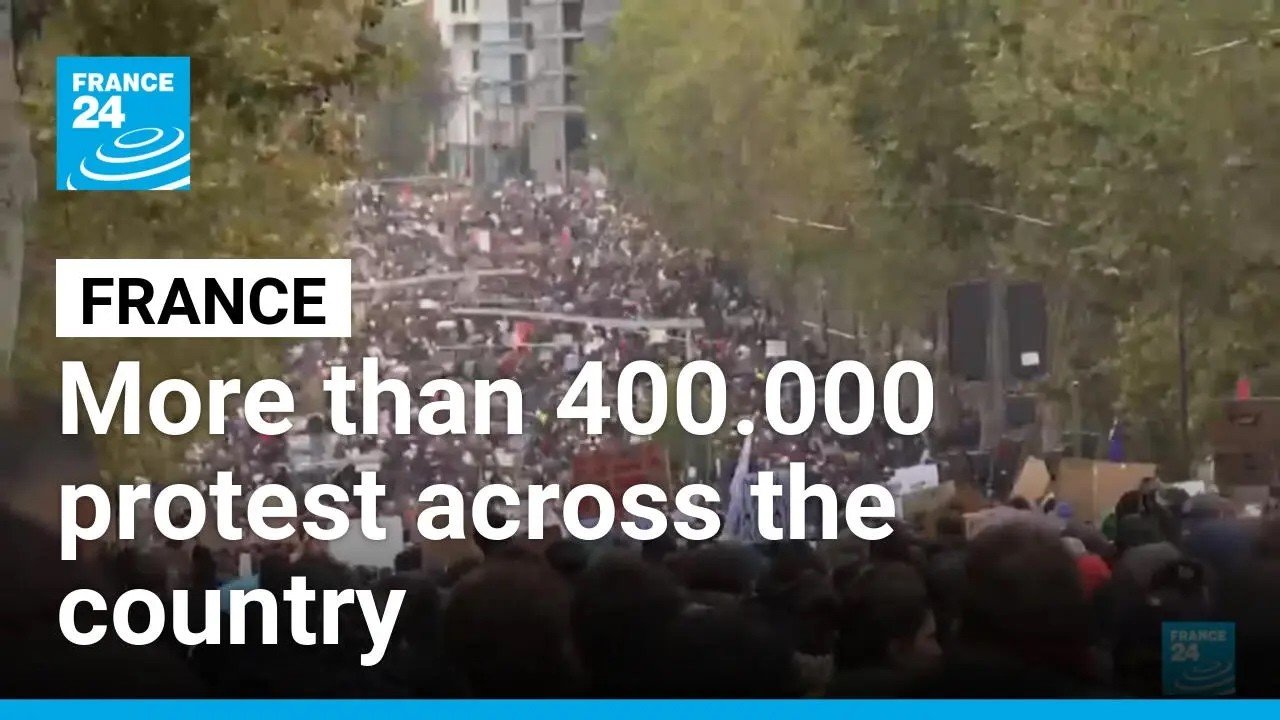
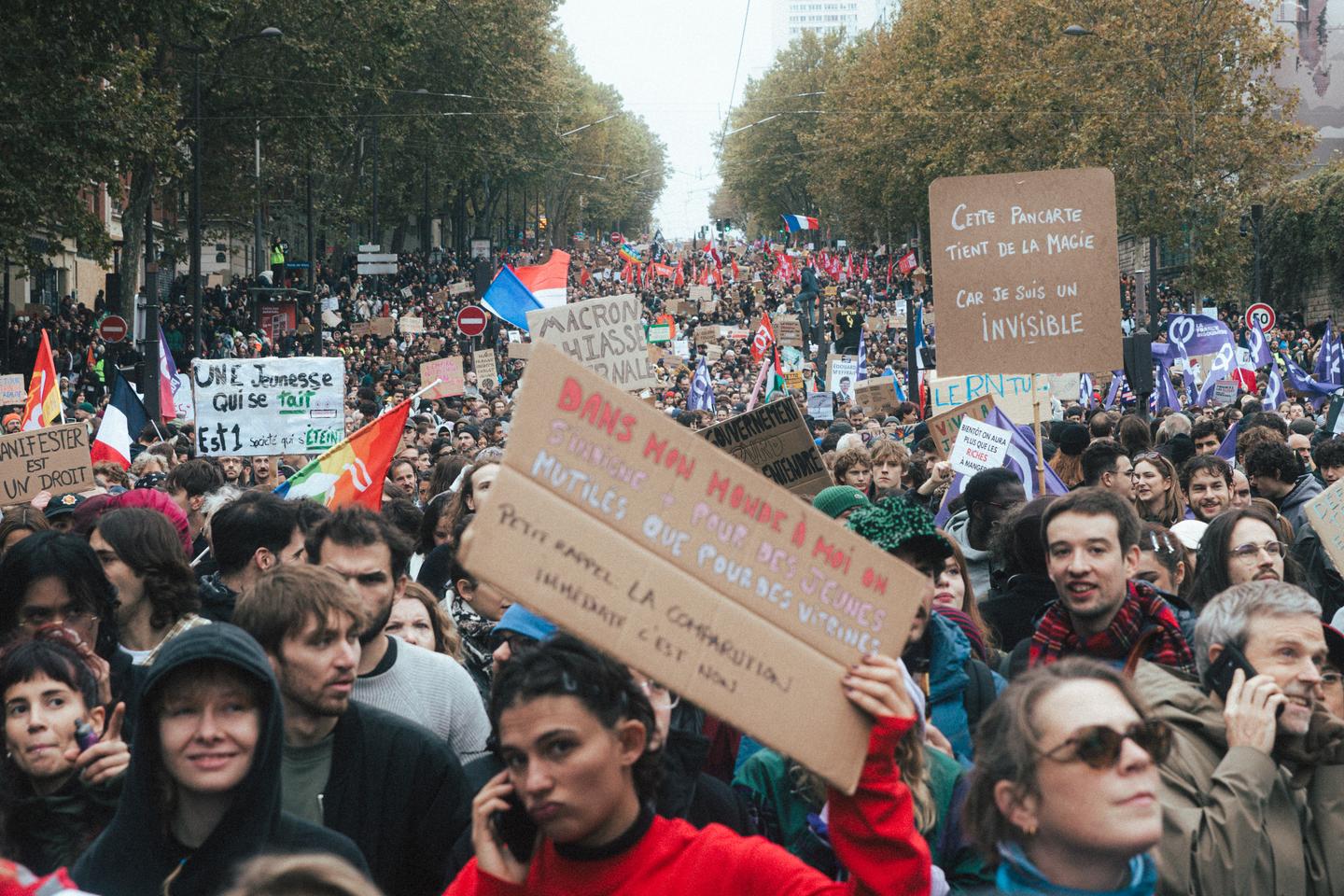
A subsequent nationwide protest on October 24 saw less violence but substantial turnout. Authorities estimated that more than 400,000 people participated, while organizers put the figure at nearly 800,000. Those are competing estimates of the same demonstrations, not separate attendance totals.
Police tactics have also come under scrutiny over serious injuries suffered by teenagers during the protests. The controversy has added another source of tension to the dispute over school resources and students’ prospects.
During a visit to Marseille on October 26, Macron acknowledged the grievances behind the movement. “I have asked the government to address the legitimate demands at the root of this protest movement,” he said.
The government now faces two different tests: delivering near-term improvements for pupils already in school, and securing the legal, budgetary and political support for reforms extending into the next presidency. With workers joining demands for relief from living costs and student groups maintaining their protest calls, the admissions announcement has not brought the wider dispute to an end.