










Almost two years after a deadly railway station collapse sparked nationwide protests, a student-backed electoral list has defeated Serbia’s ruling party, opening the way for a change of government after 14 years of political dominance by Aleksandar Vučić.
Serbia’s longtime leader Aleksandar Vučić has conceded defeat in snap parliamentary elections to a student-led movement that transformed public anger over corruption into a nationwide challenge to his rule.
The Students’ List won 52.7% of the vote, compared with 39.2% for Vučić’s Serbian Progressive Party, or SNS, according to preliminary election commission figures reported Monday, October 26. With 97% of polling stations counted, the student-backed movement had received approximately 2.25 million votes against 1.67 million for SNS.
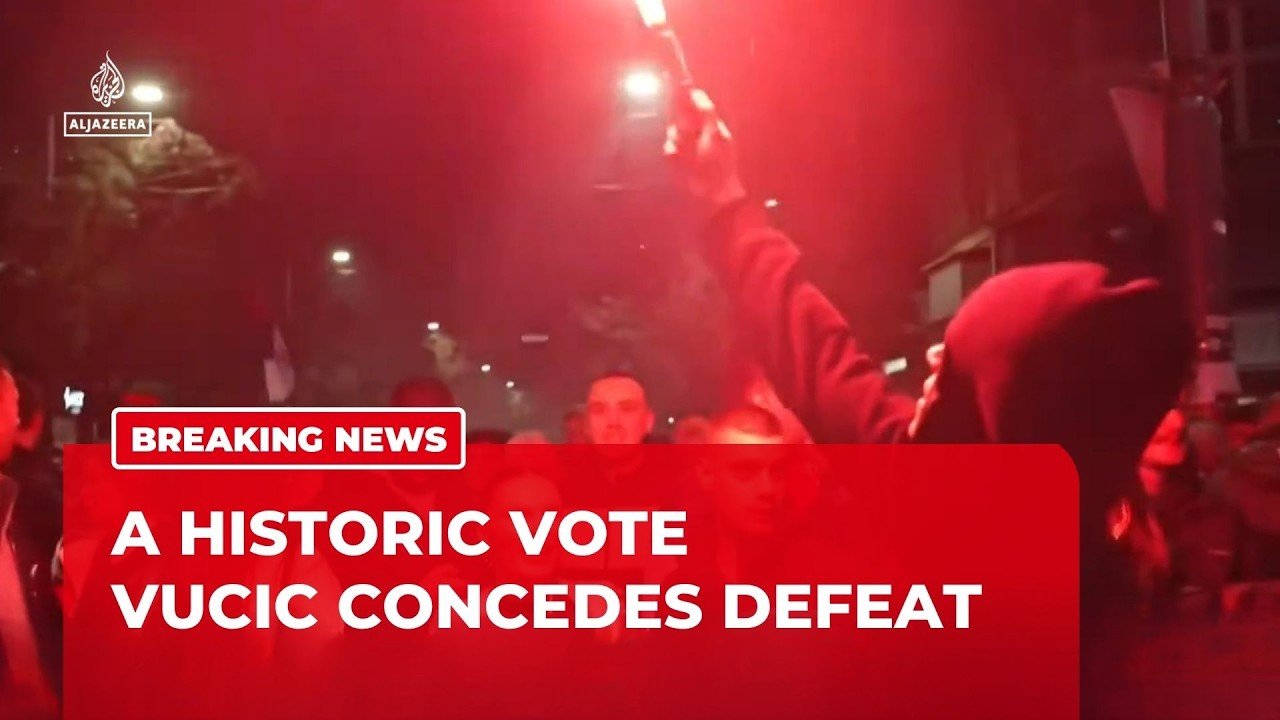
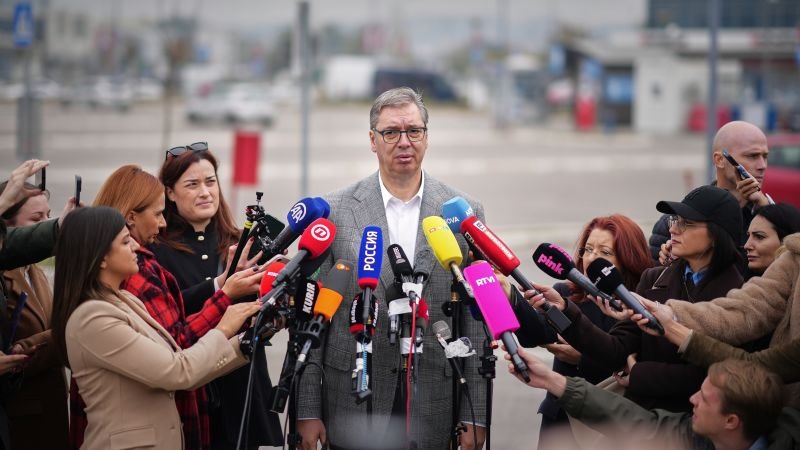
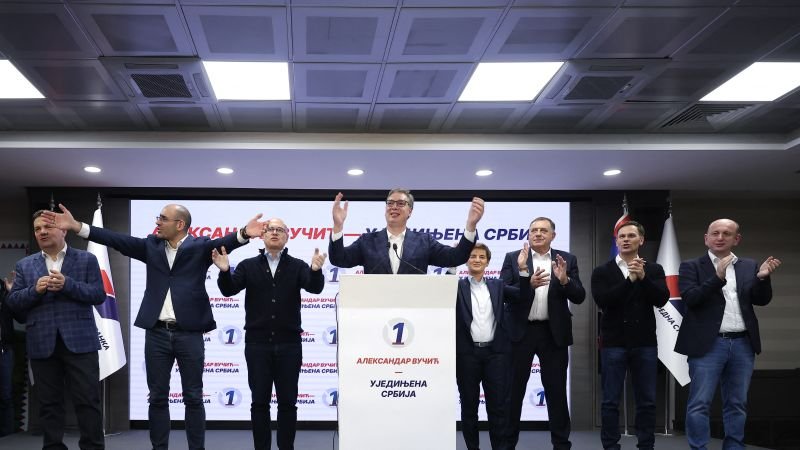
“It is clear we have lost these elections,” Vučić said after Sunday’s vote, acknowledging a result that puts the opposition movement on course to control Serbia’s 250-member parliament.
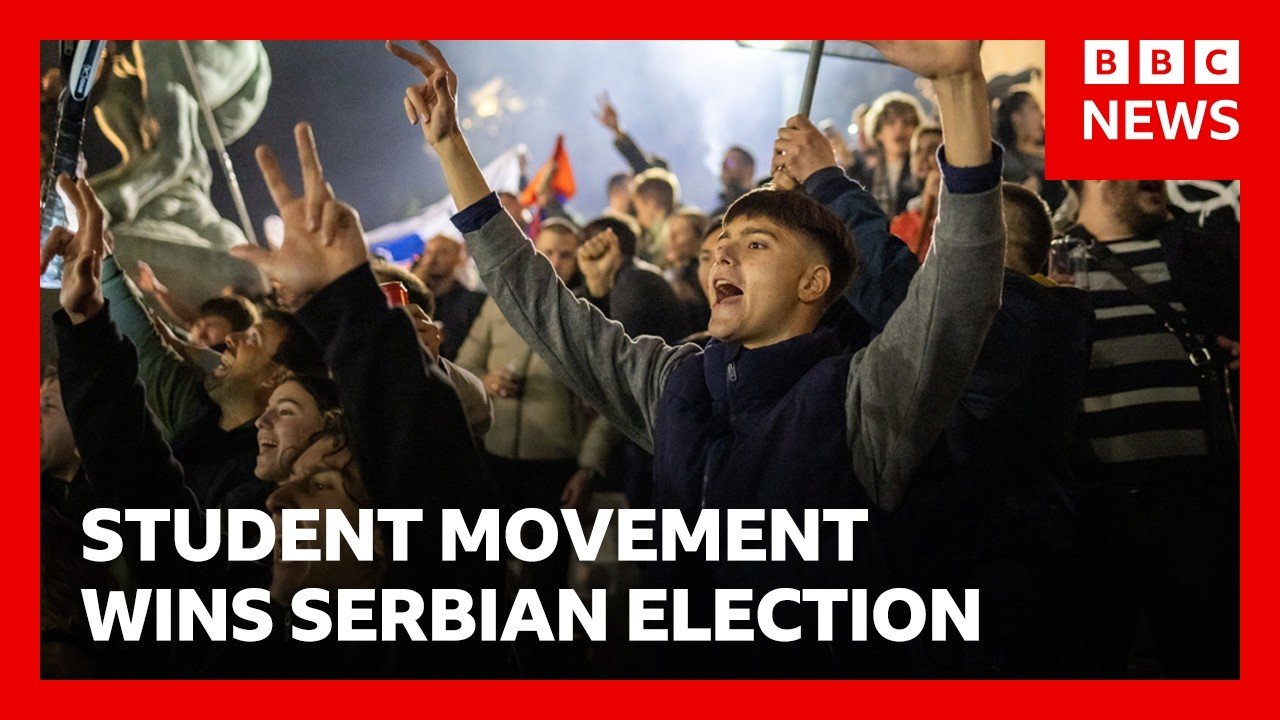
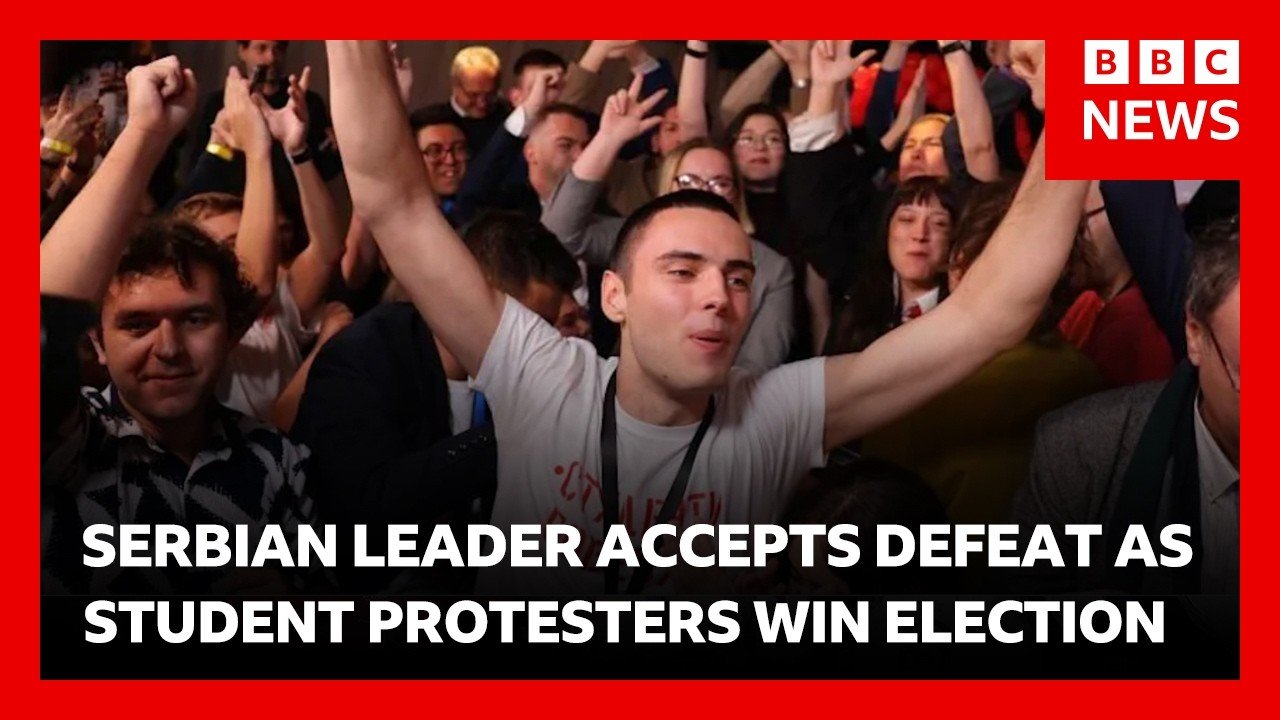
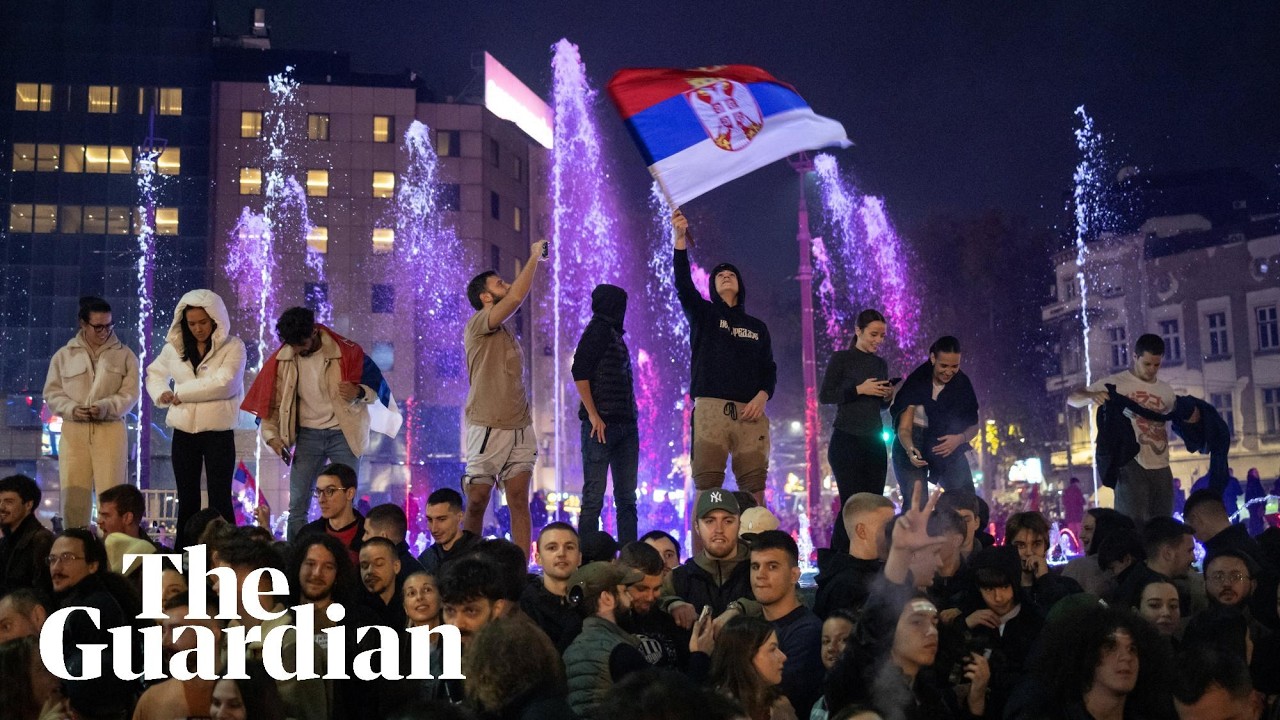
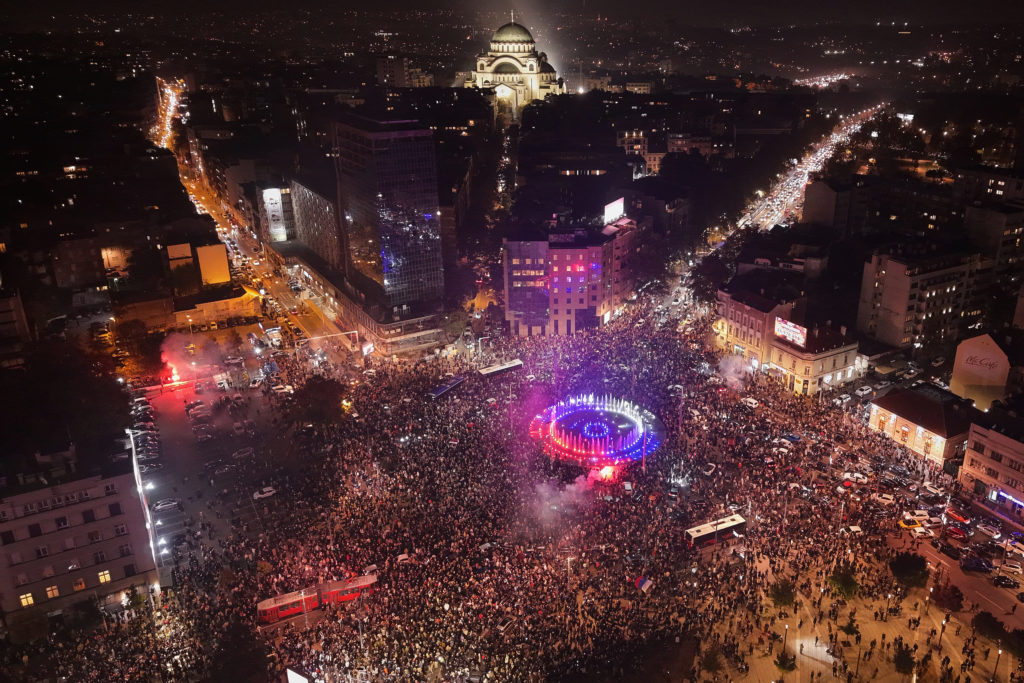
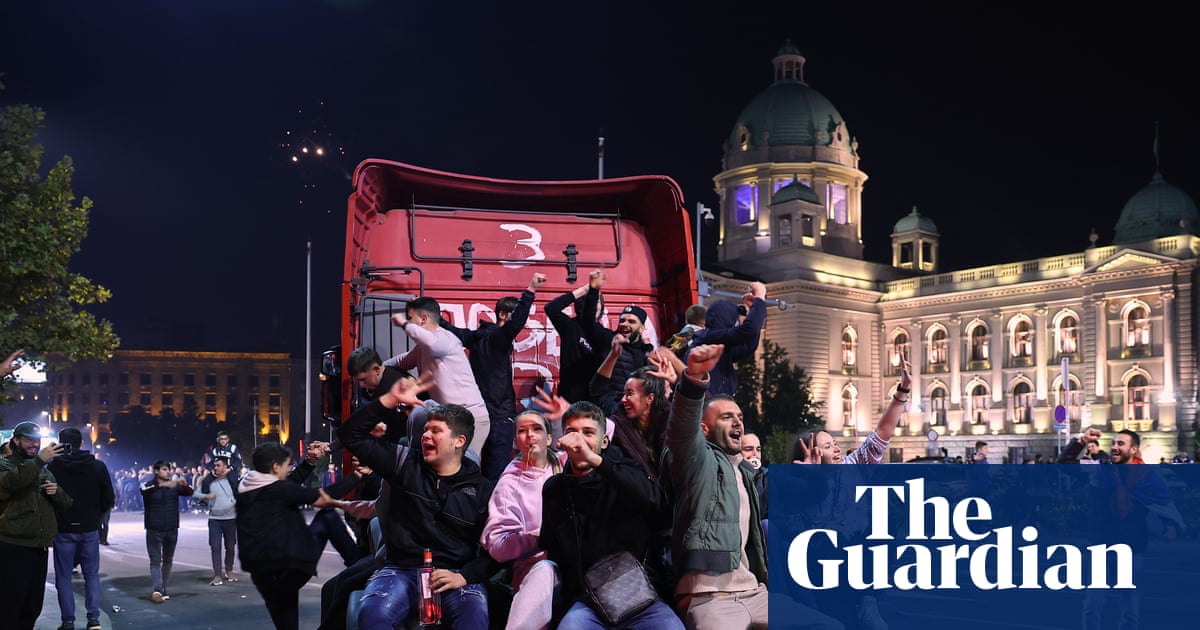
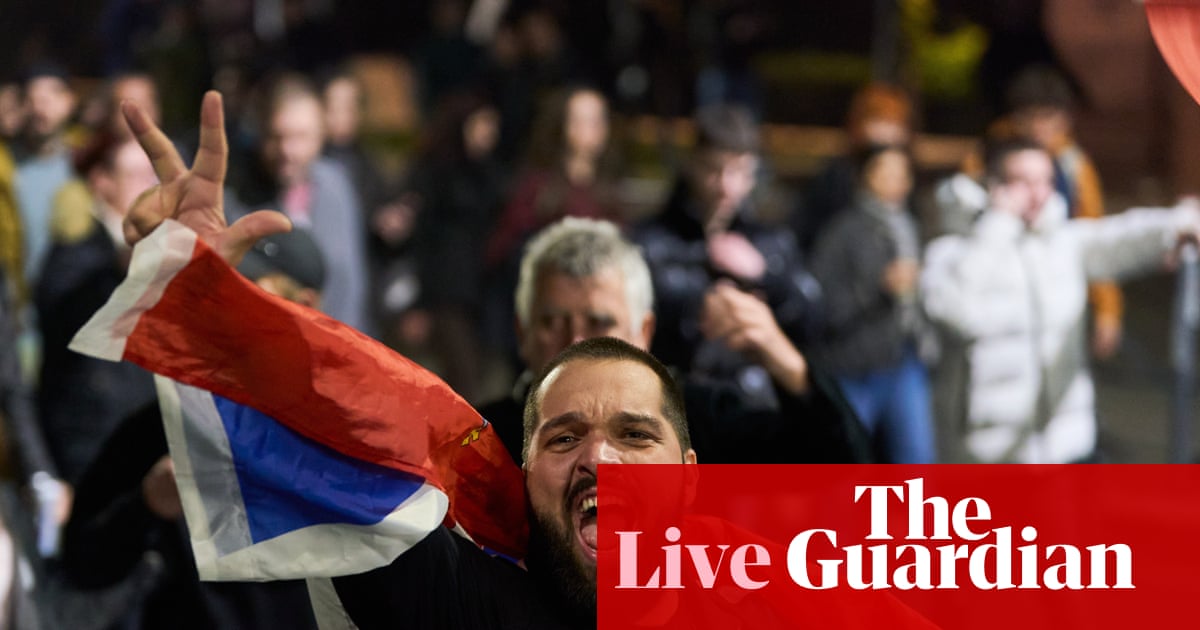
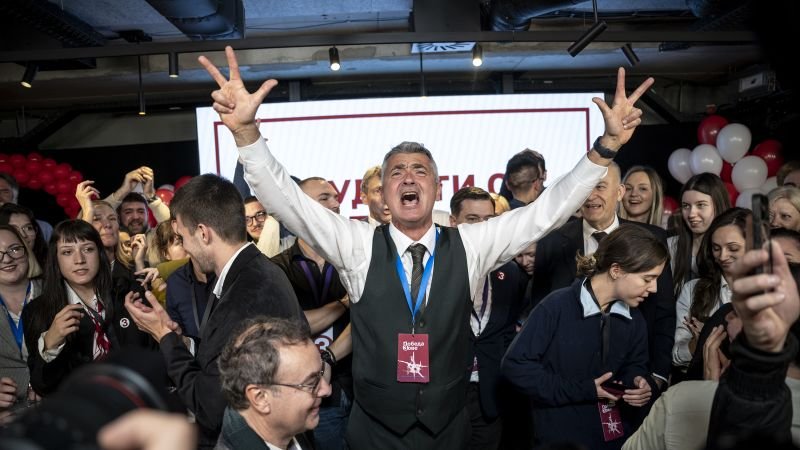
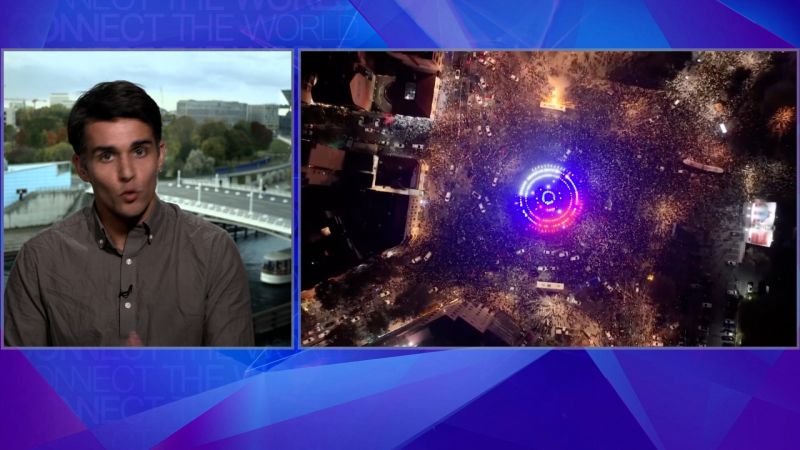
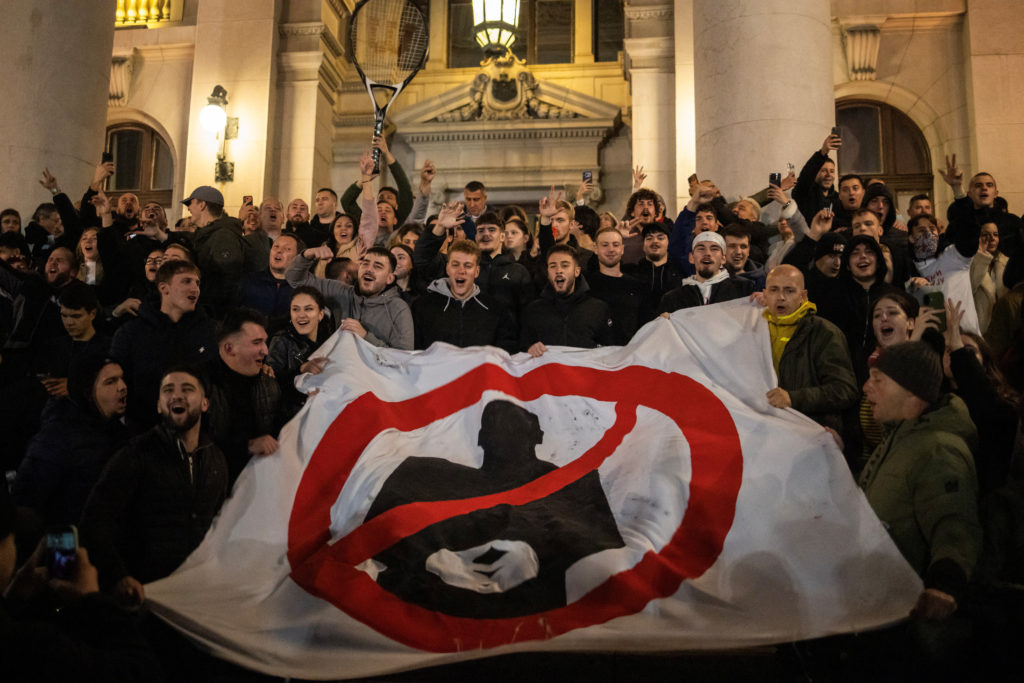
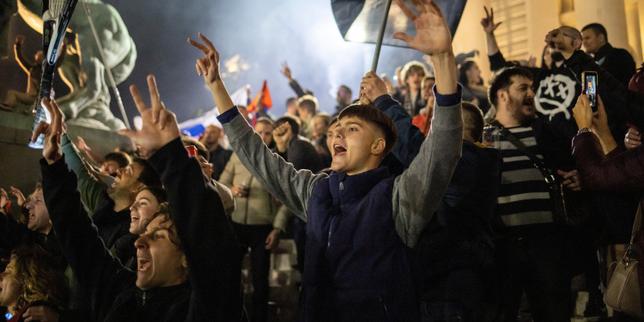
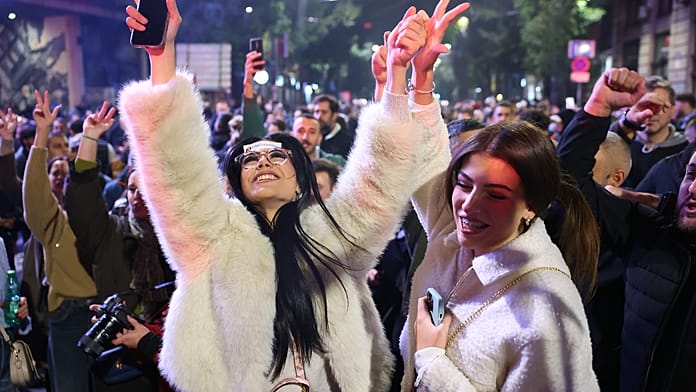
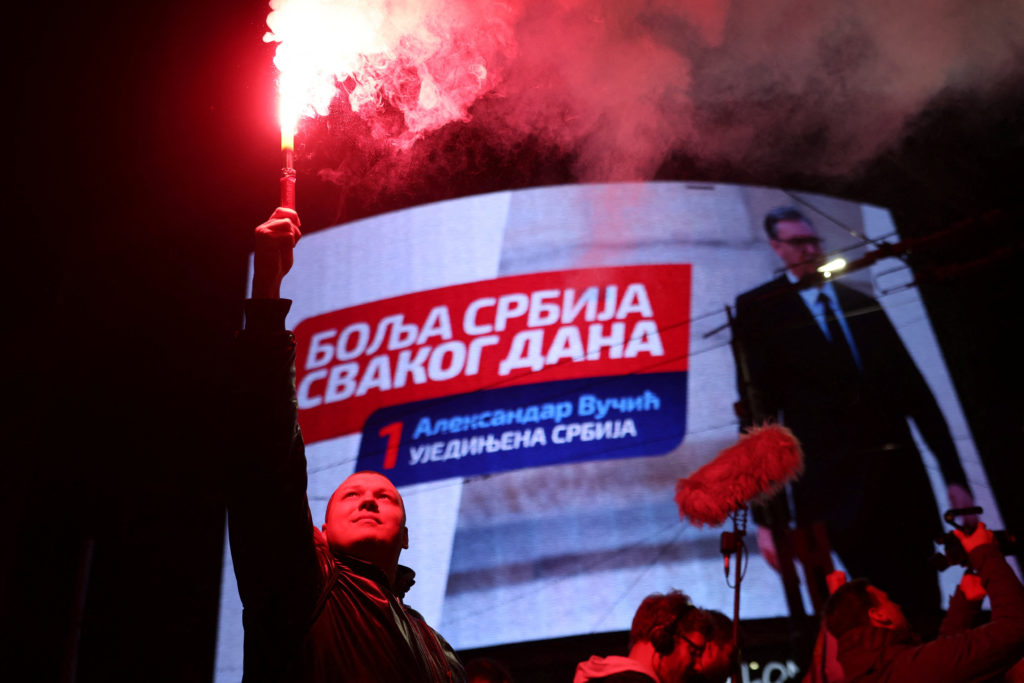
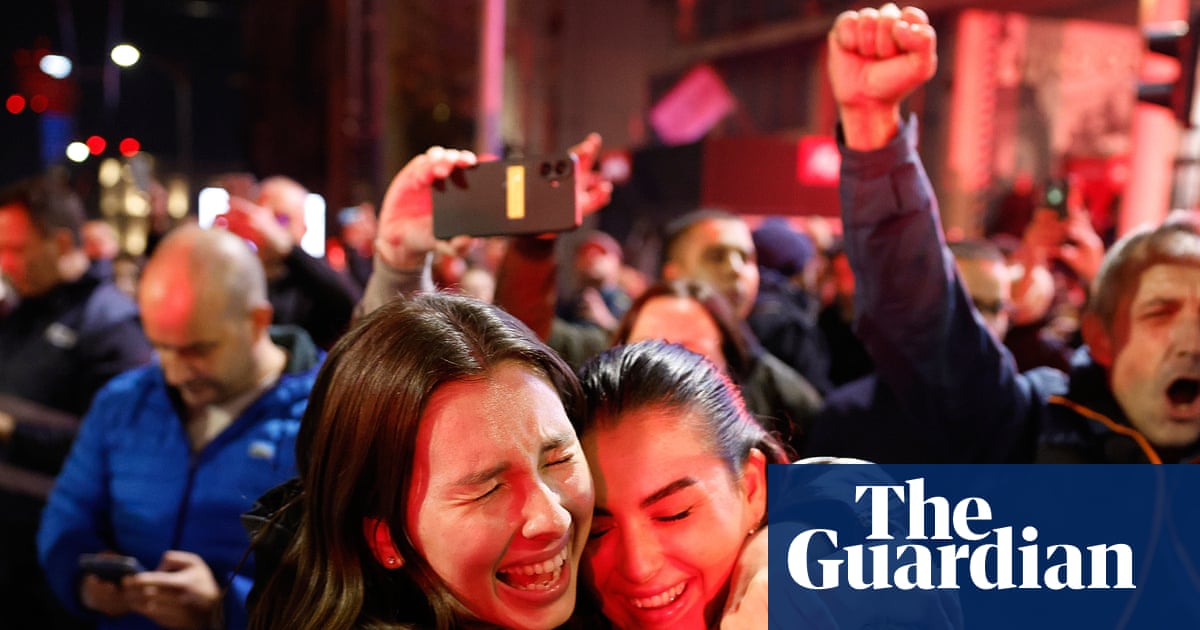
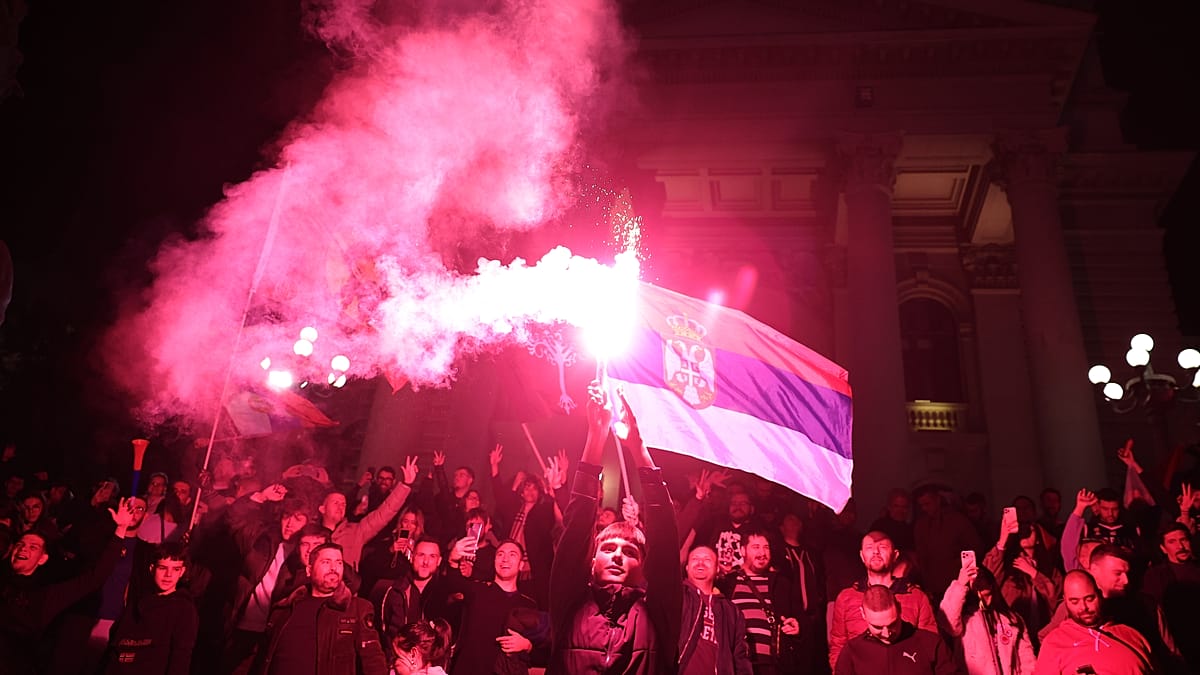
Celebrations spread through Belgrade, Novi Sad and other cities, where supporters gathered in public squares, waved flags and chanted “victory.” In the capital, car horns and fireworks accompanied crowds celebrating the defeat of a party that has held power since 2012.
The result represents an electoral breakthrough for a movement that began outside established opposition parties and built its campaign around corruption, institutional accountability and the restoration of democratic standards. Its next challenge is to turn a broad protest coalition into a functioning government.
A parliamentary majority, with final results still pending
The Students’ List appeared comfortably above the 126 seats needed for a majority, although published seat projections changed as counting progressed. Vučić initially estimated that the movement would win between 135 and 140 seats, against around 105 for SNS. A later CeSID–Ipsos projection cited by the BBC put the student-backed list at 141 seats. Those projections should be distinguished from a certified final allocation.
Turnout was estimated at around 70%, with long queues reported at polling stations in Serbia and overseas. The election’s high participation followed a campaign marked by intense political tensions and concerns about the fairness of the contest.
Independent monitors reported dozens of suspected irregularities, including voters photographing ballots, possible pressure on voters and attempted vote-buying. Before election day, local and international monitors had also raised concerns about detentions, the government’s dominance of the media environment, and reported surveillance and cyberattacks targeting activists.
Despite conceding, Vučić blamed independent media and alleged interference by unnamed European countries and an “American deep state.” He provided no substantiation for those allegations in the reporting reviewed. He also indicated that his party would continue fighting from opposition.
The railway disaster that became a national reckoning
The movement’s origins lie in the collapse of a concrete canopy outside Novi Sad railway station on November 1, 2024. The disaster, which ultimately killed 16 people, became a focus of public anger over the recently renovated station and allegations that corruption and inadequate oversight had compromised construction safety.
Students began organising blockades and demonstrations demanding accountability. Their protests grew into a broader movement drawing support from farmers, actors, judges and other sections of Serbian society. Critics treated the collapse not simply as an infrastructure failure, but as a symbol of institutions they believed had become unaccountable under SNS rule.
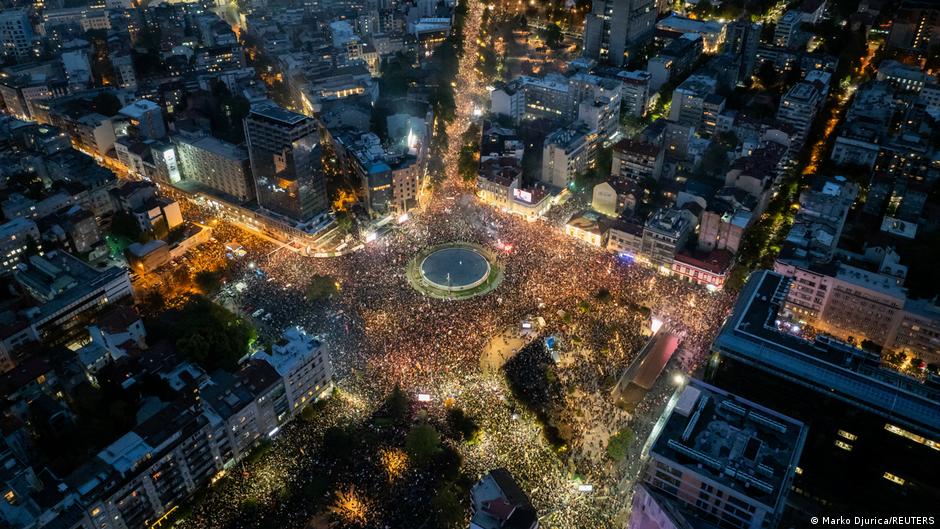
The demonstrations had already produced significant political consequences before the election. Serbia’s prime minister resigned in January 2025 in an effort to ease tensions, and Belgrade hosted a huge anti-government demonstration that March. Students sustained their organising through assemblies known as plenums, rather than placing a single leader at the head of the movement.
Vučić and SNS have denied allegations of corruption. The protesters’ claims about responsibility for the station disaster should not be confused with a final judicial determination of individual criminal liability.
Student-led, but not a parliament of students
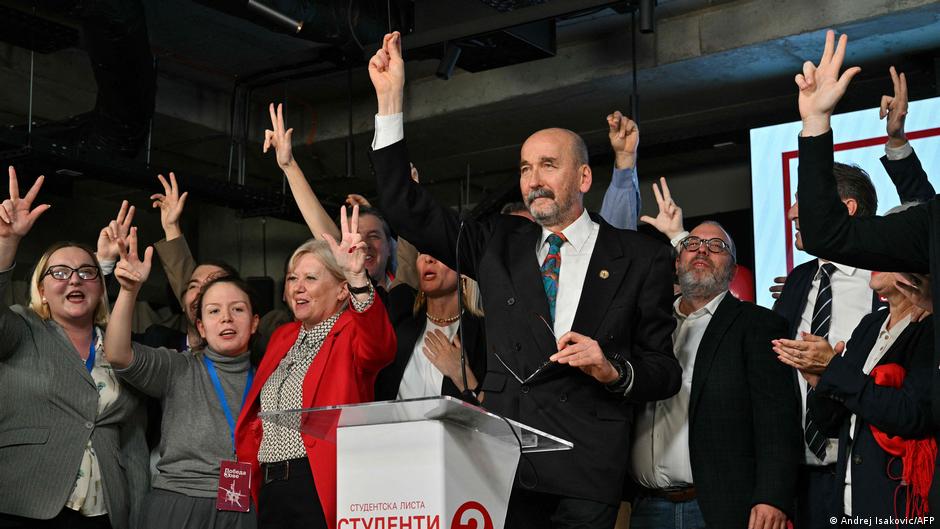
Despite its name, the Students’ List did not field university students as parliamentary candidates. Instead, student organisers selected candidates from outside the conventional party leadership, including academics, doctors, artists, athletes and farmers.
The list was headed by Ilija Srdanović, a cardiology professor from Novi Sad. Other candidates included former basketball star Dejan Bodiroga, actor Tihomir Stanić, opera singer Nikola Mikić and former National Bank of Serbia governor Dejan Šoškić.
The distinction matters: students supplied the movement’s organisational energy and public identity, while the people elected on its list will be responsible for carrying its programme into parliament. Student organisers described those candidates as representatives entrusted with moving their struggle from the streets into institutions.
Campaigners also travelled on foot and by bicycle to reach voters beyond major urban centres, including rural communities traditionally associated with Vučić’s support base. That outreach helped the movement challenge a leader who had repeatedly prevailed over Serbia’s fragmented conventional opposition.
This will be a free state.
Ilija Srdanović told BBC Serbian.
“This will be a free state,” Srdanović told BBC Serbian after the victory. However, heading the electoral list does not automatically make him the next prime minister, and no definitive choice for that position had been announced in the reporting reviewed.
What the movement has promised
The Students’ List campaigned on an 11-point programme centred on changing how Serbia’s institutions operate. Measures reported by the BBC include:
- Establishing a police unit dedicated to pursuing corruption.
- Removing interior ministry officials implicated in unlawful crackdowns on protesters or linked to organised crime.
- Freeing the public broadcaster from political control.
- Ending the appointment of party loyalists to lead public enterprises.
The agenda targets the relationship between political power and state institutions, rather than promising only a change of personnel at the top. During Vučić’s years in power, critics accused SNS of extending its influence over the media, judiciary and public administration. Vučić and his party deny corruption and seeking to control the media.
Delivering those reforms will require the newly elected representatives to maintain cooperation across a diverse movement whose members were united primarily by opposition to the outgoing leadership. The identity of the next prime minister and the composition of the government remain central unresolved questions.
What Vučić’s defeat changes
Vučić’s political dominance spanned several offices, not 14 uninterrupted years as president. Since SNS came to power in 2012, he has served as deputy prime minister, prime minister and president, turning the presidency into the centre of political authority during his tenure.
He resigned as president in September to contest the parliamentary election with the aim of returning as prime minister, a position he left in 2017. His concession therefore concerns his party’s parliamentary defeat, rather than a presidential election loss.
Parliamentary speaker Ana Brnabić is serving as acting president, with a presidential election due in December. That creates a second important political contest even as the incoming parliamentary majority prepares to form a government.
Europe and Russia watch the transition
The result also raises questions about Serbia’s international direction. Under Vučić, the country pursued European Union membership while retaining close relations with Russia and refusing to join EU sanctions imposed over Moscow’s full-scale invasion of Ukraine.
European Commissioner for Enlargement Marta Kos welcomed the result, saying “a new chapter can begin for Serbia” and that the EU was ready to move forward with the country. Kremlin spokesman Dmitry Peskov, meanwhile, praised Vučić’s contribution to bilateral relations and expressed hope that cooperation would continue under the incoming leadership.
The Students’ List has said less about foreign policy than domestic reform. Its government will face the task of managing relations with the EU, Serbia’s largest trading partner; China, a major investor; and Russia, a longstanding partner and important supplier of natural gas. The election result alone does not establish how those relationships will change.
For now, the immediate test is institutional: finalising the election results, selecting a prime minister and translating an anti-corruption campaign into government action. As university professor and Students’ List candidate Radomir Sajčić told supporters on election night: “Tonight we celebrate victory. Tomorrow we build the future.”
Tonight we celebrate victory. Tomorrow we build the future.
Radomir Sajčić told supporters.