





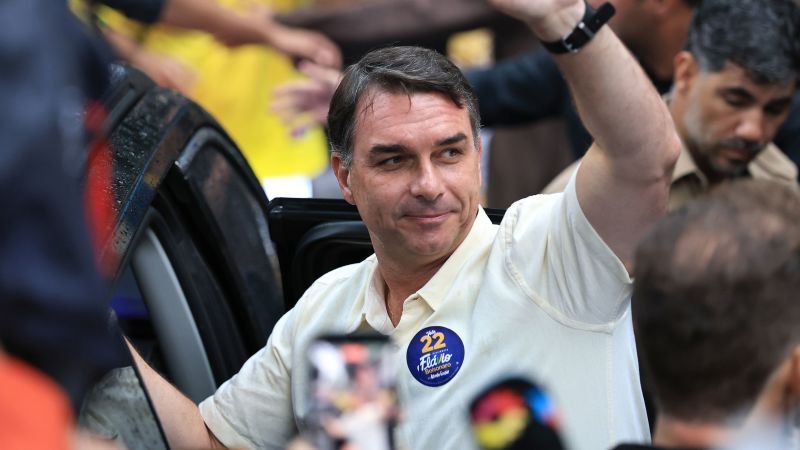









Brazil’s president defeated Flávio Bolsonaro with 51.79% of valid votes, but his victory leaves him facing a disputed political transition, a conservative Congress and an immediate market sell-off.
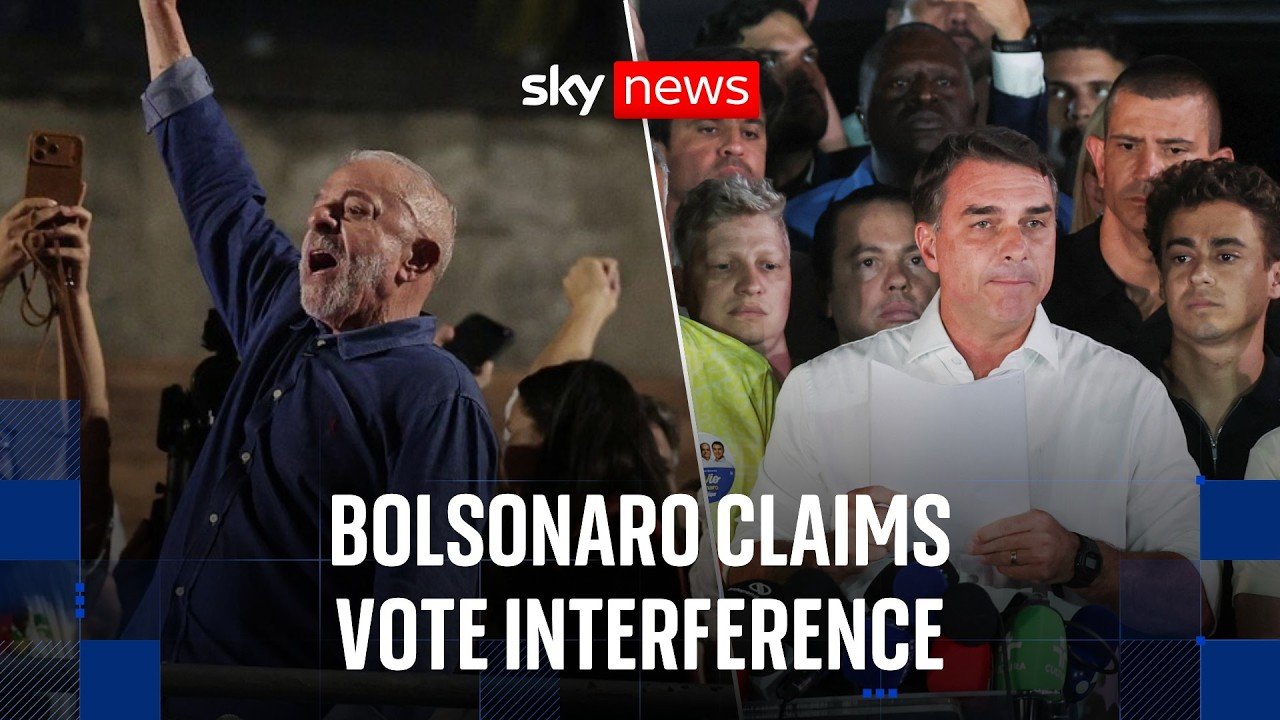
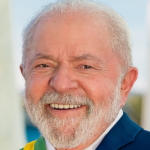
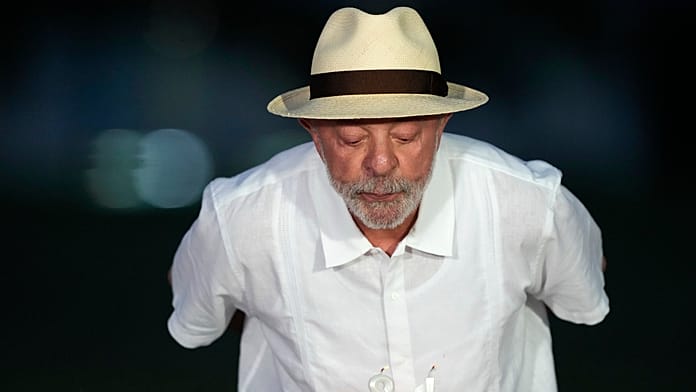
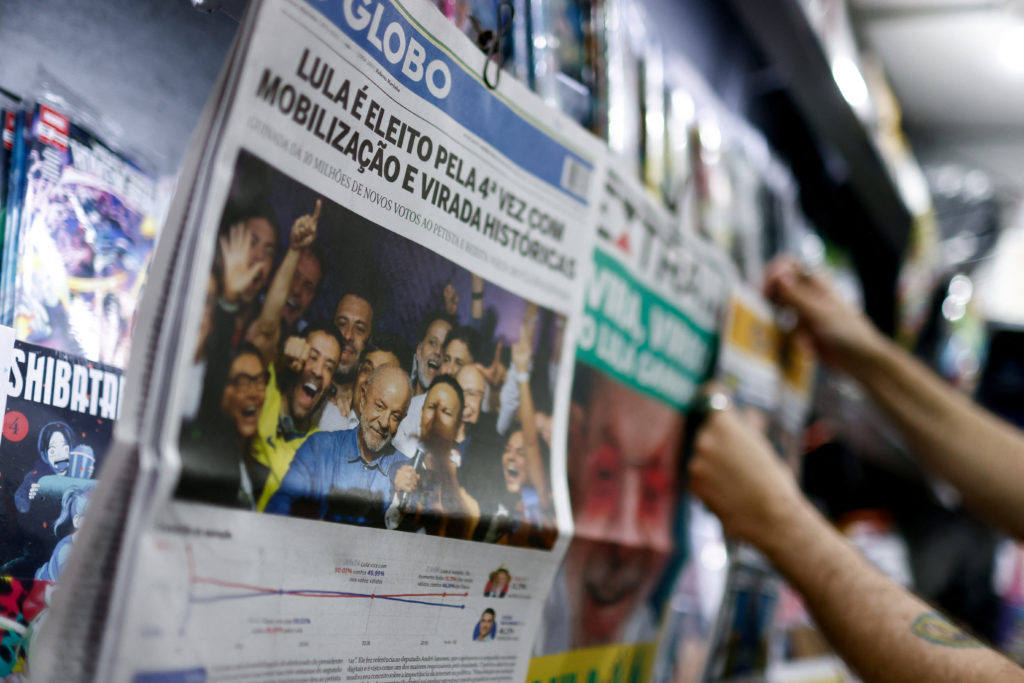
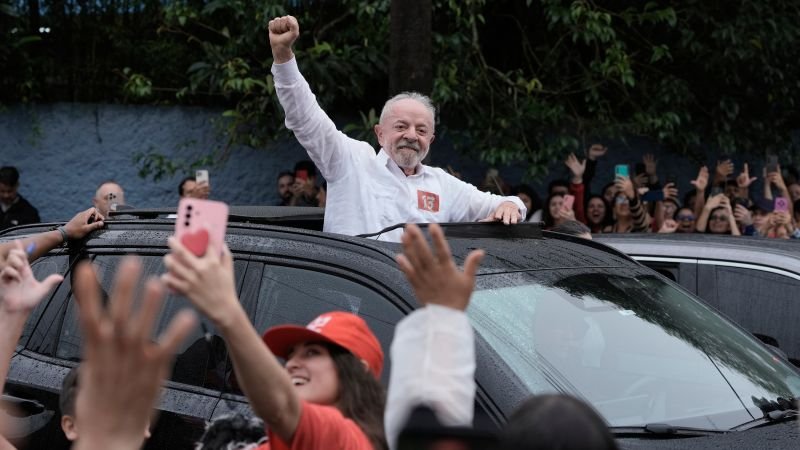
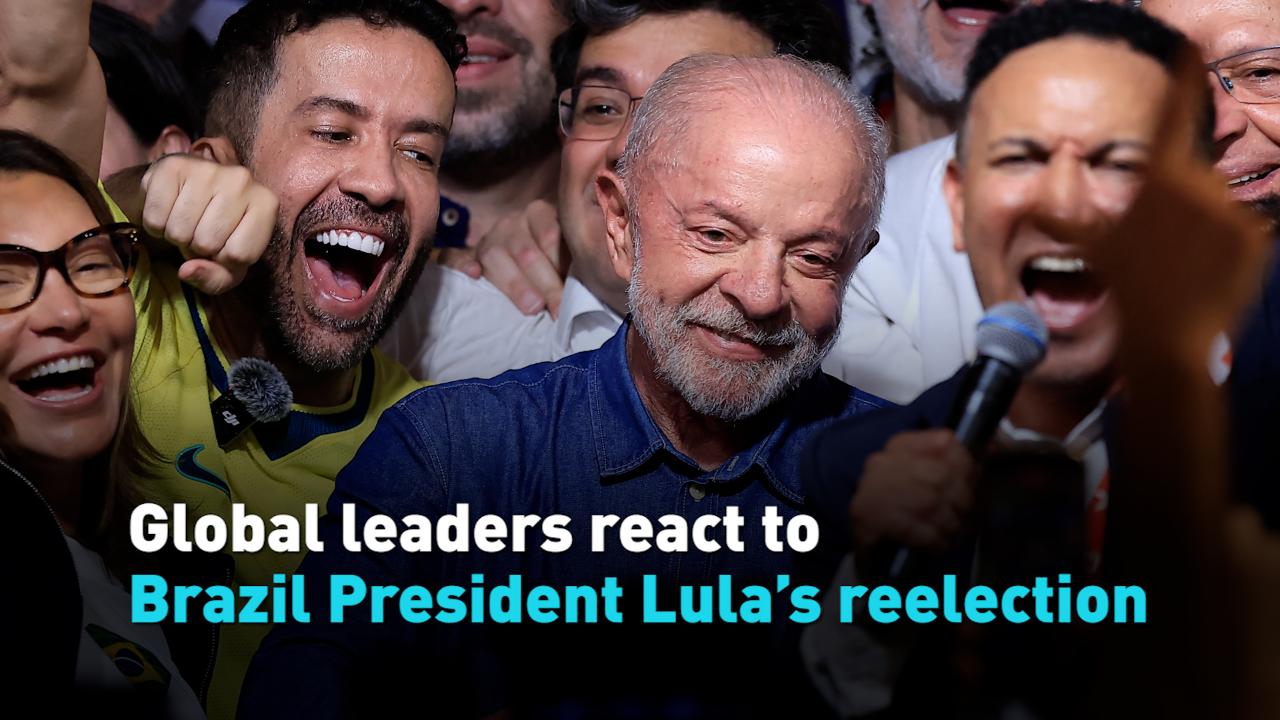
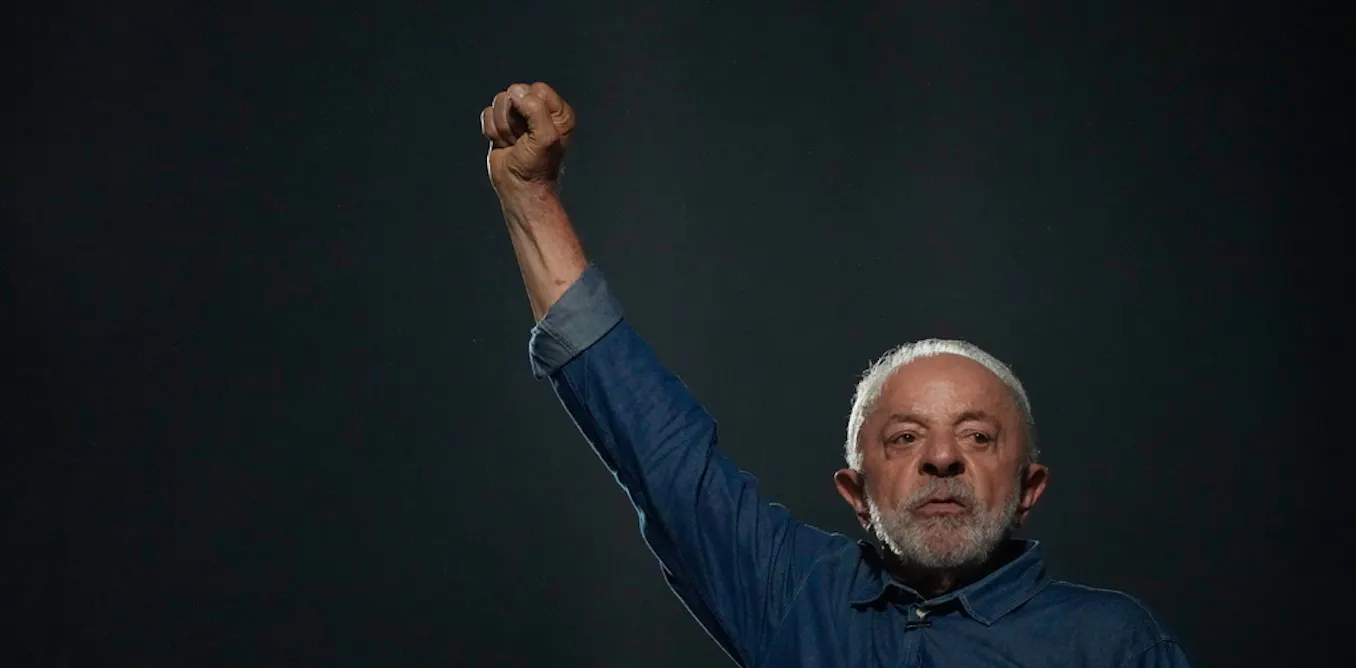
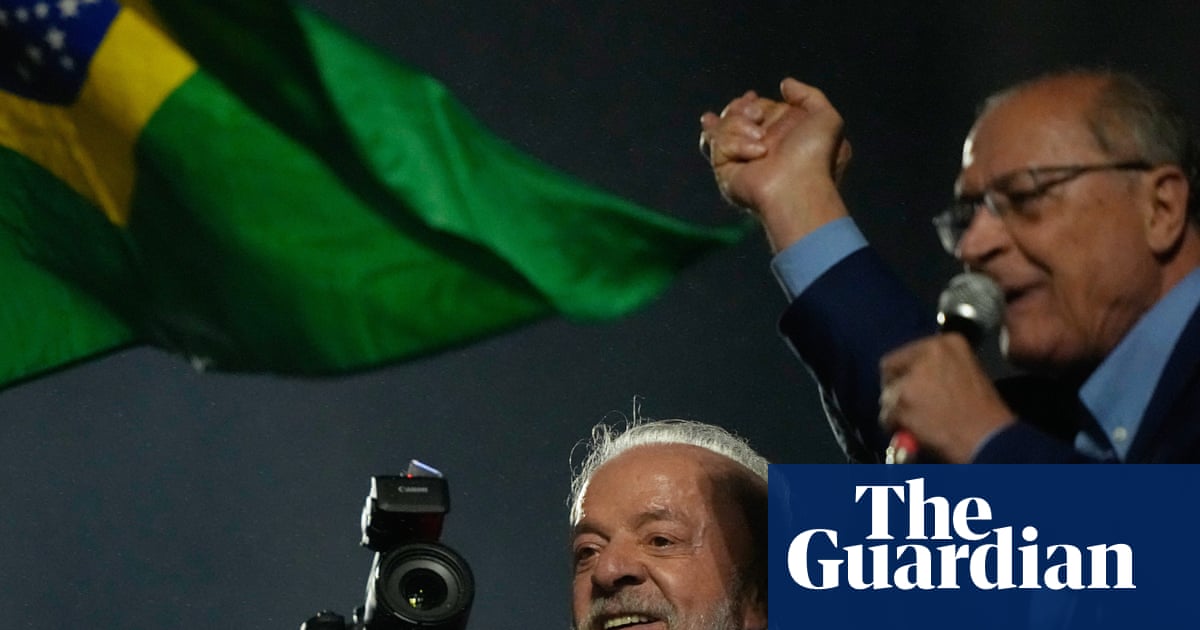
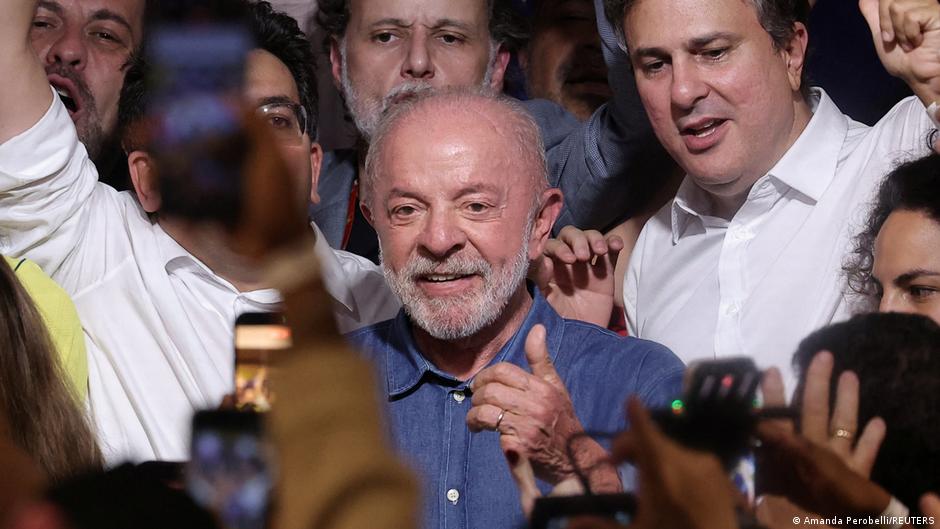
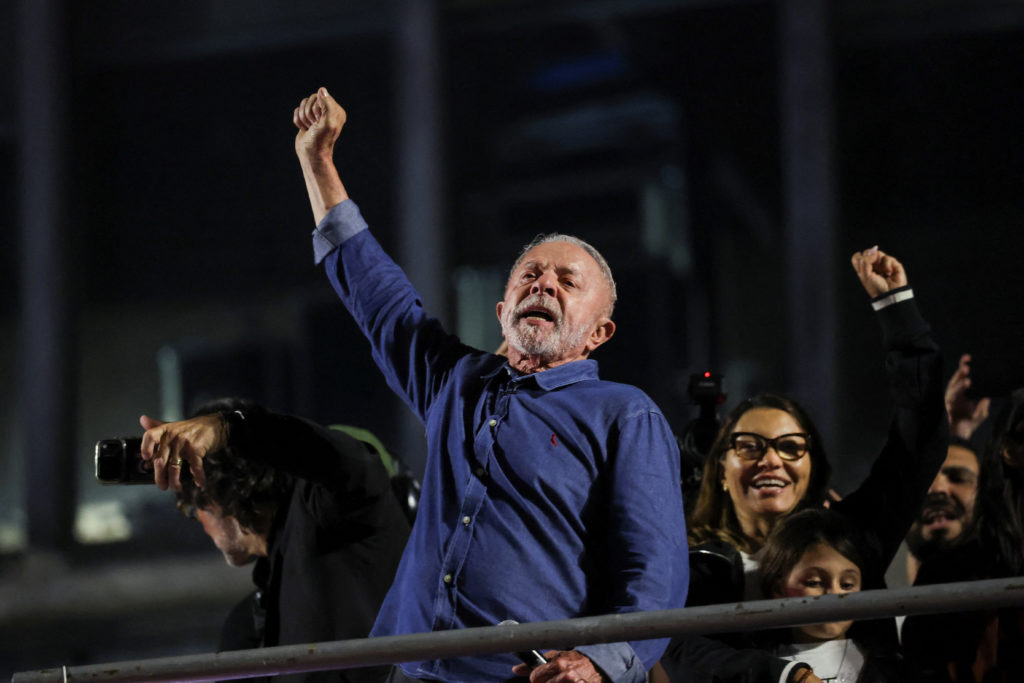
Luiz Inácio Lula da Silva has won a record fourth elected term as Brazil’s president, overturning a first-round deficit to defeat Senator Flávio Bolsonaro in a runoff that exposed the country’s deep political divisions and checked the right’s recent advances across Latin America.
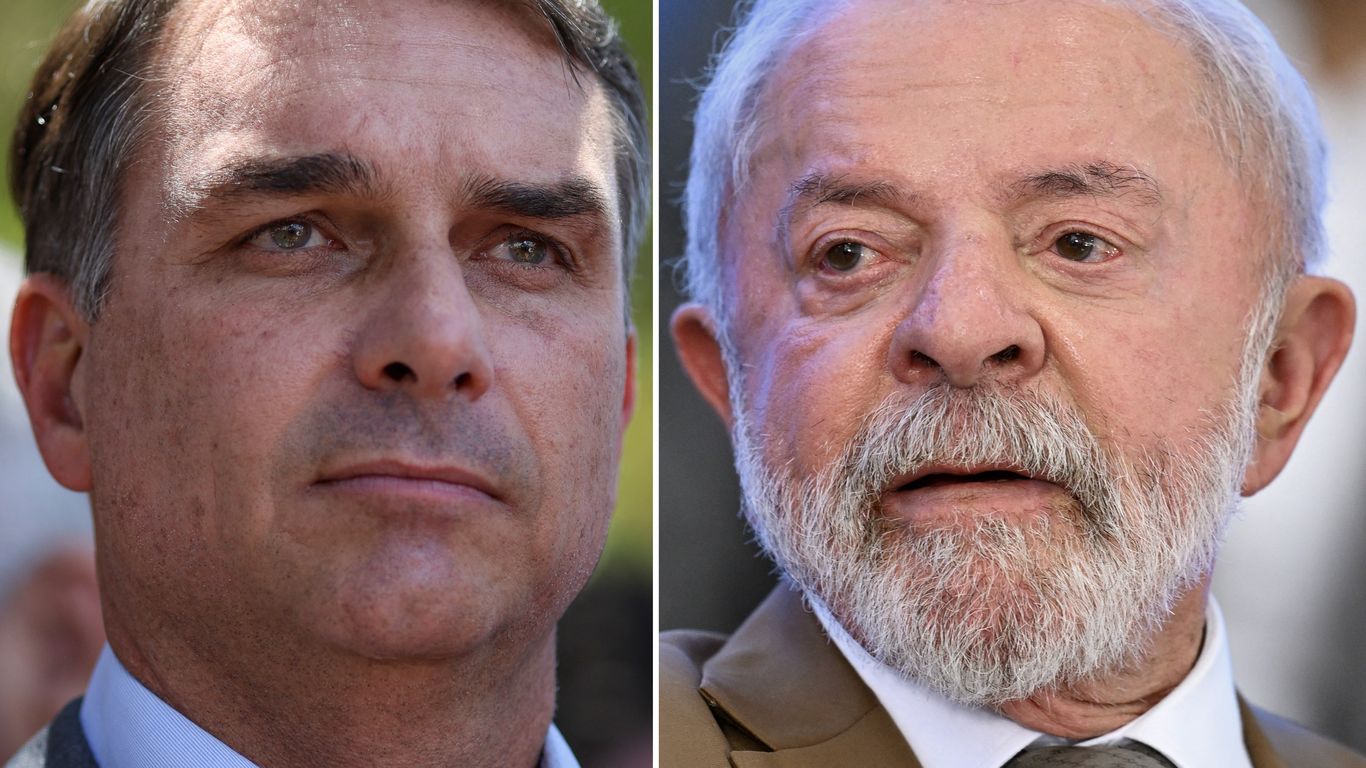
Lula received 64,256,232 votes, or 51.79% of valid ballots, in the October 25 election, Brazil’s Superior Electoral Court said. Bolsonaro, the son of imprisoned former president Jair Bolsonaro, received 59,826,041 votes, or 48.21%, leaving a gap of approximately 4.4 million votes.
The result made Lula the first presidential candidate under Brazil’s modern two-round electoral system to lose the opening round and then win the runoff. It also made him the first Brazilian president elected four times. He previously governed from 2003 to 2010 and returned to office in January 2023.
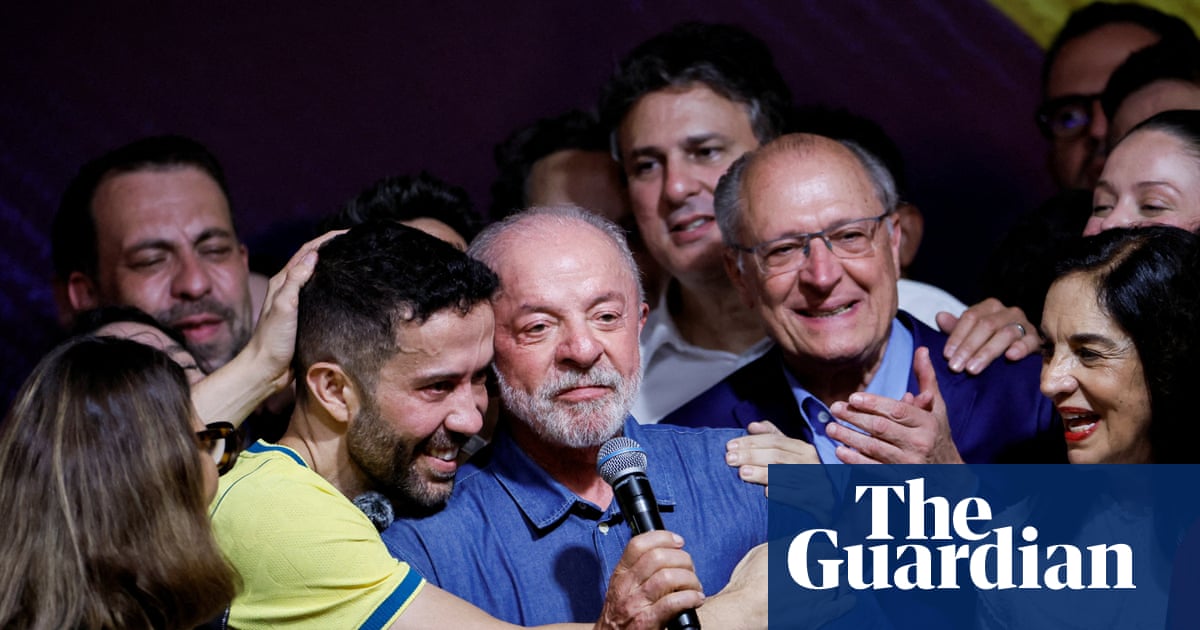
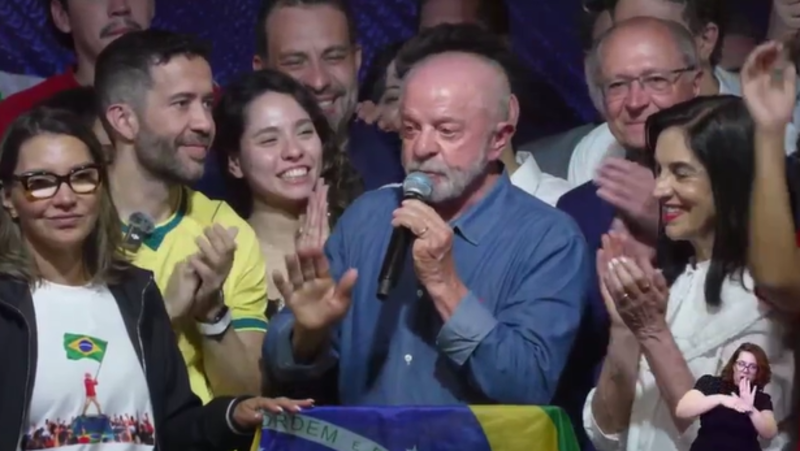
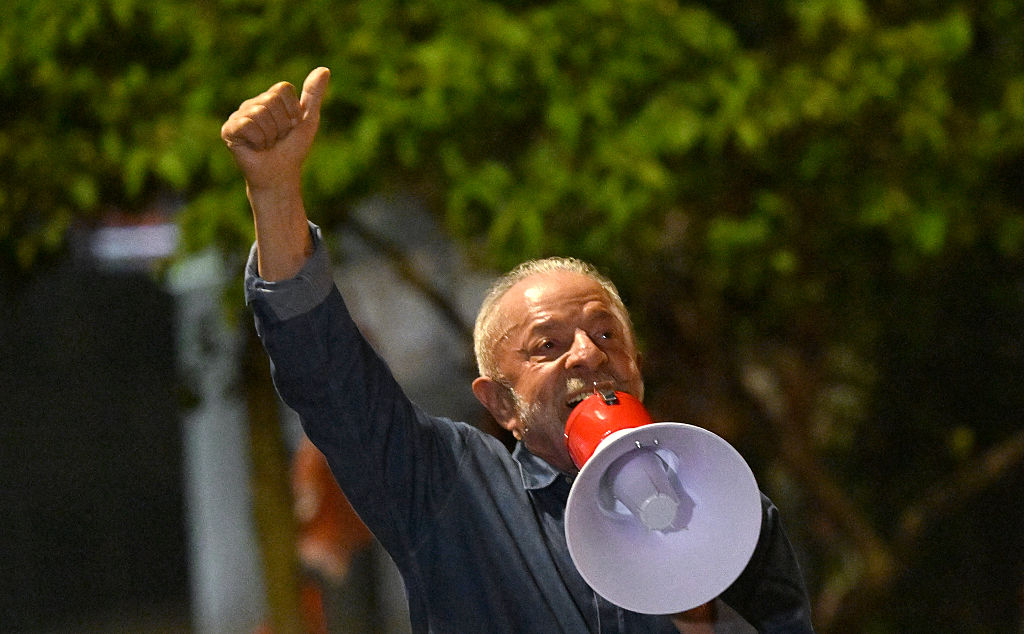
This, my fourth term, will be the best of any president in the history of this country.
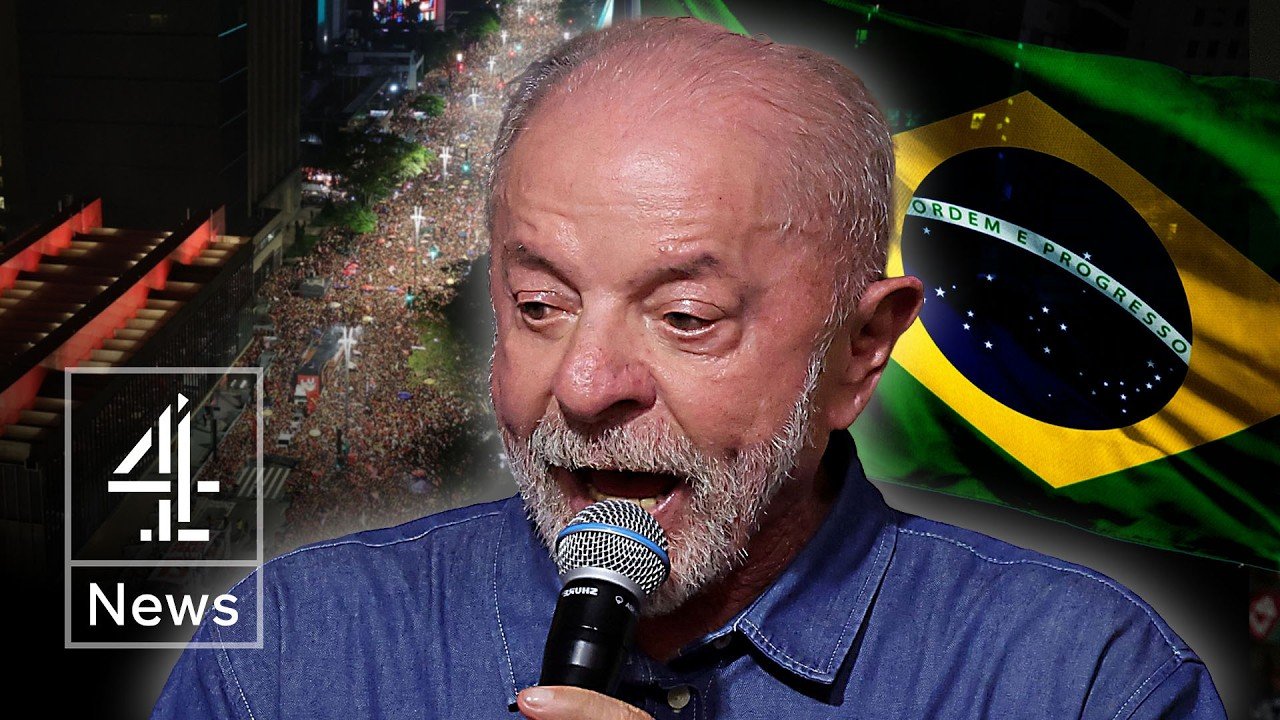
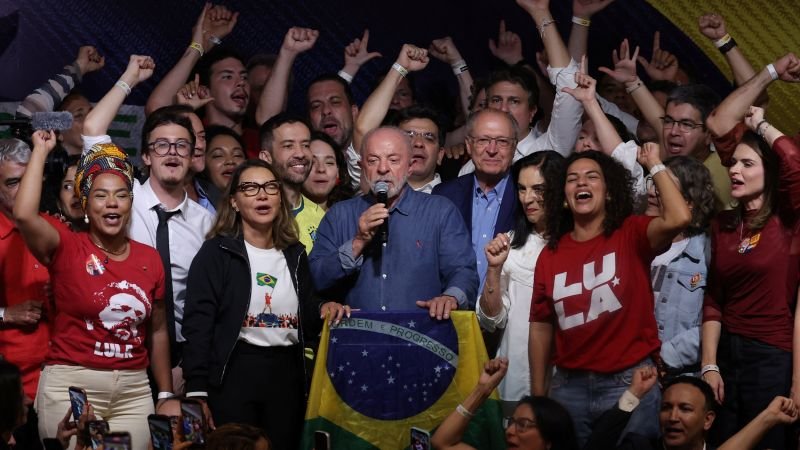
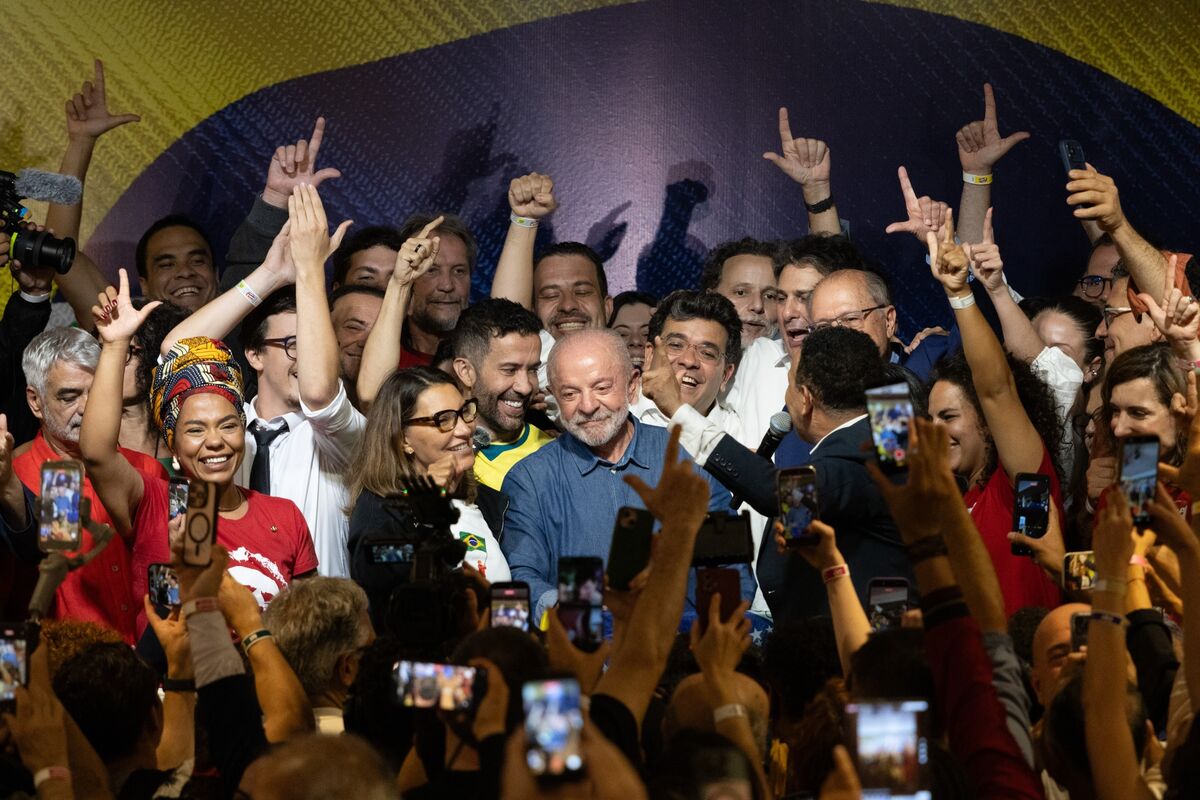
Lula told supporters celebrating in São Paulo.
It will be the one in which I listen most to the Brazilian people.
“This, my fourth term, will be the best of any president in the history of this country,” Lula told supporters celebrating in São Paulo. “It will be the one in which I listen most to the Brazilian people.”
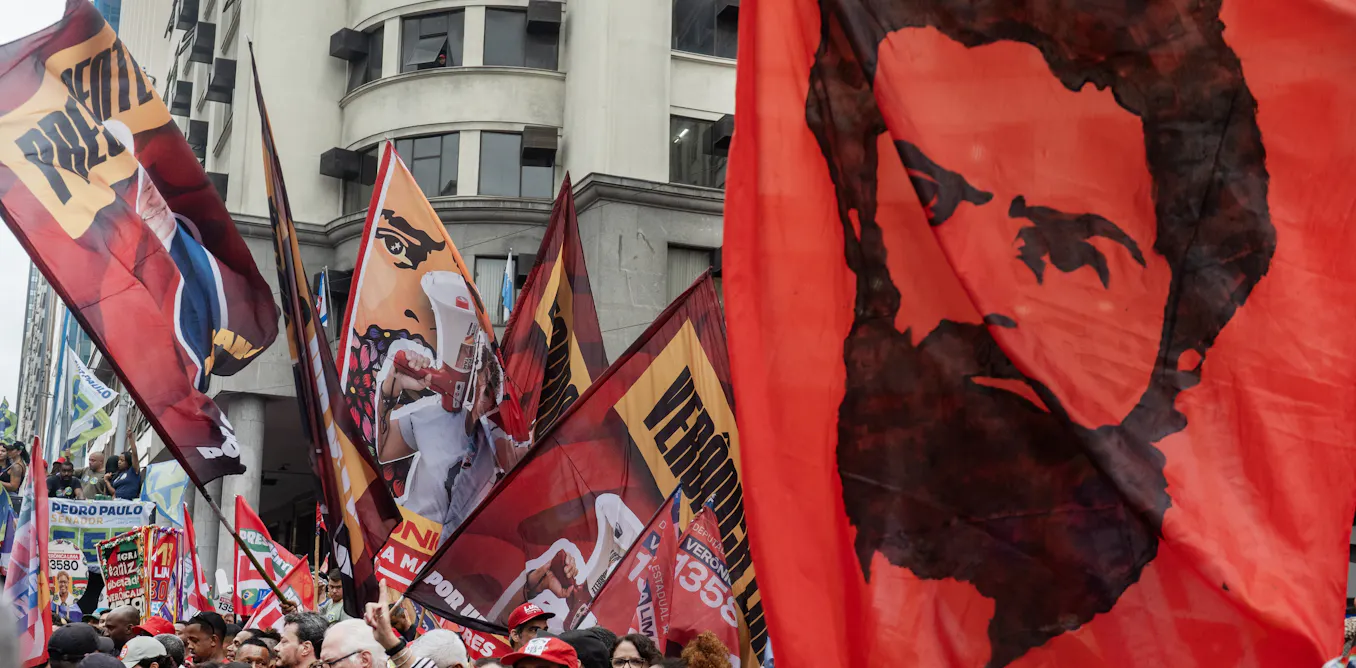
A comeback built on voter mobilisation
Lula entered the runoff behind Bolsonaro, who had taken approximately 47% of the vote in the October 4 first round against the incumbent’s 45%. His campaign responded by concentrating on turnout, seeking to bring back supporters who had stayed home during the opening vote. Approximately 33 million eligible voters had not participated in that round, according to the BBC.
The effort helped change the electoral arithmetic. Turnout rose from 78.92% in the first round to 80.78% in the runoff, according to electoral court figures reported by BBC News Brasil. The BBC described the decline in abstention as the largest between the two rounds of a Brazilian presidential election since 1989.
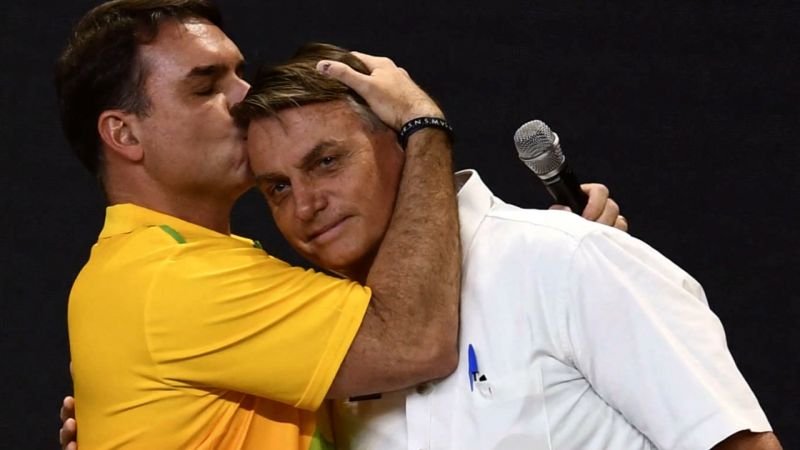
The comeback gave Lula another victory over the Bolsonaro political movement after his defeat of Jair Bolsonaro in 2022. The former president is serving a 27-year prison sentence following his conviction over an attempted coup after that election loss.
Lula turned 81 on October 27, two days after securing reelection. His next term is scheduled to begin on January 5, 2027.
Bolsonaro rejects the result as his party acknowledges defeat
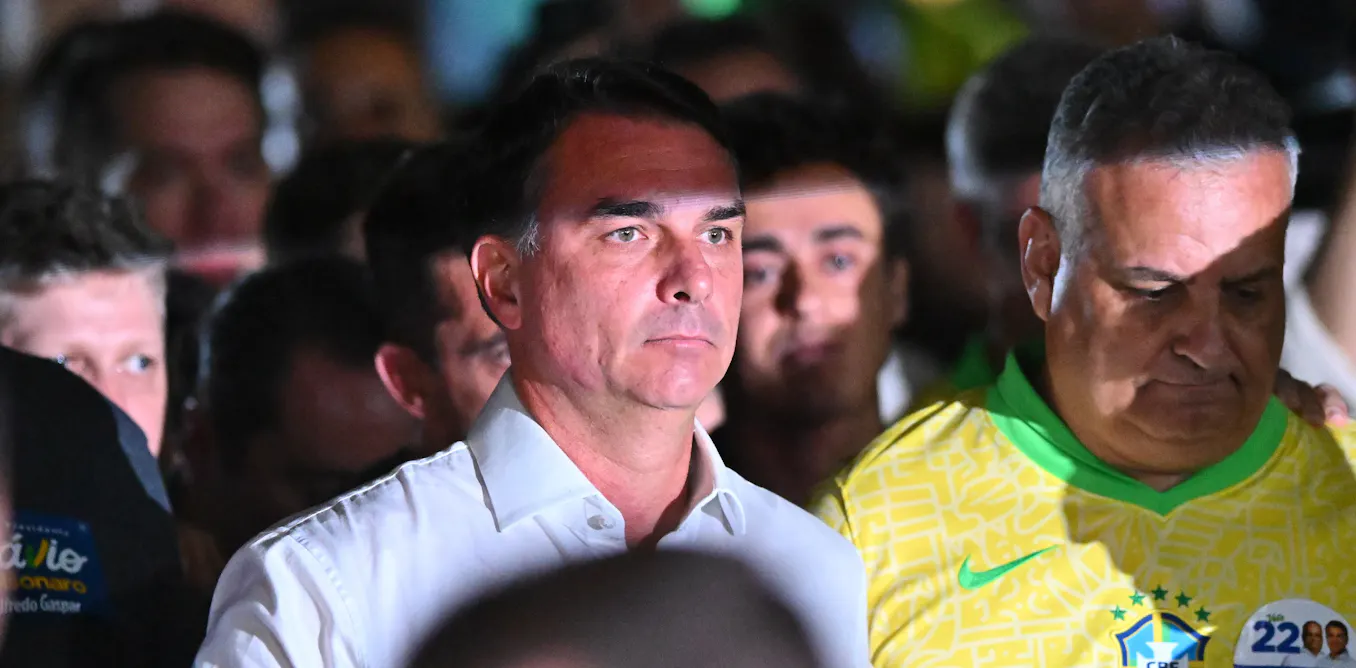
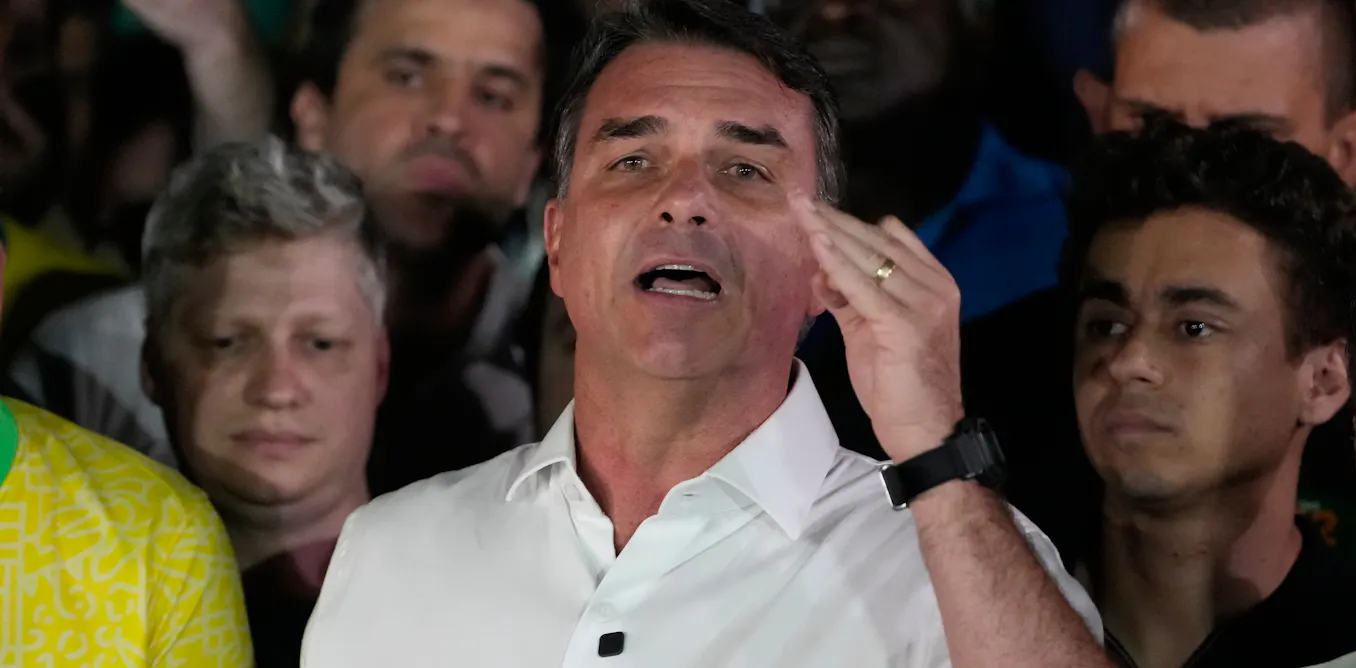
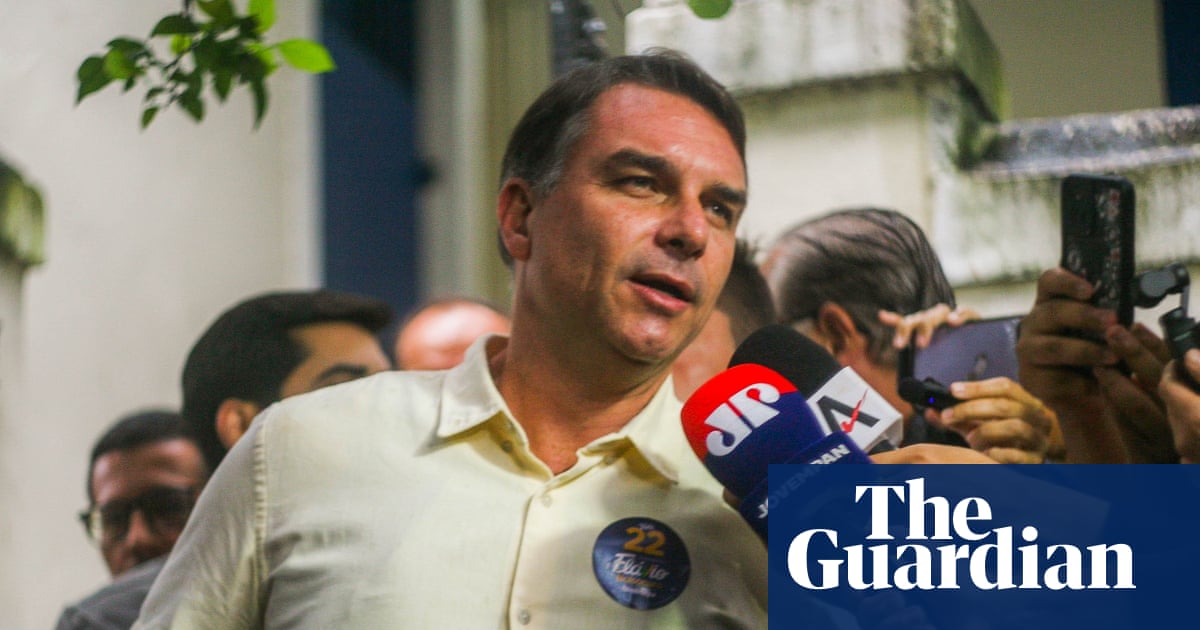
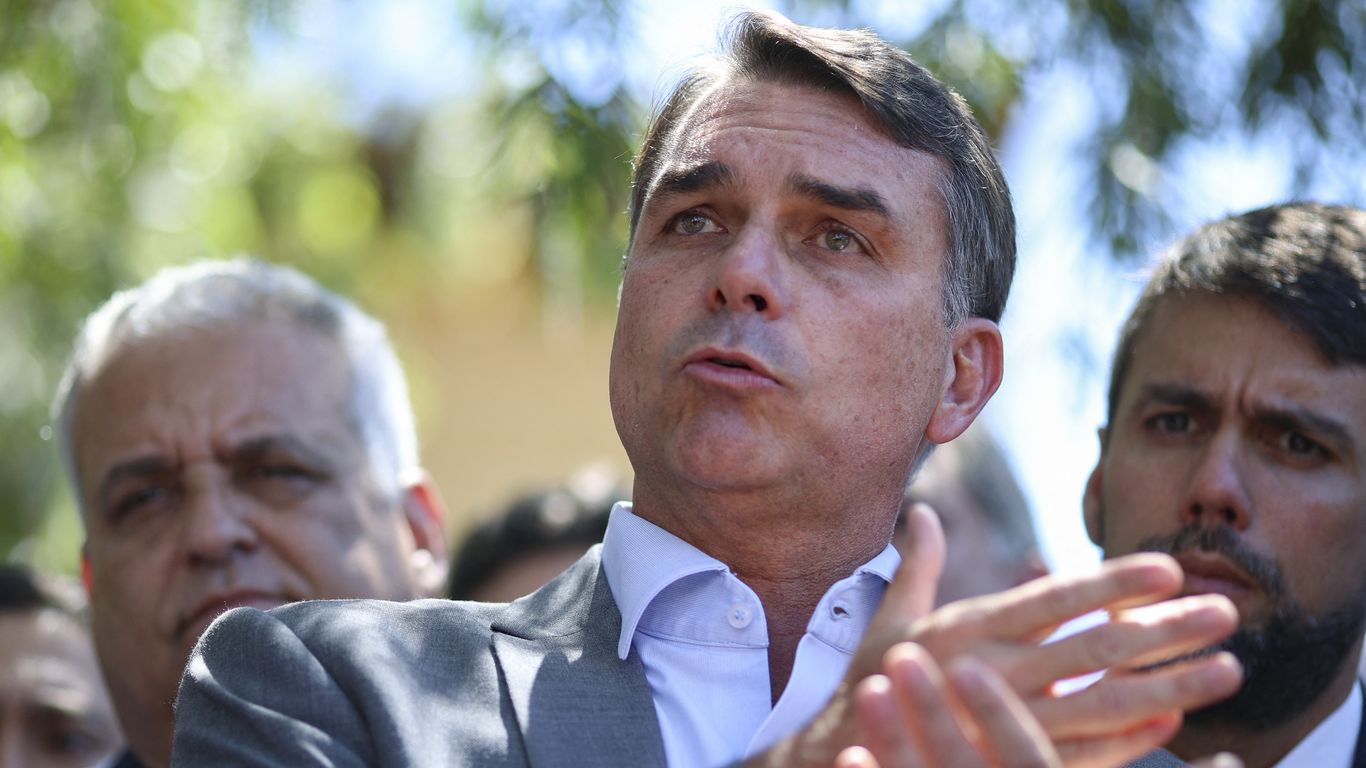
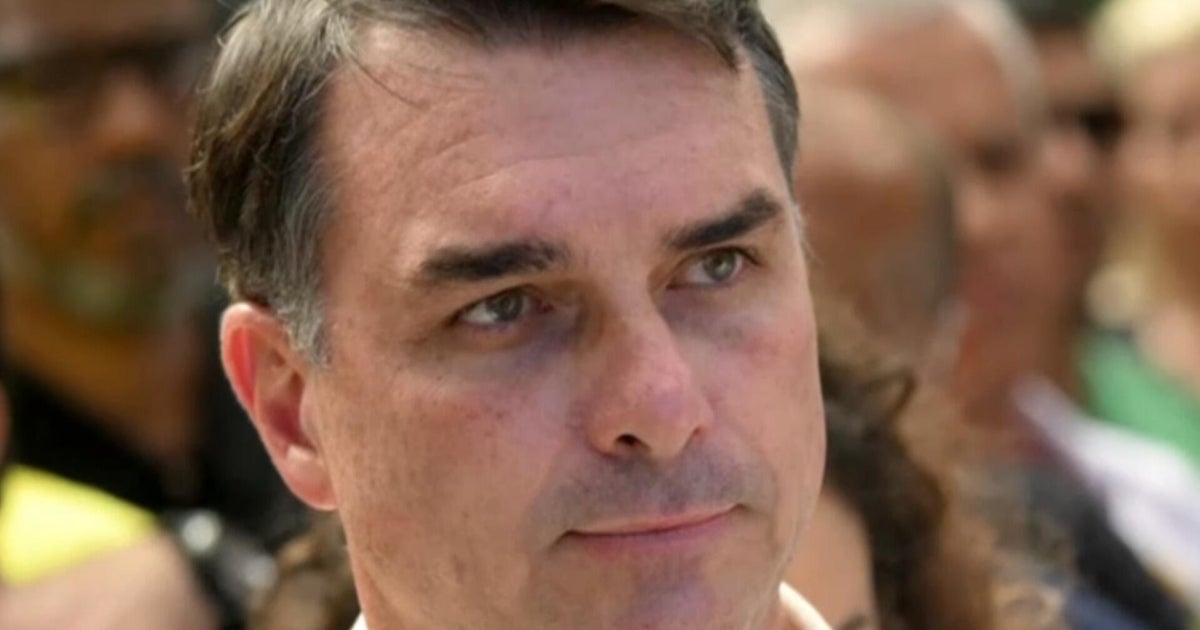
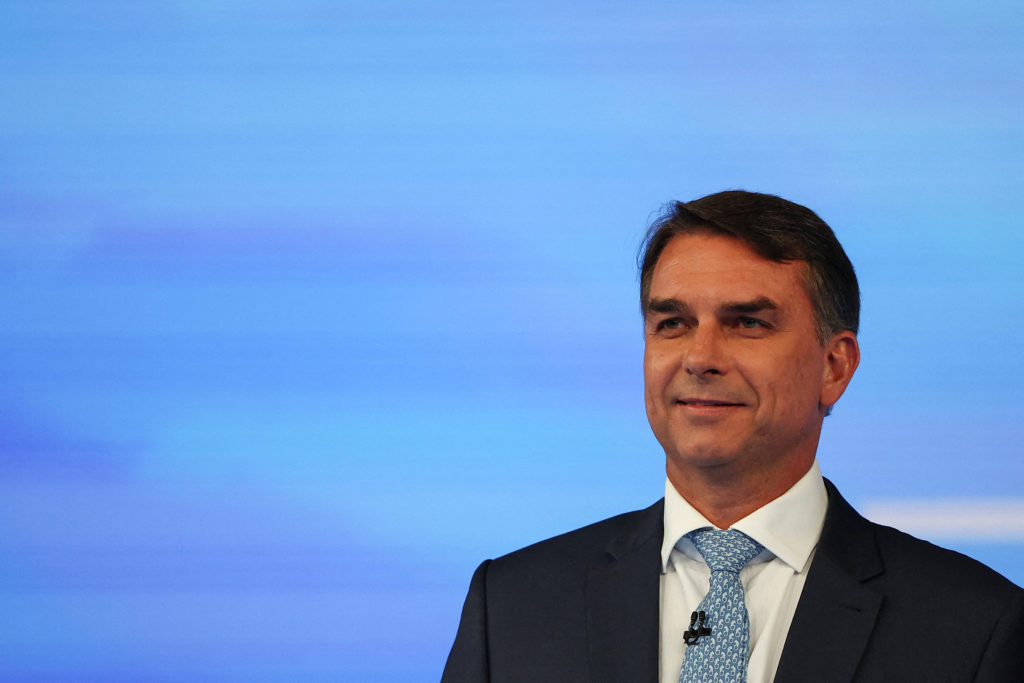
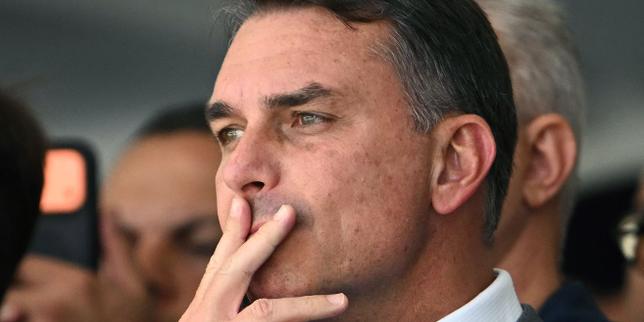
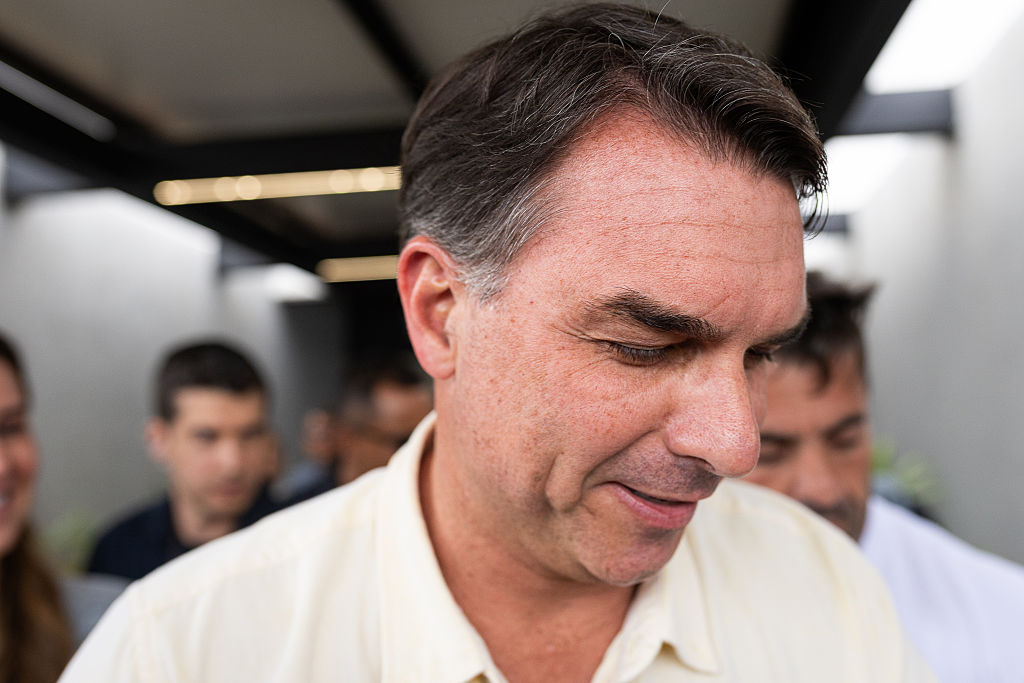
Flávio Bolsonaro initially refused to recognise Lula’s victory and called for the result to be annulled. His Liberal Party subsequently acknowledged the outcome, creating a distinction between the party’s official position and its candidate’s refusal to concede.
Party president Valdemar Costa Neto recognised Lula’s victory in a statement on October 26, while questioning government spending ahead of the election. That acknowledgement did not amount to a personal concession from Bolsonaro.
A central dispute concerned a decision by Supreme Court Justice Cristiano Zanin to extend voting nationwide by two hours. Bolsonaro supporters questioned Zanin’s impartiality because he had previously served as Lula’s lawyer. However, both campaigns had requested additional voting time: Lula’s team cited transport problems affecting voters, while Bolsonaro’s pointed to heavy rain.
Superior Electoral Court President Kássio Nunes Marques, whom Jair Bolsonaro appointed to the Supreme Court, confirmed Lula’s victory and said the extension had not changed the outcome. International election observation missions also reported that voting and counting proceeded normally, according to BBC News Brasil.
US President Donald Trump nevertheless suggested, without presenting evidence, that the election had been “rigged.” His remarks added an international dimension to Bolsonaro’s challenge, even as other world leaders congratulated Lula.
Bolsonaro flees Brazil after election defeat
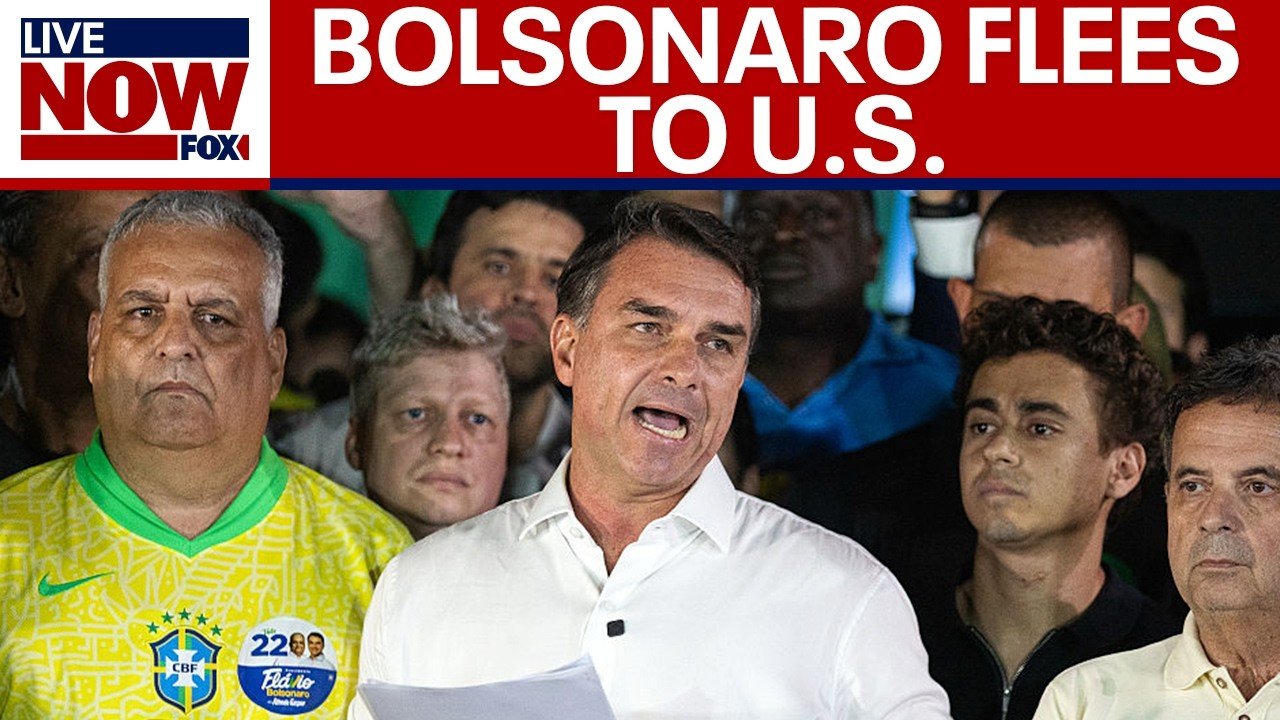
Flávio Bolsonaro left Brazil after his election defeat despite a Supreme Court order barring him from leaving the country and requiring him to surrender his passports. His departure added a new legal and diplomatic dimension to the aftermath of Lula’s victory.
Argentina’s migration authority said Bolsonaro, his wife and their two daughters entered the country on Tuesday night, October 27, before boarding a private flight bound for Guayaquil, Ecuador. Argentine authorities said the family entered using valid travel documents.
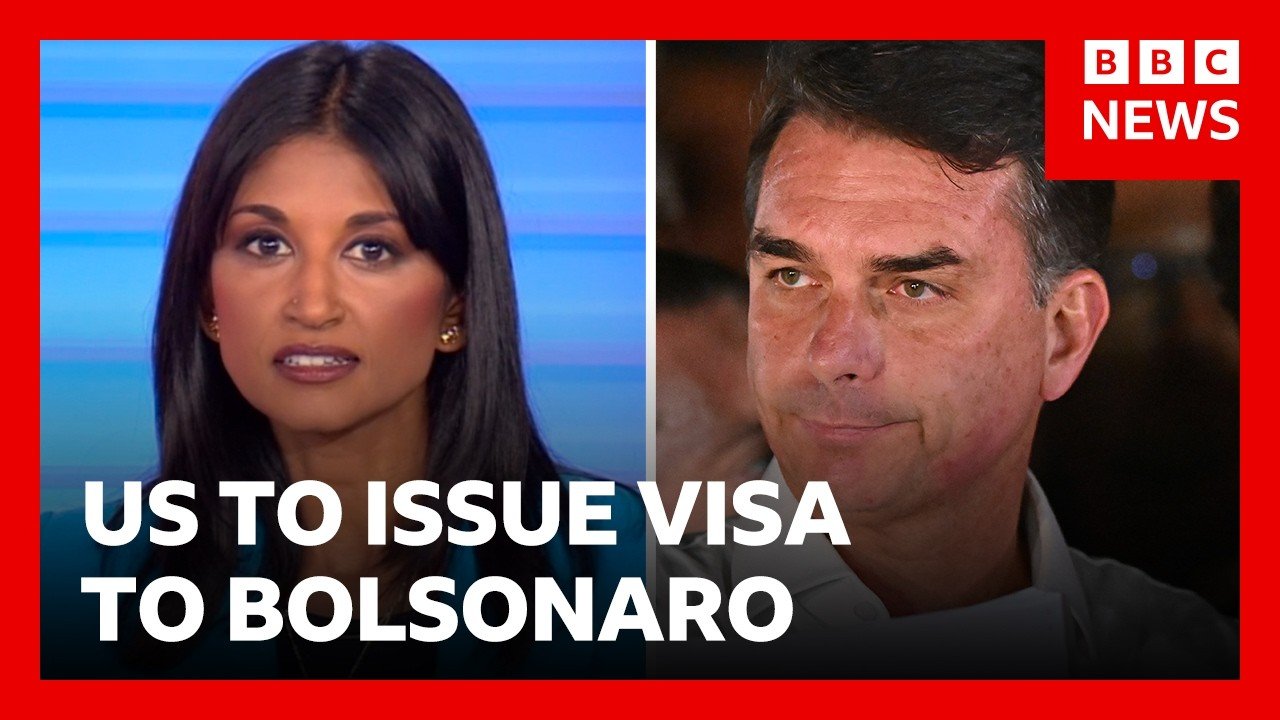
The aircraft subsequently stopped in Guayaquil before departing again on Wednesday. Its final destination had not been independently confirmed in that report, although flight-tracking information indicated it was heading toward Miami. The US State Department said it would issue visas to Bolsonaro and his family, allowing them to enter the United States.
The Brazilian court’s passport order relates to a money-laundering investigation in which Bolsonaro denies wrongdoing. Reuters reported that the court cited the risk of him fleeing and his “significant financial resources” when ordering his passports seized. He is also set to lose his parliamentary immunity when his Senate term ends in February.
His departure contradicted his public assurances a day earlier. “I have never thought about leaving the country,” Bolsonaro said on Monday, promising to surrender his passports and defend himself against an investigation he described as an attempt to intimidate him.
Bolsonaro’s departure and his refusal to concede are separate issues: the travel restrictions stem from the criminal investigation, not from his challenge to the election result. His Liberal Party has acknowledged Lula’s victory, even though the defeated candidate has sought to contest it.
Markets fall as attention turns to spending and debt
The political victory brought an immediate financial test. Brazil’s benchmark Ibovespa stock index fell 13.9% on Monday, October 26, while the real dropped nearly 8% against the US dollar, CNBC reported. Government borrowing costs also rose sharply.
The sell-off reversed a rally that had followed Bolsonaro’s first-round lead. Investors had viewed the challenger as more market-friendly and were reassessing how Lula would finance his campaign commitments while containing public debt.
Those commitments include minimum-wage increases above inflation, protection of existing benefits, expanded housing and education support, tax cuts on essential foods and a reduction in the working week to 40 hours without lower pay.
The challenge is one of financing: spending intended to improve household living standards could also increase pressure on borrowing costs if investors doubt the government’s ability to pay for it. Analysts cited by CNBC expect Lula to offer early signals of fiscal restraint, although those expectations are forecasts rather than announced government policy.
Brazil’s Treasury cancelled two bond auctions scheduled for the week after the election amid the market turmoil, CNBC reported, underscoring the urgency of restoring investor confidence.
A stronger mandate does not mean an easier Congress
Lula’s reelection did not remove the legislative obstacles confronting his government. Conservatives expanded their representation in the October 4 congressional elections, leaving the president facing difficult negotiations over budgets, spending and reforms.
That creates a gap between winning the presidency and being able to deliver campaign promises. Measures requiring congressional approval will depend on bargaining with lawmakers who may oppose his agenda, even as voters expect improvements in public security and relief from the cost of living.
Guilherme Casarões, an associate professor of Brazilian studies at Florida International University, told The Associated Press that Lula’s room to manoeuvre remained restricted. “Pretty much everything he has tried to do has been blocked in Congress,” he said.
Brazil remains a counterweight to Washington
Lula’s victory also interrupted a regional shift to the right. According to The Associated Press, the result ended a run of seven consecutive conservative presidential victories in Latin America over 18 months and denied Washington a potential ally in the region’s largest economy.
Bolsonaro had promised enthusiastic participation in a US-led security coalition against criminal organisations. Lula has instead defended Brazil’s diplomatic independence, maintaining relationships with competing powers, deepening trade ties with China and seeking greater influence through BRICS.
“This country does not accept being anyone’s backyard,” Lula said in his victory speech.
This country does not accept being anyone’s backyard.
Lula said in his victory speech.
The result does not eliminate incentives for cooperation with the United States. Washington wants access to Brazil’s critical minerals, while Lula’s government wants foreign investment and relief from US tariffs on Brazilian exports. Those interests leave scope for negotiation despite political disagreements.
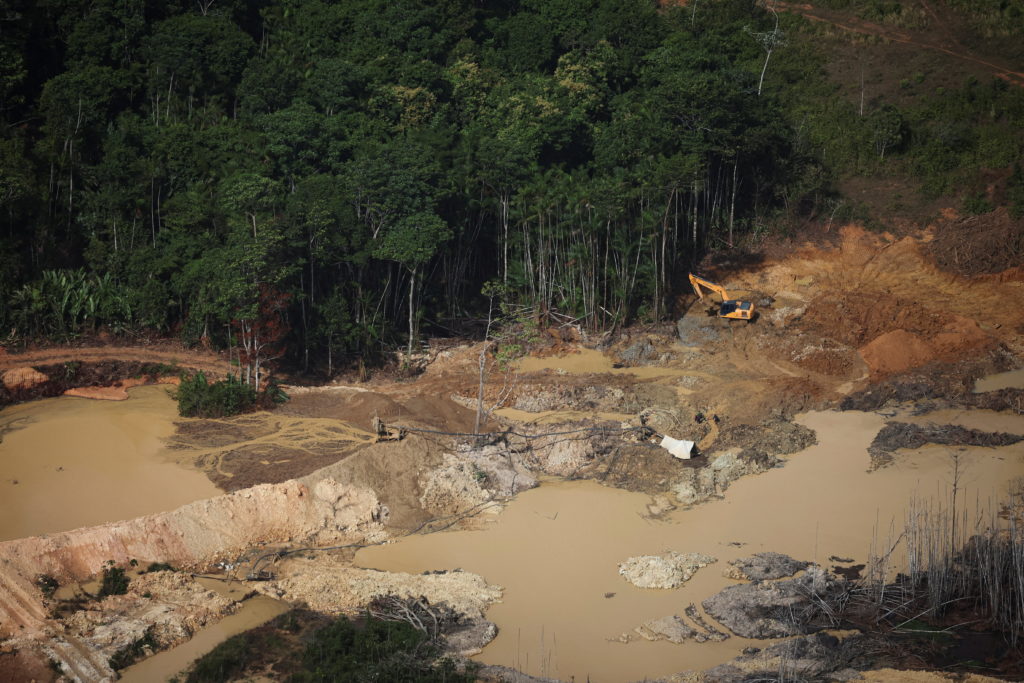
Brazil holds the world’s second-largest known rare-earth reserves, making its resources important to industries ranging from electronics and electric vehicles to defence manufacturing. Control over those resources is likely to remain a significant issue in relations between Brasília and Washington.
Congratulations came from leaders across the political spectrum, including Mexico’s Claudia Sheinbaum, Canada’s Mark Carney and European Commission President Ursula von der Leyen. Their responses contrasted with Trump’s unsupported allegations about the vote.
For Lula, the immediate task is to convert an unprecedented electoral comeback into a workable governing programme—while defending the legitimacy of the result, negotiating with a conservative legislature and showing how his social agenda can coexist with fiscal stability.