















Millions of customers lost access to their money after regulators seized the lender. New President Pedro Alliana has promised compensation as investigators examine insider lending, public deposits and political oversight.
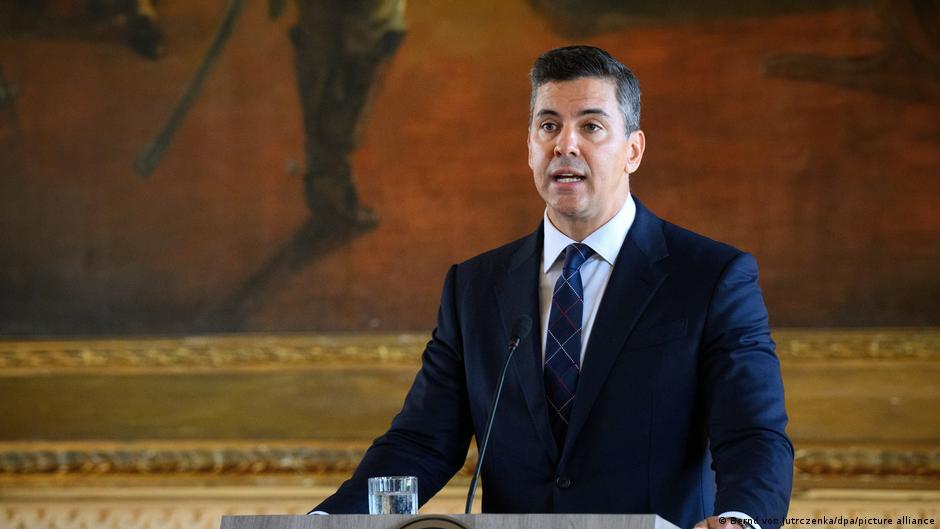
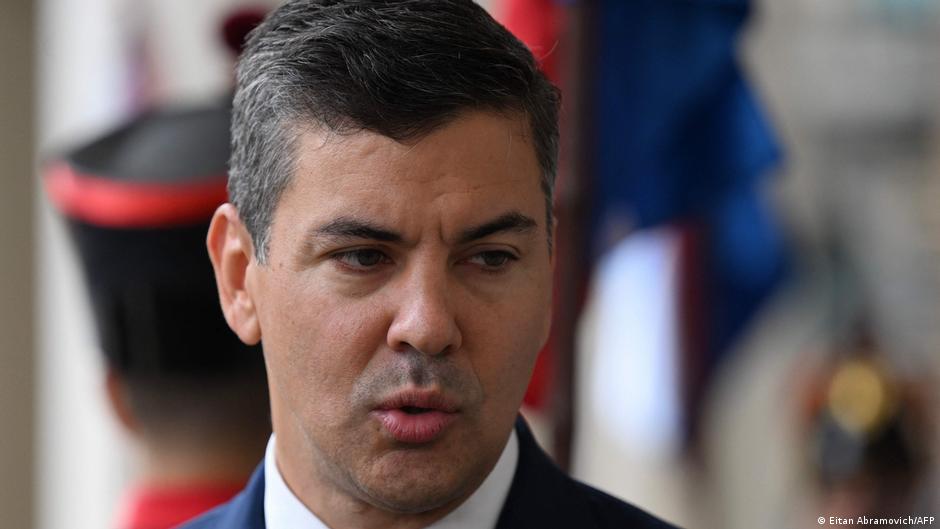
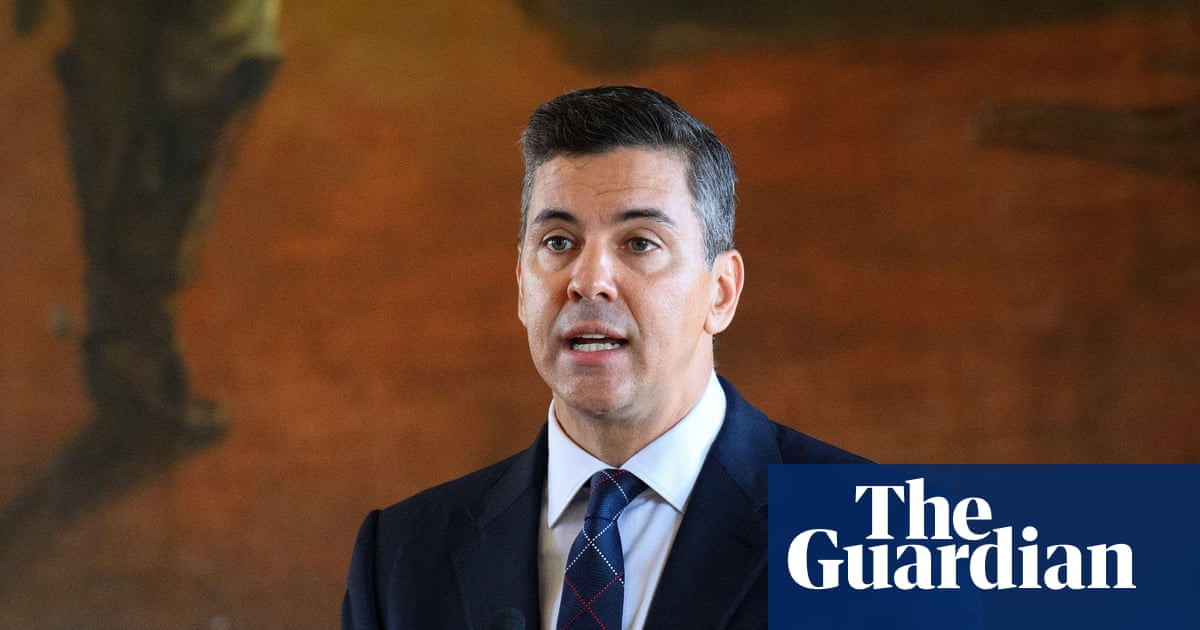
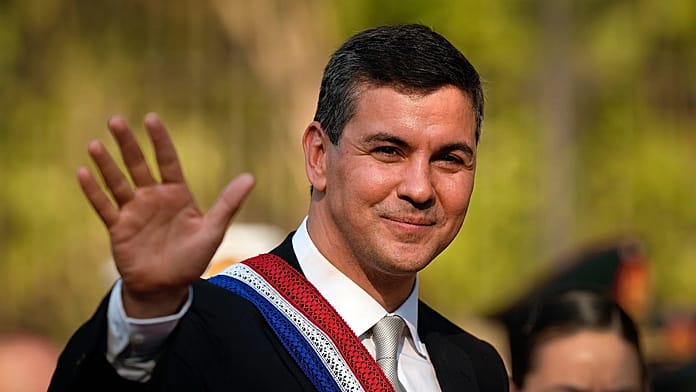
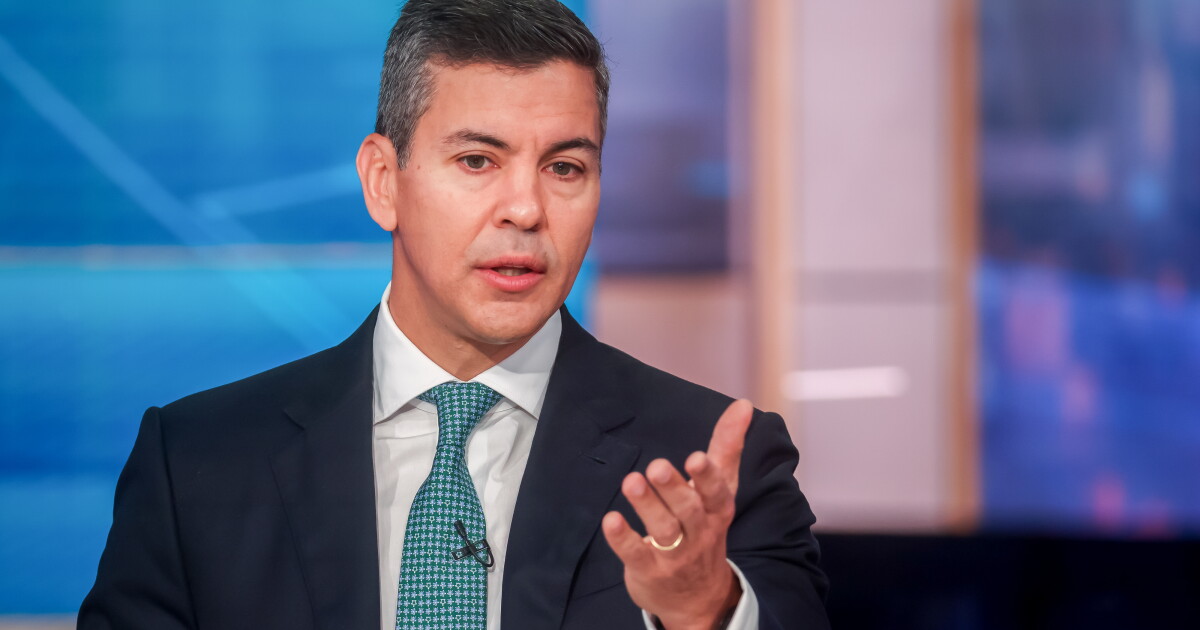
Paraguay’s Santiago Peña was removed from the presidency and placed under house arrest on Friday, November 6, after the collapse of Ueno Bank triggered mass protests and investigations into his ties to a lender that held millions of customers’ savings and hundreds of millions of dollars in public money.
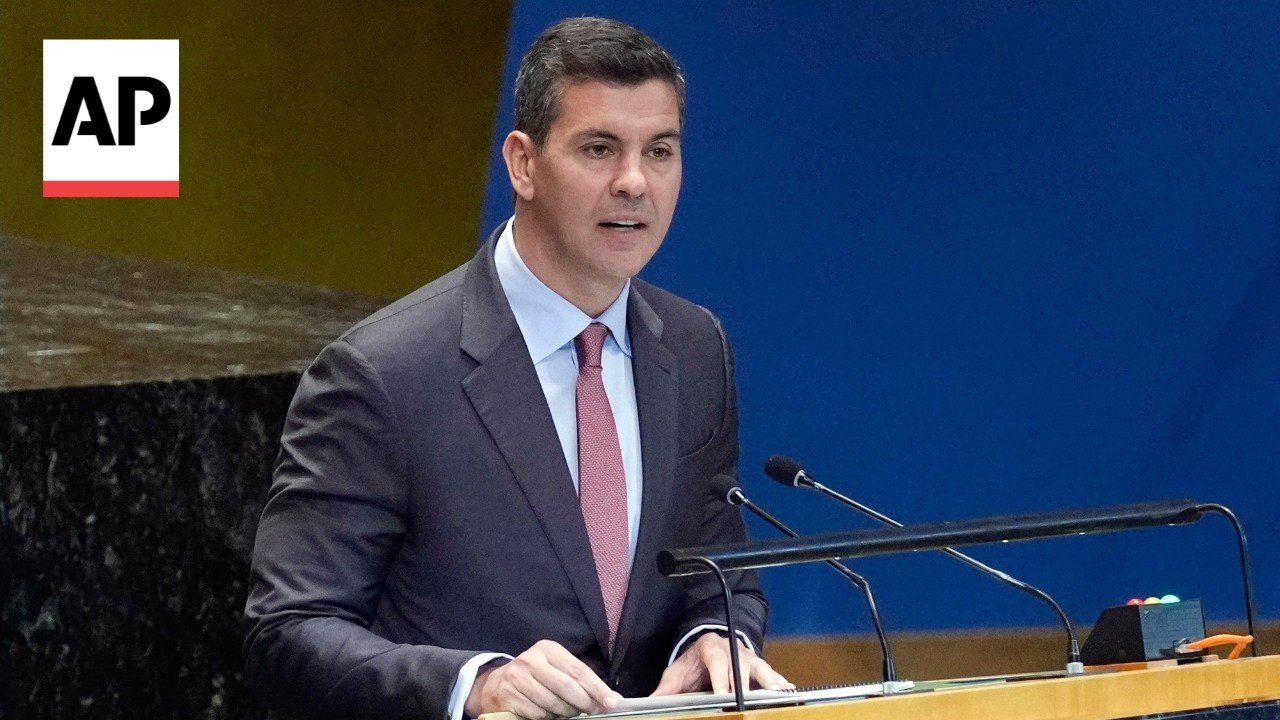
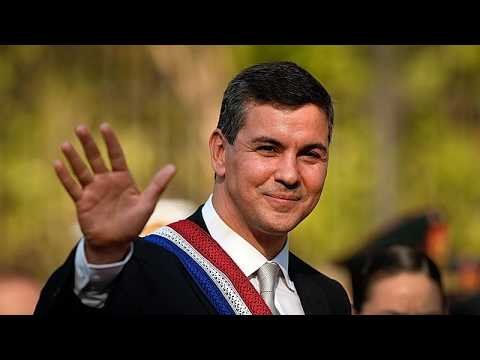
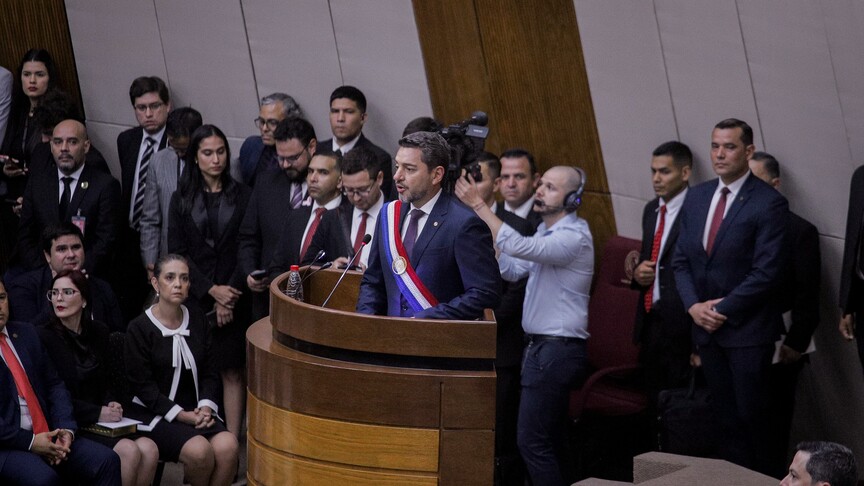
All 44 senators present voted to remove Peña for misconduct in office. Vice President Pedro Alliana was sworn in shortly afterward and will complete the presidential term ending in 2028. Peña has denied wrongdoing.
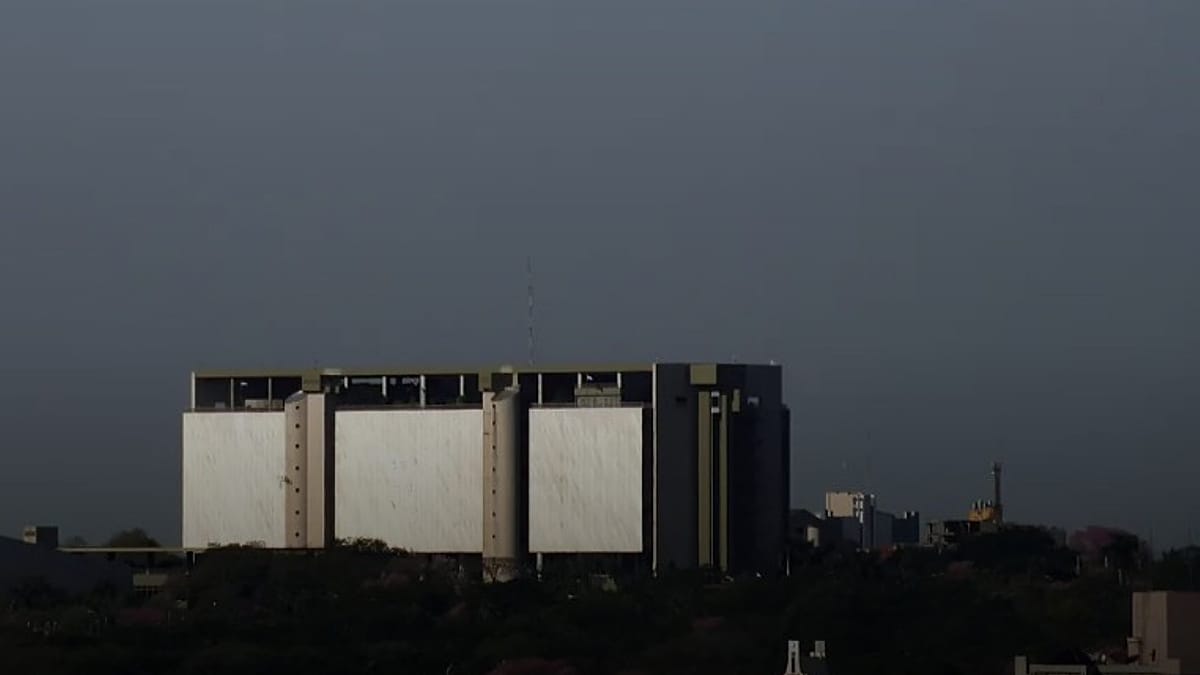
The vote capped a rapid political unraveling that began when Paraguay’s central bank seized Ueno earlier in the week after finding that it no longer met minimum capital requirements. Approximately 2.9 million to 3 million customers were left unable to withdraw money, make digital payments or use their bank cards.
Peña’s former investment in the bank’s holding structure, his appointment of a former Ueno executive to lead the central bank, and the placement of public funds at the lender became central issues in the impeachment proceedings.
Lawmakers alleged conflicts of interest, failures of regulatory oversight, diversion of pension funds and an institutional cover-up. Those allegations are also the subject of criminal investigations; the impeachment verdict is not a criminal conviction.
A bank failure with nationwide consequences
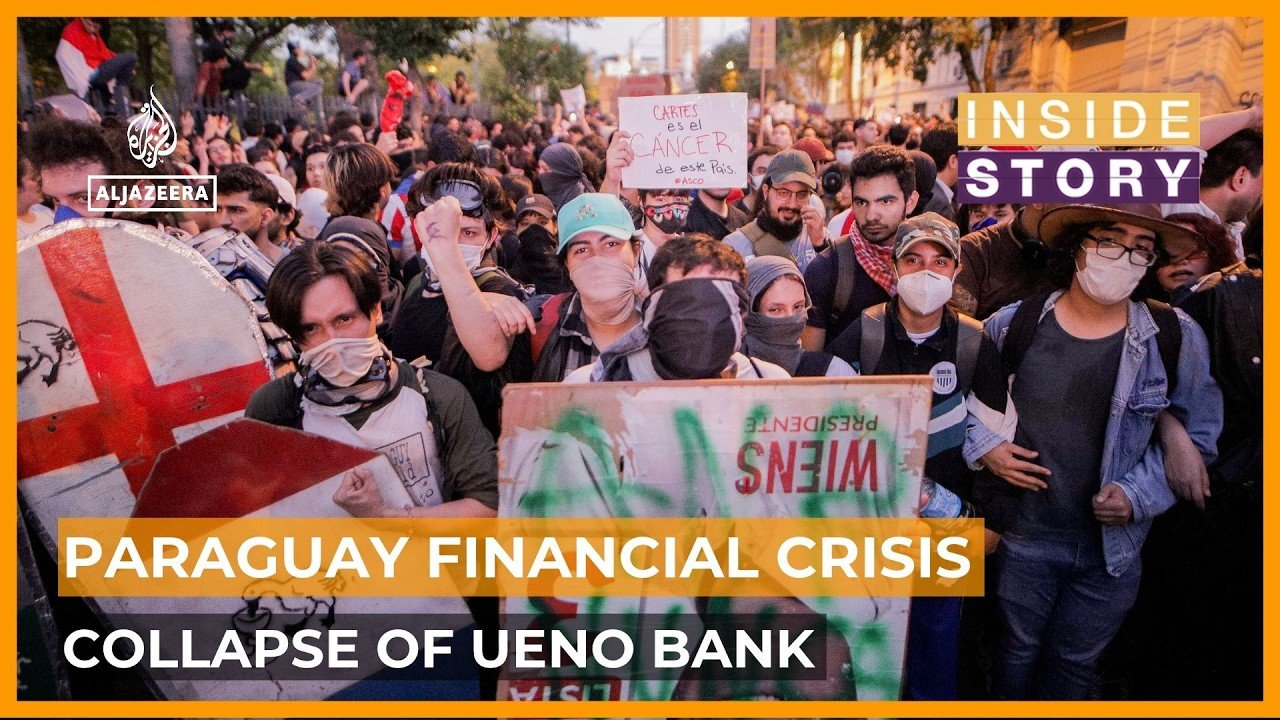
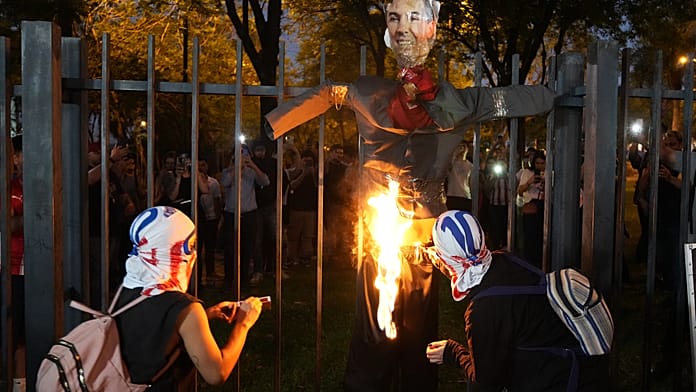
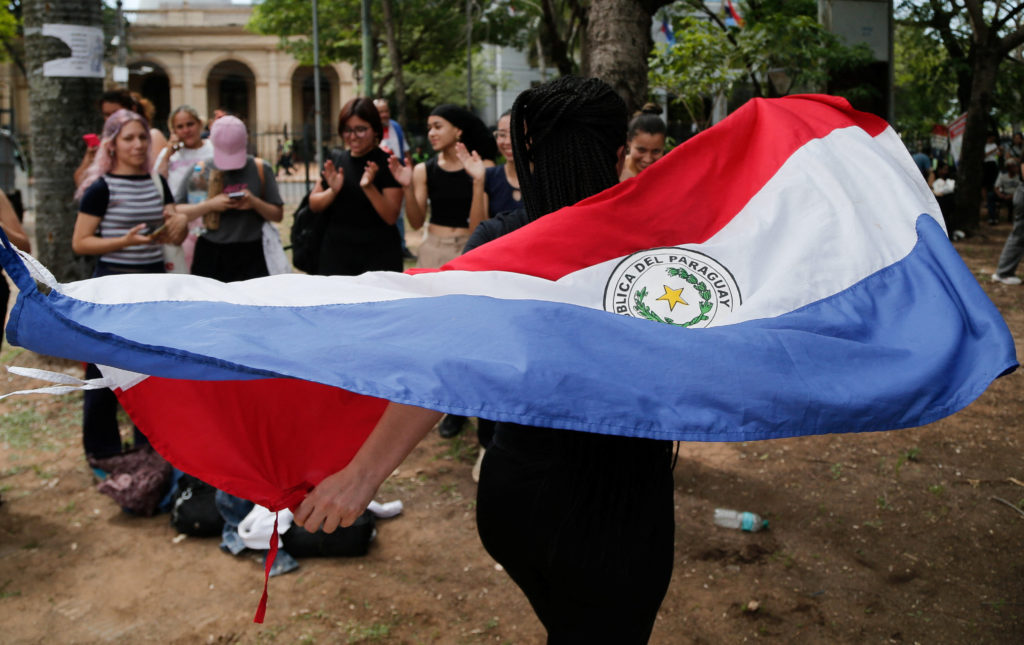
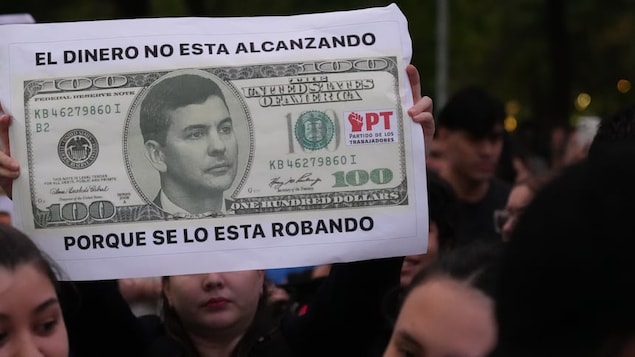
Ueno’s collapse quickly became a household financial crisis. The bank served around 3 million customers—roughly 60% of Paraguay’s adult population. With access to savings, wages and pension payments suddenly cut off, customers took to the streets in Asunción and other cities.
The lender had expanded rapidly after obtaining a full banking licence in 2023. Its digital-first services, grocery cashback offers and extensive physical network helped attract customers, while sponsorships of football clubs and the national team made its brand highly visible. Ueno said more than a million Paraguayans had opened their first bank account with the company.
Despite its large customer base, Ueno was not Paraguay’s largest bank by deposits. Al Jazeera reported that it ranked fifth on that measure—a distinction that highlights how widely its services reached smaller account holders.
The central bank approved resolution proceedings on Monday, November 2, and announced its intervention on Tuesday. Resolution is a process for handling a failing bank, potentially transferring deposits and recoverable assets to other institutions before liquidating what remains. It does not, by itself, establish how much each customer will ultimately lose.
What regulators found
The immediate trigger was a capital shortfall uncovered after adjustments to Ueno’s financial statements. Regulators identified poorly documented loans to companies linked to the bank’s owners and expenses that had been incorrectly recorded as assets. Correcting those entries reduced the bank’s capital cushion to less than half the legally required minimum.
That cushion matters because it is intended to absorb losses. A finding that capital has fallen below half the regulatory minimum does not mean that half of all deposits have disappeared; it means the bank no longer has sufficient qualifying capital relative to the risks on its balance sheet.
Investigators are examining lending to businesses connected to Grupo Vázquez, the controlling group behind Ueno. Reporting has identified loans that allegedly exceeded legal limits or lacked adequate collateral, raising questions about whether depositors’ money was exposed to excessive risks within the owners’ wider business network.
Public institutions were also heavily exposed. Associated Press reported that Ueno held roughly $800million in public deposits as of the previous month, about a quarter of its total deposits, including funds belonging to the state pension and health system and operators of Paraguay’s hydroelectric dams.
Lawmakers separately alleged that the state pension fund had deposited $355million at Ueno beyond legal limits. The handling of those deposits is part of the broader investigation into whether political influence helped sustain the bank’s expansion despite warning signs.
Why Peña’s business ties became a political crisis
Peña, a former International Monetary Fund economist who took office in 2023, held an investment in Ueno’s holding structure until 2025. He also appointed Carlos Carvallo, a former president of Financiera Ueno—the bank’s predecessor—to lead the Central Bank of Paraguay, the institution responsible for supervising it.
That relationship placed the government’s oversight decisions under intense scrutiny after the bank failed. Carvallo resigned during the crisis, and prosecutors subsequently sought his arrest as investigators examined the supervision of Ueno and the placement of public money there.
The political damage extended into Peña’s own Colorado Party. Its lawmakers backed his removal, while party leader and former president Horacio Cartes publicly supported impeachment. The loss of support from within the governing party left Peña facing a unanimous vote among the senators present.
Peña apologised in an address to the nation on Thursday, saying it had never been his intention to betray the public’s trust. His lawyer, Ricardo Preda, described the allegations against him as a “reckless accusation” that was “irresponsible and opportunistic.”
Why Congress pursued impeachment instead of accepting his resignation
Peña offered to resign on Thursday, November 5, but Congress proceeded with impeachment rather than accepting his departure. The Chamber of Deputies voted 78–0 to send the case to the Senate.
The distinction had important legal consequences. According to constitutional experts and lawmakers cited in reporting on the proceedings, resignation would have preserved Peña’s eligibility for a lifetime Senate seat and associated immunity. Removal through impeachment prevented him from obtaining those protections.
Peña challenged the speed of the process and requested another 72 hours to prepare his defence, saying he had been given less than 12 hours to respond to an accusation accompanied by approximately 300 pages of material. Senators rejected the extension by 39–3. He did not attend the trial personally, sending his lawyers instead.
After the removal vote, authorities placed him under house arrest at a residence in Asunción. Prosecutors said he was due to appear for questioning on Saturday over allegations including breach of trust, influence peddling and misappropriation of funds.
The investigation reaches beyond the former president. At least 27 bank officials and associates have faced charges in connection with the scandal, and several senior executives have been detained pending trial.
What happens to depositors now?
Alliana’s first public commitment as president was to compensate people affected by the collapse and accelerate payments to small depositors.
What I come to promise is concrete: those compatriots who today are going through a difficult moment as a result of this financial disaster will be fully compensated.
President Pedro Alliana said.
We will not leave them alone.
Some advance payments had already begun on Thursday, before Alliana’s inauguration. The initial phase offered up to about $1,600 to eligible customers who had no outstanding loans and held an account at another institution into which the money could be transferred.
Separately, Paraguay’s deposit guarantee arrangements insure balances up to approximately $36,000 per customer. The central bank said that ceiling would cover the full balances of an estimated 97% of Ueno customers. That figure refers to the proportion of customers whose individual balances fall within the limit, not the proportion of all money held at the bank.
Alliana’s broader compensation promise therefore goes beyond the immediate question of small-account payouts. Recovering larger private deposits and public funds will depend on the resolution process, available assets and the government’s subsequent decisions. The reporting reviewed does not establish that all affected balances have been restored.
For Paraguay, the crisis has turned a bank promoted as a vehicle for financial inclusion into a test of regulatory accountability. Investigators must now determine whether Ueno’s risks were concealed, whether officials failed to act on them, and whether political connections helped expose both household savings and public funds to losses.