














Turkish authorities have arrested a former cabinet minister, a former stock exchange chief and senior financial regulatory officials in a widening investigation into alleged investment fund manipulation that has affected more than 455,000 investors.
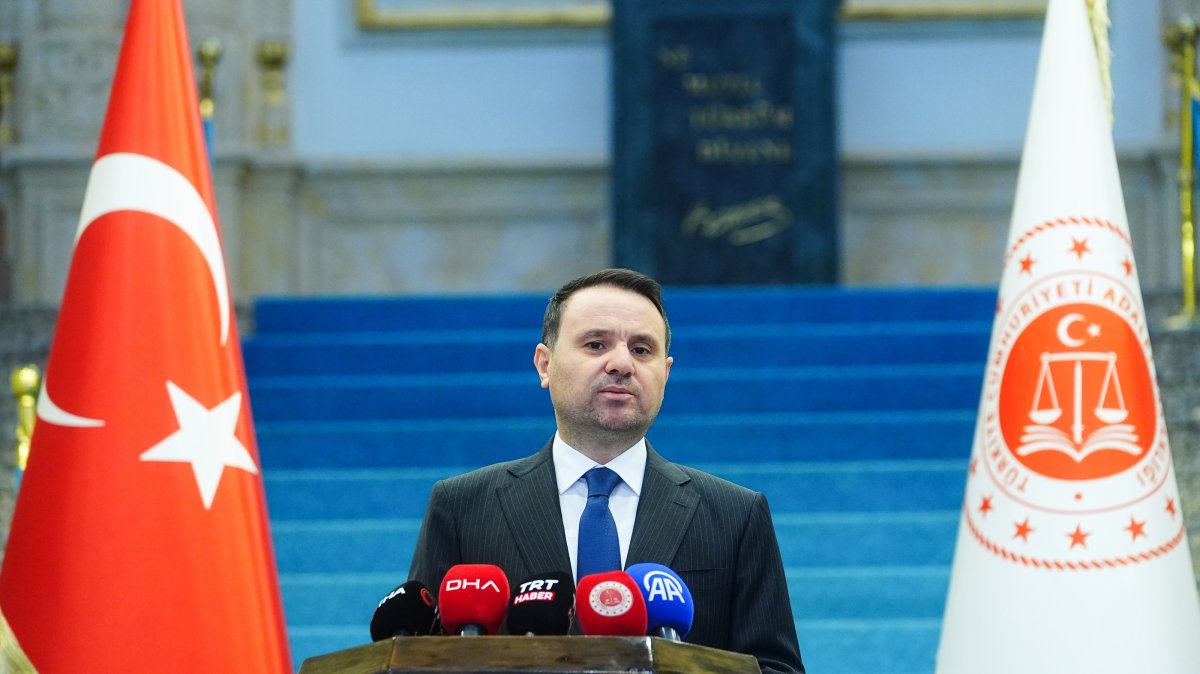
Four more suspects were remanded in custody in the latest round of arrests reported on November 7, extending an investigation that Justice Minister Akın Gürlek says has exposed a criminal network reaching into the country’s financial oversight institutions.
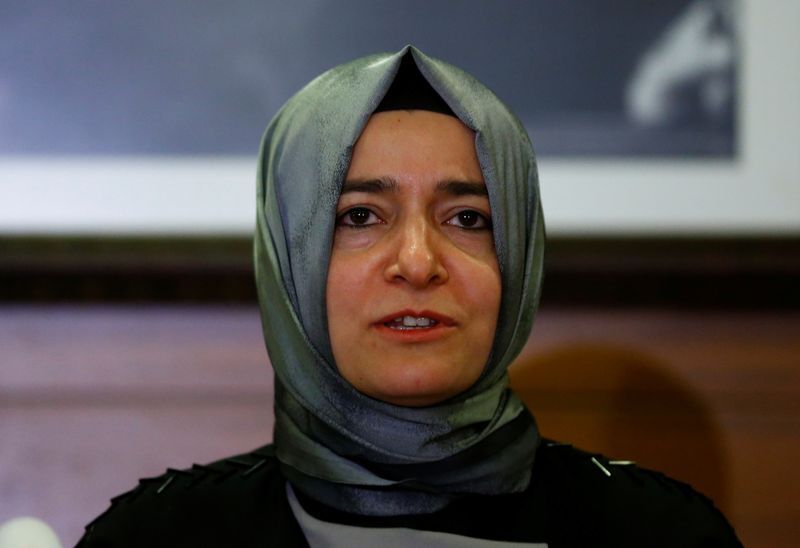
The latest arrests followed the detention of former family minister Fatma Betül Sayan Kaya and former Borsa Istanbul chief Korkmaz Enes Ergun. The scandal has placed President Recep Tayyip Erdoğan’s government under pressure over alleged insider dealing, regulatory failures and the financial activities of politically connected investors.
Regulators and Tera executive among latest arrests
The four suspects most recently remanded in custody include Enver Usca, a former deputy chairman of Turkey’s Capital Markets Board, known as the SPK; Ercan Urkan, its former market surveillance and inspection department head; and Mustafa Alper Taş, a department head at the Banking Regulation and Supervision Agency. All three face bribery allegations, according to Türkiye Today.
Ümit Sincanlı, Tera Holding’s administrative affairs director, was separately remanded on allegations of membership in a criminal organisation and laundering assets derived from crime.
Two other former SPK officials were released following questioning. Former board member Bülent Murat Haholu was released without the restrictions reported for former corporate finance department head Kürşat Sait Babuşçu, who was placed under judicial supervision, including a travel ban and regular reporting requirements.
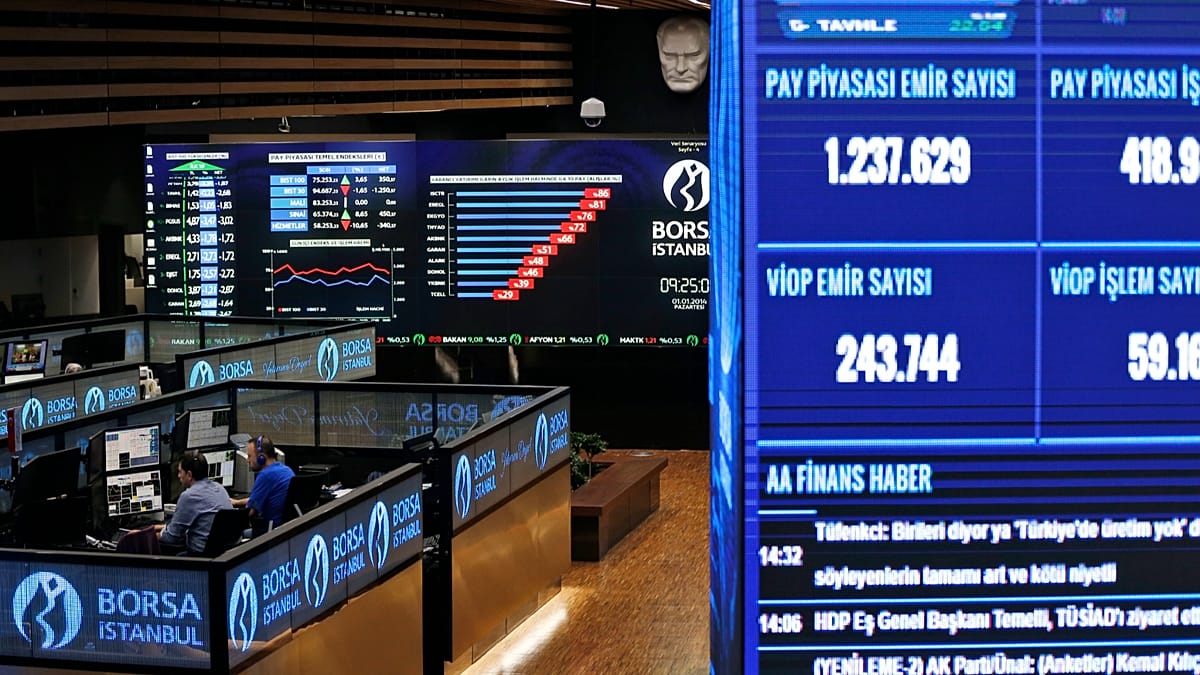
Ergun, the former head of the Borsa Istanbul stock exchange, had been detained on October 31 and subsequently remanded on allegations of accepting bribes and belonging to an organisation formed to commit crimes.
Former minister faces scrutiny over share sales
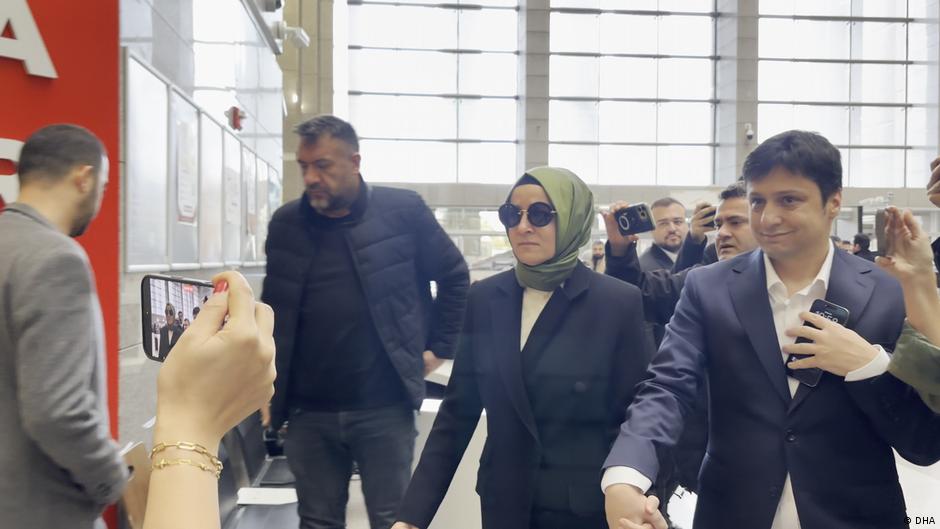
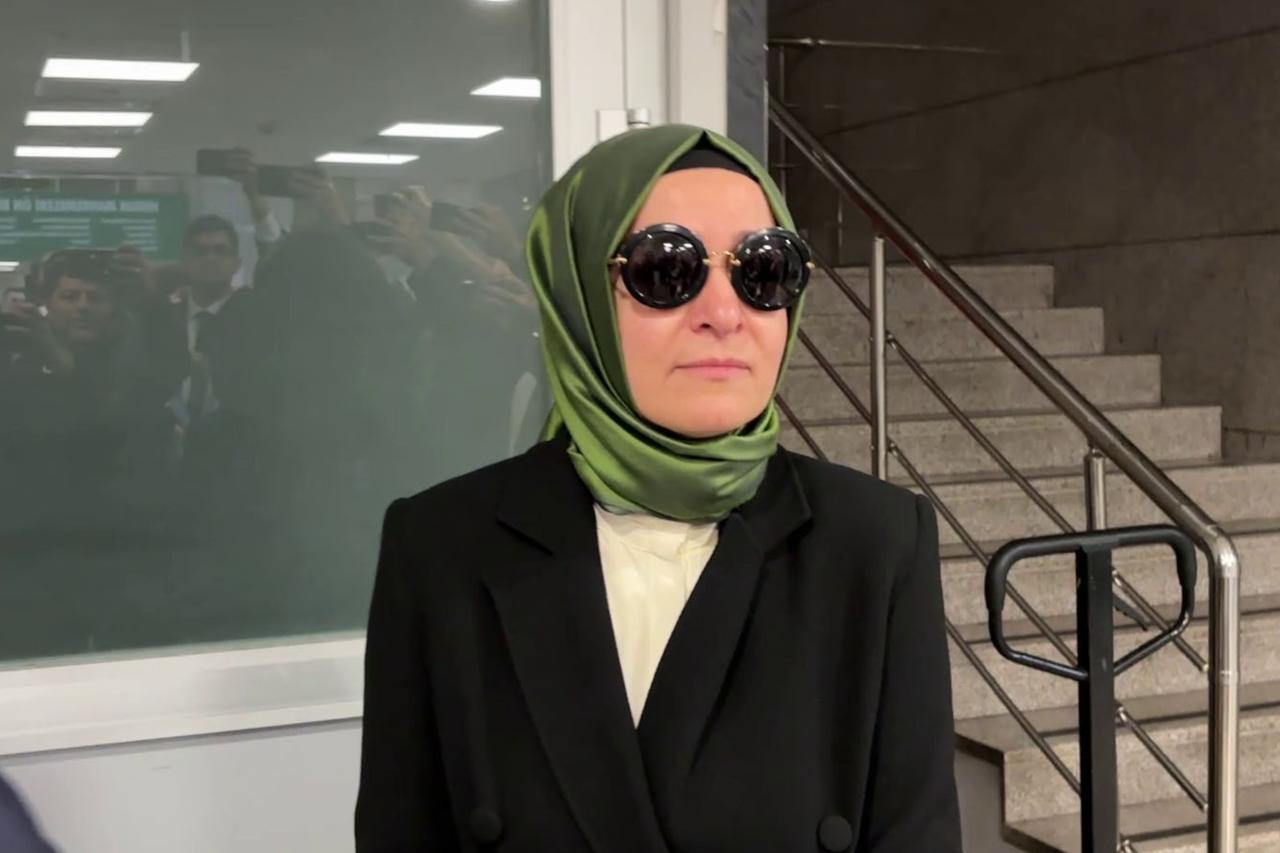
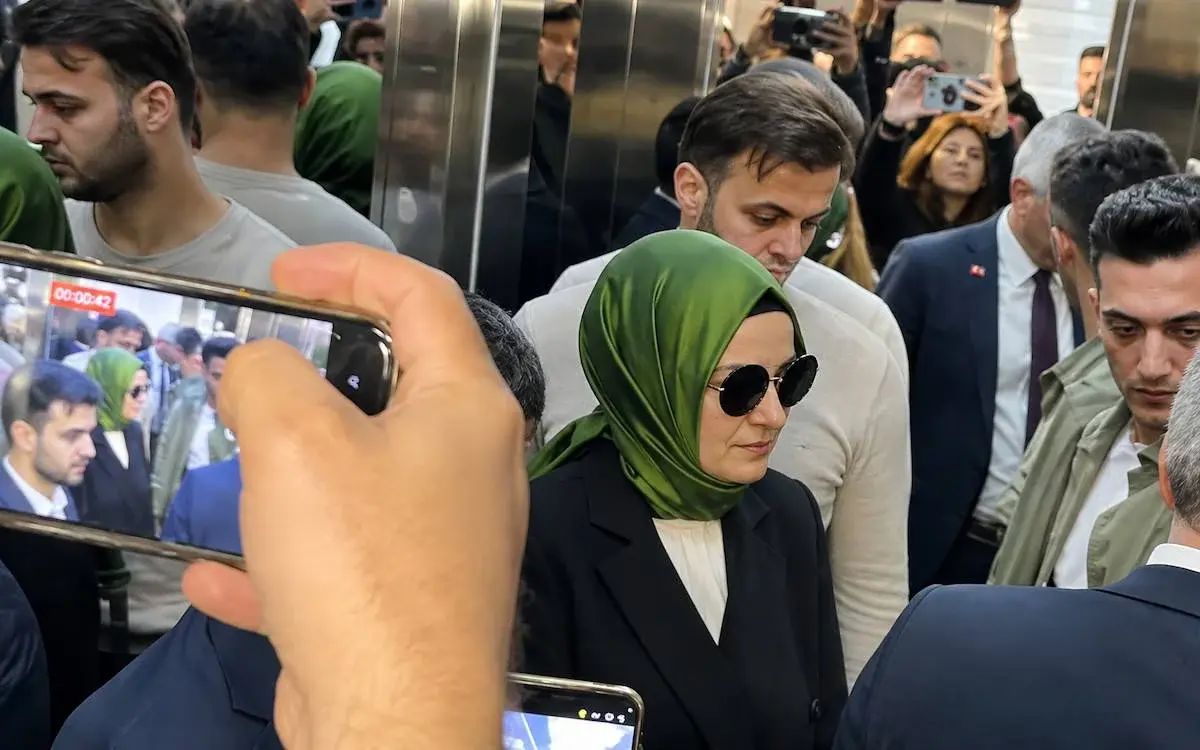
Kaya, who served as family and social affairs minister between 2016 and 2018, was remanded in custody in the early hours of November 6 on allegations of violating capital markets legislation and membership in a criminal organisation. Her husband, İlyas Kaya, was released under judicial supervision.
The investigation concerns transactions made shortly before regulators intervened in the troubled funds. According to a prosecution document described by Hispanatolia, Kaya sold shares in listed maritime company Özata Denizcilik on September 16, one day before the SPK’s intervention.
Prosecutors allege that the sale used same-day settlement, known as T+0, rather than the usual two-business-day settlement period. They contend that this allowed her to receive the proceeds before regulatory restrictions took effect and that she had access to information not available to the public.
Separately, opposition allegations reported by the Associated Press put the proceeds associated with the disputed investments at 2.17billion lira, approximately $43million, against an initial investment of 163 million lira. Those figures are allegations, not findings established by a court.
Kaya and her husband have denied wrongdoing and transferred money to an account designated by the authorities. She resigned as an AKP deputy chair in September, and the party subsequently said she was no longer a member.
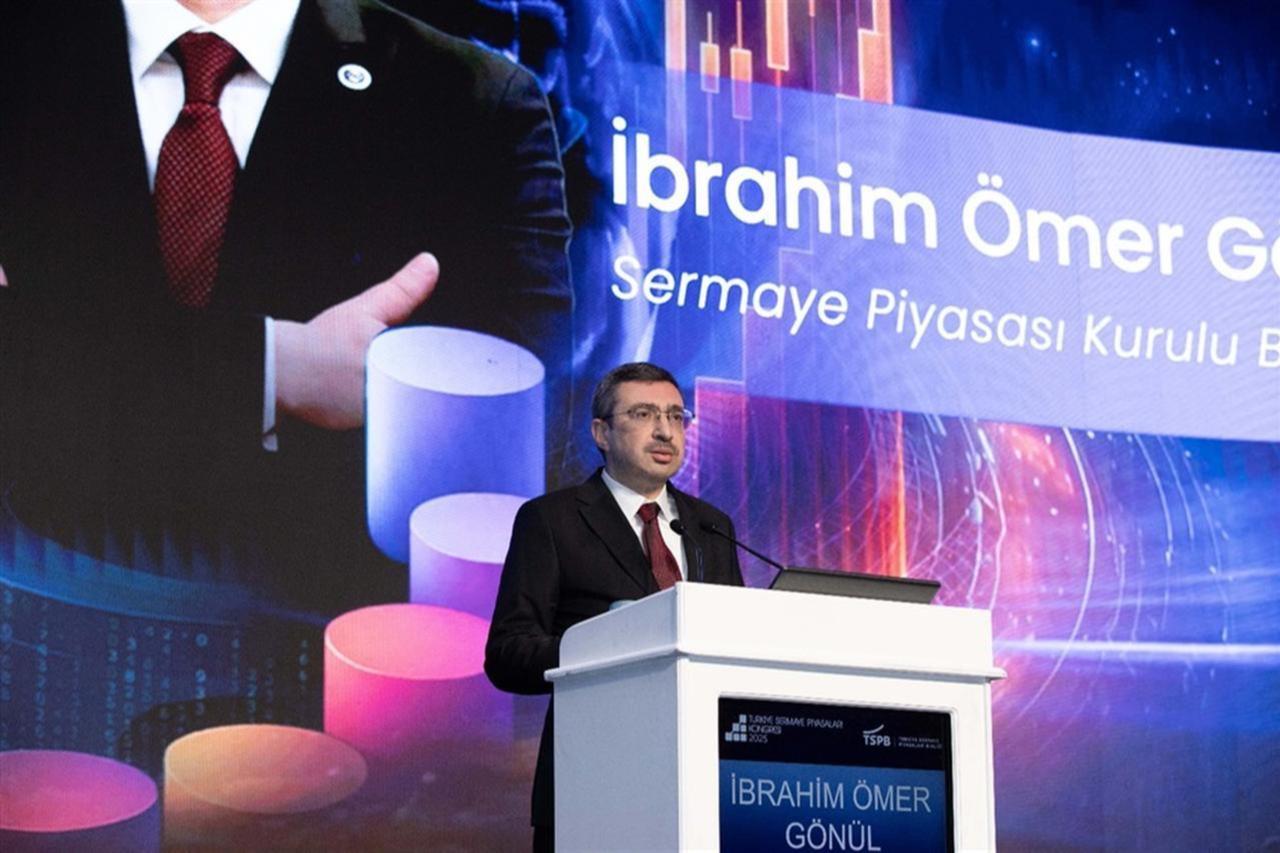
Former SPK chairman İbrahim Ömer Gönül was also questioned and released under judicial supervision, including a ban on leaving the country.
How the fund crisis unfolded
The crisis became public in September as investment funds struggled to meet withdrawal requests, triggering a market selloff and regulatory intervention. The SPK ordered the liquidation of 131 funds managed by seven portfolio management companies.
The affected funds had more than 455,000 investors and a combined asset base estimated by Türkiye Today at 936.3billion lira, or approximately $19.1billion at the exchange rate used in its report. Other reporting has valued the assets at more than $20billion. These figures describe the funds’ estimated assets, rather than a confirmed total of money stolen or permanently lost.
Investigators are examining allegations that managers bought thinly traded shares through coordinated transactions, artificially increasing share prices and the reported value of their portfolios. Those inflated valuations allegedly helped attract further investment.
The vulnerability emerged when investors sought their money back. Funds holding shares that could not readily be sold were unable to meet withdrawal requests, exposing the gap between reported portfolio values and available cash.
Hundreds investigated, but no verified updated arrest total
On November 3, Gürlek said the investigation involved 433 suspects, including 112 people held pending trial, 186 subject to judicial supervision and 38 others being sought by authorities.
The 112 figure predates the latest arrests and should not be treated as a verified current total or added to the names subsequently reported without accounting for possible releases and changes in custody status.
Gürlek described the alleged operation as more than a conventional stock market fraud, saying investigators had identified a network extending into senior financial bureaucracy. He alleged that bribery had weakened the mechanisms intended to oversee market activity.
Authorities have imposed restrictions on bank accounts and assets belonging to 359 individuals and 111 legal entities, according to figures reported by Türkiye Today.
Recovering investors’ money
Authorities say approximately 30billion lira in cash, property and shares has been recovered through a voluntary restitution process. Gürlek has also said investigators will pursue money transferred abroad.
Separately, Erdoğan’s office said payments totalling 97.3billion lira had been made to nearly 250,000 investors by October 30. That payout figure is distinct from the 30 billion lira reported recovered from suspects and other participants in the restitution process.
The repayments represent progress for affected investors, but they do not establish how much every investor will ultimately recover or the final scale of losses across the liquidated funds.
Political fallout and pressure on reporting
The investigation has prompted changes at the top of Turkey’s financial institutions. The head of the capital markets regulator was removed by presidential decree, while a deputy finance minister resigned after his son-in-law was jailed pending trial in connection with the scandal.
The affair has also led to prosecutions of journalists covering alleged political connections. According to the Stockholm Center for Freedom, prosecutors are seeking prison sentences of up to 19 years in cases involving four journalists whose reporting and broadcasts addressed the scandal. The journalists have disputed the accusations against them.
The financial fallout comes against a backdrop of existing pressure on Turkish businesses. Nordic Monitor reported parliamentary figures showing nearly 269,000 small and medium-sized enterprises facing debt collection proceedings. However, those figures describe wider business indebtedness—not businesses proven to have been pushed into debt collection by the investment fund scandal. The concern is that financial trouble at major customers could deepen existing strains through delayed payments and cancelled orders.
For investors, the central unresolved questions remain how much money can be recovered, whether some market participants received advance warning of regulatory action, and how the alleged manipulation escaped the institutions responsible for preventing it. Prosecutors continue to investigate those allegations; the reported arrests are not convictions.