

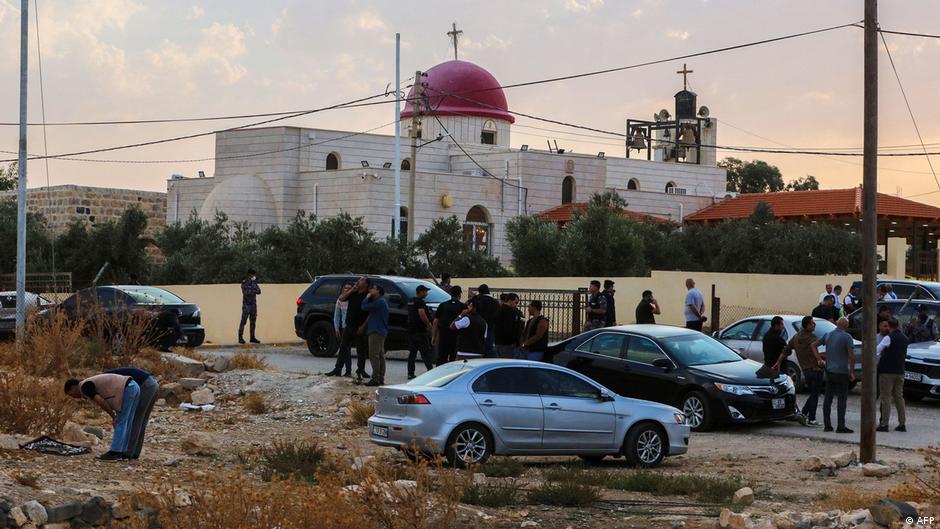



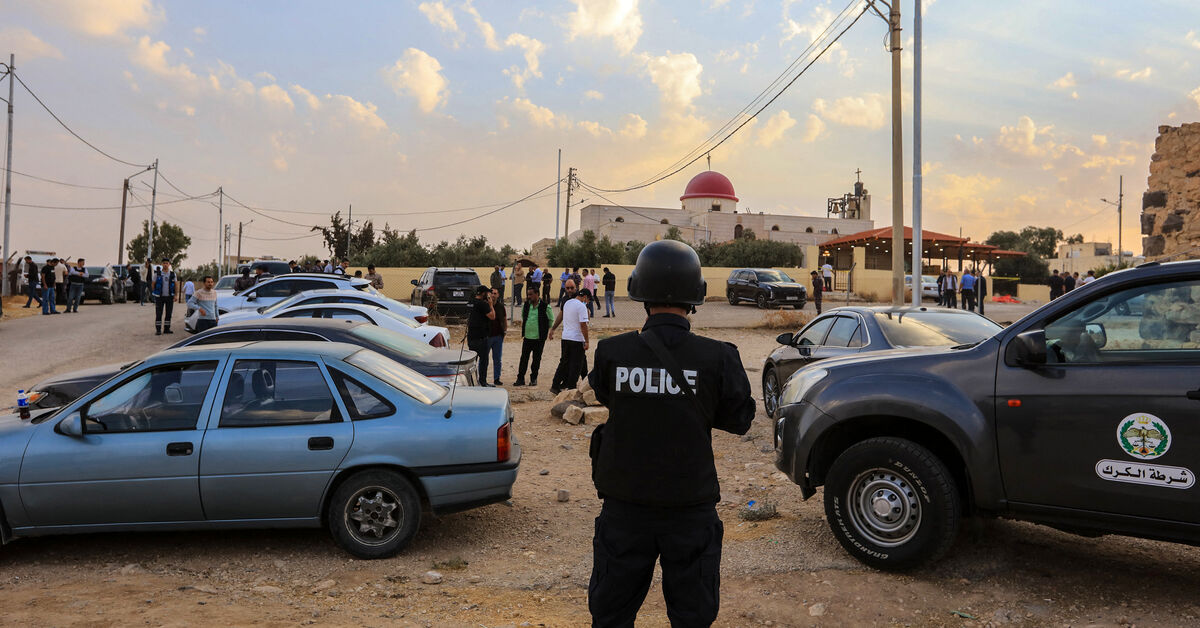

Thousands gathered for funerals at St. George’s Greek Orthodox Church after gunmen attacked mourners in southern Jordan. Authorities have described the shooting as terrorism, but have not established whether the attackers belonged to an armed group.
Nine people were killed and dozens wounded after gunmen opened fire during a funeral at St. George’s Greek Orthodox Church in southern Jordan, with thousands returning to the same church on Sunday to bury eight of the victims as the search for the attackers continued.
The shooting took place on Friday, October 23, in the village of Hamoud in Karak governorate. Jordanian authorities described it as an act of extremist terrorism, but officials had not established whether the assailants were connected to an armed group. No organisation had claimed responsibility as of Sunday’s reporting.
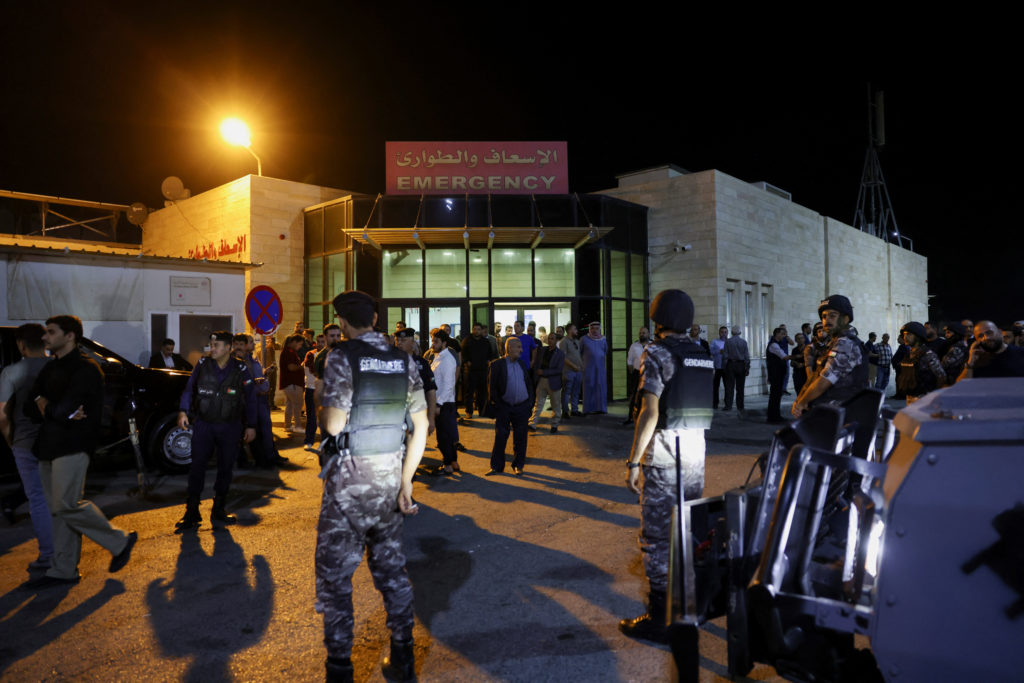
Initial reports put the death toll at seven. By Sunday, it had risen to nine, according to Al Jazeera’s report drawing on AFP and Reuters. Jordan’s health minister initially reported 40 wounded, while other early accounts gave a figure of 34.
Gunfire struck a church filled with mourners
Father Yohanna Hamati told AFP that approximately 170 to 200 people were attending Friday’s funeral when shooting began outside. People initially struggled to understand what was happening before rushing into the church to escape.
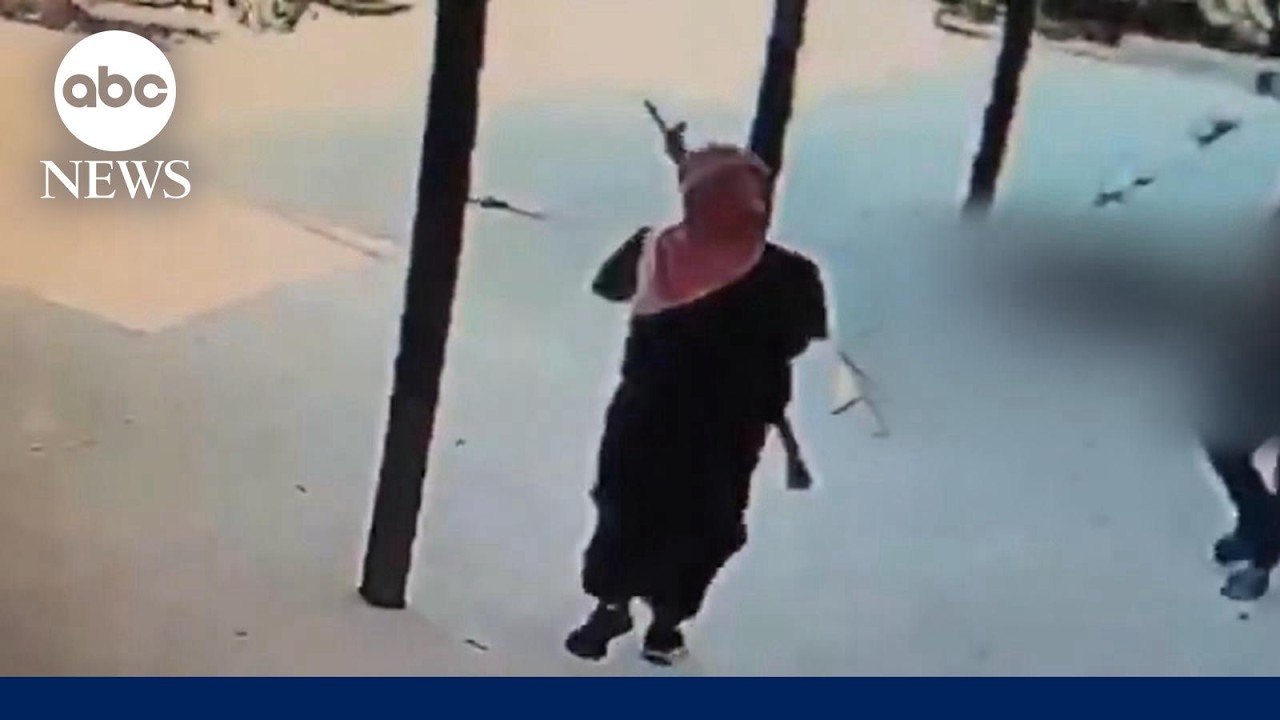
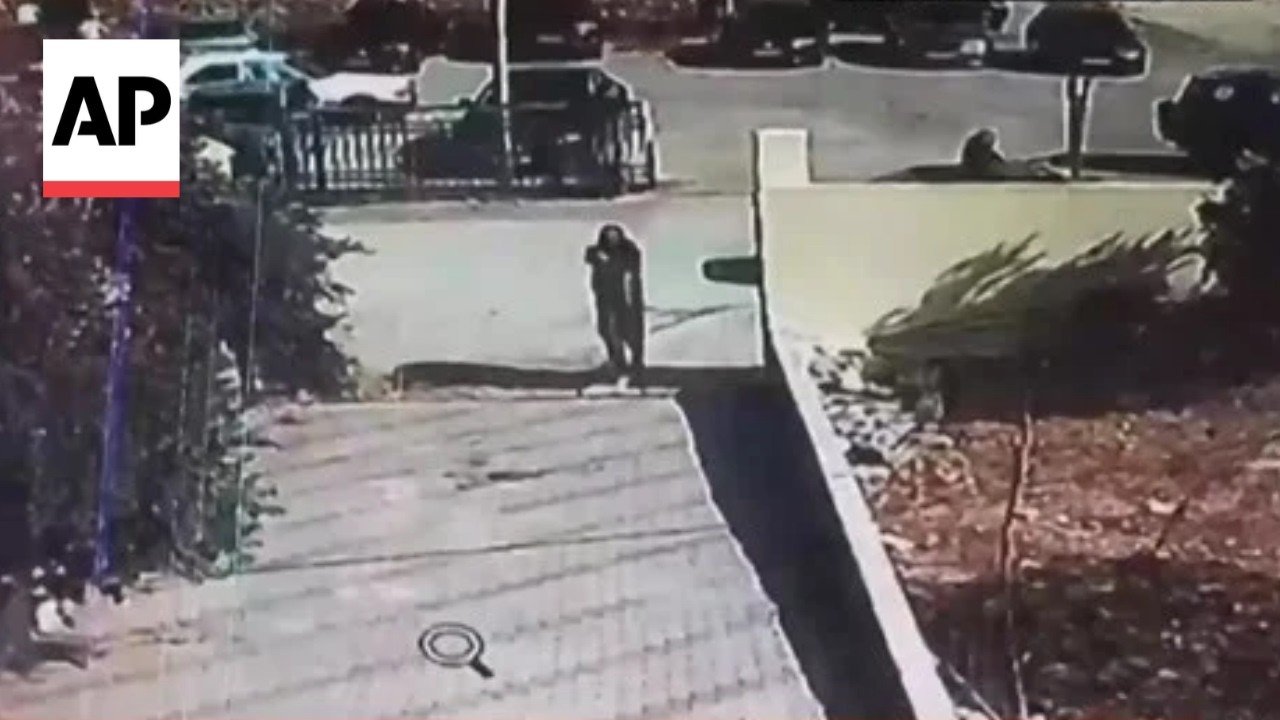
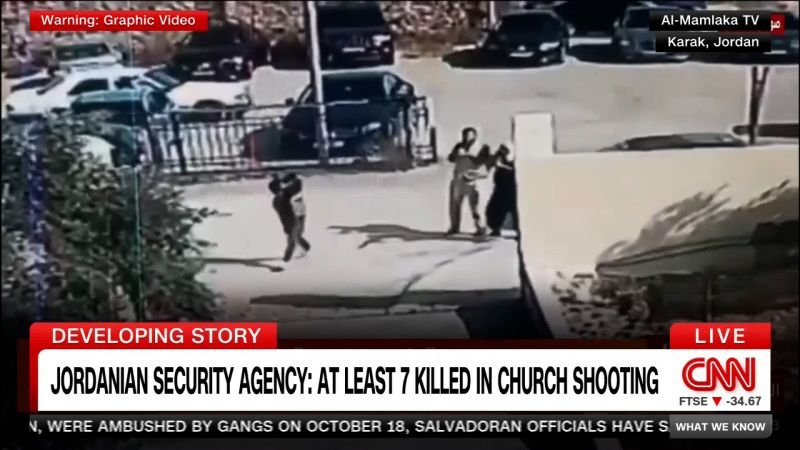
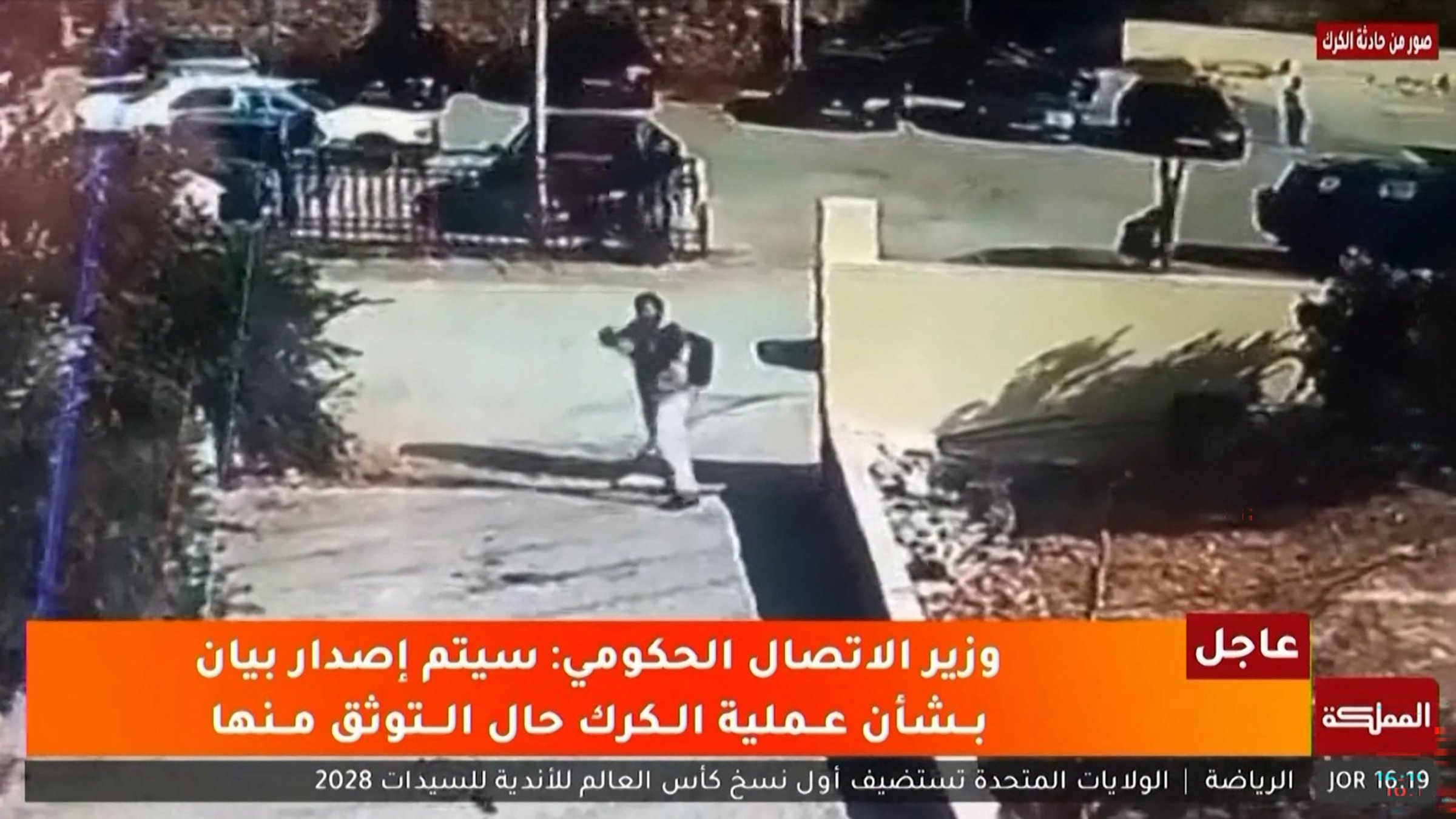
Security-camera footage broadcast by Jordan’s state-owned Al-Mamlaka television showed three people firing toward the church from the pavement, taking cover behind trees and a low wall before running toward its entrance. Reuters said it verified the footage using the church’s entrance path, surrounding wall and other visible details.
Khaled Burqan, who attended the funeral, told Al-Mamlaka that the gunfire continued for several minutes. Another witness, Ihab Ammareen, described seeing bloodied people collapse.
“People were crying, wailing, screaming — it’s hard to describe,” Ammareen said.
Sahar al-Halsa told Reuters that she sheltered behind a pillar as shots rang out. After going outside, she found her cousin Assem wounded. She recalled calling his name and asking him to answer; he briefly opened his eyes before dying, she said.
By Saturday, bullet holes marked the church’s walls and wooden pews, windows had been shattered, and workers were cleaning away blood as villagers prepared for the victims’ burials.
Thousands return for victims’ funerals
On Sunday, mourners carried coffins wrapped in Jordanian flags through crowds gathered around the church. Priests led prayers while security personnel stood guard, and eight victims were buried beside the building where the attack had taken place two days earlier.
Prime Minister Jafar Hassan represented King Abdullah II at the funerals, attending alongside government ministers and senior military and civilian officials, according to Jordan’s state news agency, Petra. The family of the ninth victim, Mohammed al-Qasous, told AFP that his burial was scheduled for Monday.
The response extended across religious lines. AFP reported that Muslims were among those wounded, while young volunteers brought flowers to a hospital in Karak with the message: “Our loss is one.”
“We make no distinction between Muslim and Christian,” Father Hamati told AFP, appealing for unity after the attack.
Jordan declared three days of national mourning. Members of the Jordanian community also gathered outside their country’s embassy in Washington on Sunday to light candles for the victims.
Authorities call attack terrorism as investigation continues
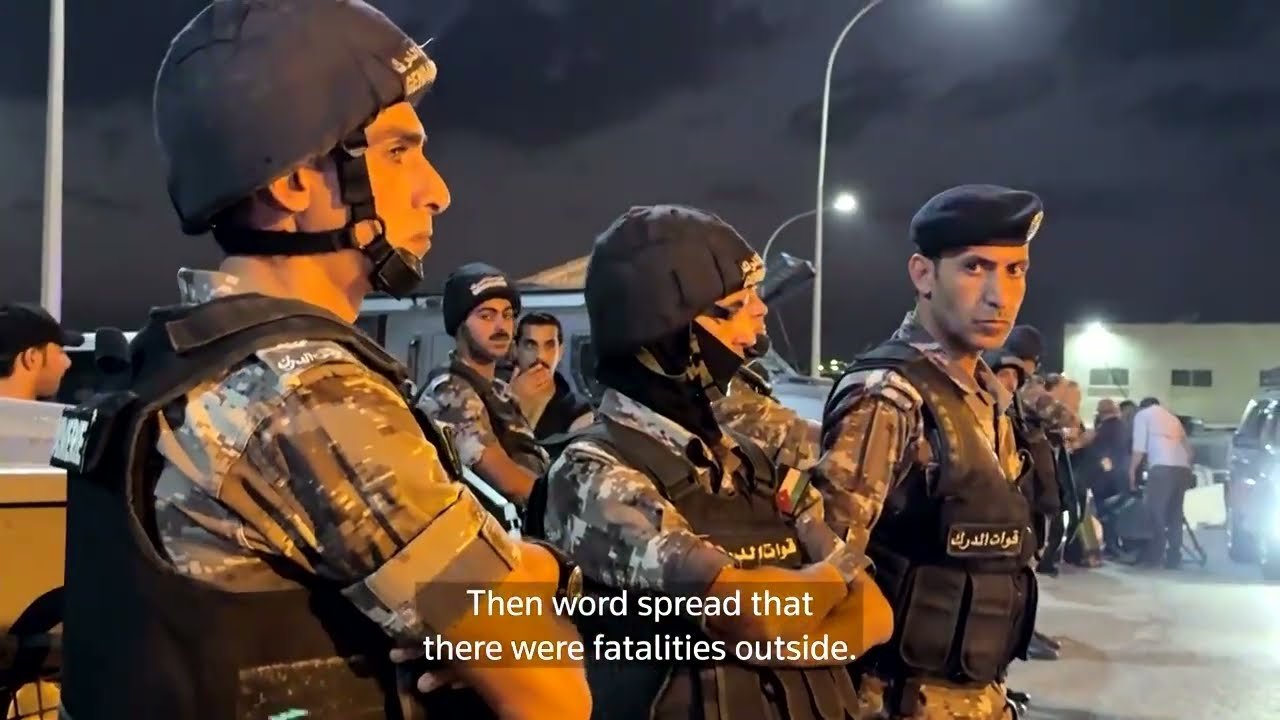
Interior Minister Mazin al-Farrayeh said extremists carried out the shooting, but cautioned that it was too early to establish whether they had links to groups inside or outside Jordan. Security forces were deployed to the area, and the search for the gunmen remained underway in Sunday’s reporting.
This is a result of a terrorist ideology and blind extremism and we will not allow society to go down this path.
Hassan said in a post on X.
نجدِّد تعازينا باسم مجلس الوزراء، لأهلنا في مدينة الكرك الحبيبة، وأهالي وذوي شهدائنا في جريمة الكرك الإرهابية الخسيسة، وندعو بالشِّفاء العاجل للمصابين. هذه الجريمة أودت بحياة خيرة أبناء هذا الوطن: الشهيد الدكتور ماهر عادل زريقات، والشهيد إيهاب نايف الهلسة، والشهيد الدكتور فادي عاصم الهلسة، والشهيد الدكتور خالد ميخائيل الهلسة، والشهيد الدكتور عاصم أمين البرقان، والشهيد علاء خليل المصاروة، والشهيد مروان خليل خيطان، والشهيد الدكتور محمد يوسف القسوس، والشهيد مازن رسمي القسوس. خلال الأربعين سنة الماضية، للأسف، بدأ التطرُّف والتزمُّت والفكر التكفيري بالانتشار، ولا بد من مواصلة وتكثيف اجتثاثه من جذوره، حيث لا مكان له على الإطلاق في هذا الوطن وفي هذا المجتمع، وحاربنا الخوارج التكفيريين طوال العقد الماضي وما زلنا. هذه ليست فقط معركة أمنية، هذه معركة وعي وفكر، الشعوب والأوطان تنهار عندما تنتشر الفتنة والعصبية والعنصرية والتطرف في مجتمعاتها. التنوُّع والتَّماسك والانفتاح هو الذي يحقق الازدهار الفكري والعلمي والحضاري والثقافي، وهو الذي يبني المجتمعات المتميزة، وهذا من القواعد التي أنشئت عليها المملكة الأردنية الهاشمية، وبناها هذا الشعب بقيادته الهاشمية الحكيمة لتكون منارة في هذا الإقليم على الدوام. أجهزة الدولة كافة تعمل على القبض على هؤلاء المجرمين لينالوا العقوبة التي يستحقها أمثالهم.
— جعفر حسّان (@JafarHassan) October 25, 2026
King Abdullah visited Karak and wounded victims after the attack, promising a forceful response.
Those who delude themselves into thinking that they can divide Jordanians with their bullets have no chance in the face of our unity.
King Abdullah II
The terrorist attack against Karak will be met with the harshest retaliation. Those who delude themselves into thinking that they can divide Jordanians with their bullets have no chance in the face of our unity. All Jordanians, from north to south, are partners in land and fate, and nothing stands between them. Our deepest condolences to the families of the martyrs and we wish a speedy recovery to those injured. Every Jordanian life is precious, and we will strike with an iron fist against those who dare to threaten our nation
— عبدالله بن الحسين (@KingAbdullahII) October 23, 2026
United Nations Secretary-General António Guterres condemned the violence, saying attacks on civilians and places of worship were unacceptable. US Ambassador to the United Nations Mike Waltz called the shooting a “depraved and brutal attack on a house of worship.”
I strongly condemn the terrorist attack on a funeral service in a church in Hmoud in Jordan. Places of worship must be places of peace & safe for all. Attacks against civilians & places of worship are unacceptable. The @UN stands with the Jordanian people & government.
— António Guterres (@antonioguterres) October 23, 2026
Devastating news coming out of Karak, Jordan. Praying for the victims, their families, and all those affected by this depraved and brutal attack on a house of worship. Attacks on Christians continue to escalate worldwide and must be stopped. https://t.co/j3VzQR1tbA
— Ambassador Mike Waltz (@USAmbUN) October 23, 2026
A rare attack on a longstanding Christian community
Attacks of this kind are rare in Jordan, a close US ally that has largely avoided the instability experienced by several of its neighbours, although it has faced militant violence. In 2016, Islamic State militants killed 10 people in a shooting rampage in and around Karak before taking shelter in the city’s medieval castle.
Karak’s Christian presence dates back more than 1,500 years. Christians remain a small minority nationally, but are guaranteed seats in parliament and have served as cabinet ministers and ambassadors.
The identities and organisational affiliations of the church attackers remained unresolved in the available reporting. Authorities’ description of the shooting as terrorism had not been accompanied by a publicly established link to any particular armed group.