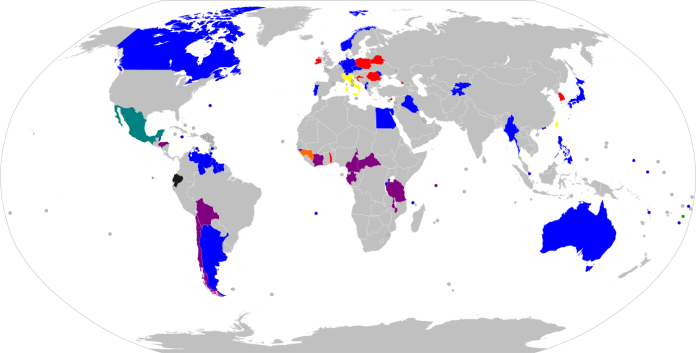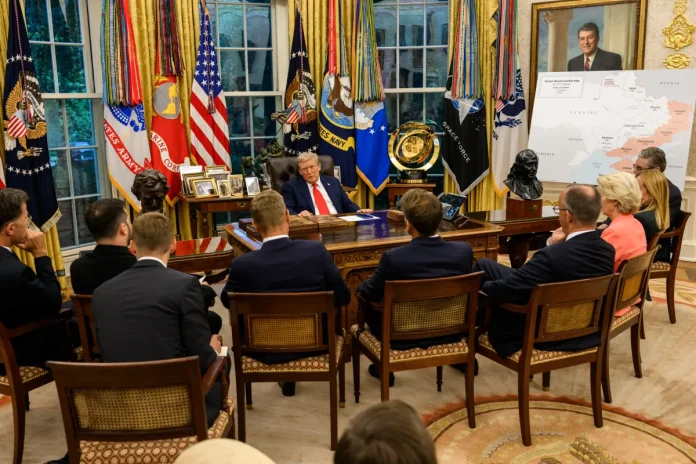
2025 marked a turbulent shift in global power dynamics, driven by US President Donald Trump’s “America First” policies, escalating conflicts across multiple regions, and unexpected diplomatic breakthroughs.
From trade wars disrupting economies to fragile ceasefires in longstanding wars, these events redefined alliances and heightened fragmentation.
1. Trump’s Tariff Onslaught Ignites Global Trade Wars
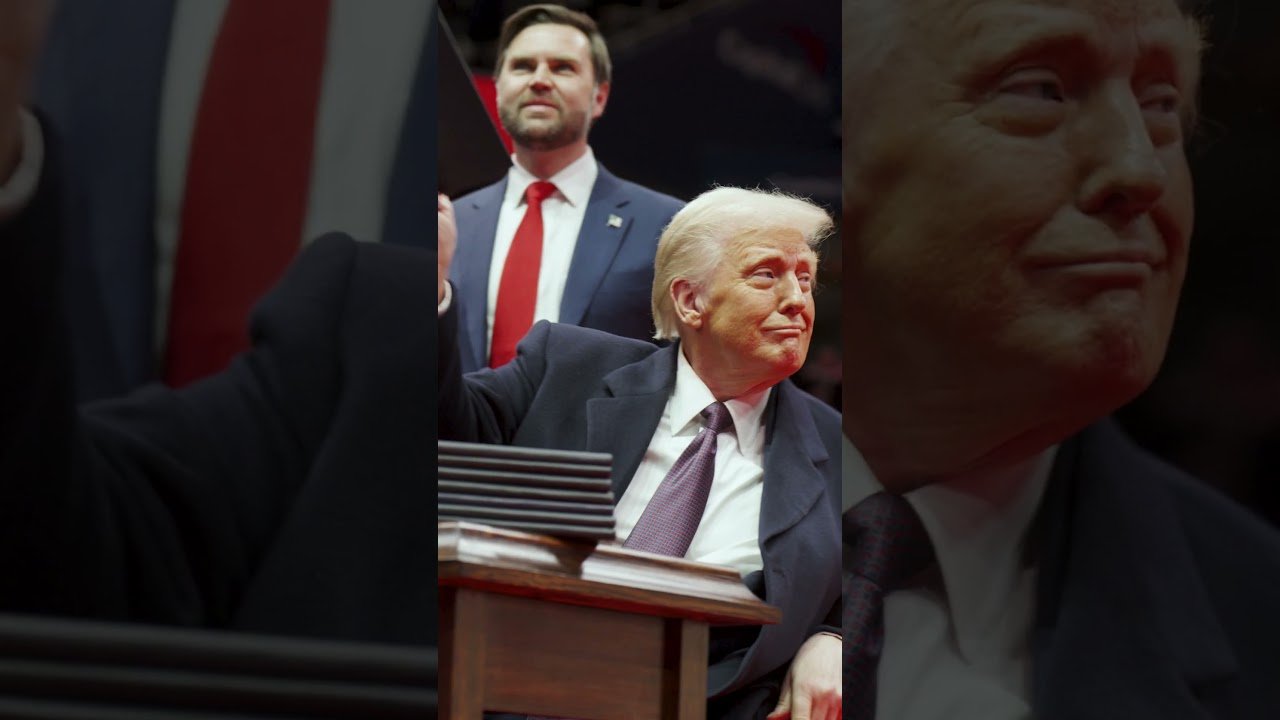
President Trump imposed sweeping tariffs starting in March, including 25% on Canada and Mexico, 10-145% on China, and baseline rates on most imports, aiming to curb trade deficits and immigration flows. Retaliatory measures from allies like Canada and adversaries like China disrupted supply chains, boosted inflation, and pushed nations toward “multi-alignment” blocs, with China filling voids left by US isolationism. By year-end, global trade volumes dropped 5-7%, accelerating economic sovereignty trends.
Read the summaries: Trump declares Liberation Day in 2025, US-China trade war reaches one-year truce, The EU reaches deal with US, averting tariffs, The US-UK’s Economic Prosperity Deal
2. Ukraine-Russia War Edges Toward Ceasefire Talks
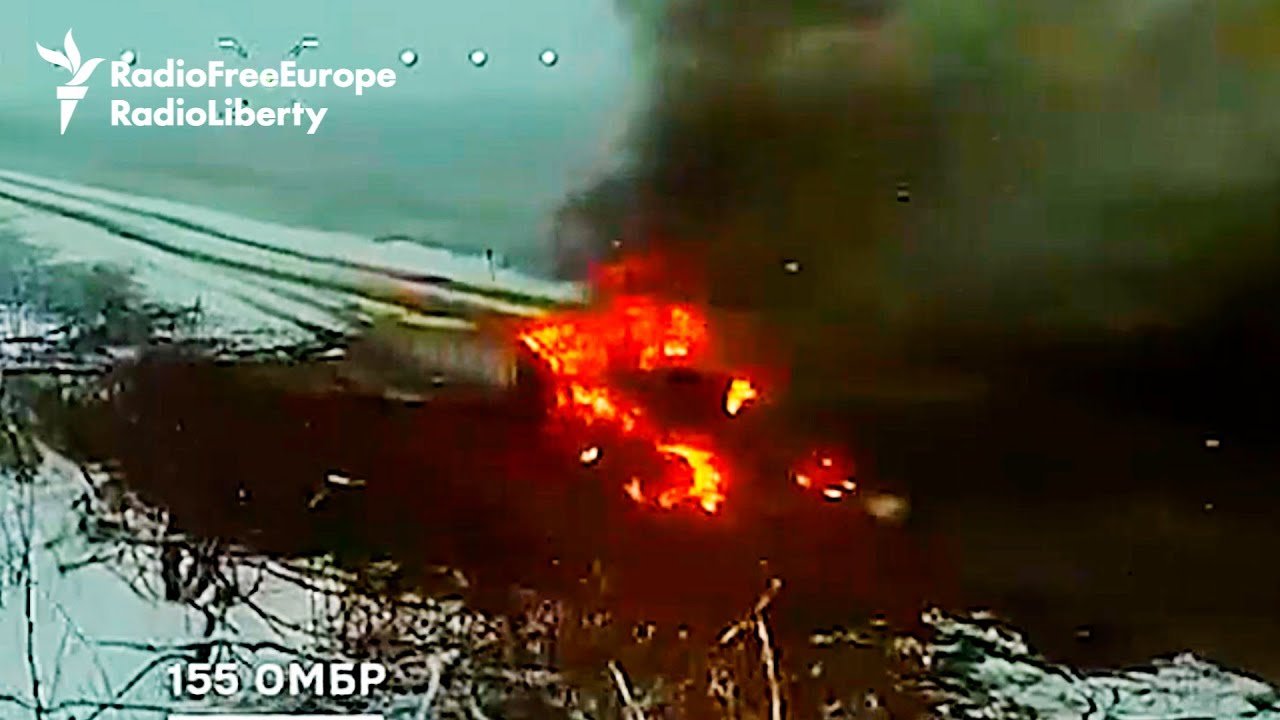
Russia’s invasion persisted with gains in eastern Ukraine, North Korean troop involvement, and infrastructure strikes, but Trump-brokered negotiations with Putin began in August, offering concessions amid paused US aid. Zelenskyy’s White House clash in February signaled reduced Western support, while Ukraine halted Russian gas transit in January. Peace talks advanced unevenly, raising NATO tensions as Poland invoked Article 4 after drone incursions.
Read summary: Trump proposes Ukraine Peace Plan
3. Gaza Ceasefire Collapses into Renewed Carnage
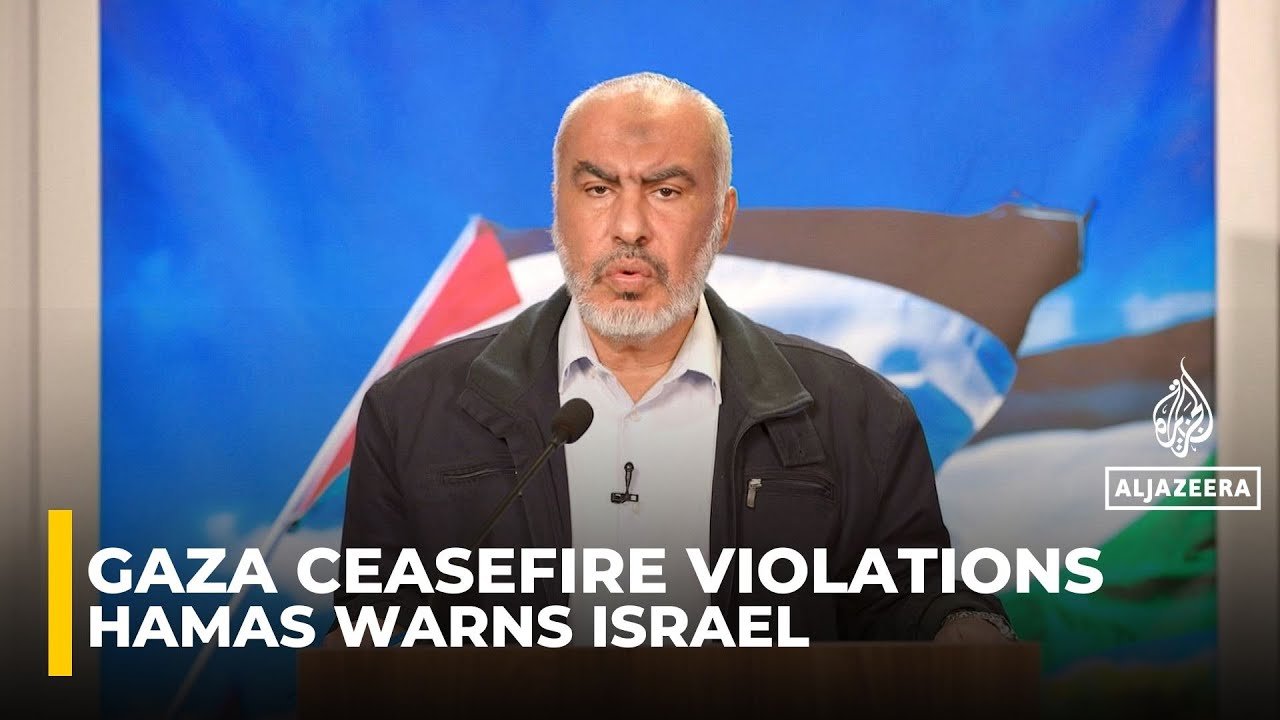
A January ceasefire exchanged hostages but shattered in March with Israeli airstrikes killing hundreds, followed by US-backed proposals for Gaza takeover and Palestinian relocation. Famine hit Gaza City by August, with UN reports confirming over 500,000 in starvation; a partial October deal freed final hostages but violence lingered. Trump’s pro-Israel stance, including June Iran nuclear strikes, deepened Middle East divides.
Read the summary: Trump brokers multi-phase Gaza Ceasefire
4. Iran-Israel Clashes Escalate to Open War
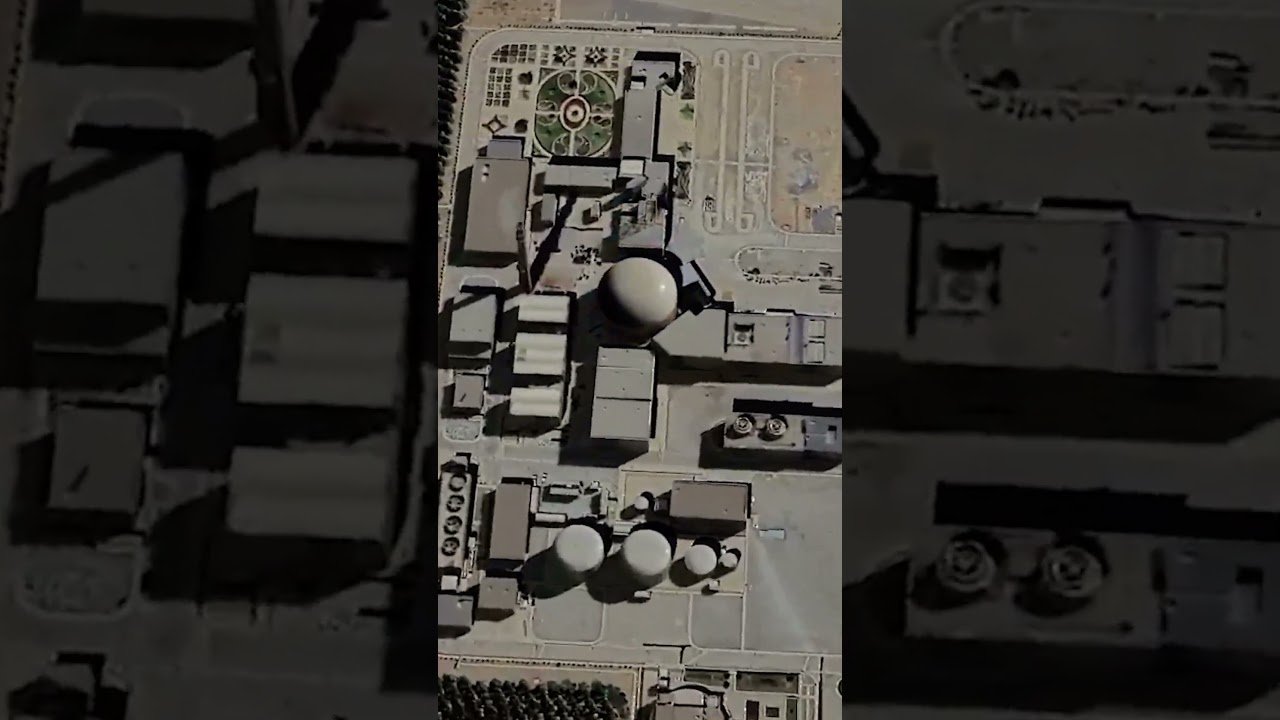
June Israeli strikes on Iranian nuclear sites, authorized by Trump, prompted missile retaliation on US bases; the brief war killed key commanders and heightened oil risks. US B-2 bombers targeted Fordow and Natanz, while proxy conflicts raged in Syria. The fallout strained alliances, with Trump realigning toward Russia amid global condemnation.
5. India-Pakistan Flashpoint Tests Nuclear Rivals
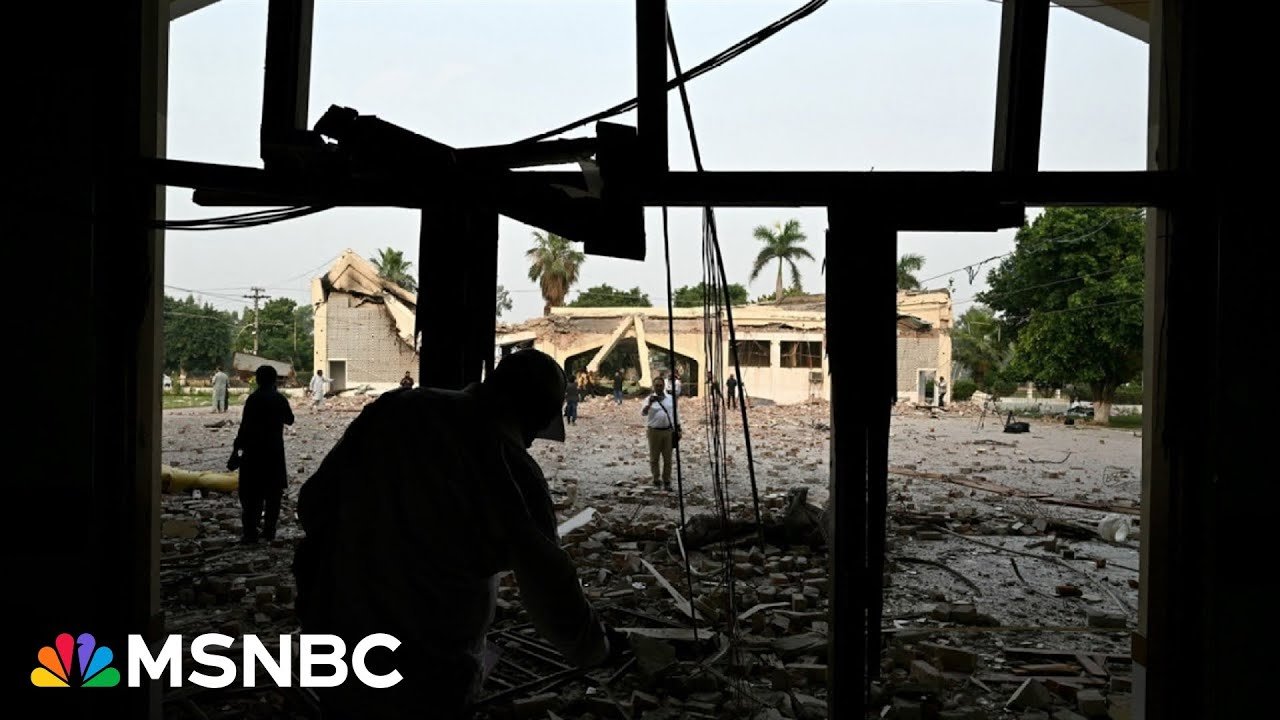
A May missile exchange followed a Kashmir attack, ending via Trump’s claimed mediation—praised by Pakistan, denied by India—highlighting South Asian volatility. Pakistan nominated Trump for Nobel Peace, securing US oil deals despite unverified reserves. Tensions underscored multipolar risks, with India balancing Russia ties amid US tariffs.
6. Sudan Civil War Deepens Humanitarian Abyss

RSF captured el-Fasher in October, triggering massacres like El Fasher (2,500+ dead); Sudan sued UAE at ICJ for RSF arms support. SAF-RS clashes in Kordofan displaced millions, with famine and floods compounding crises. International efforts stalled, ranking Sudan high on conflict watchlists.
7. China-Taiwan Strait Tensions Simmer
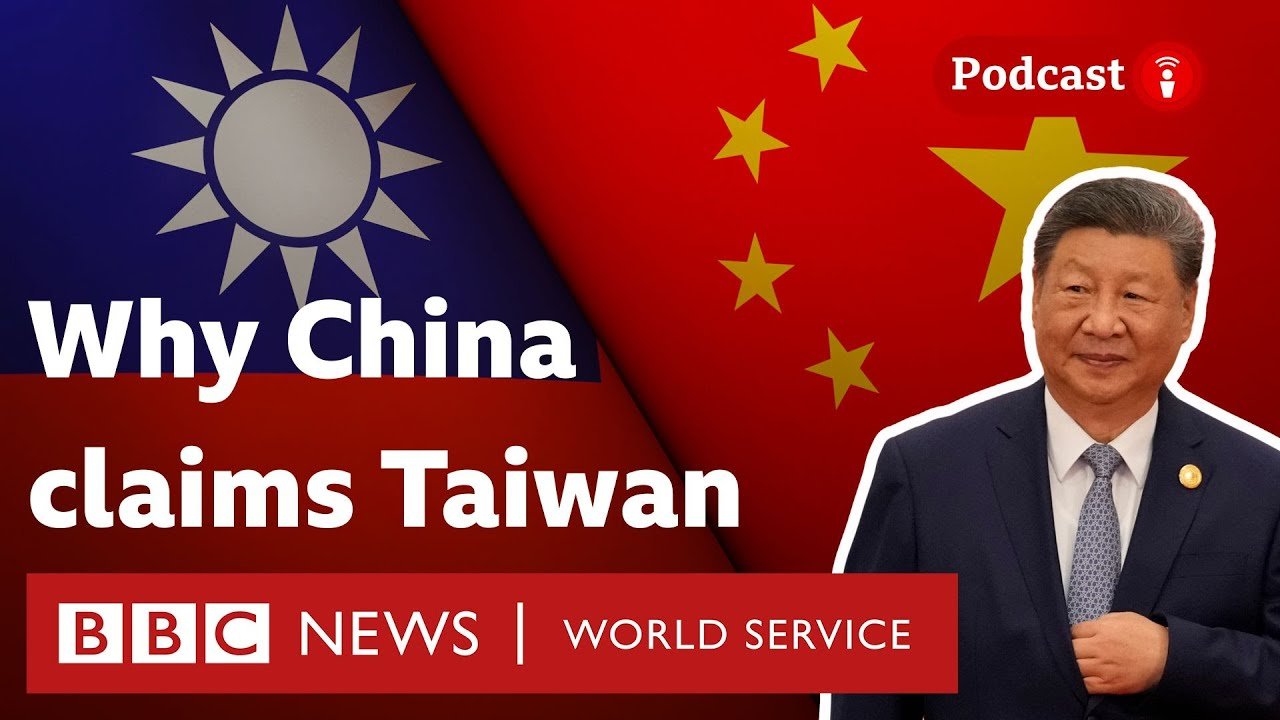
Beijing ramped up “gray-zone” incursions and detained Taiwanese nationals; Trump hiked tariffs but excluded semiconductors, criticizing Taiwan’s chip dominance. Lai Ching-te’s anti-infiltration measures polled 84% Taiwanese rejection of unification, while US visa curbs targeted Chinese students. Risks of miscalculation loomed amid Trump’s “porcupine” deterrence.
Read the summary: Japan-China Diplomatic Crisis 2025
8. Armenia-Azerbaijan Peace Unlocks Caucasus
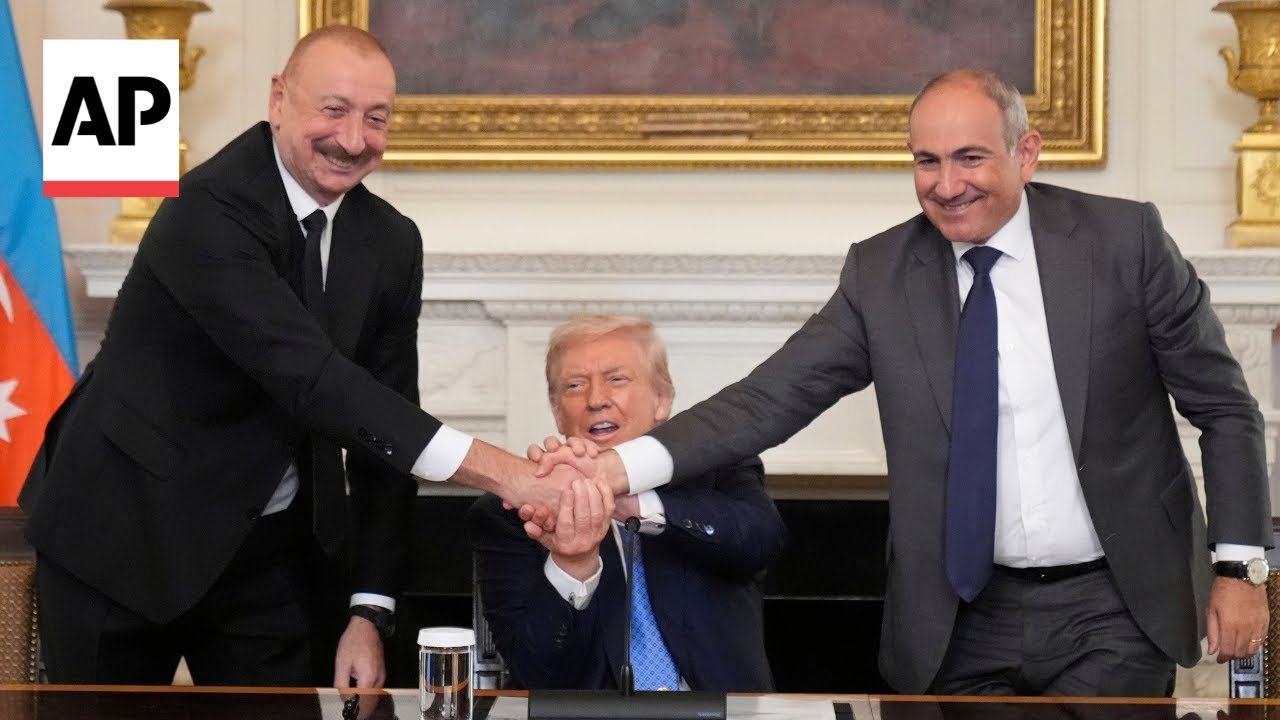
An August White House deal ended 37-year Nagorno-Karabakh hostilities, granting US corridor rights and paving Abraham Accords expansion. Trump hosted the signing, boosting regional trade but drawing criticism from Congolese activists over similar DRC-Rwanda pacts. Stability aided energy routes, countering Russian influence.
9. Trump’s Africa Deportation Diplomacy Backfires
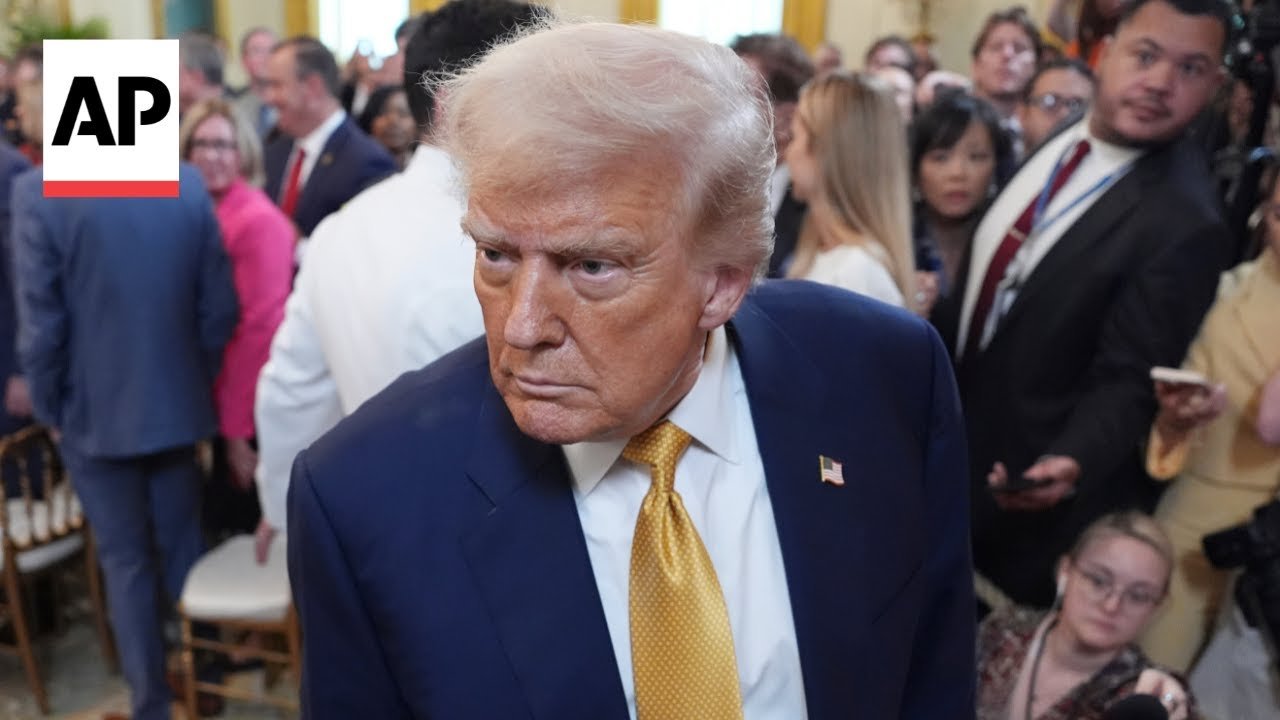
US pressured nations like Rwanda, Ghana, and South Africa to accept deportees via tariffs and aid cuts; South Africa faced refugee inflows and embassy expulsions. DRC-Rwanda peace traded minerals access, but rights groups decried favoritism toward Afrikaners. Policies strained ties, ceding ground to China.
10. Cambodia-Thailand Border War Shocks ASEAN
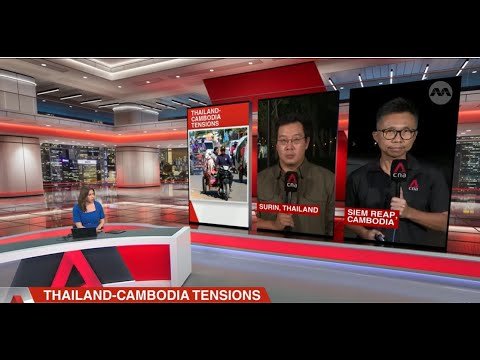
July clashes displaced 100,000; Trump’s Kuala Lumpur Accord and trade deals resolved it, exempting Malaysian goods from tariffs. The crisis exposed ASEAN fractures, with Timor-Leste’s entry amid US-China rivalry. Broader “multi-aligned” shifts saw Europe pivot from US defense reliance.
Read the summaries: 2025 Cambodian–Thai border crisis, Thai court removes PM Paetongtarn Shinawatra
These events hollowed out the post-WWII order, fostering transactional blocs and hybrid risks into 2026.