The EU reaches deal with US, averting tariffs

Jump to Timeline

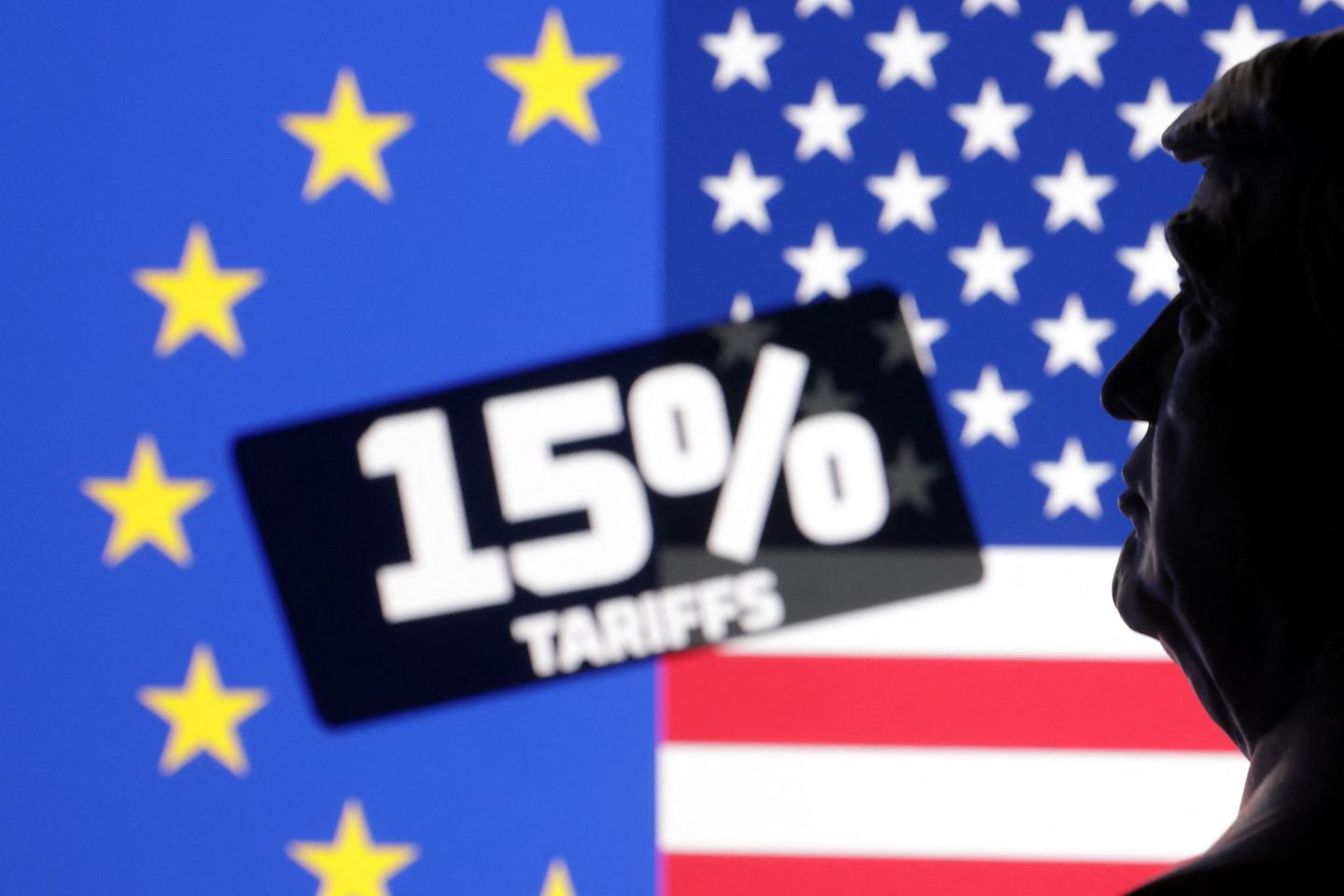
The United States and the European Union reached a trade agreement in July 2025 that sets a 15% tariff ceiling on most EU exports to the US, marking a partial reset in transatlantic trade relations.

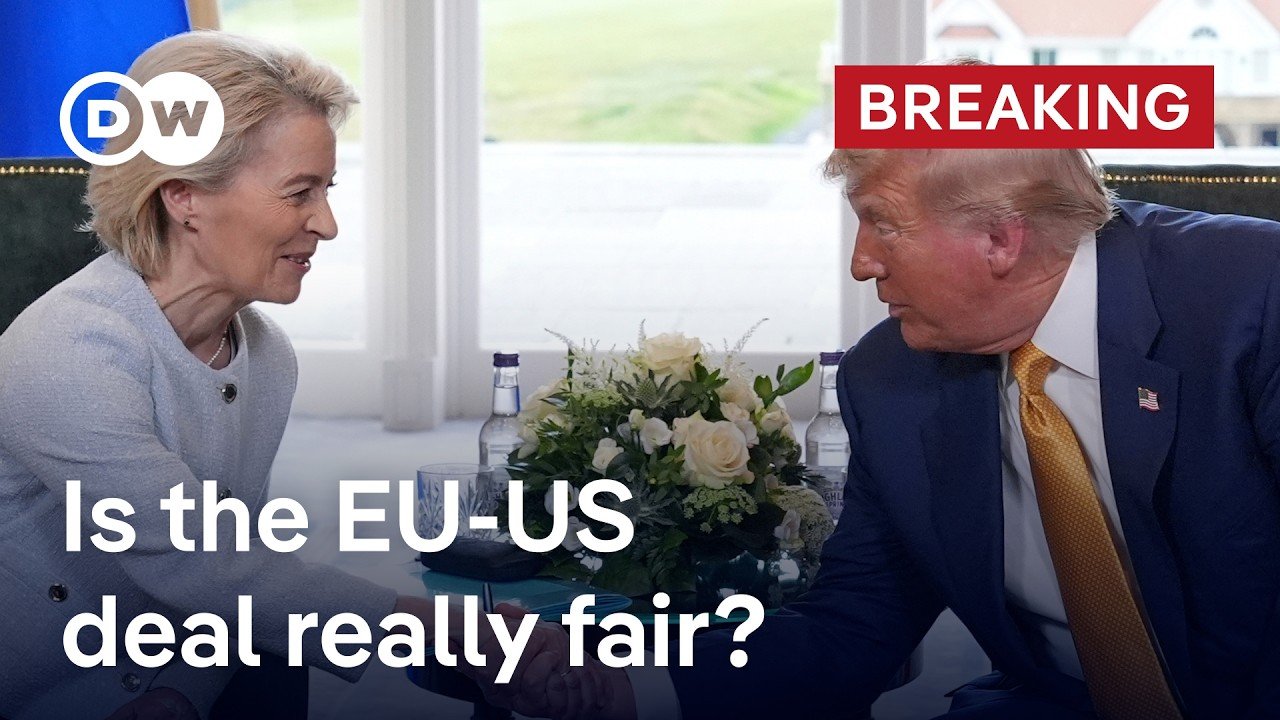
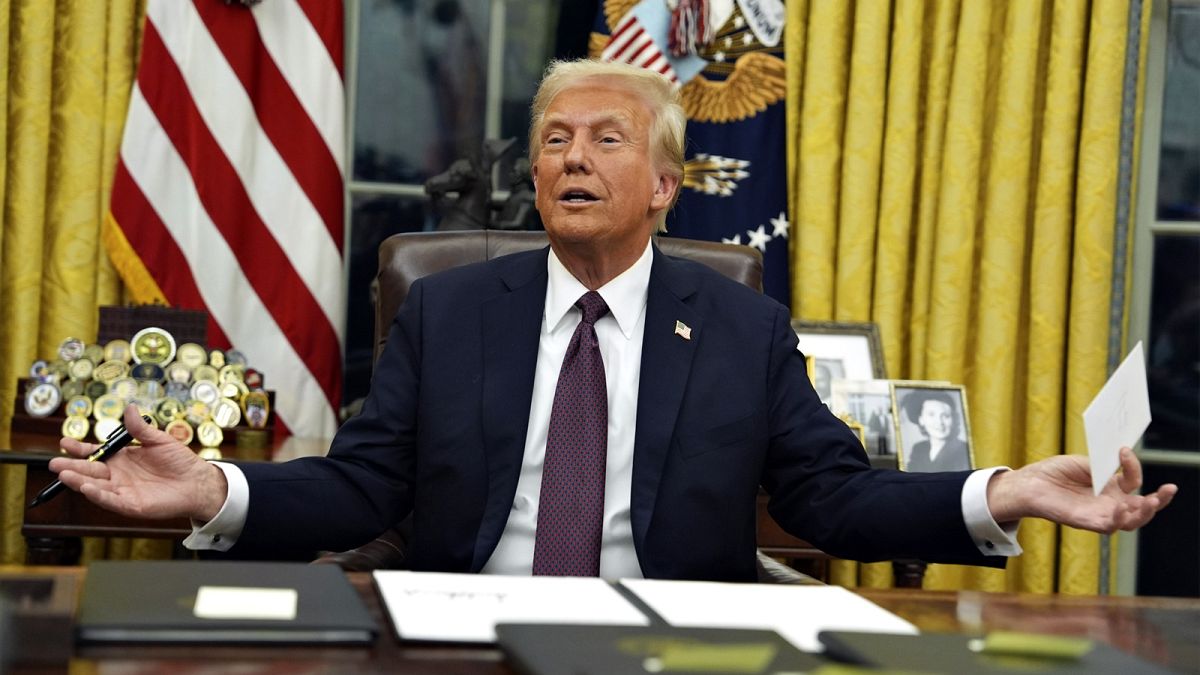
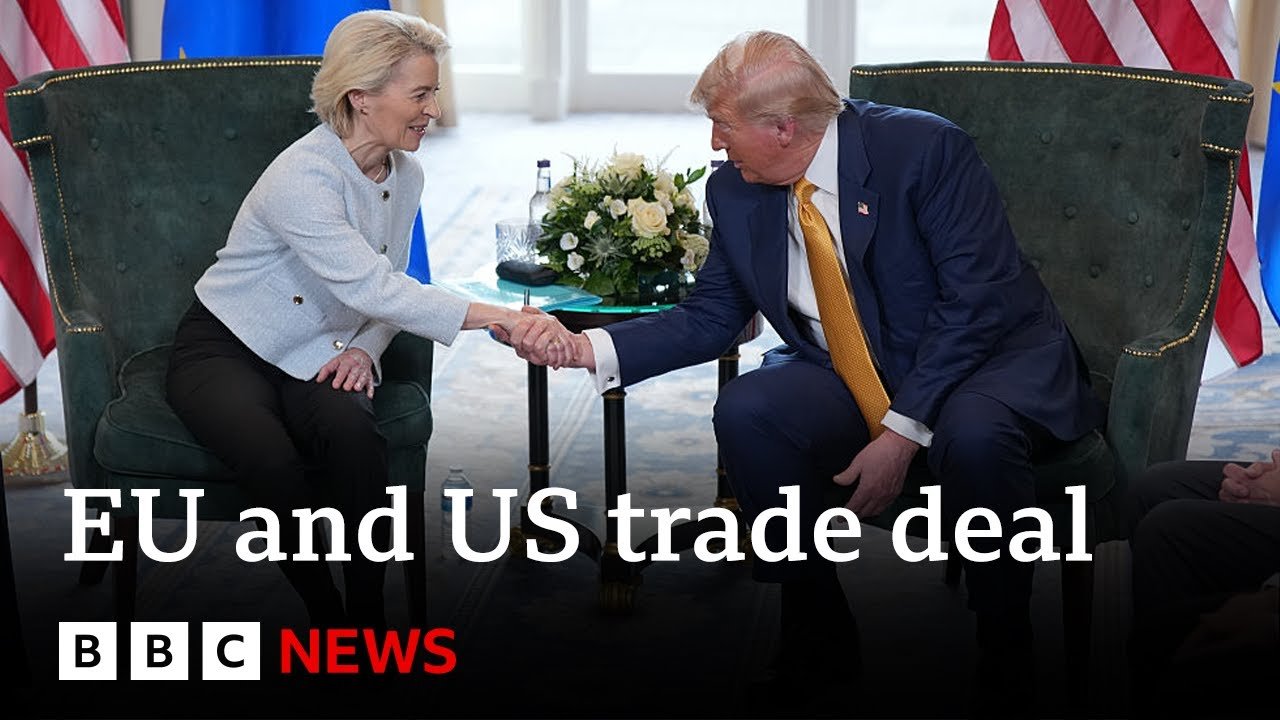
On 27 July 2025, US President Donald Trump and European Commission President Ursula von der Leyen announced a framework trade deal aimed at stabilising economic ties and avoiding a broader tariff escalation.

Today’s deal creates certainty in uncertain times. It delivers stability and predictability, for citizens and businesses on both sides of the Atlantic. In an unsettled world, Europe is a reliable partner. And we will continue to deliver deals that help safeguard our prosperity.

European Commission President von der Leyen

The agreement introduces a baseline 15% US tariff on most EU exports, covering roughly 70% of goods traded, valued at around €380billion annually. In exchange, the EU committed to removing most tariffs on US industrial goods and expanding access for selected agricultural and fisheries products.

The deal helped avert a potential trade conflict, after earlier threats of tariffs reaching 30% or higher on both sides.

While US tariff measures took effect in August, the EU’s commitments require approval from the European Parliament and member states, leaving parts of the agreement still subject to political negotiation.

Key provisions

The agreement reshapes tariff structures while preserving protections in sensitive sectors.

Most EU exports to the US, including automobiles and auto parts, now face a 15% tariff. Existing 50% tariffs on steel and aluminium remain in place, though both sides are working toward a quota-based system to manage trade flows.

Certain strategic sectors, including aerospace components and select chemicals, received tariff relief and reverted to lower or zero-duty levels.

Beyond tariffs, European companies signalled plans to significantly increase economic engagement with the United States, including large-scale purchases of US energy and expanded investment commitments over the coming years.

Strategic context

The deal reflects a shift toward pragmatic stabilisation rather than full trade liberalisation.

It falls short of earlier ambitions for a comprehensive transatlantic agreement, such as the abandoned Transatlantic Trade and Investment Partnership (TTIP), and instead focuses on reducing uncertainty amid a more fragmented global trade environment.

For both sides, the agreement balances domestic political constraints with the need to maintain economic cooperation, particularly in strategic sectors such as energy and manufacturing.

Outlook

While the framework reduces immediate trade tensions, its long-term impact will depend on implementation and political approval within the EU.

The agreement signals closer coordination between the US and Europe but also highlights the limits of deeper integration in an era of rising economic nationalism.

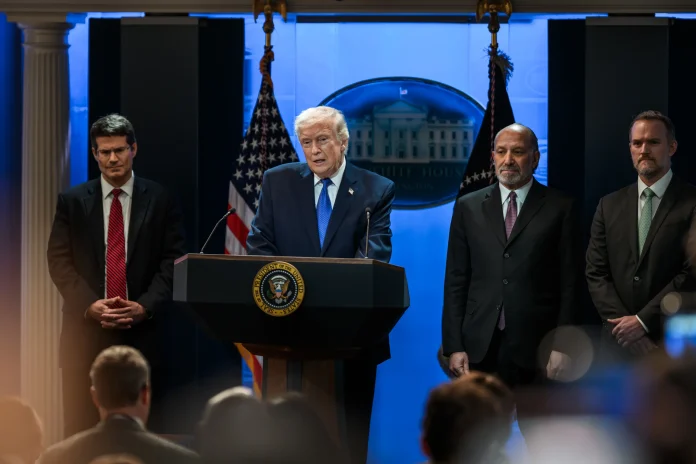
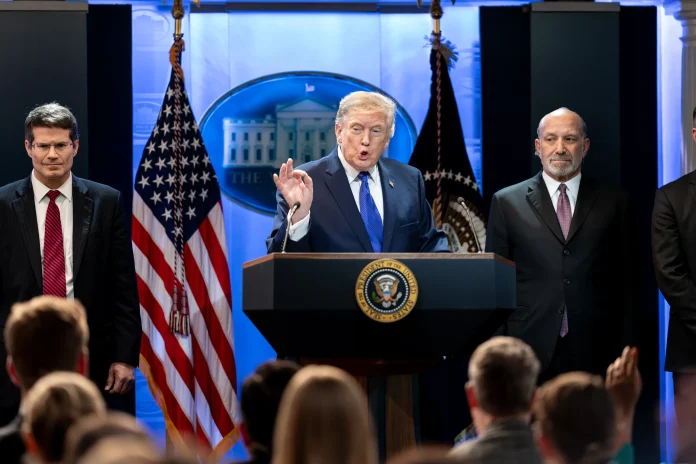
I think it’s the biggest deal ever made…I think we both wanted to make a deal. It’s going to bring us closer together. I think this deal will bring us very close together.

US President Trump on the deal
youtube placeholder image

Read more:
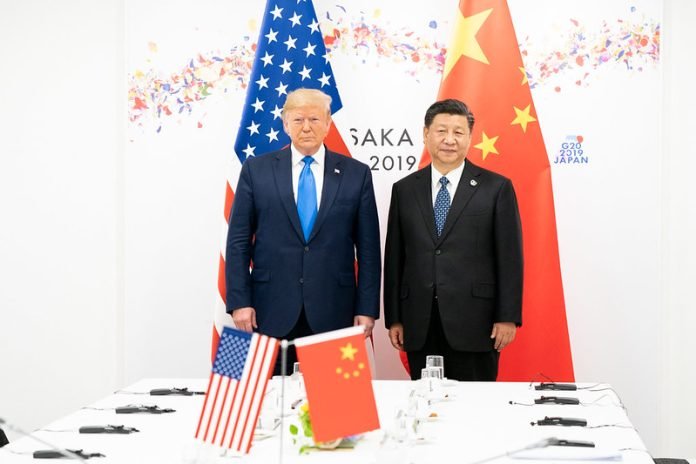
US-China trade war reaches one-year truce
The US-UK’s Economic Prosperity Deal
Trump declares Liberation Day in 2025

Key widely reported facts from verified sources including BBC, CNBC, CNN, France 24, Bloomberg, AP

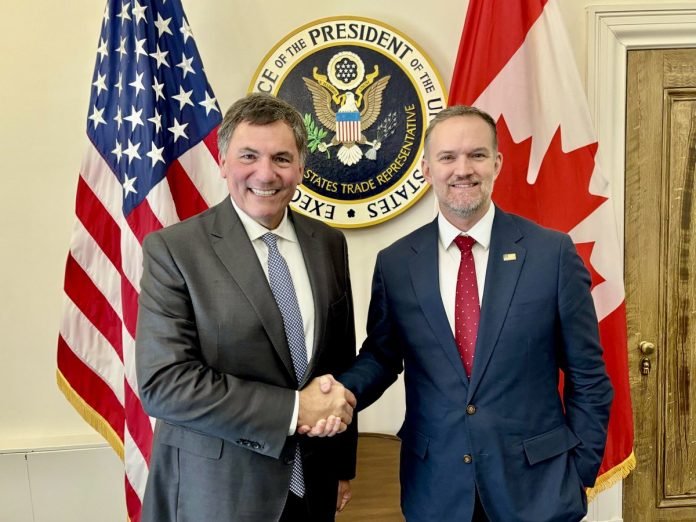
US-Canada trade war escalates after talks collapse over sovereignty clauses

US-Canada trade talks collapse over sovereignty clauses as Trump imposes 50% tariffs. Carney vows dollar-for-dollar retaliation. Trump claims Canada wants "state benefits without being one."
Read more

Trump pauses 50% Canada tariffs after last-minute trade deal

The last-minute delay was announced less than two hours before the crushing duties on more than $20billion worth of Canadian imports were set to take effect.
Read more

US returns $100billion in ‘Liberation Day’ tariffs after Supreme Court defeat

Most of the money collected under Donald Trump’s sweeping import-tax programme has been cleared for repayment, but billions more remain under review.
Read more

Supreme Court rules Trump tariffs illegal, halting $1.4trillion in duties

The Supreme Court's ruling has profound constitutional, fiscal and operational implications beyond the cessation of certain duties.
Read more

US-China trade war reaches one-year truce

On Oct 30, Trump and Xi Jinping agreed to a one-year trade truce in a meeting in South Korea. Both sides agree to reduce their reciprocal tariffs.
Read more

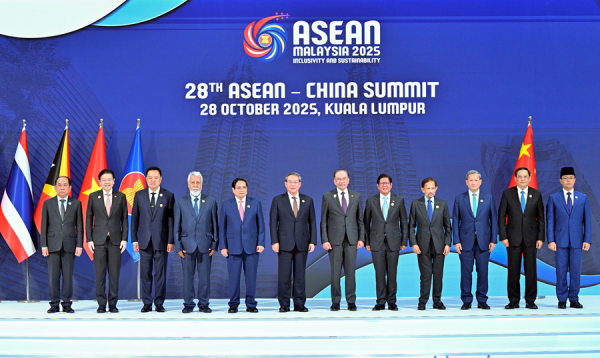
2025 ASEAN Summit: China signs trade pact with ASEAN

The agreement would open the door to greater market access in agriculture, the digital economy, and pharmaceuticals between the two parties.
Read more

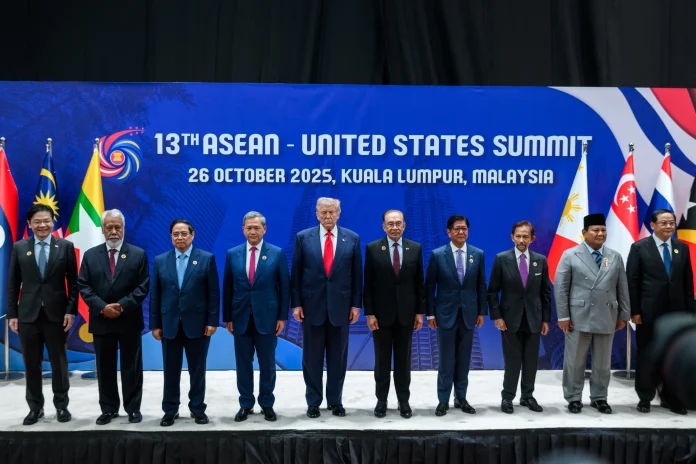
2025 ASEAN Summit: US signs trade pacts with four states

These deals were designed to address trade imbalances, reduce tariffs on American exports, and secure supply chains for critical minerals. 
Read more

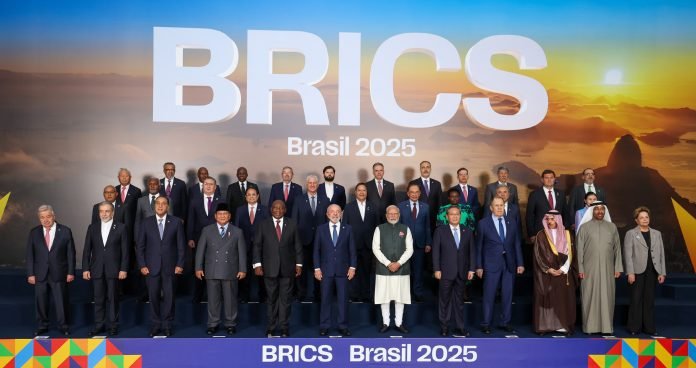
BRICS Summit in Rio adopts 126 commitments on AI, climate and de-dollarisation

The 2025 BRICS summit in Rio was focused on locking in BRICS’ role as a Global South governance bloc across AI, climate finance and others.
Read more

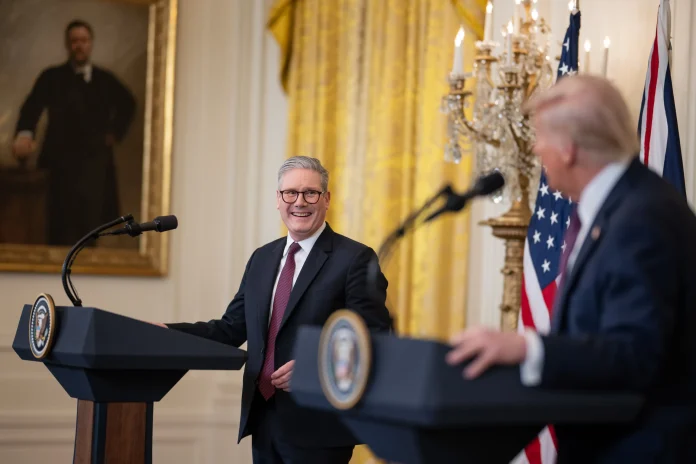
US-UK Economic Prosperity Deal aims to cut tariffs, boost trade

The Economic Prosperity Deal (EPD) was announced in May 2025 by UK PM Keir Starmer and President Trump to de-escalate trade tensions.
Read more

Markets suffer tariff whiplash before snapping back

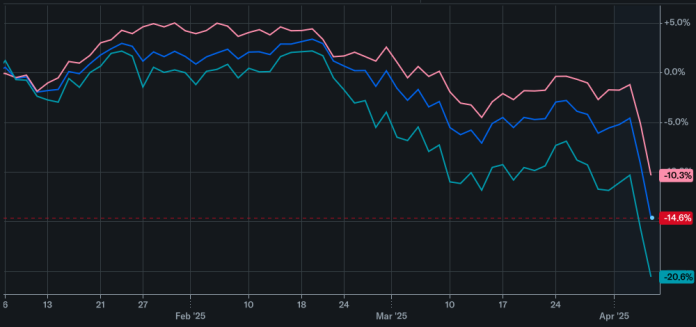
A significant stock market downturn occurred in April 2025, triggered by the Trump administration's implementation of sweeping new tariffs.
Read more
Timeline

Mar 12, 2025: US imposes 25% tariffs on steel and aluminum imports from all countries, including EU; EU announces retaliatory tariffs on US goods.​

Apr 10: EU pauses retaliatory tariffs for 90 days in response to US measures.​

Jun 4: US doubles steel and aluminum tariffs to 50%

Jul 27: Presidents Trump and von der Leyen announce political agreement on 15% US tariff ceiling on most EU exports

Jul 30-31: Autos tariffs drop from 25% to 15% retroactively from Aug 1.​

Aug 1: US’s 15% baseline tariffs take effect on most EU goods (e.g., autos, parts), covering €380 billion annually.​

Aug 2: US Customs enforces 15% tariffs on wide range of EU exports.​

Aug 7: EU suspends rebalancing measures on US goods adopted Jul 24.​

Aug 21: Joint statement formalizes framework; commits to MFN-only tariffs (often zero) on strategic EU products from Sep 1.​

Sep 1: US applies MFN tariffs to exemptions like aircraft, pharmaceuticals, chemicals, natural resources.​

Sep 24: US Notice implements tariff reductions/exemptions retroactively from Aug 1 (autos) and Sep 1.​

Sep 25: US confirms drop to 15% on EU cars.​

Dec 3: EU member states back deal amid Trump pressure, despite resistance; Parliament approval ongoing.

Opinion & Analysis


You may also be interested in

LEAVE A REPLY

Please enter your comment!
Please enter your name here