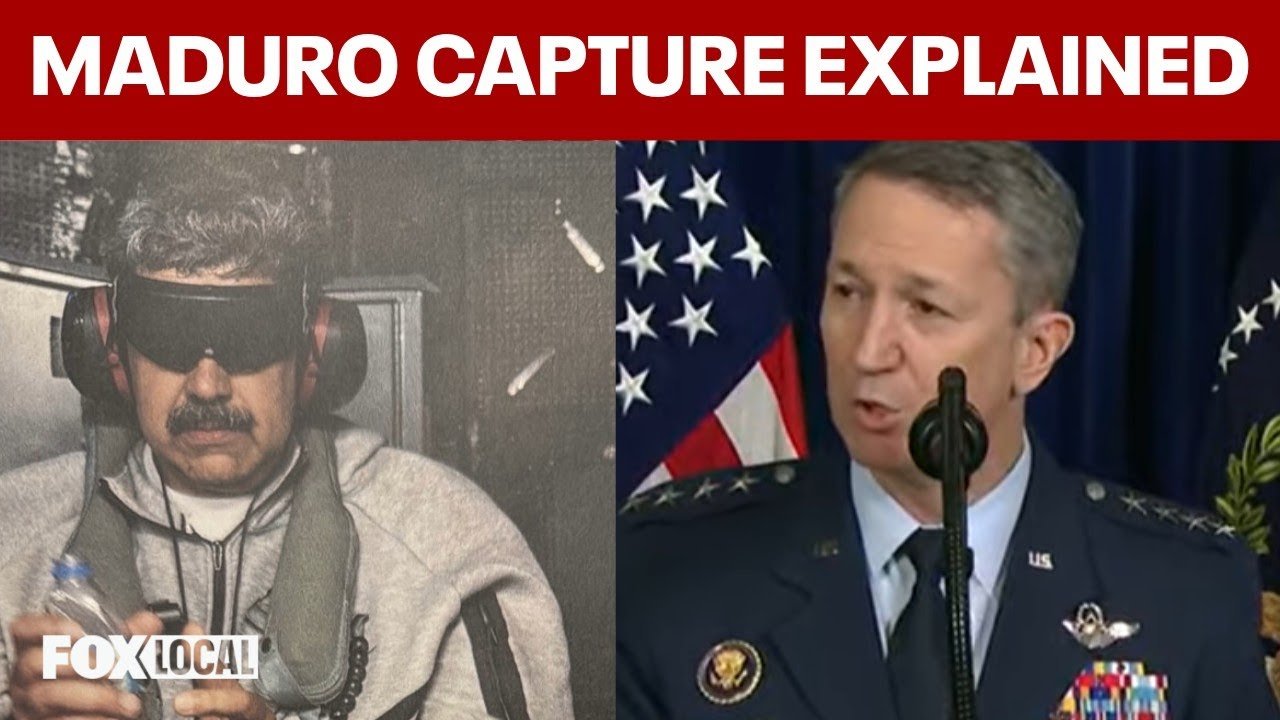
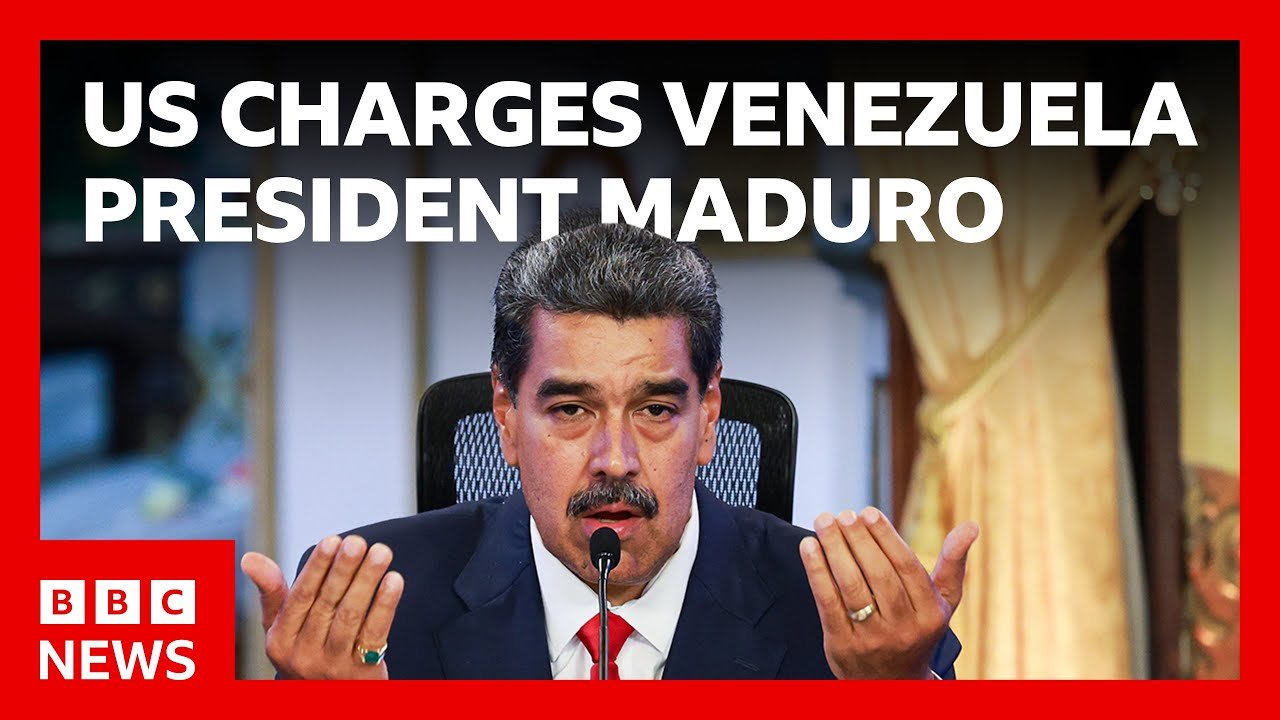
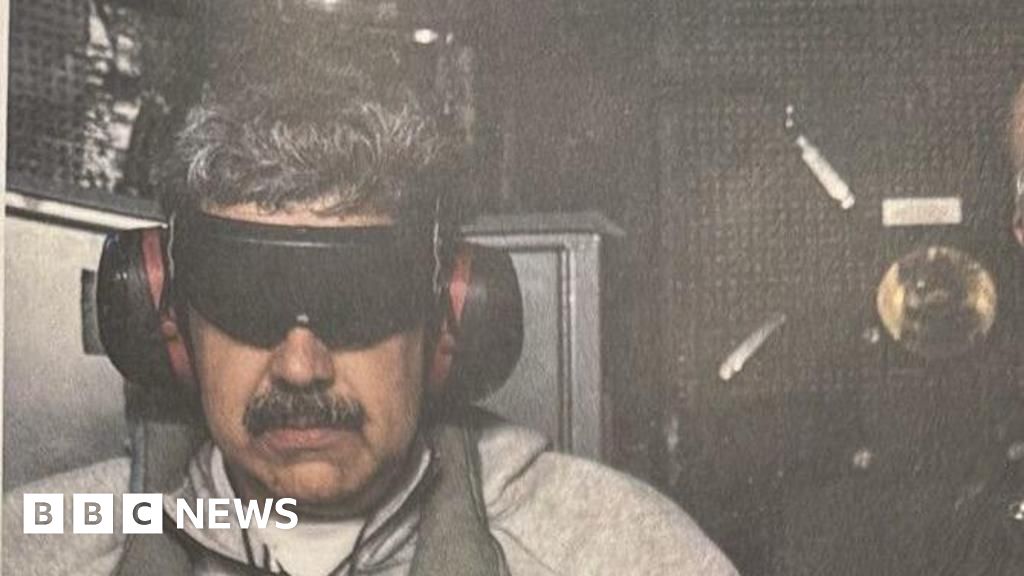
Nicolás Maduro was captured on January 3, 2026, during a US military operation in Caracas and immediately transported to New York to face narco-terrorism and weapons charges. At the time of his capture, Maduro was Venezuela’s sitting president, having held office since 2013, though his legitimacy was contested internationally.
US Special Forces seized Nicolás Maduro and his wife, Cilia Flores, at their residence in the Fort Tiuna military complex in Caracas in a pre-dawn raid on January 3, 2026.
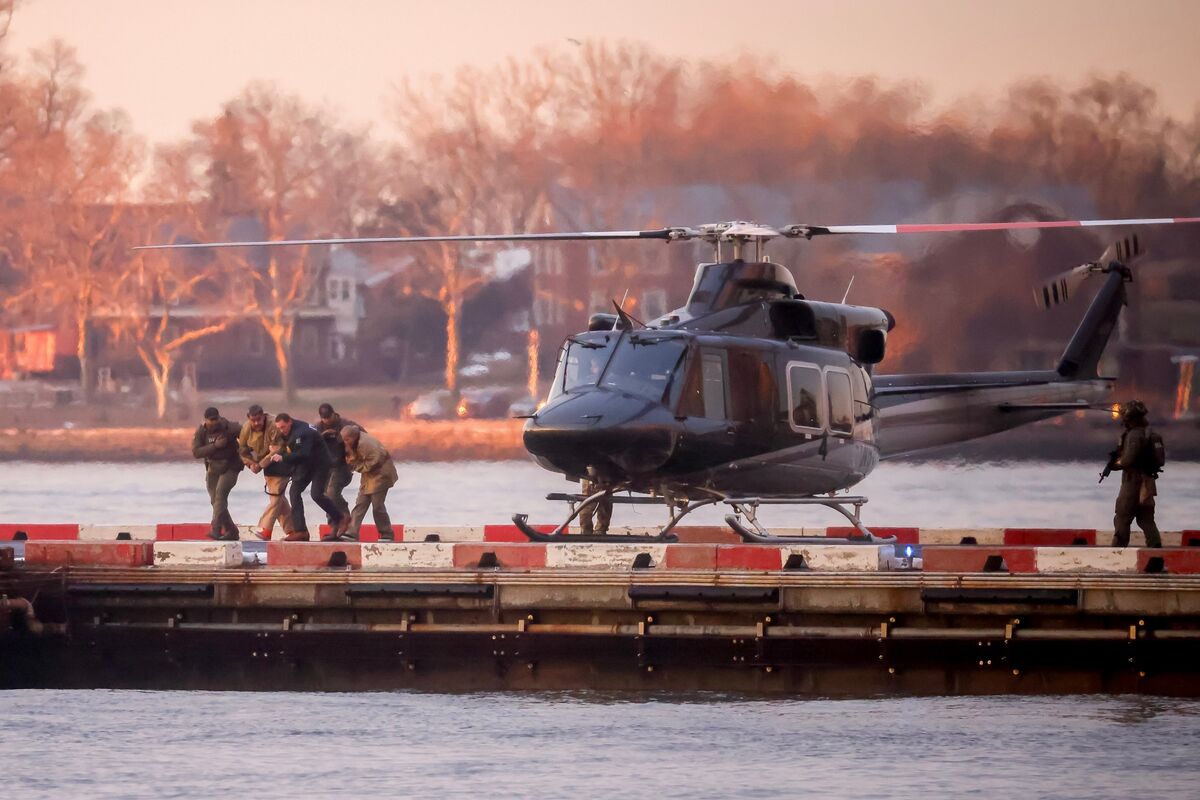
The operation, codenamed “Operation Absolute Resolve”, reportedly involved more than 150 aircraft, CIA ground teams, and extensive intelligence preparation. US forces allegedly disabled Venezuelan air defenses and parts of the capital’s power infrastructure to clear the way for the raid. Maduro and Flores were then flown by helicopter to the US warship Iwo Jima and transferred by plane to New York.
Federal charges and court appearance
The pair were indicted in the Southern District of New York on four counts: conspiracy to commit narco-terrorism, conspiracy to import cocaine, possession of machine guns and destructive devices, and conspiracy to possess machine guns and destructive devices.
They appeared in Manhattan federal court on January 5, 2026, and pleaded not guilty. Maduro reportedly told the judge he had been kidnapped and described himself as a prisoner of war.
Reactions in Venezuela and abroad
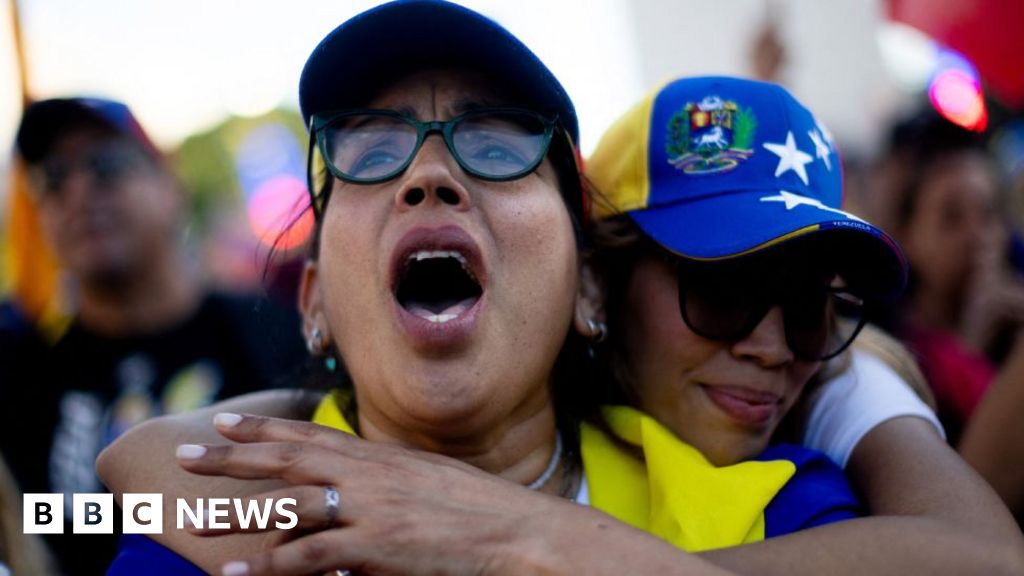
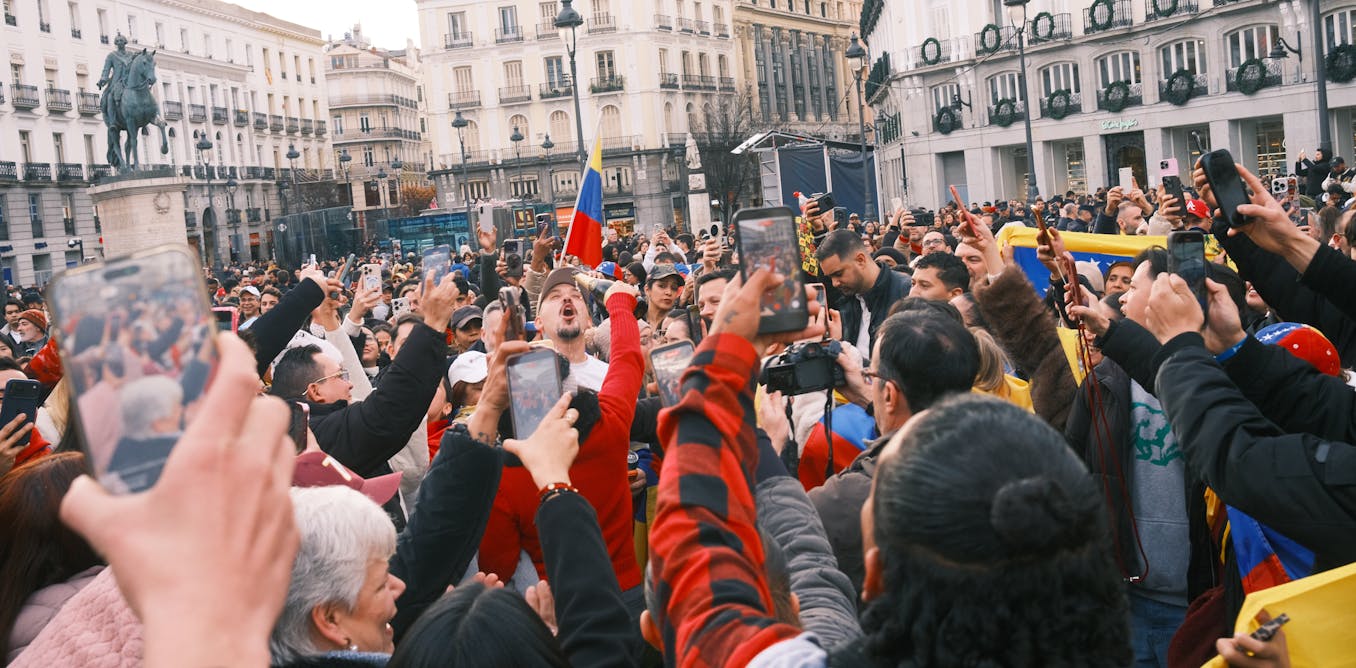
Inside Venezuela, the reaction was split between relief and fear. Thousands of Venezuelans in cities including Miami, Madrid, and New York celebrated Maduro’s removal, while others inside the country worried about retaliation from pro-government colectivos, war, or a US occupation.
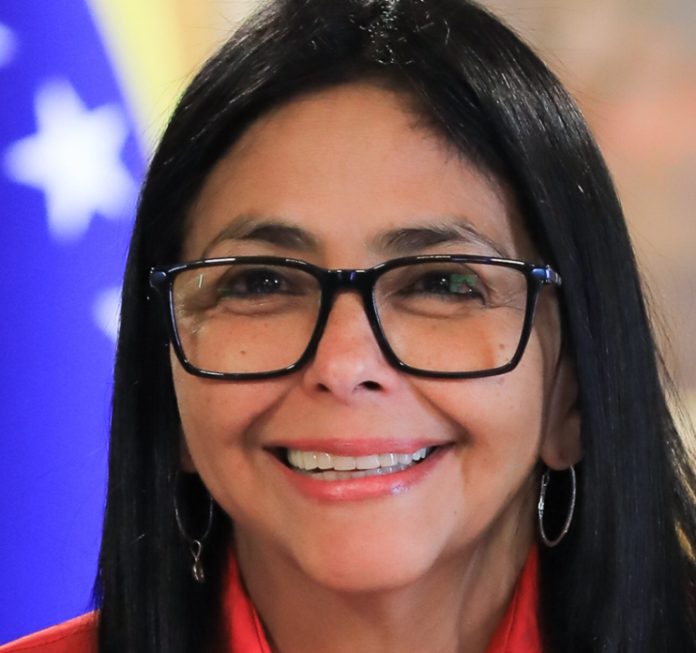
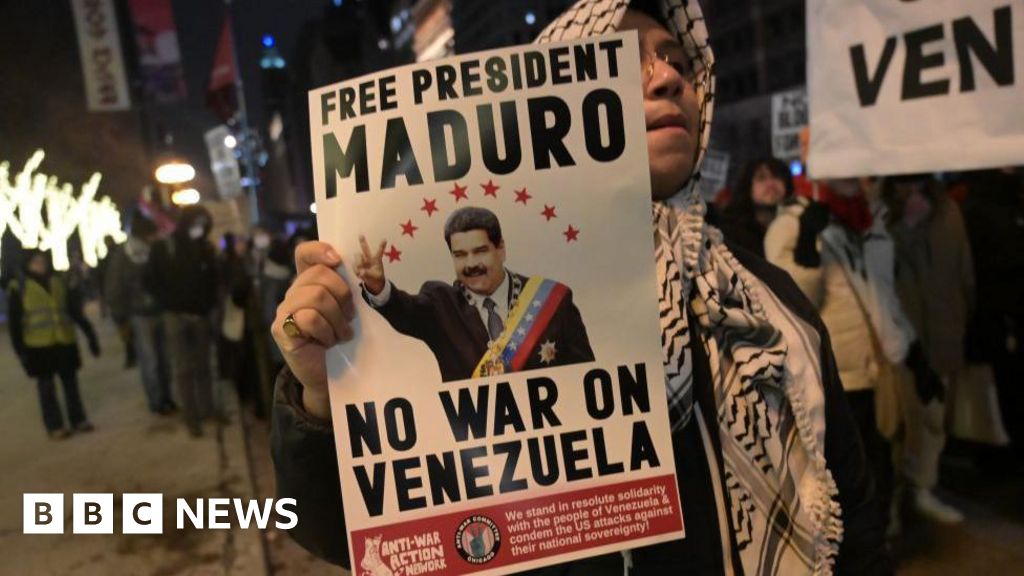
Maduro supporters gathered in Caracas to denounce the operation as a kidnapping and demand his return. Acting President Delcy Rodríguez condemned the arrest as illegal but reportedly opened exploratory talks with US officials to stabilize the country.
International backlash and US Support
The legality of the operation drew sharp criticism abroad. UN Secretary-General António Guterres warned that the raid set a dangerous precedent and likely violated the UN Charter, while UN human rights experts called it a grave violation of international law.
China and Russia condemned the action as armed aggression and demanded Maduro’s release. Several Latin American governments, including Brazil, Mexico, and Colombia, rejected the unilateral strike, while Argentina’s Javier Milei praised it as excellent news for the free world. In Europe, leaders in countries such as the UK and Spain said any transition must still comply with international law.
Washington’s political fight over Venezuela
Republican leaders broadly backed the operation as a blow against narco-terrorism, with Senator Chuck Grassley comparing it to the 1989 capture of Manuel Noriega.
Some Democrats and legal experts criticized the use of military force without congressional authorization and warned about Trump’s claim that the US would run Venezuela during a transition period.
On January 8, the Senate voted 52-47 to require Trump to seek congressional approval for any new military action in Venezuela, underscoring the deep divide over the administration’s approach.
What comes next
On January 5, 2026, Delcy Rodríguez was sworn in by the National Assembly as interim president, framed as a precautionary step to preserve continuity after Maduro’s abduction.
Trump later said the US would run Venezuela for an unspecified period to oversee what he described as a safe and judicious transition. He also met with US oil executives on January 9 to promote a proposed $100billion private investment plan for Venezuela’s reconstruction, backed by US military and private security.