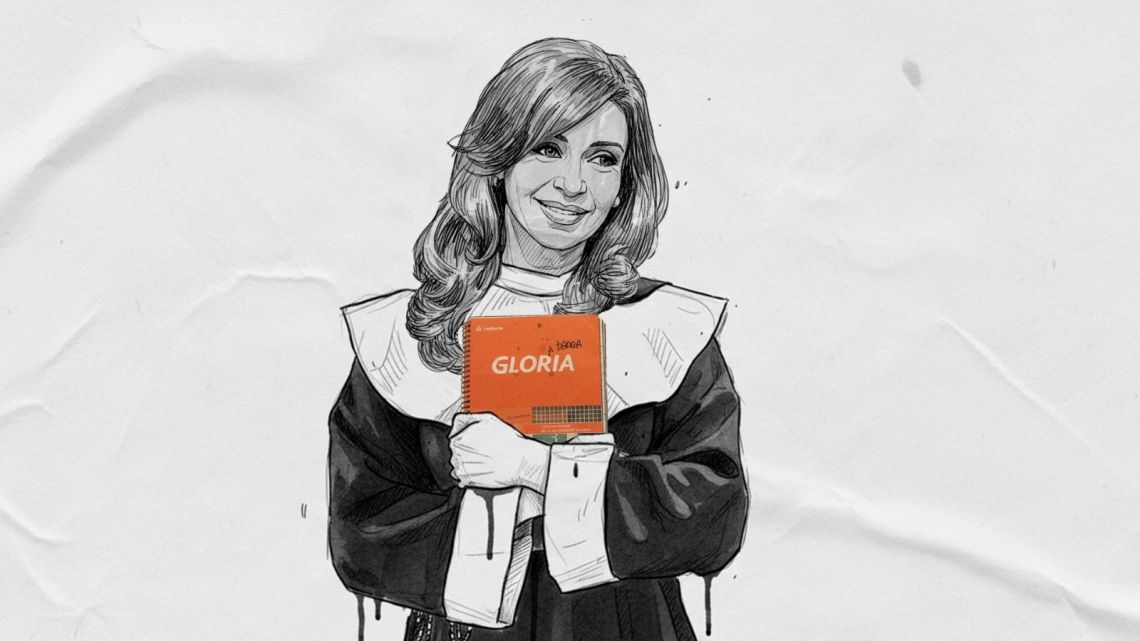
On November 6, 2025, the oral and public trial for the “Notebooks” Scandal formally began before Federal Oral Court No. 7 in Buenos Aires. Former Argentine President Cristina Kirchner, 19 former Kirchner administration officials, and 65 businesspeople will be tried in what is being called the biggest corruption trial in Argentina’s history.
The case centers on an alleged bribes-for-contracts scheme that allegedly operated between 2003 and 2015. The 72-year-old former president, who has been serving a six-year sentence under house arrest since June in a separate corruption case, now faces additional charges carrying potential prison terms of five to ten years per count.
The evidence: Eight handwritten notebooks
The case hinges on eight handwritten notebooks kept by Oscar Centeno, a chauffeur for former Planning Ministry official Roberto Baratta. Centeno meticulously recorded dates, names, addresses, and the specific amounts of cash bags he allegedly delivered from businessmen to government offices and the private residence of the Kirchners.
Prosecutors allege an “illicit association” headed by former President Cristina Fernández de Kirchner. The total bribery ring is estimated to have moved between $160million and $200million.
The defendants
Kirchner is the lead defendant alongside former ministers such as Julio De Vido and powerful business executives from the construction and energy sectors. In total, 87 defendants are on trial.
In September 2025, several charged businessmen offered a collective $15million reparation payment, including a Miami apartment and a yacht, to have their charges dismissed. The court rejected this offer, stating that institutional damage cannot be compensated solely with money.
Trial developments
The initial hearings in November focused on reading the massive 600-page indictment detailing over 540 instances of bribery.
In November 2025, the court revisited testimony from chauffeur Oscar Centeno, who described a “collection system” where he transported bags of cash to the presidential residence and private flats. He alleged that Baratta would tell him, “You know what to do,” while bags were removed from the vehicle.
Former Public Works Secretary José López testified that Cristina Fernández de Kirchner “knew everything” about the scheme. He described a specific 2007 delivery of a suitcase containing US$8million to her Recoleta flat.
In mid-November 2025, the court ordered the seizure of US$500 million in assets from Kirchner, her family, and co-defendants to cover potential damages to the state.
Originally scheduled for one session per week, the court increased the pace to two weekly hearings in late 2025 to manage the nearly 90 defendants and over 600 witnesses.
Kirchner’s defense continues to claim the trial is a “judicial operetta”. They presented forensic reports alleging the notebooks were tampered with over 1,500 times, with names and dates altered by third parties.
Business executive confessions
As the trial progressed, several top business leaders provided details on how the bribe-for-contracts system functioned.
Aldo Roggio of Metrovías admitted he was forced to return 5% of transport subsidies his company received to government officials. Carlos Wagner of Esuco confessed to his role as a middleman between the construction chamber and the government; he notably had a $20million Swiss account frozen as part of the probe. Miguel Aznar of Decavial admitted to paying bribes to secure roadworks contracts and highway concessions.
What’s next
The trial remains in the preliminary witness phase as of January 2026 and is expected to last through 2027. It is being closely watched across Latin America as a test of whether Argentina’s judiciary can hold powerful political and business figures accountable for systemic corruption.
Read also: 2025 Argentina Legislative Elections