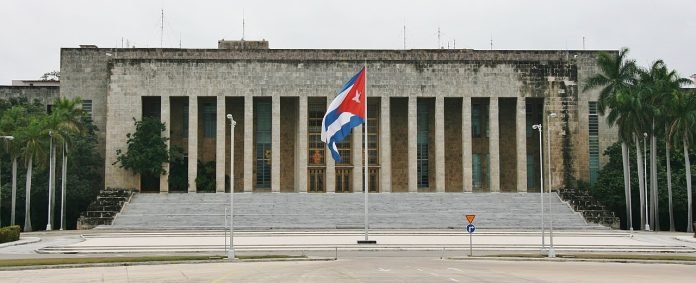
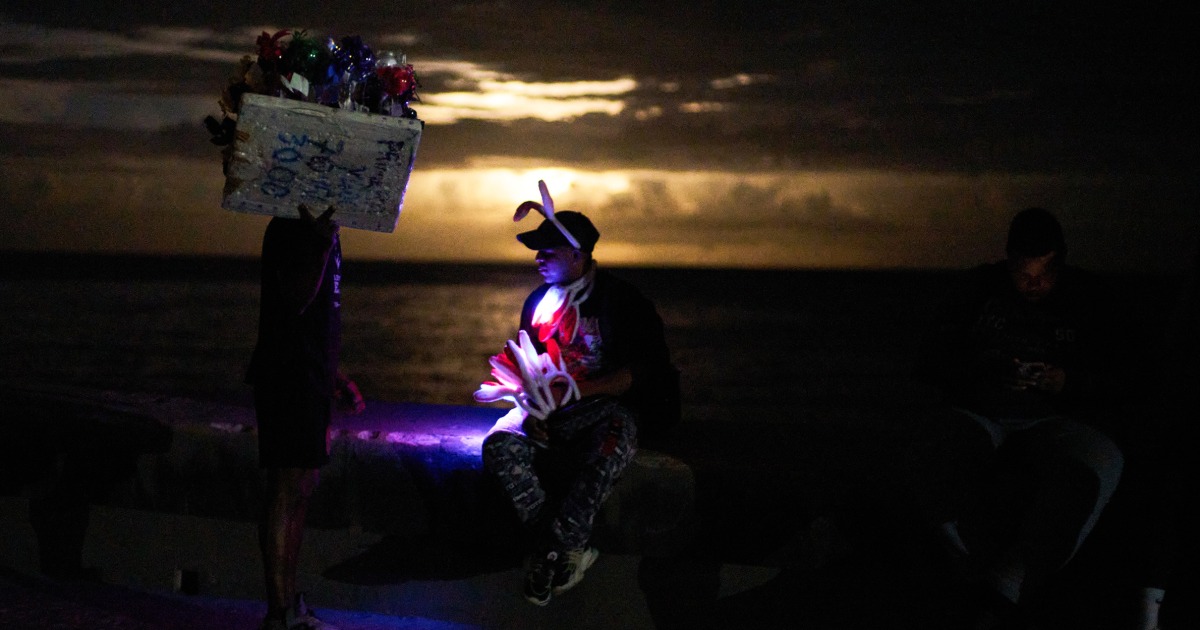
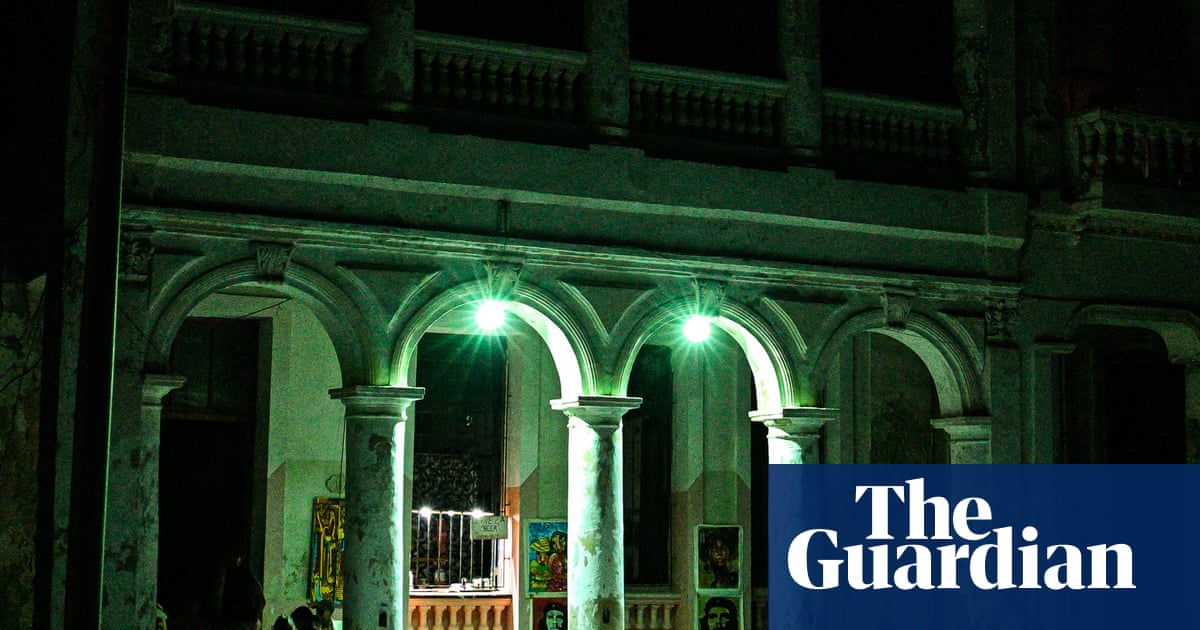
On March 16, 2026, Cuba suffered a total disconnection of its electrical system, plunging all 10 million inhabitants into darkness.
The grid operator, Unión Eléctrica (UNE), attributed the failure to a “complete shutdown” linked to the ongoing US oil blockade, which has left thermal plants “running on fumes” or entirely without fuel.
By March 17, power was partially restored to two-thirds of the country, though officials warned that generation capacity remained critically low.
What led up to this?
The blackout triggered rare violent protests over the preceding weekend. In the town of Morón, residents vandalized a local Communist Party office following a 26-hour outage. In Havana, protesters held cacerolazos (banging pots and pans) to express frustration over food and medicine shortages.
Blackouts have become part of daily life for Cubans, who have experienced outages in recent months lasting beyond 20 hours a day in some regions. These outages are caused by daily service interruptions due to the obsolete Soviet‑era thermoelectric plants.
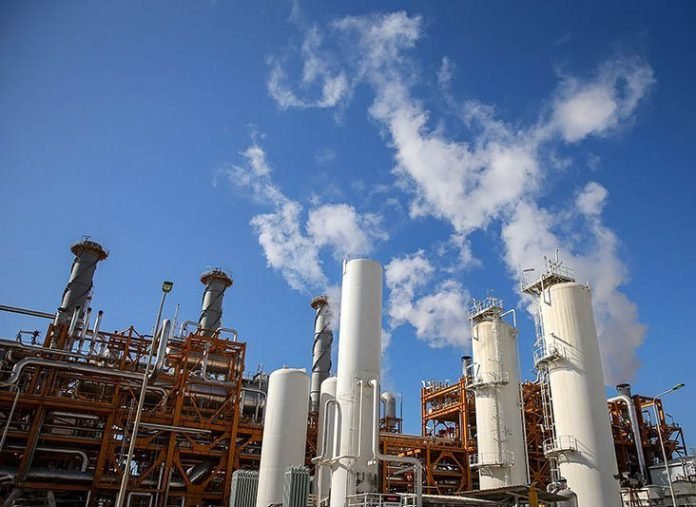
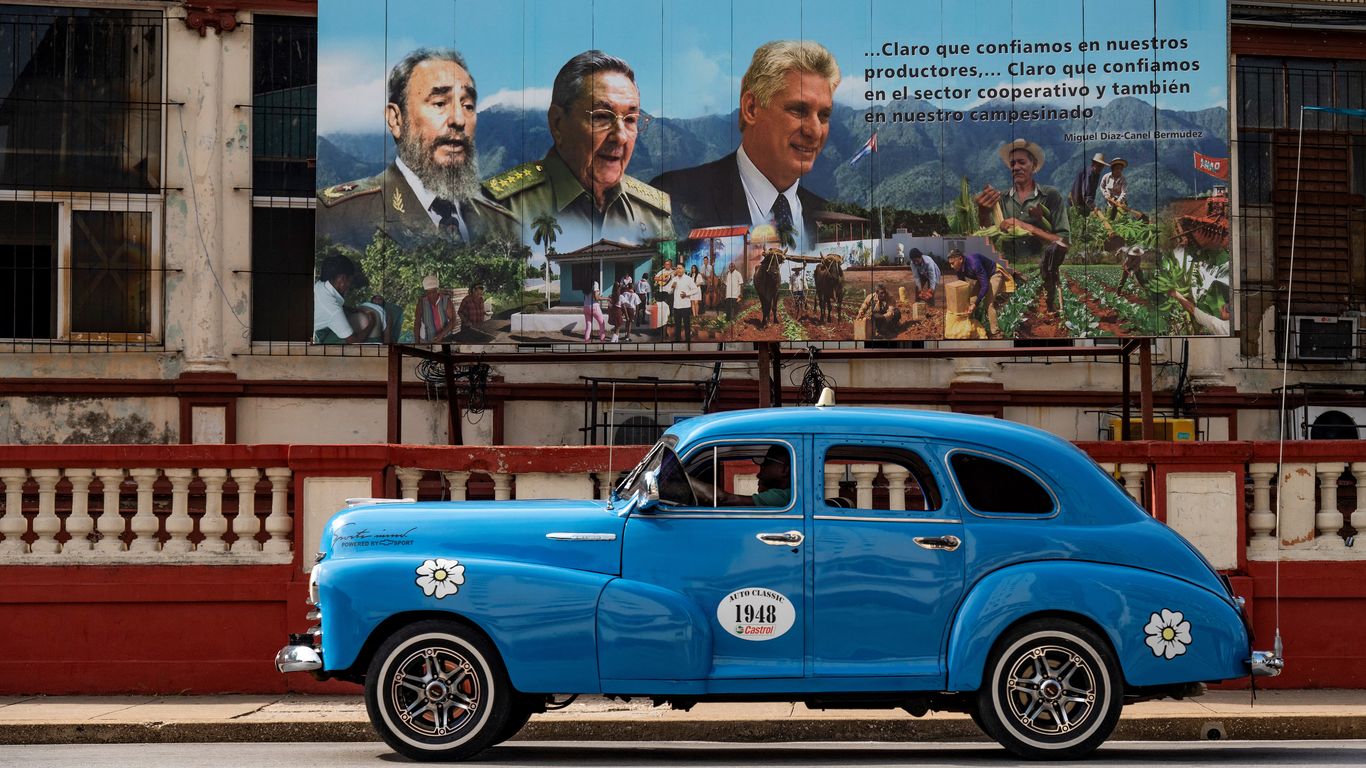
The backbone of Cuba’s energy system consists of eight major thermoelectric plants. Most are over 40 years old, far exceeding their intended design life.
As the island’s largest and most critical plant, the Antonio Guiteras Thermal Power Plant is a frequent single point of failure. Its unexpected shutdowns, often due to boiler leaks or pipe failures, frequently trigger cascading collapses of the entire national grid.
Long-term underinvestment and difficulty procuring specialized components due to the US embargo have forced engineers to rely on “improvisational engineering”.
Trump’s “Takeover” Comments
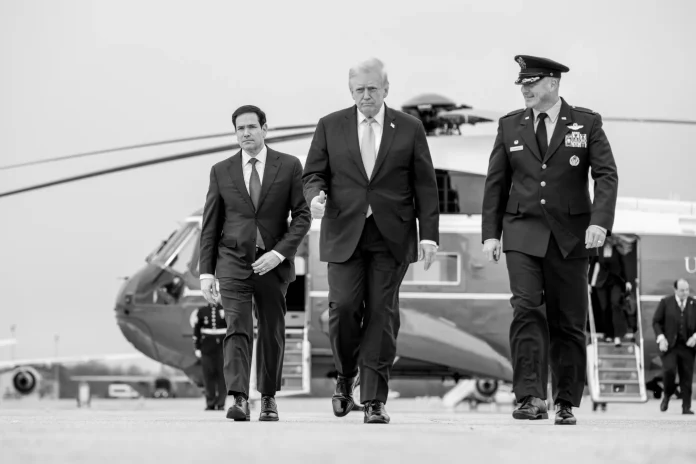
Earlier in late February and early March, Trump floated the idea of a “friendly takeover,” suggesting that the Cuban government is “in a big deal of trouble” and is currently negotiating with Secretary of State Marco Rubio.
Trump linked the crisis directly to his administration’s success in cutting off Venezuelan oil exports and threatening third-party suppliers with tariffs, stating that Cuba “sees the end” and wants to make a deal.
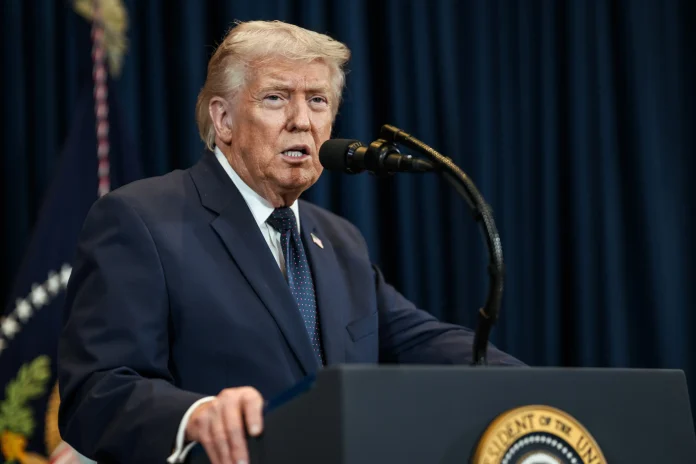
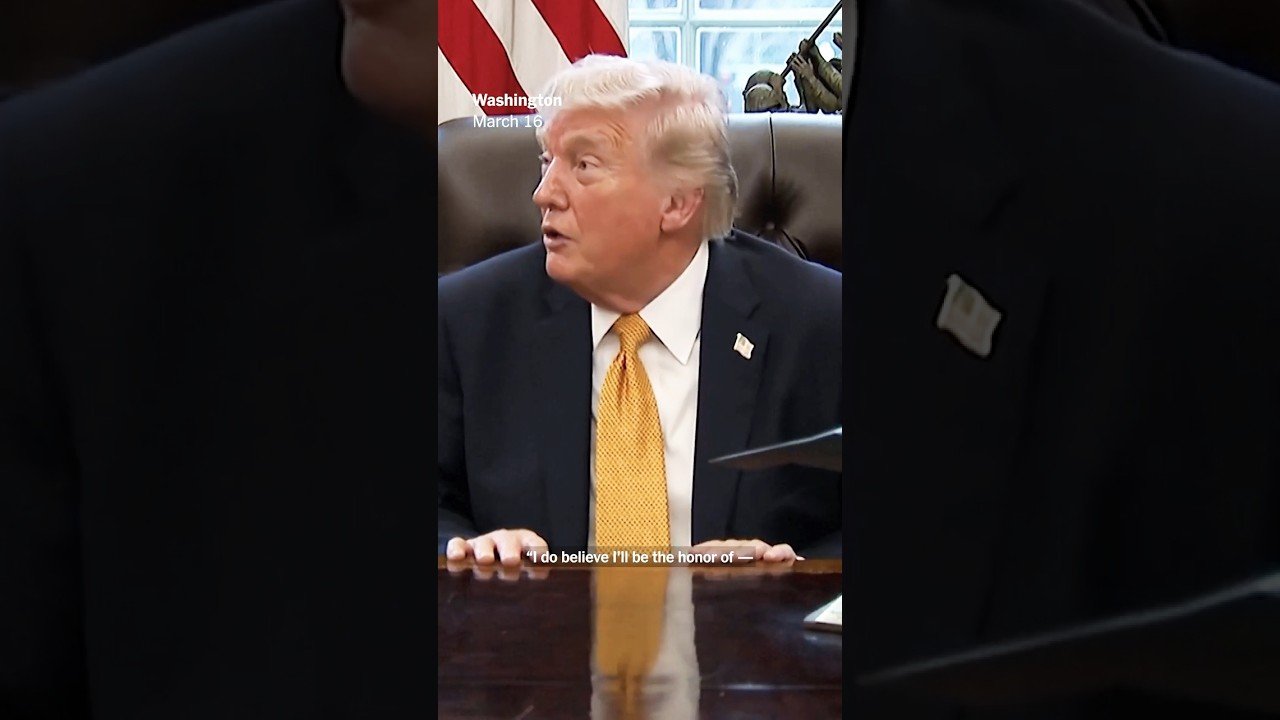
On March 17, President Trump made a series of high-profile remarks suggesting the US might soon control the island.
Speaking to reporters at the White House, Trump stated, “I do believe I’ll be having the honor of taking Cuba.” He described Cuba as a “very weakened nation” and claimed, “I could do anything I want with it.”
US Secretary of State Rubio stated that Cuba “has to get new people in charge” and that the current leadership is incapable of fixing the island’s problems.
Rubio, a son of Cuban exiles, has repeatedly argued that the island’s economic and political system simply does not work and has never worked anywhere in the world.
He dismissed the Cuban government’s recent announcements of economic reforms, including allowing some private investment, as “not dramatic enough”.
Rubio has echoed President Trump’s “make a deal” strategy, framing the energy crisis as a result of “socialist incompetence” rather than US policy, despite the clear impact of the oil blockade.
He has clarified that the goal of the current pressure campaign is the complete removal of the communist leadership to ensure the region is no longer a “safe haven” for hostile actors like Russia or China.
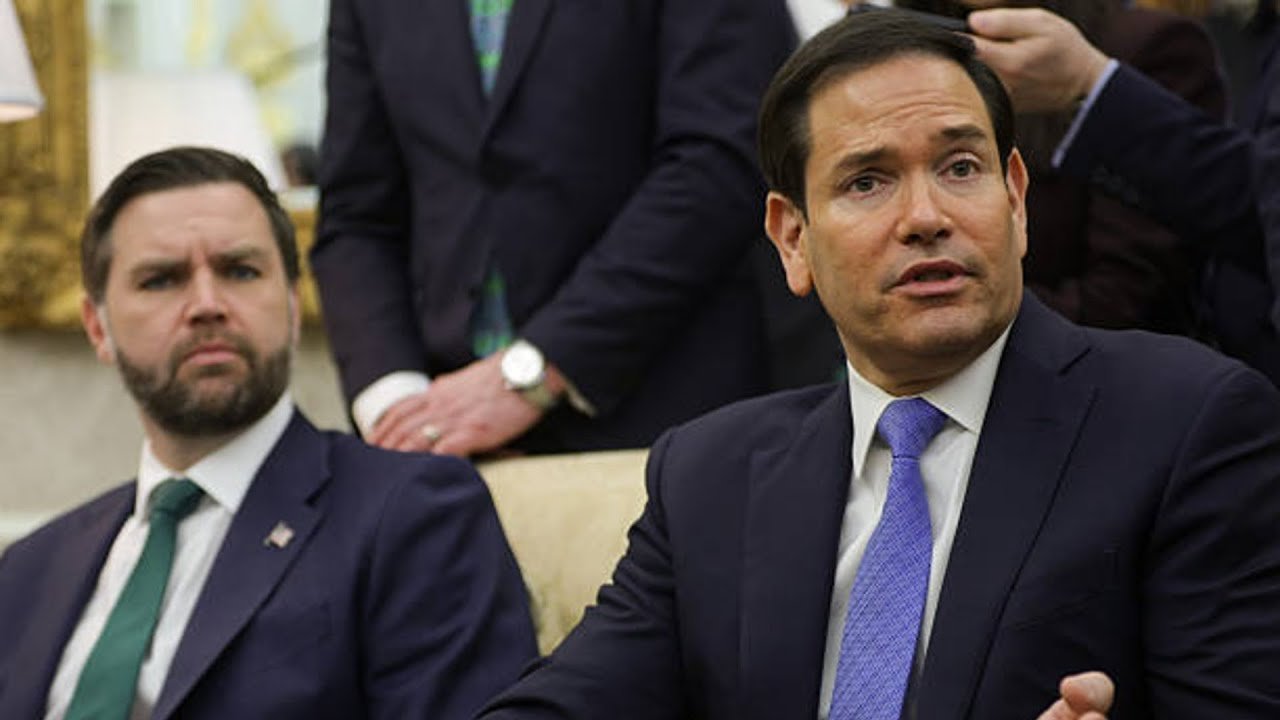
Despite the aggressive rhetoric, both US and Cuban officials have confirmed that “serious and sensitive” talks are underway. These discussions reportedly involve potential sanctions relief in exchange for significant economic or political reforms, though neither side has finalized an agreement.
Read also:
U.S declares national emergency and imposes tariffs on oil suppliers to Cuba
2026 Shield of the Americas Summit: A pivot to ‘Hard Power’