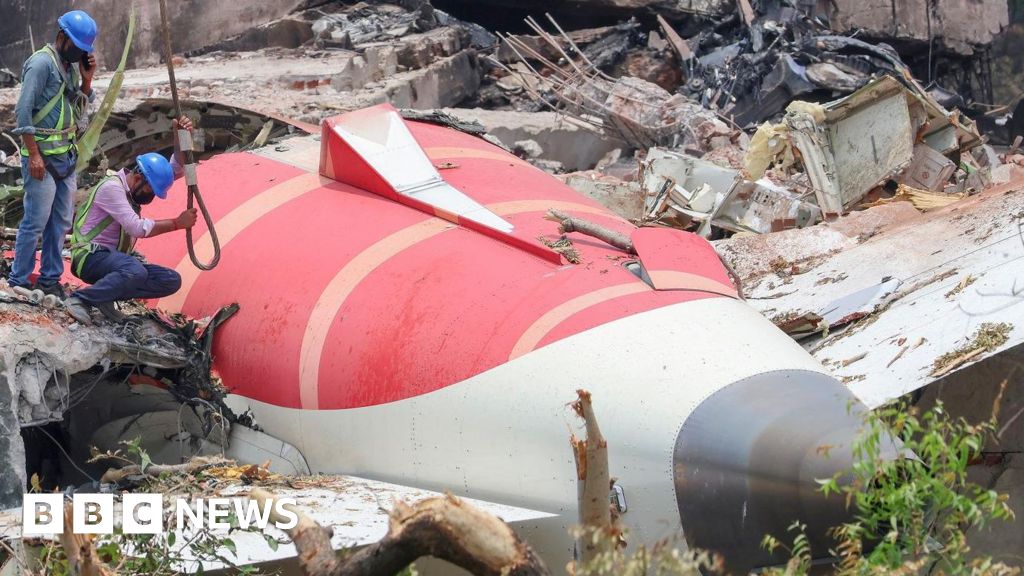
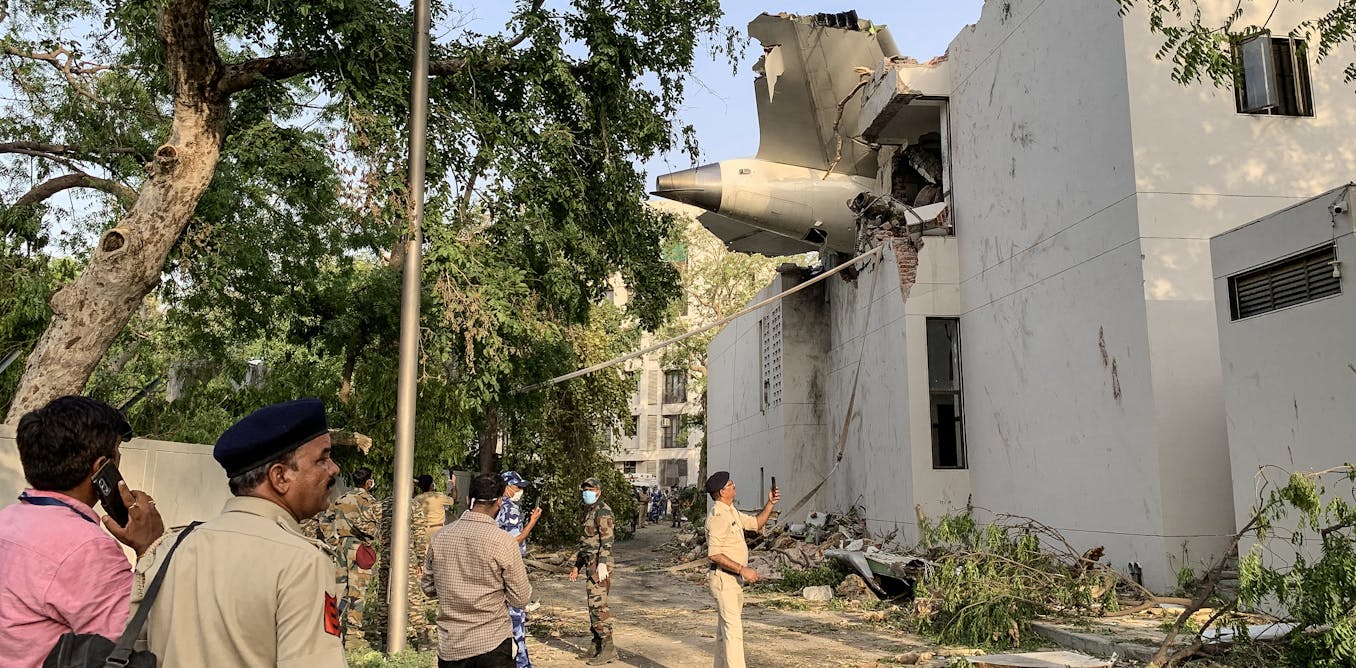
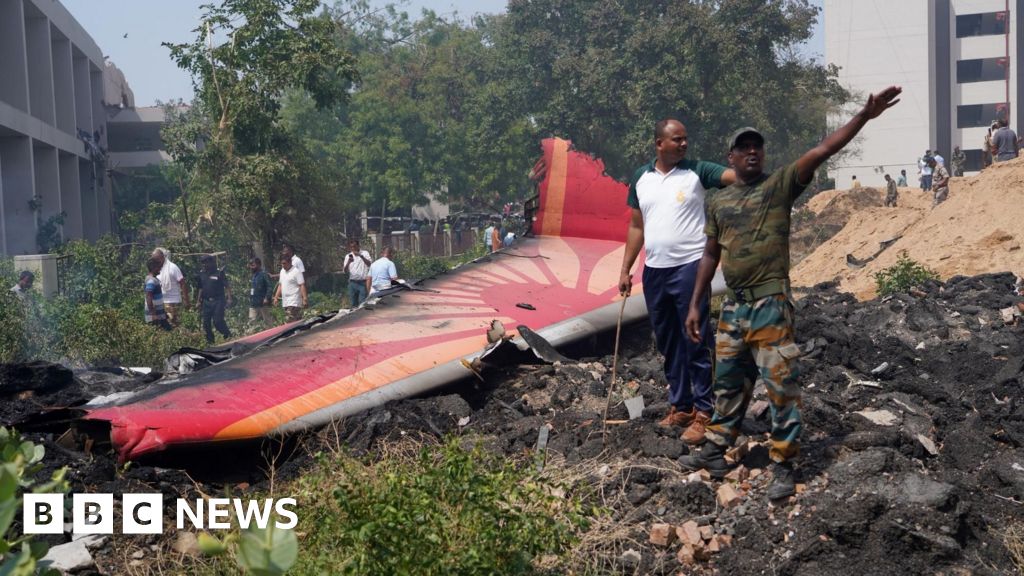
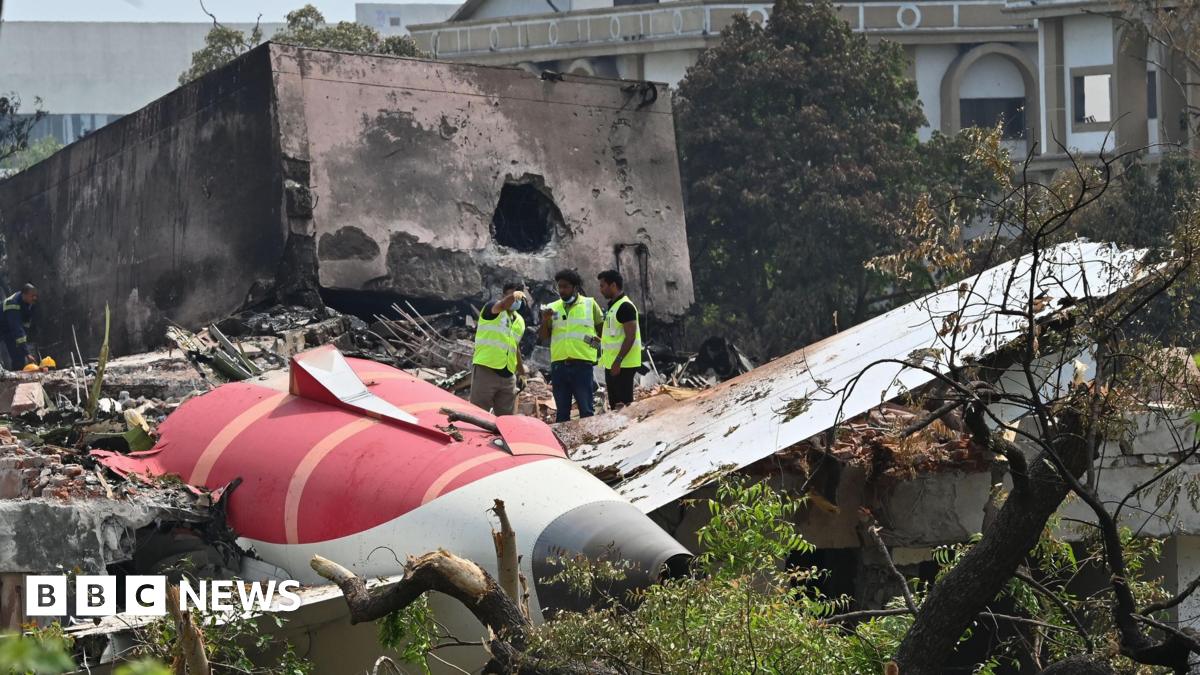
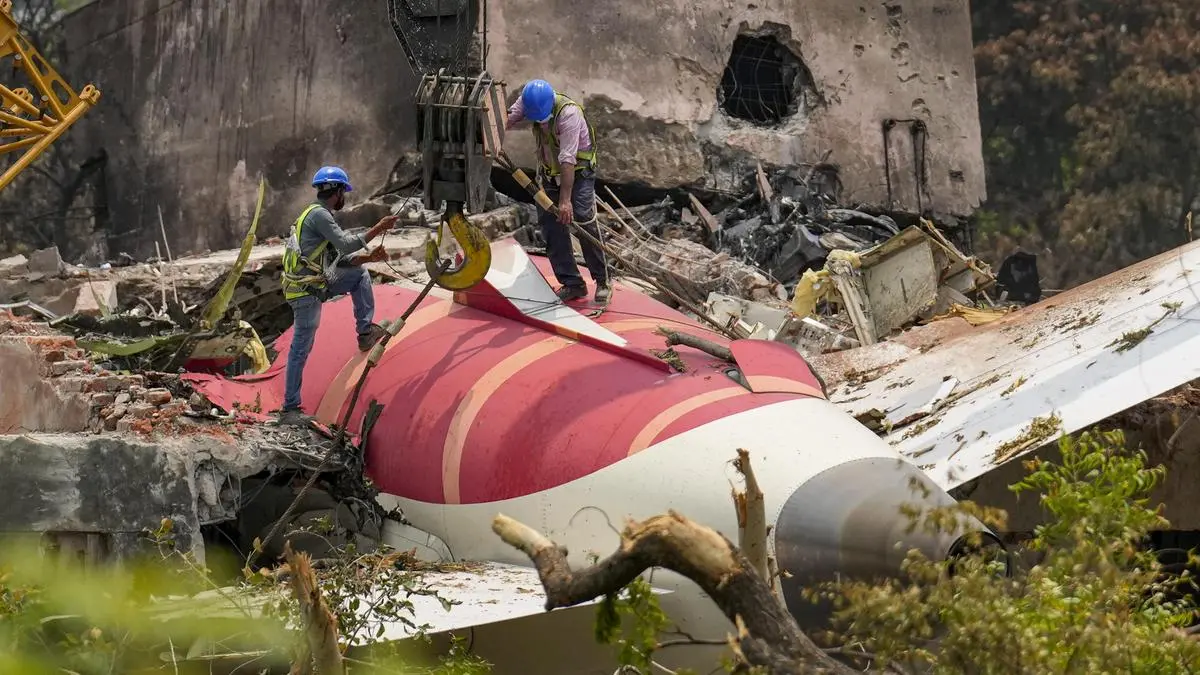
On 12 June 2025 at 13:39 IST, Air India Flight 171 operated by a Boeing 787-8 Dreamliner crashed just 32 seconds after takeoff from Ahmedabad. The aircraft struck a student hostel at B.J. Medical College approximately 1.7 kilometres from the runway.
A total of 260 people lost their lives, including 241 of the 242 occupants on board and 19 individuals on the ground. Sixty-seven others on the ground sustained serious injuries. The only survivor was 40-year-old British national Vishwash Kumar Ramesh, seated in 11A near an emergency exit, who escaped with minor injuries.
The aircraft was completely destroyed and several campus buildings were heavily damaged by the impact and subsequent fire. This tragedy marked the first fatal accident and total hull loss involving a Boeing 787 since the model entered service in 2011. It also became the deadliest air disaster of the 2020s, surpassing the Jeju Air Flight 2216 crash.
Investigation findings
A preliminary report issued on 12 July 2025 by India’s Aircraft Accident Investigation Bureau stated that data from the aircraft’s enhanced flight recorder indicated a dual-engine thrust loss. Both engines lost thrust roughly three seconds after liftoff because the fuel control switches moved from RUN to CUTOFF.
The cockpit voice recorder captured one pilot asking “Why did you cut off”, to which the other replied, “I did not do so”. Pilots moved the switches back to RUN and the Ram Air Turbine deployed for backup power. One engine partially relit but the aircraft lacked sufficient altitude to recover.
The report did not identify the reason behind the switch movement and the investigation remains ongoing.
Recent developments
In mid-January 2026, a whistleblower report submitted to the US Senate alleged the aircraft had a decade-long history of latent defects including repeated electrical failures and a major fire in 2022 that necessitated replacing a primary power panel.
There is ongoing tension between US and Indian investigators. Some US officials have suggested potential deliberate pilot action, a theory strongly rejected by Indian pilot unions and aviation safety groups citing the aircraft’s documented electrical instability.
Critics point to partially decoded ACARS messages transmitted 15 minutes before the crash, which indicated faults in electrical systems and flight control modules that were not displayed to the pilots in the cockpit.
Broader implications
The crash has intensified scrutiny of Boeing 787 safety records, aircraft maintenance history and the coordination between international aviation investigators. It also highlighted gaps in cockpit warning systems that failed to alert pilots to critical electrical faults before the disaster.


Read more: 2025 Potomac River Collision