




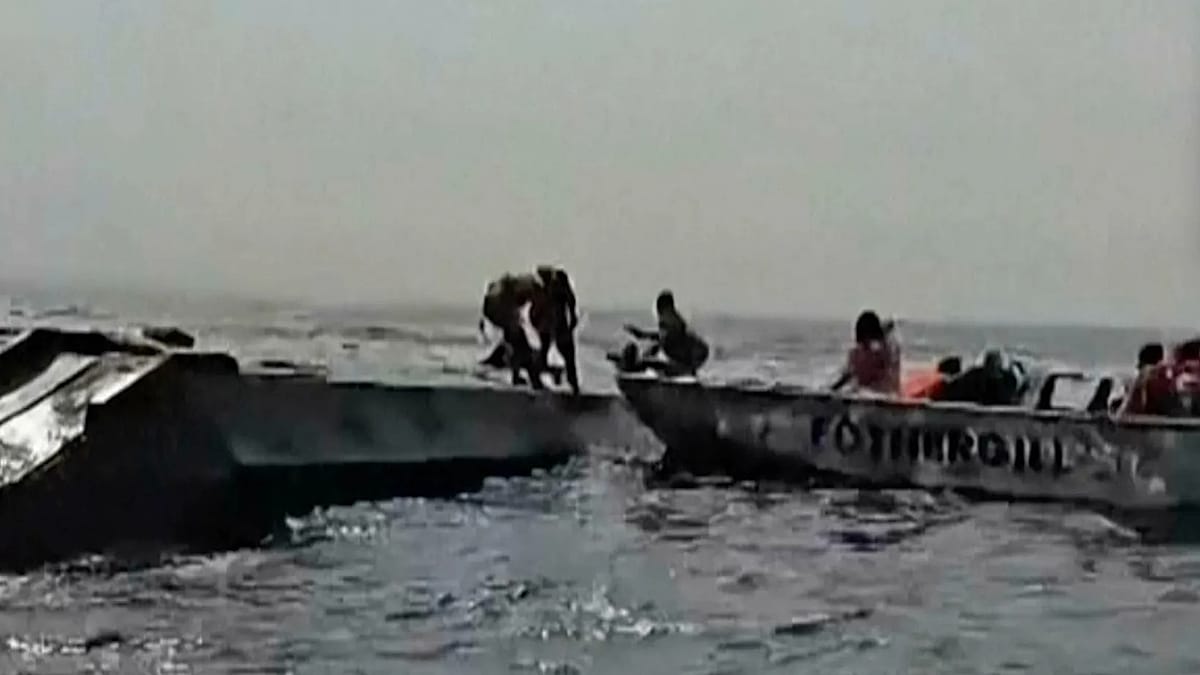


Zimbabwe’s worst transport disaster on record has left families mourning after the passenger ferry Mbuya Nehanda overturned on Lake Kariba during a journey from Kariba town to the remote community of Chalala on August 11.
At least 97 people have been confirmed dead, according to the latest available reports, surpassing the previous national record of 89 deaths in a 1991 bus crash. Search and recovery operations continued after the sinking, while 77 people were rescued from the water and the overturned vessel.
Ferry was carrying twice its capacity
The ferry was legally permitted to carry 90 passengers, but Zimbabwean authorities said approximately 180 people—and a substantial amount of commercial luggage—were on board when the vessel capsized.
Earlier reports gave varying estimates of the number of passengers. The Civil Protection Unit said ticket records showed 114 adult passengers, while officials later acknowledged that the total number aboard may have been significantly higher once children and unregistered passengers were included.
The vessel was serving communities on the southern shores of Lake Kariba, where ferry travel is an important and often inexpensive link to Kariba town. Passengers reportedly included parents, traders and children returning home for school holidays.
Lake Kariba is one of the world’s largest artificial reservoirs and straddles the border between Zimbabwe and Zambia. Its waters support transport, fishing and hydroelectric power generation, but conditions can become dangerous when strong winds create large waves.
Rough weather and safety failures
The ferry capsized after being struck by strong waves, according to police and eyewitness accounts. Survivors said the captain continued the journey despite deteriorating weather and pleas from passengers to turn back.
One survivor, trader Itayi Marumisa, told the BBC that the ferry was heavily loaded with goods and that life jackets were difficult to reach because they had been placed beneath passenger luggage.
“Not more than 30 people managed to get them,” Marumisa said, according to the BBC.
Reports also indicated that the ferry was operating with only one functioning engine. When waves overwhelmed the vessel, water reportedly submerged the bilge pump and disabled the remaining engine, leaving the crew unable to regain control.
The combination of overcrowding, heavy cargo, worsening weather, limited access to life jackets and mechanical problems has intensified scrutiny of the country’s maritime safety systems. Authorities have described the disaster as involving negligence and human error, although formal investigations are still expected to establish individual and institutional responsibility.
Children among the dead
The disaster has had a particularly devastating impact on families from remote lakeside communities. Officials said dozens of children were among those killed, including children under the age of 10 and an infant.
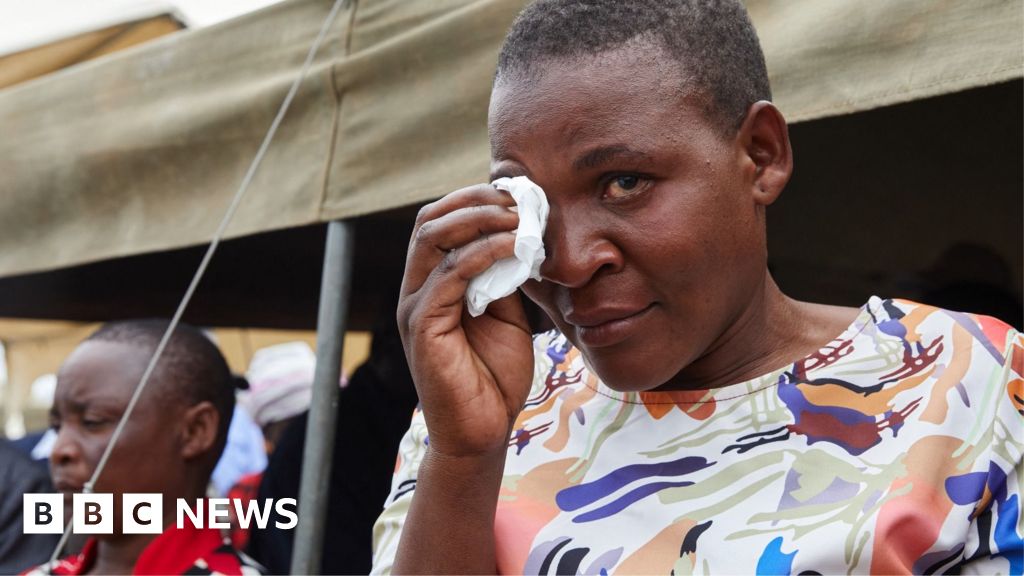
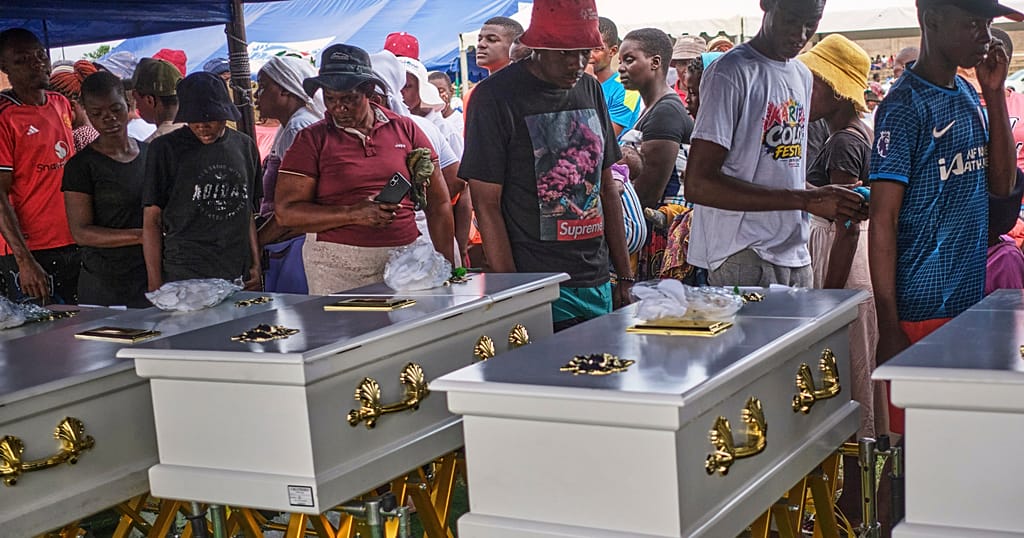
The BBC reported that 39 children were among the victims whose identities had been established at the time of its latest report. Identifying the dead has proved difficult, with some families relying on clothing and personal belongings. Officials warned that DNA testing could be necessary in cases where remains could not be identified visually.
Local leaders described families losing multiple members in the disaster. In some cases, children were reportedly left without both parents or lost several siblings in the same crossing.
The tragedy has also left relatives uncertain about the fate of people who may have been aboard but were not included in official passenger records.
Government declares state of disaster
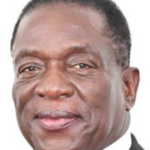
President Emmerson Mnangagwa declared a national state of disaster soon after the ferry sank, allowing the government to mobilize additional emergency resources.
The rescue effort involved army boats, police divers, the Civil Protection Unit, the Zimbabwe Parks and Wildlife Management Authority and local boat operators. Bodies were recovered over several days, with some reportedly drifting away from the original sinking site toward Zambian waters.
The government has acknowledged shortcomings in the transport infrastructure serving isolated communities. Officials have promised to provide a replacement vessel and rehabilitate alternative road links so residents are not dependent on a single ferry route.
The response has drawn condolences from international figures, including Pope Leo XIV, as communities around Kariba held memorial services for the victims.
Questions over accountability
The growing death toll has raised questions about why an overloaded vessel was permitted to leave, whether weather warnings were acted upon and why essential safety equipment was inaccessible during the emergency.
For communities around Lake Kariba, the ferry was more than a passenger vessel. It was a lifeline connecting isolated settlements to markets, schools, health services and government offices. The disaster has therefore exposed not only the immediate failures aboard the Mbuya Nehanda, but also the wider risks faced by people who rely on unsafe transport because safer alternatives are unavailable.
The investigation will determine how responsibility is assigned. But for the families waiting to identify relatives and bury their dead, the consequences of the crossing’s failures are already irreversible.