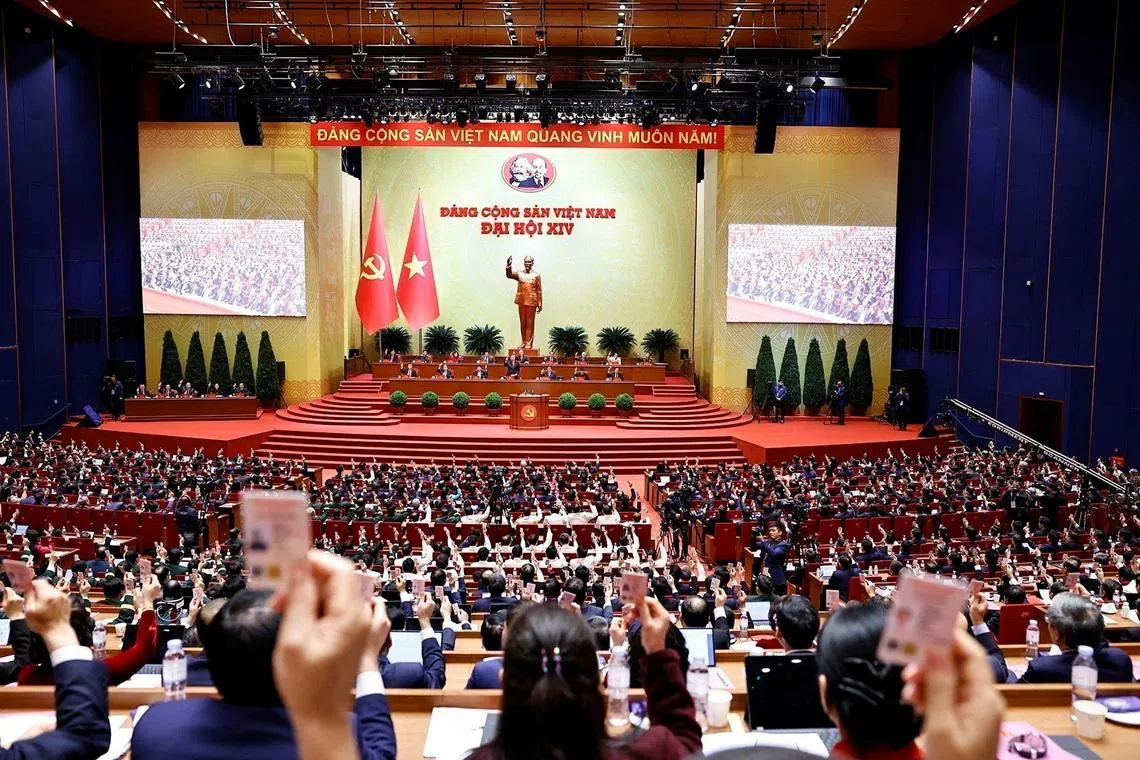
The Communist Party of Vietnam (CPV) wrapped up its 14th National Congress in Hanoi on January 23, 2026, two days earlier than scheduled after delegates reached what state media described as “complete unanimity.” Held every five years, the congress is the country’s most significant political gathering, setting the leadership lineup and long-term policy agenda for the next term.
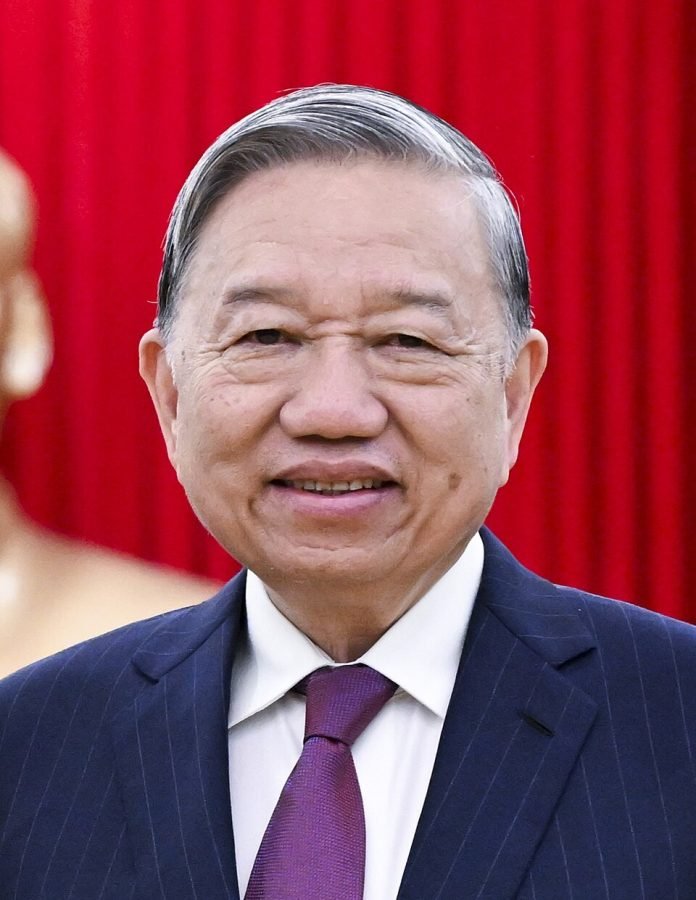
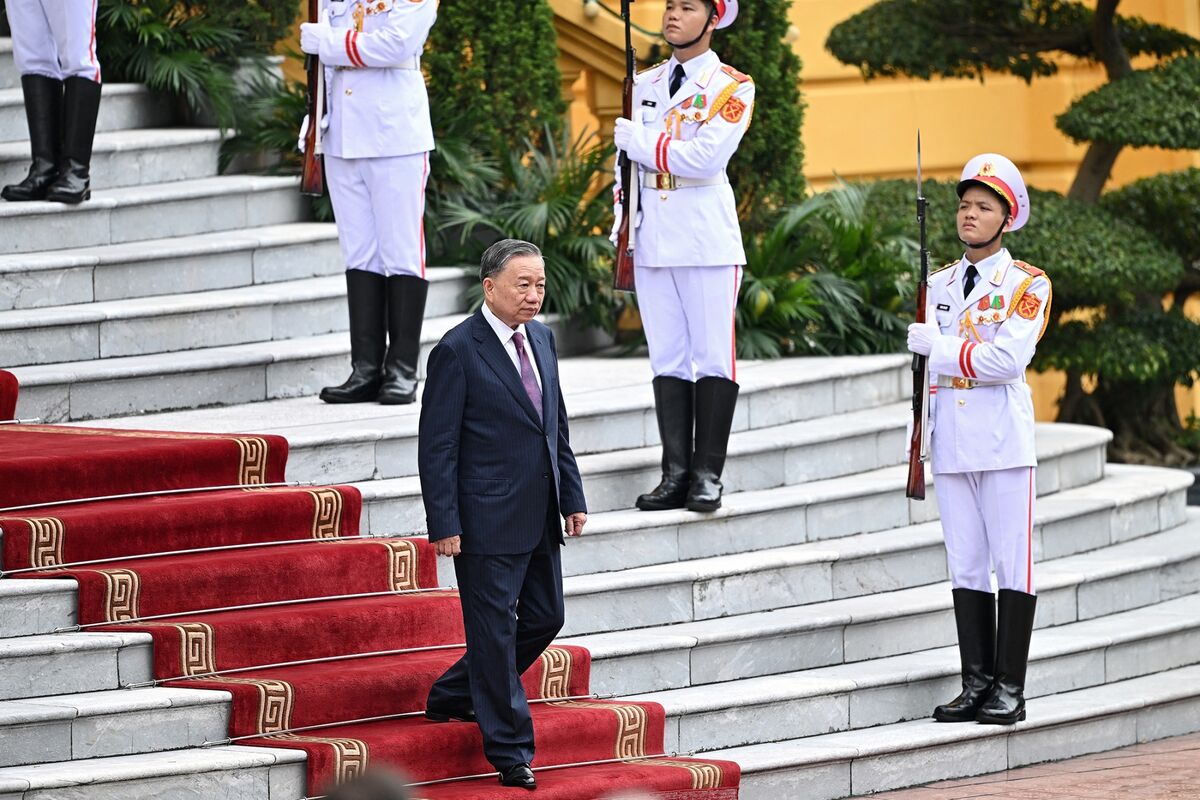
To Lam was unanimously re-elected as General Secretary for the 2026–2031 term, reaffirming his position at the heart of Vietnam’s political system. His re-election consolidates the leadership structure he built during his first term, marked by sweeping anti-corruption drives and administrative restructuring across state and party institutions.
A new 200-member Central Committee was elected on January 22, followed by the selection of a 19-member Politburo and a new Secretariat to oversee daily party operations. Tran Cam Tu was reaffirmed as Standing Secretary of the Secretariat, signaling stability and institutional continuity at the top.
Ambitious Economic Vision
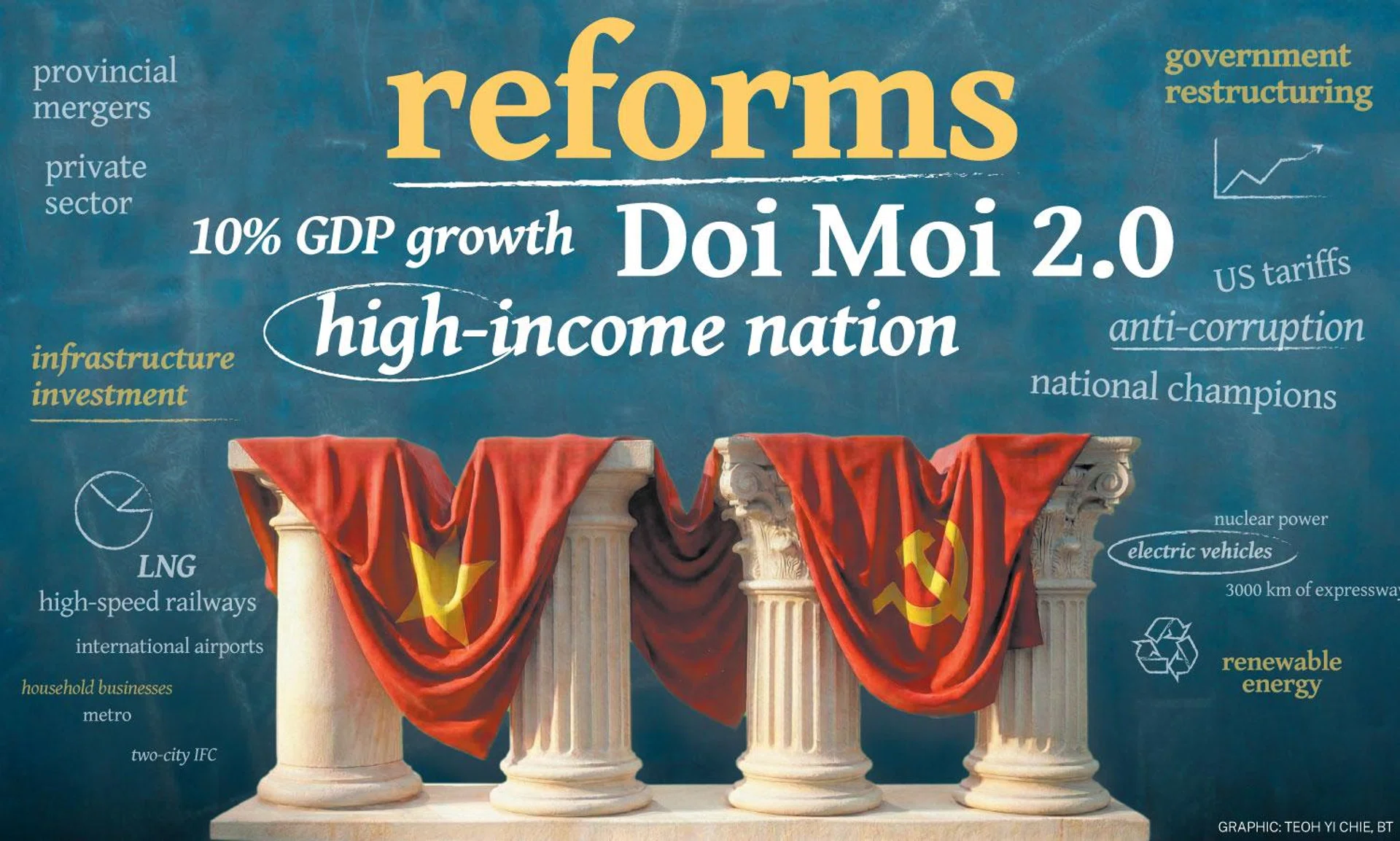
Beyond personnel changes, the congress introduced an ambitious economic vision aimed at transforming Vietnam into a high-income nation within two decades. The CPV set an average annual GDP growth target of at least 10% for the 2026–2030 period, a rate that would outpace most economies in the region.
Vietnam aims to reach upper-middle-income status by 2030, with per capita income around USD 8,500, and achieve developed-nation status by 2045. The congress outlined three “strategic breakthroughs” to drive this transition: modernizing national institutions, developing a highly skilled workforce in science and technology, and building world-class physical and digital infrastructure.
These priorities mark a continuation of Vietnam’s long-term reform efforts, with a stronger emphasis on innovation and structural modernization.
Global Reactions and Diplomatic Significance
Foreign leaders quickly extended congratulations following the announcement of Vietnam’s new leadership team. US President Donald Trump expressed hope for a “fair and balanced trade agreement,” while China’s President Xi Jinping dispatched a special envoy to Hanoi, describing To Lam’s re-election as having “profound political significance” and pledging to deepen trust between the two communist parties.
Singapore’s Prime Minister Lawrence Wong highlighted expanded collaboration under the Comprehensive Strategic Partnership, especially in the green transition and digital economy. Elsewhere, Russian and South Korean officials described the congress outcome as a positive step for cooperation in technology, science, and regional security.
The chorus of warm responses reinforced Vietnam’s delicate diplomatic balance between global powers — a strategy that has become a cornerstone of its foreign policy.
Economic Reactions and Investor Sentiment
Investors and analysts largely welcomed the leadership continuity as a signal of political stability, an essential factor for Vietnam’s capital-intensive industrial and export sectors. Analysts said the congress outcome would reassure foreign firms already expanding operations in the country, particularly in electronics, logistics, and renewable energy.
However, experts at the Council on Foreign Relations cautioned that the 10% annual growth target could be “almost dream-like” amid a cooling global economy and supply chain realignment. Still, To Lam’s endorsement of the private sector as the “most important driving force” was seen as a potentially transformative shift in economic thinking, emphasizing market vitality over bureaucratic control.
Domestic Reactions: Confidence and Control
At home, state media reported a mood of “fresh momentum” and strong public confidence in the new leadership. Many overseas Vietnamese have also described the congress as an opportunity for a decisive leap in national development.
Yet beneath the surface of unity, some reports hinted at growing unease among segments of the civil service affected by Lam’s consolidation of power through administrative reforms, including significant staff reductions. Analysts also noted the increased presence of military and security figures in the new Central Committee, suggesting a lean toward stricter discipline and centralized governance.
What Comes Next
The party congress sets the strategic direction, but formal state leadership transitions will follow at the polls. The general election for the 16th National Assembly and People’s Councils is scheduled for March 15, 2026, during which positions such as president and prime minister will be formally confirmed.
With the congress concluded, Vietnam now enters a new political cycle defined by continuity at the top, bold economic aspirations, and the careful balancing act of maintaining both domestic unity and international pragmatism.