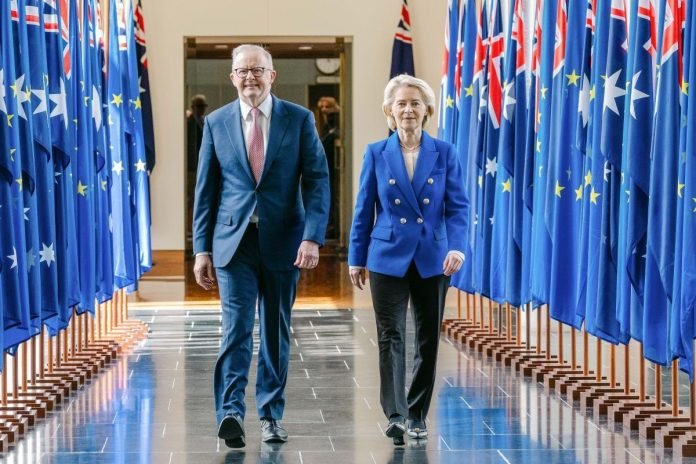
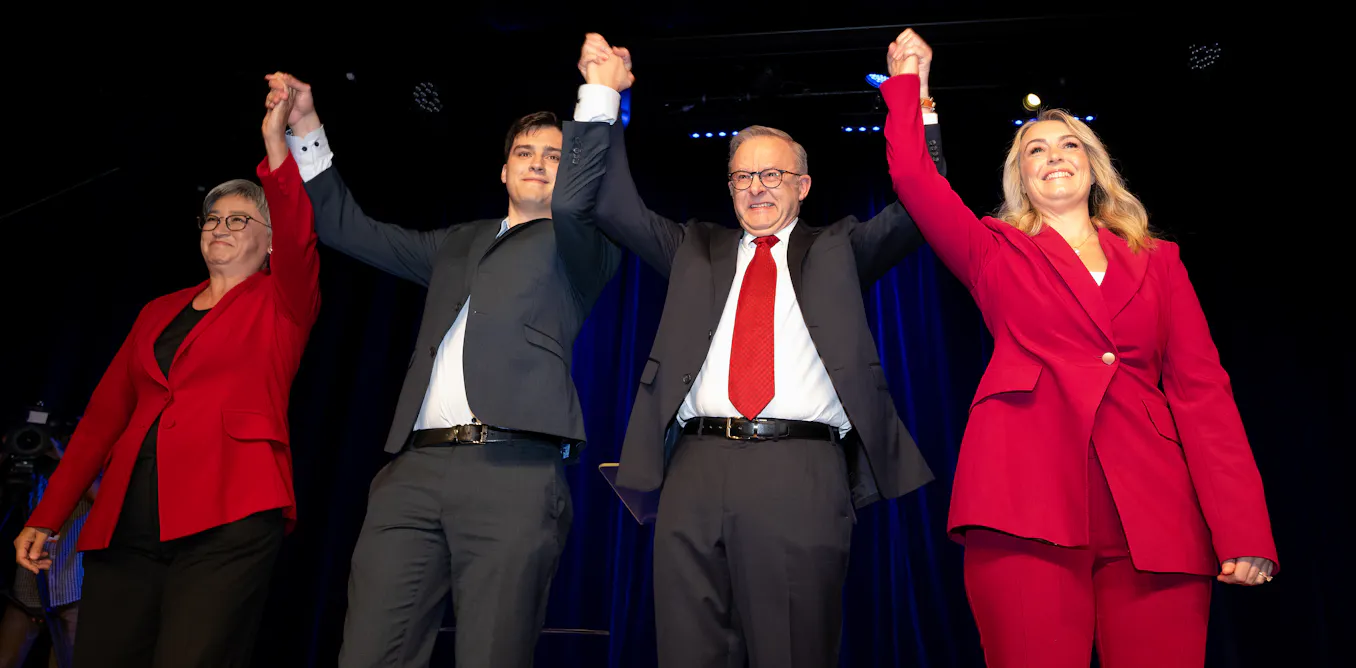
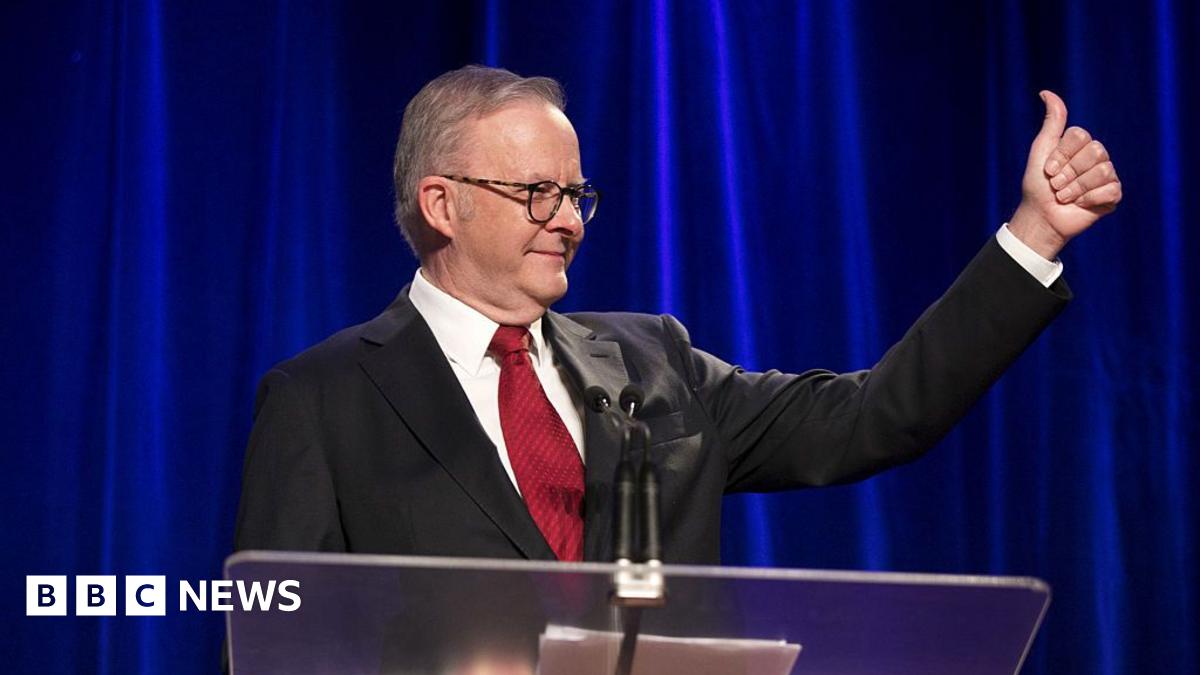
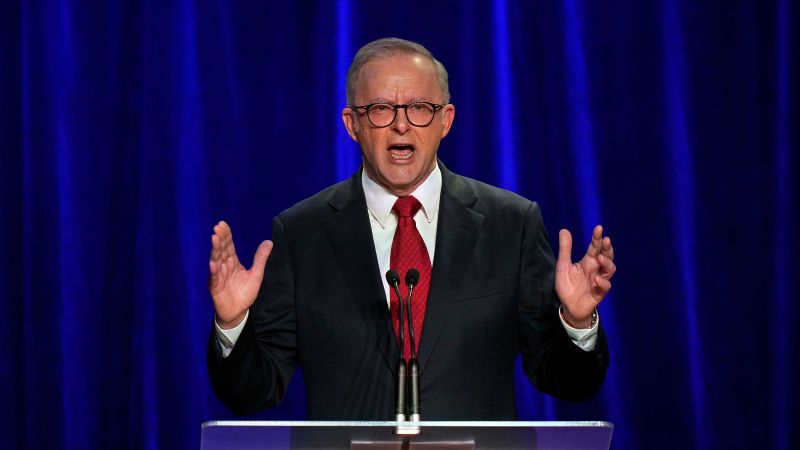
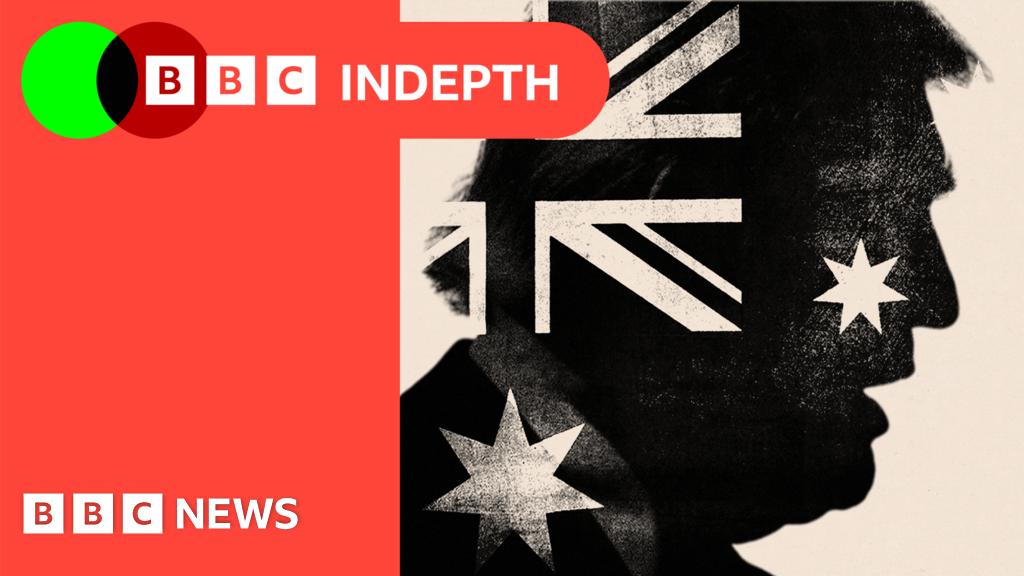
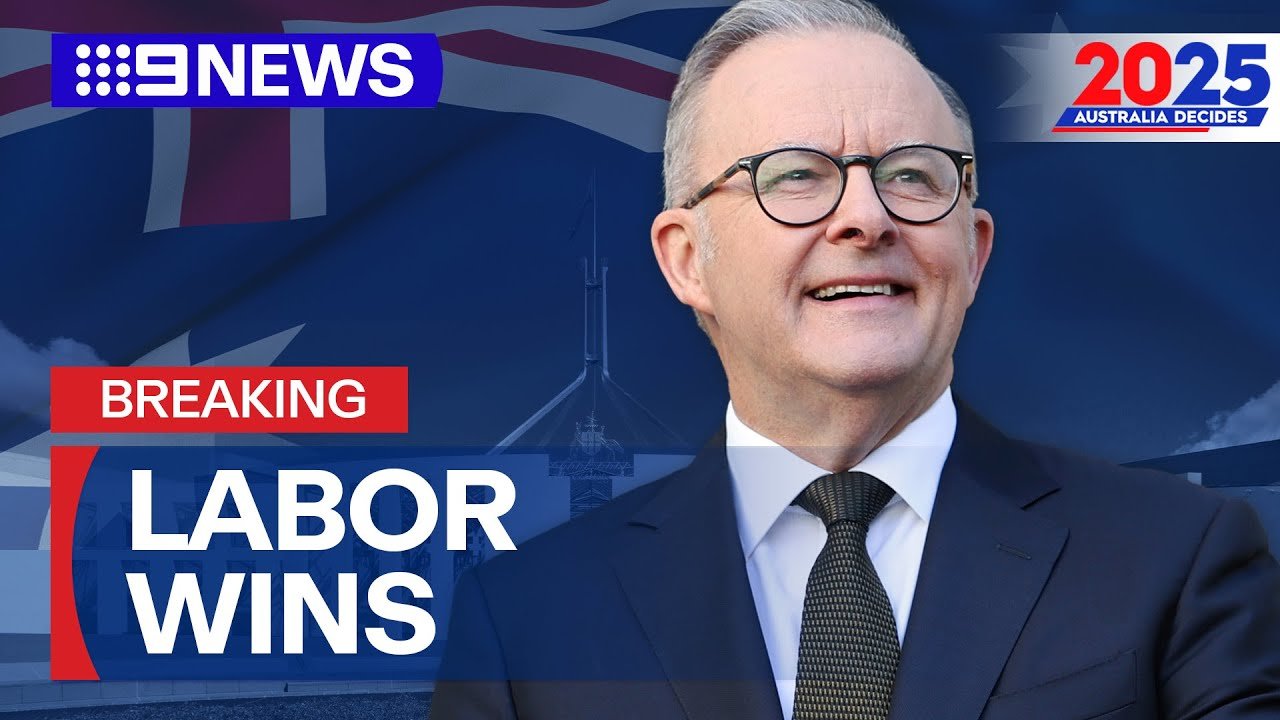
Australia’s incumbent Labor Party, led by Prime Minister Anthony Albanese, won a historic second term in the 3 May 2025 federal election, securing a landslide victory that significantly expanded its parliamentary majority and reshaped the country’s political landscape.
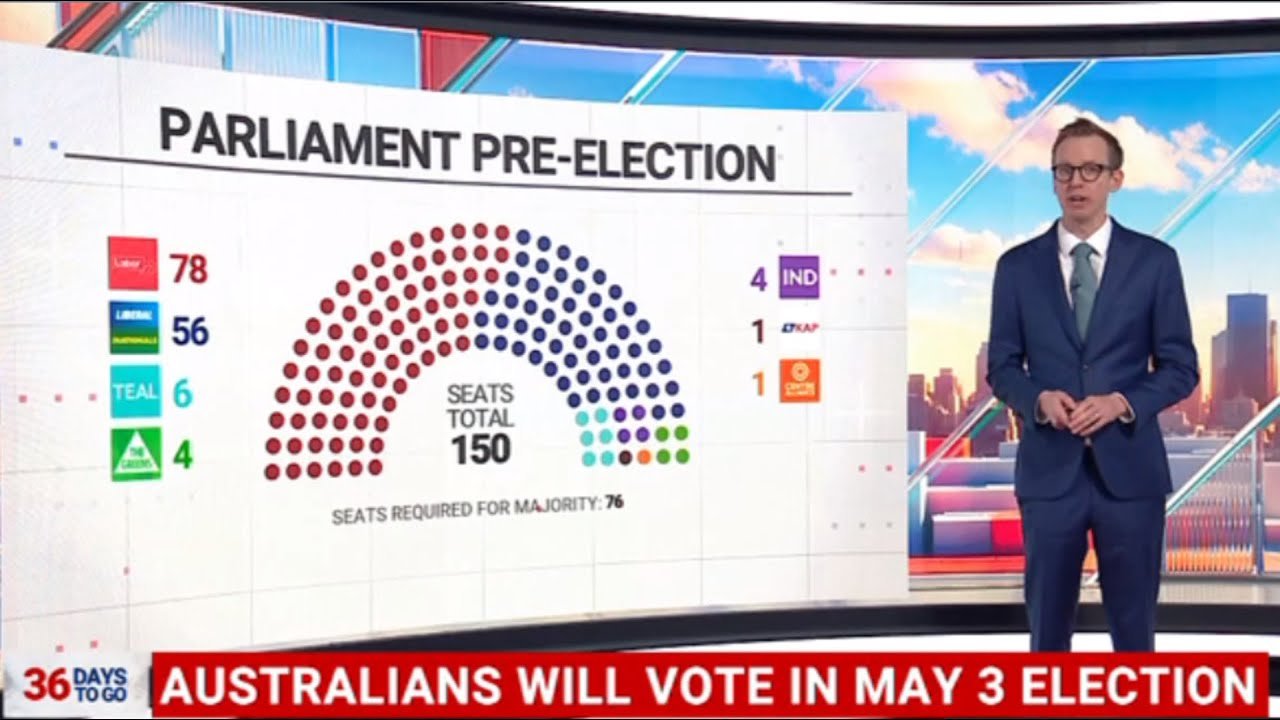
The election for the 48th Parliament of Australia contested all 150 House of Representatives seats and 40 of the 76 Senate seats. Labor won 94 House seats, up 17, while the Liberal–National Coalition fell to 43 seats after losing 15. Independents won 10 seats, and the Greens, Katter’s Australian Party and Centre Alliance each won one seat.
Labor also became the largest party in the Senate for the first time since 1984, winning 29 seats. The Coalition held 27, the Greens won 11 and One Nation secured four. National turnout reached 90.7 percent, slightly above the already high 2022 level, and official results were certified by the Australian Electoral Commission on 12 June 2025.
Albanese remained Prime Minister after the win, while Opposition Leader Peter Dutton lost his seat of Dickson and resigned. Sussan Ley became the first female leader of the Liberal Party on 13 May 2025, before later facing an internal challenge from Angus Taylor in early 2026. The Greens also saw major leadership change after Adam Bandt lost his seat and Larissa Waters took over on 15 May 2025.
Cost of living dominated the campaign
The election was driven by a broad cost-of-living crunch and debate over Australia’s energy future. Inflation, weak productivity growth and housing affordability were the dominant issues for voters, especially younger Australians.
Labor campaigned on direct relief measures, including a $1,000 instant tax deduction for workers, a higher minimum income threshold for student loan repayments, a pledge to build 1.2million new homes and support for a Help to Buy scheme allowing first-home buyers to enter the market with a 5 percent deposit.
The Coalition countered with a $1,200 tax rebate for middle-income earners, a 25 percent reduction in the fuel excise and a housing proposal allowing Australians to use up to $50,000 from their superannuation for a home deposit. It also proposed mortgage interest tax deductibility.
Energy divided the major parties
Energy policy produced the sharpest contrast in the race. Labor backed a renewable-led grid and green manufacturing, while the Coalition campaigned on a controversial plan to build seven nuclear power plants over 20 years, arguing it would provide stable baseload power. Both parties supported extending $150 household energy rebates.
Healthcare and Medicare also featured prominently. Labor promised a $9billion investment to ensure 90 percent of GP visits would be bulk-billed by 2030, while the Coalition focused on youth mental health and pledged $1billion for upgraded services and specialist care centres.
Global context and foreign policy
The election took place against a backdrop of international uncertainty, including US tariffs and the more transactional tone of the second Trump administration.
Labor used that environment to argue for stable leadership. Both major parties remained committed to the AUKUS submarine program, though they differed on the pace of defence spending increases.
Political fallout
Albanese described the result as a vote for unity rather than division and became the first Labor leader since Bob Hawke to win consecutive elections. The Coalition, by contrast, was left reeling after what critics described as a complete catastrophe, with senior figures calling for a serious review of the Dutton experiment and the party’s difficulty connecting with younger and urban voters.
The National Party formally split from its 60-year alliance with the Liberal Party on 20 May 2025, citing deep policy disagreements over renewable energy. The Greens lost two Queensland seats to Labor but recorded their highest-ever national vote share, while teal independents largely held their ground in traditionally conservative inner-city seats.
International reactions
The election took place against a backdrop of international uncertainty, including US tariffs and the more transactional tone of the second Trump administration. Labor used that environment to argue for stable leadership. Both major parties remained committed to the AUKUS submarine program, though they differed on the pace of defence spending increases.
World leaders quickly congratulated Albanese, framing the result as a boost for regional stability. UK Prime Minister Keir Starmer praised the long-distance friendship and AUKUS partnership, US Secretary of State Marco Rubio called Australia a valued friend and close partner, and Ukrainian President Volodymyr Zelenskyy thanked Australia for its unwavering support. Papua New Guinea Prime Minister James Marape was reportedly the first world leader to call Albanese after the result.
Markets initially welcomed the return of a majority government, though government bond yields rose on expectations of continued high fiscal spending. Renewable energy supporters praised the outcome as a rejection of the Coalition’s nuclear agenda, while analysts said the Liberal defeat reflected a broader backlash against Trump-style politics and the party’s growing disconnect from professional women and Millennials.
Why it matters
Labor’s landslide gives Albanese one of the strongest mandates of any Australian prime minister in years and leaves the Coalition facing a deep strategic reset. The result also sharpens the political divide over climate policy, housing and economic management, while reinforcing Australia’s alignment with stable, pro-alliance foreign policy in an uncertain global environment.
Read also:
Australia bans social media for 2.6m minors
Terrorist attack at Bondi Beach Australia 2025