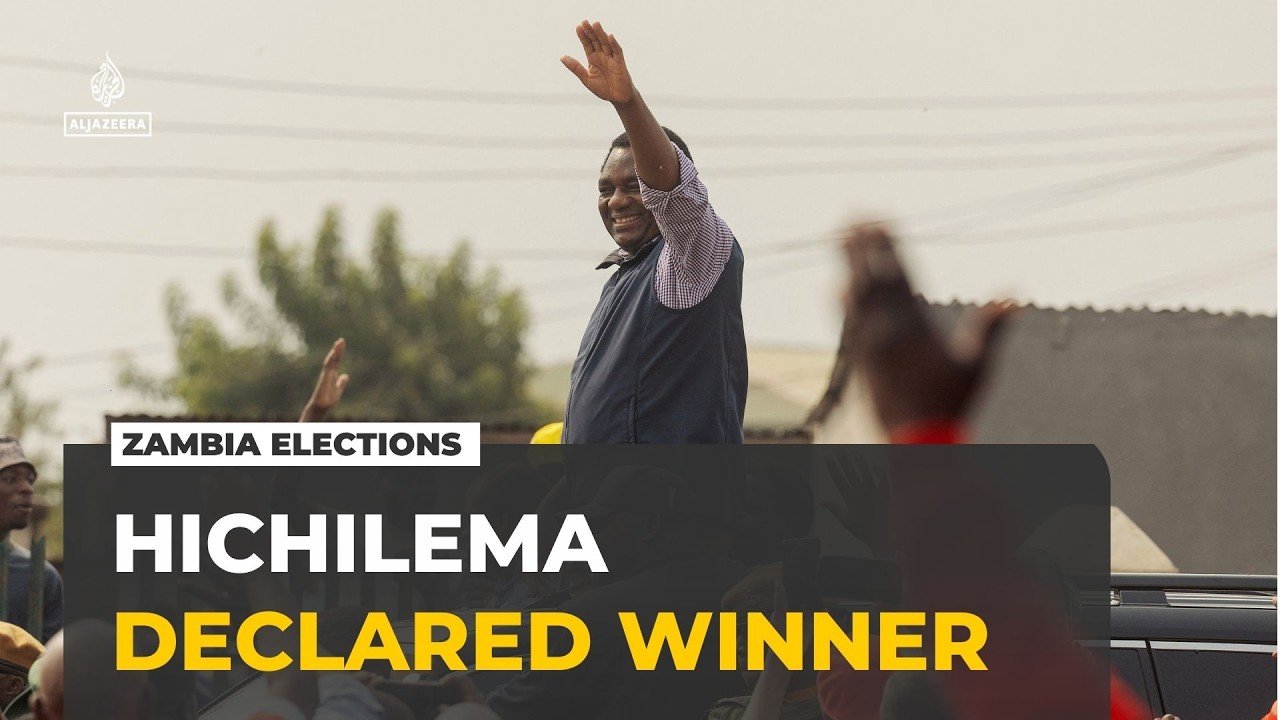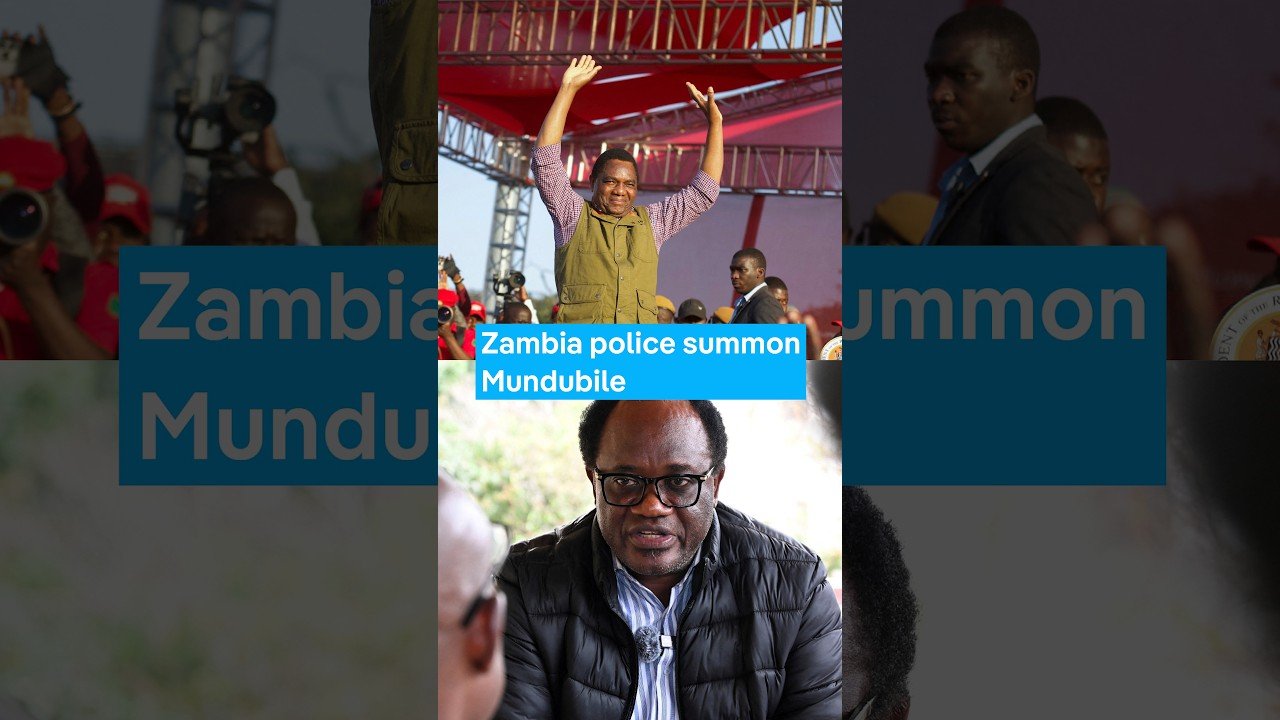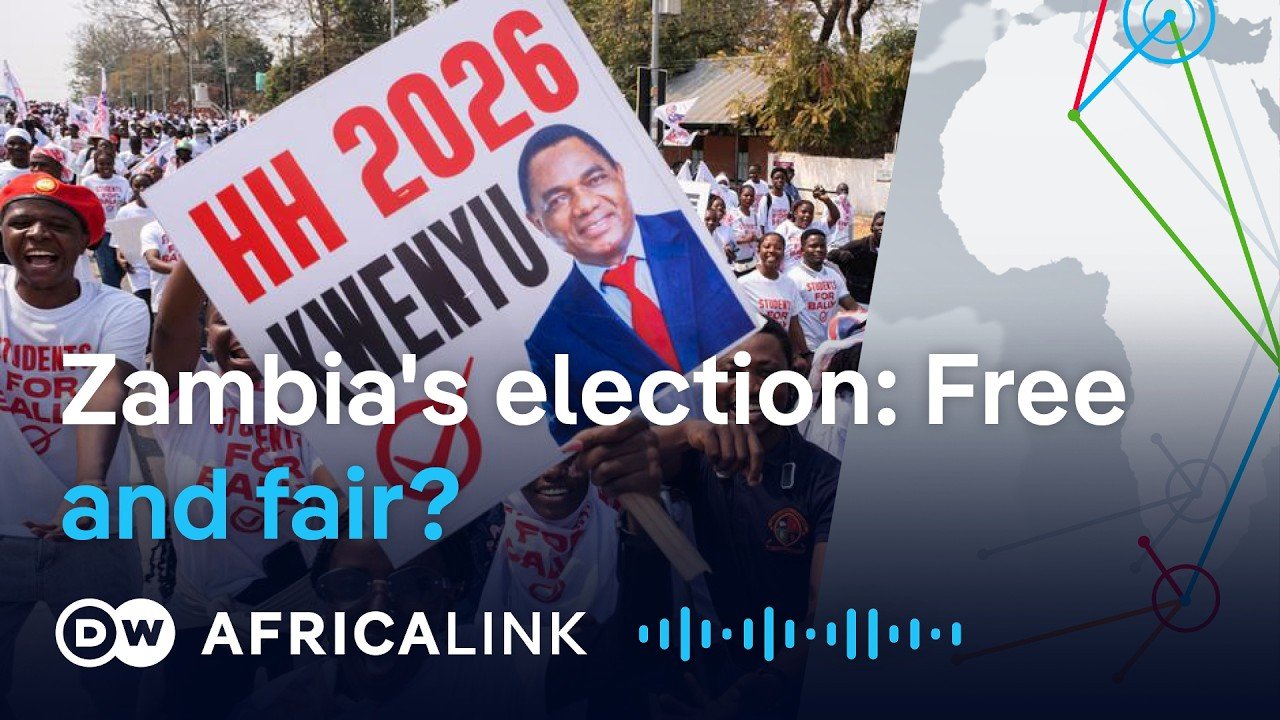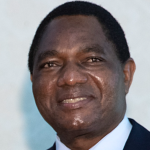

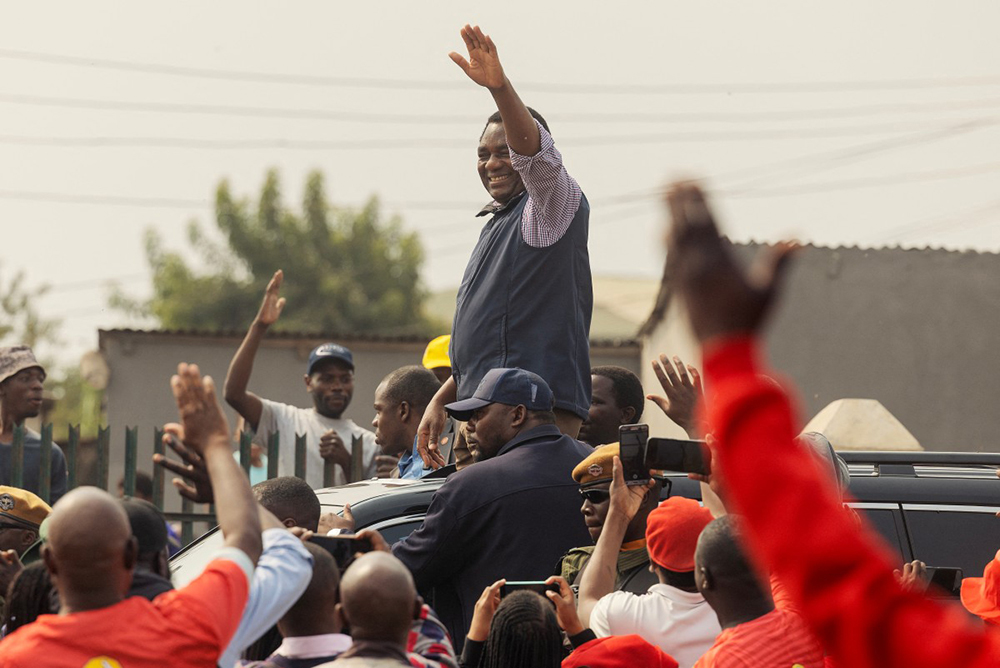

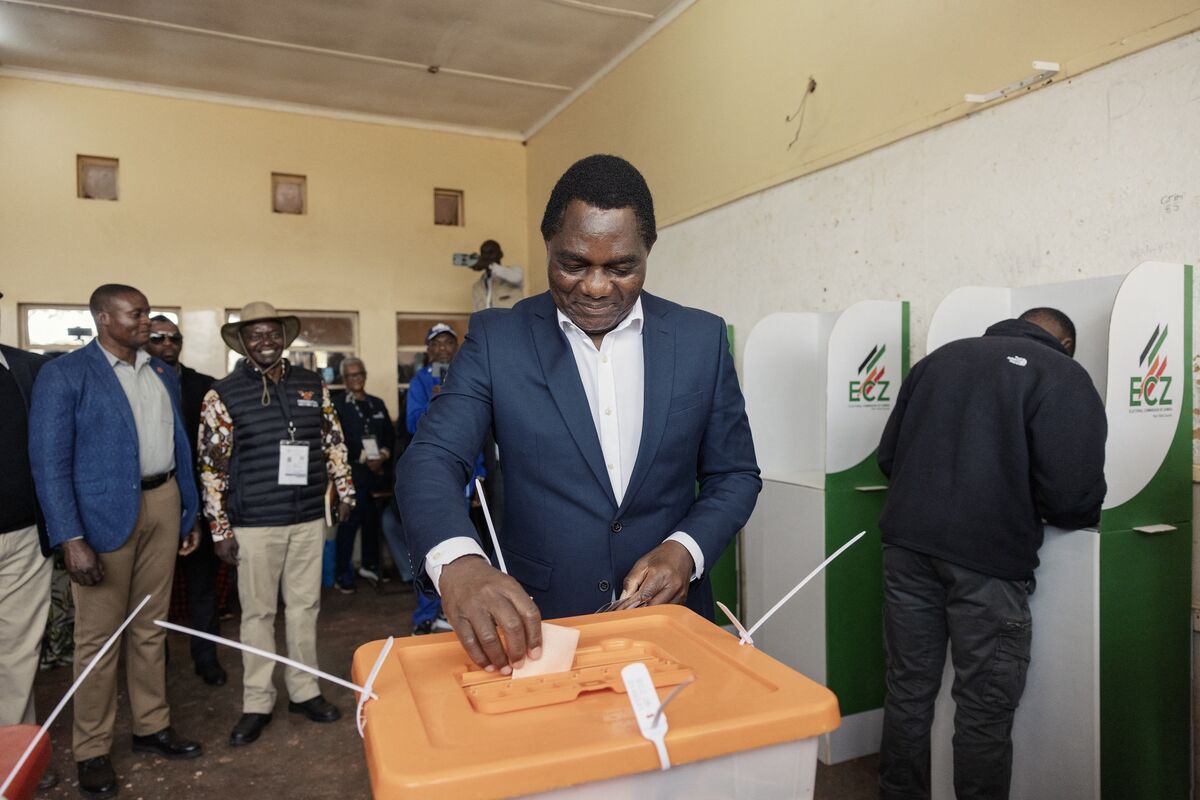
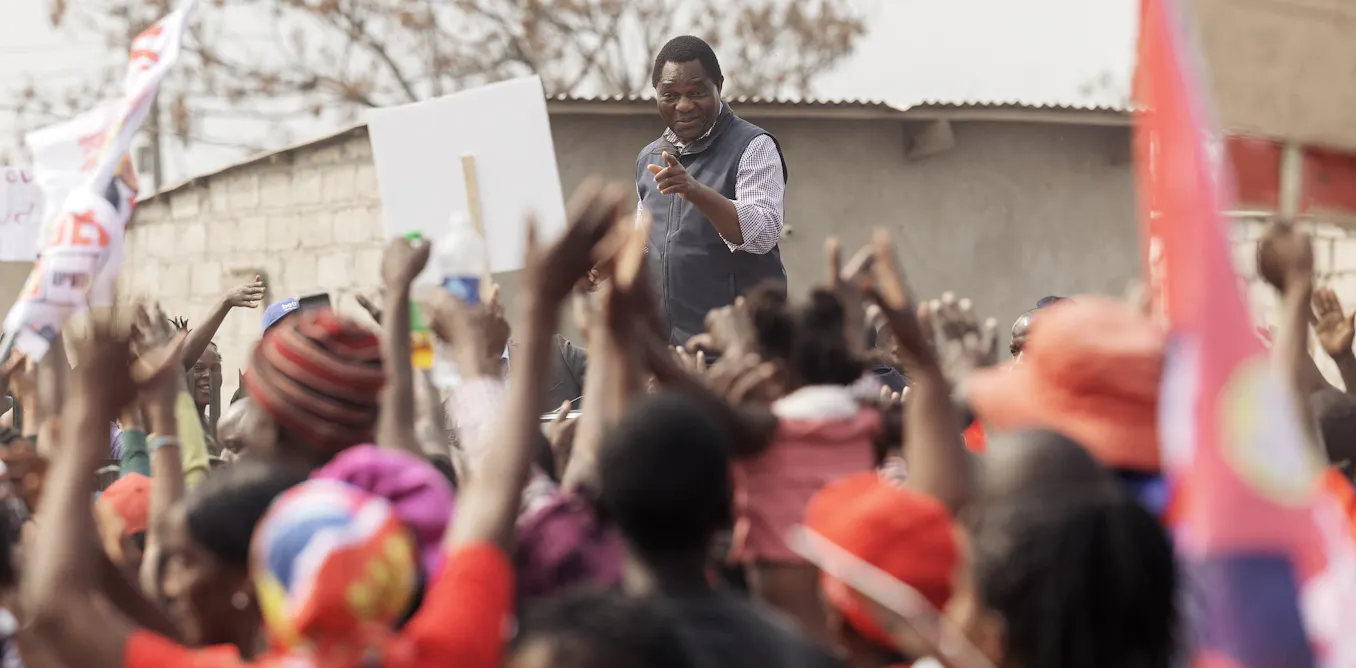

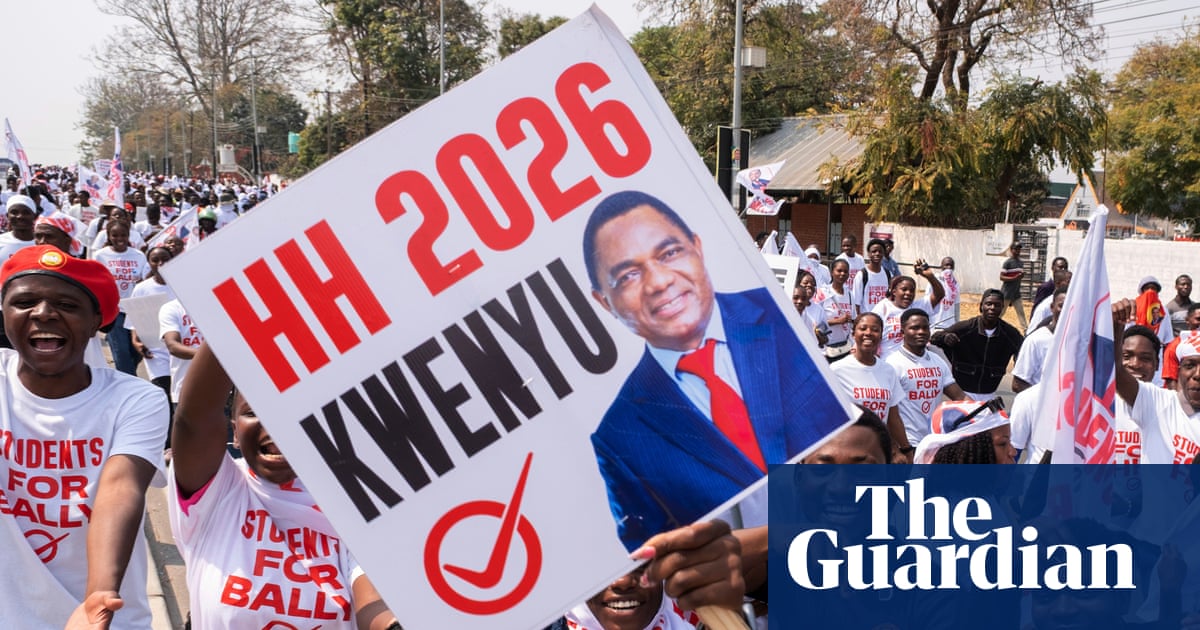


Zambian President Hakainde Hichilema secured a second five-year term after the Electoral Commission of Zambia (ECZ) ratified his first-round victory on 18 August 2026, awarding him 60.49% of valid votes—2,965,326 ballots—against 37.87% (1,856,217 votes) for his main challenger, Brian Mundubile.
The result, confirmed after a brief nationwide suspension of vote counting over security incidents, handed Hichilema and his United Party for National Development (UPND) a decisive mandate while underscoring persistent cost-of-living pressures that fueled an unexpectedly strong opposition showing.reuters+6
Hichilema’s running mate, Mutale Nalumango, remains vice-president after the UPND ticket cleared the 50%+1 threshold, avoiding a runoff. Mundubile, a former minister who broke with the ruling party to form NRPUP, emerged as the principal opposition figure in a race that quickly narrowed to a two-horse contest.
How the vote unfolded: From Polling Day to ratification
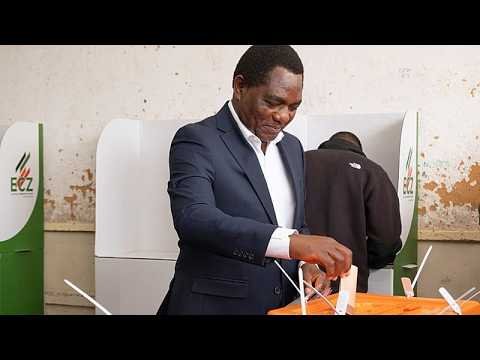
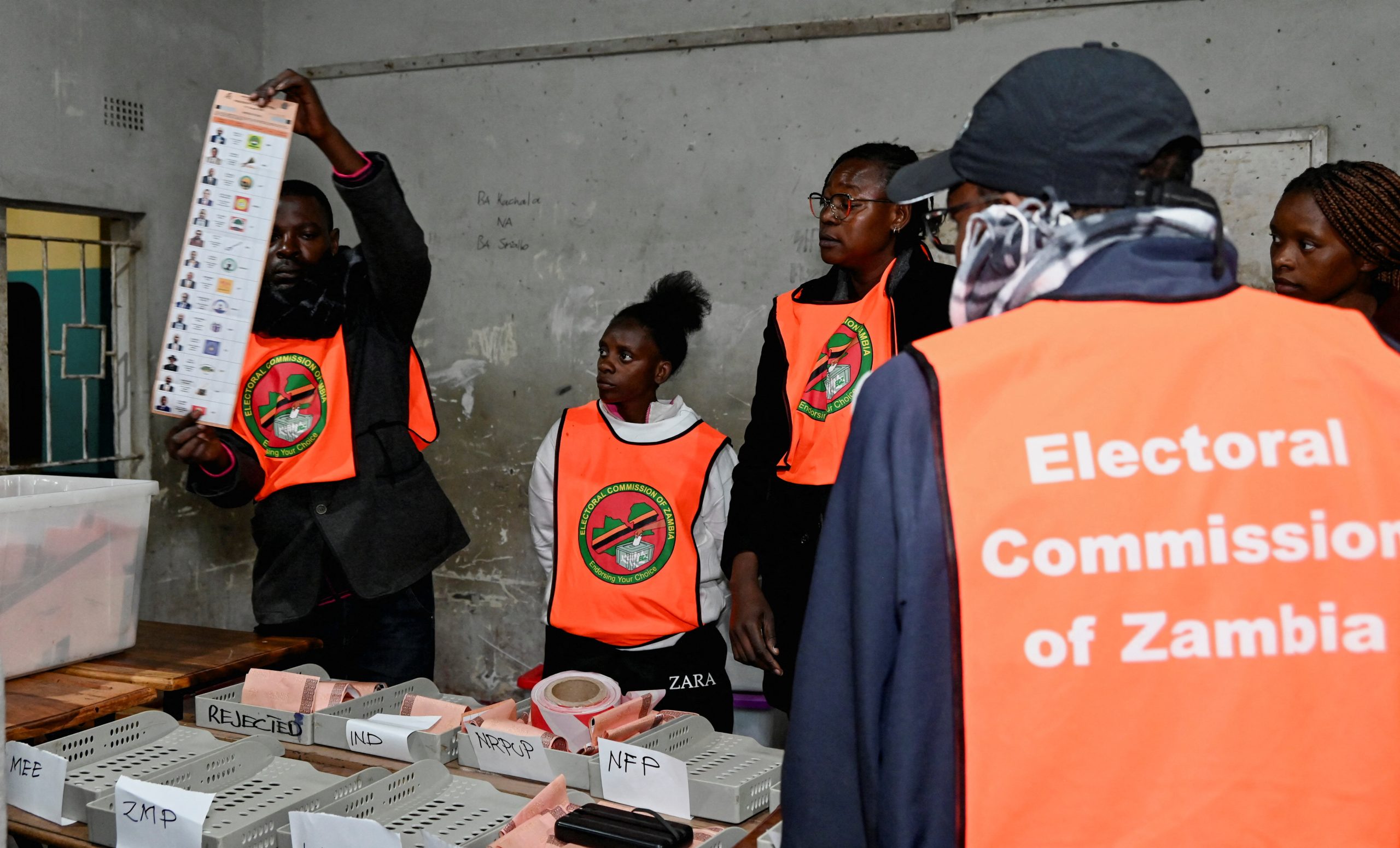
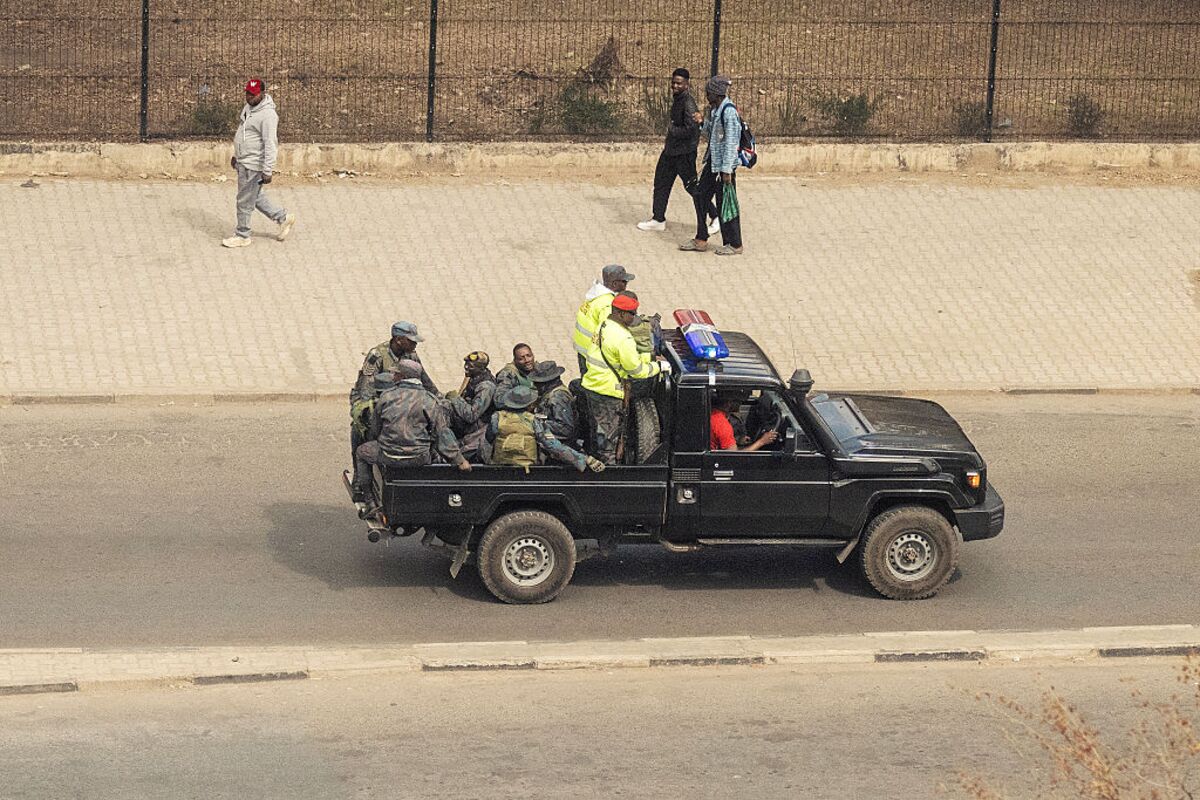
Zambia held presidential and parliamentary elections on 13 August 2026, with ECZ initially projecting results within days. However, on 14 August the commission suspended counting nationwide after reporting attacks on polling officials and theft of marked ballot papers in a limited number of stations, primarily around Lusaka.
Security forces were deployed to tallying centers, and ECZ Chairperson Mwangala Zaloumis said the pause would last at least 24 hours while the threat was assessed.
Counting resumed later that day once authorities said the situation was “contained,” with ECZ insisting the integrity of the process could be preserved. Partial results released over the weekend showed Hichilema leading by double digits, and by 17 to 18 August the commission had declared him president-elect after all 226 constituencies reported.
Campaign themes: Macro success vs micro pain
Hichilema’s re-election bid leaned heavily on his first-term economic record: stabilising public finances after a pandemic-era debt crisis, concluding a major external debt restructuring with international creditors, and pushing reforms aimed at reviving copper output and investor confidence. For markets and mining companies, the outcome signals policy continuity on fiscal discipline and resource-sector governance.
Yet Mundubile’s 38% share reflected widespread frustration over inflation, drought-linked food insecurity, power shortages, and the slow translation of macro gains into household relief. Opposition messaging focused on the gap between national indicators and everyday costs, particularly in urban constituencies where living expenses have outpaced wage growth.
Social programs and rural support
Despite economic headwinds, Hichilema retained strong backing in rural and peri-urban areas, buoyed by visible social spending: expanded constituency development funds, free education policies, school feeding programmes, and cash-transfer schemes that directly reach vulnerable households. These initiatives helped the UPND lock in a geographically broad coalition, even as the opposition made inroads in some urban districts.
Controversies, Security Incidents, and Observer Concerns
The election was overshadowed by two main controversies:
- Counting suspension and ballot-security claims: ECZ cited violence targeting poll staff and alleged theft of marked ballots as the reason for halting the count, prompting opposition accusations of possible manipulation during the delay. Mundubile’s camp claimed—without providing public evidence—that military personnel had taken control of some counting stations and that ballot boxes had been moved, allegations that ECZ and security officials denied.
- Pre-result raid and arrests: In the days before the final declaration, Zambian police conducted a nighttime raid on a property linked to opposition figures, leading to a shootout and multiple arrests of individuals accused of involvement in election-related militia activity—claims the opposition strongly rejected as politically motivated. The incident heightened tensions around the tallying process and drew sharp criticism from civil society groups.
International and domestic observer missions described voting day as largely peaceful but flagged an uneven campaign environment, including restrictions on opposition rallies, intimidation, and misuse of state resources. While they did not dispute the overall outcome, their reports highlighted structural imbalances that could affect future contests.
What comes next: Policy priorities in term two
With investors welcoming continuity, Hichilema’s immediate agenda is expected to focus on:
- A new IMF programme and debt sustainability: Negotiating a follow-on arrangement to consolidate fiscal gains and maintain access to concessional financing.
- Drought and food security: Scaling up relief and agricultural support after El Niño-driven crop failures exacerbated inflation and rural hardship.
- Energy and infrastructure: Addressing power shortages through emergency generation, grid upgrades, and renewable projects to stabilise supply for households and industry.
- Jobs and cost-of-living relief: Accelerating labour-intensive public works and private-sector reforms to convert macro stability into visible employment and income growth.
Hichilema is scheduled to be sworn in approximately two weeks after ECZ’s formal ratification, marking the start of a term that will test whether his administration can turn economic stabilisation into broader, felt prosperity.