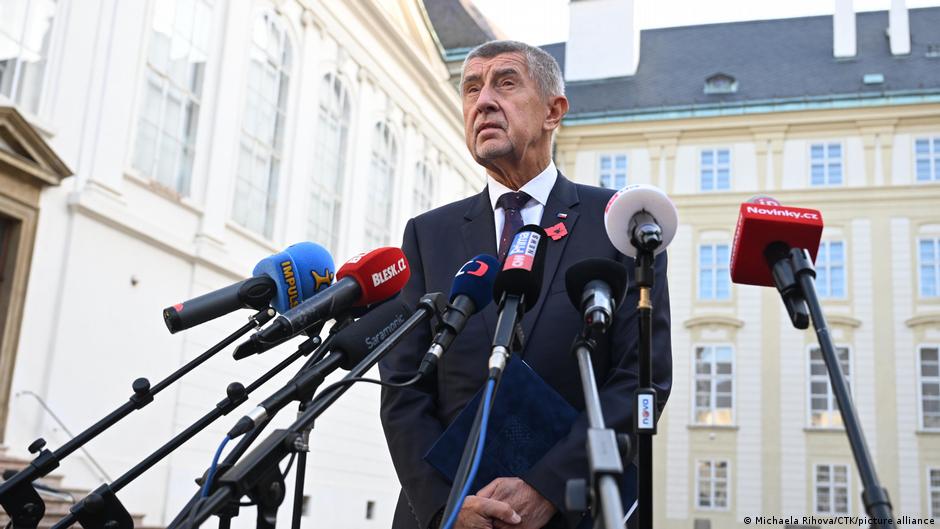
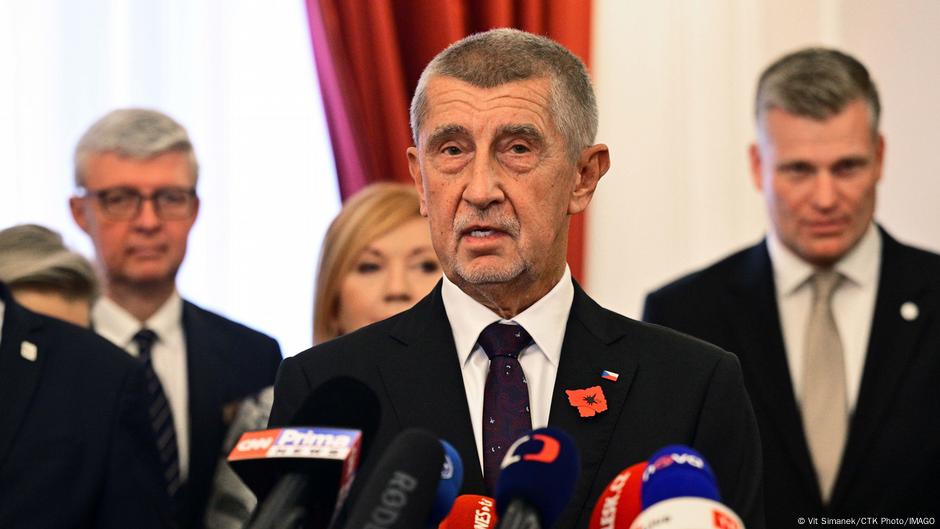
The 2025 Czech parliamentary elections, held on October 3 to 4, 2025, resulted in a decisive victory for former Prime Minister Andrej Babiš and his populist ANO movement.
The Czech Republic held its elections for all 200 members of the Chamber of Deputies, the lower house of the Czech Parliament. The election saw a high voter turnout of 68.95%. Six political groups exceeded the 5% threshold to enter the 200-seat Chamber of Deputies.
ANO returned to power as the largest party in parliament, with 34.5% of the vote and 80 seats. The party secured its highest-ever percentage, though it fell short of an absolute majority. SPOLU, the outgoing governing coalition led by Petr Fiala, garnered 23.4% of the vote and 52 seats, moving into the opposition. STAN, or Mayors and Independents, received 11.2% of the vote and 22 seats, while the Czech Pirate Party received 9.0% of the vote and 18 seats.
Former PM Andrej Babiš, ANO leader, went on to form a coalition government with SPD, or Freedom and Direct Democracy, and Motorists for Themselves, or AUTO. This coalition holds a combined 108 seats in the Chamber of Deputies. The previous government parties, SPOLU, STAN, and Pirates, now form a strong opposition front with 92 seats. Babiš was appointed prime minister for the second time on December 9.
Key campaign issues
The 2025 campaign was defined by a stark contrast between domestic economic realism and international values-based security. While the ruling coalition focused on the Czech Republic’s Western anchoring, the opposition successfully capitalized on bread-and-butter anxieties.
Economy and cost of living was the most decisive issue for voters, many of whom felt the outgoing government had failed to address the post-pandemic and energy-crisis fallout.
ANO promised immediate relief through higher pensions, increased wages, and lower taxes. They pledged to cut government charges on energy producers to lower bills directly. SPOLU argued for fiscal discipline and low taxes to support long-term growth, though critics felt they focused too much on managing rather than innovating. All parties addressed the housing crisis, with SPD proposing zero-interest loans and restrictions on foreign real estate purchases, while STAN focused on reviving cooperative housing.
Voters were presented with a choice between continued assertive pro-Western leadership or a Czechia First approach. The SPOLU coalition and STAN campaigned on steadfast military aid to Ukraine. Conversely, Andrej Babiš questioned the Czech ammunition initiative and stated that the country would no longer fund Ukraine from its arms budget. Campaigns featured heated debates over migration quotas and the EU Green Deal. The Motorists party gained significant traction by explicitly opposing the phase-out of combustion engines and environmental reforms.
The campaign highlighted internal divisions within the major blocs regarding progressive reforms. STAN was the strongest advocate for ratifying the Istanbul Convention and expanding LGBTQ+ rights. SPOLU remained internally divided, while SPD and ANO were more cautious or openly opposed to further expansion of these rights. Activists in Prague called for a constitutional right to abortion during the campaign, though major parties like SPD and ANO preferred maintaining the status quo.
Campaign scandals and incidents
The Bitcoin Affair involved the Ministry of Justice accepting a donation from a known criminal, leading to the resignation of Justice Minister Pavel Blažek and becoming a major opposition talking point. In September 2025, Andrej Babiš was physically assaulted with a crutch at a rally in Dobrá, which led to a temporary suspension of his campaign events. Multiple candidates were removed from lists due to personal scandals, including an ANO MP’s recorded threats against an ex-partner’s dog and a SPOLU candidate’s historical medical negligence.
Reactions
Reactions to the 2025 election outcomes have been polarized, moving from initial celebrations by the winners to significant public protests and high-level political friction as of February 2026.
Babiš described the result as a historic success and celebrated at his headquarters with music and cheering supporters. He immediately signaled a shift toward domestic realism, prioritizing wages and pensions over defense spending. Former PM Petr Fiala emphasized respect for the democratic outcome but warned that the new government’s direction could jeopardize the country’s security and Western orientation. President Petr Pavel adopted a cautious stance, congratulating the winners while publicly sparring with Babiš over conflicts of interest and cabinet appointments.
Hungarian Prime Minister Viktor Orbán was the first European leader to congratulate Andrej Babiš, stating on X that Truth has prevailed! and calling the victory a big step for the Czech Republic and good news for Europe. Slovak Prime Minister Robert Fico welcomed the result as a move toward a model of government similar to his own. By February 2026, the Czech Republic, Hungary, and Slovakia have increasingly acted as a unified bloc in Brussels, recently blocking new EU sanctions on Russia. The leader of France’s National Rally, Jordan Bardella, also sent congratulations, reflecting Babiš’s strong ties to the Patriots for Europe group in the European Parliament.
European Union: Brussels’ New Headache
While officially acknowledging the democratic process, officials in Brussels have privately expressed concern that Czechia could become a problem child for the EU. EU leaders are particularly wary of Babiš’s vows to confront the European Commission over the Green Deal, oppose the EU Migration and Asylum Pact, and halt progress toward Euro adoption. Some EU officials hope Babiš’s pragmatic business background and need for EU subsidies might temper his anti-Brussels rhetoric.
Ukraine and Security Partners
Ukrainian officials have watched with unusual intensity as Babiš campaigned on scrapping the Czech ammunition initiative, which had delivered 3.5 million shells to Ukraine. There is growing alarm within NATO after Babiš signaled he would challenge plans to boost military spending and prioritized a Czech First approach. Media outlets like The New York Times framed the election as a referendum on Western security, noting that Washington is monitoring the potential shift away from the pro-Western posture of the previous Fiala government.
Why it matters
Andrej Babiš’s landslide victory marks a dramatic political shift in the Czech Republic, bringing a populist billionaire with close ties to Hungary’s Viktor Orbán back to power after just one term. The election result reflects voter frustration with rising living costs and dissatisfaction with the outgoing coalition’s handling of the economy, even as it raises concerns among Western allies about the Czech Republic’s commitment to Ukraine, NATO, and EU integration.
Babiš’s coalition with the far-right SPD and his promises to challenge the Green Deal and migration pact position the Czech Republic as a potential disruptor within the EU, joining Hungary and Slovakia in a growing bloc skeptical of Brussels’ priorities. With the Czech Republic having been a steadfast pro-Western voice since the Fiala government took office, Babiš’s return raises questions about the country’s future role in supporting Ukraine, NATO defense spending, and European integration.

Read also:
Romania Presidential Election: Centrist Nicușor Dan wins do-over
Norway Parliamentary Election: PM Støre scores narrow victory
11 pivotal elections that altered the global outlook in 2025