


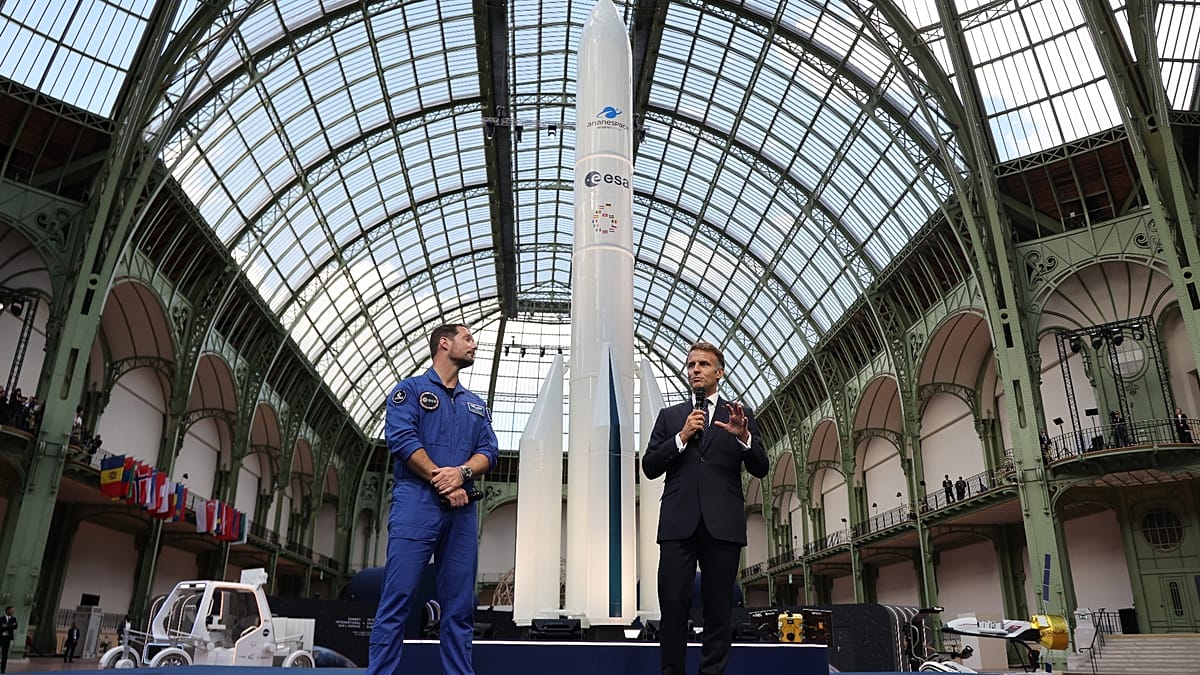

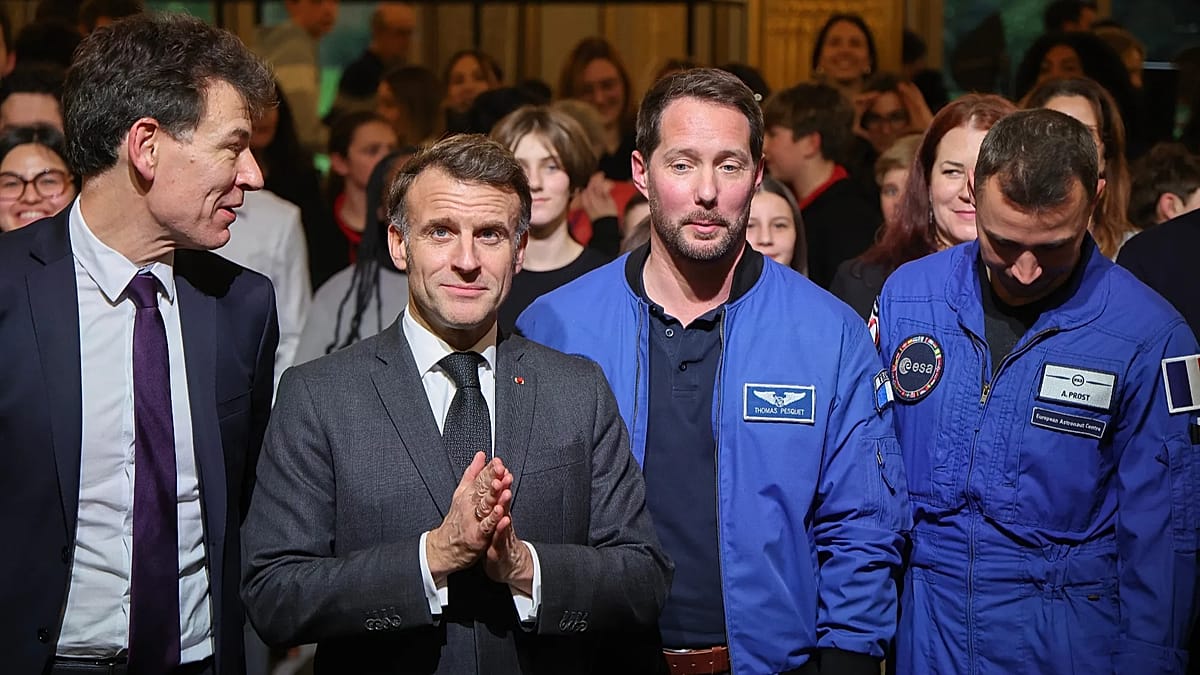


The inaugural International Space Summit in Paris laid out Europe’s most concrete roadmap yet for strategic autonomy in orbit—anchored by a €10billion human‑spaceflight ambition, the formal kick‑off of the IRIS² sovereign satellite constellation, and more than 50 deals worth an estimated €20billion.
However, the event also exposed the political fault lines that could slow that ambition, from US company boycotts to Franco‑German divergences over how best to compete with Washington and Beijing.
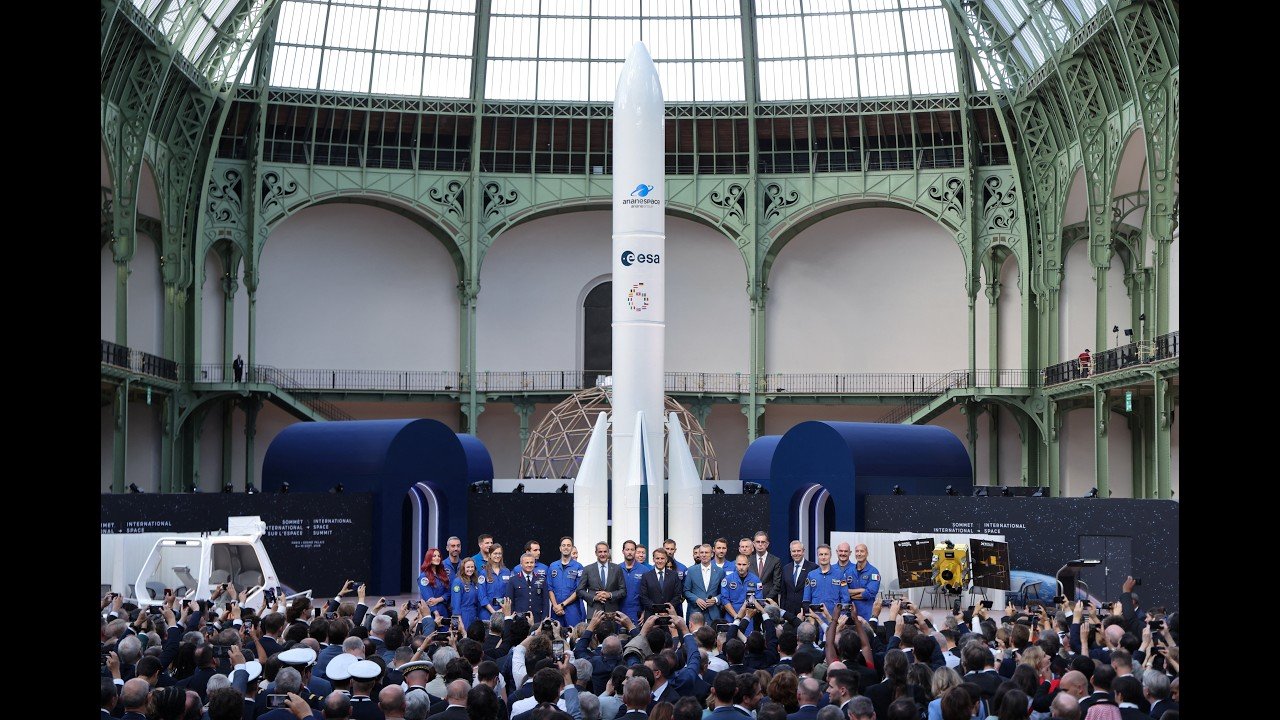
Held on 9 to 10 September 2026 at the Grand Palais, the summit gathered roughly 2,000 delegates from about 120 countries, including heads of state, space agency chiefs, astronauts and industry executives.
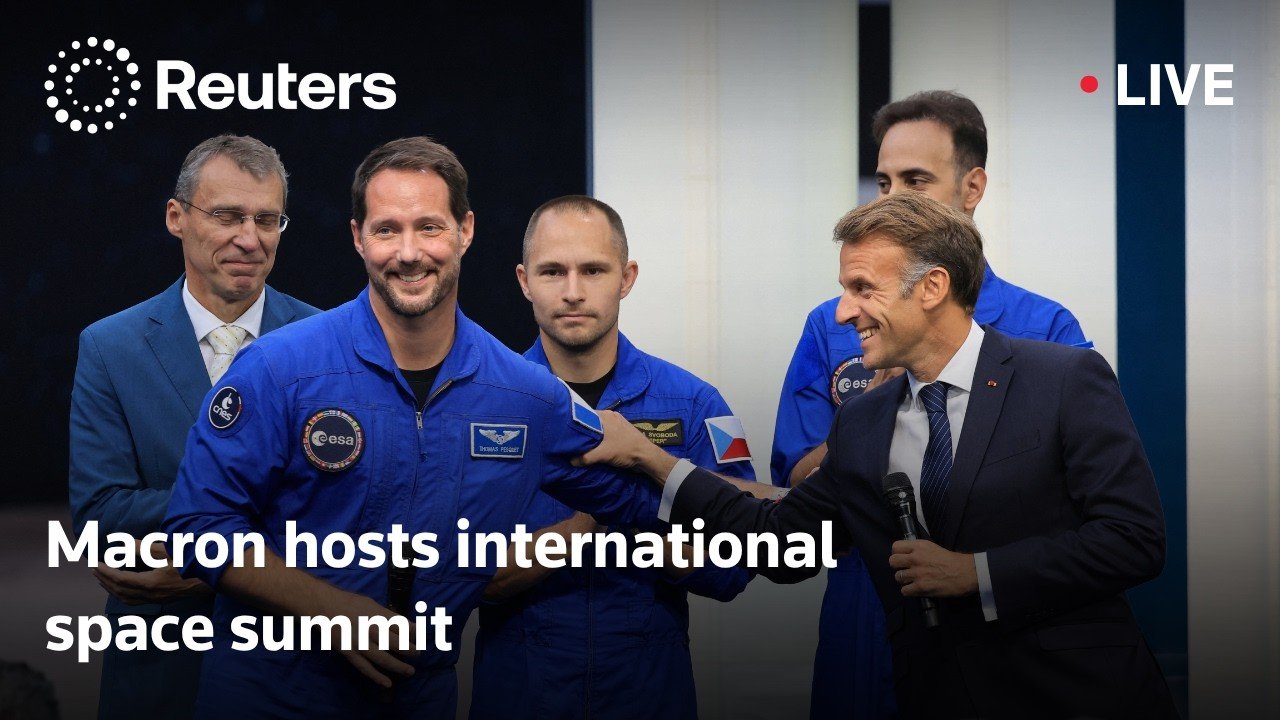
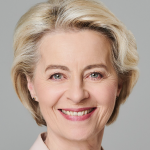
French President Emmanuel Macron and European Commission President Ursula von der Leyen framed the meeting as a turning point: a chance to move Europe from “passenger” to “pilot” in space by 2035.
Macron announced that the two days produced around 51 projects and partnerships, with total contracts and investment commitments in the €20billion range, many benefiting French firms but also pan‑European consortia such as Airbus, Thales Alenia Space, Aerospacelab, Hispasat and SES.
The autonomy agenda: crewed flight and a €10billion plan
A central theme was European independence in human spaceflight. Macron called for Europe to develop its own crewed spaceflight capability within a decade—essentially by the mid‑2030s—so it can launch its own astronauts instead of relying on US or Chinese vehicles.
European Space Agency (ESA) Director General Josef Aschbacher put numbers to that vision. He proposed an investment of about €1billion a year for 10 years— €10billion in total —to fund the technologies and missions needed for autonomous crewed flight and exploration. In practical terms, that path is expected to start with cargo systems and a lunar lander before maturing into a full European crewed architecture.
IRIS² goes from plan to production
The summit also marked the operational start of IRIS² (the EU’s Secure Connectivity Programme), Europe’s answer to secure, sovereign satellite communications. A consortium led by Eutelsat—alongside Hispasat and SES under the SpaceRISE umbrella—signed the first major industrial contracts to begin building the low‑Earth orbit (LEO) segment.
Key awards announced in Paris included:
- Airbus Defence and Space: Initial contract to design and build the first layer of IRIS² satellites—at least 66 LEO spacecraft—scheduled for delivery in 2029.
- Thales Alenia Space: A €500million letter of agreement with Eutelsat to supply government payloads for all 330 IRIS² LEO satellites, part of a broader Thales package expected to exceed €3billion.
- Aerospacelab: Around €2.4billion in commitments to act as prime contractor for 264 IRIS² satellites in a later tranche.
Taken together, IRIS² is planned to comprise 330 LEO satellites plus 18 at medium altitude, delivering military‑grade Ka‑band connectivity and secure services for EU institutions and member states.
Deals, launches and diplomatic wins
Beyond IRIS², Macron highlighted additional commercial momentum. He pointed to Amazon’s Project Kuiper (referred to in reporting as “Amazon Leo”) renewing confidence in European launch capacity, with Arianespace securing additional missions that bring its total Kuiper launches to 24.
The European Space Agency also used the summit to spotlight its next private astronaut mission to the ISS, PAM‑6, scheduled for 2027, which will carry Greece’s first astronaut, Adrianos Golemis.
On the policy side, Macron argued that outer space remains the only major global commons without a regulatory framework commensurate with its geopolitical stakes, and he pushed for “shared governance” rules on satellite traffic management and orbital safety.
The fractures: US boycott and Franco‑German divergence
For all the deal‑making, the summit underscored how fragile Europe’s position remains relative to the US and China. Several prominent American companies—SpaceX, Blue Origin, Stoke Space and Starcloud—pulled out shortly before the event.
A French ministry spokesperson said it was “hard not to link” the withdrawals to reports of White House pressure, with a US official reportedly warning firms that attendance could look like tacit support for EU policy positions seen as protectionist.
The absence of German Chancellor Friedrich Merz also became a symbol of underlying tensions. Merz skipped the summit due to domestic obligations, sending defence and space ministers instead. Behind the scenes, France and Germany remain split: Paris is pushing hard for strict European self‑reliance, while Berlin has shown more openness to buying lower‑cost US commercial services, including SpaceX launches, where they make economic sense.
What this means for Europe’s space race
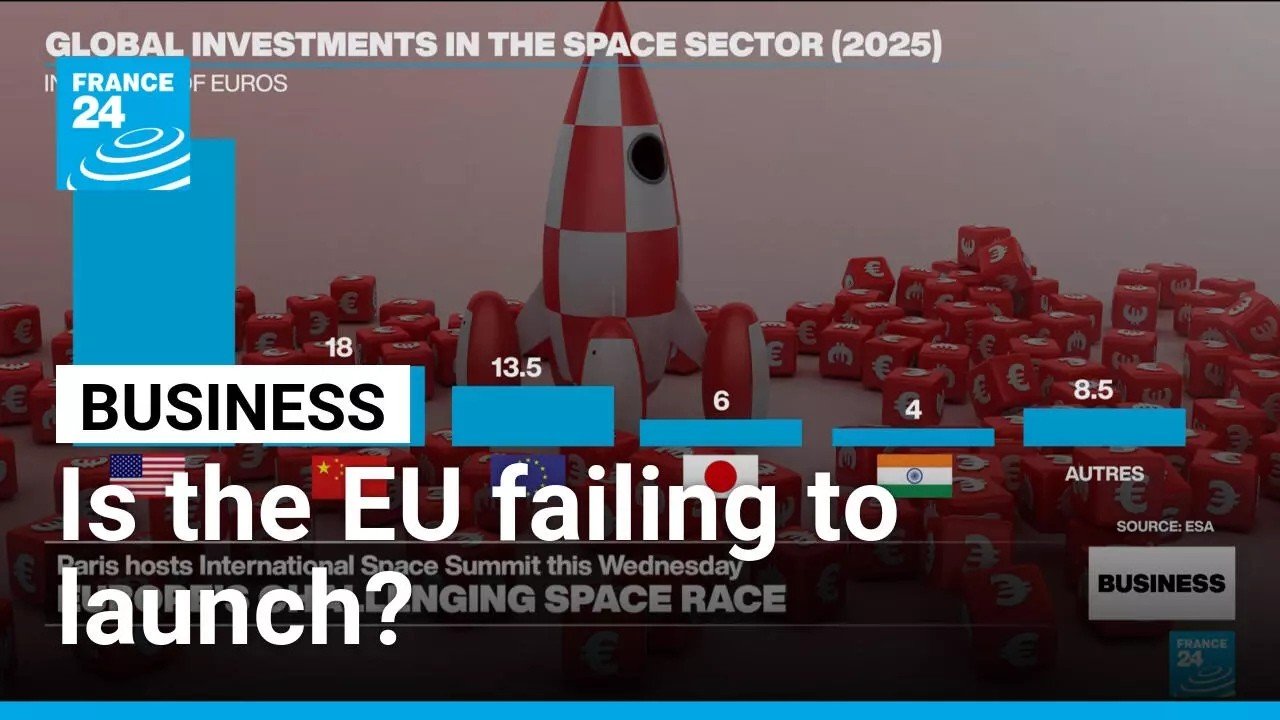
The Paris summit delivered three things Europe has lacked in recent years: a headline political mandate for autonomy, a funding target with a timeline (€1billion a year for 10 years), and industrial contracts that move IRIS² from paper to production. But the same event made clear that achieving “pilot” status will require navigating transatlantic friction, aligning major EU capitals on procurement strategy, and sustaining political will through expensive, multi‑year programmes.
If the €20billion in announced deals holds and ESA’s budget trajectory continues — €22.3billion for 2026 –2028, with €35billion earmarked for security and defence applications in space—Europe will have the financial scaffolding to test whether its autonomy bet can close the gap with Washington and Beijing.
The next proof points will be the 2029 IRIS² deliveries, the evolution of the crewed‑flight roadmap, and whether European governments consistently choose European systems when US options are cheaper in the short term.