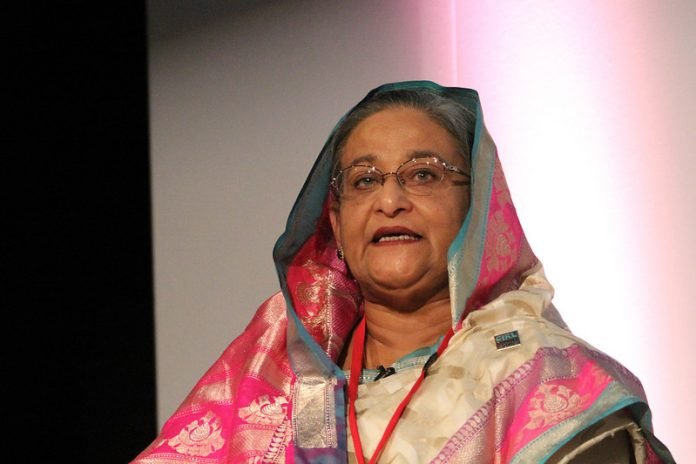
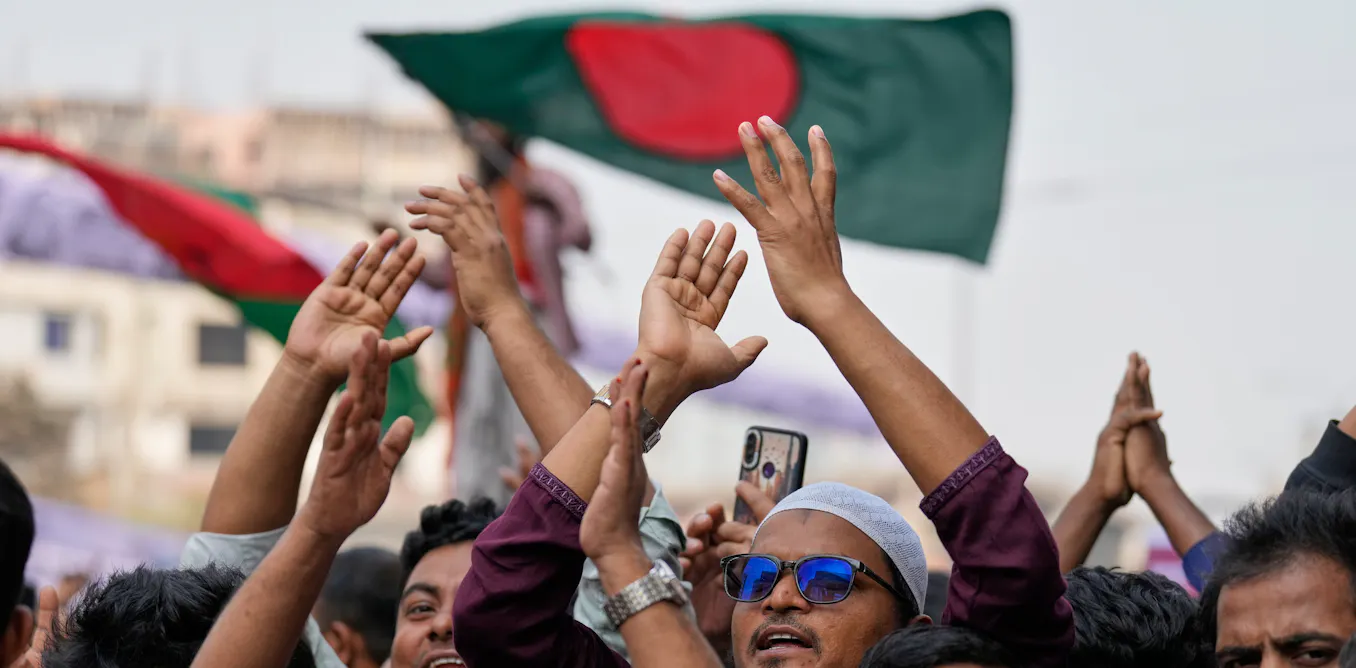
Tarique Rahman’s Bangladesh Nationalist Party swept to a landslide victory in Bangladesh’s first general election since the 2024 uprising that ended Sheikh Hasina’s 15-year rule. The BNP-led alliance secured a two-thirds majority in parliament, while the vote also marked the formal transfer of power from the interim government led by Nobel laureate Muhammad Yunus.
The election unfolded in a sharply changed political landscape. Hasina’s Awami League was banned and excluded from the race, Jamaat-e-Islami emerged as the main opposition force, and the National Citizen Party — formed by student leaders of the uprising — won a small but symbolically significant number of seats.
What voters were focused on
Corruption topped pre-election concerns, followed closely by inflation and the cost of living. Rising food prices and a weak economic mood helped turn the campaign into a referendum on governance, with jobs and reform also high on the agenda.
Bangladesh’s young population was central to the contest. With nearly 40% of the country under 30, unemployment carried unusual political weight, and parties responded with competing promises on growth, welfare and institutional change.
BNP’s pitch
The BNP ran on its “Bangladesh Before All” manifesto, promising to steer the country toward a $1trillion economy by 2034. Its platform included job creation, especially in the ICT sector, expanded social support through “Family Card” and “Farmer Card” schemes, and a pledge to limit prime ministers to two terms.
The party also promised to diversify the economy beyond garments, improve investor confidence and raise public health spending.
A new political order
Rahman was sworn in on Feb. 17, as Yunus stepped aside and a new government took over. At the same time, voters approved the “July Charter,” a reform package that passed with more than 60% support and included proposals for term limits, stronger presidential powers and protections for judicial independence.
The National Citizen Party said it hoped the new administration would follow through on the reform promises of the uprising. Rights groups, meanwhile, welcomed the democratic transition but warned about political violence and the growing influence of religious forces.
How did people react?
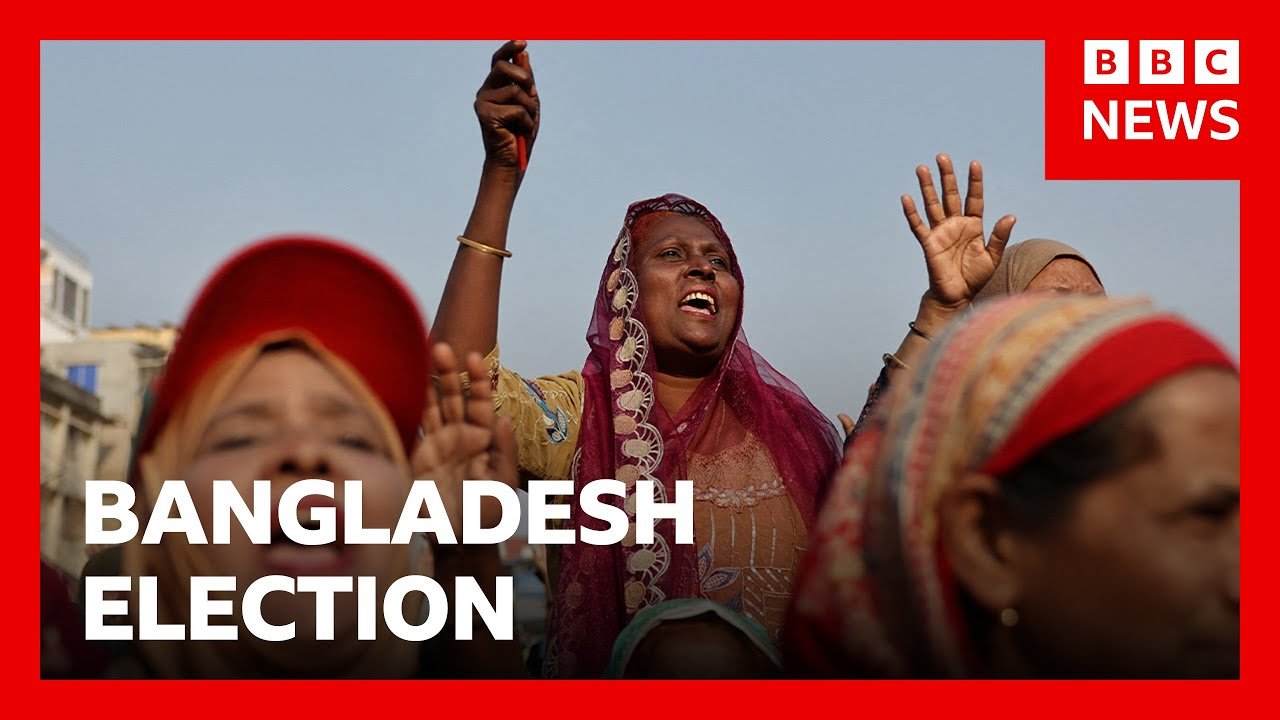
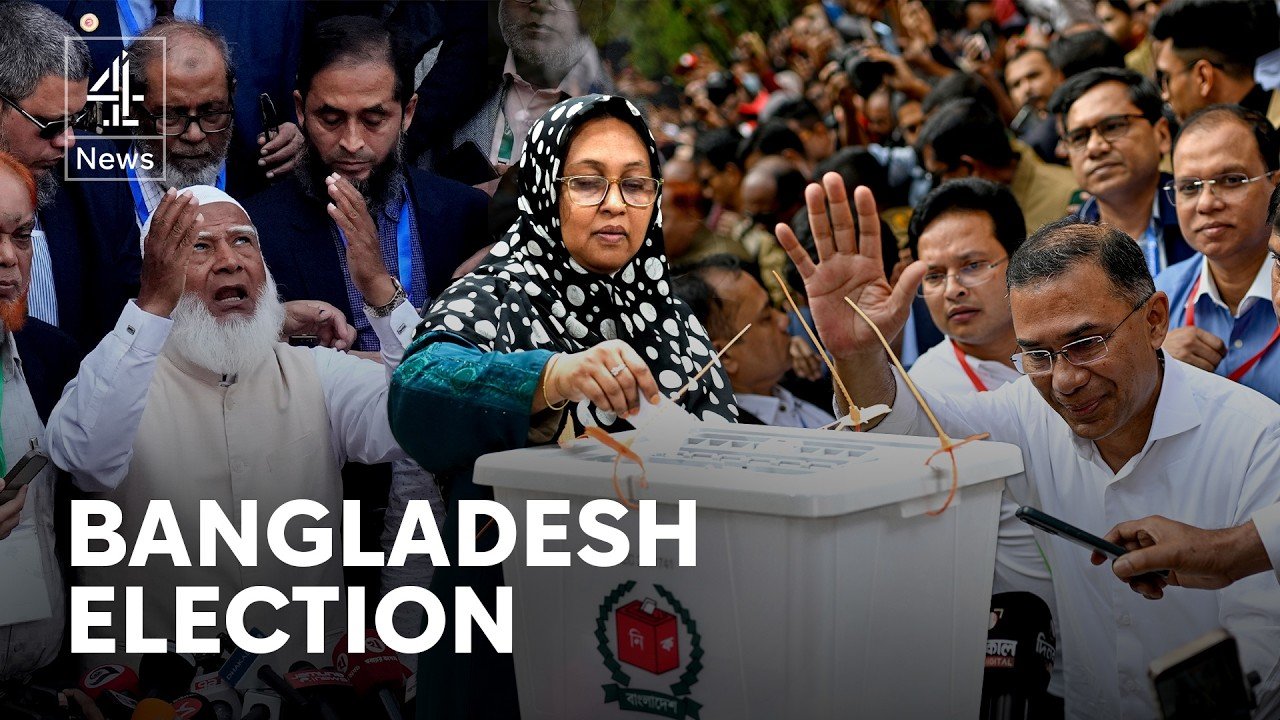
Many citizens and international observers, including the International Republican Institute (IRI), described the atmosphere as “festive” and “free,” noting it was the first time in years many felt their votes truly mattered.
While celebrating the democratic shift, some rights organizations like Ain o Salish Kendra and Transparency International Bangladesh raised concerns over pre-election political violence and the rise of religious political forces.
The National Citizen Party (NCP), representing the Gen Z uprising, expressed hope that the new government would deliver on the reform promises of the “July Charter” approved in the referendum.
International reactions
Foreign capitals moved quickly to acknowledge the result. The United States congratulated Rahman and signaled interest in deeper trade and defense ties, while India called the outcome decisive and said it wanted a stable and inclusive regional relationship. The United Nations and European Union also praised the election, though both urged the new government to protect cohesion, rights and minority communities.
Read also:
Bangladesh former PM Sheikh Hasina sentenced to death
Bangladesh’s central bank investigates loss of billions