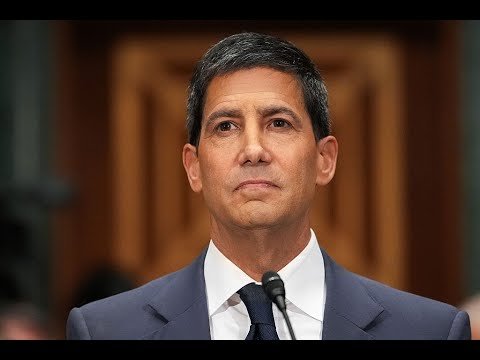
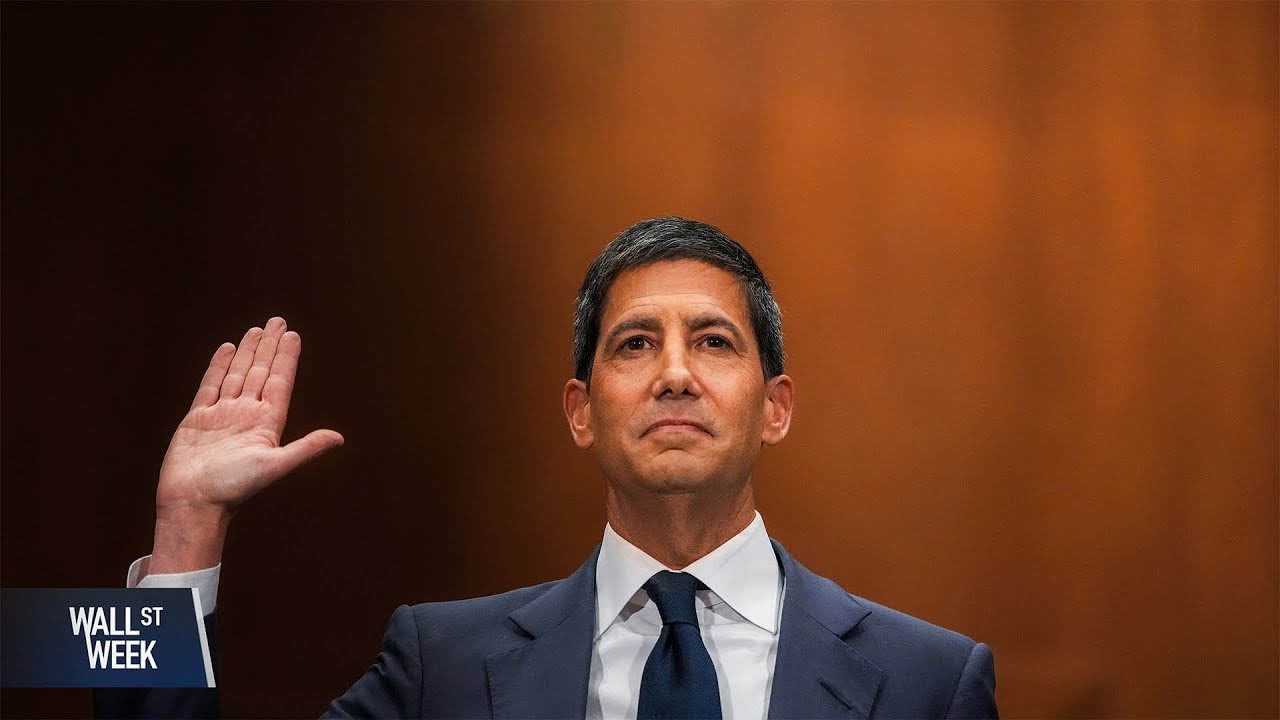
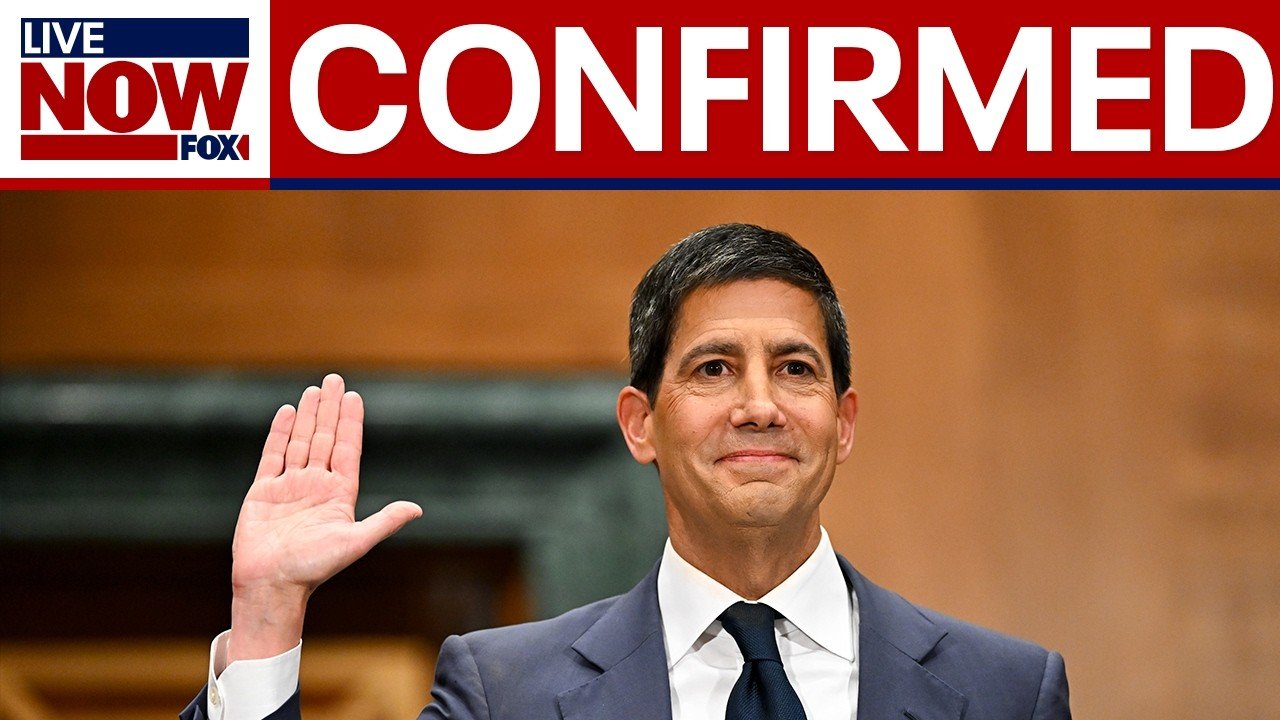
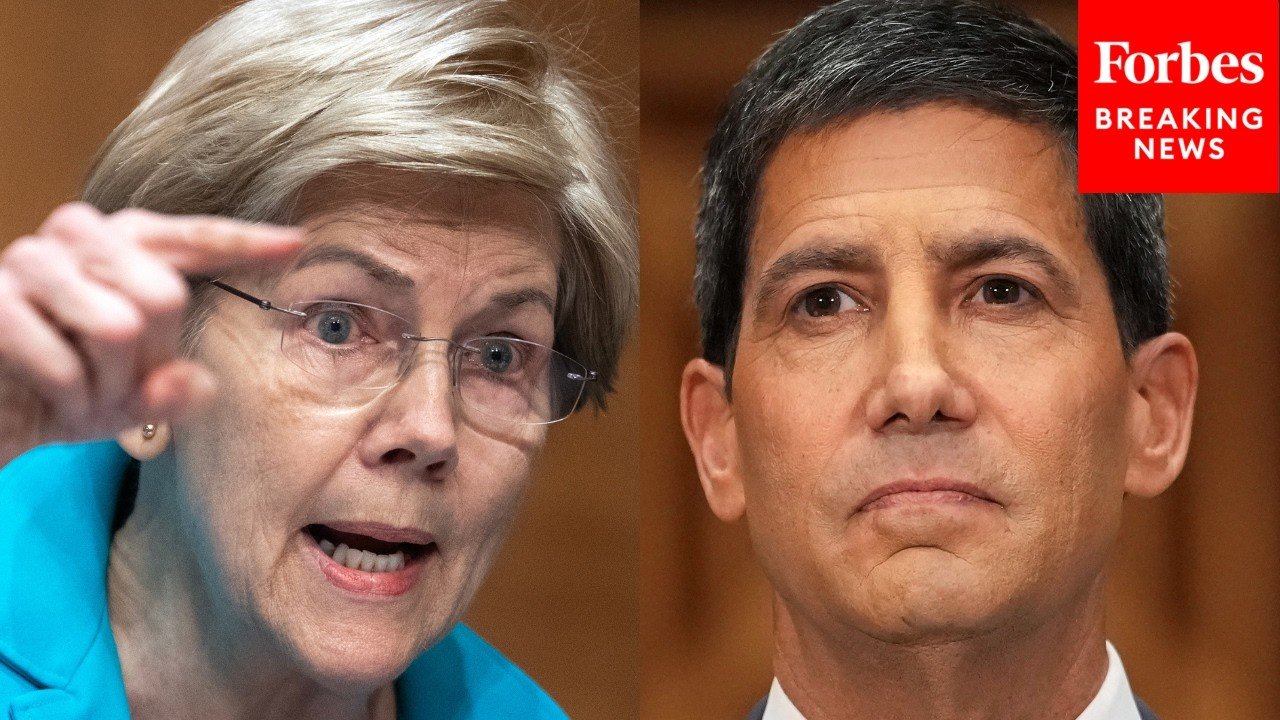
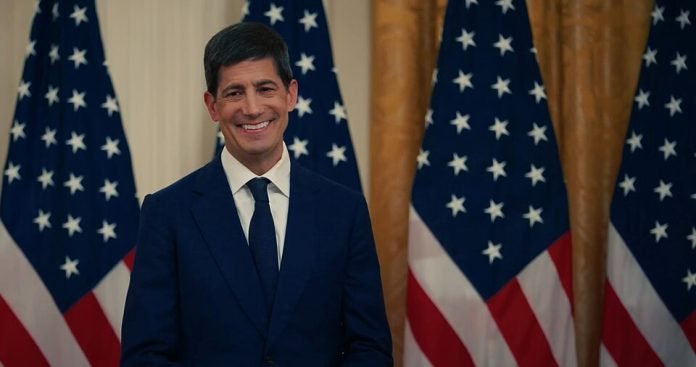
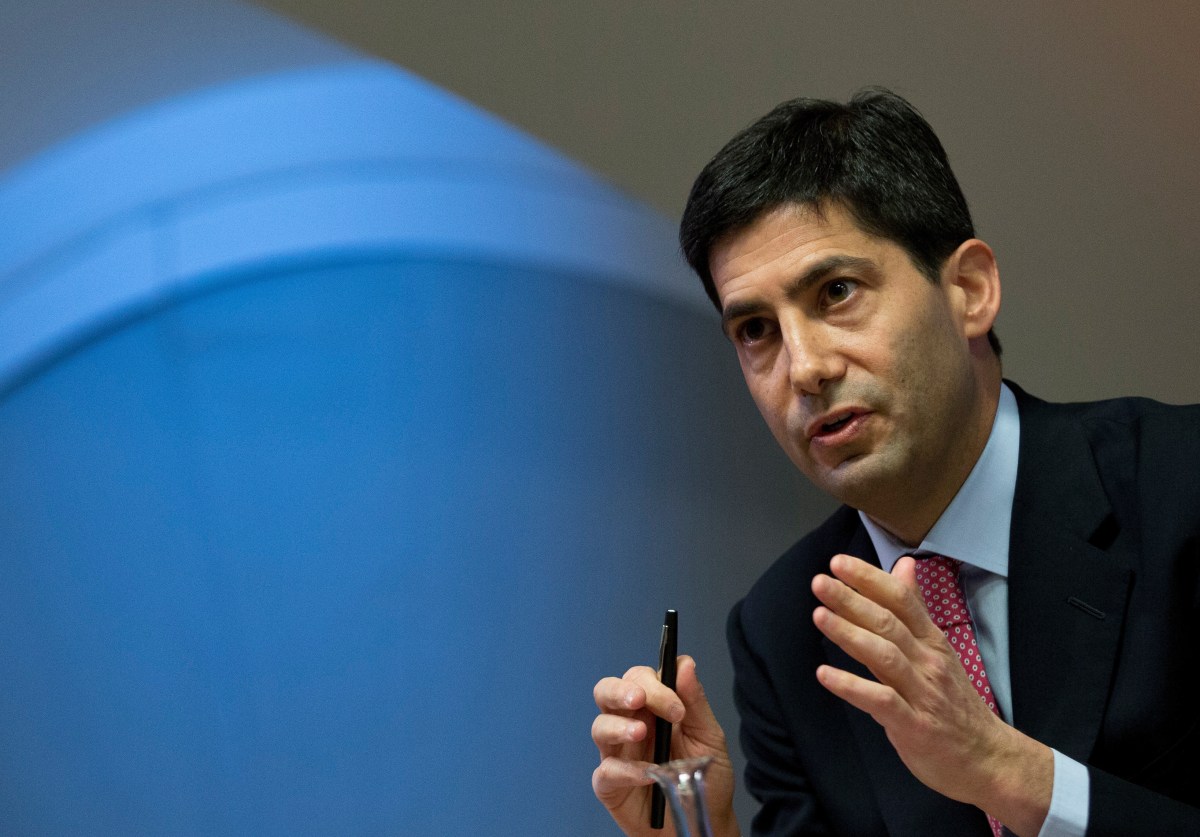
Kevin Warsh has been confirmed as the next Chairman of the Federal Reserve, marking a pivotal shift in US monetary leadership amid rising political pressure and economic uncertainty.
The US Senate voted 54–45 on May 13, 2026, narrowly approving Warsh’s nomination. He will formally take office on May 15, replacing Jerome Powell and beginning a four-year term at the helm of the world’s most influential central bank.
The tight margin represents the most contentious confirmation of a Fed chair in decades, underscoring deep partisan divisions over the future direction — and independence — of US monetary policy.
A polarized path to power
Warsh’s confirmation followed weeks of political brinkmanship that nearly derailed the process.
Republican Senator Thom Tillis had threatened to block the vote over a Department of Justice investigation into Jerome Powell tied to cost overruns at the Fed’s Washington headquarters. The standoff eased only after federal prosecutors dropped the probe in late April, clearing the way for the nomination to advance.
The final vote broke largely along party lines. All Senate Republicans backed Warsh, while Pennsylvania Democrat John Fetterman was the only member of his party to cross over in support.
A Fed at a crossroads
Warsh assumes leadership at a delicate moment. US inflation currently sits at 3.8%, a three-year high, while markets remain sensitive to signals on interest rates and liquidity.
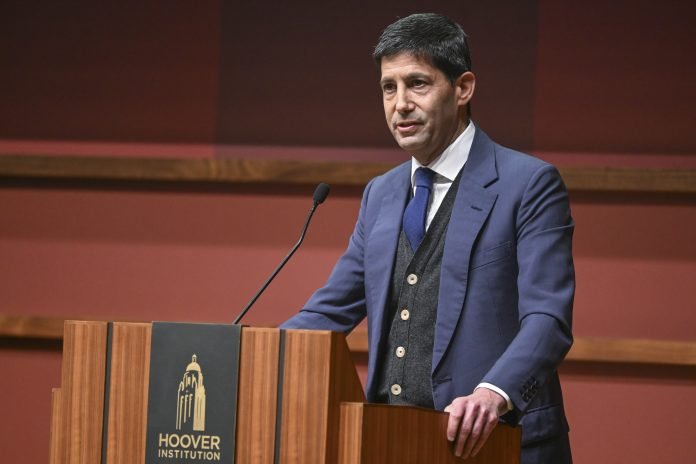
A former Fed governor (2006–2011) and Morgan Stanley executive, Warsh has already outlined an agenda that could significantly reshape how the central bank operates.
He has called for what he describes as a “regime change” in Fed communications, arguing that tools like quarterly rate projections — known as “dot plots” — limit the institution’s flexibility in responding to economic data.
Warsh is also expected to pursue aggressive balance sheet reduction. He has proposed shrinking the Fed’s $6.7 trillion holdings, including selling up to $2 trillion in mortgage-backed securities, in an effort to create room for lower short-term interest rates.
At the same time, his position places him at the center of a political tension: President Donald Trump has publicly pushed for rapid rate cuts, while Warsh has pledged to maintain the Fed’s independence.
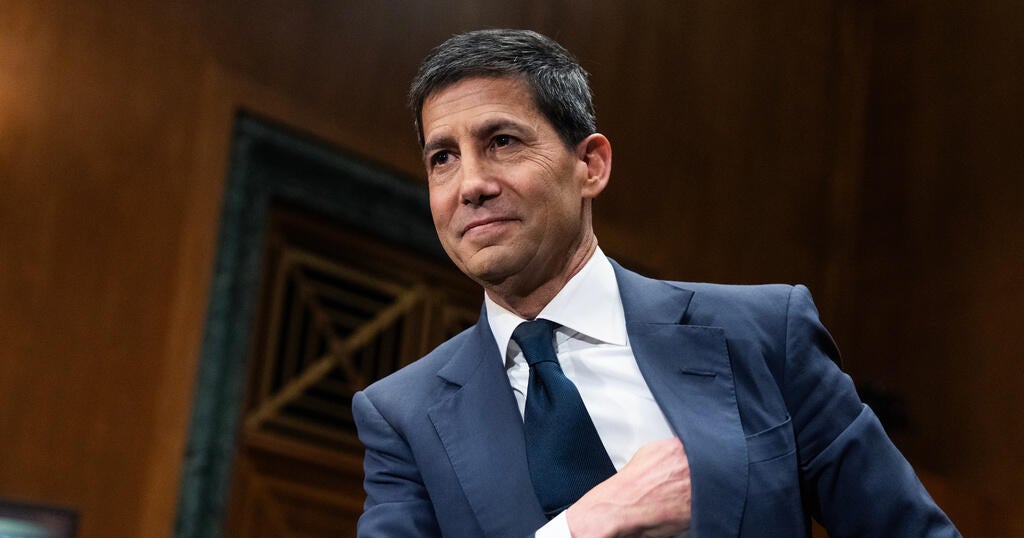
During his Senate testimony, Warsh emphasized that he would act as an autonomous regulator, not a political instrument — setting up a potential test of that commitment in the months ahead.
Powell breaks with tradition
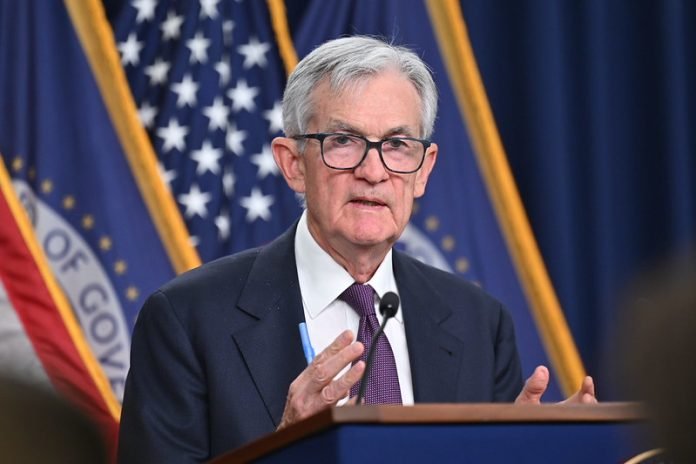
Adding another layer of complexity, outgoing Chair Jerome Powell will remain on the Federal Reserve Board of Governors—an unusual move that breaks with modern precedent.
Powell’s separate term as a governor runs until January 2028, and he has chosen to stay on, citing what he described as unprecedented political and legal pressure from the Trump administration.
The now-dropped DOJ investigation into the Fed’s headquarters renovation played a central role in his decision. Powell characterized the probe as politically motivated and warned that such actions risk undermining trust in the central bank.
He also pointed to what he called an institutional “battering,” saying the pressure campaign crossed historical lines and threatened the Fed’s credibility as an independent body.
Despite remaining on the board, Powell has made clear he does not intend to interfere with Warsh’s leadership. He has pledged to maintain a low profile and avoid acting as a “shadow chair,” signaling a rare but carefully managed transition of power.
A rare institutional moment
Powell’s decision marks the first time since 1948 that a departing Fed chair has stayed on as a governor, creating an unusual dynamic inside the central bank’s leadership structure.
As Warsh steps in, he will face the dual challenge of steering monetary policy through persistent inflation while navigating heightened political scrutiny over the Fed’s role and independence.
The coming months are likely to test not only Warsh’s policy vision, but also the resilience of the Federal Reserve as an institution operating under intensifying political pressure.