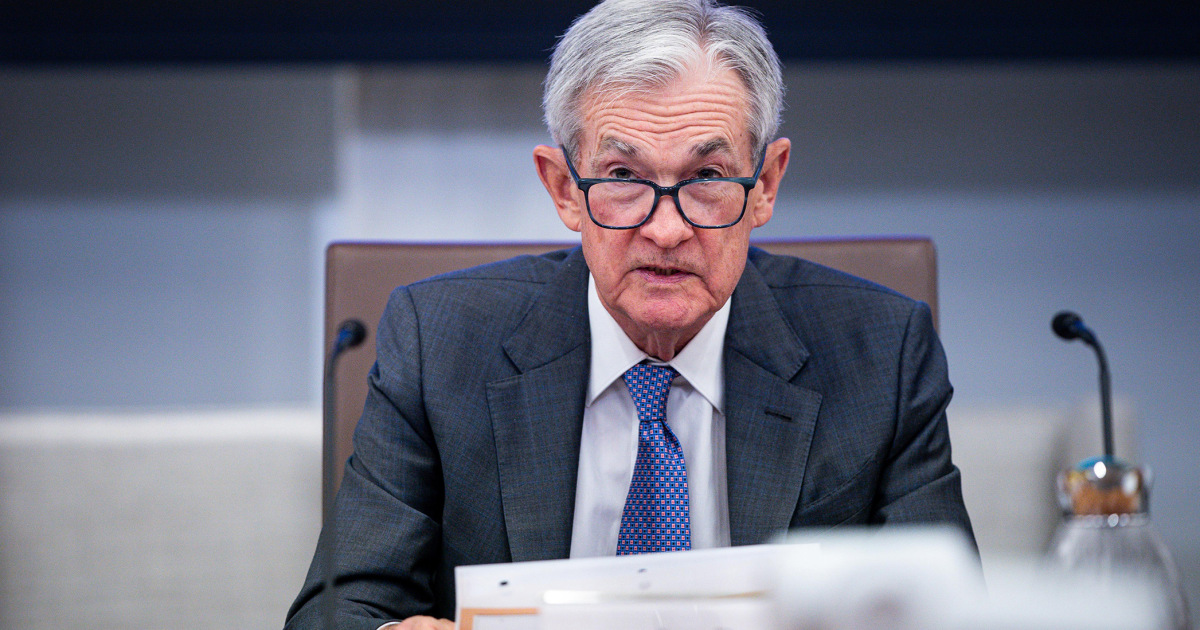
During a press conference on March 18, 2026, Federal Reserve Chair Jerome Powell said the U.S. economy remains on a “firm footing” but warned that the outlook is clouded by “very high levels of uncertainty”, citing geopolitical tensions in the Middle East and the lingering effects of tariffs.
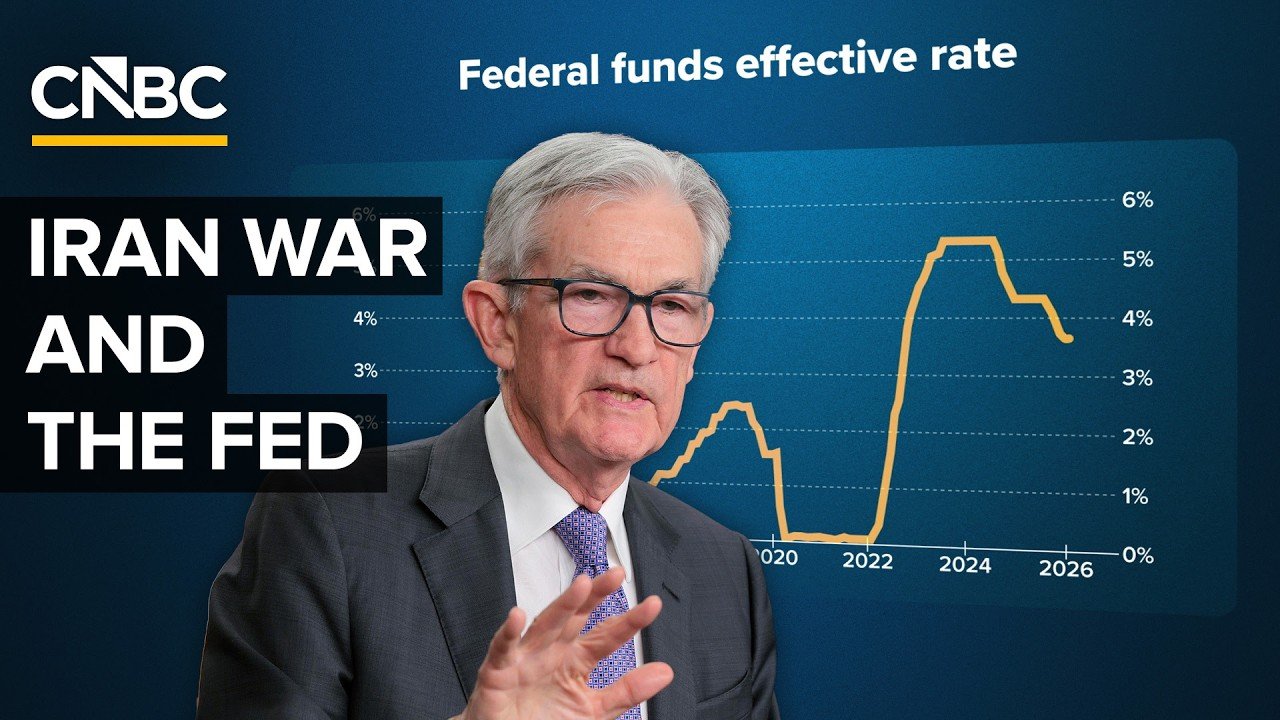
The Federal Open Market Committee (FOMC), at its March 17 to 18 meeting, voted 11–1 to hold the federal funds rate steady at a target range of 3.50% to 3.75%. The decision marked the second consecutive pause following a series of rate cuts in late 2025.
The Fed also maintained the interest rate on reserve balances at 3.65% and instructed its Open Market Desk to increase holdings of Treasury bills and other short-term securities to ensure “ample reserves”. Some analysts characterized the move as a form of “stealth easing”.
Stronger growth, rising inflation risks
The Fed’s latest Summary of Economic Projections (SEP) signaled a modest shift toward stronger growth alongside firmer inflation expectations, underscoring the challenge facing policymakers.
Officials raised their 2026 GDP growth forecast slightly to 2.4%, up from 2.3% in December, while projecting core inflation, measured by personal consumption expenditures (PCE), at 2.7%, a notable increase from the prior 2.4% estimate.
The unemployment rate outlook was unchanged at 4.4% for year-end 2026, suggesting continued labor market stability despite emerging signs of softening job gains.
The Fed’s “dot plot” continued to show a median expectation of one rate cut by the end of 2026. However, the distribution of projections shifted, with a growing number of policymakers signaling a preference to hold rates steady for longer, reflecting increased caution amid persistent inflation pressures.
Rising uncertainty
The FOMC highlighted heightened risks tied to geopolitical developments, noting that the economic implications of the Middle East conflict, particularly involving Iran, remain “uncertain” and could affect both inflation and growth.
The Committee also revised its assessment of the labor market, stating that job gains have remained subdued, signaling increased concern about downside risks to employment.
Powell noted that recent elevated inflation readings have been driven in part by goods prices, which have been boosted by tariff-related effects.
Inflation and policy outlook
Powell emphasized that the Fed is in a “wait-and-see” phase, with any future rate adjustments dependent on incoming economic data. He rejected comparisons to stagflation, arguing that while inflation remains elevated and growth is moderating, unemployment is still near long-run normal levels.
He described tariff-driven price increases as “one-time” adjustments rather than persistent inflation, while acknowledging uncertainty about how long such effects may take to dissipate.
Powell also pointed to the rapid expansion of artificial intelligence infrastructure as a near-term inflationary factor, citing strong demand for materials and services required to build data centers.
Geopolitical and political pressures
The Fed chair characterized the Middle East conflict as a “supply shock” that monetary policy is not well positioned to address, adding that it is “too soon to know” the long-term effects on oil prices and economic growth.
Amid mounting political pressure, Powell defended the independence of the Federal Reserve, calling it a “cornerstone of modern democracies”.
He also raised concerns about labor market dynamics, noting that private-sector job creation may be effectively flat when accounting for statistical overcounts, alongside slowing labor force growth and shifting immigration patterns.
Powell’s future at the Fed
Powell said he has “no intention of leaving the board” until an ongoing Department of Justice investigation into Federal Reserve headquarters renovation costs is resolved with “transparency and finality”.
He added that if a successor is not confirmed by the end of his term in mid-May, he would continue to serve as Chair on a pro tempore basis, as required by law.