



The Federal Reserve’s decision to hold interest rates steady in July has triggered a sharp global market reaction, with investors dumping long-term US government bonds amid rising concerns that policymakers are falling behind on inflation.
The central bank voted 9–3 to keep its benchmark rate unchanged at a target range of 3.50% to 3.75%, marking the fifth consecutive pause. While the move itself was widely anticipated, the unusually divided vote and shifting policy tone unsettled markets and fueled fears of longer-term inflation risks.
Three regional Fed presidents—Beth Hammack, Neel Kashkari, and Lorie Logan—formally dissented, calling for an immediate 25-basis-point rate hike. Their opposition highlighted increasing concern within the central bank that inflation remains too elevated to justify a pause.
Treasury market selloff intensifies
The immediate fallout was most visible in the Treasury market. Investors aggressively sold long-dated government debt, pushing the 30-year Treasury yield up 14 basis points to 5.24%—its highest level since 2007. The scale of the selloff reflects growing skepticism about the Fed’s willingness to act decisively against persistent price pressures.
The bond market response also revealed a sharp shift in investor expectations. Short-term Treasury yields edged lower following the decision, but long-term yields surged—a dynamic known as a “twist steepener.” This steepening of the yield curve suggests that while markets see no immediate rate hike, they are pricing in higher inflation and tighter policy over the longer term.
Geopolitics and inflation fears
Geopolitical tensions have further amplified these concerns. Ongoing conflict involving the United States and Iran has driven crude oil prices back toward the $90 to $100 range, raising fears of renewed energy-driven inflation.
For many investors, this backdrop makes the Fed’s decision to hold rates appear increasingly risky, particularly as elevated energy costs could feed into broader price pressures over time.
Shift in fed communication
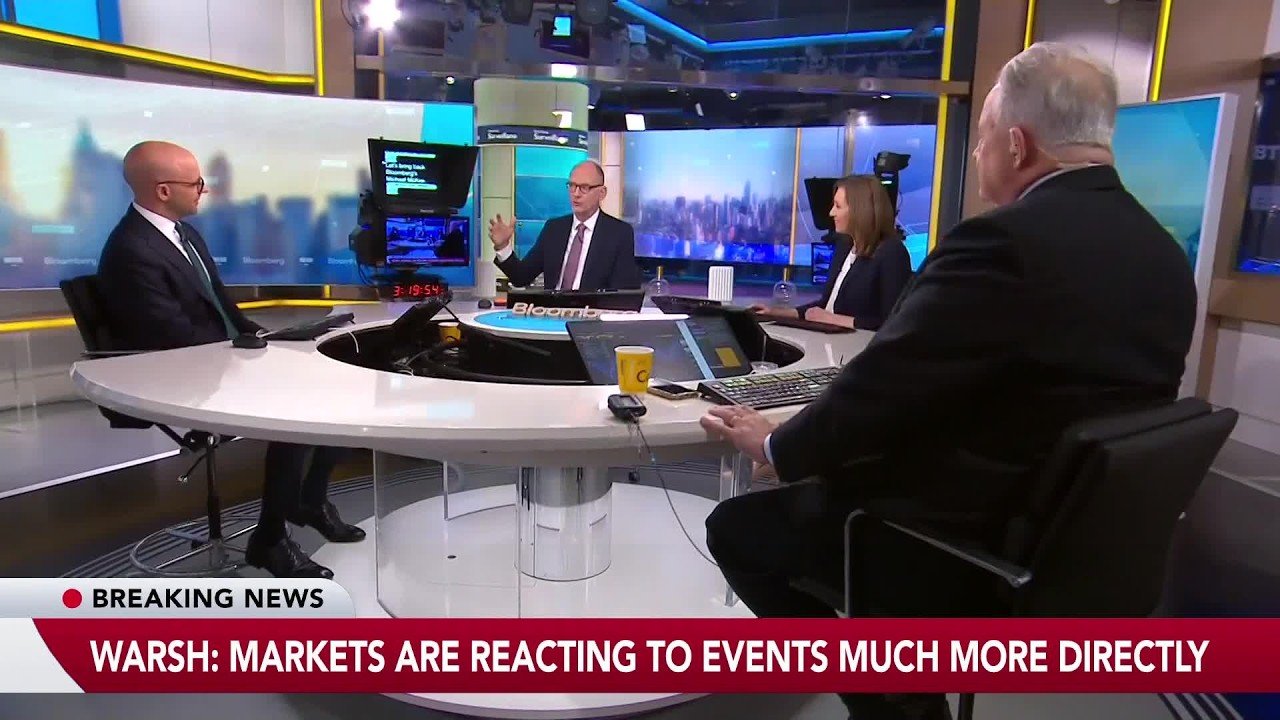
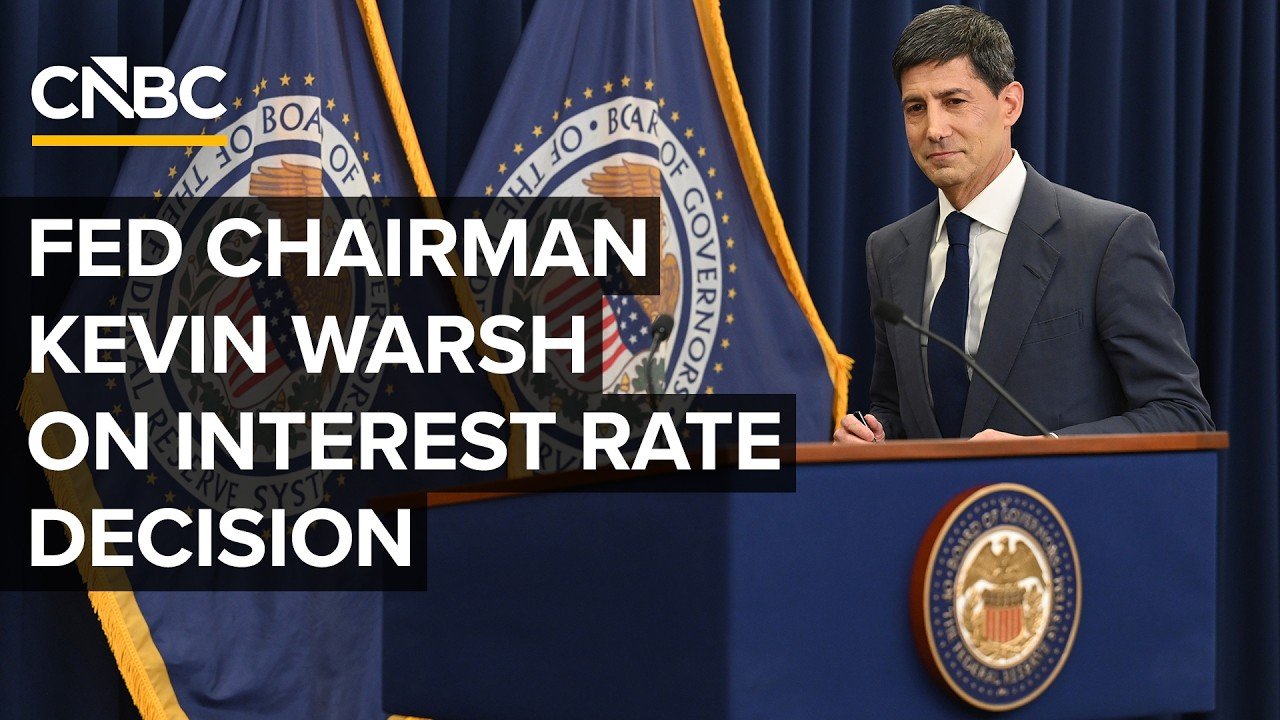
The central bank’s evolving communication strategy has added another layer of uncertainty. Under Chair Kevin Warsh, the Fed has stepped back from offering detailed forward guidance, instead urging markets to focus on incoming data.
While intended to restore flexibility, the shift has left investors with less clarity about the policy path ahead and increased sensitivity to each new economic release.
Market fallout spreads
The turbulence in bond markets quickly spilled into other asset classes. US equities fell sharply as rising long-term yields increased borrowing costs and reduced the relative appeal of stocks.
The Dow Jones Industrial Average dropped 1,153 points, or 2.2%, marking its steepest decline in over a year. At the same time, the cost of hedging against further bond losses surged, with premiums on Treasury put options reaching their highest levels since March.
Mortgage rates are also climbing again, tracking the rise in long-term yields and threatening to push borrowing costs for homebuyers back toward 7%.
What to watch next
Attention is now turning to incoming economic data and the Fed’s next policy meeting in September. Markets are pricing in roughly a 60% probability of a rate hike, reflecting expectations that policymakers may be forced to resume tightening if inflation remains stubborn.
Commodity prices and labor market data will be critical. Sustained strength in oil prices or hotter-than-expected inflation readings could reinforce the case for higher rates, while weaker data may help stabilize yields.
A Fed under pressure
The July decision underscores a growing dilemma for the Federal Reserve: balancing a still-resilient economy against persistent inflation risks, while navigating internal divisions and external geopolitical shocks.
For now, markets appear unconvinced that holding steady will be enough to contain inflation.