The United Kingdom has announced one of the world’s most sweeping restrictions on youth access to social media, moving to ban children under 16 from major platforms in a bid to curb online harm and digital addiction.
Prime Minister Keir Starmer unveiled the policy on June 15, 2026, framing it as a generational intervention to “give kids their childhood back.” The legislation, expected to be formalized later this year, targets algorithm-driven social media services widely associated with compulsive usage patterns and mental health risks.
What the ban covers
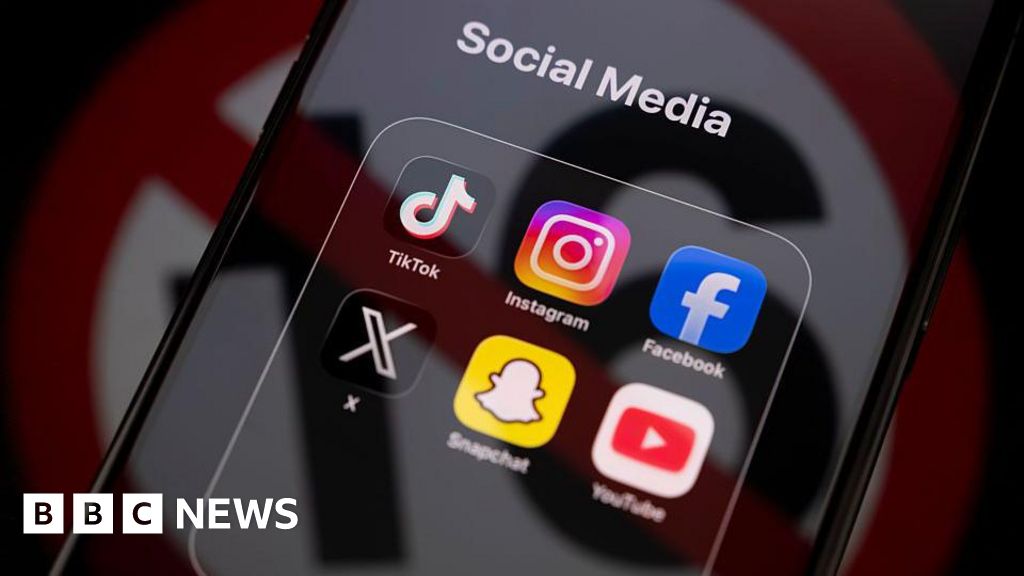
The proposed rules would prohibit under-16s from accessing platforms including TikTok, Instagram, Snapchat, YouTube, Facebook, and X. These services are singled out for their reliance on personalized content feeds and user-to-user interaction, features regulators argue can amplify harmful content and addictive behavior.
However, the policy draws clear distinctions between social media and utility-based digital services. Messaging platforms such as WhatsApp and Signal will remain accessible, allowing families to maintain communication. Educational tools like Google Classroom, child-specific platforms like YouTube Kids, as well as music streaming and e-commerce apps, are also exempt.
This targeted approach mirrors Australia’s regulatory framework, which similarly focuses on high-risk engagement models rather than blanket internet restrictions.
Platform responsibility, not parental liability
A defining feature of the UK’s approach is its assignment of legal responsibility to tech companies rather than users. Platforms will be required to actively prevent underage access or face substantial financial penalties, potentially running into the millions.
Notably, neither parents nor children will be penalized for violations. Instead, enforcement centers on corporate compliance, shifting the burden onto companies to redesign onboarding systems, strengthen safeguards, and verify user ages more rigorously.
For older teenagers aged 16 and 17, additional protections will apply. High-risk features—such as livestreaming and direct messaging with strangers—will be disabled by default. The rules also extend to emerging technologies, with AI-powered “romantic companion” chatbots restricted to users aged 18 and above.
Age verification and privacy trade-offs
At the core of the policy is a new age assurance framework overseen by the UK communications regulator, Ofcom. Platforms may be required to implement verification methods ranging from government-issued ID checks to facial age estimation or credit card validation.
This raises immediate questions around privacy and data security. Critics argue that collecting sensitive biometric or identity data at scale could introduce new risks, particularly if such systems are centralized or inadequately secured.
For example, a platform might use facial age estimation to determine whether a user appears under 16. While faster than manual ID checks, such systems can be prone to errors or bias, potentially misclassifying users and restricting legitimate access.
Timeline and global implications
The government plans to introduce secondary legislation under the Children’s Wellbeing and Schools Act before the end of 2026, with full implementation expected by Spring 2027.
If enacted, the UK would join a growing group of countries experimenting with stricter digital age controls. The move is likely to intensify global debate over the role of governments in regulating online spaces, particularly as concerns mount over youth mental health, algorithmic influence, and online safety.
For tech companies, the policy signals a shift toward stricter accountability in one of the world’s most influential regulatory markets. For other governments, it may serve as a blueprint—or a warning—on the complexities of enforcing age-based digital restrictions at scale.