





A major technical failure at Britain’s air traffic control provider caused widespread disruption across the country this week, cancelling or affecting more than 2,000 flights and disrupting the journeys of an estimated 330,000 passengers.
The incident began shortly before 2pm BST on Tuesday, September 8, when National Air Traffic Services (NATS) reported a problem with its flight-processing system. Although engineers implemented a fix later that afternoon and NATS said the system was operating normally, the disruption continued as airlines and airports struggled to clear a backlog of aircraft, passengers and crew.
By Thursday, flight schedules were beginning to stabilise, although airports warned that residual delays and cancellations could continue as aircraft and staff were repositioned across the network.
Cirium, an aviation analytics company, estimated that approximately 2,000 flights to and from UK airports were affected across Tuesday and Wednesday. About 30% of scheduled departures were grounded on Tuesday, followed by a further 5% on Wednesday.
What happened
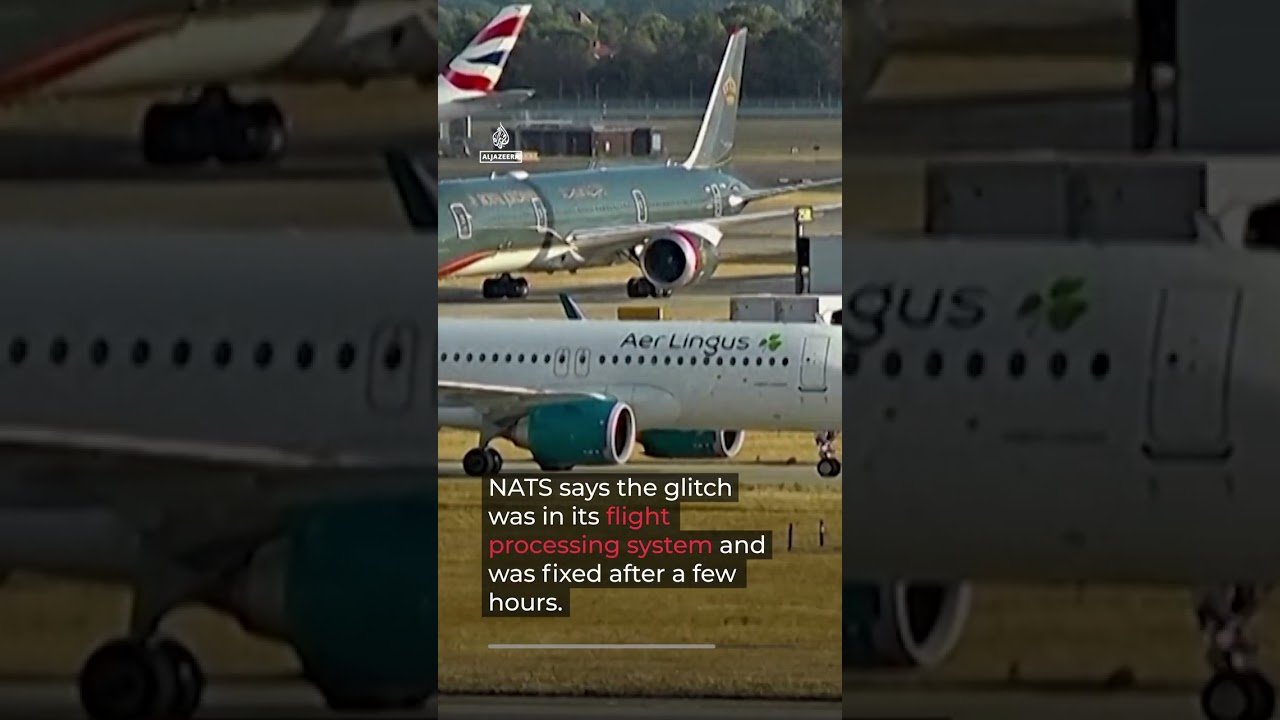
NATS identified the fault as a problem in its flight data system, which processes information used to plan and manage aircraft movements. At 1:46pm on Tuesday, the organisation said engineers were investigating a technical issue that was disrupting departures.
At 4:40pm, NATS said it had implemented a fix and that its flight system was beginning to recover. By 7:30 pm, the provider said the immediate technical issue had been resolved and that it was working with airlines and airports to clear the backlog.
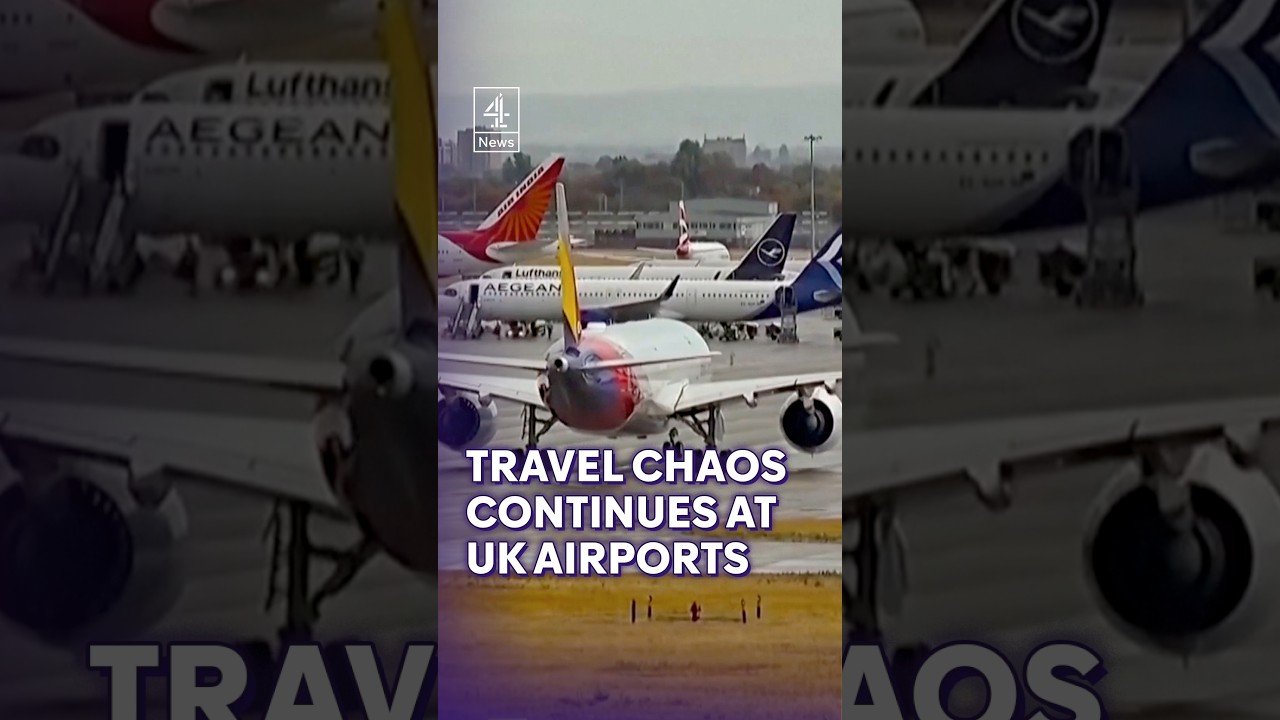
The failure did not close UK airspace entirely. However, the loss of normal processing capacity forced airports and airlines to reduce or suspend flights while they worked to restore safe operating levels.
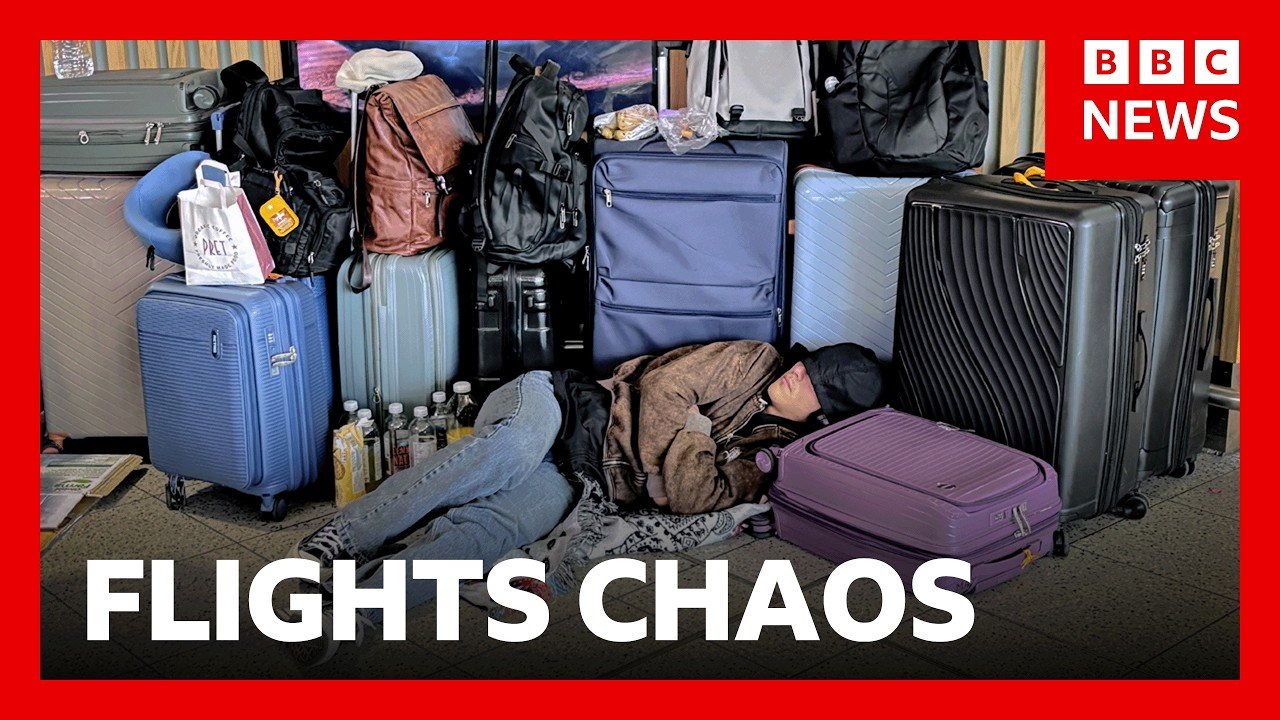
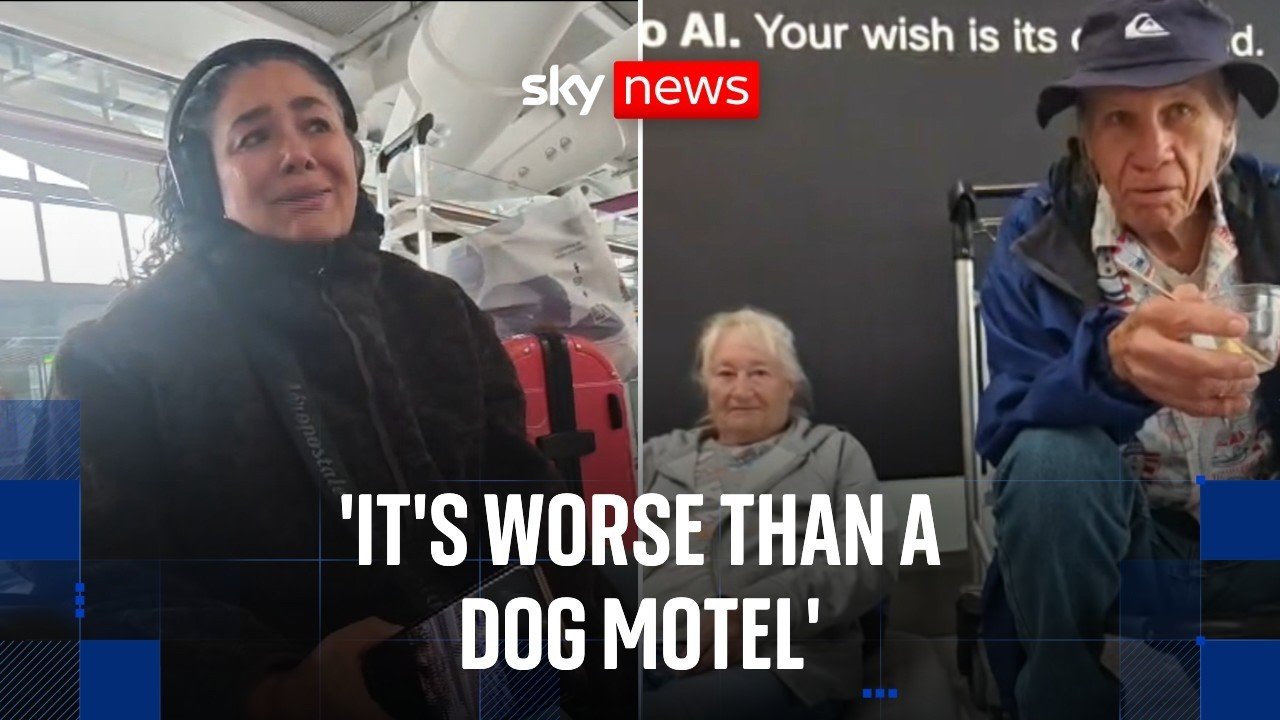
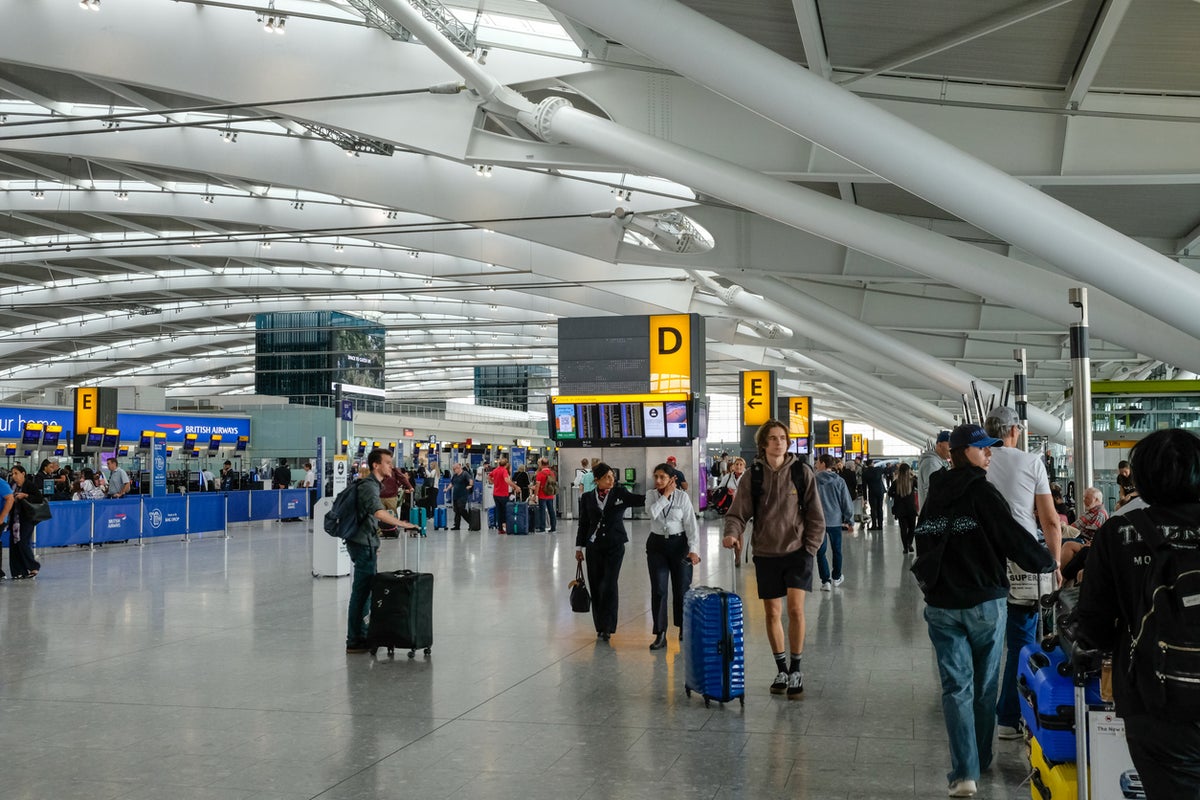
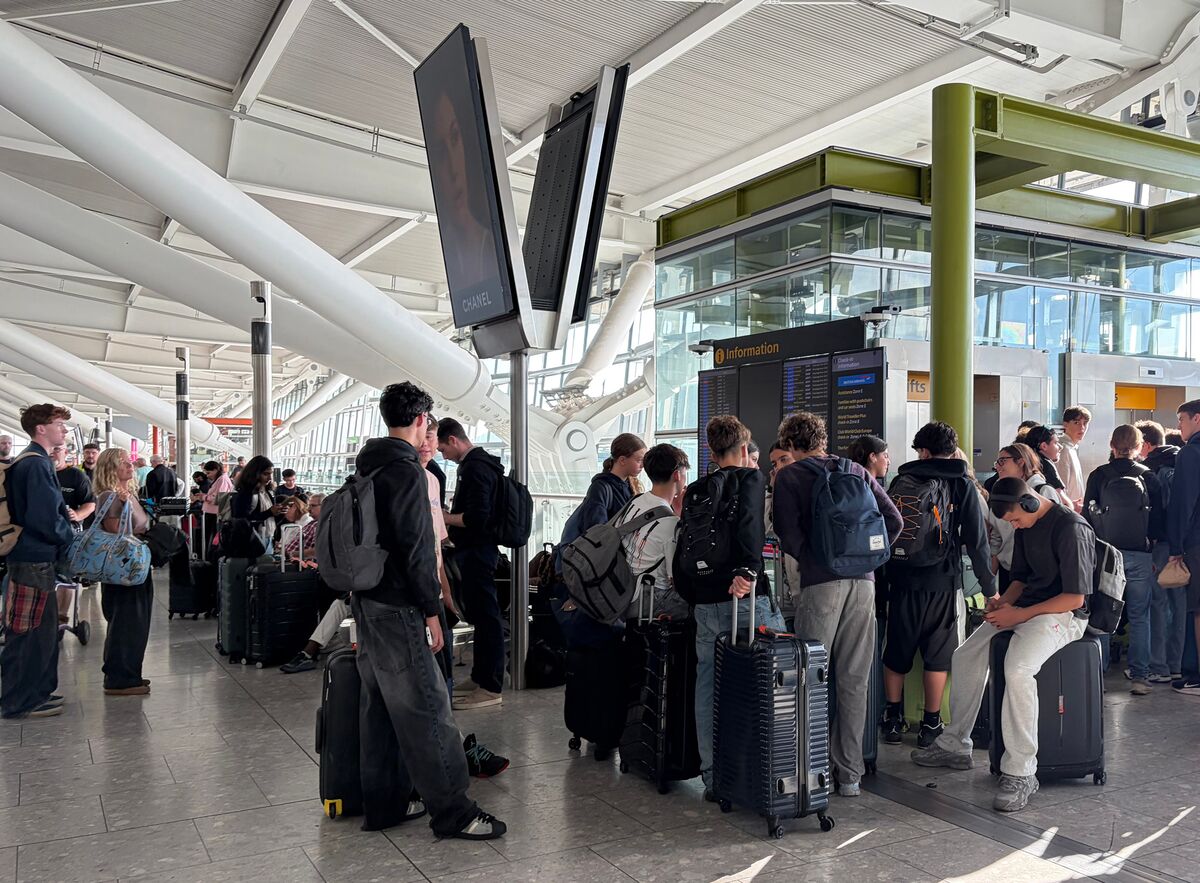
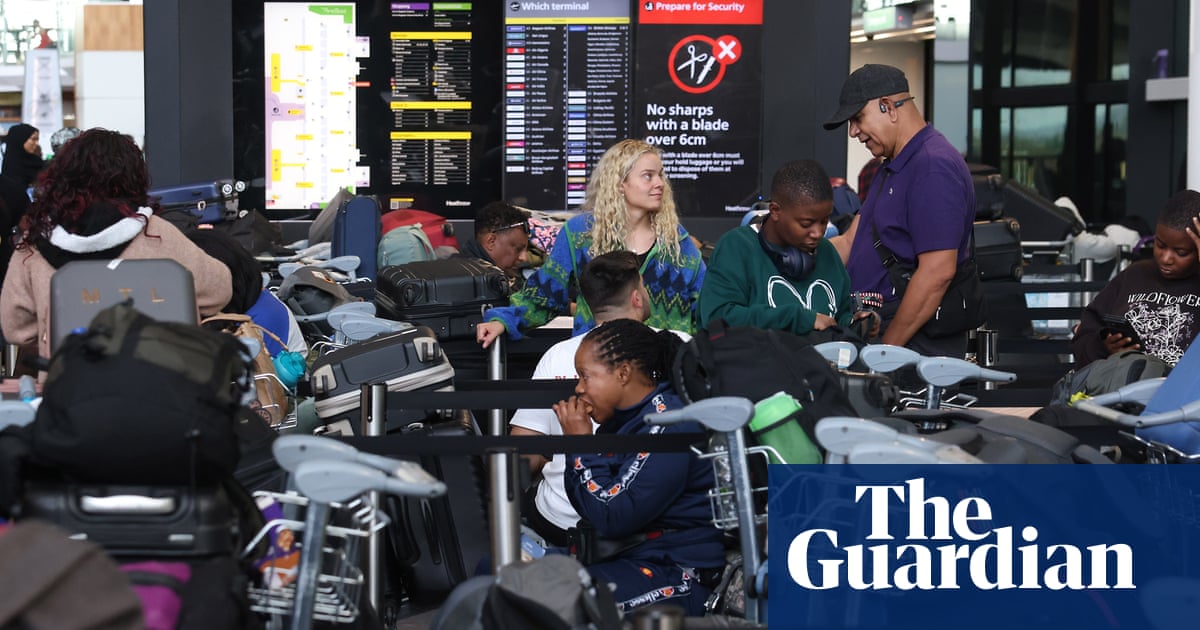
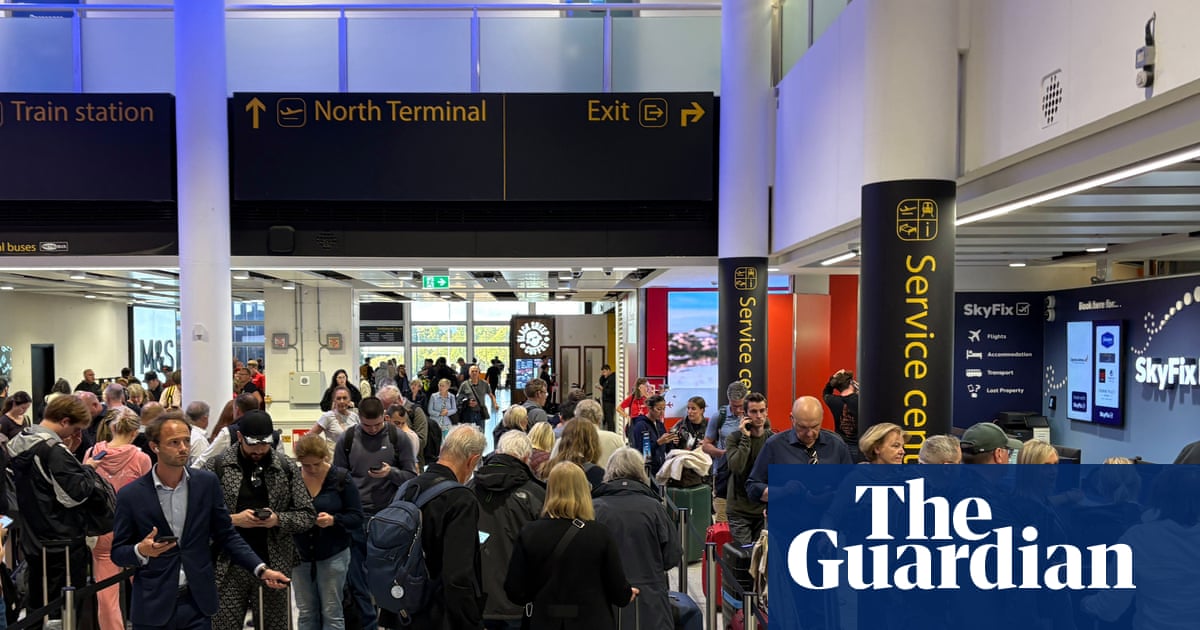
Heathrow was among the worst affected. The airport temporarily suspended arriving flights because it had run out of space to accommodate aircraft waiting to land. Gatwick, Manchester and Stansted also experienced major disruption, with passengers reporting long queues, delayed baggage and chaotic scenes in terminals.
The disruption continued into Wednesday because aircraft and crews were left in the wrong locations. Even after NATS restored its system, airlines could not immediately operate the original timetable.
No evidence of cyberattack
NATS chief executive Martin Rolfe described the failure as an unprecedented software problem. Authorities said there was no evidence that the incident was caused by a cyberattack.
After meeting Rolfe, Transport Secretary Heidi Alexander told Parliament that the outage had not been caused by hostile cyber activity. She nevertheless said she did not believe the disruption was unavoidable. The government has ordered NATS to provide a technical report within one week, while the UK Civil Aviation Authority has been asked to conduct a separate independent review expected to take six months.
NATS said its own investigation would examine the root cause and identify any further action required. The organisation has not yet publicly disclosed the precise software error or explained why its backup and recovery arrangements did not prevent such a broad operational impact.
The incident has renewed concerns about the resilience of Britain’s aviation infrastructure. It follows a nationwide NATS disruption in August 2023, when a flight-plan processing failure caused widespread cancellations and delays, and a separate radar-related technical incident in July 2025.
Airlines face mounting losses
British Airways, easyJet, Wizz Air and Ryanair were among the carriers affected.
Ryanair said it cancelled 260 flights affecting approximately 48,000 passengers and estimated that its losses had already reached £3million. British Airways cancelled or diverted 100 flights on Tuesday and cancelled a further 190 flights on Wednesday, according to Reuters.
Airline executives again criticised NATS, with representatives from Ryanair and Wizz Air questioning whether the UK’s air traffic control system was fit for purpose. Ryanair chief executive Michael O’Leary described the outage as a repeat of the 2023 crisis and renewed calls for Rolfe to resign.
Airlines UK, which represents UK carriers, said the latest failure exposed a weakness in the country’s regulatory framework. Its chief executive, Tim Alderslade, argued that airlines were being required to absorb the cost of disruption caused by an organisation outside their direct control.
NATS is a public-private partnership partly owned by the UK government, airlines including British Airways and easyJet, and pension funds. Reuters reported that NATS paid £175million in dividends to its owners in 2025. Ryanair is also pursuing a claim of more than £7million against NATS over the 2023 outage.
What passengers can claim
The CAA has said passengers are unlikely to qualify for standard cash compensation for delays or cancellations directly caused by the NATS failure.
The regulator considers the incident likely to fall within the “extraordinary circumstances” exemption under UK passenger-rights rules. This exemption generally applies when disruption is outside an airline’s control, meaning carriers may not have to pay fixed compensation for lengthy delays or cancellations.
The CAA has also indicated that the exemption is likely to cover some knock-on disruption caused by the original outage. However, its guidance is not a final ruling on every individual claim. Each case remains dependent on the facts, and passengers retain the right to challenge an airline’s decision, including through the courts.
Passengers whose flights were cancelled should still be offered a choice between:
- A refund.
- Re-routing at the earliest available opportunity.
- Re-routing at a later date.
Airlines also retain a duty of care toward passengers, even when the disruption is caused by an extraordinary circumstance. Depending on the length of the delay, that can include reasonable meals, refreshments, communication facilities, hotel accommodation and transport between the airport and hotel. If an airline fails to provide suitable assistance, the CAA says passengers may be able to claim reimbursement for reasonable expenses.
Passengers should keep receipts, boarding passes, cancellation notices and records of communications with their airline. Travel insurance may also cover additional expenses that fall outside an airline’s obligations.
The rules do not apply identically to every journey. UK passenger-rights protections generally cover flights departing from the UK and flights arriving in the UK on UK or EU carriers. Different rules may apply to passengers arriving from countries such as the United States on non-UK or non-EU airlines.
Investigation and accountability
The immediate crisis may be easing, but the political and industry fallout is likely to continue.
The government’s one-week deadline for NATS is intended to establish what failed, why the incident spread across the network and whether the provider’s resilience measures worked as designed. The CAA’s longer review will examine not only the technical cause but also whether NATS is adequately equipped to deliver a reliable service in the future.
NATS has apologised to passengers, airlines and airports, and said its operations are stable. But the scale of the disruption—combined with the history of previous failures—has intensified calls for greater investment, stronger contingency systems and clearer accountability.
For passengers, the central question is now whether they will receive timely refunds, practical assistance and alternative transport. For the aviation industry, the investigation will determine whether this was an isolated software failure or evidence of deeper weaknesses in the UK’s air traffic control network.