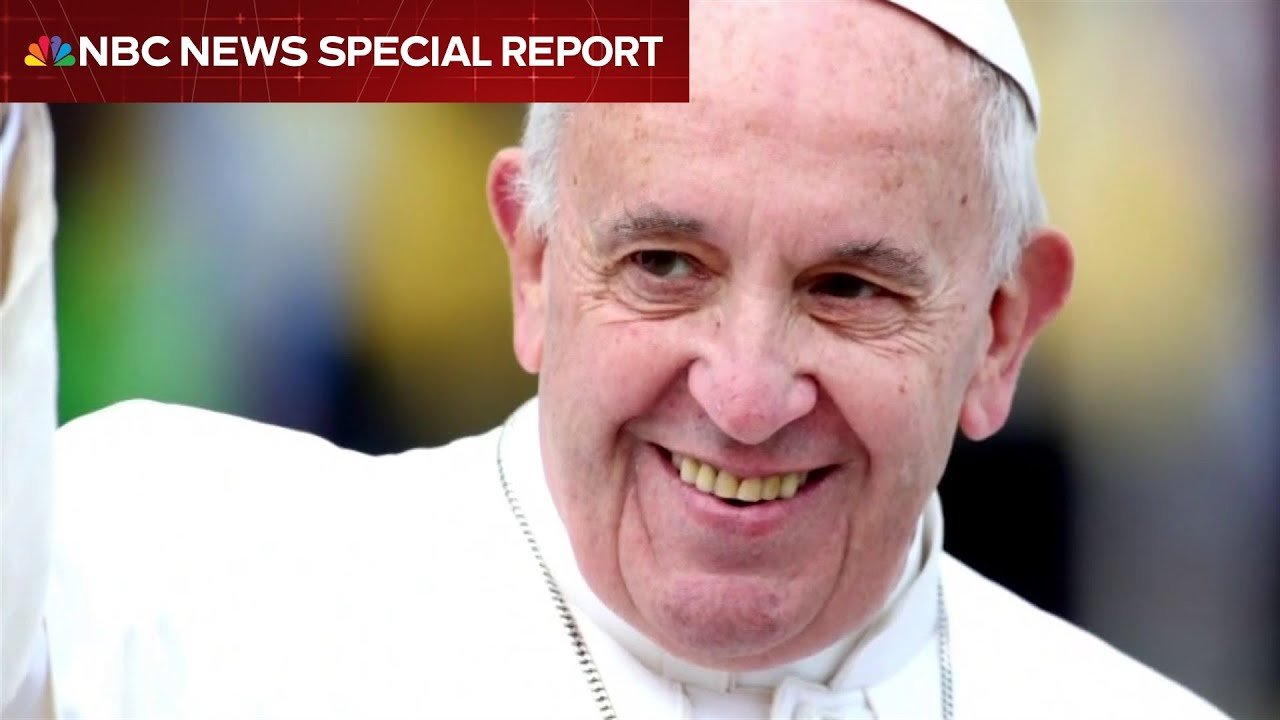
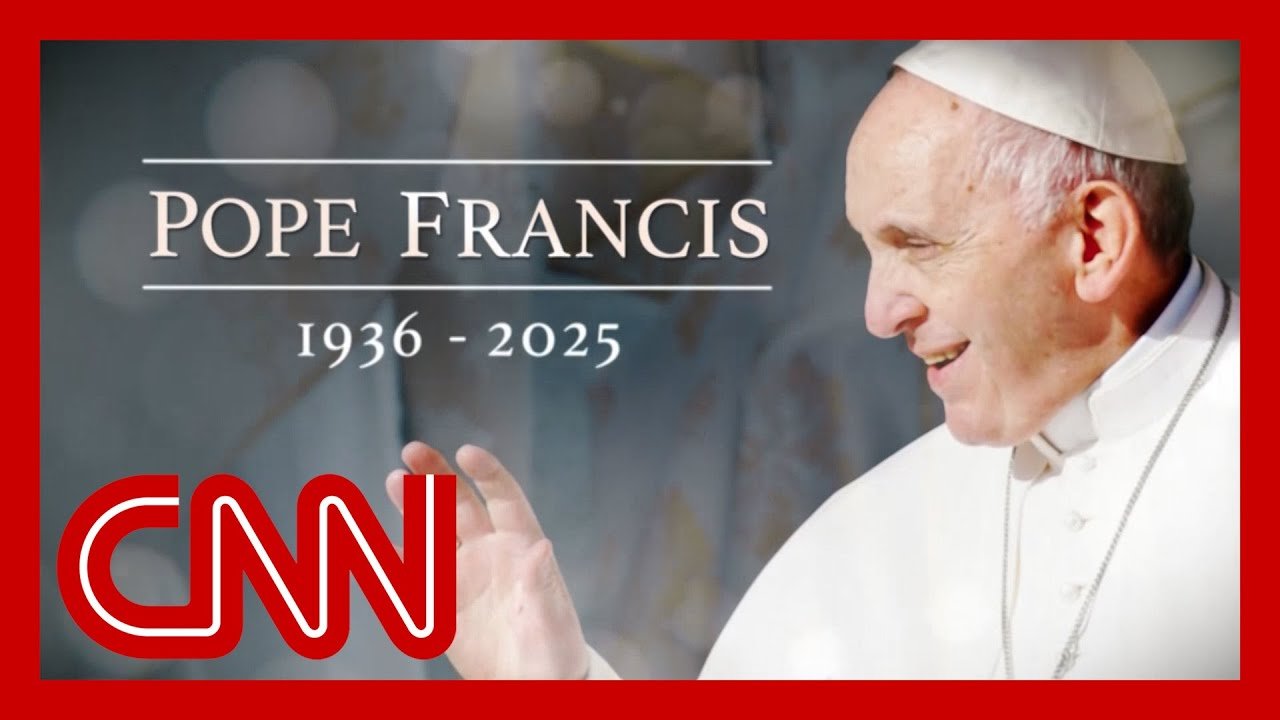
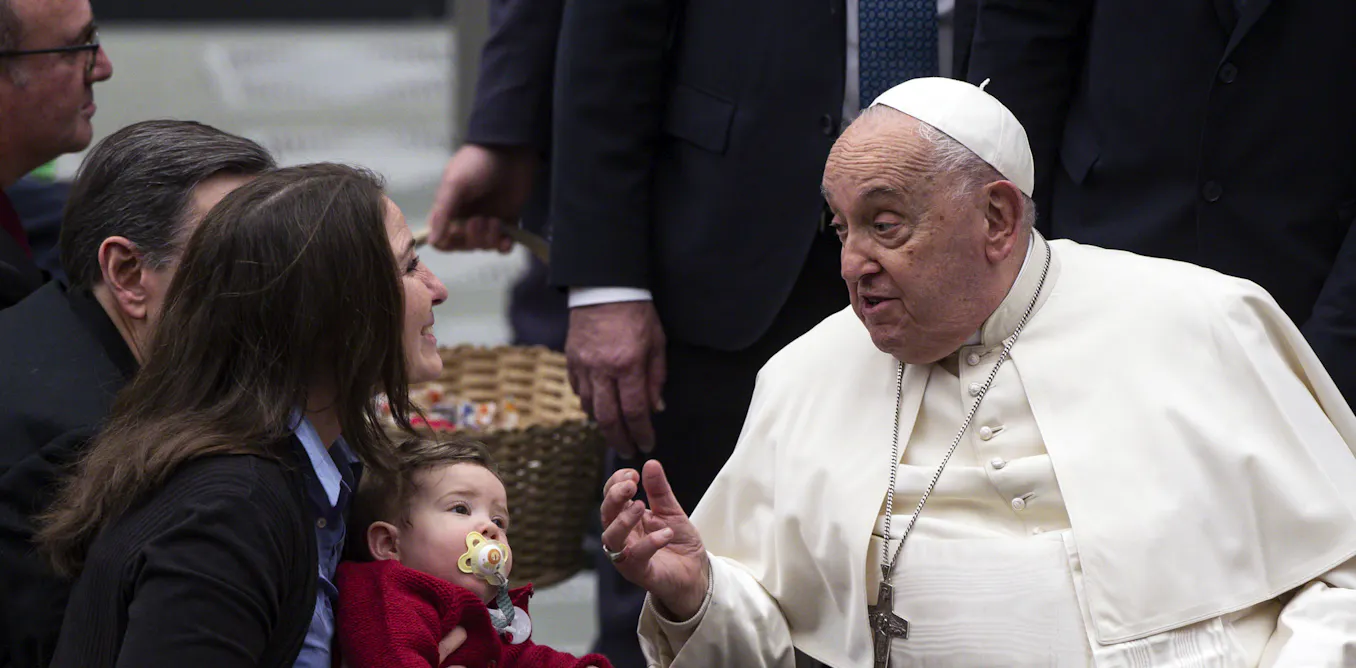
Pope Francis died on Easter Monday, 21 April 2025, at age 88 in his residence at the Vatican’s Casa Santa Marta, following a period of declining health. The Vatican said he died from a cerebral stroke that led to a coma and irreversible heart failure.
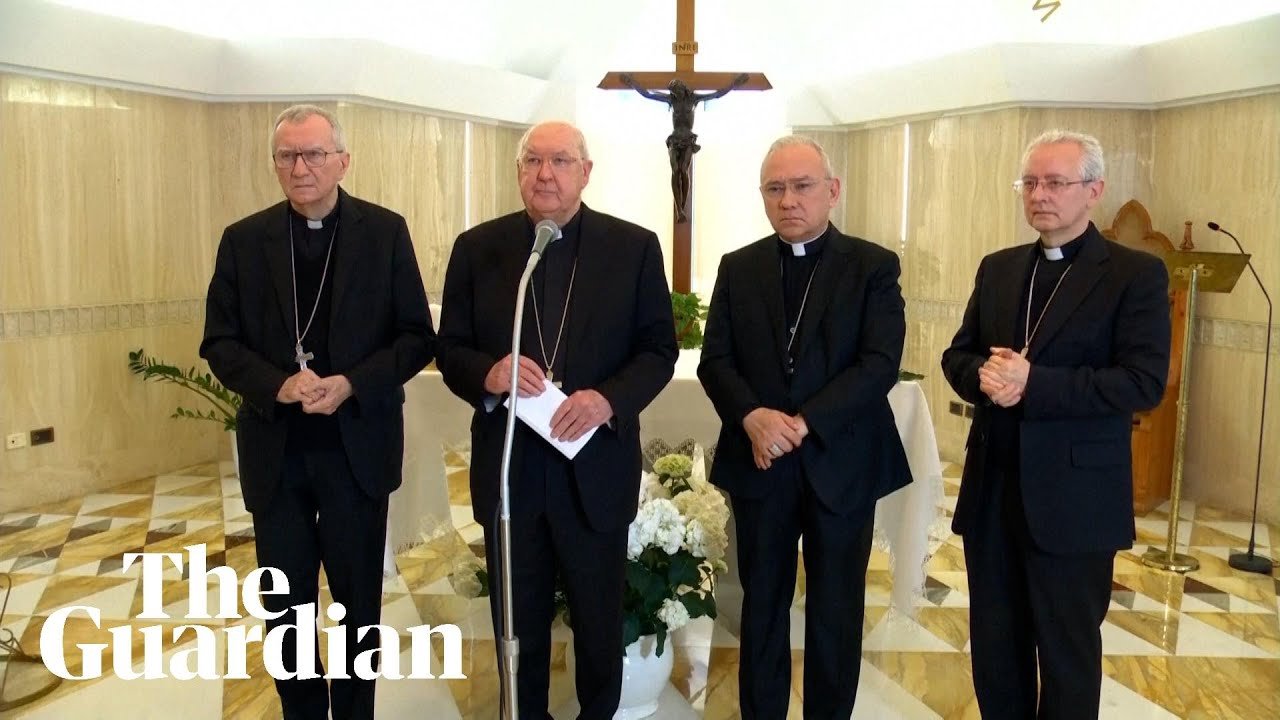
Cardinal Kevin Farrell, the Vatican camerlengo, announced the pope’s death. Francis had been hospitalized at Rome’s Gemelli hospital on 14 February with double pneumonia after years of chronic lung problems and a partial lung removal in his youth. He spent 38 days there, the longest hospital stay of his 12-year papacy, before being discharged on 23 March.
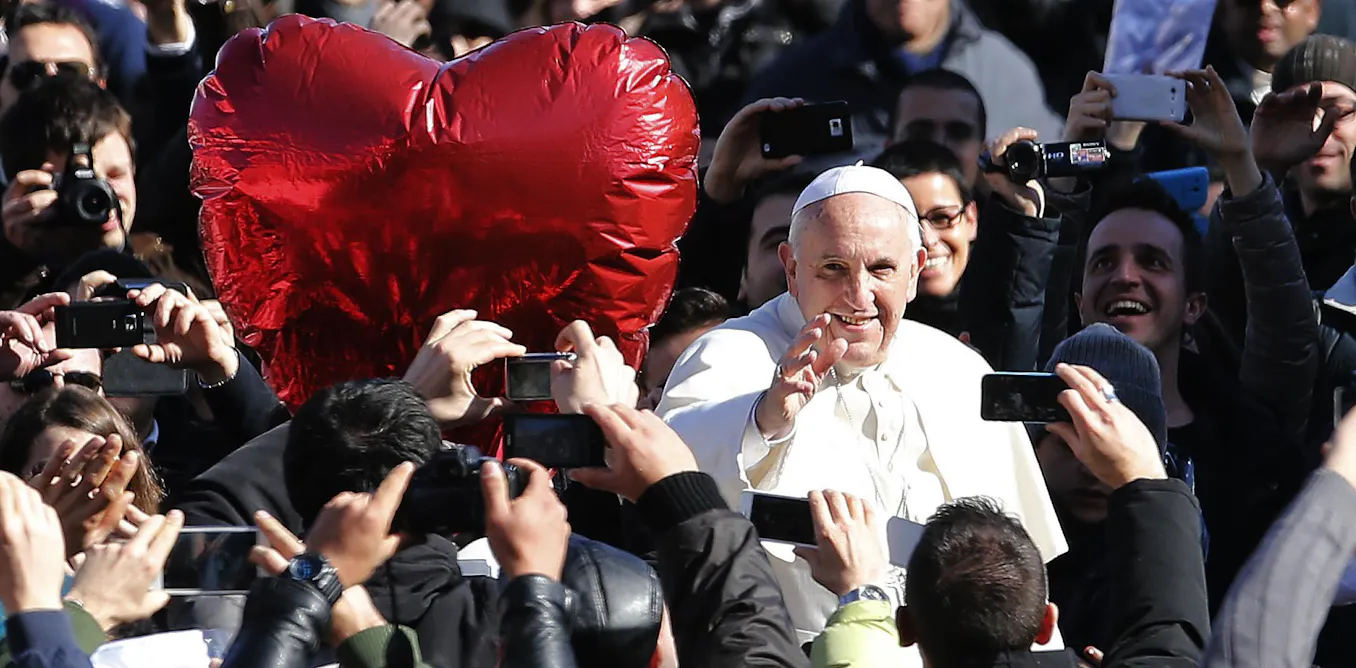
He made his final public appearance on Easter Sunday, briefly greeting worshippers at St. Peter’s Square.
A papacy defined by reform and simplicity
Born Jorge Mario Bergoglio, Francis was the 266th leader of the Roman Catholic Church and served from 2013 until his death in 2025. He was the first pope from the Americas, the first from the Southern Hemisphere and the first Jesuit to lead the Church.
Elected on 13 March 2013, he chose the name Francis in honor of St. Francis of Assisi, signaling a papacy centered on humility, peace and concern for the poor. He broke with many Vatican traditions, living at the Vatican guesthouse instead of the Apostolic Palace and favoring a plain iron cross over more formal papal symbols.
Lasting global influence
Francis remained doctrinally conservative on issues such as women’s ordination and clerical celibacy, but he adopted a notably more welcoming tone toward LGBTQ+ Catholics and approved blessings for same-sex couples. His off-the-cuff style and emphasis on mercy helped reshape the tone of the papacy for a global audience.
His remarks often captured that balance. On LGBTQ+ Catholics, he said, “If someone is gay and is searching for the Lord and has good will, then who am I to judge him?”
If someone is gay and is searching for the Lord and has good will, then who am I to judge him?
On the Church’s mission, he said he preferred “a church which is bruised, hurting and dirty because it has been out on the streets” over one that was “unhealthy from being confined and from clinging to its own security.”
I prefer a church which is bruised, hurting and dirty because it has been out on the streets, rather than a church which is unhealthy from being confined and from clinging to its own security.
Quotes from Pope Francis
What his death meant
Francis’s death closed a historic and highly influential chapter in the Catholic Church, one that broadened the papacy’s global reach and emphasized pastoral outreach, social justice and simplicity. His legacy is likely to shape the Church’s direction for years, especially on questions of reform, inclusion and the Church’s role in a polarized world.