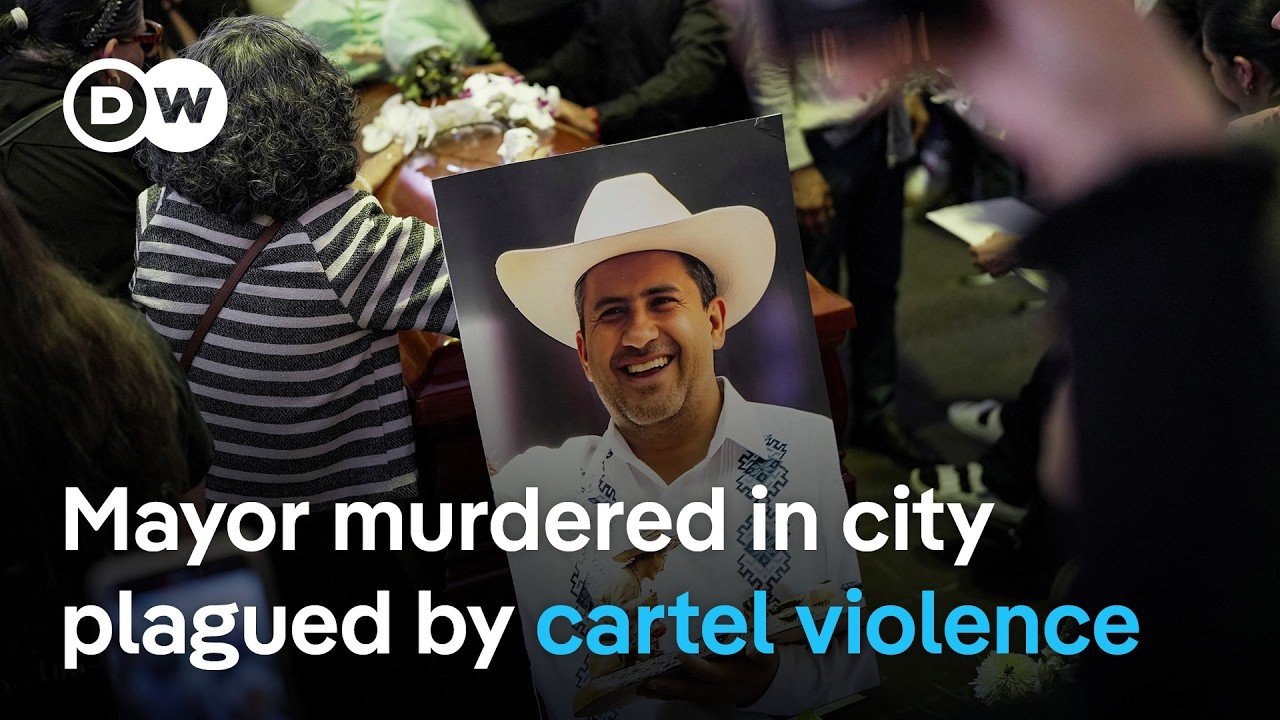
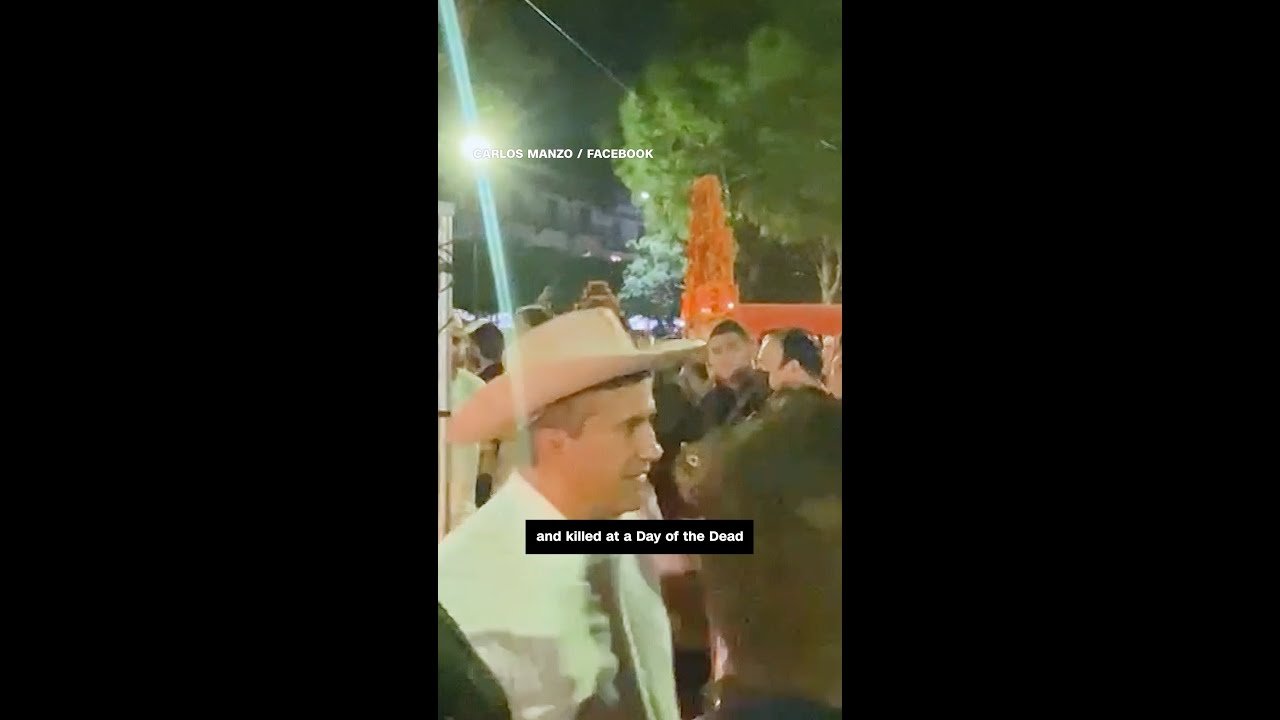
On November 1, 2025, Carlos Manzo, the independent mayor of Uruapan, Michoacán, was shot seven times while attending the Festival de las Velas (Festival of Candles) for Day of the Dead in Uruapan’s historic center. Manzo was speaking with residents when the attack occurred. He died later at a hospital. A city council member and one of his bodyguards were also wounded.
The gunman, identified as 17-year-old Víctor Manuel Ubaldo Vidales, was shot and killed at the scene by security forces.
Manzo’s widow, Grecia Quiroz, was sworn in as mayor on November 5, vowing to continue his anti-cartel mission. Known as an outspoken crusader against organized crime, Manzo’s murder during a public festival sparked a massive wave of national unrest and Gen Z-led protests.
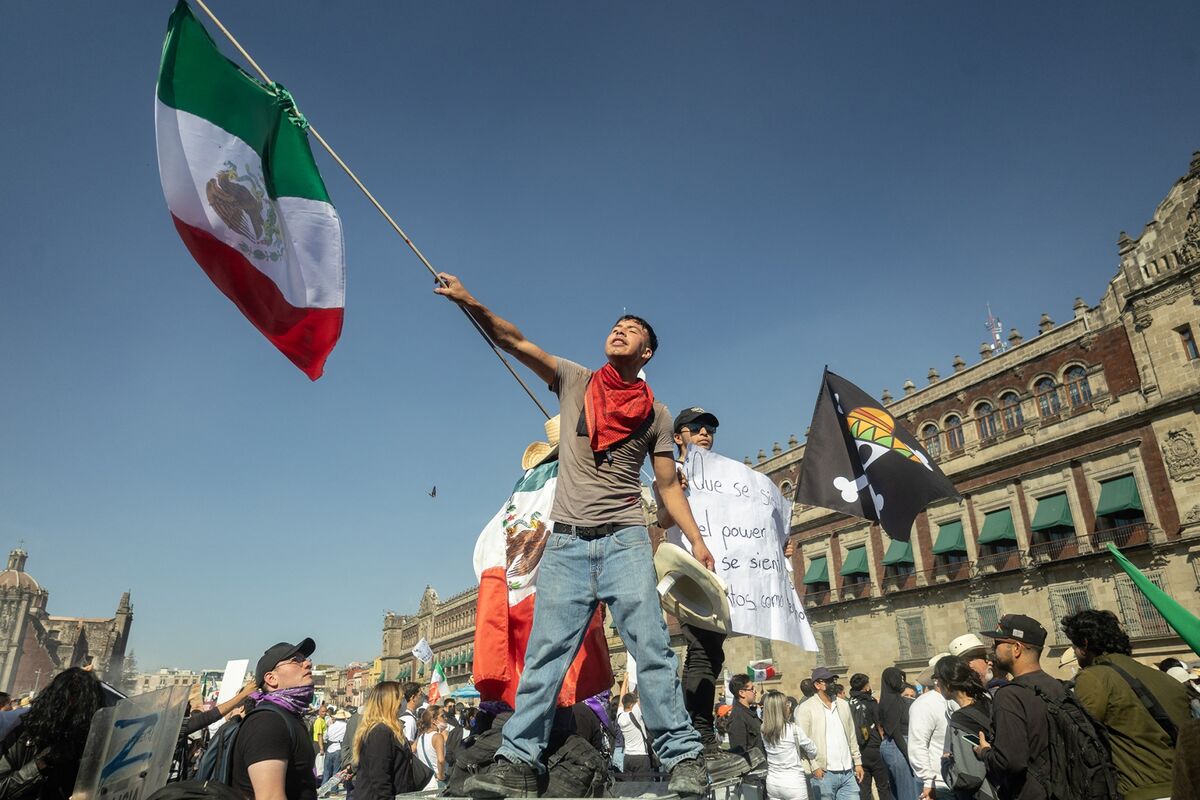
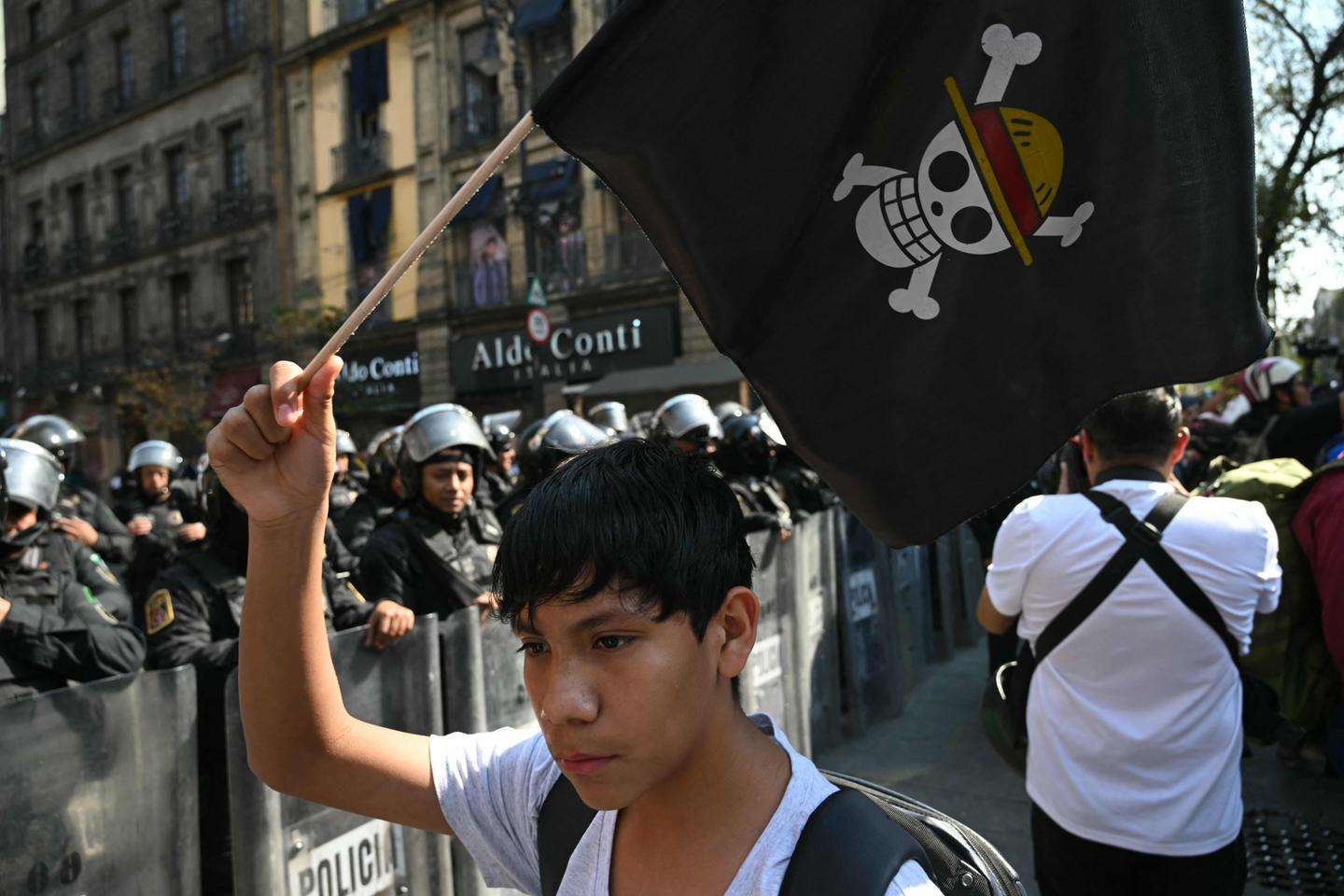
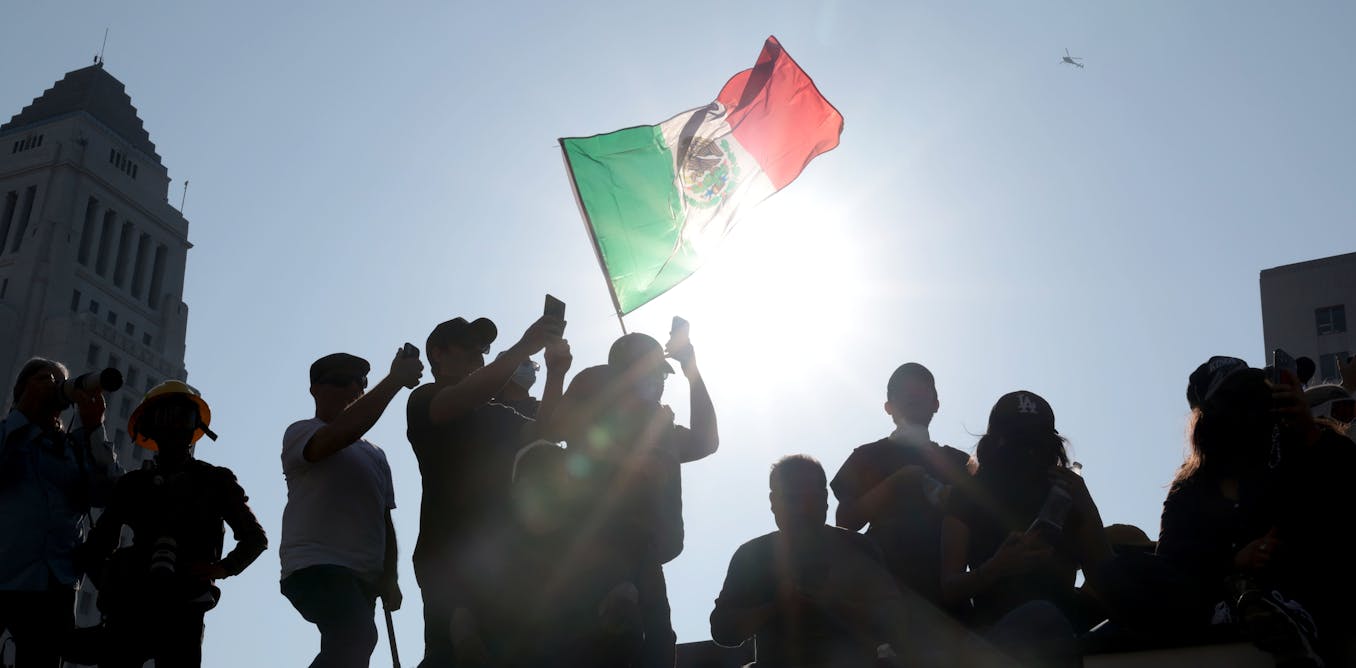
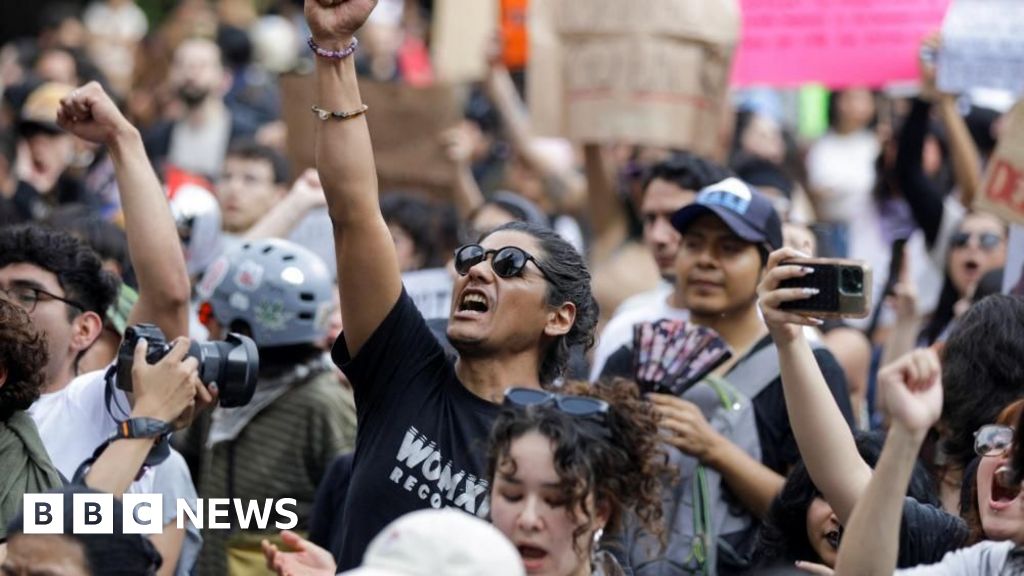
Nationwide Gen Z-Led protests
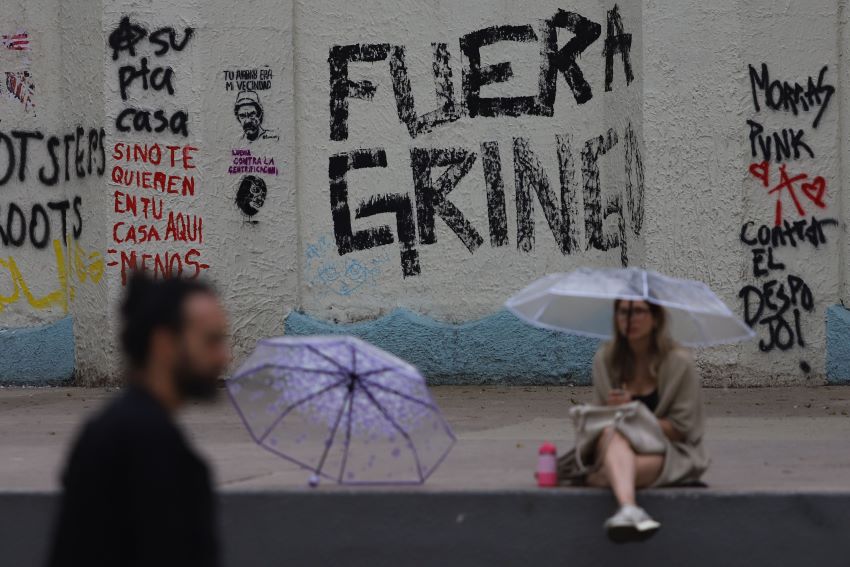
The killing ignited nationwide protests led by “Generación Z Mexico.” Demonstrators accused the federal government of negligence, frequently chanting “Carlos did not die, the government killed him.”
The group issued a 12-point manifesto calling for immediate action against cartel violence and the demilitarization of internal security. It also demanded electoral reform establishing citizen-initiated recall mechanisms to remove the president, independent auditing of government programs, and judicial reform as part of broader anti-corruption measures.
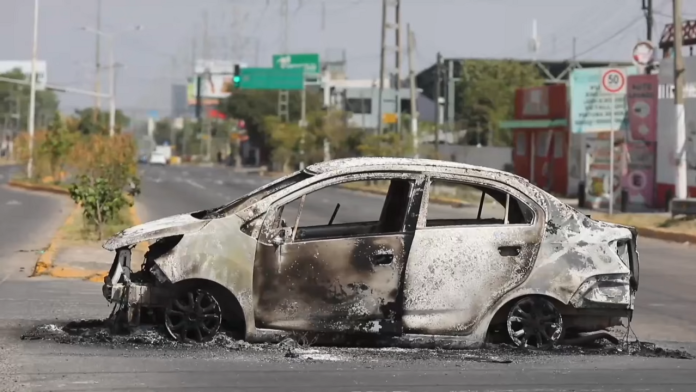
On November 15, thousands marched in Mexico City and over 50 other cities. In Mexico City, clashes between a “black bloc” and riot police at the Zócalo resulted in 120 injuries, mostly among police, and 20 arrests.
A smaller “Revolution Day” protest occurred in Mexico City on November 20, though turnout was lower than expected. The “Marcha del Silencio” (March of Silence) on December 14 saw roughly 300 participants in the capital before the movement began to lose momentum.
President Claudia Sheinbaum dismissed the movement as “inorganic,” alleging it was a bot-driven campaign funded by right-wing opposition and foreign interests like the Atlas Network.
Investigation & arrests
Authorities have linked the hit to the Jalisco New Generation Cartel (CJNG), which allegedly targeted Manzo for his “zero-tolerance” policy and his administration’s capture of a key cartel leader, René Belmonte, known as “Rino,” in August 2025.
On November 18, 2025, officials arrested Jorge Armando, known as “El Licenciado,” a CJNG cell leader accused of coordinating the surveillance and ordering the attack via WhatsApp.
In a major development, seven members of Manzo’s own security detail, who were active municipal police officers, were arrested for “commission by omission” or probable participation in the homicide. By January 2026, 15 individuals were in custody, including a former municipal official and Manzo’s personal secretary, who was later released.
Government response
The assassination pressured President Claudia Sheinbaum to launch the “Michoacán Plan for Peace and Justice,” deploying 10,000 soldiers to the state in an effort to restore security and dismantle cartel operations in Michoacán.
Manzo’s assassination and the subsequent Gen Z-led protests represent a turning point in Mexico’s fight against organized crime. The movement highlighted growing frustration among younger generations with federal security policies and corruption, while the government’s response signaled acknowledgment of the severity of the crisis in Michoacán.
Read also: Druglord El Mencho killed by Mexican Special Forces