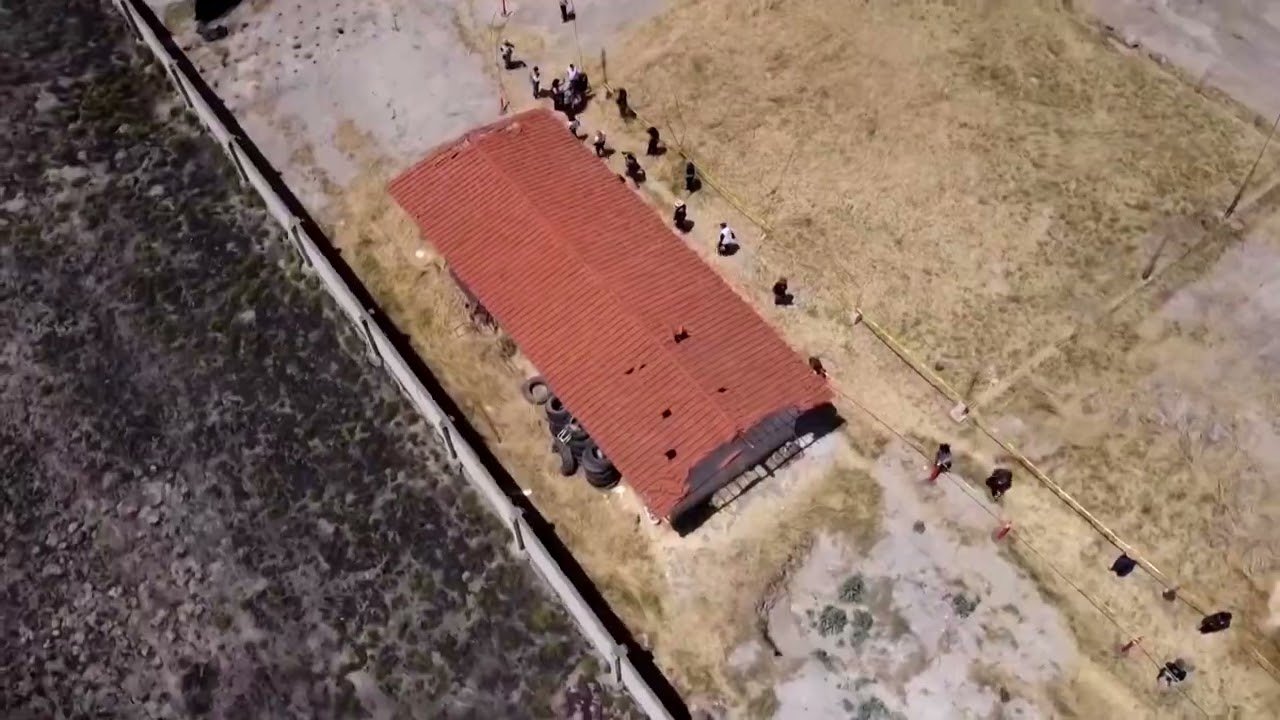
In March 2025, an abandoned ranch in Teuchitlán, Jalisco, about 64 kilometers outside Guadalajara, became known as the “Ranch of Horror” after volunteer searchers uncovered evidence that it had been used by the Jalisco New Generation Cartel for forced recruitment, training and the disposal of victims. The discovery shocked Mexico and intensified scrutiny of cartel violence, disappearances and official failures.
What was found
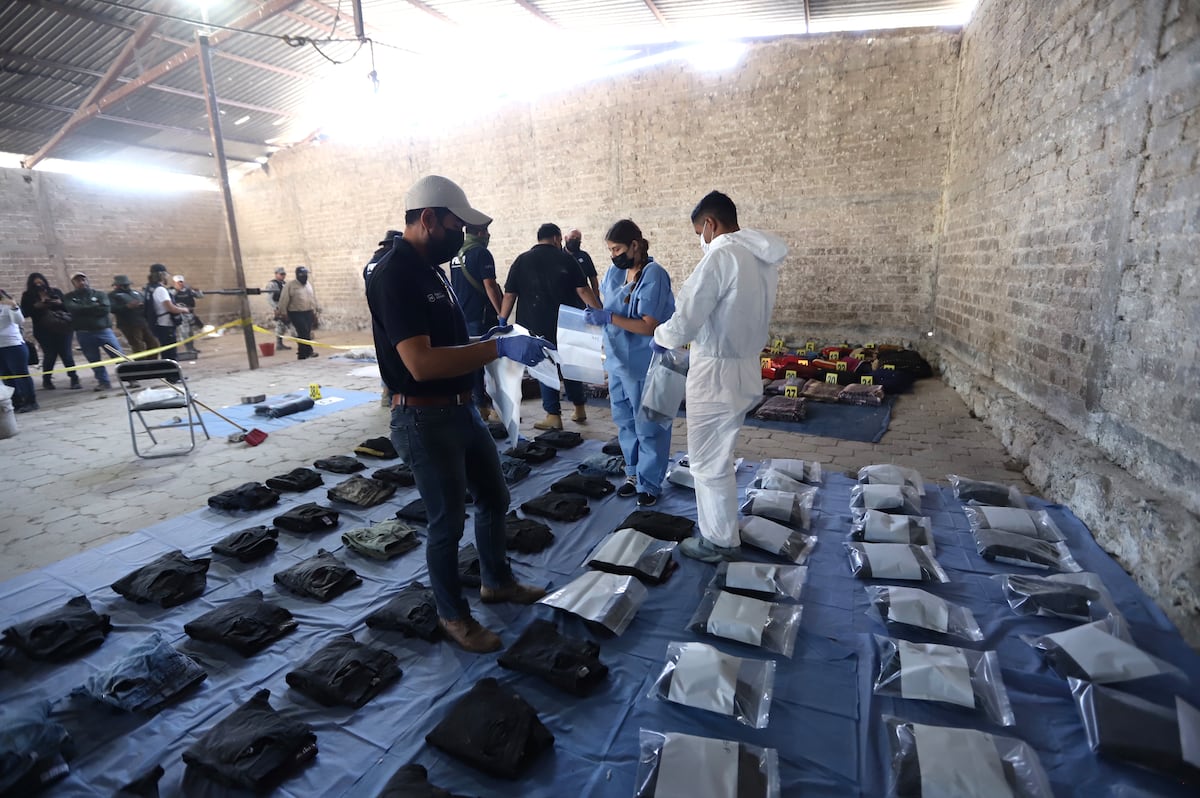
On March 5, the Guerreros Buscadores de Jalisco followed an anonymous tip to Rancho Izaguirre and found about 200 pairs of shoes, hundreds of clothing items, charred human remains, bone fragments and three makeshift underground ovens. The evidence suggested the site had been used to process victims and intimidate recruits, though federal officials later said it functioned more as a cartel training camp than an extermination center.
Investigators said recruits were lured by fake job offers on social media, then subjected to brutal training. Those who failed or tried to escape were reportedly tortured or killed.
Earlier raid and cover-up claims
State authorities had raided the ranch in September 2024, arresting 10 suspects, rescuing two kidnapped people and seizing weapons and tactical gear, but they reported no mass graves at the time. The later activist discovery of clothing, IDs, backpacks and human remains fueled accusations that authorities had missed — or concealed — the site’s true scale.
The federal government later took over the case. Prosecutors said soil analysis did not support the claim that the ovens had reached temperatures needed for cremation, complicating early assumptions that the ranch was a full-scale extermination site.
Arrests and violence
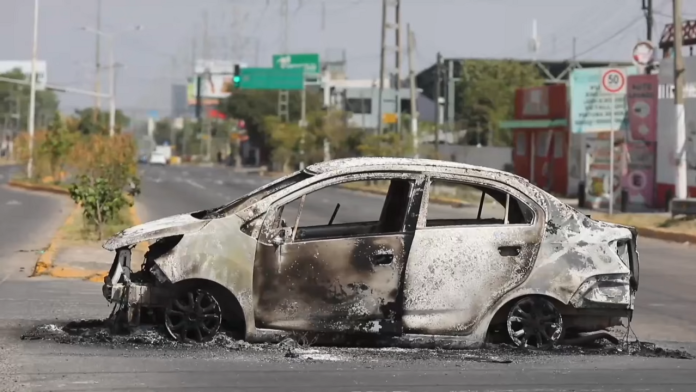
By May 2025, authorities had arrested Teuchitlán mayor José Murguía Santiago, accusing him of ties to organized crime and involvement in the ranch’s operations. The case also turned deadly for members of the search collective that uncovered the site.
In April 2025, Carmen Morales and her son Jaime Ramírez were killed by gunmen in Jalisco after Morales had reportedly received repeated threats. Another searcher, Teresa González, was shot dead earlier that month, and police later arrested two suspects in connection with those killings.
Public outrage
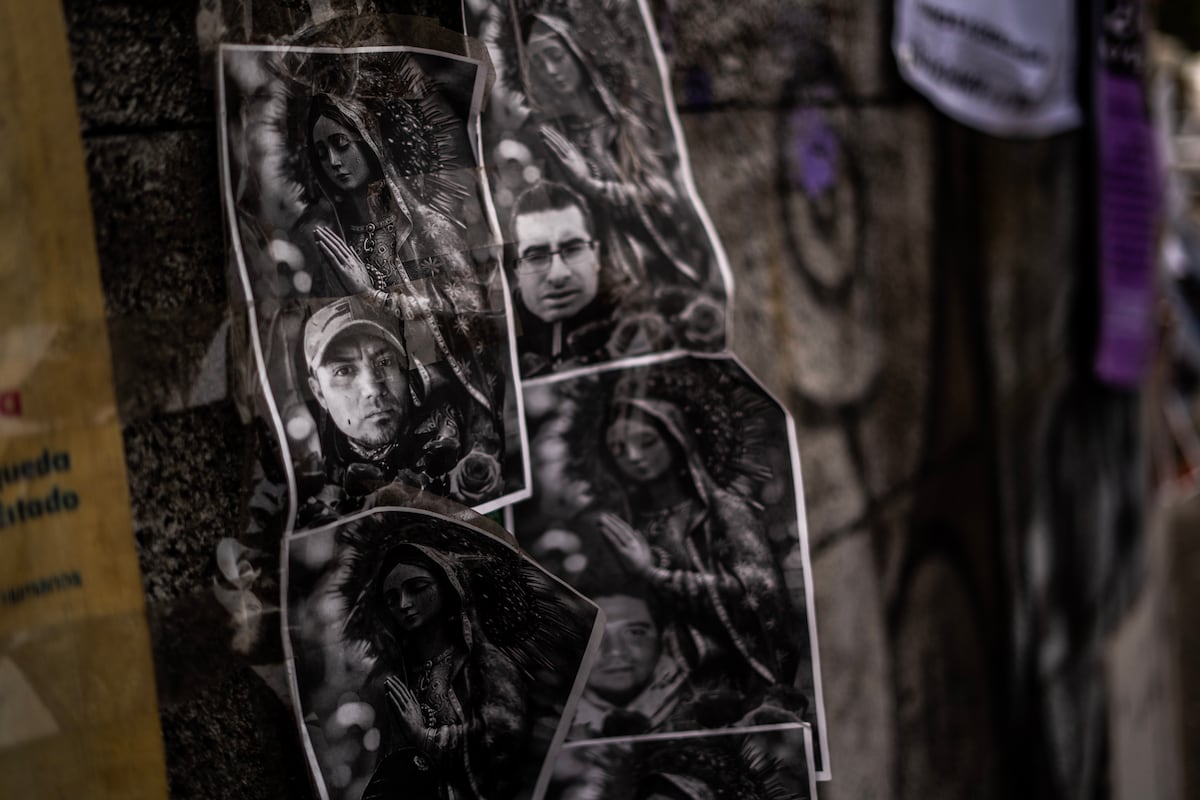
For families searching for missing relatives, the ranch became both a source of hope and a symbol of terror. Activists condemned the fact that they found the site with shovels after officials had failed to detect its significance during the earlier raid.
The 200 pairs of shoes became a powerful symbol of Mexico’s missing and disappeared, while the backlog in forensic identification deepened fears that the thousands of items recovered would sit untested for years.
Political fallout
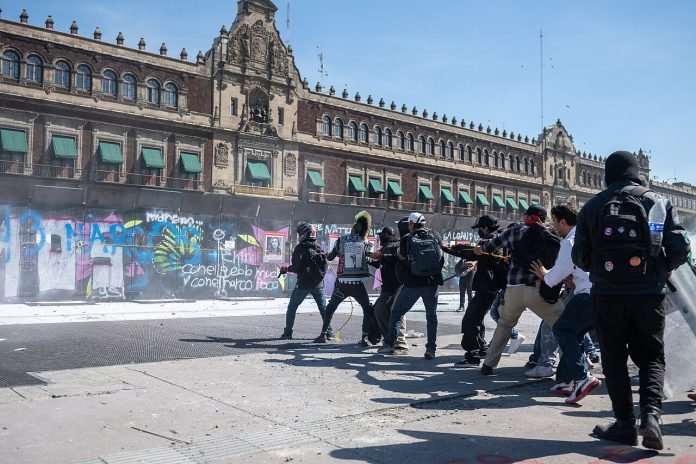
The discovery triggered a blame game between federal and state authorities. President Claudia Sheinbaum called the findings deeply disturbing and used the case to justify greater centralization of security policy, arguing that local authorities in Jalisco were either overwhelmed or compromised.
Jalisco’s government initially dismissed claims about crematoria as misinformation, but the case soon became a national scandal and a symbol of the state’s inability to curb cartel violence.
Why it matters
The ranch exposed the scale of cartel control, the ease of forced recruitment and the weakness of institutions meant to protect vulnerable people. It also became a grim reminder that Mexico’s disappearance crisis is not only about the missing, but also about the systems that fail to find them.
Read also: Druglord El Mencho killed by Mexican Special Forces