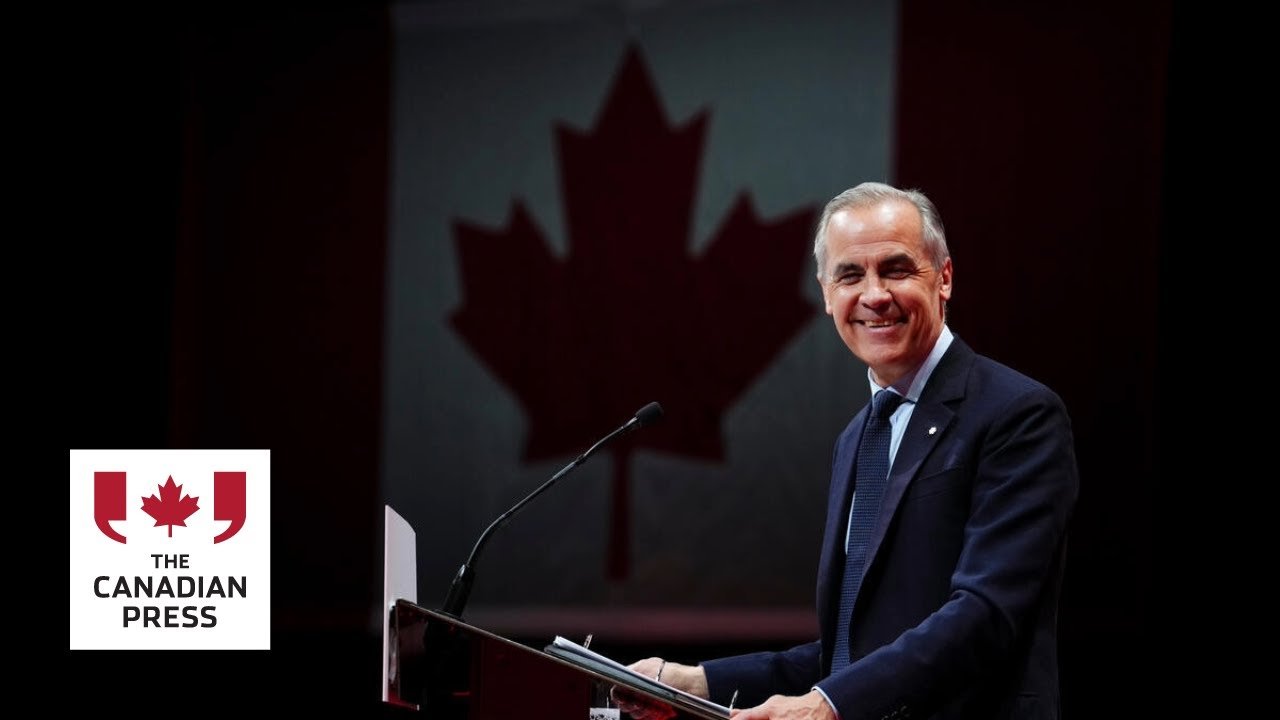
Prime Minister Mark Carney led Canada’s Liberal Party to a minority victory in the 28 April 2025 federal election, capping one of the most dramatic political recoveries in recent Canadian history and giving the party a fourth consecutive term in office.
The Liberals won 169 seats in the House of Commons, three short of the 172 needed for a majority. That result keeps Carney in power, but his government will need support from other parties to pass legislation. It also marked the party’s first popular vote victory since 2015 and its strongest overall performance since 1980.
Election results
The 2025 vote was the first held under Canada’s new 343-seat electoral map, created to reflect population changes from the 2021 census. More than 28 million Canadians were eligible to vote, and turnout reached 69.5 percent, the highest since 1993.
Both major parties improved their standing compared with 2021. The Liberals gained seat share and vote share, while the Conservatives also increased their totals, leaving the House more sharply polarized around the two main parties. Smaller parties lost ground, reinforcing the sense that voters were consolidating around the Liberals and Conservatives.
Campaign themes
The campaign was dominated by the cost of living, housing affordability and crime, all of which shaped public frustration going into election day. But relations with the United States also became a major issue after President Donald Trump imposed tariffs on Canadian exports and made annexation threats, which gave the Liberals a powerful argument for stable leadership.
Housing was especially important among younger voters, while economic pressures fed broader concerns about daily living costs. Analysts said the Liberal comeback reflected a sharp shift in the final stretch of the campaign, when Carney’s image as a steady economic manager began to resonate with voters.
Political impact
The result gave the Liberals another term in government, but not the freedom of a majority mandate. Carney will now have to negotiate with opposition parties to move legislation and survive confidence votes. That makes his government more durable than a shaky alternative, but still vulnerable to parliamentary gridlock.
The outcome also underscored how quickly Canada’s political mood shifted. What had looked like a tougher race earlier in the year became, by election night, a Liberal comeback that analysts described as unusually dramatic. The result suggests voters wanted continuity in a period of external tension, even if they were not willing to hand Carney full control.
Why it matters
Carney’s victory preserves Liberal power and gives him a strong political platform, but the minority status means the next phase will be about compromise and coalition-building. The election also marked a broader consolidation of Canada’s two-party competition, with the Liberals and Conservatives emerging stronger while the smaller parties weakened.
The combination of economic anxiety, cross-border pressure from the US and a volatile campaign helped define the result. In that sense, the election was less a sweeping ideological mandate than a vote for steadiness in uncertain times.
Read also:
Mark Carney wins Canada’s leadership race
Canadian PM Justin Trudeau steps down