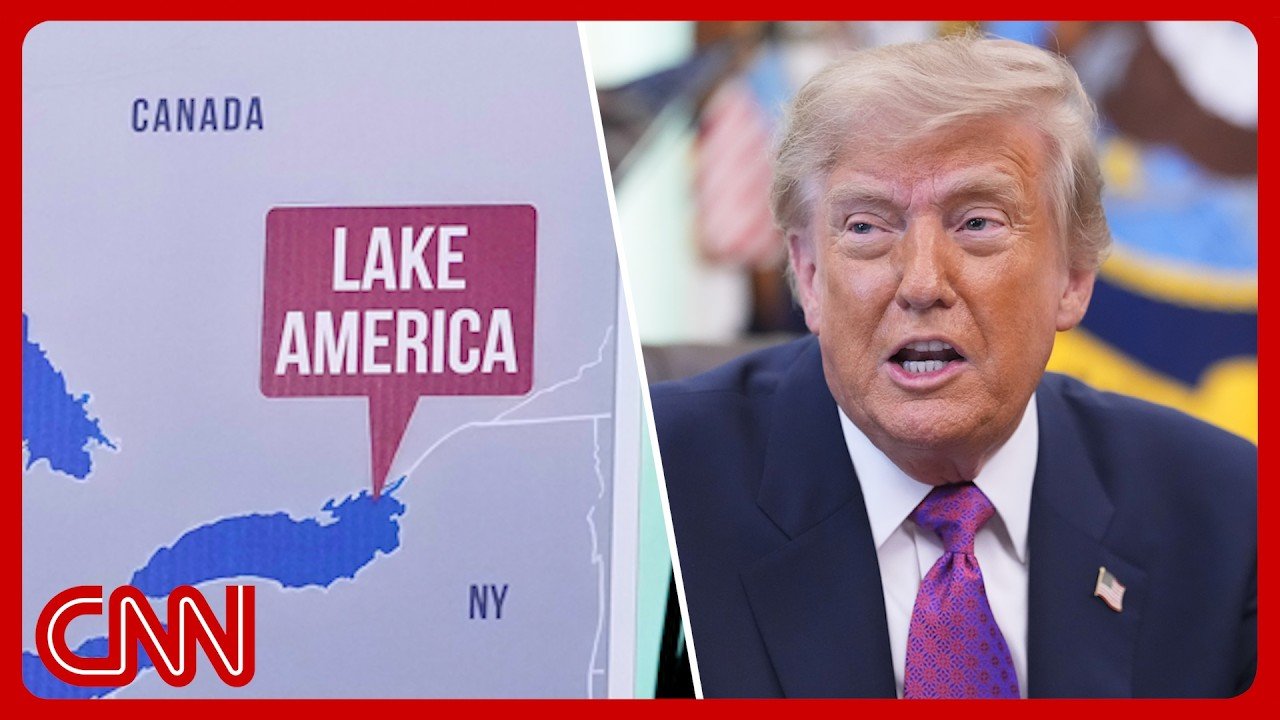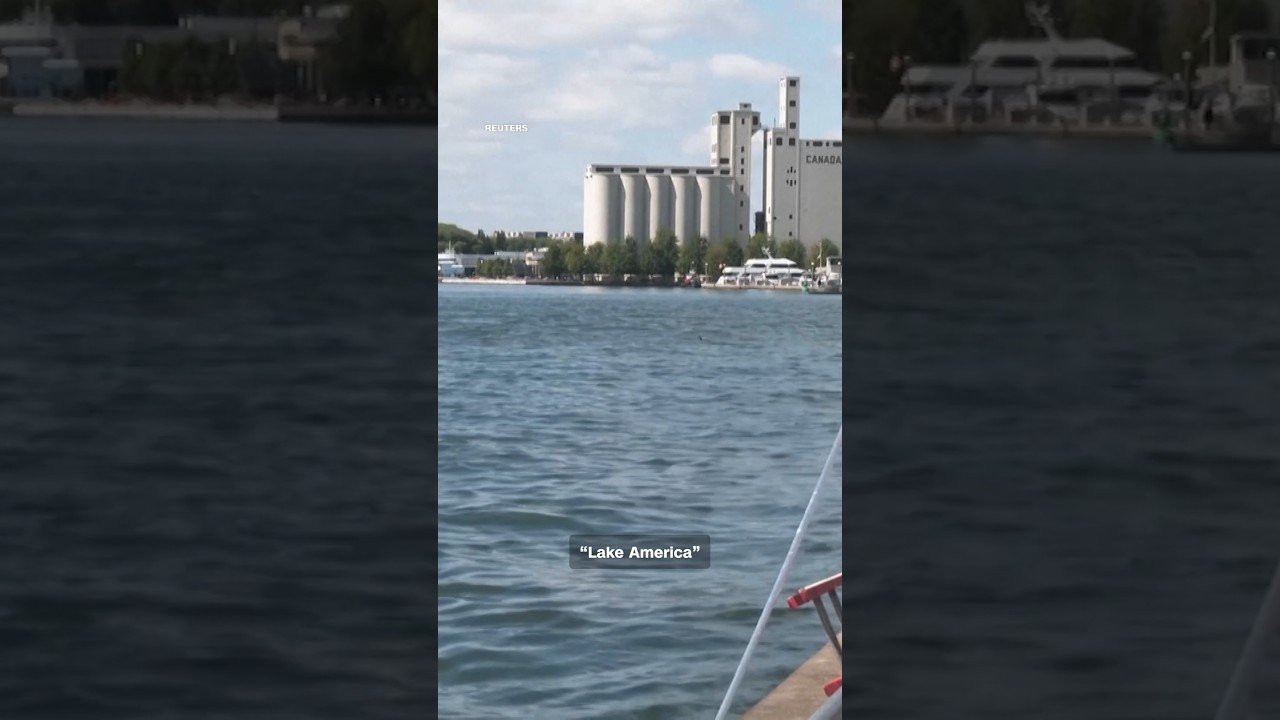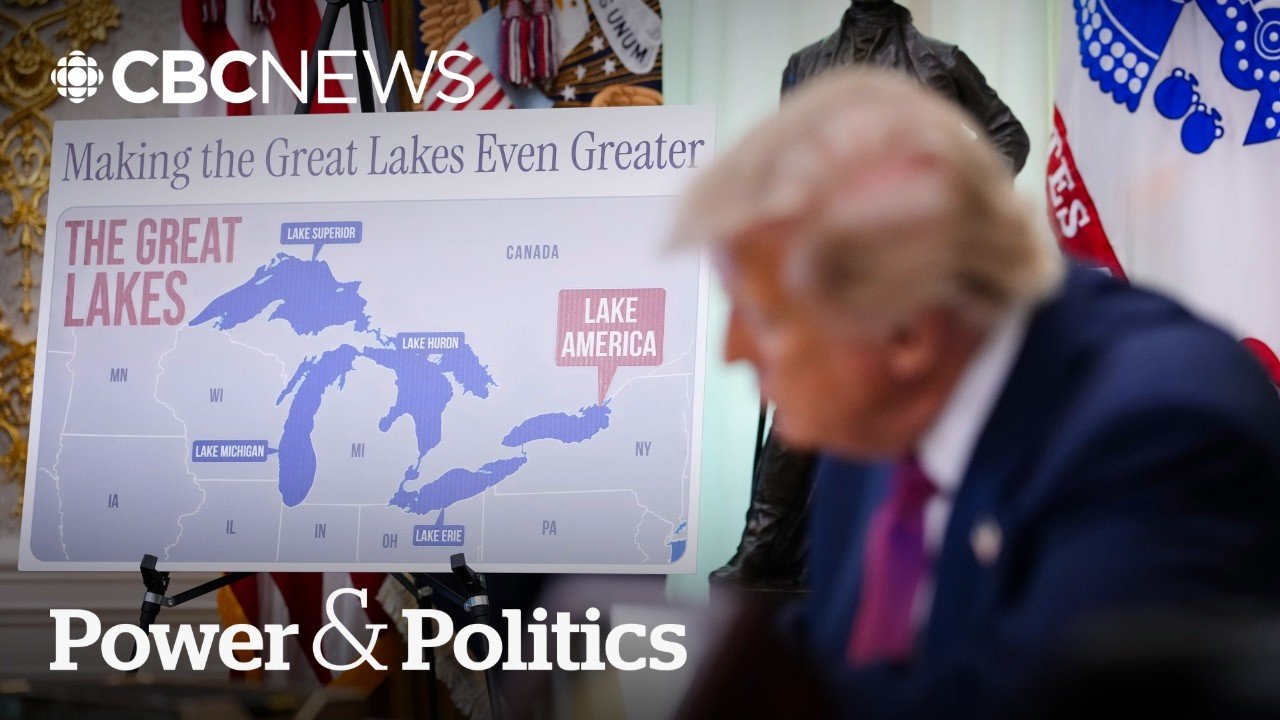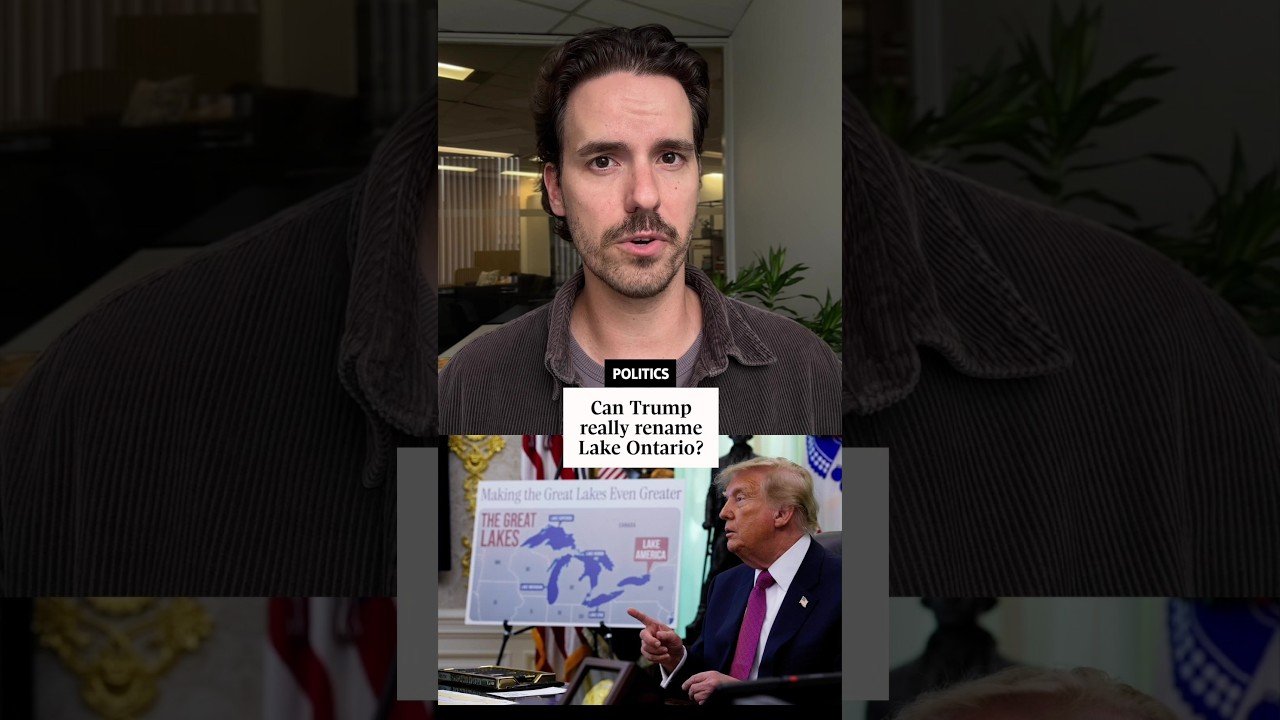
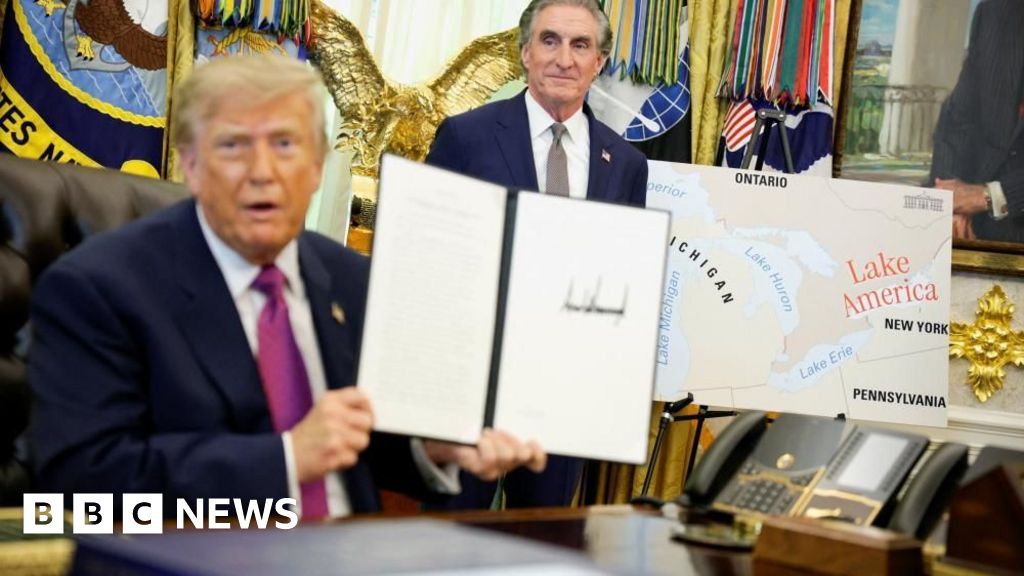


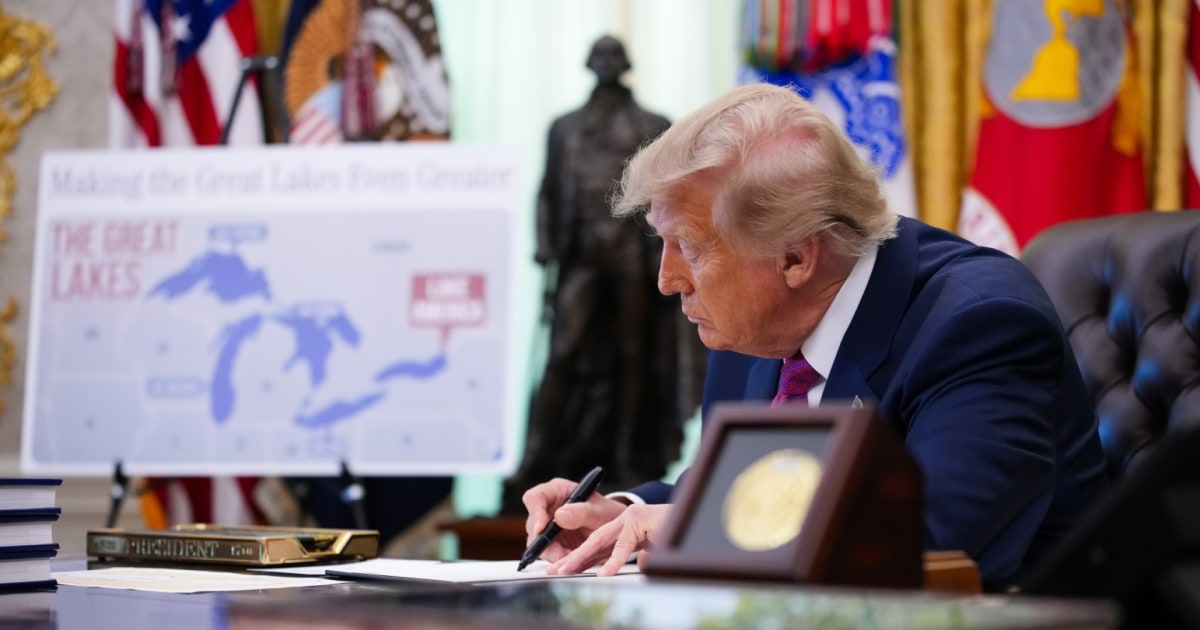

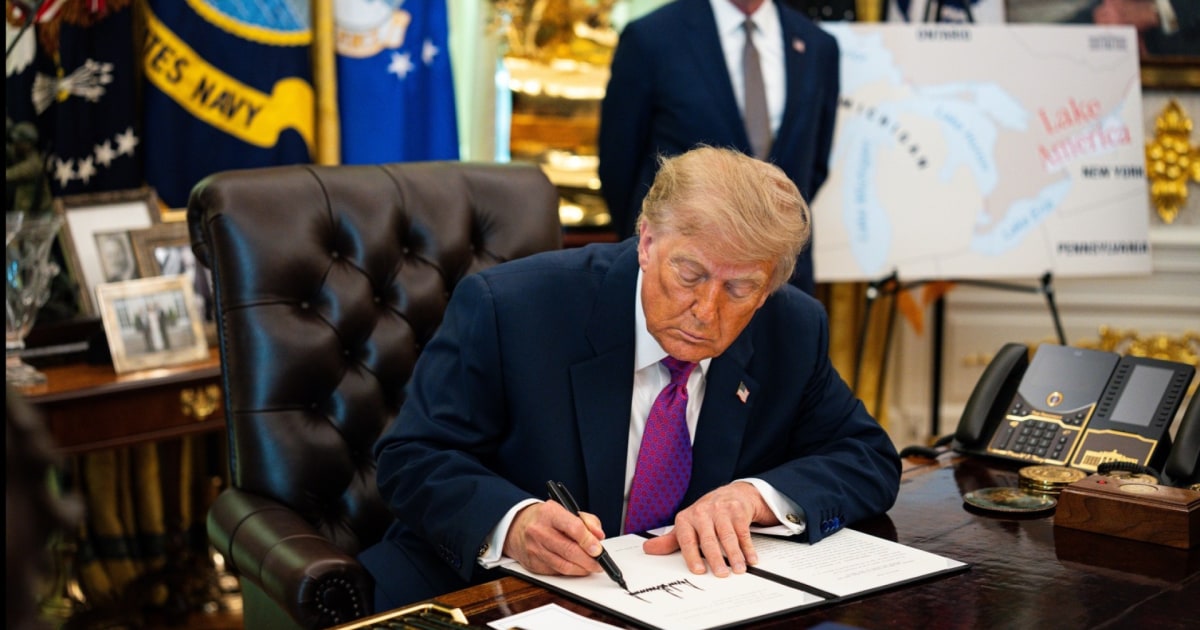
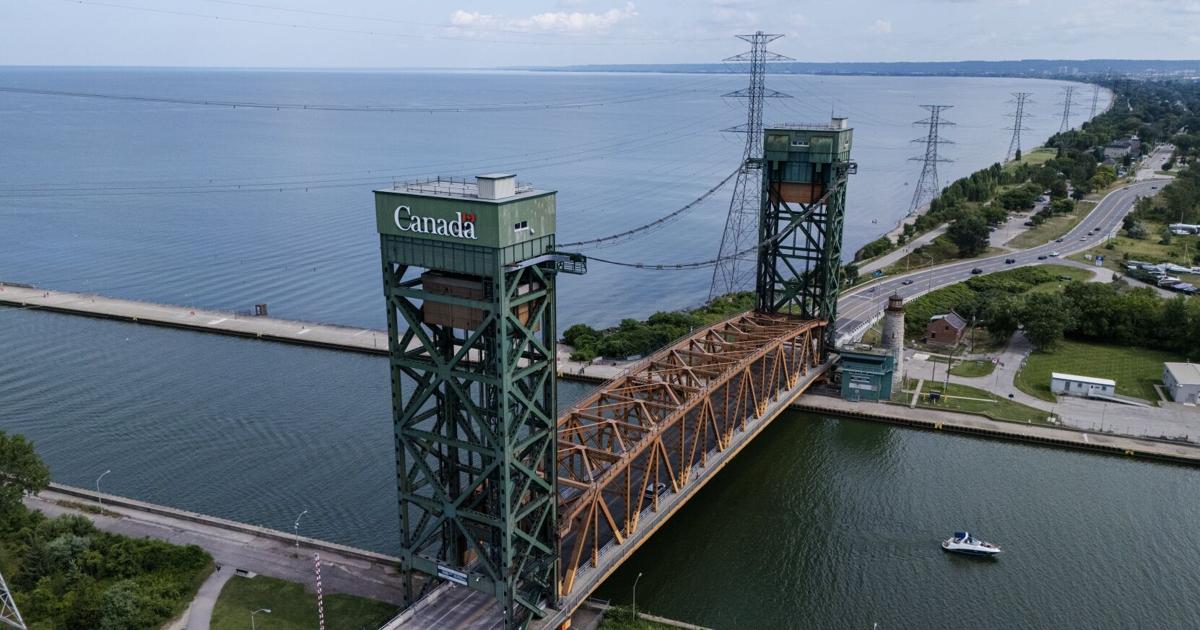

On August 27, 2026, US President Donald Trump signed an executive order directing federal agencies to refer to Lake Ontario as “Lake America,” a symbolic move that has intensified an already fraught trade relationship with Canada.
The order binds only US government usage—maps, databases, contracts, and official communications—but carries no legal force over Canada, private companies, or international bodies.
What the executive order does
The White House order, titled “Honoring the American History of the Great Lakes and Renaming Lake Ontario as Lake America,” instructs the Secretary of the Interior, in coordination with the US Board on Geographic Names, to update the Geographic Names Information System (GNIS) within 30 days to reflect the new name and remove references to “Lake Ontario.” Federal agencies—including the Army Corps of Engineers, EPA, and Coast Guard—must then use “Lake America” in official documents, maps, and communications.
During the Oval Office signing, Trump framed the change as immediate and retaliatory, saying:
We’re going to be changing the name of Lake Ontario, effective immediately, to Lake America.
A White House official confirmed the order directs Interior Secretary Doug Burgum to implement the change through GNIS.
BREAKING NEWS!
— The White House (@WhiteHouse) August 27, 2026
TO: Office of the Secretary, Department of the Interior
FROM: Director, U.S. Geological Survey
RE: Lake America rename
Sir,
As of 4:30 pm today the U.S. Geological Survey has officially designated the former Lake Ontario to be renamed as Lake America in all… pic.twitter.com/m4UixlNpEw
BREAKING: President Trump officially changes the name of Lake Ontario to Lake America.
— The White House (@WhiteHouse) August 27, 2026
"If you think about it, we have a gulf and we have a lake. Now, all we need is an ocean." 👀 🇺🇸 pic.twitter.com/OZOmfibisP
Trade war context and reported motives
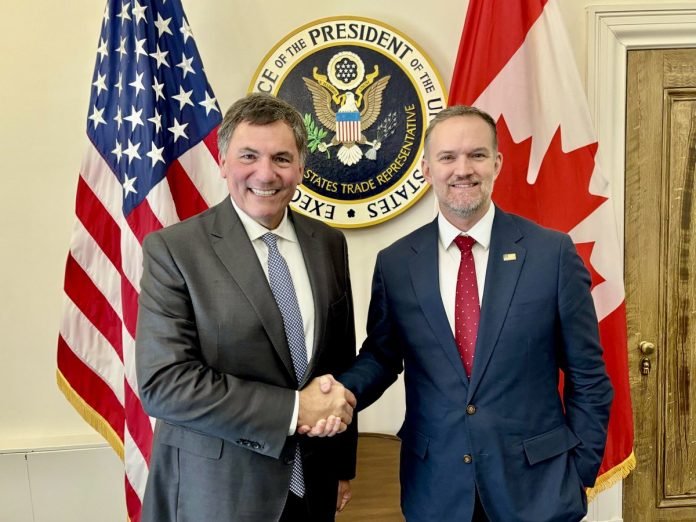
The renaming comes amid a deepening trade conflict. Earlier in August, Trump threatened the name change on Truth Social, writing that the US was “giving serious consideration” to renaming the lake because it didn’t “expect to doing much business with Ontario any longer.”
The administration has imposed 50% tariffs on roughly $20 billion of Canadian imports, and cross-border trade talks have collapsed, according to multiple reports.
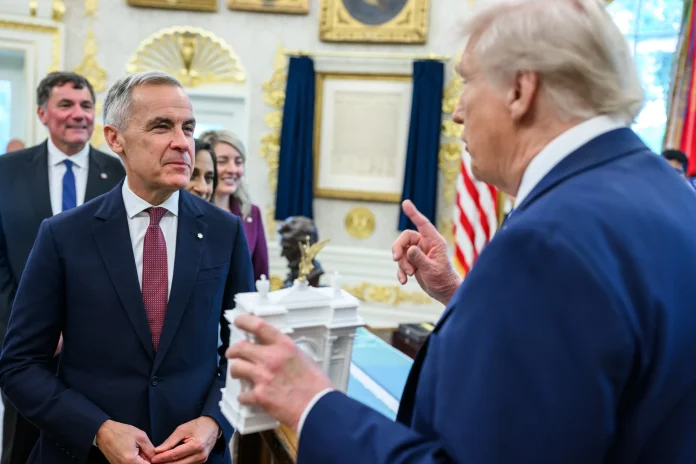
In the Oval Office, Trump called Canadian representatives “nasty people” and said, “Canada’s been ripping us off for a long time,” linking the geographic rebrand to broader economic grievances. The move follows a similar 2025 directive that changed US federal usage of the Gulf of Mexico to “Gulf of America,” another largely symbolic cartographic shift.
Legal limits: What the US can and cannot change
Legally, the order’s reach is narrow. The US cannot unilaterally rename a binational body of water; sovereignty over Lake Ontario is shared, and there is no global authority that dictates hydronyms for international waters. As a result, the renaming applies only within the US federal government.
Private mapping platforms, state governments, Canadian authorities, and international organizations are not required to adopt “Lake America.” Within hours of the order, the US Geological Survey updated GNIS to list “Lake America,” noting that base maps were being revised to reflect the change.
EFFECTIVE IMMEDIATELY: Lake Ontario is renamed to LAKE AMERICA! 🇺🇸 pic.twitter.com/ZFww8PexiW
— The White House (@WhiteHouse) August 27, 2026
Reactions from Canada, New York, and US politicians
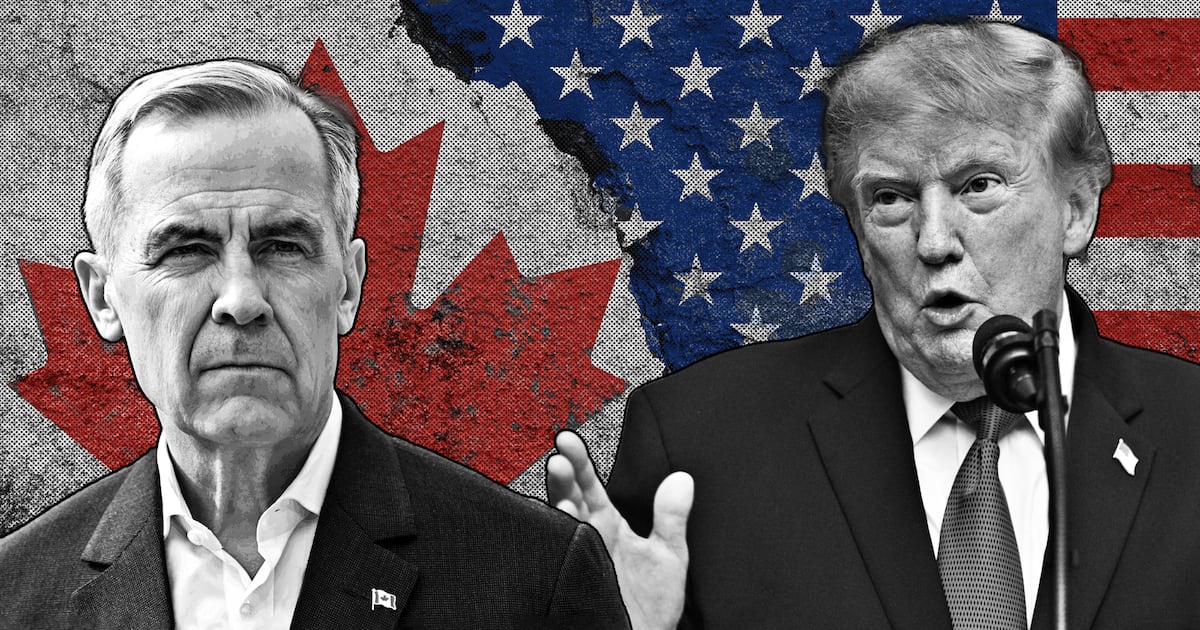
Canadian Prime Minister Mark Carney rejected the move outright, emphasizing the name’s Indigenous origins.
The name Lake Ontario comes from the Wendat word Ontari’io, which, appropriately, means “the lake is beautiful, the lake is big”.
— Mark Carney (@MarkJCarney) August 27, 2026
The name is more than 400 years old, predating both the Confederation of Canada and the Declaration of Independence of the United States of America.…
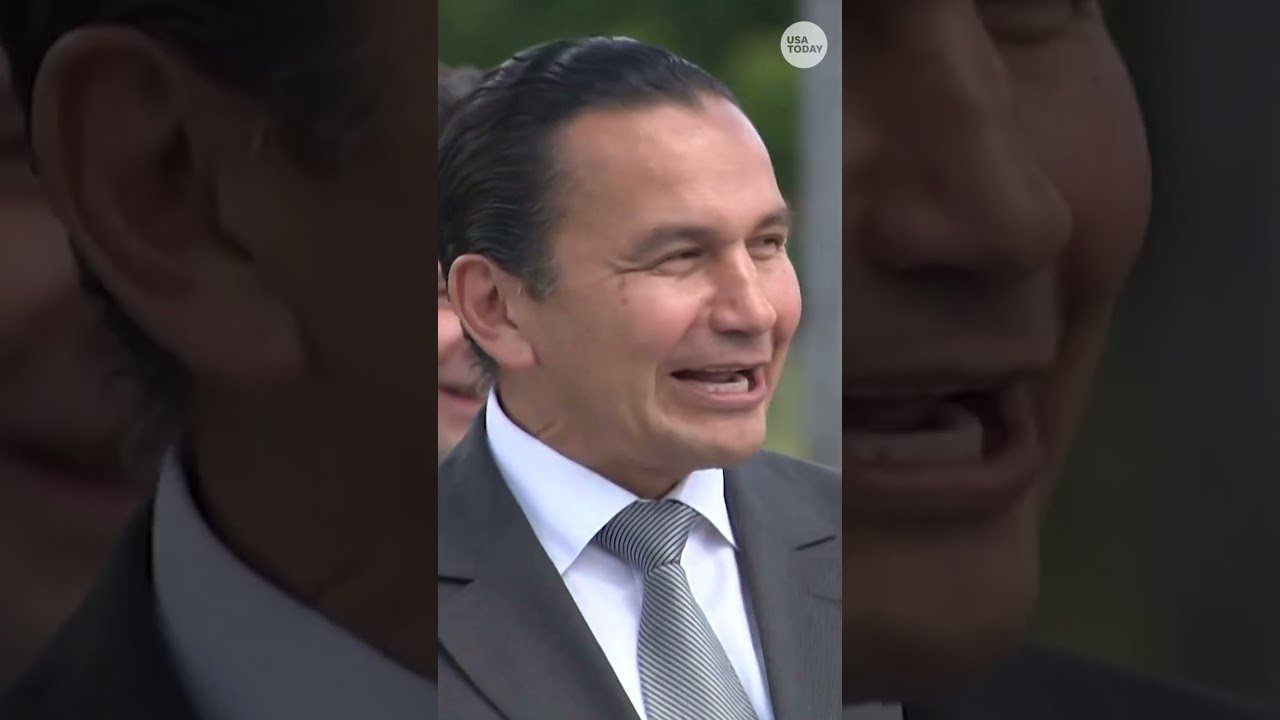
In New York — the only US state bordering the lake—Governor Kathy Hochul said the state would not adopt the new name, underscoring local resistance to the federal directive. Meanwhile, several US Democratic lawmakers mocked the decision; Wisconsin’s governor posted a video jokingly signing a napkin to rename Lake Michigan as “Lake Wisconsin.”
What happens next
Over the next 30 days, US federal agencies must align their internal systems, maps, and communications with the GNIS update. However, the practical impact on everyday usage—media, navigation apps, signage, and cross-border cooperation—is expected to be limited, with most entities outside the US federal government continuing to use “Lake Ontario.”
For now, the episode stands as a high-profile, largely symbolic escalation in a trade dispute that has already reshaped North American economic relations in 2026.