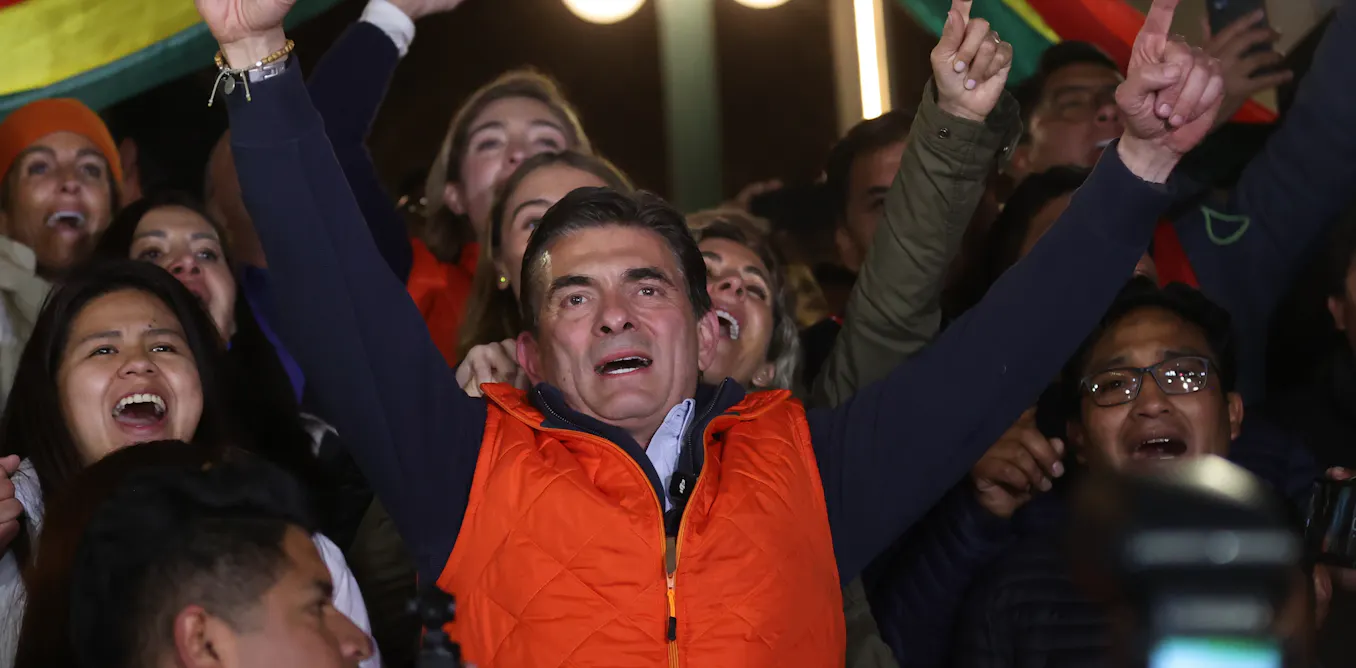
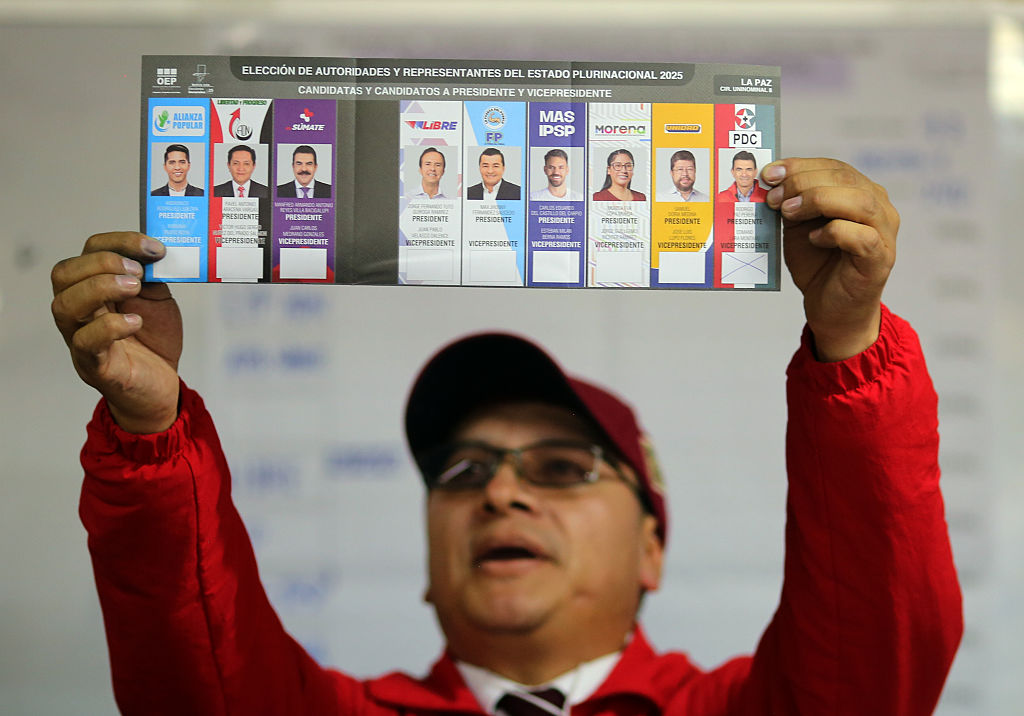
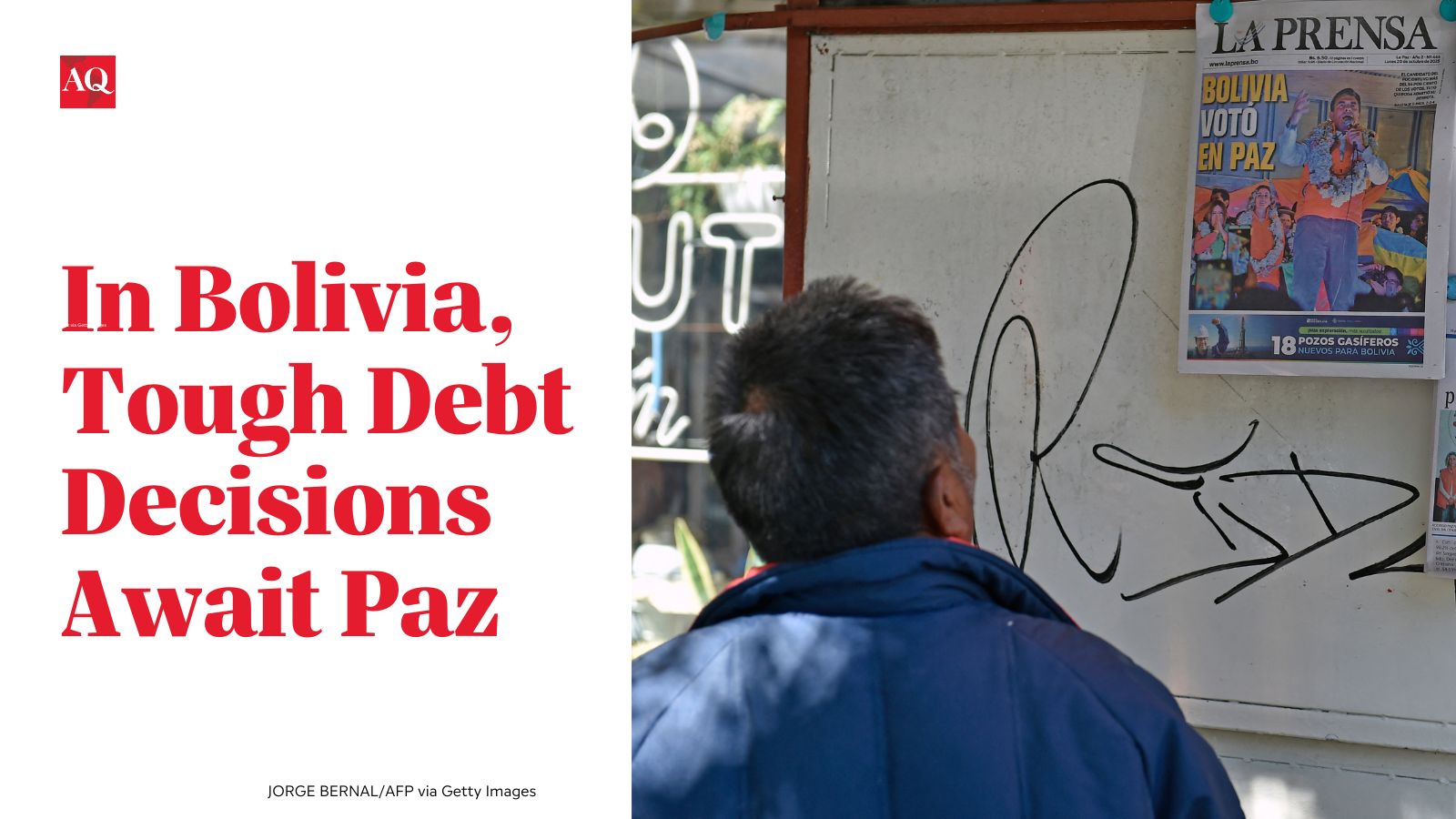
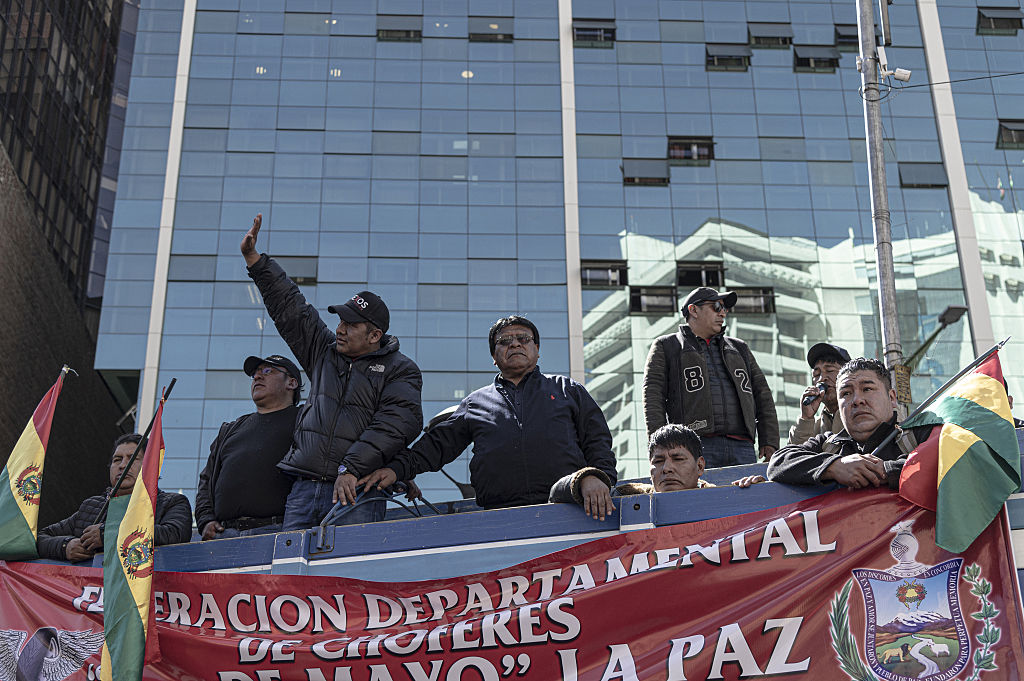
The 2025 Bolivian general election marked a historic shift in the country’s political landscape, ending nearly two decades of dominance by the left-wing Movement Toward Socialism. In an unprecedented runoff held on October 19, 2025, centrist Senator Rodrigo Paz Pereira of the Christian Democratic Party was elected president.
General elections were held in Bolivia on August 17, 2025, to elect the president, vice president, and all members of the Plurinational Legislative Assembly. The election was the first in Bolivian history to be decided by a runoff and the first time the presidency changed hands through a runoff election.
During the presidential runoff held on October 19, 2025, Rodrigo Paz of the Christian Democratic Party was declared the winner with 55% of the votes, while his opponent Jorge Tuto Quiroga of Libre received 45%.
The 2025 legislative elections in Bolivia resulted in a highly fragmented Plurinational Legislative Assembly, with no single party holding an absolute majority in either chamber. This shift followed the near-total collapse of the long-dominant Movement Toward Socialism, which was reduced to just one or two seats after holding a supermajority for nearly two decades.
The PDC led by Rodrigo Paz emerged as the largest bloc but remained well short of the 66 seats in the Chamber of Deputies and 19 seats in the Senate required for an absolute majority. Paz was sworn in as President of Bolivia on November 8, 2025.
Key candidates and figures
Rodrigo Paz Pereira was a centrist senator and son of former President Jaime Paz Zamora. He campaigned on capitalism for all, promising moderate free-market reforms while maintaining some social benefits.
Edman Lara was Paz’s running mate, a former police captain who gained fame on TikTok for whistleblowing on corruption. He is credited with helping Paz secure support from working-class and rural voters.
Jorge Tuto Quiroga was a conservative former president who advocated for radical economic change, including an IMF-backed austerity package.
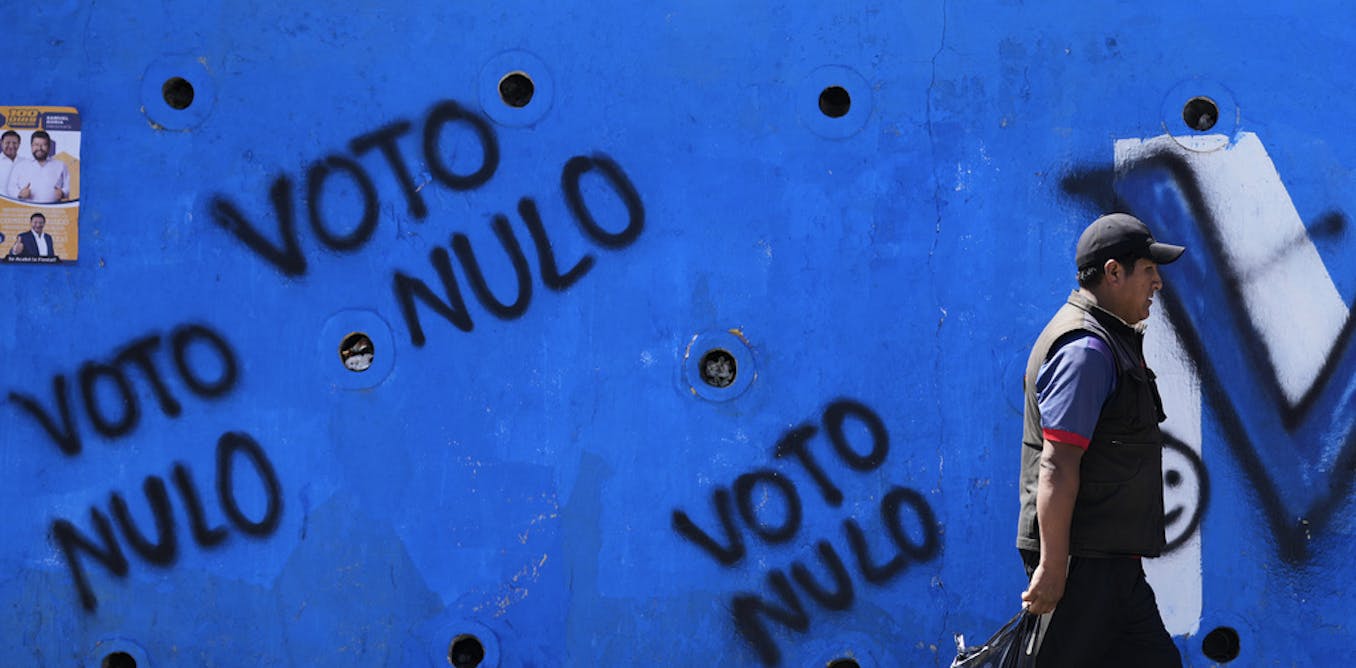
Evo Morales, the former MAS leader, was barred from running due to term limits and faced charges of statutory rape. He called on his supporters to spoil their ballots, leading to a high rate of null and blank votes at roughly 20%.
Luis Arce, the incumbent president, did not seek re-election amid a deep rift with Morales and a severe economic crisis.
Key campaign issues
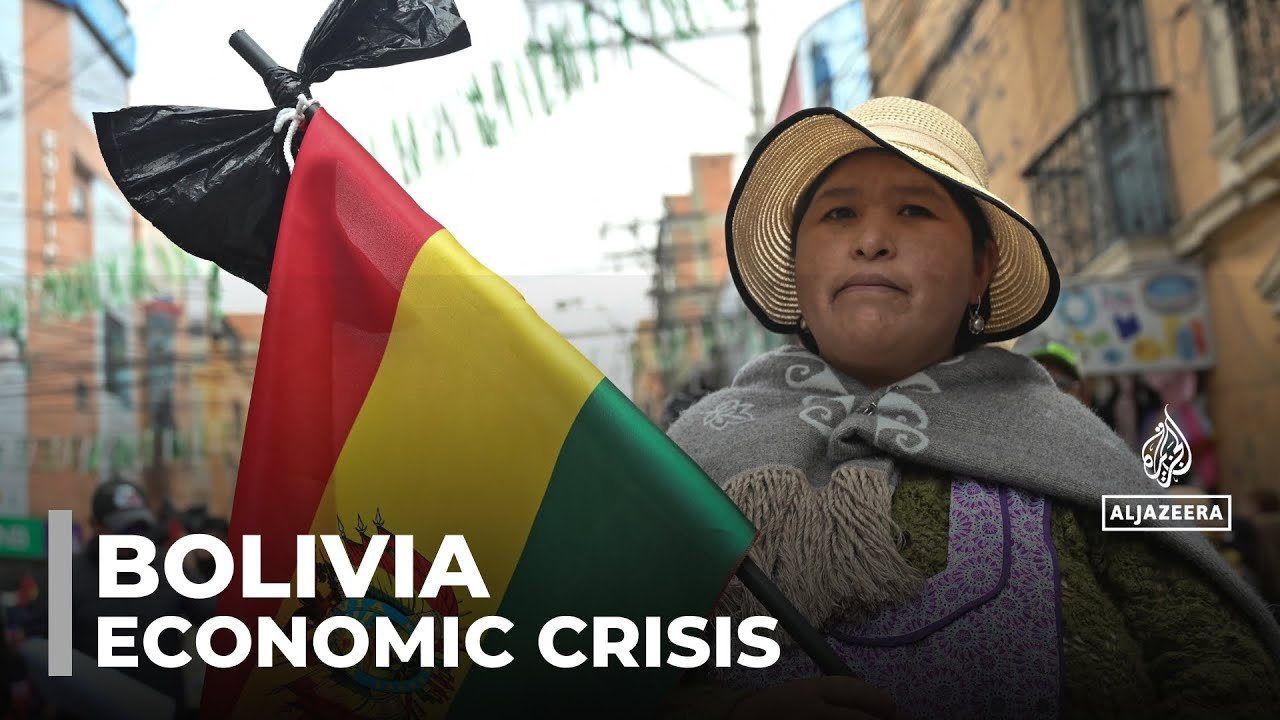
The election took place against a backdrop of Bolivia’s worst economic crisis in forty years. A collapse in natural gas exports, down from $6.1billion in 2011 to $1.6billion in 2024, led to a depletion of central bank reserves. This caused chronic shortages of diesel and gasoline, resulting in massive lines at pumps and disrupted agricultural production.
Annual inflation surged to nearly 25% by mid-2025. Voters expressed deep frustration over the skyrocketing costs of basic goods like bread, rice, and sugar. Both frontrunners proposed cutting the universal fuel subsidy, which cost the state roughly $2billion annually, to stabilize finances, though they differed on the speed of implementation.
Voters were highly motivated by a desire to end political patronage and systemic corruption. Rodrigo Paz Pereira’s surge in popularity was largely attributed to his running mate Edman Lara, a former police captain who gained a massive following on TikTok for whistleblowing on police corruption. Campaign promises focused on transforming the judiciary and state institutions to move away from the old style MAS-era politics.
The election served as a referendum on Bolivia’s international alliances and the future of its lithium reserves. Both Paz and Quiroga pledged to restore diplomatic ties with the United States, broken since 2008, and Israel, while distancing the country from allies like Russia, China, Iran, and Venezuela.
Candidates debated how to develop Bolivia’s vast lithium reserves, which account for 20% of the global total. While the MAS government had signed deals with Russia and China, the new contenders favored attracting Western private investment and reviewing existing contracts for transparency.
MAS infighting and political fracture
The campaign was shaped by the internal collapse of the Movement Toward Socialism. A bitter rift between incumbent President Luis Arce and former President Evo Morales left the party divided. Morales was barred from running and eventually called on his supporters to spoil their ballots as a protest against the illegitimate election.
Right-wing candidates, particularly Jorge Quiroga, campaigned on a promise to arrest Morales for past judicial proceedings, while Morales’s base threatened guerrilla war in his defense.
Gobernabilidad Alliance formation
To overcome the fragmented legislature, Paz’s Christian Democratic Party integrated key figures from the Unity Alliance, led by Samuel Doria Medina. By aligning with Unity, which held roughly 20% of the seats, Paz secured a functional majority in both the Chamber of Deputies and the Senate.
The conservative Libre alliance, led by his runoff rival Jorge Tuto Quiroga, also signaled it would support Paz’s economic rescue plans, as they mirrored their own market-oriented priorities.
Why it matters
Rodrigo Paz’s election represents Bolivia’s most significant political realignment in two decades, ending the MAS party’s near-continuous hold on power since 2006. The historic runoff outcome reflects voter exhaustion with economic mismanagement, corruption, and the bitter infighting between Luis Arce and Evo Morales.
With Bolivia facing stagflation, fuel shortages, and depleted reserves, Paz’s centrist government faces the daunting task of stabilizing the economy while governing with a fragmented legislature. The shift toward Western alliances and private lithium investment marks a dramatic departure from the MAS era’s alignment with China and Russia, positioning Bolivia at a crossroads between its leftist past and a more market-oriented future.
Read also:
Portuguese Presidential Election: Seguro wins by landslide
Portuguese General Election: Montenegro’s AD grabs the most seats