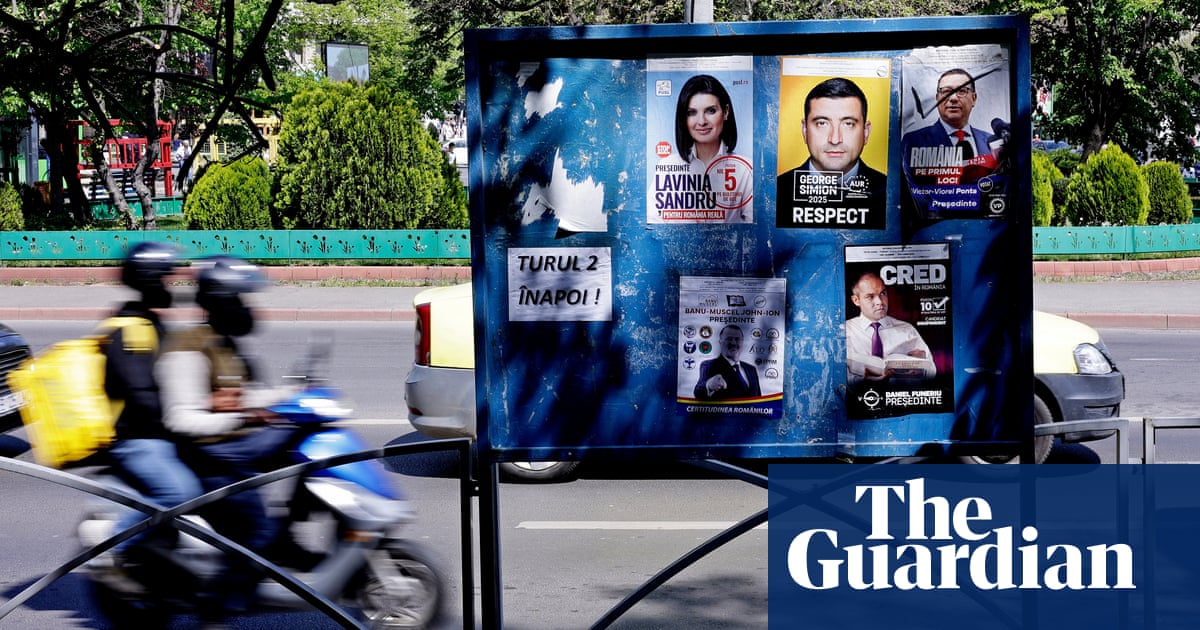
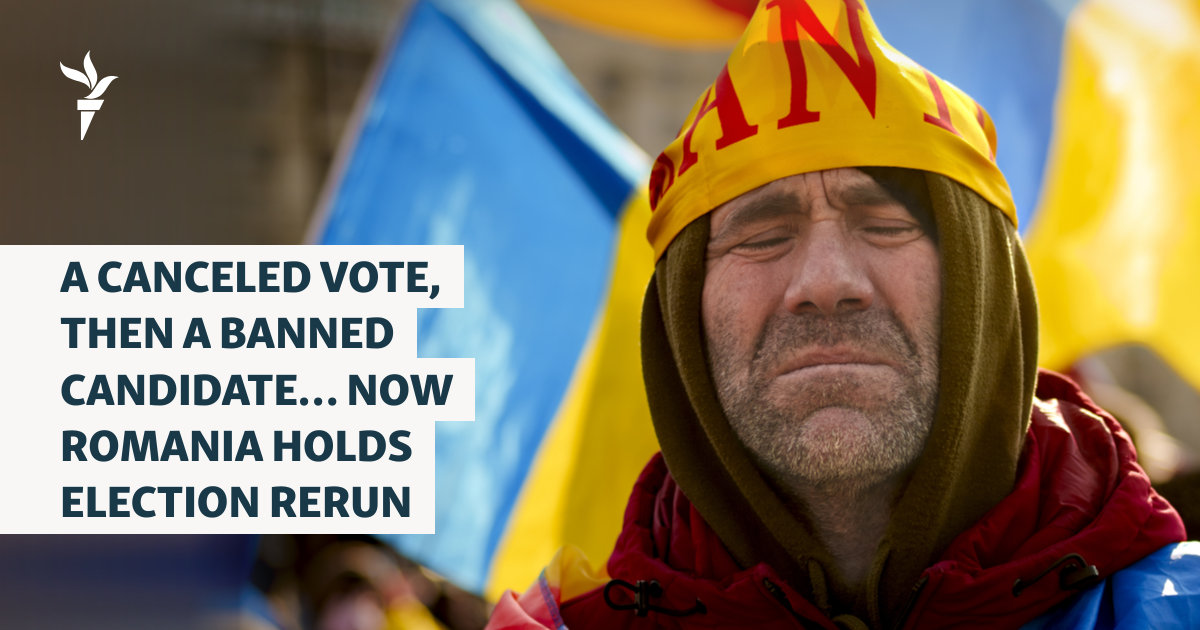
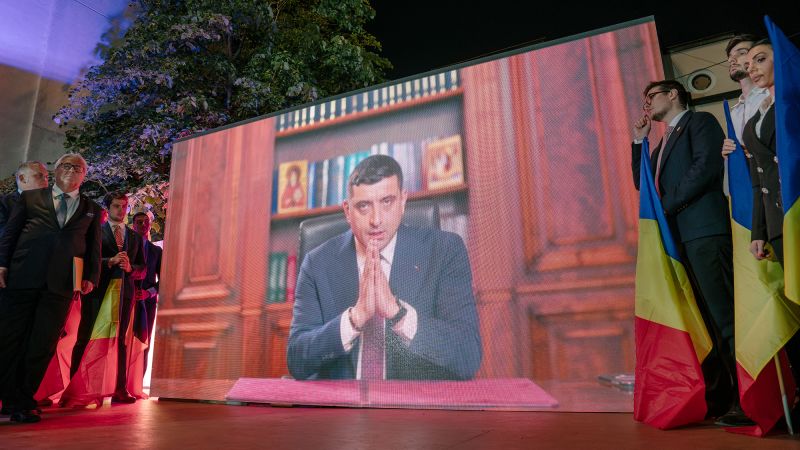
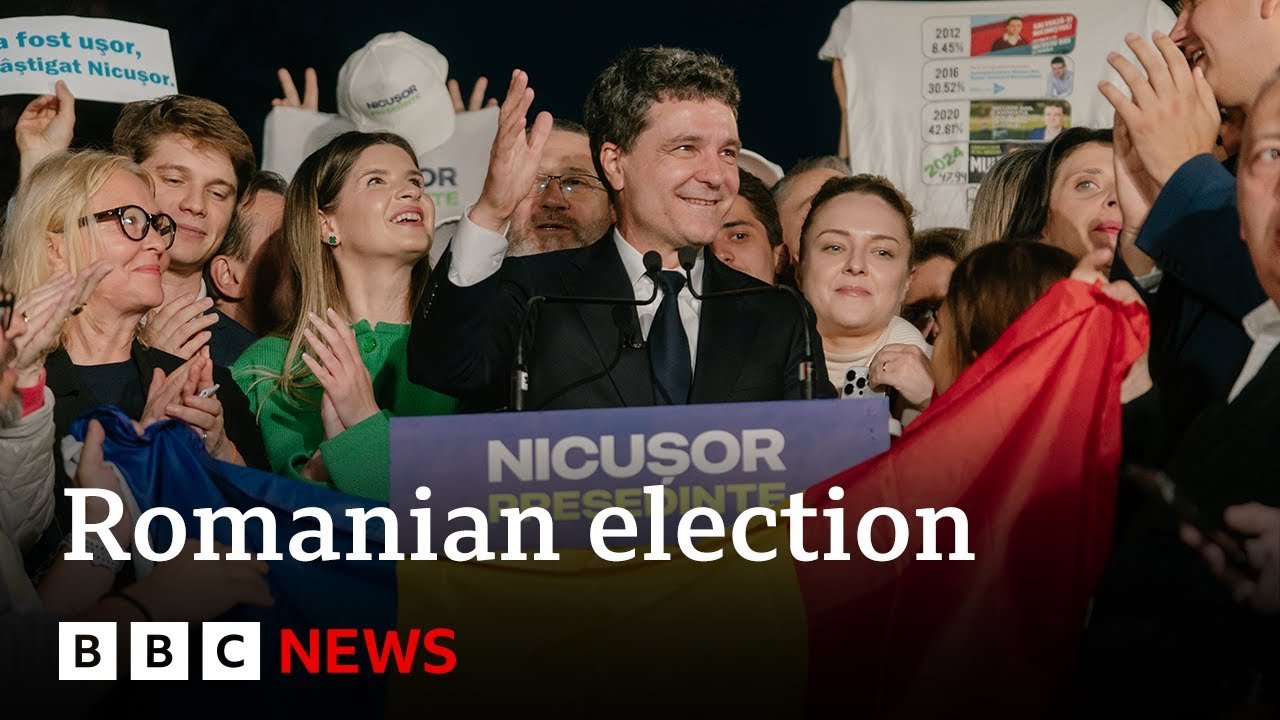
Nicușor Dan won the 2025 Romanian presidential election on 18 May with 53.6 percent of the vote, defeating hard-right nationalist George Simion in a dramatic runoff reversal that saw voter turnout surge to 64.72 percent, the highest since 1996, in a high-stakes do-over following the unprecedented annulment of the 2024 vote due to alleged Russian interference.
The 2025 rerun election was a dramatic reversal between two rounds, as the silent majority of pro-European voters mobilized to overturn a significant first-round lead by the far-right.
First round
The first round on 4 May 2025 was marked by a surge for nationalist and anti-system sentiment following the barring of previous frontrunner Călin Georgescu.
George Simion of the Alliance for the Union of Romanians (AUR), a hard-right nationalist and Trump admirer, won the round convincingly with 40.96 percent of the vote (approximately 3.86 million votes).
Nicușor Dan, an independent candidate supported by the Save Romania Union (USR) and the mayor of Bucharest, secured second place with 20.99 percent, narrowly edging out Crin Antonescu after urban and diaspora votes were counted. Voter turnout was recorded at 53.21 percent.
Second round
The two weeks between rounds saw intense polarization, with the contest framed as a choice between Romania’s Western alignment and an isolationist future. During the second round on 18 May 2025, Dan won the runoff with 53.6 percent of the vote. George Simion received 46.4 percent of the vote. Voter turnout reached 64.72 percent in the second round, the highest since 1996.
Following the result, Simion initially alleged mass voter fraud and filed a contest with the Constitutional Court of Romania, which was rejected on 22 May. The victory of Nicușor Dan was hailed by EU and NATO leaders as a win for democracy and the rule of law over external manipulation and isolationist populism.
It reaffirmed Romania’s pro-Western trajectory and its continued military support for Ukraine. Following his win, President Dan brokered a pro-EU coalition (PSD, PNL, USR, UDMR) with Ilie Bolojan as Prime Minister.
What led up to this
The Constitutional Court annulled the November 2024 results after independent candidate Călin Georgescu won the first round following a massive, allegedly Russian-backed TikTok campaign. Elena Lasconi of the USR finished second with 19.18 percent, narrowly beating the incumbent Prime Minister. Voter turnout was recorded at 52.56 percent. Călin Georgescu was barred from the 2025 rerun and faces criminal investigations for incitement against the constitutional order. The turbulence led to the resignation of President Klaus Iohannis in February 2025 and Prime Minister Marcel Ciolacu in May 2025.
Key campaign issues
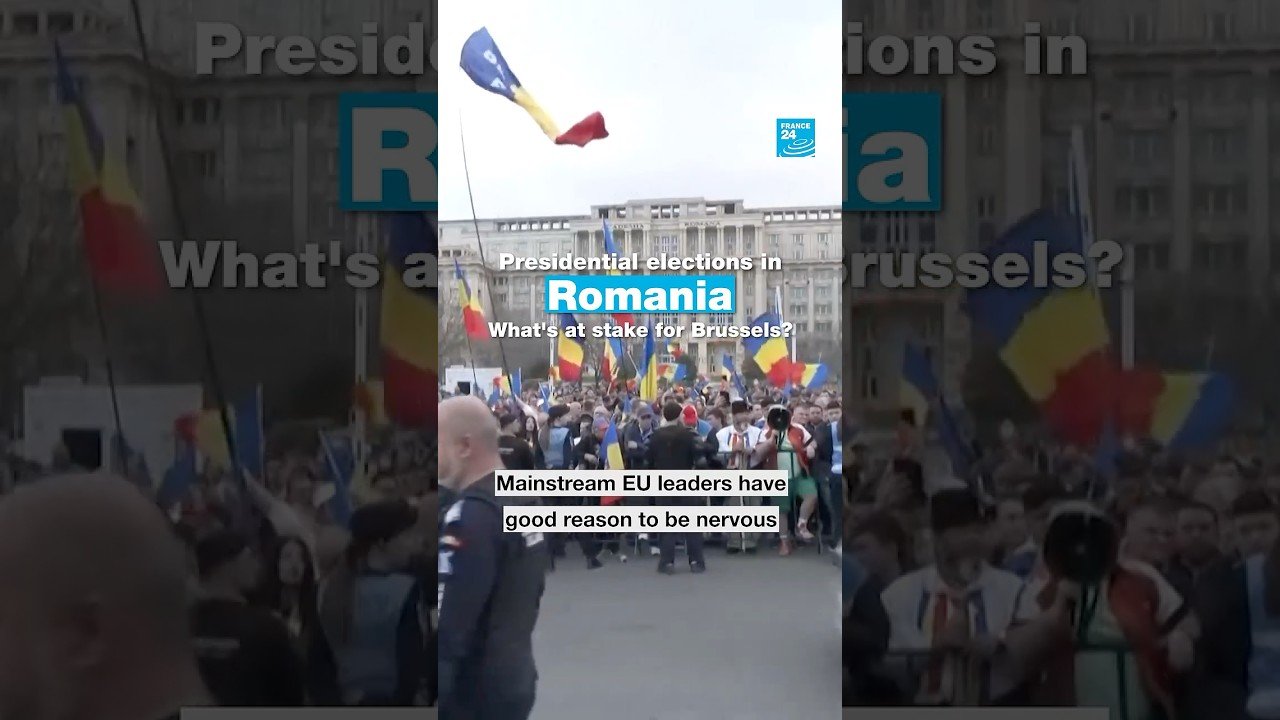
The 2025 Romanian presidential election was a high-stakes battle centered on the country’s geopolitical identity, economic stability, and democratic integrity following the unprecedented annulment of the 2024 vote.
Geopolitics and security was the defining issue of the runoff between Nicușor Dan and George Simion. Dan campaigned on a staunchly pro-EU and pro-NATO platform, emphasizing Romania’s role as a reliable partner in the West. In contrast, Simion and the barred Georgescu promoted sovereignist or neutralist stances, questioning the extent of Romania’s integration into Western alliances. Candidates were sharply divided over military aid to Kyiv. Dan supported continued military and humanitarian assistance, while Simion opposed it, arguing that Romania should prioritize its own interests and avoid escalating regional tensions.
Economic grievances fueled a significant portion of the anti-establishment sentiment. Voters were deeply concerned by rising inflation, stagnant wages, and a severe budget deficit. Simion’s AUR party leveraged economic nationalism, advocating for increased state control over key industries and supporting local businesses over foreign multinational corporations. As mayor of Bucharest, Dan highlighted his record of fiscal responsibility and infrastructure modernization, though he faced criticism for construction delays and the slow pace of reform.
Anti-Corruption and institutional trust
The election became a referendum on the state’s ability to protect its democratic processes. Following the 2024 annulment due to alleged Russian interference via TikTok, the security of the electoral system was a top priority. Candidates debated new regulations aimed at curbing foreign disinformation and cyber warfare. Dan positioned himself as a reformer focused on anti-corruption and transparency, appealing to urban and diaspora voters. Simion attacked the corrupt political elite of the ruling PSD-PNL coalition, framing the annulment of the previous election as a coup against the people’s will.
Traditional values and the role of religion played an increasingly prominent role. Conservative candidates, particularly from the far-right, emphasized traditional Christian values and proposed measures such as outlawing LGBT propaganda. The long-term decline of Romania’s population due to emigration and low employment rates was highlighted as a critical challenge for the next president.
Reactions
European Union leaders celebrated the result as a victory for democracy over foreign manipulation. European Commission President Ursula von der Leyen stated that Romanians chosen the promise of an open, prosperous Romania in a strong Europe. French President Emmanuel Macron noted that the country chose the rule of law despite numerous attempts at manipulation.
Ukraine President Volodymyr Zelenskyy congratulated Dan, emphasizing the importance of having Romania as a reliable partner for regional security. The Kremlin characterized the election as strange, to say the least. Spokesperson Dmitry Peskov criticized the earlier removal of candidate Georgescu and accused Western nations like France of interfering in the process.
While pro-EU supporters celebrated in Bucharest with chants that Russia should not forget Romania belongs to Romanians, nationalist supporters expressed deep frustration, viewing the process as a coup by the establishment. Financial markets responded with optimism; the Romanian leu appreciated by more than 1.5 percent against the Euro immediately following the results, and government bonds rallied as investors saw a signal of stability.
Broader implications
Dan’s victory marks a decisive rejection of foreign interference and isolationist populism, reaffirming Romania’s commitment to NATO and EU integration. The dramatic turnout surge demonstrates strong democratic resilience, while the coalition-building challenge ahead tests whether the pro-EU consensus can hold together amid economic pressures and ongoing institutional reforms.
Read also:
Poland Presidential Election: PiS’s Nawrocki beats Warsaw mayor
Portuguese Presidential Election: Seguro wins by landslide
Portuguese General Election: Montenegro’s AD grabs the most seats