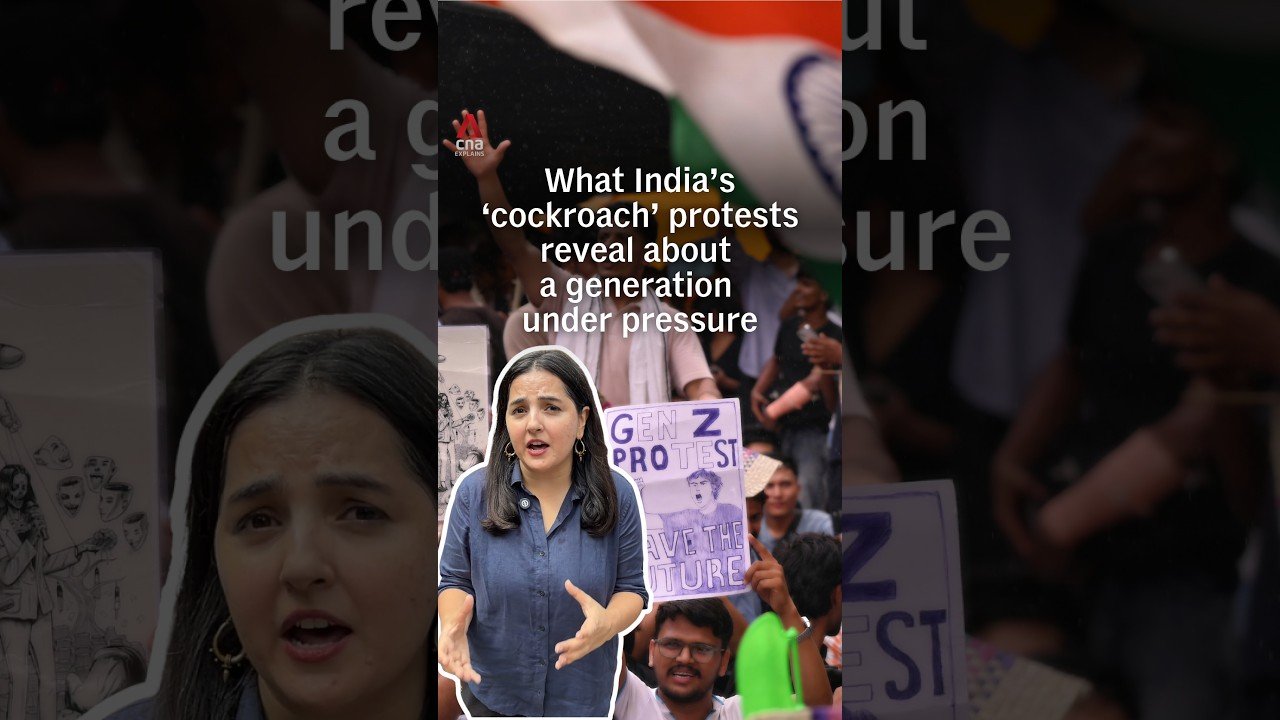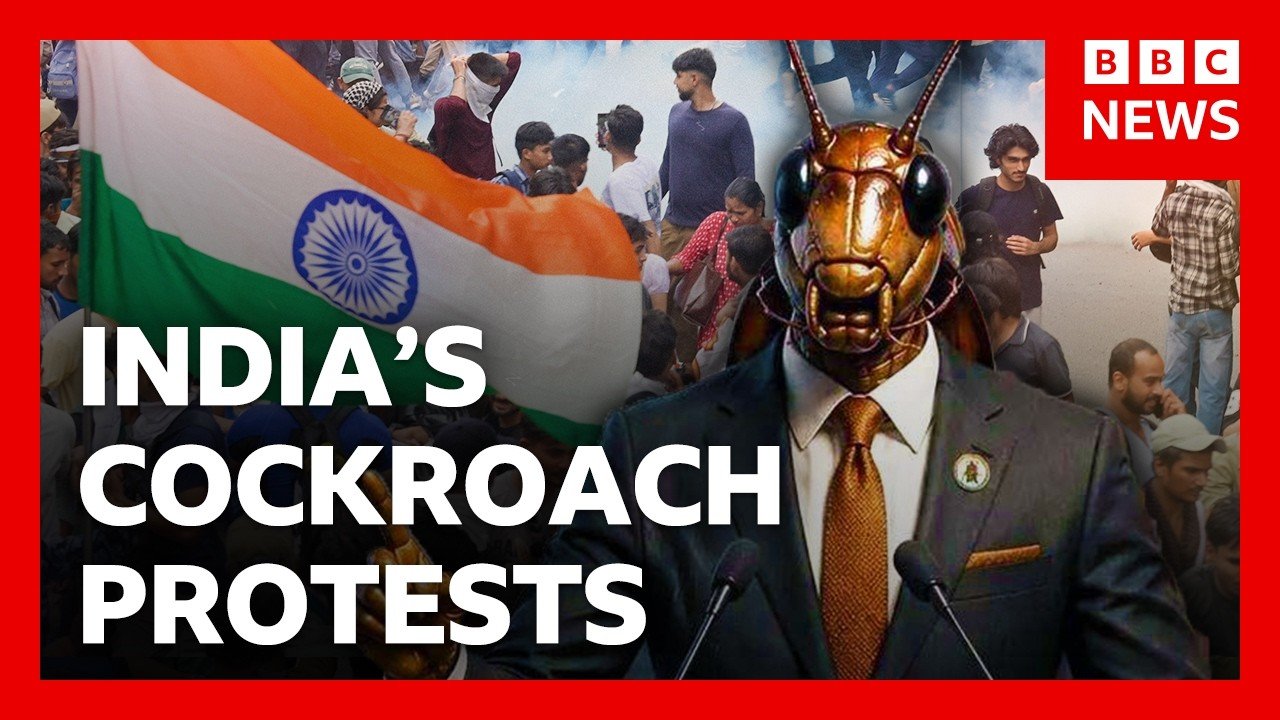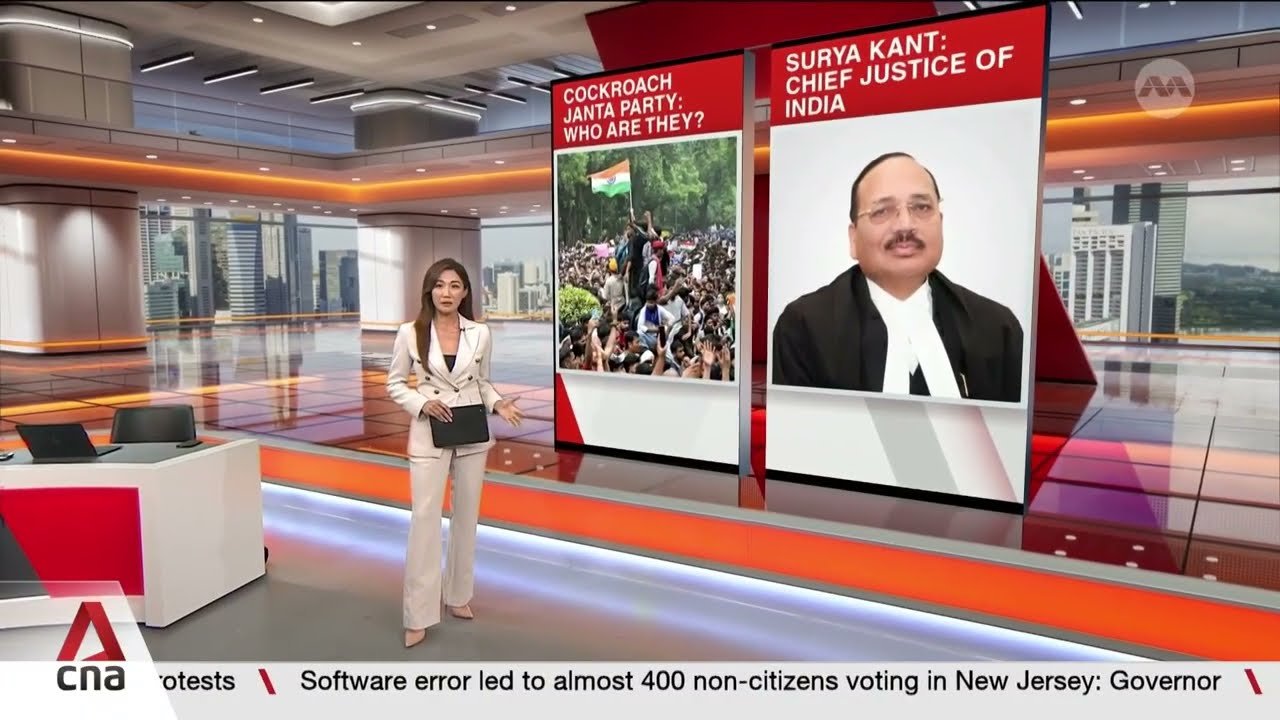
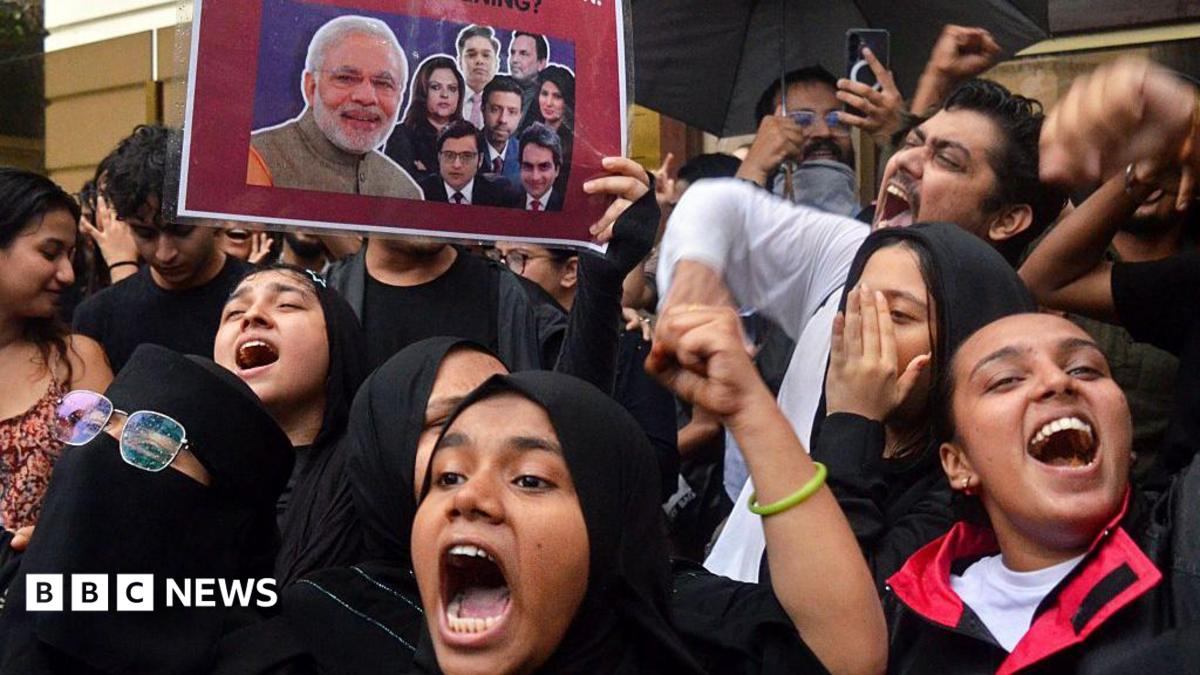







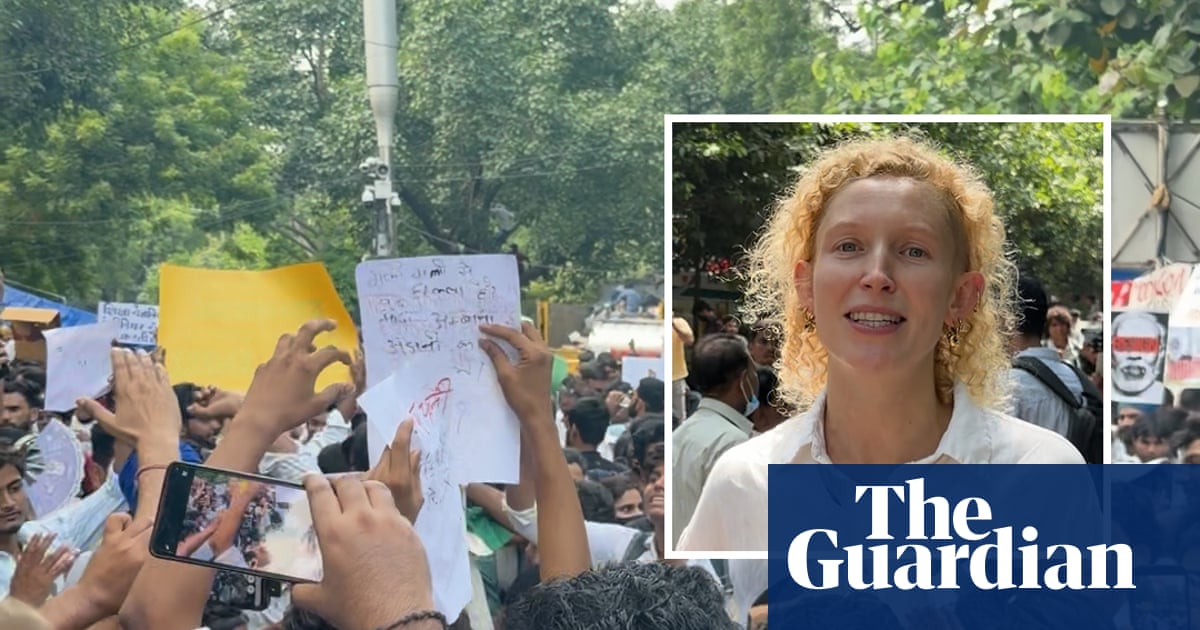


India’s education minister, Dharmendra Pradhan, resigned on 25 July after weeks of nationwide student-led protests over exam paper leaks, alleged testing irregularities, and the government’s handling of the crisis. The demonstrations, organized under the satirical banner of the Cockroach Janta Party, have become one of the most visible youth uprisings of Prime Minister Narendra Modi’s third term.
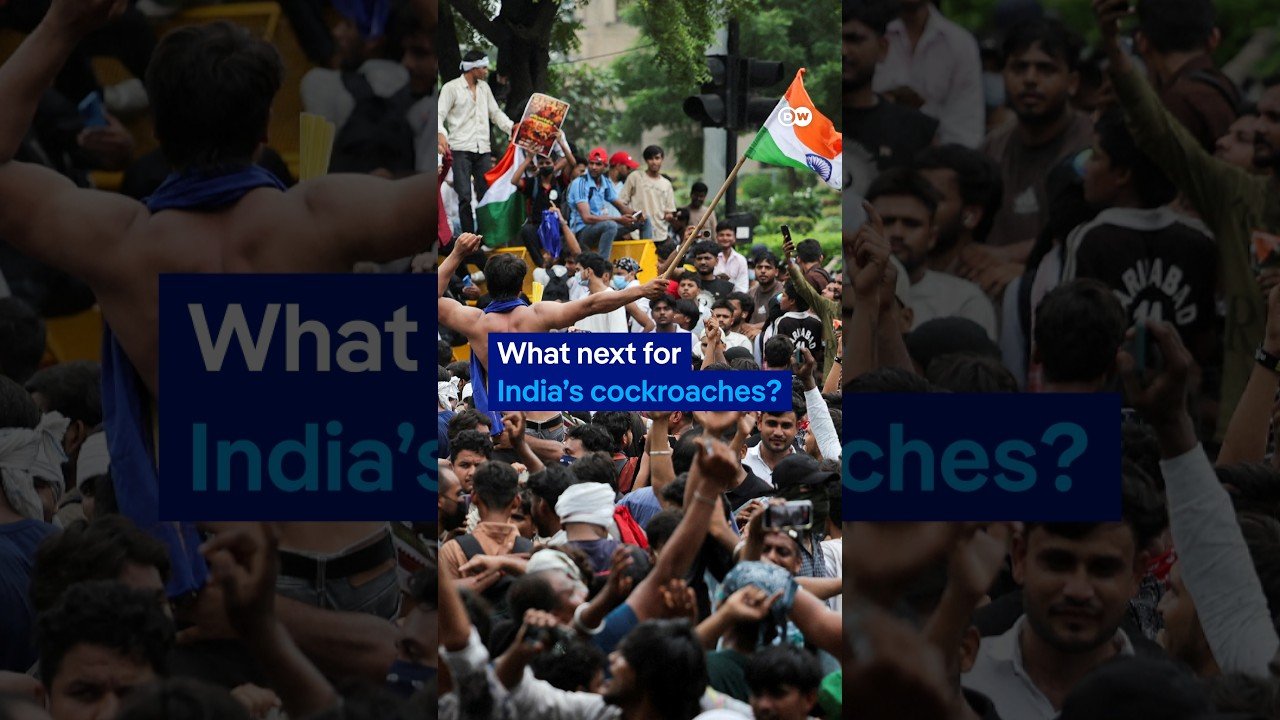
What began as an ironic social-media post grew into a mass movement that drew students, young professionals, and activists into the streets, especially in New Delhi, where protesters camped at Jantar Mantar for weeks.
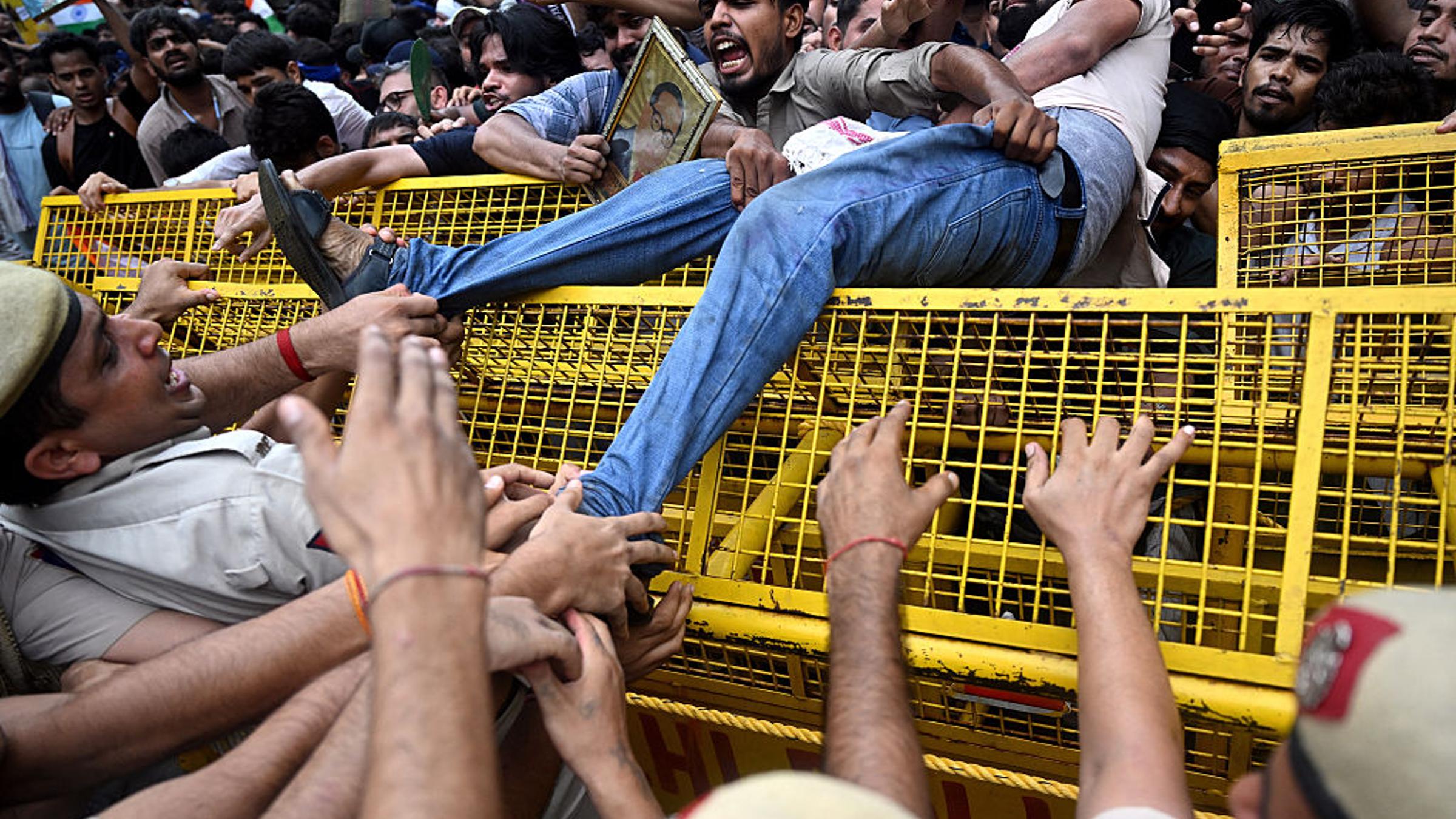
According to reports, the protests culminated in a march on parliament that was met with tear gas, while mobile internet restrictions and temporary metro station closures underscored the scale of the disruption.
The immediate trigger was a scandal involving leaked papers for India’s highly competitive medical entrance exam, forcing a retest that affected about 2 million students. The protests also became tied to broader anger over joblessness, educational fairness, and government accountability, turning an exam controversy into a wider political challenge for Modi’s administration.
How the movement grew
The “cockroach” label originated as a joke on X, after Abhijeet Dipke posted, “What if all cockroaches come together?” in response to reported comments likening unemployed youth to cockroaches and parasites. Protesters then reclaimed the insult and formed the Cockroach Janta Party, turning satire into a brand of resistance.
That branding helped the movement spread quickly online and offline, giving it a sharp identity that resonated with younger Indians frustrated by limited opportunities and recurring exam scandals. The movement’s leaders framed their campaign as about more than one minister, presenting it as a fight for accountability in education and public institutions.
What the government conceded
Reports say the government agreed in principle to the protesters’ core demands, including Pradhan’s removal, compensation for families of students who died by suicide, and amnesty or non-punitive treatment for peaceful demonstrators. One report also said the administration accepted demands for reforms to the exam system and the dropping of police cases filed against protesters.
After Pradhan’s resignation, CJP leaders called on supporters to stand down and withdraw peacefully, saying their campaign had achieved its main objective. Celebrations followed at Jantar Mantar, where protesters chanted victory slogans and declared the resignation a win for constitutional protest.
Expanding beyond education
Pradhan reportedly said he resigned so that “anti-national forces” would not exploit the unrest and said he respected the aspirations of India’s youth. The unrest is being described as the worst political crisis of Modi’s third term so far, and it lands at a sensitive time for his party with key state elections ahead.
Some reports note that the Cockroach movement is not necessarily over, even after the government met its headline demand. Leaders have indicated they may regroup and widen the campaign beyond education into broader social and economic grievances.