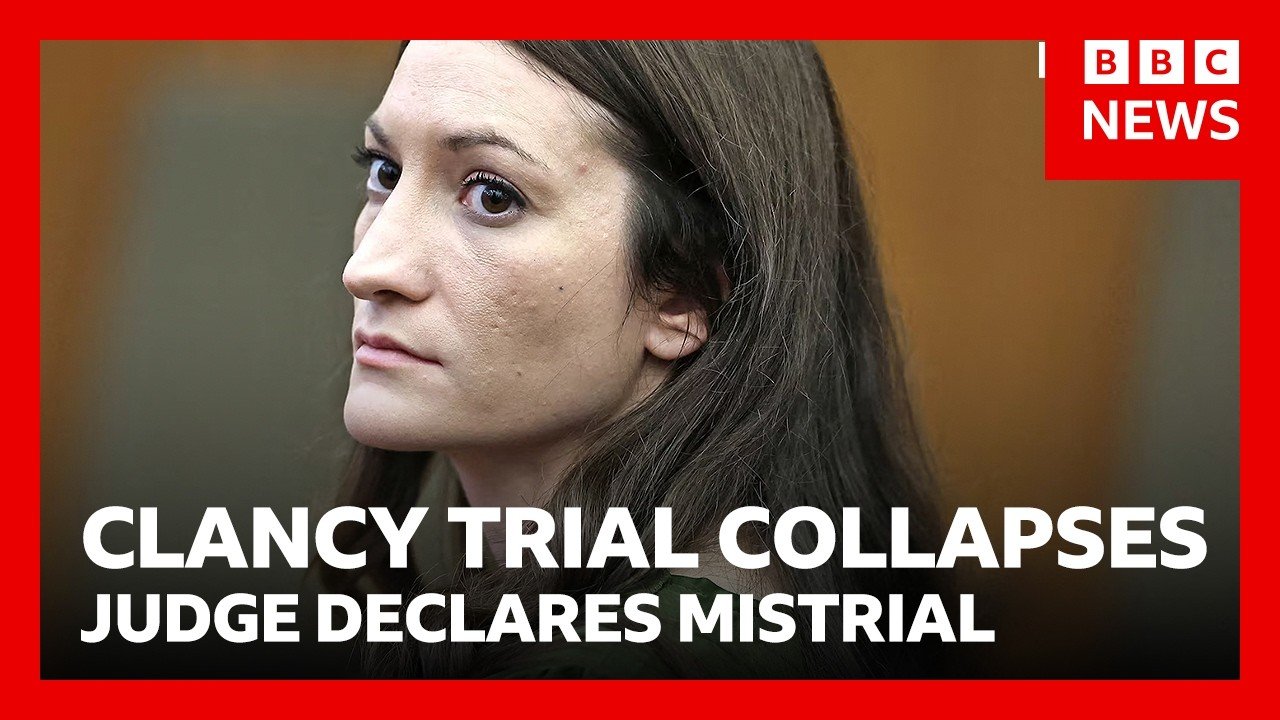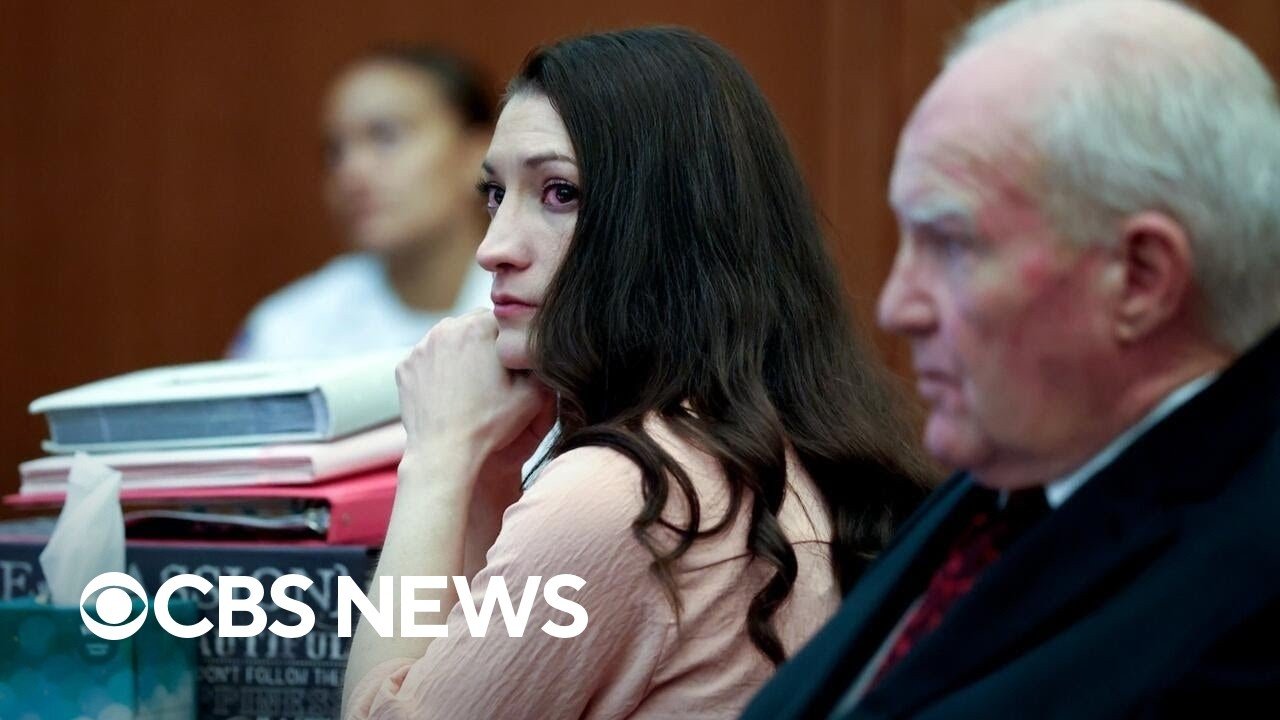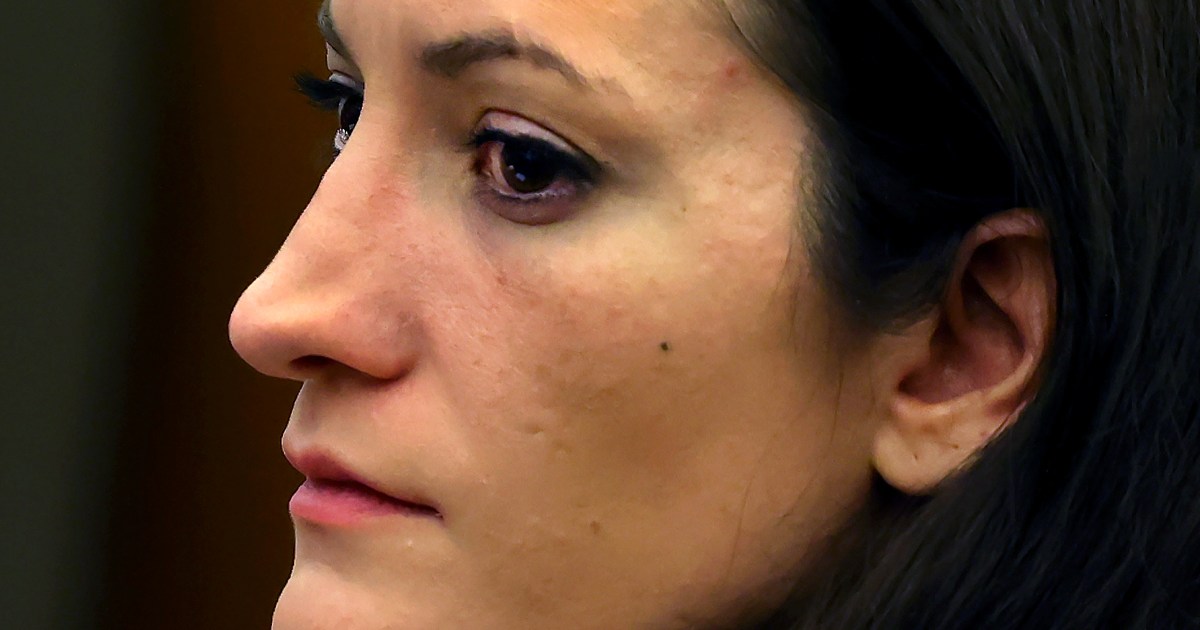


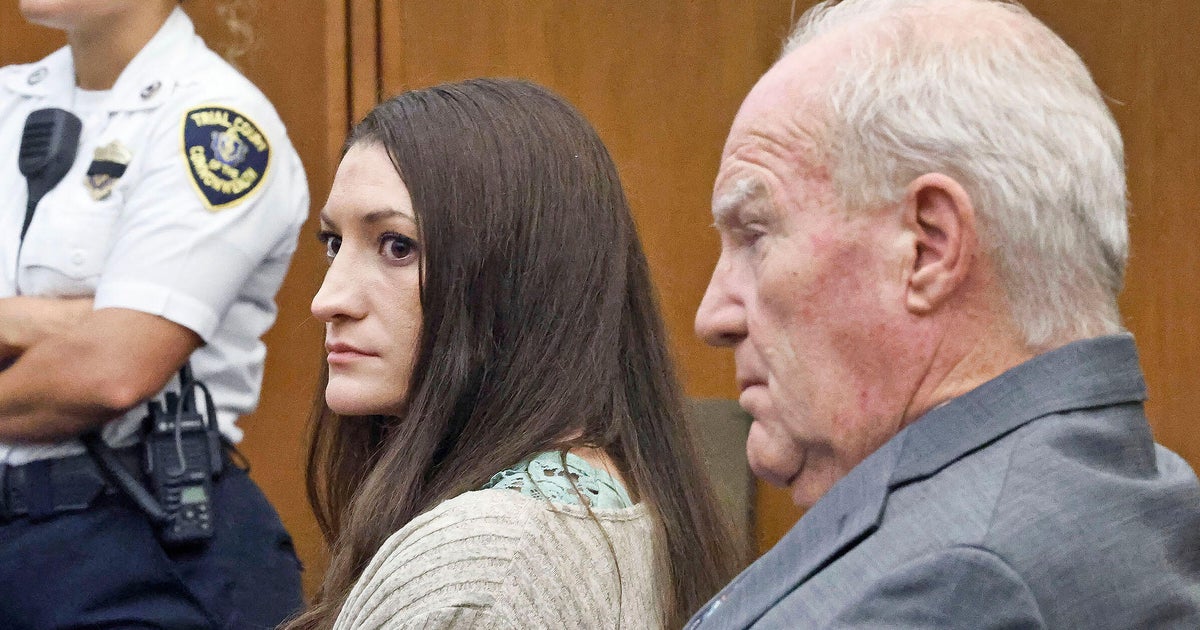


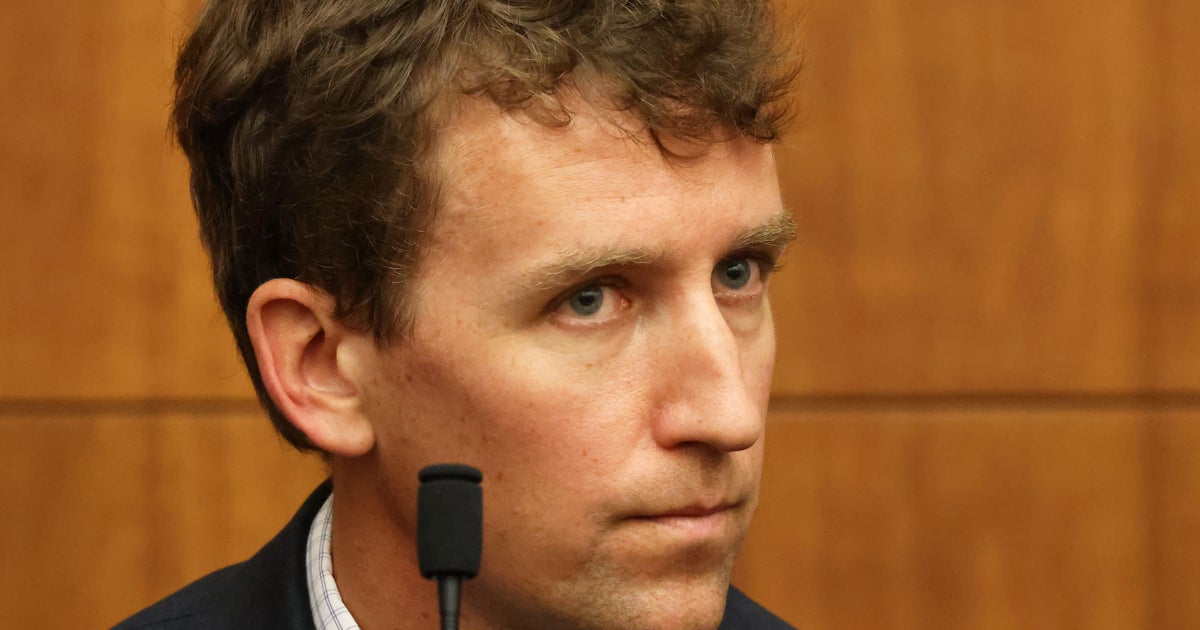

A Massachusetts judge declared a mistrial on September 4, 2026, in the high-profile case of Lindsay Clancy, a former labor-and-delivery nurse charged with killing her three young children in 2023, after a 12-person jury reported it was hopelessly deadlocked and unable to reach the unanimous verdict required under state law.
The outcome leaves the case legally unresolved: Clancy is neither convicted nor acquitted, and prosecutors must now decide whether to retry her on the first-degree murder charges or pursue another resolution.
What happened in court
The mistrial came after seven days of deliberations and roughly 38 hours of jury discussion following a five-week trial at Plymouth County Superior Court. Judge William Sullivan announced the mistrial after the jury sent a final note saying, “With a heavy heart,” it could not reach a unanimous decision.
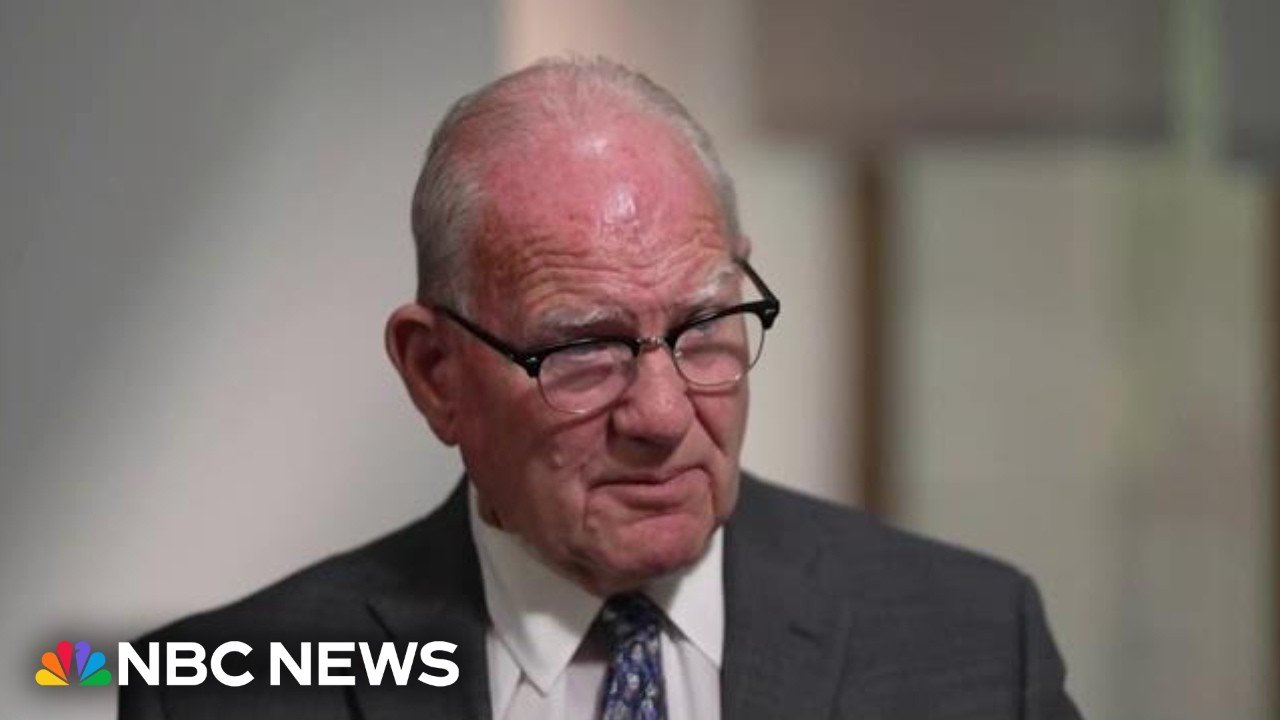
Defense attorney Kevin Reddington told the court the jury was split 11–1 in favor of finding Clancy not guilty by reason of insanity, and he sharply criticized the lone holdout juror for blocking an acquittal. The defense even filed an emergency appeal to the Massachusetts Supreme Judicial Court in a last-ditch effort to prevent a mistrial, arguing the holdout’s reasoning reflected bias against people with severe mental illness; the high court declined to intervene, and Sullivan proceeded with the mistrial declaration.
The jury comprised nine women and three men, according to court reporting.
The core dispute: insanity vs. premeditation
Clancy has never denied that she strangled 5-year-old Cora, 3-year-old Dawson, and 8-month-old Callan in their Duxbury home on January 24, 2023, before attempting to take her own life. The trial turned entirely on whether she was criminally responsible at the time.
- Defense case: Lawyers argued Clancy was in the grip of postpartum psychosis, a rare but severe psychiatric emergency that can distort a person’s sense of reality, and that she should be found not guilty by reason of insanity. Defense experts testified she experienced hallucinations, including hearing a male voice ordering her to kill the children and herself, and that her condition was compounded by inadequate or mismanaged treatment.
- Prosecution case: Plymouth County prosecutors acknowledged Clancy had mental health struggles but contended she was able to appreciate the wrongfulness of her actions and acted intentionally. They portrayed the killings as planned and rational, citing her behavior before and after the deaths and expert testimony that she was not psychotic at the time. One prosecution psychologist suggested Clancy believed her children would suffer without her and that her suicide attempt was not serious, supporting a narrative of calculation rather than delusion.
Why the jury deadlocked
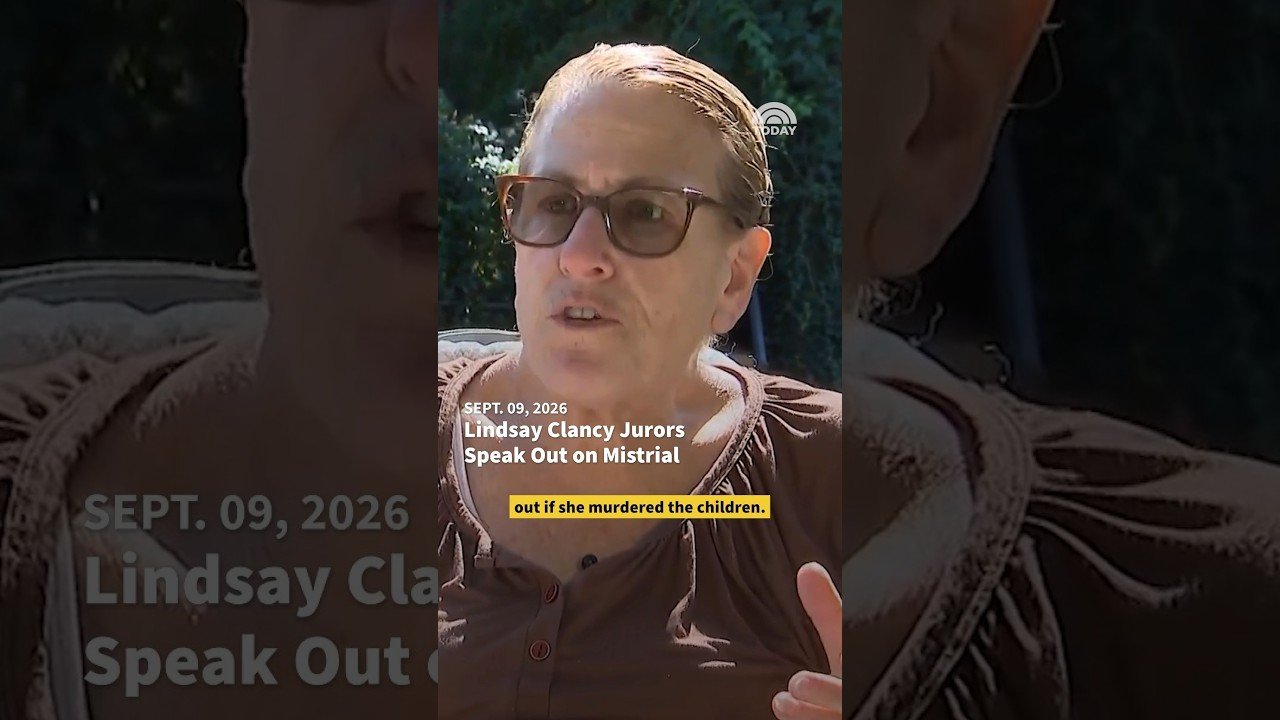
Public comments from jurors and the foreperson after the mistrial pointed to a clear fault line: most of the panel was persuaded by the insanity defense, but one juror would not sign off on a not-guilty verdict.
- Majority view: Eleven jurors reportedly favored a verdict of not guilty by reason of insanity, accepting that Clancy’s mental state at the time met Massachusetts’ legal standard for lack of criminal responsibility.
- Holdout position: According to the foreperson, the lone holdout—a man on the panel—said he had reasonable doubt about Clancy’s criminal responsibility but still refused to vote for acquittal, creating an unresolvable impasse under the unanimity rule.
That dynamic produced the classic “hung jury” scenario: even overwhelming numerical support for one outcome cannot produce a verdict if even a single juror dissents.
What happens next: retrial, plea deal, or dismissal?
Under Massachusetts law, a mistrial does not trigger double-jeopardy protections the way an acquittal would, so the state can choose to try the case again. The decision now rests with Plymouth County District Attorney Timothy Cruz.
- Retrial option: Cruz said after the mistrial that he would consult with his team before announcing whether to seek a new trial on first-degree murder or possibly lesser charges. Legal analysts note that seating an impartial jury for a second trial could be extraordinarily difficult given the intense national coverage and polarized public reaction.
- Plea negotiations: Clancy’s lawyer has signaled openness to discussions with prosecutors following the mistrial, raising the possibility of a negotiated resolution rather than a full retrial.
- No immediate decision: As of early September, Cruz had not indicated whether he would retry the case, saying only that the office would address it “at the appropriate time” in court.
A status hearing is scheduled for September 29, 2026, where the judge is expected to hear from both sides on next steps and, if a retrial is on the table, potentially set a new trial date.
Where Clancy is now
Following the mistrial, Clancy was returned to a state psychiatric facility, where she has been held and treated since the killings. Even if the case ultimately ends without a conviction, experts note she is likely to face years of confinement in some form—either through criminal incarceration if convicted in a retrial or continued civil commitment if found not guilty by reason of insanity.
The pardon push—and why it’s largely symbolic
In an unusual post-mistrial move, Reddington publicly appealed to President Donald Trump for a presidential pardon for Clancy, even discussing the request on national television. Trump commented on the case, calling it a “horrible, horrible thing” and saying there would be “a price to pay… mental institution or jail or something.”
However, constitutional scholars and legal analysts quickly noted that U.S. presidents generally cannot pardon state-level crimes; the presidential pardon power applies to federal offenses, not Massachusetts murder charges. That makes the request mostly a public-relations gambit rather than a viable legal path.
Why this case mattered beyond the verdict
The Clancy trial became a flashpoint for broader debates about maternal mental health, the limits of the insanity defense, and how the legal system handles severe postpartum psychiatric illness.
- Postpartum psychosis vs. postpartum depression: Experts emphasized that postpartum psychosis is far rarer and more acute than postpartum depression, often involving delusions, hallucinations, and a break from reality that can emerge days or weeks after childbirth.
- Systemic gaps: The defense argued that Clancy sought help but received inadequate care, was overmedicated, and ultimately suffered a psychotic break—claims that resonated with advocates who say the U.S. maternal mental-health system fails many new parents.
- Legal standards: The deadlock highlights how difficult it can be for juries to apply legal tests for insanity to emotionally charged facts, especially when expert witnesses disagree sharply about a defendant’s mental state at the time of the crime.
What’s still unknown (and what reporters will watch)
Several key questions remain as the case enters its next phase:
- Will there be a retrial? Cruz’s office has not said whether it will retry Clancy, seek a plea, or decline to proceed.
- If retried, on what charges? Prosecutors could pursue first-degree murder again or opt for a lesser charge to improve the odds of conviction.
- Can an impartial jury be found? Given the saturation of media coverage and strong public opinions, jury selection in any new trial could be protracted and contentious.
- Will the defense renew its insanity strategy? Reddington has already framed the mistrial as a moral victory and blamed the holdout juror, suggesting a similar approach in any retrial.
For now, the legal fate of Lindsay Clancy remains in limbo, with the September 29 status hearing likely to set the tone for whether the case heads toward a second trial, a negotiated outcome, or an eventual dismissal.