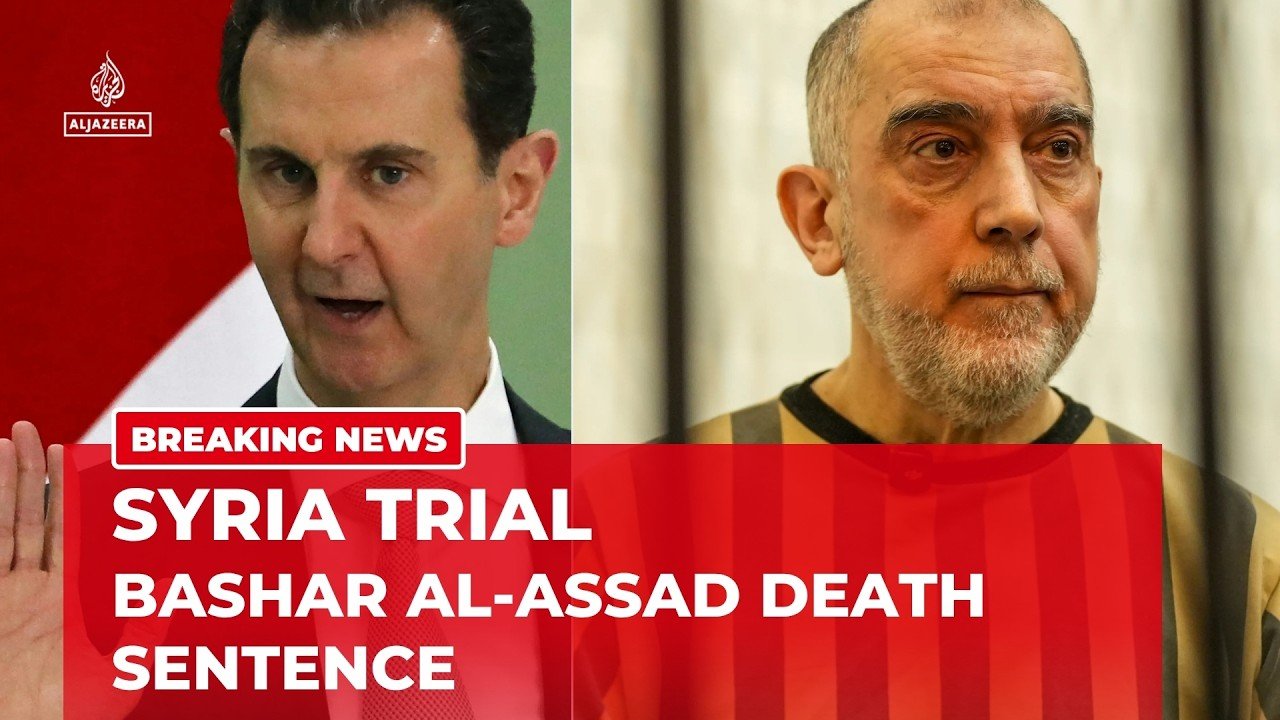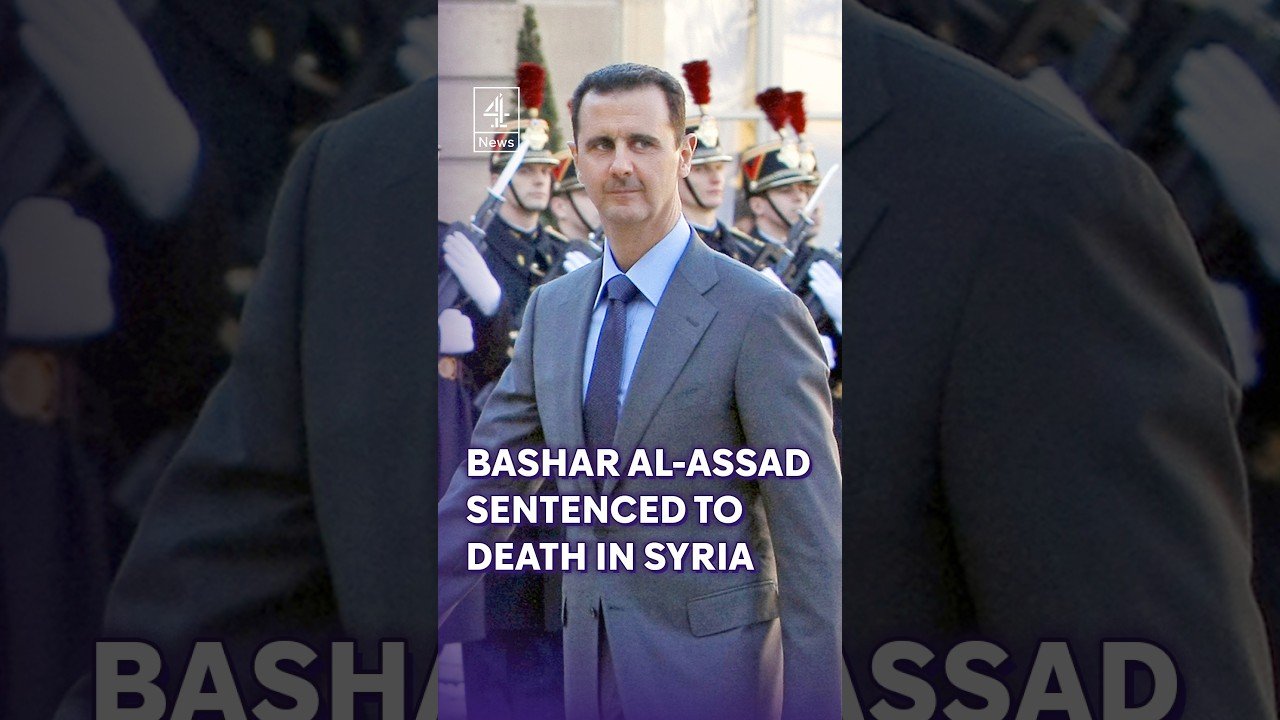

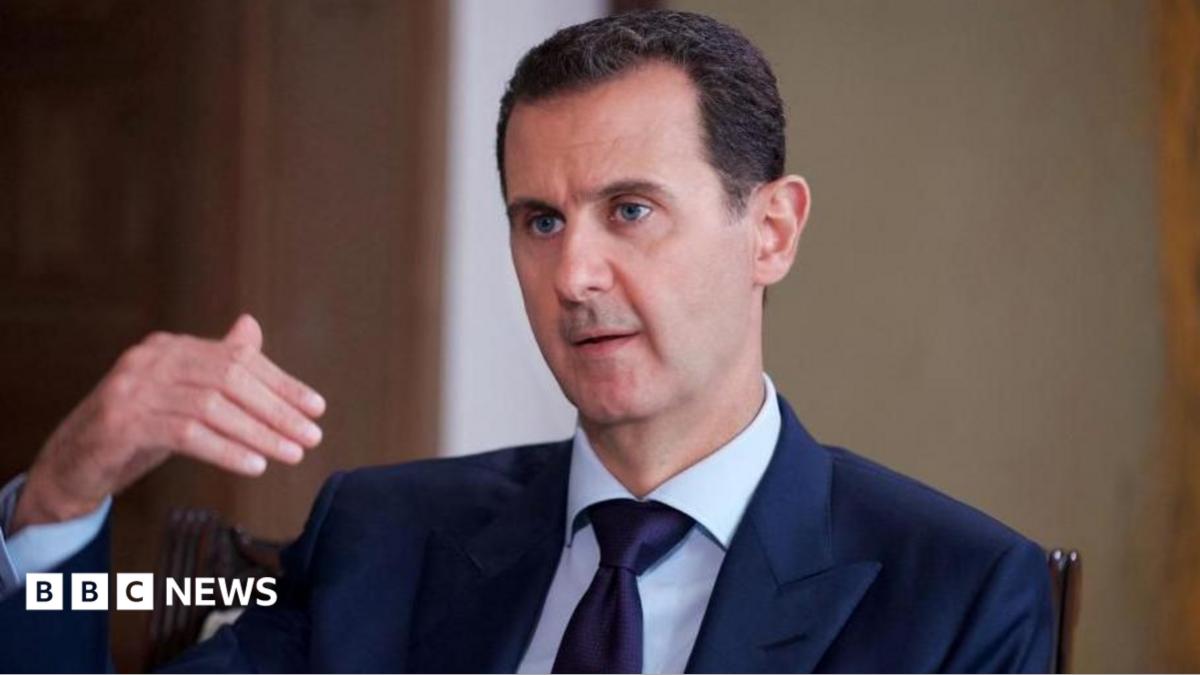




A Damascus court has sentenced ousted Syrian President Bashar al-Assad to death in absentia, convicting him of war crimes and crimes against humanity committed during the country’s 14-year civil war.
The landmark ruling, delivered on August 11, 2026, by the Fourth Criminal Court marks the first legal conviction against the former dictator since his regime collapsed in December 2024.
The court found Assad guilty of premeditated and intentional murder of multiple people, including children under 15 years of age, as well as torture, arbitrary detention, and crimes against humanity.
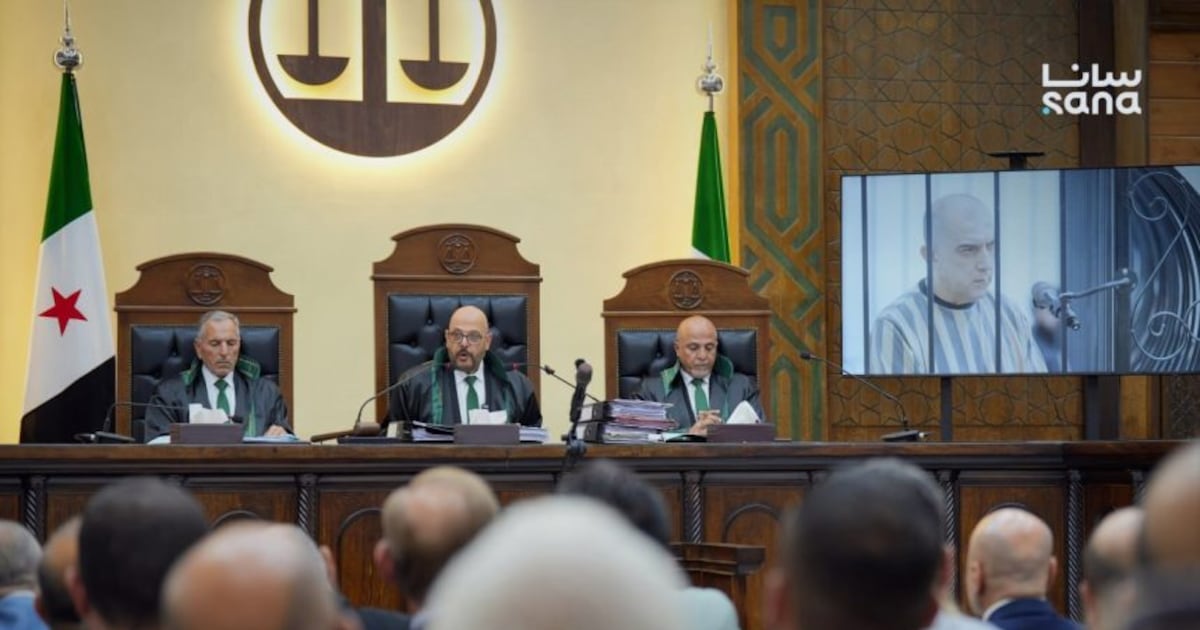
Judge Fakhr al-Din al-Aryan declared that witnesses had confirmed Assad was the ultimate authority behind the crimes and that he had used the instruments of the Syrian state to carry them out.
The death sentence was handed down alongside rulings against eight other former regime officials, though only one defendant—Atef Najib—was physically present for the trial. Assad’s younger brother, Maher al-Assad, former commander of the elite 4th Armored Division, was also sentenced to death in absentia on the same charges.
The defendants in custody
While Bashar and Maher al-Assad were tried in absentia from their exile in Moscow, their maternal cousin Atef Najib appeared in a cage inside the Damascus courtroom. Najib, a former head of the Political Security Directorate’s Daraa branch, was found guilty of leading the brutal 2011 crackdown on protesters in Daraa that sparked the civil war.
The court convicted Najib of premeditated murder, torture, and incitement to murder, sentencing him to death alongside the Assad brothers. His physical presence in the trial stood in stark contrast to the absent defendants sheltered by Russia.
Extradition standoff with Russia
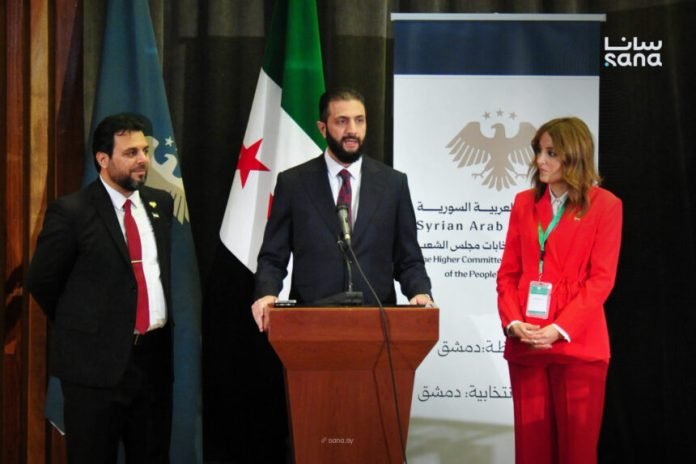
The verdict carries limited immediate practical effect while Assad remains under Russian protection in Moscow. Syria’s transitional government, led by President Ahmed al-Sharaa, has repeatedly requested Assad’s extradition, but Russian officials have firmly refused to hand over their former ally.
The court indicated it would pursue international legal avenues to try to prosecute Assad and Maher, though enforcement remains contingent on their eventual arrest or extradition. The sentence is being handed down in absentia, meaning its immediate practical effect is limited by Assad’s location outside Syrian jurisdiction.
Background: From ophthalmologist to ousted dictator
Born on September 11, 1965, in Damascus, Bashar al-Assad is the second son of former Syrian dictator Hafez al-Assad. He originally trained as an ophthalmologist in London during the early 1990s before being recalled to Syria in 1994 to become heir apparent after his older brother Bassel died in a car crash.
Assad assumed the presidency in July 2000 following his father’s death. Though initially viewed as a potential Western-educated reformer, his rule quickly became highly repressive. His five-decade family dynasty abruptly ended on December 8, 2024, when a lightning 12-day offensive led by opposition forces captured Damascus, forcing Assad to flee to Moscow with his family.
The 14-year civil war
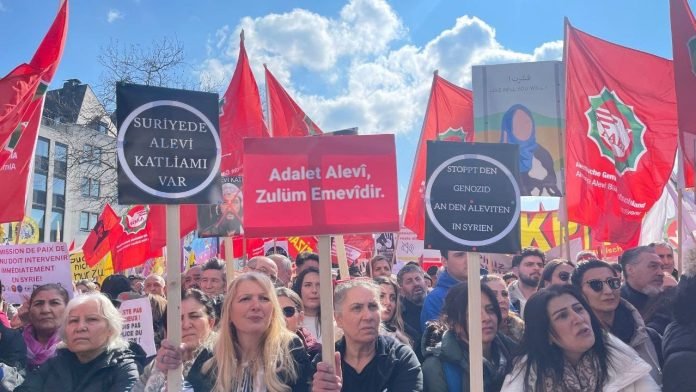
The conflict began in March 2011 when peaceful democratic protests erupted across Syria, catalyzed by the torture of teenagers in Daraa under Atef Najib’s security oversight. Assad responded with lethal military force, triggering a devastating civil war that killed approximately 500,000 people and displaced millions more.
The court’s ruling directly links the former president to killings, torture, arbitrary detention and crimes against humanity during the conflict. Judge al-Aryan ruled that Assad’s contribution to the crimes was that of the highest responsible for decision-making, given that he mobilized state institutions to commit them.
International reactions and legal significance
The ruling marks the first death sentence handed down against Assad by Syria’s transitional authorities, which began prosecuting senior figures from his former government earlier in 2026. The Guardian noted that the trials are key to healing, while Reuters flagged scepticism that death sentences could harm extradition prospects.
The verdict represents a historic moment of accountability for atrocities committed during one of the 21st century’s deadliest conflicts, even as enforcement remains uncertain while Assad remains under Russian protection.