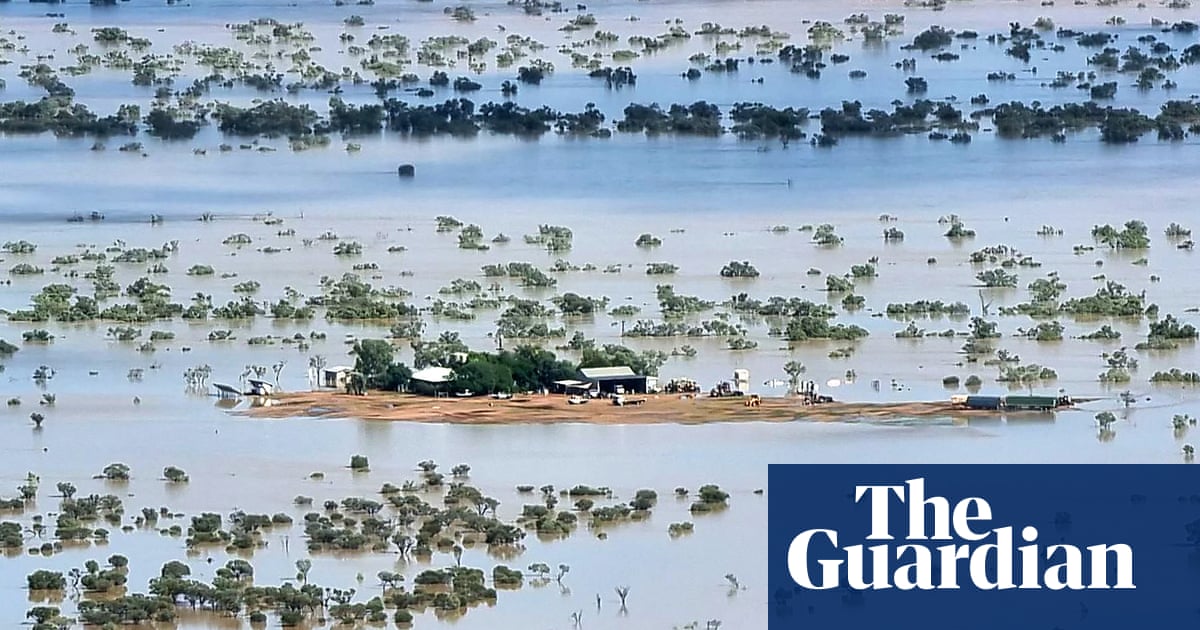
In 2025, Queensland experienced three major, distinct flooding events that caused widespread destruction, at least 33 deaths, and over $1.2billion in economic damage, marking one of the worst flooding years in the state’s history.
The 2025 Queensland floods consisted of multiple severe events from late January through April, driven by tropical lows and troughs, causing widespread inundation across northern, western, and outback regions.
North Queensland Tropical Low
From January to February 2025, a persistent tropical low-pressure system and monsoonal moisture primarily impacted coastal regions around Townsville, Ingham, and Cardwell.
Record rainfall exceeding 1,000 mm in some areas, such as Paluma, Cardwell, led to the collapse of the Bruce Highway Ollera Creek Bridge, isolating northern communities. Two direct deaths from drowning and 31 indirect deaths linked to an outbreak of melioidosis, a soil-borne disease stirred up by floodwaters and construction, were recorded.
Mandatory evacuations were ordered for six Townsville suburbs; the Australian Defence Force assisted with a temporary bridge fix and rescues.
Tropical Cyclone Alfred
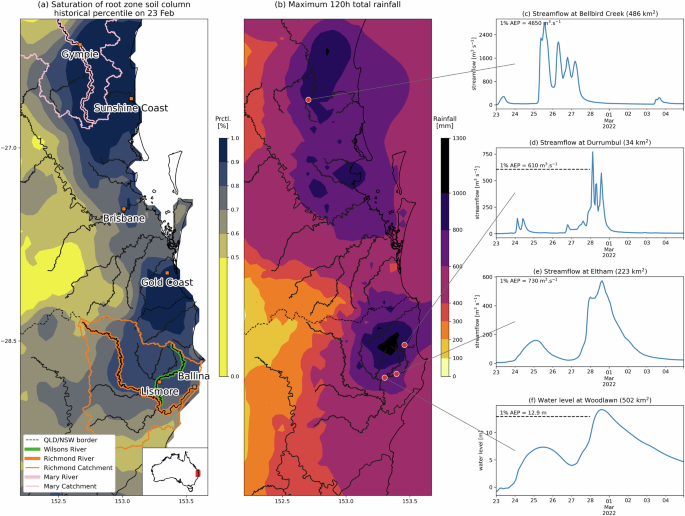
Tropical Cyclone Alfred formed in the Coral Sea and weakened to a tropical low before tracking inland across South East Queensland and Northern NSW in March 2025. It became the costliest weather event of the year, resulting in approximately $1.5billion in insured losses from 132,000 claims. Widespread power outages, structural damage, and coastal erosion were reported.
Western Queensland “Pseudo-Monsoon”
From March to May 2025, a rare “pseudo-monsoon” event created a flood footprint of 700,000 km² (roughly the size of Egypt), inundating the arid outback. Towns like Stonehenge, Jundah, and Windorah surpassed their historic 1974 flood heights. An estimated 150,000 livestock were lost, with millions of hectares of topsoil stripped away. Residents in Adavale and Jundah were evacuated by air as roads became “inland seas”.
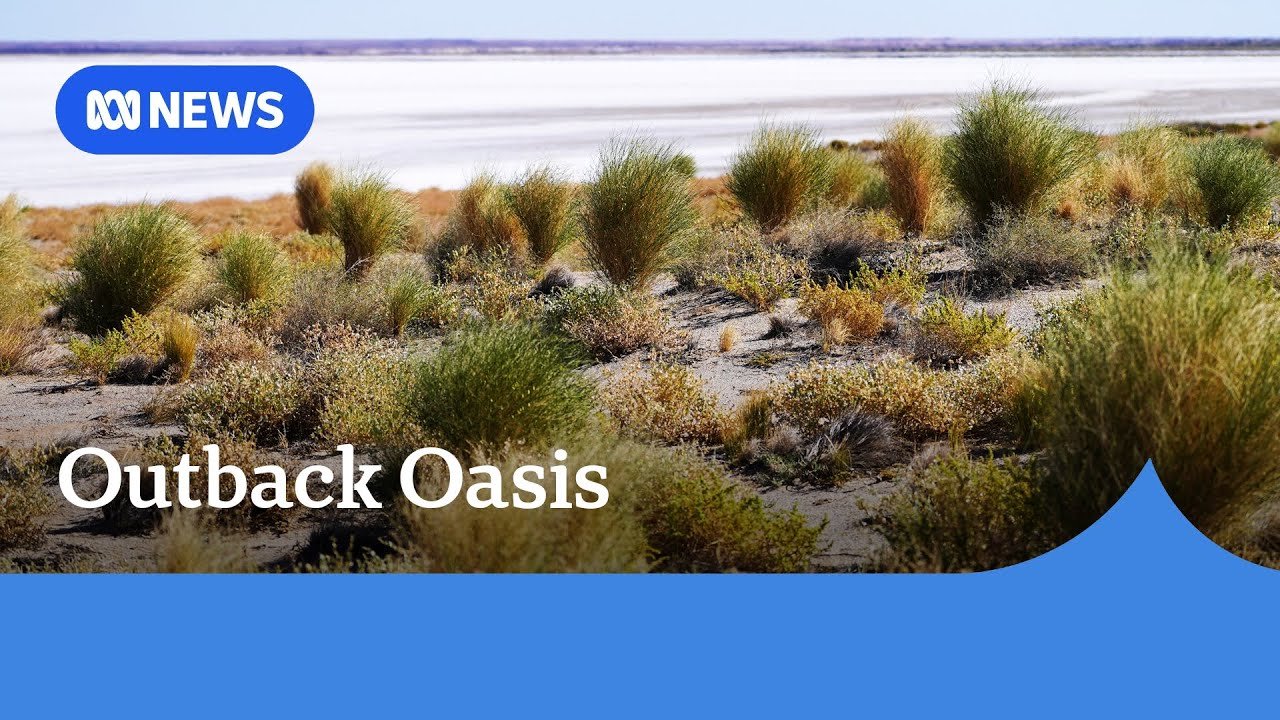
Kati Thanda-Lake Eyre transformed into rare outback oasis
The 2025 flooding event effectively created a vast, temporary “oasis” at Kati Thanda-Lake Eyre, Australia’s largest inland salt lake and the lowest point on the continent, located in the Far North region of South Australia.
The influx of water from the Queensland floods triggered a massive ecological event. Dormant eggs of brine shrimp hatched, fish spawned, and millions of migratory waterbirds flocked to the area to breed and feed. The lake only fills to near capacity a few times per century, making the 2025 event a spectacular and rare natural phenomenon.
Impact and damages
Over 150,000 livestock were lost in outback areas, plus 213,000 total stock losses and 8,000 km of damaged fences. The floods also led to crop destruction, road washouts, 1,194 school closures and shortages like bananas due to transport cuts. Power outages hit 6,700 in Hinchinbrook, 2,000 in Townsville; airport closures and hospital surgery cancellations were reported.
The North Queensland floods alone generated 11,700 insurance claims totaling $304 million in costs, while all extreme weather events across Australia in 2025 combined reached $3.5 billion in total economic damages.
Read also:
Rare flood event transforms spectacular Kati Thanda-Lake Eyre into outback oasis
2025 Central Texas floods