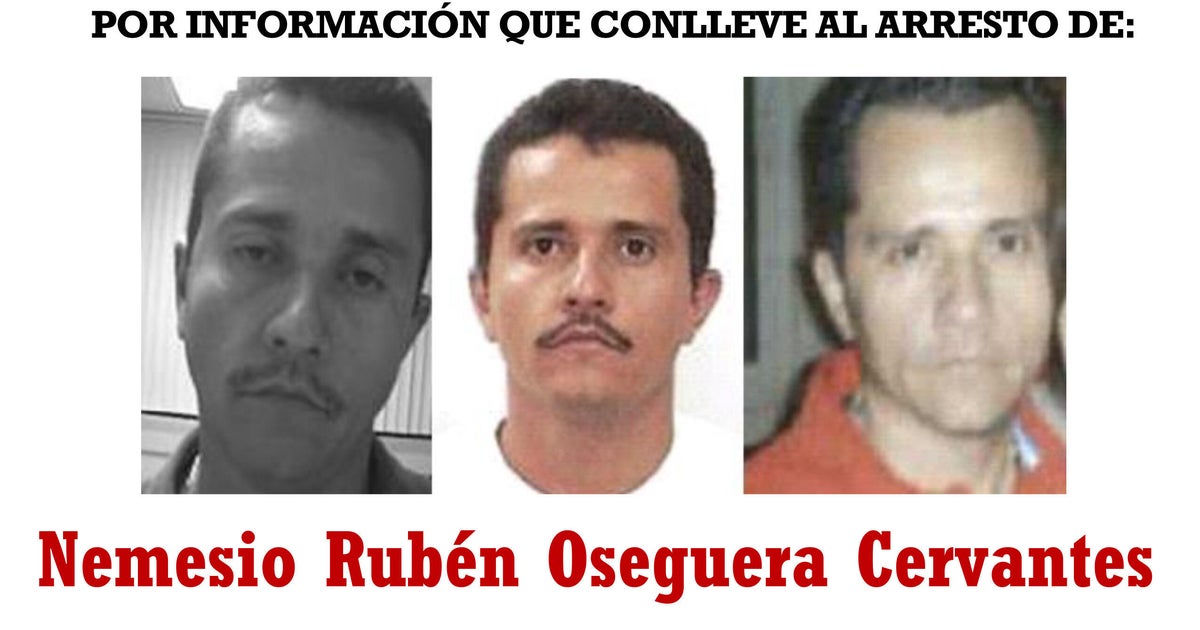
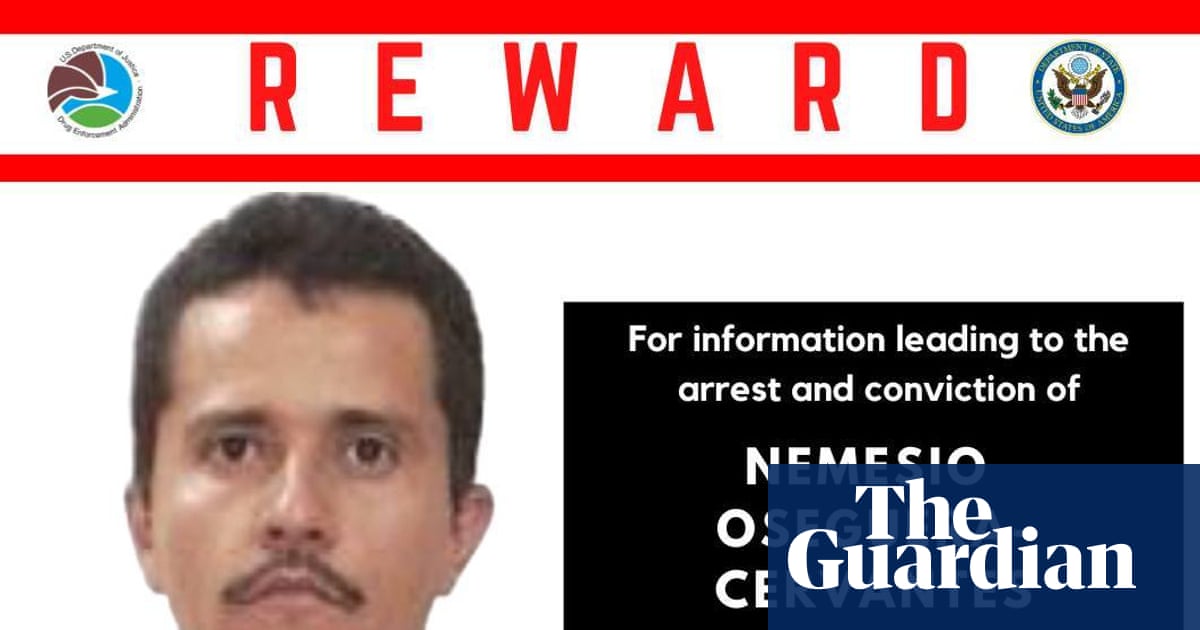
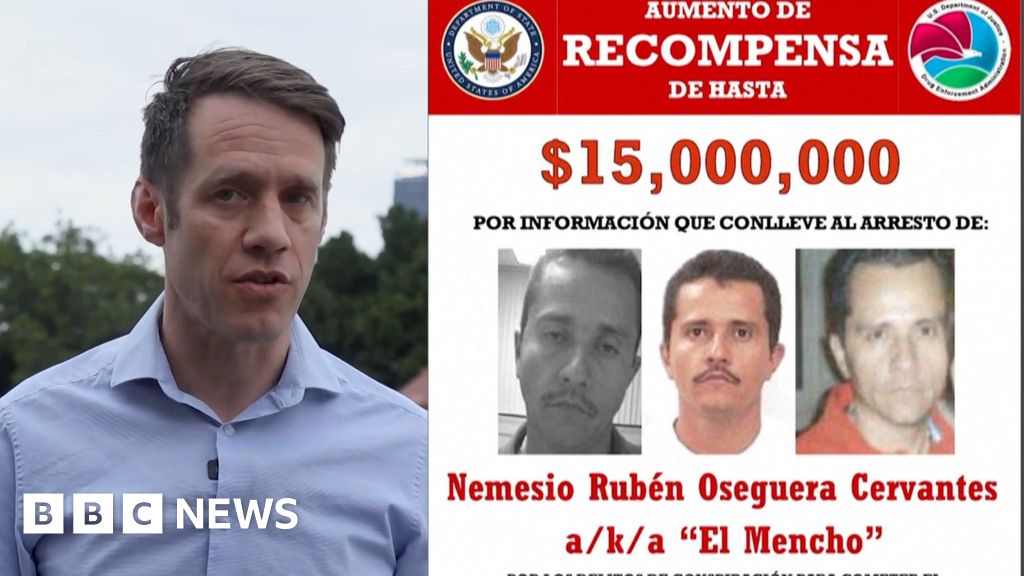
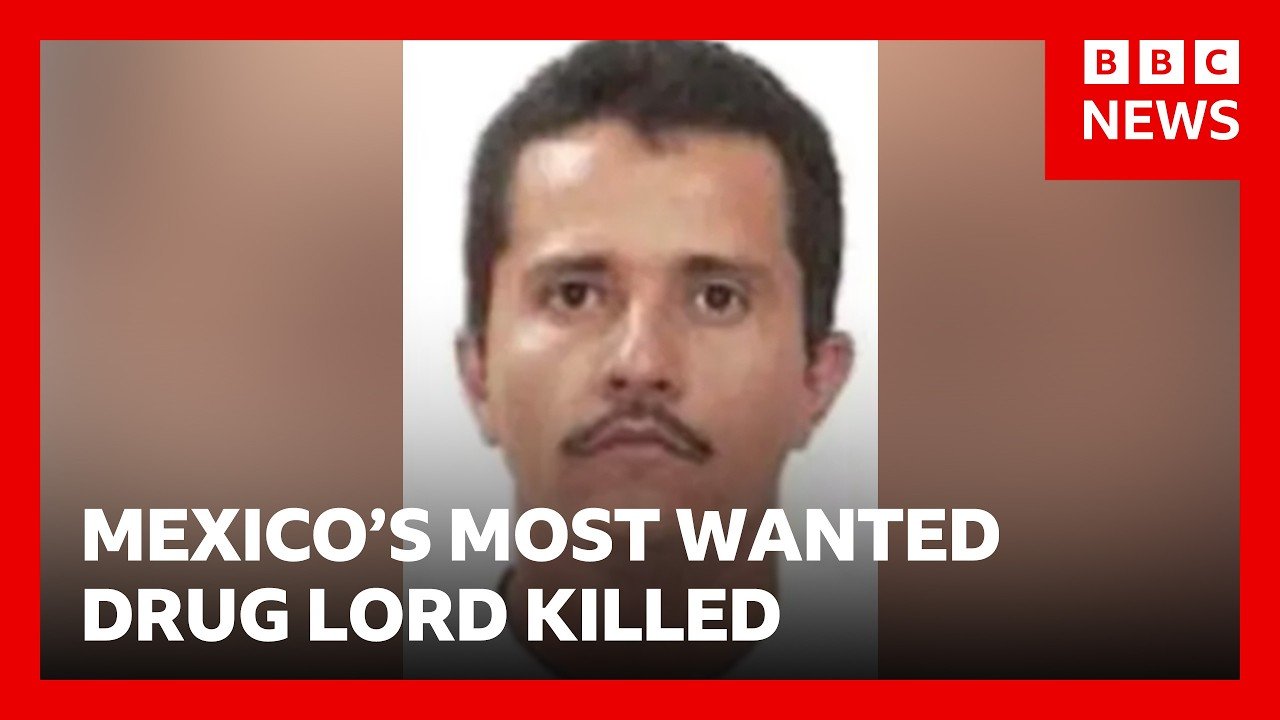
On February 22, 2026, Mexican authorities confirmed the death of Nemesio “El Mencho” Oseguera Cervantes, the leader of the Jalisco New Generation Cartel (CJNG), in a joint military operation in Tapalpa, Jalisco.
The raid, carried out by the Mexican Army with support from the National Guard, the Mexican Air Force and intelligence officers from the Attorney General’s Office, ended a 15-year manhunt for Mexico’s most-wanted criminal.
El Mencho was seriously wounded during a firefight with security forces and died while being airlifted to Mexico City for medical treatment. Four to six cartel members were also killed, and three army personnel were injured. The operation was supported by US intelligence, a development the Trump administration praised as “great.”
From police officer to cartel kingpin
El Mencho, a former police officer, transformed the CJNG from a local enforcement group into one of the world’s most powerful and violent criminal organizations.
Under his leadership, the cartel militarized its operations, deploying armored vehicles, armed drones and uniformed paramilitary units.
The group diversified beyond narcotics into fuel theft, human smuggling and sophisticated financial fraud managed by the “Los Cuinis” clan, El Mencho’s in-laws.
The CJNG also mastered propaganda, releasing high-quality videos of armed convoys to project power and intimidate rivals and government forces.
Wave of retaliation paralyzes Mexico
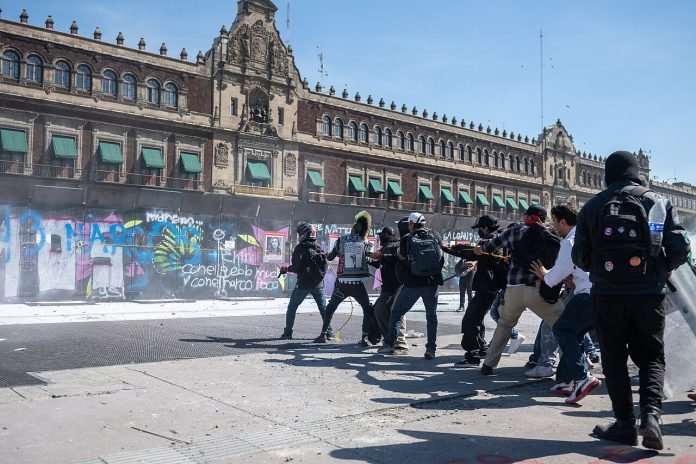
Within hours of El Mencho’s death, suspected CJNG members launched coordinated retaliatory attacks across at least 20 Mexican states.
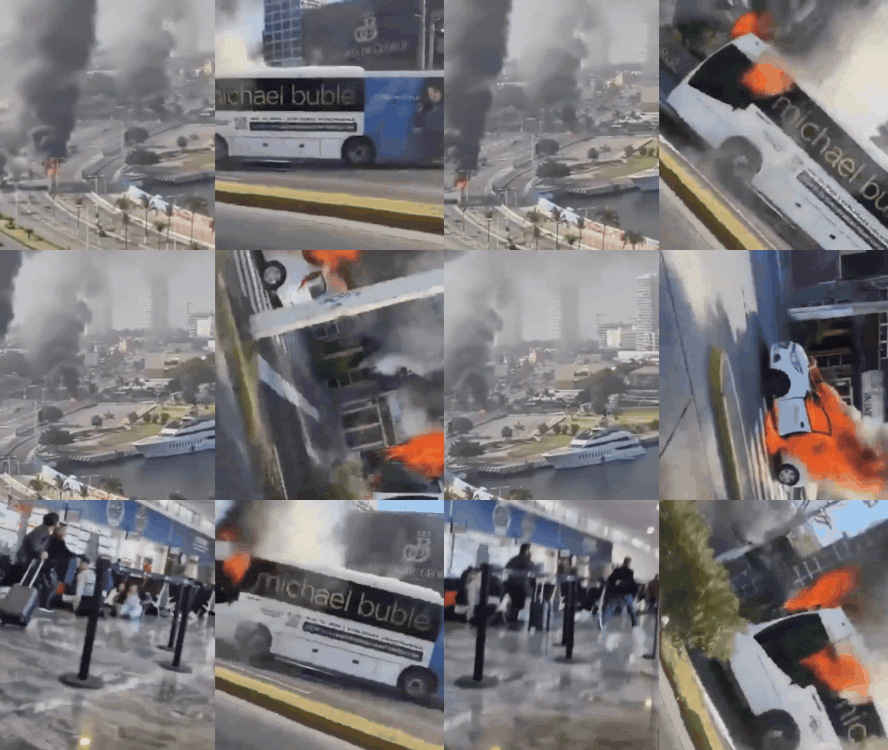
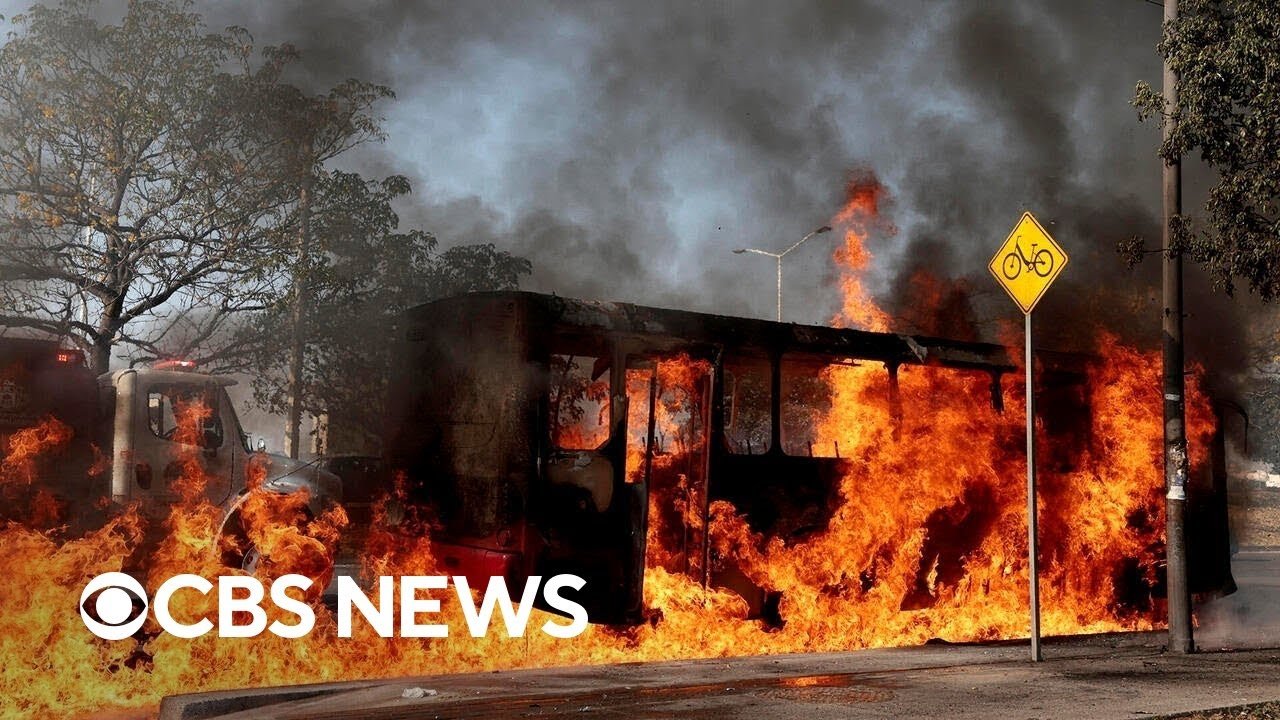
More than 250 “narco-blockades” were established, including 65 in Jalisco alone, where gunmen used burning cars, buses and trucks to shut down major highways.
At least 14 people died in the immediate aftermath, including seven National Guard members in Tapalpa and Zapopan, a jail guard killed during a prison riot in Puerto Vallarta and a state prosecutor’s agent in Guadalajara.
Arsonists attacked approximately 20 bank branches, 18 Banco del Bienestar locations and 69 Oxxo convenience stores, particularly in Guanajuato and Jalisco. A Costco and multiple petrol stations were also set on fire.
Major cities ground to standstill
Guadalajara became a “ghost town” as residents hunkered down under a “Code Red” alert. At the international airport, panicked travelers were filmed sprinting for cover as armed men torched vehicles nearby.
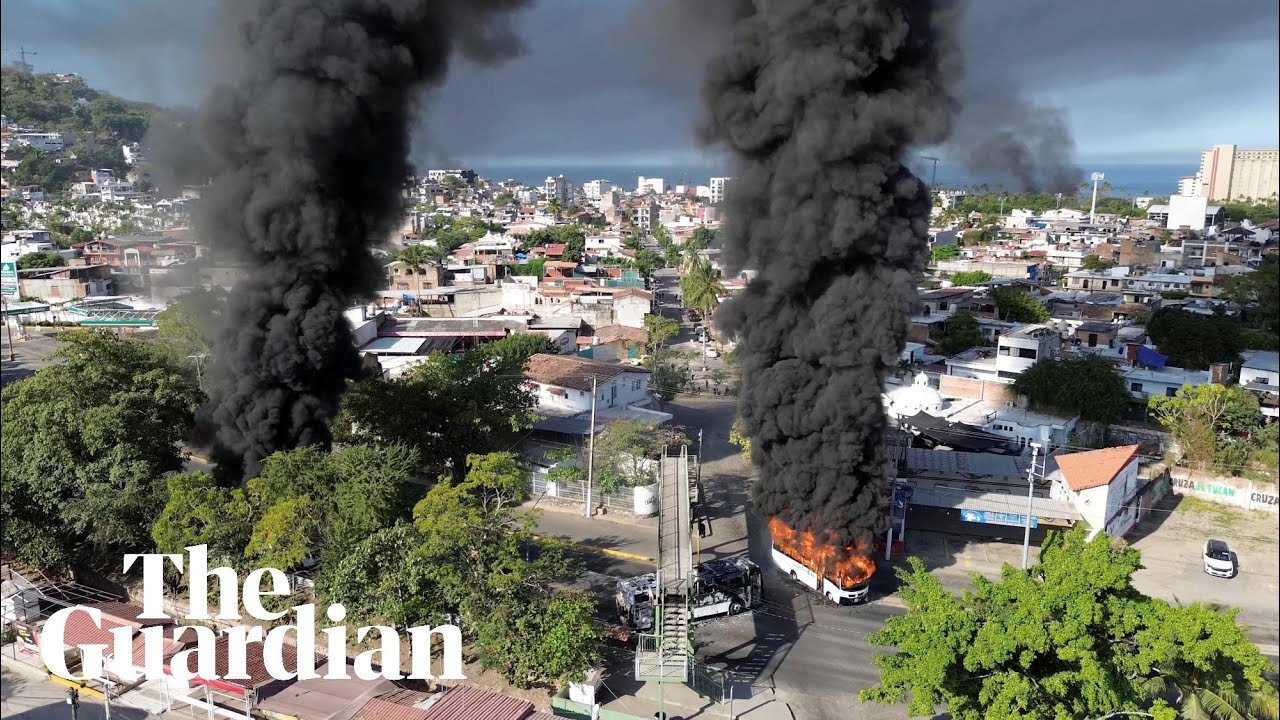
In Puerto Vallarta, black smoke rose from burning taxis and buses over the waterfront. The resort town saw significant unrest, leading to the suspension of all public transport and the cancellation of dozens of flights by Air Canada, United and American Airlines.
In Guanajuato, over 70 attacks were reported across 23 municipalities, primarily involving arson against businesses and vehicles.
The United States, Canada and India issued urgent travel warnings, urging citizens to shelter in place in five key states: Jalisco, Tamaulipas, Michoacán, Guerrero and Nuevo León.
Jalisco Governor Pablo Lemus Navarro suspended public transport, mass events and in-person classes. Several top-tier soccer matches, including a high-profile game between Chivas and América, were postponed indefinitely.
CJNG faces uncertain succession
El Mencho’s death leaves the CJNG at a critical juncture. Despite its rigid, military-style hierarchy, experts predict a bloody internal power struggle among three main factions.
The “Valencia” Clan (Los Cuinis), led by El Mencho’s imprisoned wife’s brothers, controls the cartel’s financial empire and money-laundering networks. They are seen as the organization’s “business brains” and may seek stability to protect assets.
“El Jardenero” (Audias Flores Silva), a top lieutenant and regional commander in Nayarit and Jalisco, controls significant territory and paramilitary forces. Long considered El Mencho’s “right-hand man,” he is the most likely successor for operational control.
The “Salgado” Faction, led by El Mencho’s youngest daughter Laisha Michelle Oseguera González and her partner Christian Fernando Gutiérrez Ochoa, represents “bloodline” succession and holds influence over the cartel’s younger, more radical wing.
Security analysts warn the CJNG could splinter into smaller, more violent cells, similar to the fragmentation after “El Chapo” Guzmán’s capture. Rival cartels, especially the Sinaloa Cartel and its “Operativa Maya” allies, are expected to launch offensives to reclaim territory in Zacatecas, Michoacán and Guanajuato.
Government deploys 10,000 additional troops
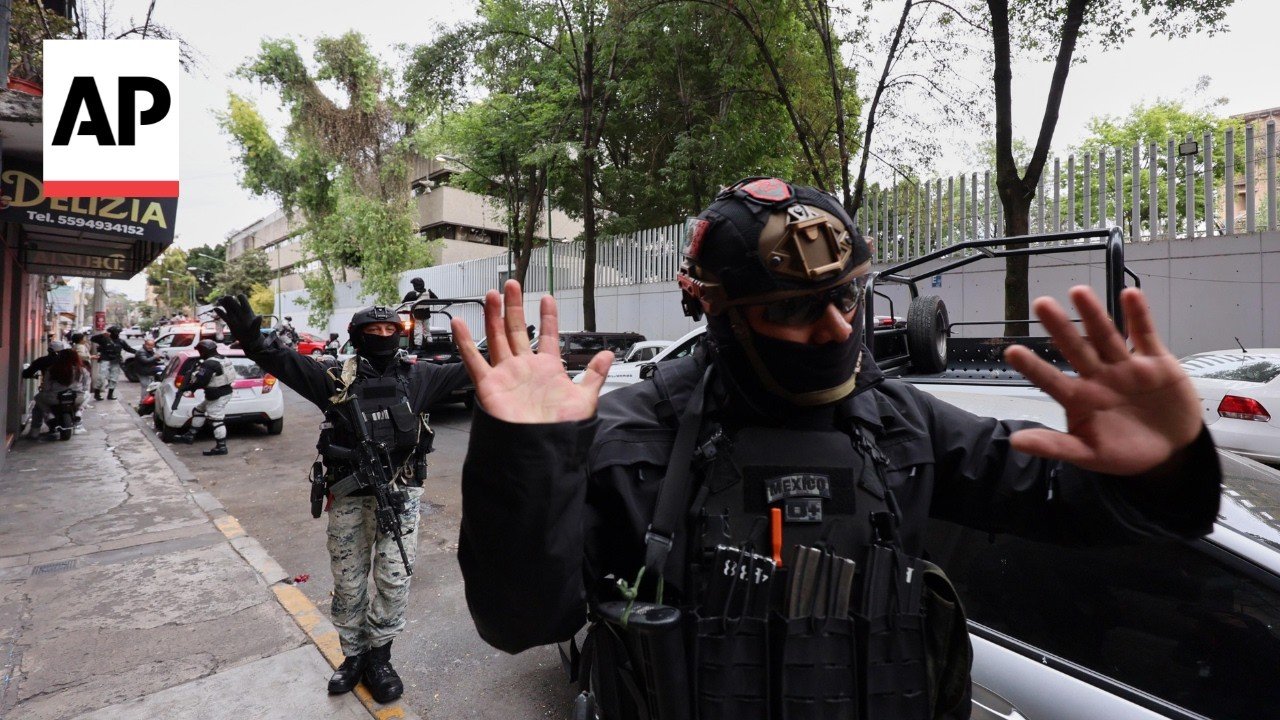
The Mexican government remains on “Code Red” status. More than 10,000 additional troops have been deployed to the “Tierra Caliente” region and major urban centers including Guadalajara and Puerto Vallarta to prevent further retaliatory blockades.
Authorities continue to monitor the situation as the CJNG navigates its transition and rival cartels seek to exploit the power vacuum.
Read also:
Peru cuts diplomatic ties with Mexico, declares Sheinbaum persona non grata
US Special Forces captures Nicolás Maduro