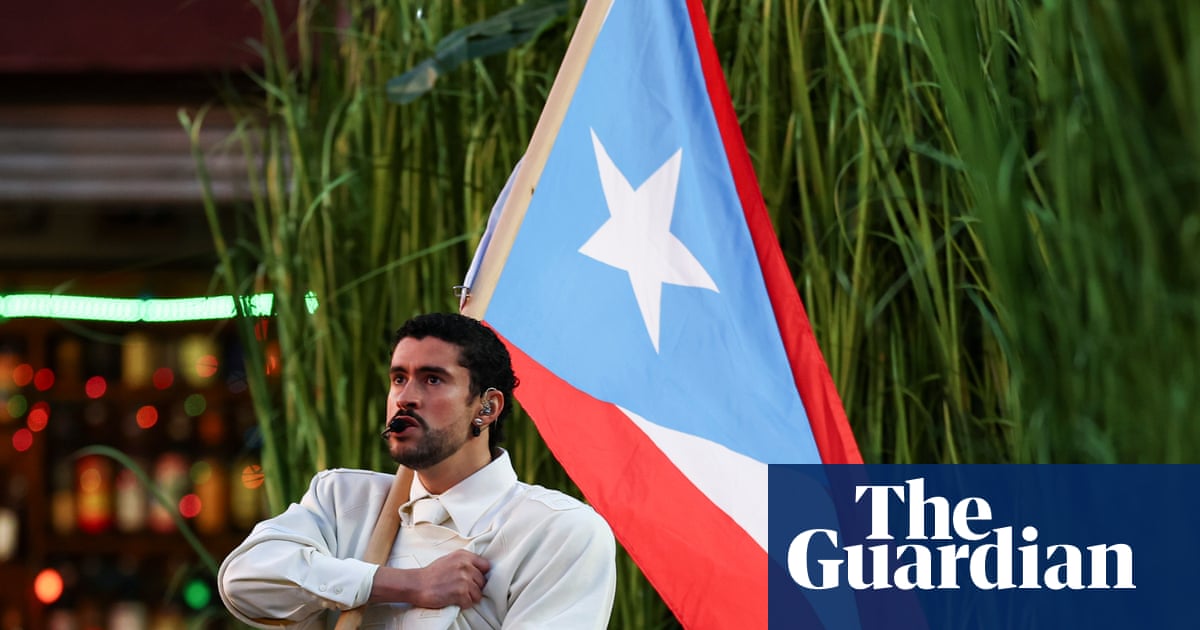
Bad Bunny’s 2026 Super Bowl halftime performance was designed as a celebration of Puerto Rican identity and pan-American culture. Instead, it became one of the most divisive halftime shows in NFL history, drawing praise for its scale and symbolism while igniting backlash over its heavy use of Spanish and overt political undertones.
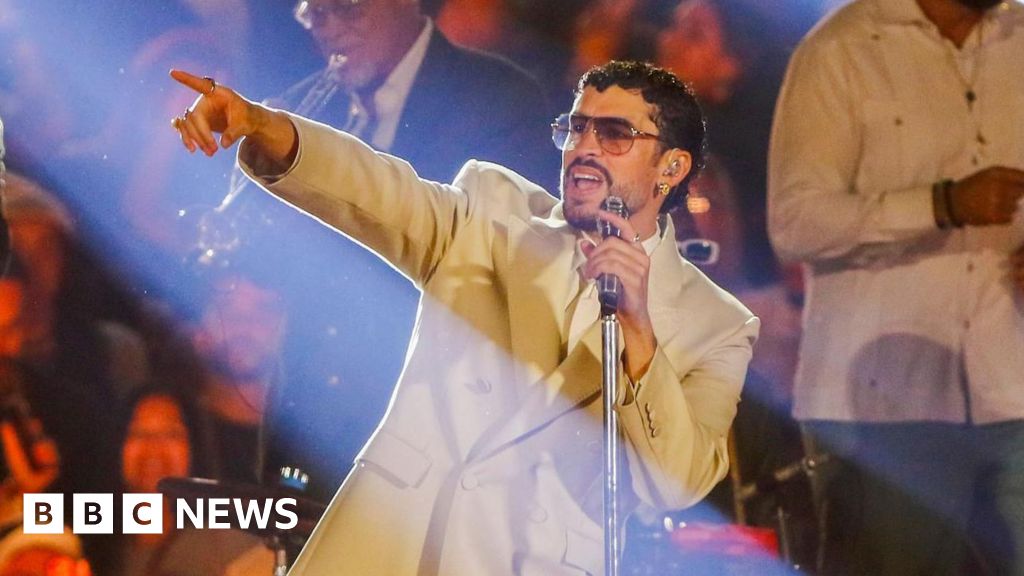
The show, staged at Levi’s Stadium in Santa Clara on Feb. 8, was the first Super Bowl halftime performance led by a Latino solo artist and was performed almost entirely in Spanish. Bad Bunny worked through a medley of hits including “Tití Me Preguntó,” “Yo Perreo Sola” and “Mónaco,” backed by a heavily stylized production that mixed pop spectacle with cultural references and activist messaging.
A halftime show with an argument built in
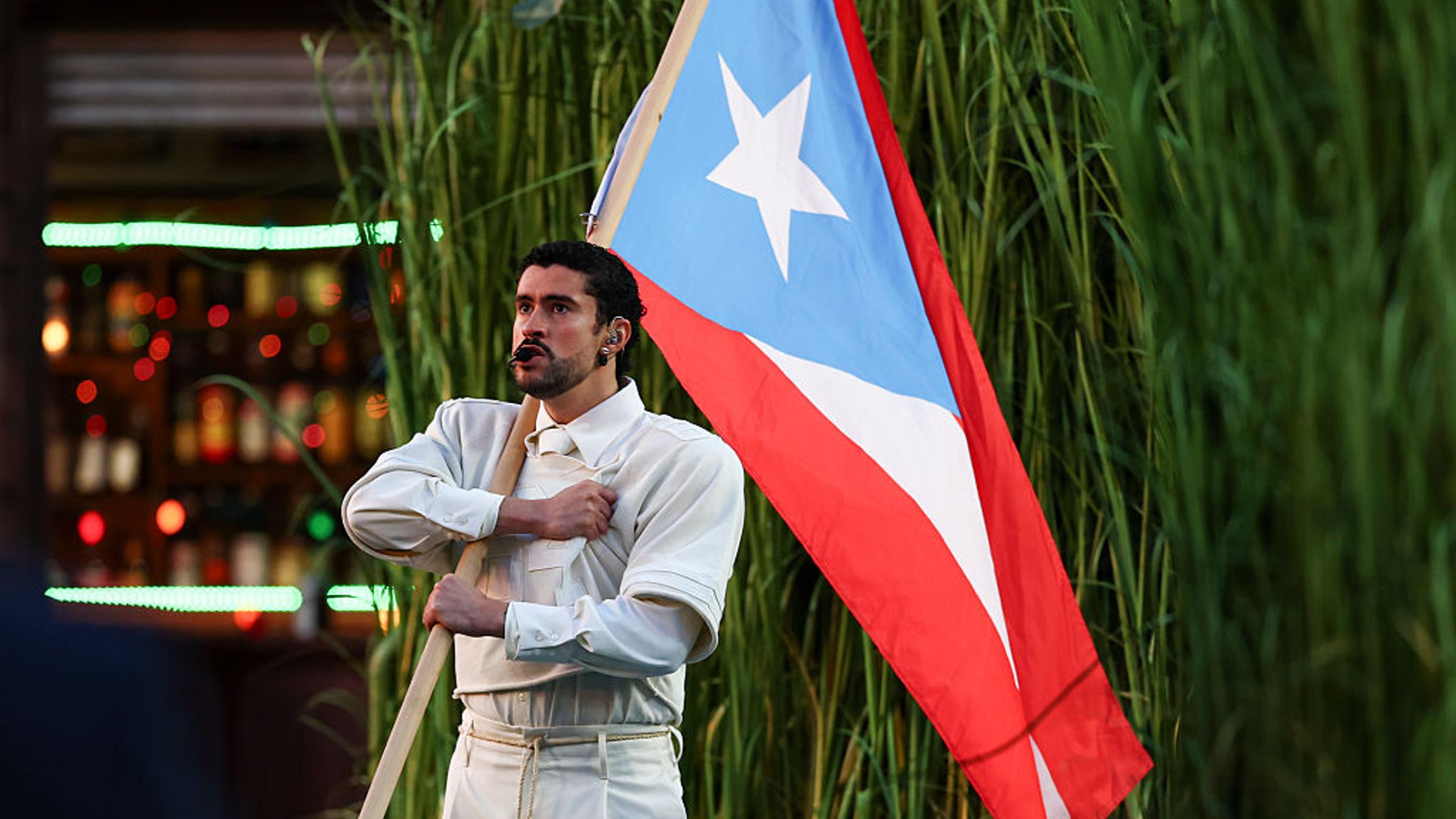
From the outset, the performance made clear that it was not trying to be neutral. A screen message declaring, “The only thing more powerful than hate is love,” framed the show as a statement about identity, belonging and resistance. Bad Bunny also repeatedly foregrounded his Puerto Rican heritage, including one moment where he held the Puerto Rican flag onstage.
The performance leaned into a broader Latin American aesthetic rather than a narrowly US-centric one, and that choice became central to the reaction around it. Critics on the right argued that a largely Spanish-language show was out of step with an American sporting event, while supporters said the backlash only underscored how rare it still is for non-English-language culture to take center stage in the US mainstream.
The guest-heavy spectacle
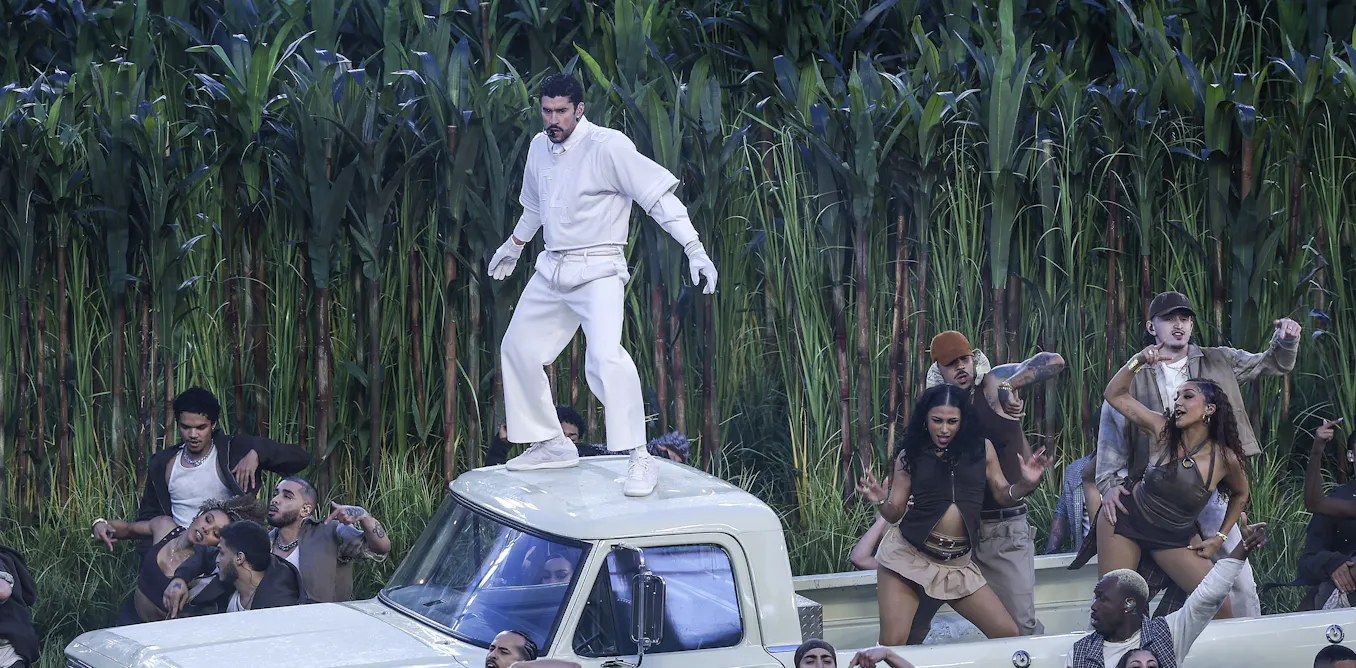
The production was built around a “casita” set piece packed with celebrity cameos and musical crossovers. Lady Gaga appeared for a salsa-style take on “Die With A Smile,” Ricky Martin joined for “Lo Que Le Pasó a Hawaiʻi,” and Los Pleneros de la Cresta added live cultural instrumentation.
Cardi B, Pedro Pascal, Jessica Alba, Karol G and Young Miko also appeared as part of the broader staging, giving the performance the feel of a high-gloss, cross-border cultural summit as much as a halftime show.
The numbers were huge
Whatever the controversy, the audience was enormous. The halftime show drew an average of 128.2 million domestic viewers, making it the fourth-most-watched halftime performance in Super Bowl history. It also generated more than 4 billion social media views in its first 24 hours, according to post-event reports.
That level of reach made the performance more than a pop-culture moment. It became a live referendum on what American mass entertainment looks like when it stops centering English-language performance by default.
Backlash and political heat
The criticism came quickly. Conservative commentators and politicians attacked the decision to feature a Spanish-language show, with some calling it “un-American,” while Bad Bunny responded ahead of the game on Saturday Night Live by joking that critics had months to learn Spanish.
The political temperature rose further because of Bad Bunny’s past criticism of US immigration policy and ICE. Homeland Security Secretary Kristi Noem said ICE agents would be present at the event, and Donald Trump called the booking “absolutely ridiculous” before later describing the performance as “terrible.”
Republican lawmakers also pressed regulators over whether the show violated broadcast decency standards, prompting an FCC review. The agency ultimately found no violation, saying the explicit material had been censored.
Why it mattered
The halftime show landed at the intersection of entertainment, identity politics and the growing visibility of Spanish-language culture in the US mainstream. For supporters, it was a landmark moment that treated Latino culture as center stage rather than side content. For critics, it was a provocation that turned the NFL’s biggest broadcast into a political statement.
Either way, it succeeded in doing what the biggest Super Bowl moments always do: it made the halftime show the main event.