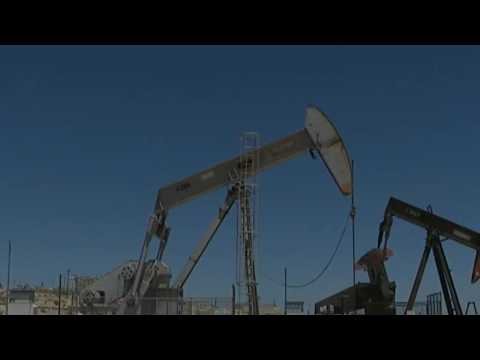

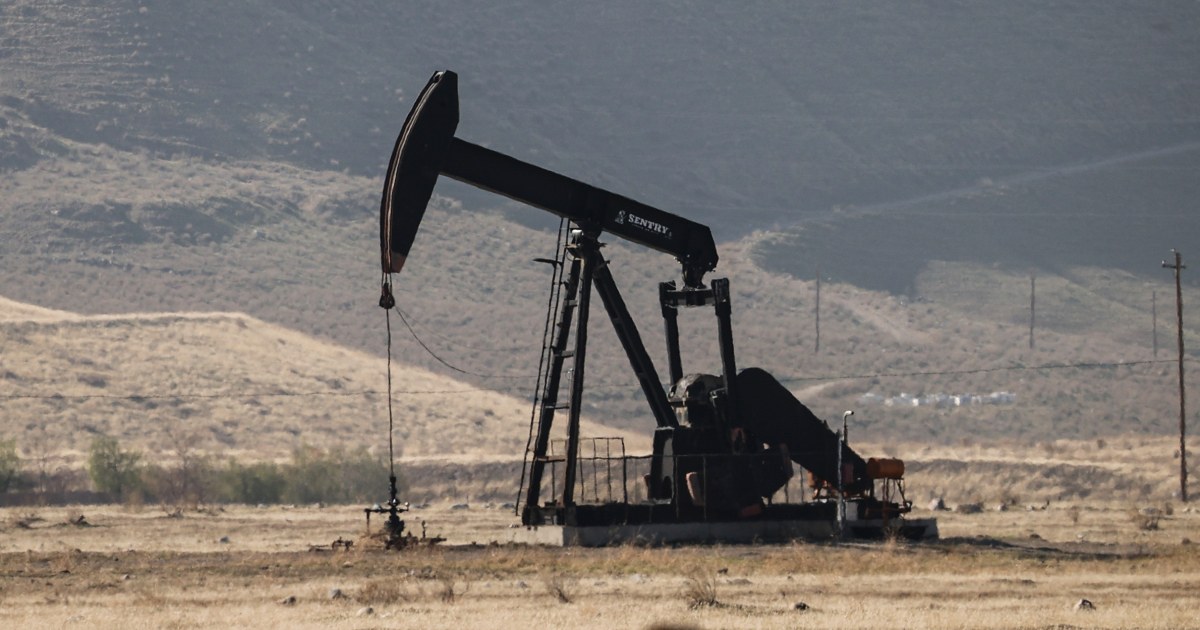






The EPA proposal would ease requirements for low-producing wells and eliminate a major leak-reporting program. The projected savings would accumulate over decades, and the changes are not yet final.
President Donald Trump’s administration is proposing to weaken federal methane regulations for the oil and gas industry, arguing that the changes would reduce operating costs and keep smaller wells producing. Environmental advocates say the rollback would allow more planet-warming gas to escape while wasting fuel companies could otherwise sell.
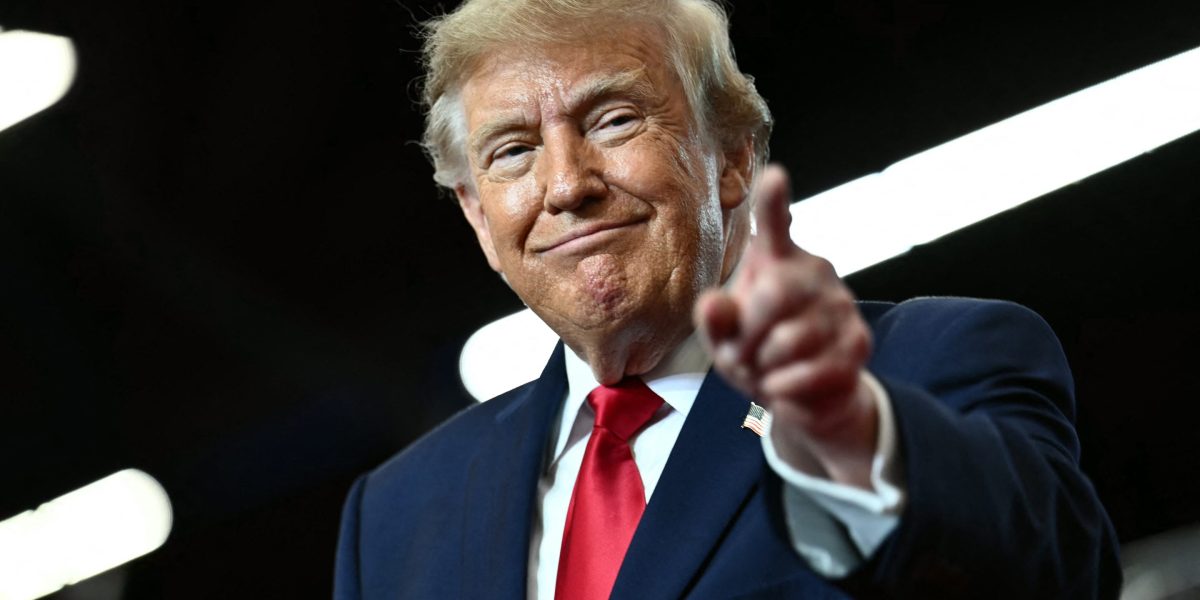
Trump announced the plan at an October 27 rally in Lubbock, Texas, days before the midterm elections. The Environmental Protection Agency, led by Administrator Lee Zeldin, estimates the revisions would generate $45billion in economic savings and support an additional 210 million barrels of U.S. oil production and 1.41 trillion cubic feet of natural gas.
Those figures are projections, not immediate gains. The savings and additional production are estimated over 2027–2050, rather than annually, and do not establish how much individual households would save on energy bills.
Despite Trump’s description of the action as “terminating” the Biden-era regulations, the rollback remains a proposal. It must proceed through public comment and EPA rulemaking before any final changes take effect.
What the EPA wants to change
The proposal targets rules announced by the Biden administration in December 2023 and published in the Federal Register in March 2024. Those standards strengthened pollution controls for new oil and gas facilities and established methane-emissions guidelines for existing infrastructure under Section 111 of the Clean Air Act.
The Trump administration’s proposed revisions were published in the Federal Register on October 29. They would change several parts of that framework, including requirements for well sites, gas-handling equipment and large methane releases.
A central change would create separate regulatory categories for wells. EPA is considering alternatives based either on production levels—distinguishing marginal wells from higher-producing operations—or on whether wells use conventional or unconventional production methods. Industry groups argue that uniform requirements impose disproportionate costs on small operators.
The proposal would also restore the use of flaring or other control devices operating at 95% efficiency as an emissions-control option for gas produced alongside oil, rather than requiring that gas to reach a sales pipeline. Other changes would provide additional flexibility for covers, closed vent systems and monitoring of pollution-control equipment.
Why the “super emitter” program matters
EPA also wants to eliminate the Super Emitter Program, which was designed to use certified outside monitoring organizations to help identify major methane releases. NPR reported that the program was scheduled to take effect in January 2027.
Under the Biden-era framework, a super-emitter event involved methane releases of at least 100 kilograms an hour. Certified third parties could submit remote-sensing evidence to EPA, which would review the information before notifying an operator and triggering an obligation to investigate and, where necessary, address noncompliance.
That distinction matters: outside groups would not themselves enforce the rules. Their role was to help regulators locate pollution that can be difficult to detect without satellites, aerial surveys or specialized imaging equipment. Critics of the rollback say removing that reporting channel would make major leaks harder to identify.
Small production does not necessarily mean small emissions
Low-producing wells, often called marginal or stripper wells, sit at the center of the dispute. Operators say compliance costs can make aging wells uneconomical, threatening production and income for mineral-rights owners and rural communities. The National Stripper Well Association welcomed EPA’s move toward a separate category for those operations.
But environmental advocates argue that a well’s output is not a reliable measure of its pollution. Research cited by NBC News suggests low-producing wells account for roughly 7% to 8% of U.S. natural gas production but could produce about half of methane leakage from the production sector.
Methane is the main component of natural gas and traps roughly 80 times as much heat as carbon dioxide over a 20-year period. Its shorter atmospheric lifetime makes reducing methane emissions an important way to slow near-term warming.
Leaks can also release other pollutants. The American Lung Association warned that weakening methane protections could increase exposure to volatile organic compounds released alongside the gas, particularly for people living near production facilities.
Industry welcomes relief; critics question the economics
The American Petroleum Institute said the proposal addresses technical and implementation problems in the previous rule. The Marcellus Shale Coalition also welcomed the changes, arguing that existing state requirements and industry investments already help control emissions. Those statements were among the endorsements published by EPA.
Environmental Defense Fund official Jon Goldstein offered a different economic argument: capturing methane preserves a product operators can sell, offsetting some pollution-control costs. Allowing more gas to leak or be flared, he told NPR, can also reduce potential royalty and tax revenue.
The Biden EPA had projected that its original rule would prevent 58 million short tons of methane emissions between 2024 and 2038, while increasing recovery of marketable natural gas. That was a forecast of the rule’s expected effects—not a measurement of reductions already achieved.
What happens next
EPA has said the proposal will undergo at least a 45-day public-comment period and a public hearing. The agency must consider that process before issuing a final rule, which could then face legal challenges.
The central dispute is therefore broader than whether regulation costs money. It is whether easing those requirements produces economic benefits that outweigh the value of lost gas, increased pollution and the climate protections the earlier standards were designed to deliver.