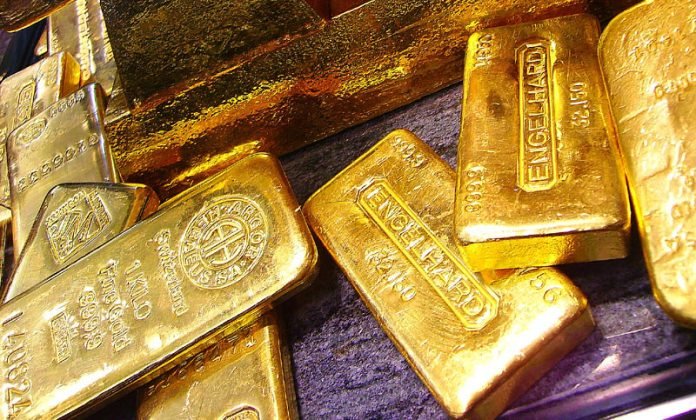
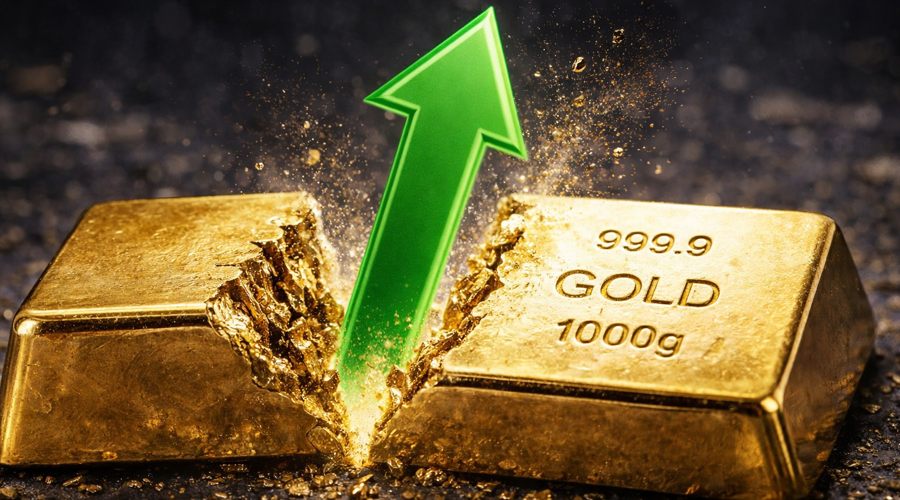
Gold has surged to historic highs in early 2026, reclaiming and holding above the $5,000 an ounce mark as investors flock to the metal amid geopolitical tension, policy uncertainty and a growing loss of confidence in US assets. After a record-setting rally in 2025, the price briefly spiked to nearly $5,600 before a sharp pullback, only to stabilize again above $5,000 by Feb. 9.
Record rally
Gold first moved decisively above $5,000 over the weekend of Jan. 24–25, before trading above that level on Jan. 26. The rally was fueled by a broader “crisis of confidence” in US markets, with concerns over erratic trade policy, threats of sweeping tariffs on Canada and worsening tensions with NATO allies over Greenland. Prices then accelerated to a peak of $5,595 on Jan. 29, marking a gain of nearly 26% in a single month.
Volatile trading
The rally did not move in a straight line. On Jan. 29, almost immediately after touching the $5,600 level, gold suffered a sharp flash crash, falling 8% in less than an hour to $5,108 as traders locked in profits and reacted to news of a possible hawkish pick for the next Federal Reserve chair. The nomination of Kevin Warsh quickly reshaped market expectations, with investors betting on more predictable monetary policy and a stronger US dollar, both of which reduced some of gold’s appeal as a hedge.
Buyers then stepped back in. On Feb. 4, gold posted its biggest one-day gain in years, rising more than 6%, or over $230, as investors moved to buy the dip. By Feb. 9, the metal had stabilized again, trading back above $5,000 at around $5,020 an ounce.
What is driving it
Several forces are underpinning the surge. Ongoing conflicts in the Middle East and the war in Ukraine continue to drive safe-haven demand, while domestic US tensions — including a criminal case involving the Federal Reserve chair and broader questions about central bank independence — have added to the sense that investors are re-pricing trust in fiat currencies.
Central banks are also still buying aggressively, especially in emerging markets such as China, Poland and India, as they diversify reserves away from the dollar. At the same time, markets are pricing in more rate cuts from the Federal Reserve in 2026, which boosts gold because it does not yield interest and becomes more attractive when real rates fall.
New demand is also coming from outside traditional channels. Crypto-linked firms such as Tether have emerged as significant bullion buyers, using physical gold as backing for digital assets outside the banking system. Supply, meanwhile, remains relatively constrained because mine production cannot quickly respond to higher prices.
China, India and Pakistan
China remains a major force in the market. The People’s Bank of China extended its buying streak to 15 straight months in January 2026, lifting total reserves to 74.19 million ounces, a sign that Beijing’s reserve diversification strategy remains intact despite the surge in prices. Retail buyers there have turned more cautious after the late-January frenzy, and some investors sold into the crash, saying the market had become too volatile for gold’s traditional safe-haven role.
India, one of the world’s largest physical gold markets, has also felt the strain of record prices. Jewellery demand has weakened sharply, with showrooms in major hubs such as Mumbai and Ahmedabad reporting very thin foot traffic as many buyers postpone purchases or trade in older pieces instead of buying new ones. Even so, investment demand for gold bars and coins has jumped 25% year on year, showing that many households still see gold as a store of value rather than just adornment.
Pakistan has seen some of the most dramatic local effects of the global rally, with prices climbing above Rs 550,000 per tola in late January and pushing many consumers toward silver as a cheaper alternative. The State Bank of Pakistan’s gold holdings, roughly 64 tonnes, are now valued at nearly $10 billion, underscoring how much the metal contributes to the country’s reserve strength.
Forecasts
Analysts have continued to raise their forecasts as momentum persists. Goldman Sachs now expects gold to end 2026 at $5,400 an ounce, while J.P. Morgan sees an average of $5,055 in the final quarter. The World Gold Council has also warned that in a severe global slowdown, prices could climb another 15% to 30% from current levels.
Read also: