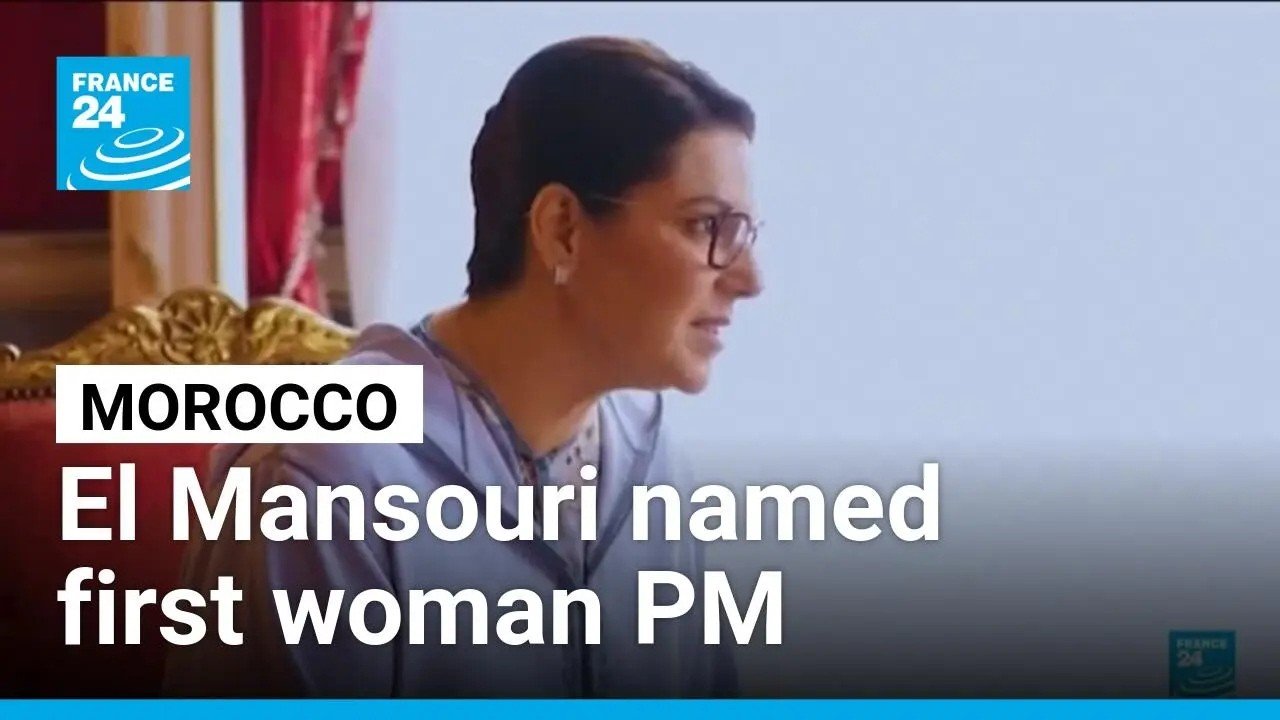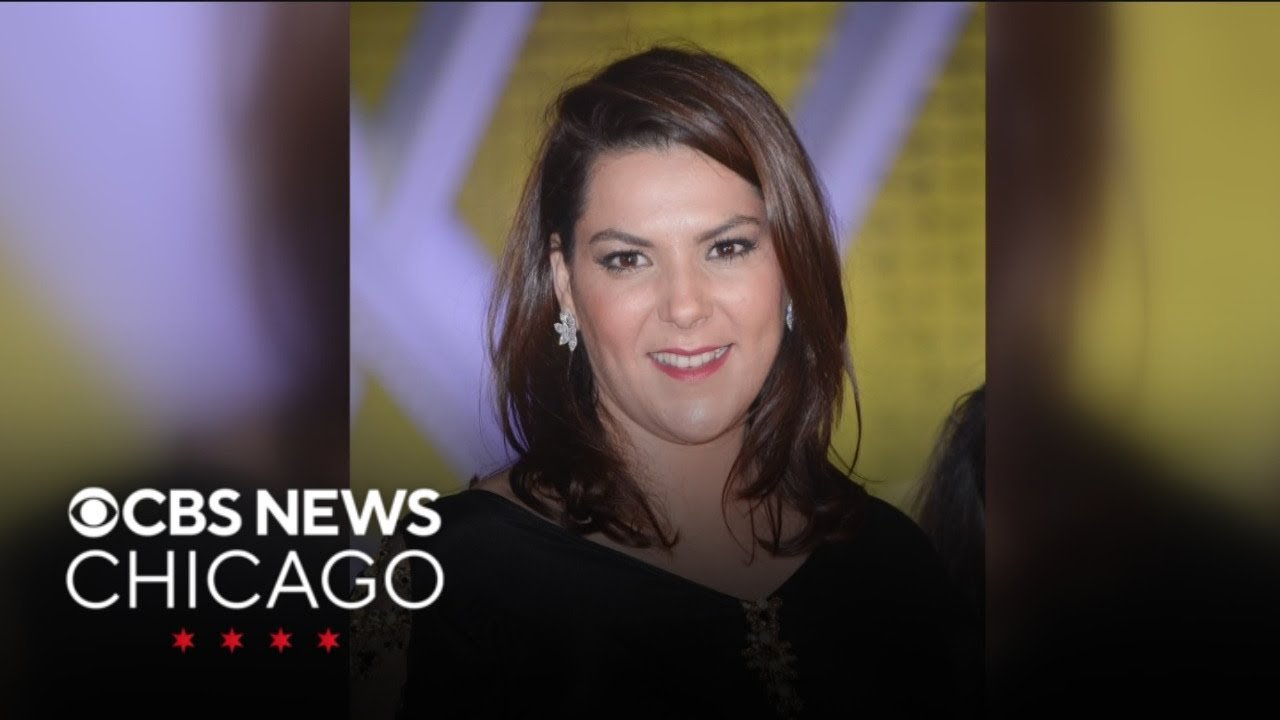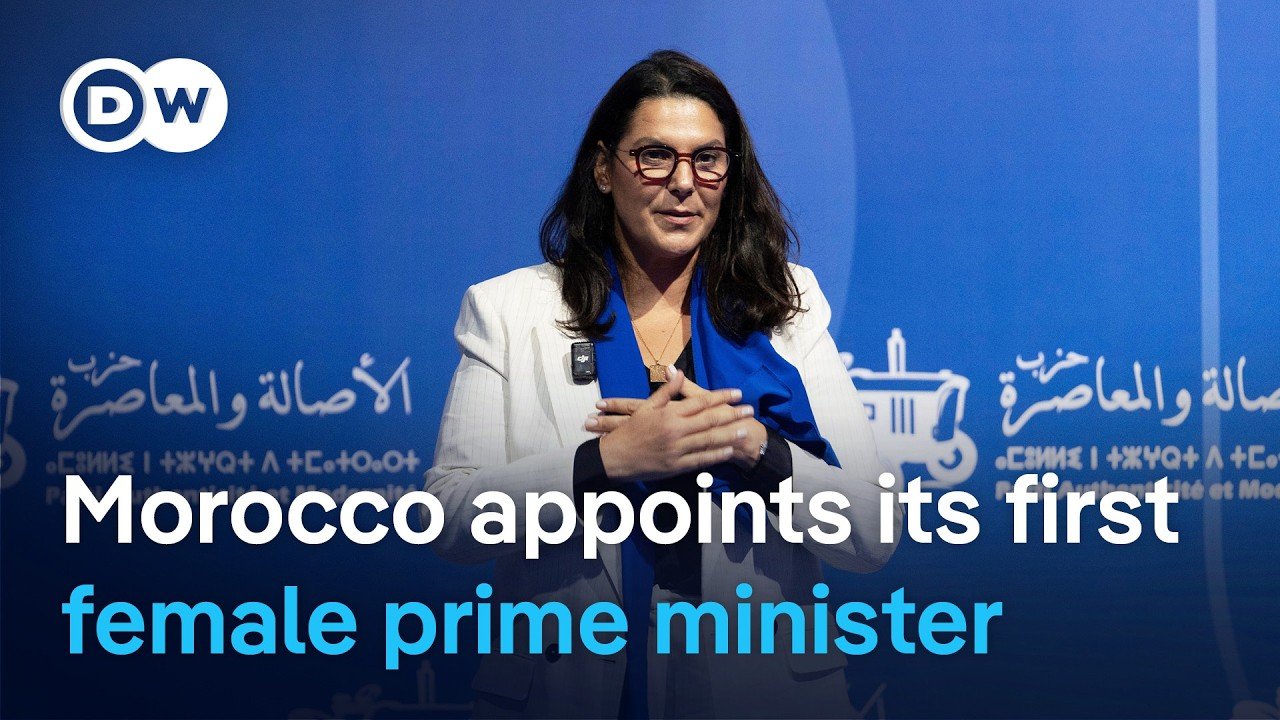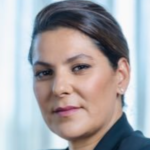


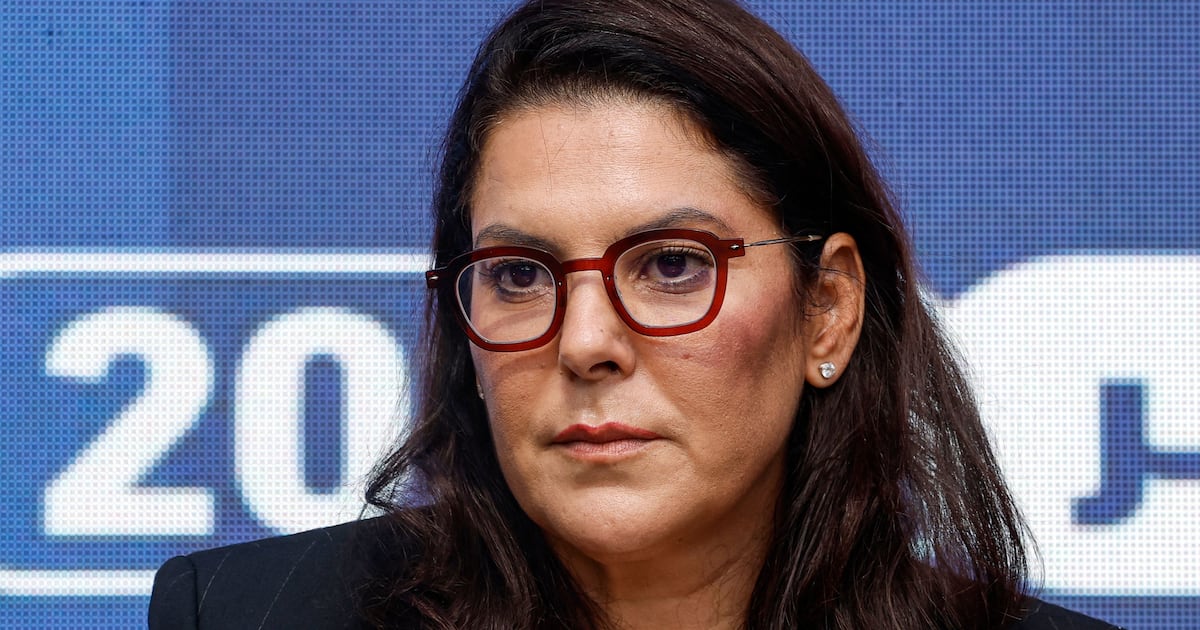

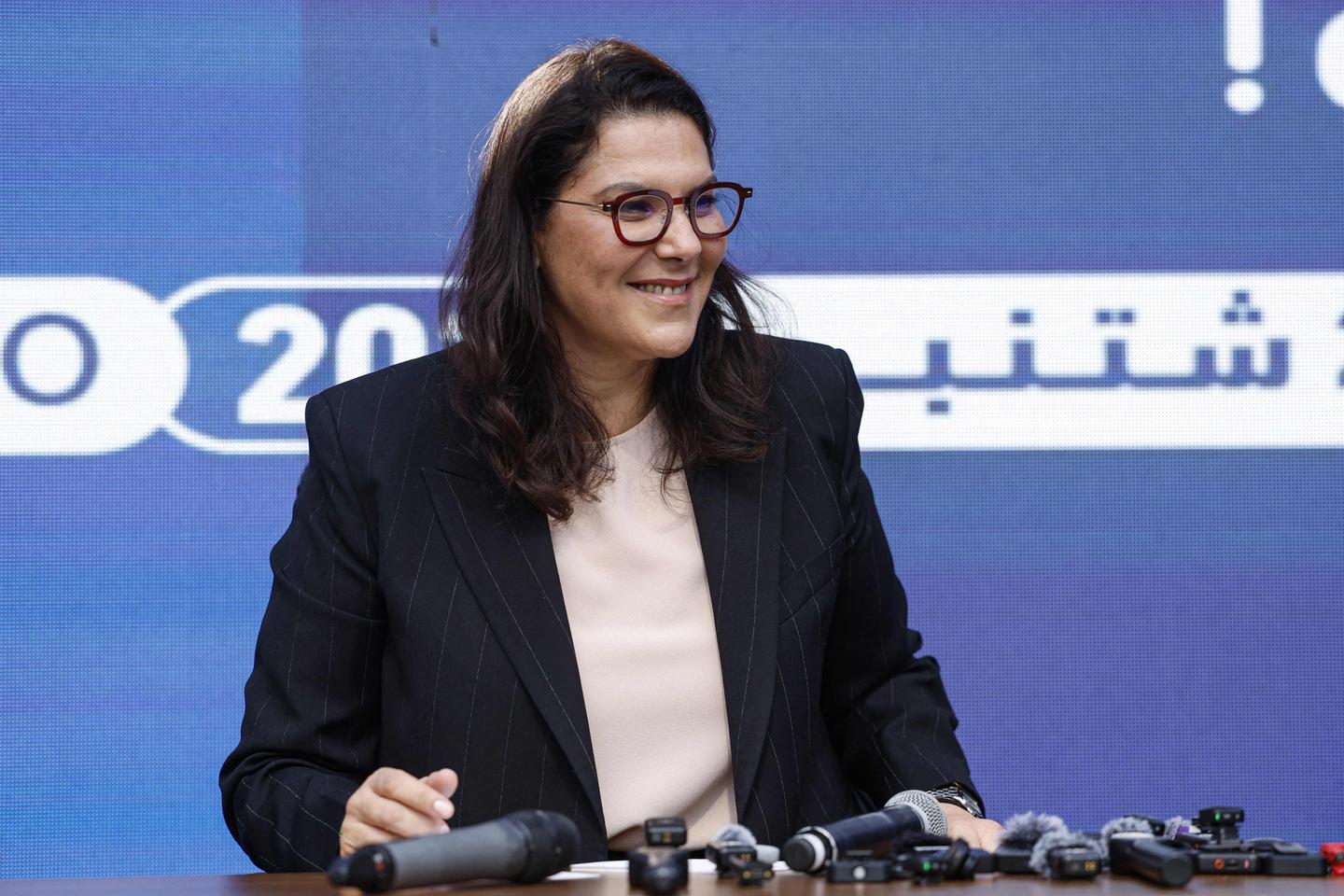
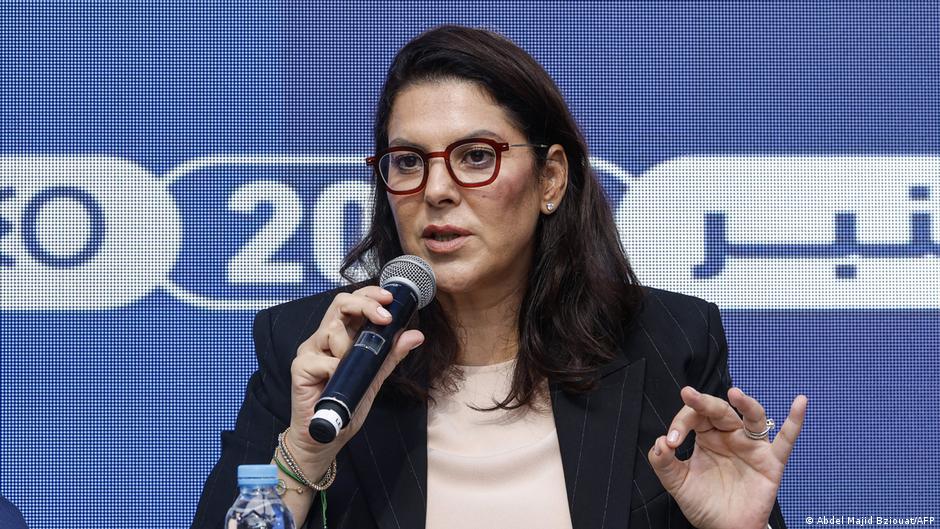


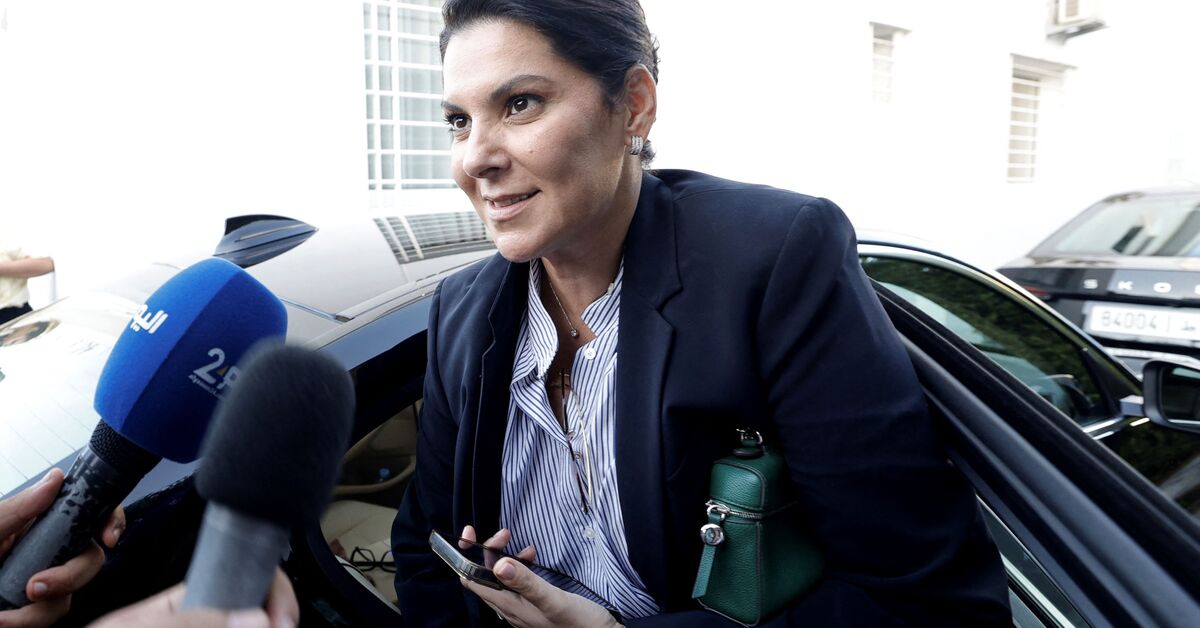

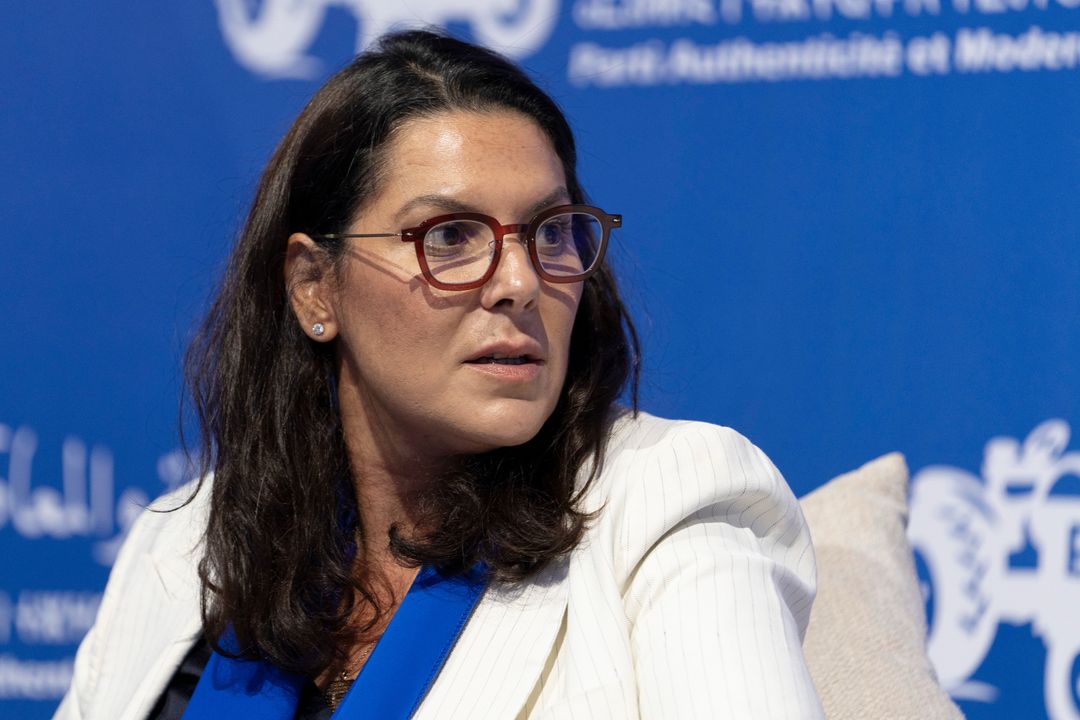
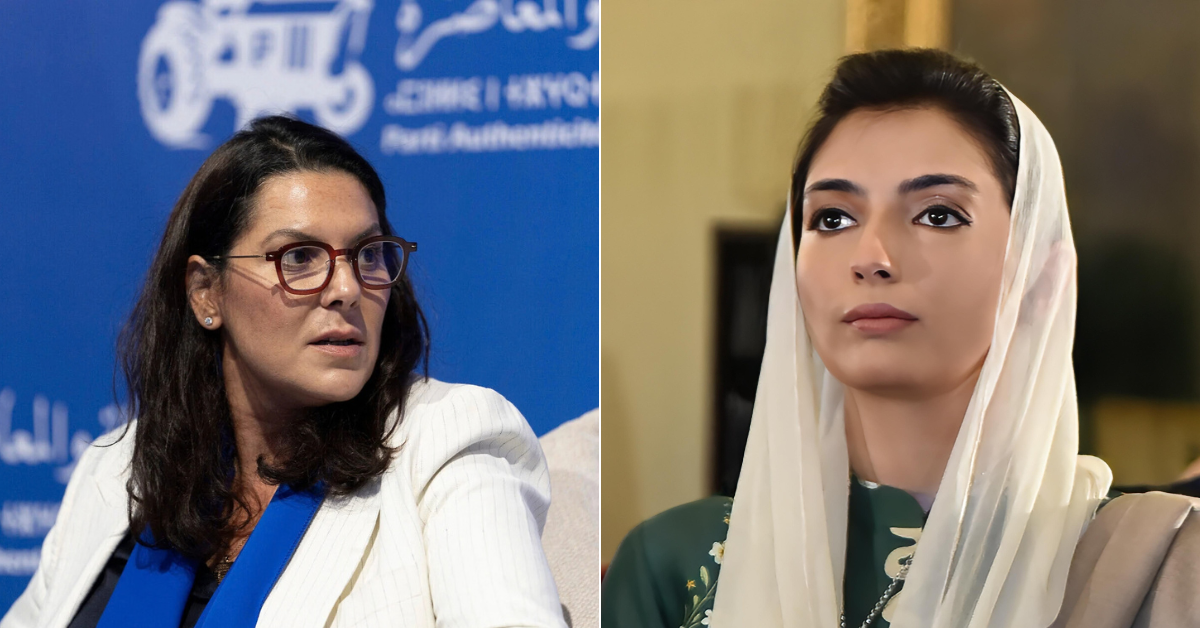


Fatima Ezzahra El Mansouri has been tasked with forming Morocco’s next government after her Authenticity and Modernity Party emerged as the largest force in parliamentary elections. Her appointment is historic—but she inherits a fragmented parliament, low voter participation and mounting public pressure over jobs, prices and public services.
Morocco has appointed Fatima Ezzahra El Mansouri as its first female prime minister, opening a new chapter in the North African kingdom’s political history.
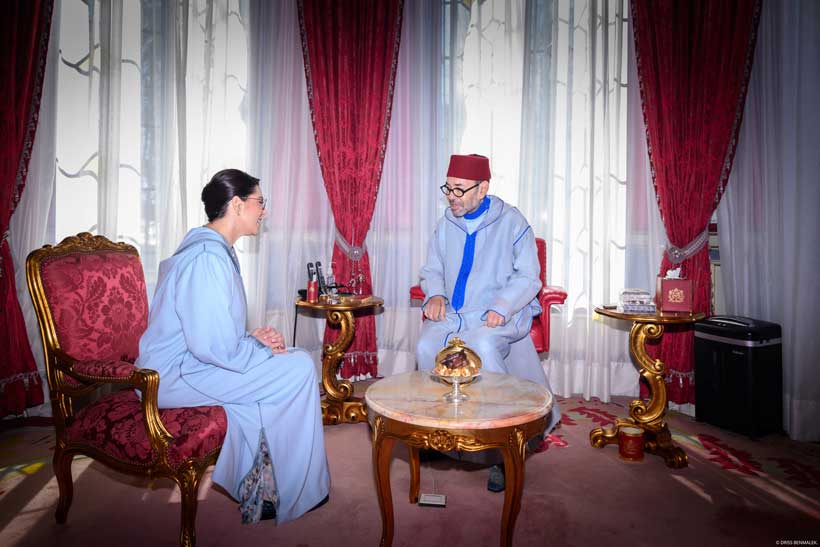
King Mohammed VI named the 50-year-old lawyer and senior politician on 29 September, six days after parliamentary elections in which her Authenticity and Modernity Party, or PAM, won the largest number of seats. The King asked El Mansouri to form a government, in accordance with Morocco’s constitutional system.
Her appointment makes Morocco the second North African country to have a woman lead its government, after Tunisia, and places El Mansouri among only a small number of women to have headed governments in the Arab world.
This is a truly historic moment. For the first time in the history of our country, a woman is taking responsibility for leading the government. It is a source of pride not only for me but for all Moroccan women.
El Mansouri told reporters after meeting the King.
A decisive election victory
Morocco’s 23 September election produced no outright winner. PAM secured 97 of the 395 seats in the House of Representatives, followed by the National Rally of Independents, or RNI, with 66 seats and the Istiqlal Party with 65. The Islamist Justice and Development Party, which dominated Moroccan politics for much of the previous decade before suffering a major defeat in 2021, returned with 54 seats.
The result means El Mansouri cannot govern alone. A party needs 198 seats for a majority in the lower house, leaving PAM dependent on coalition negotiations.
Morocco’s Constitution requires the King to appoint the head of government from the party that wins the largest number of seats. The appointment was therefore constitutionally expected once PAM emerged as the election’s leading party, although the choice of El Mansouri over another prominent PAM figure, Fouzi Lekjaa, attracted considerable attention. Lekjaa is the head of Morocco’s football federation and has also served as a senior budget official.
El Mansouri has said there will be “no red lines” in coalition talks. PAM and RNI had previously traded blame over the government’s handling of rising food prices, raising questions about whether the two parties could continue working together.
The PJD and several left-wing parties have indicated that they will remain in opposition.
From Marrakesh to the national stage
El Mansouri’s rise has been gradual rather than sudden.
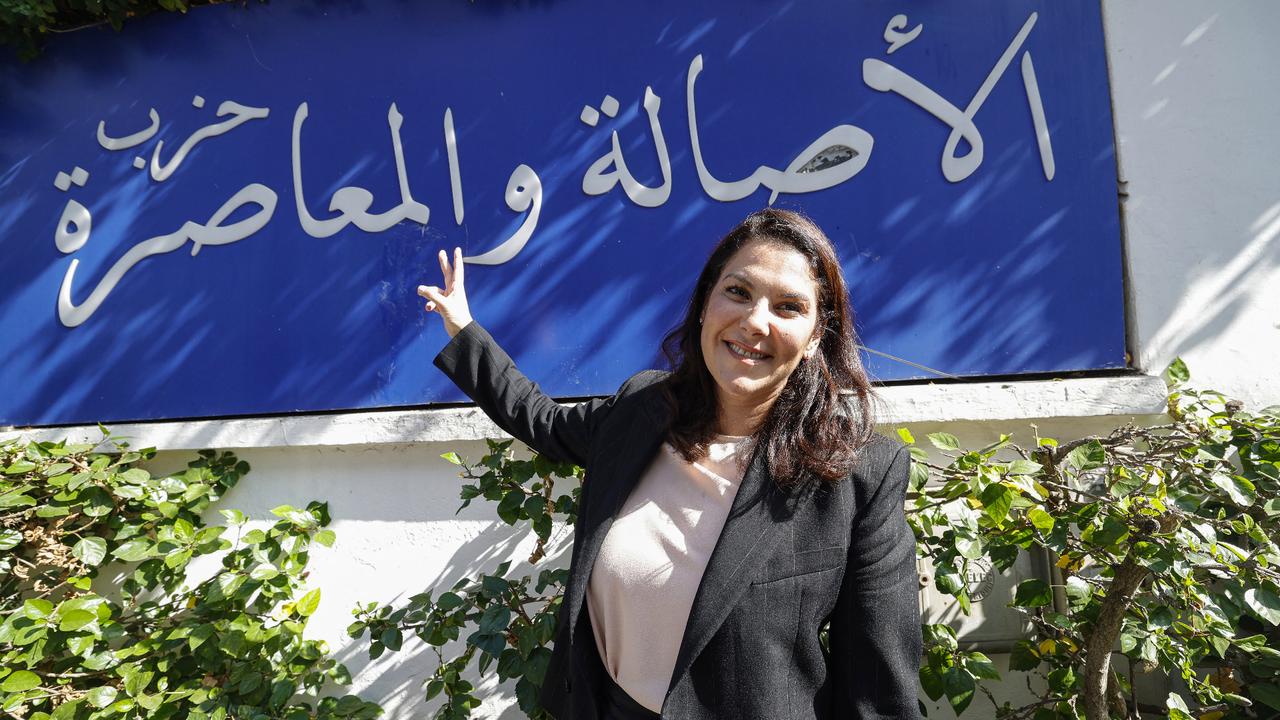
She joined PAM in 2008, the year the party was founded by Fouad Ali El Himma, a close adviser to the King. The party was established in part as a counterweight to the Islamist PJD and has generally promoted a liberal-centrist, socially modernising platform aligned with the monarchy.
In 2009, El Mansouri became the first woman to serve as mayor of Marrakesh. She lost the position in 2015, when the PJD gained control of the city, but returned as mayor in 2021. She also served in the outgoing government as minister responsible for national planning, urban planning, housing and city policy.
Her political profile was strengthened by her role during the aftermath of the September 2023 earthquake, which killed nearly 3,000 people in the Marrakesh region. As mayor, she was one of the most visible officials involved in the response and reconstruction effort.
A multilingual lawyer who studied in the United States and at France’s University of Montpellier, El Mansouri has built a reputation as a disciplined and experienced party figure. She was part of PAM’s founding political circle and was elected to Parliament in the latest election. Her parliamentary seat is expected to pass to the next candidate on her electoral list, while she is due to remain mayor of Marrakesh until municipal elections scheduled for 2027.
A mandate shaped by public frustration
The new government will take office amid widespread frustration over living costs, youth unemployment and the quality of public services.
Turnout in the election fell to approximately 38%, compared with about 50% in 2021. The decline has renewed concerns about public confidence in elected institutions and the distance between political parties and younger voters.
Youth discontent has become increasingly visible. In 2025, protests led by young Moroccans brought attention to unemployment, healthcare and the perceived gap between state investment in major national projects and the conditions faced by ordinary citizens. A mass border rush toward Spain’s North African enclave of Ceuta in July also highlighted the depth of economic and social frustration.
During the campaign, PAM promised to create at least one million jobs during its term, achieve average annual economic growth of 5% and keep inflation at 2%. Those pledges will be difficult to deliver while households continue to face pressure from food and housing costs.
El Mansouri’s government will also inherit responsibility for the final stages of Morocco’s preparations for the 2030 FIFA World Cup, which the country will co-host with Portugal and Spain. The tournament is expected to drive billions of dollars in spending on stadiums, transport, tourism and urban infrastructure.
That investment could create jobs and improve infrastructure, but it also carries political risks. Critics have argued that spending on football facilities should not come at the expense of hospitals, schools and basic public services.
Historic milestone or controlled continuity?
El Mansouri’s appointment is a major symbolic breakthrough in a country where women remain underrepresented in senior political positions. The outgoing government had four female ministers, but no woman had previously led the executive branch.
The significance of the appointment is tempered, however, by the structure of Morocco’s political system. The country is a constitutional monarchy in which the King retains substantial authority over foreign policy, defence and other strategic areas. The prime minister leads the government but operates within a system where the monarchy remains the central political institution.
That has prompted debate over whether El Mansouri’s appointment represents a deeper transformation or primarily a carefully managed change within the existing political order.
Supporters view her career as evidence that women can reach the highest levels of Moroccan public life. Critics argue that representation at the top will have limited meaning unless it is accompanied by reforms addressing women’s legal and economic rights, corruption, public accountability and access to services.
Debates over Morocco’s Family Code, known as the Moudawana, remain particularly sensitive. Reform advocates have called for changes to inheritance rules and the elimination of exceptions that allow judges to approve marriages involving minors. The issue is part of a wider demand for improvements in women’s rights beyond symbolic representation.
Scrutiny over controversies
El Mansouri also enters office with political baggage.
She has faced allegations linked to property and land dealings in Marrakesh, including claims that she and members of her family benefited improperly from land valued at approximately $41 million. She denied the accusations, described them as defamatory and took legal action.
PAM has separately faced scrutiny over alleged election fraud involving party-linked officials. Several figures connected to the party have also been implicated in the so-called “Escobar of the Sahara” drug-trafficking case, in which former prominent PAM officials were among those convicted. These cases have reinforced concerns about the relationship between political influence, business interests and accountability.
The allegations remain politically significant, even where individuals deny wrongdoing or legal proceedings are ongoing. El Mansouri’s government will be judged not only on its policy programme but also on whether it can reassure voters that the new administration will operate with greater transparency.
The test ahead
El Mansouri’s first challenge is practical: she must assemble a coalition capable of passing legislation and implementing PAM’s campaign promises. The second is political: she must persuade a sceptical public that her appointment is more than a historic headline.
Her government will need to balance World Cup preparations with pressure to improve healthcare, housing, employment and household incomes. It will also have to respond to young Moroccans who have shown declining faith in traditional political institutions.
The appointment has undeniably broken a major political barrier. Whether it becomes a turning point for Moroccan women—and for Morocco’s democratic institutions—will depend on what follows: the composition of El Mansouri’s cabinet, the policies it delivers and the extent to which power and opportunity become more widely shared.
For now, Morocco has made history. The harder task is turning that history into measurable change.