A major corruption scandal involving billions of pesos in flood control projects erupted in the Philippines in 2025, dominating national politics and triggering widespread public outrage.
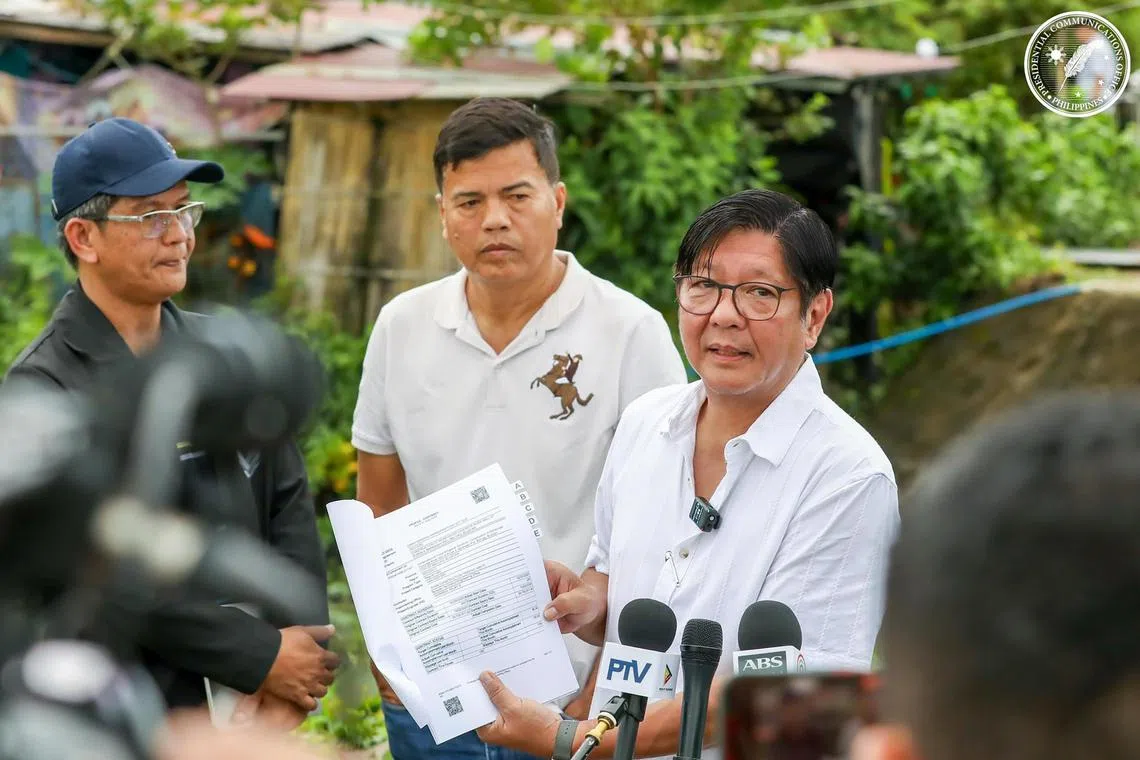
The scandal came to light during President Ferdinand Marcos Jr.’s State of the Nation Address on 28 July 2025, when he flagged widespread irregularities in the country’s flood control programme.
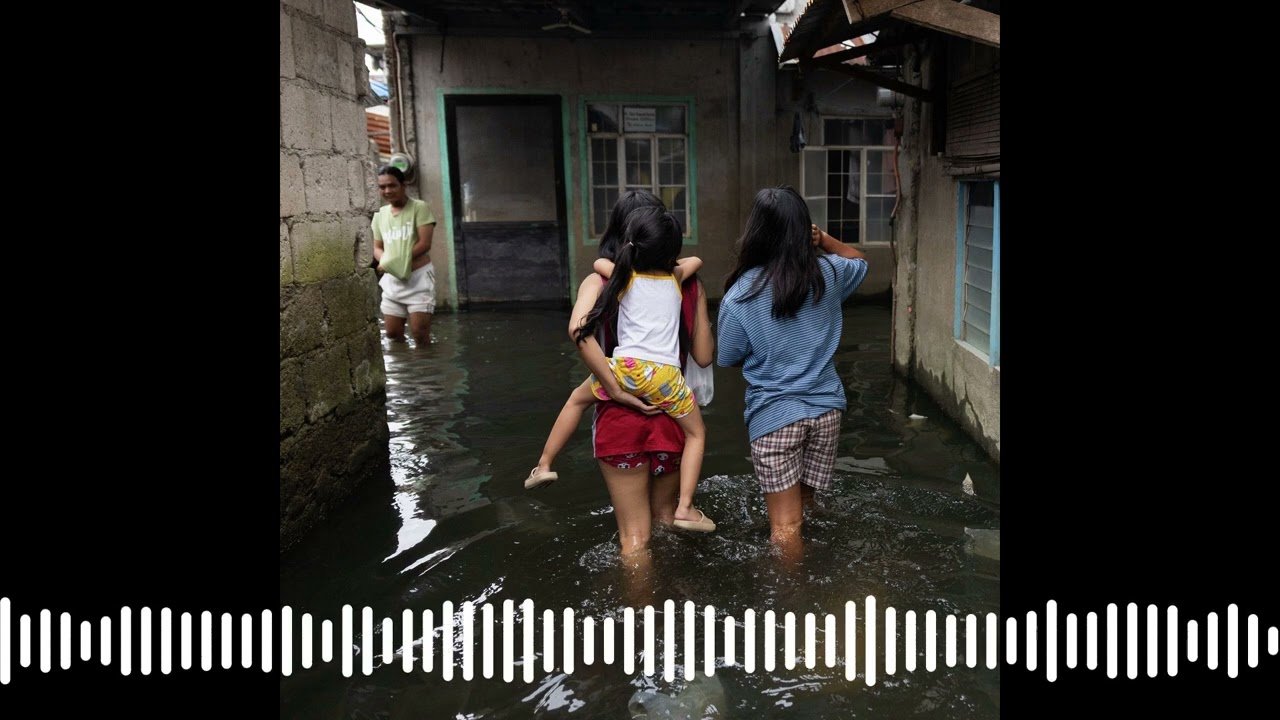
Despite thousands of projects being funded and implemented in recent years, severe flooding during the monsoon season exposed major failures, with investigations revealing that many projects were incomplete, poorly constructed, or entirely fictitious.
Subsequent probes uncovered hundreds of so-called “ghost projects” that had been fully paid for but never built. Whistleblowers and officials also alleged systematic kickback schemes, with some lawmakers accused of receiving between 25% and 30% of project funds.
Investigators further identified a concentration of contracts among a small group of firms, with around 15 contractors reportedly securing a significant share of the national flood control budget. Testimony also pointed to large cash transactions used to facilitate the схемes.
Political fallout
The scandal quickly spread across multiple levels of government, implicating senior figures in both the executive and legislative branches.
Several high-ranking officials resigned as investigations intensified, including key cabinet members overseeing infrastructure and budget portfolios. In Congress, senior lawmakers faced mounting scrutiny over alleged links to contractors and campaign financing tied to the projects.
Whistleblower testimony played a central role, with former officials detailing how funds were allegedly diverted and naming prominent political figures connected to the схемes.
Public backlash
The revelations triggered some of the largest protests in recent years, with mass demonstrations taking place in Manila and other major cities.
Protesters demanded accountability, prosecution of those involved, and the recovery of public funds. Public anger was further fuelled by social media content showing the families of individuals linked to the scandal displaying luxury lifestyles while communities affected by flooding struggled with basic recovery.
Government response
The Marcos administration launched a broad crackdown and reform push in response to the crisis.
An independent commission was established to investigate infrastructure projects, while financial authorities froze hundreds of accounts and seized assets linked to the alleged коррупtion network. Multiple arrests were made as the probe expanded.
The government also introduced policy measures, including reallocating portions of the flood control budget and renewing calls for structural reforms such as greater transparency laws and limits on political dynasties.
Broader implications
The scandal reinforced long-standing concerns about systemic corruption in public infrastructure spending and governance in the Philippines.
It also intensified political tensions and public scrutiny of state institutions, ensuring the issue remained a central theme in national discourse through the remainder of the year.