In January 2026, Guatemala imposed a nationwide state of siege declared by President Bernardo Arévalo to combat a violent surge in gang activity. President Arévalo announced the measure in a national broadcast on the night of Sunday, January 18, following coordinated prison riots and the killing of several police officers.
Barrio 18 and MS-13 launch coordinated prison riots
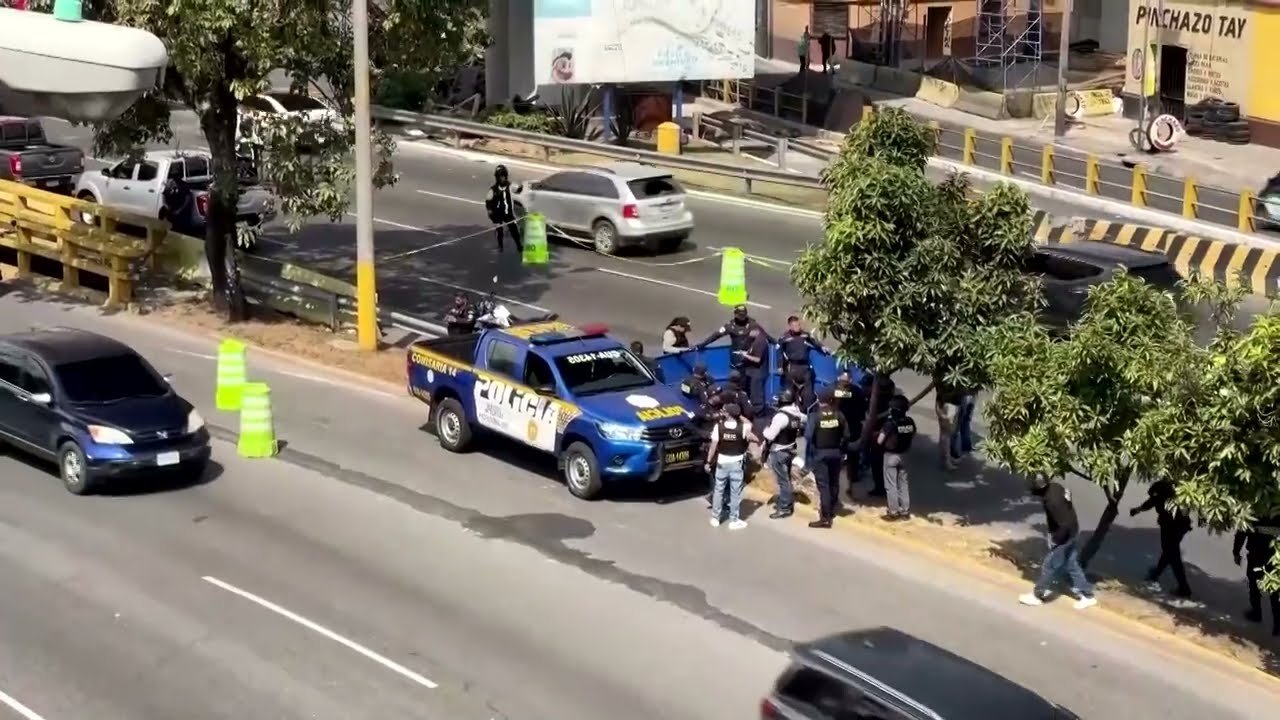
The emergency measure follows coordinated attacks by the Barrio 18 and Mara Salvatrucha (MS-13) gangs. These attacks included simultaneous riots at three maximum-security prisons with guards taken hostage and the killing of at least nine National Civil Police officers in Guatemala City.
Approved by the Guatemalan Congress for an initial 30-day period, the state of siege allows the government to suspend certain constitutional rights, such as freedom of movement and assembly; deploy the military alongside police for joint patrols and prison security; and conduct searches and arrests without warrants to target criminal networks.
President Arévalo stated the move was necessary because ordinary security measures were insufficient to contain the “serious threat to public order.” The gang violence is largely seen as retaliation for government crackdowns on prison privileges. The president declared three days of national mourning for the fallen officers and canceled school classes nationwide as a safety precaution.
The tactics echo the “tough on crime” state of emergency used by neighboring El Salvador, though human rights groups have raised concerns about potential judicial overreach.
46 hostages taken, “El Lobo” leader subdued
On January 18, 2026, inmates from the Barrio 18 gang launched simultaneous riots at three prisons: Renovación I (Escuintla), Fraijanes II, and the Preventivo (Zone 18). Gang members took 46 people hostage, primarily prison guards but also a psychologist.
The riots were a response to the government revoking “privileges” like king-size beds, internet access, and specialized food, as well as a demand to transfer leaders to lower-security facilities. Authorities successfully retook control of the prisons on January 19, without hostage casualties and subdued the Barrio 18 leader, Aldo “El Lobo” Dupie, who was seen in custody with blood stains on his shirt.
10 police officers killed in coordinated ambushes
Following the prison raids, gang members outside launched coordinated ambushes on police officers in and around Guatemala City. At least 10 National Civil Police (PNC) officers were killed in the attacks, and another 10 were wounded. The government classified the actions as “terrorist acts,” noting that both Barrio 18 and MS-13 were designated as terrorist organizations by Guatemala in late 2025.
Army deployed, warrantless searches authorized
For the first time in the Arévalo administration, the army was deployed to conduct joint patrols with police in gang-controlled neighborhoods like “El Gallito.” Security forces can now conduct warrantless searches and arrests of suspected gang members and intercept communications.
While major infrastructure like airports and highways remain functional, the US Embassy and other agencies advised personnel to shelter in place during the peak violence and avoid large crowds.