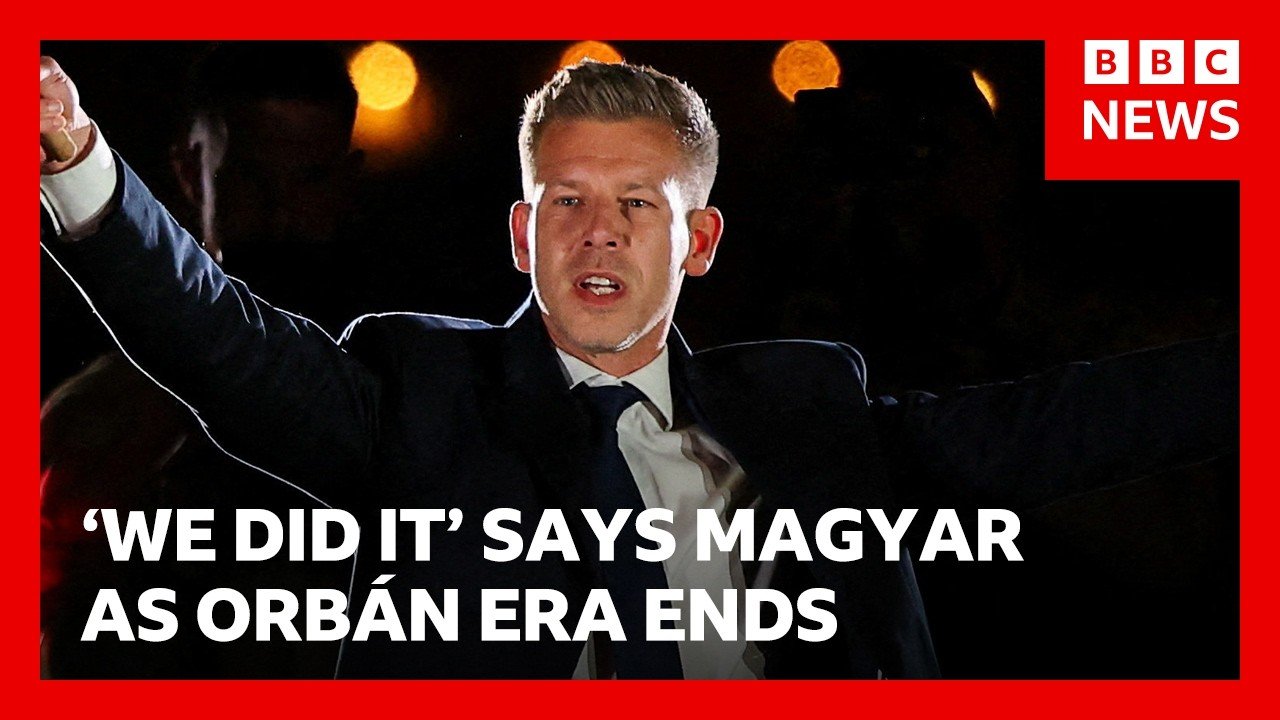
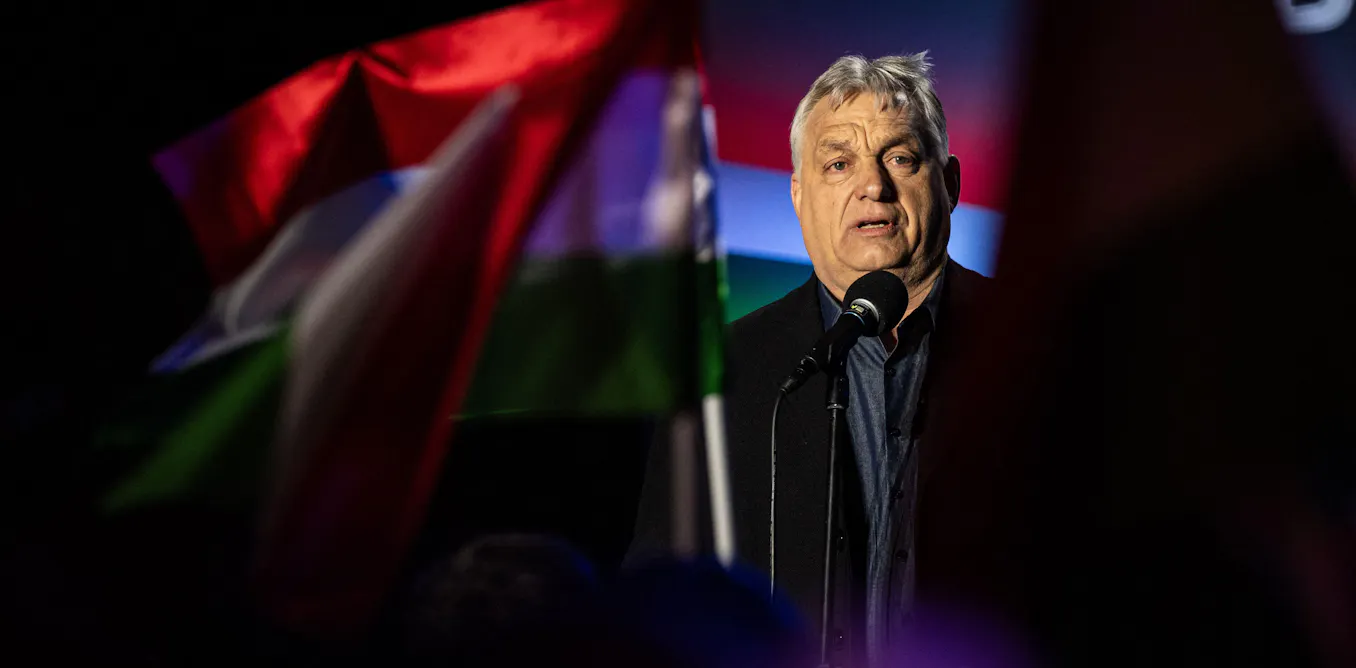
Hungary has just delivered one of the most consequential election shocks in Europe in years. Viktor Orbán, long treated as the standard-bearer of nationalist politics on the continent, has conceded defeat after Péter Magyar’s Tisza Party surged to a decisive victory and won enough seats to shape constitutional change.
The Hungarian parliamentary elections were held on 12 April 2026. The election resulted in a historic shift, as Prime Minister Viktor Orbán conceded defeat after 16 years in power.
Péter Magyar’s Tisza party won the 2026 Hungarian election with 53.21% of the vote, defeating Viktor Orbán’s Fidesz-KDNP alliance, which received 38.26%. His party secured a two-thirds supermajority in the National Assembly.
The 2026 election saw the highest voter turnout since Hungary’s transition to democracy in 1990.
What makes this result more striking is not only that Orbán lost, but that he lost to a challenger who emerged from inside the system. Magyar, a former Fidesz insider turned opposition leader, converted anti-corruption anger and fatigue with the status quo into a broad coalition that crossed class and ideological lines.
Why Orbán Fell
Orbán’s political brand was built on control: of the media, the state narrative, the electoral map, and the terms of debate. But this time, the opposition campaign forced the government to fight on less favorable terrain, with corruption, living standards, and institutional decay becoming central issues rather than peripheral complaints.
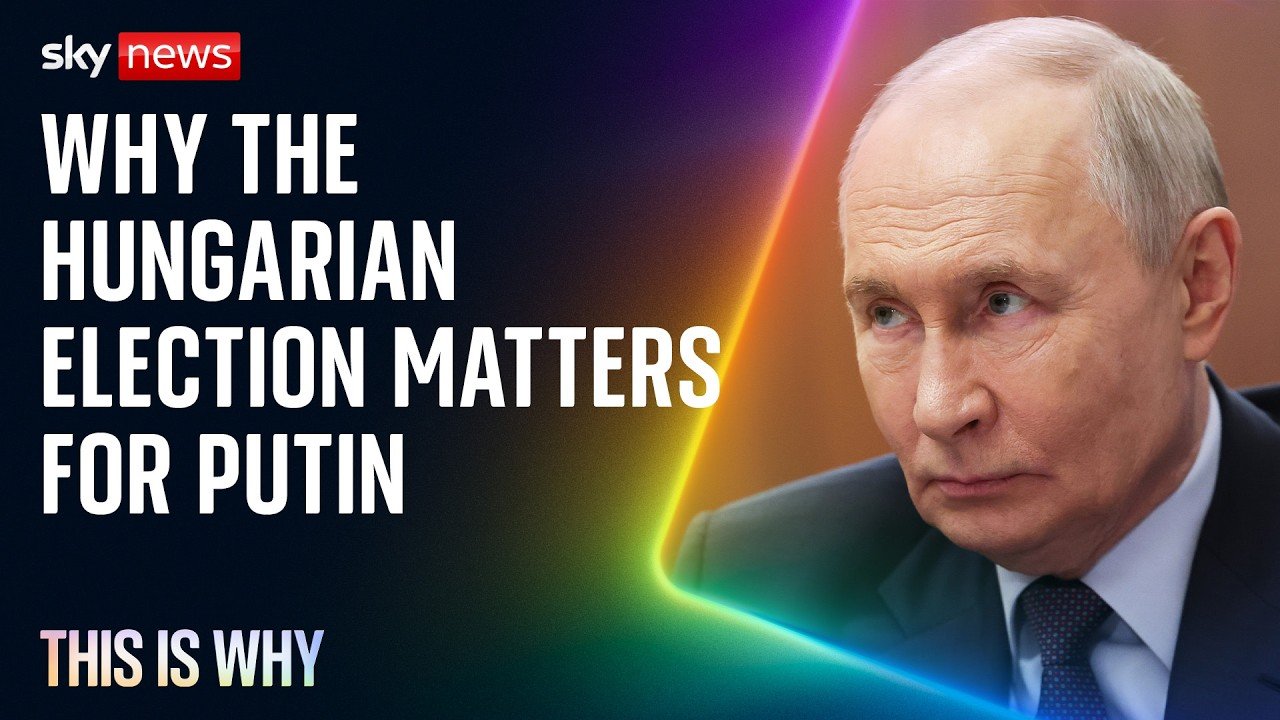
The broader backdrop also mattered. Orbán’s close alignment with Donald Trump and Vladimir Putin, and his confrontational stance toward the EU and Ukraine, made him a symbolic figure in global right-wing politics, but that posture appears to have become a liability at home as voters looked for competence and renewal.
What Magyar Means
Magyar’s win is not just a change of personnel; it is a reset in political expectations. Tisza’s two-thirds majority gives it unusual leverage over Hungary’s constitutional framework, meaning the new government may be able to reverse some of the structural advantages built during the Orbán era.
At the same time, Magyar is not a clean ideological rupture. He has positioned himself as pro-European and conservative, which suggests a government that may soften Hungary’s external posture without fully abandoning nationalist themes. That makes him less a revolutionary than a strategic replacement for a worn-out system.
Immediate Institutional Changes
Following his landslide victory in the April 2026 elections, Péter Magyar declared that his mandate was for a “change of regime,” not just a change of government. He outlined a sweeping plan to dismantle the “Orbán system” and restore Hungary’s standing in Europe.
Magyar plans to use his two-thirds supermajority to amend the constitution to include a two-term limit (8 years) for prime ministers, which would retroactively bar Viktor Orbán from running again.
One of his first promised measures is to suspend state-funded news broadcasts on public television and radio to end what he calls “state-funded propaganda”. He intends to establish an independent board, similar to the BBC, to ensure unbiased coverage.
He has called for the resignation of President Tamás Sulyok, stating he is “unworthy” to embody national unity. He also aims to remove other Orbán-appointed officials, including the chief prosecutor and the head of the Constitutional Court.
Anti-Corruption & Rule of Law
He promised to establish a national asset recovery office to investigate “political and economic criminals” who allegedly plundered the country. To unfreeze billions in EU funds, Magyar plans to have Hungary join the European Public Prosecutor’s Office (EPPO) and restore judicial independence.
He intends to create separate ministries for health, education, and environmental protection, which were dissolved or merged under the previous administration.
Magyar plans to replace “rigged” public procurement with genuine market competition and signaled openness to considering eurozone membership.
He maintains a restrictive migration policy similar to Orbán’s but seeks a “pan-European solution” rather than anti-EU rhetoric. On LGBTQ rights, he stated that “everyone can live with whoever they love” as long as it does not harm others.
Foreign Relations
He aims to move Hungary back into the “main fold” of EU politics as a constructive partner. His first official foreign trips are planned for Poland, Austria, and Brussels. While maintaining “pragmatic” energy ties with Moscow, he considers Russia a security risk and clearly sides with Ukraine in the war. He plans to review all energy contracts with Russia.
Wider Stakes
Hungary matters beyond Hungary. Orbán’s defeat is a setback for the wider illiberal camp that has used Budapest as an example of how to consolidate power while remaining electorally viable. It also changes the European Union’s internal balance, especially on Ukraine policy, budget negotiations, and rule-of-law disputes.
For Washington, Moscow, and Brussels, the election is a reminder that political models travel—but they also age. Orbán’s method once looked durable, even exportable. This result suggests that even heavily managed political systems can eventually run out of margin, narrative, and patience.
UK and European leaders have reacted swiftly to Péter Magyar’s landslide win in Hungary’s election, framing it as a pro-EU pivot and a blow to authoritarian drift. Global figures from Zelenskyy to the Kremlin offered varied takes, underscoring the vote’s ripple effects.
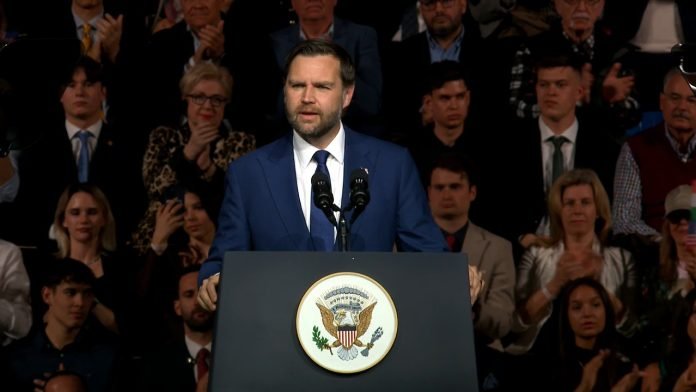
Speaking to reporters on April 14, US President Donald Trump described the Prime Minister-elect as a “good man” and expressed confidence that he would do a “good job”.
Congratulations @MagyarPeterMP on your election victory.
— Keir Starmer (@Keir_Starmer) April 12, 2026
This is an historic moment, not only for Hungary, but for European democracy.
I look forward to working with you for the security and prosperity of both our countries.
Most beszéltem Magyar Péterrel, hogy gratuláljak neki a magyarországi győzelméhez!
— Emmanuel Macron (@EmmanuelMacron) April 12, 2026
Franciaország üdvözli a demokratikus részvétel győzelmét, a magyar nép ragaszkodását az Európai Unió értékeihez, valamint Magyarország európai elkötelezettségét.… pic.twitter.com/GXBxreTMSs
Ma este Európa szíve erősebben dobog Magyarországon.
— Ursula von der Leyen (@vonderleyen) April 12, 2026
Europe’s heart is beating stronger in Hungary tonight.
Congratulations to @magyarpeterMP and the TISZA party on their resounding victory. It is important when constructive approach prevails.
— Volodymyr Zelenskyy / Володимир Зеленський (@ZelenskyyUa) April 12, 2026
Ukraine has always sought good-neighbourly relations with everyone in Europe and we are ready to advance our cooperation with Hungary.…
What happens next?
Magyar has targeted early-to-mid May for his cabinet to be sworn in. President Sulyok reportedly assured him the new government could take power as early as the first week of May. By law, the inaugural session of the new National Assembly must be convened no later than May 12, 2026.