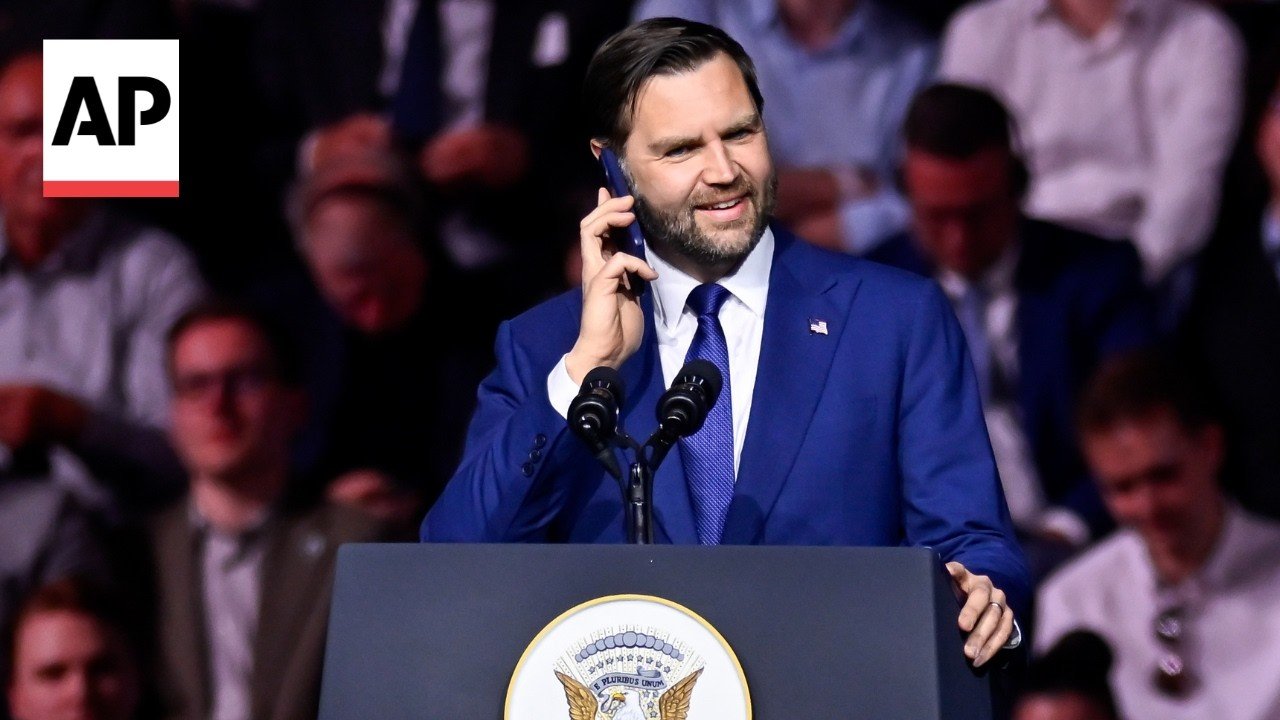
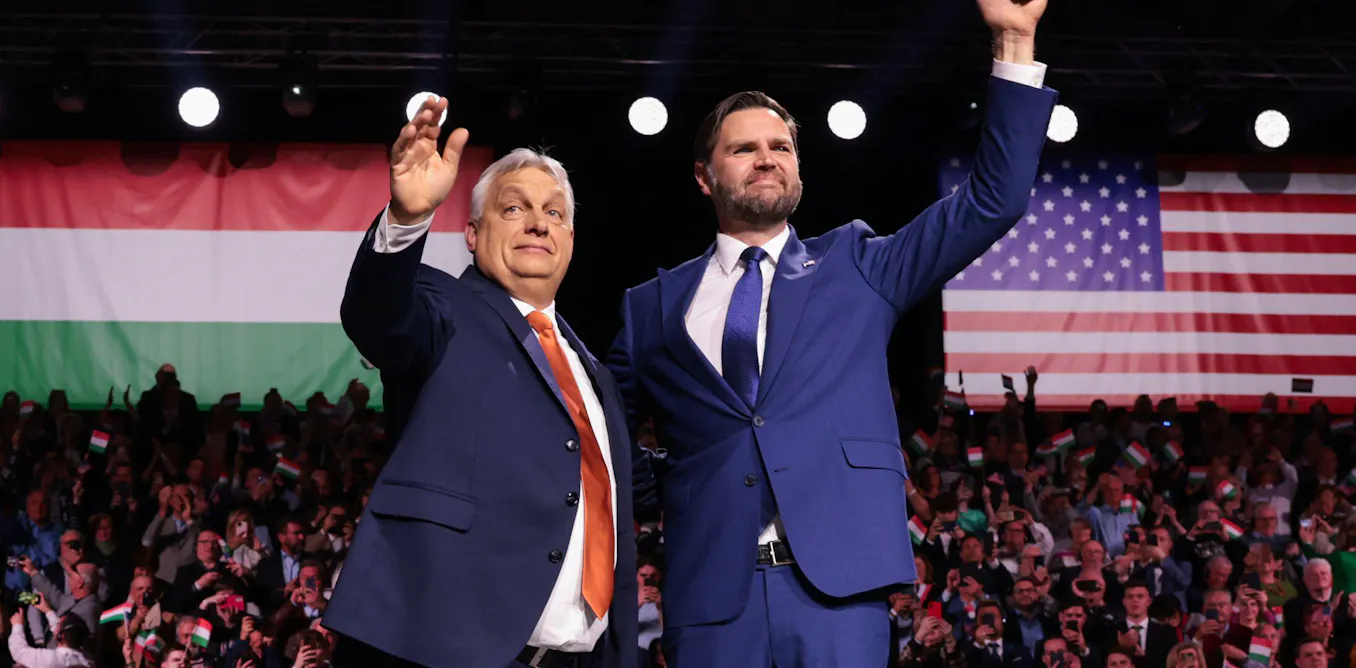
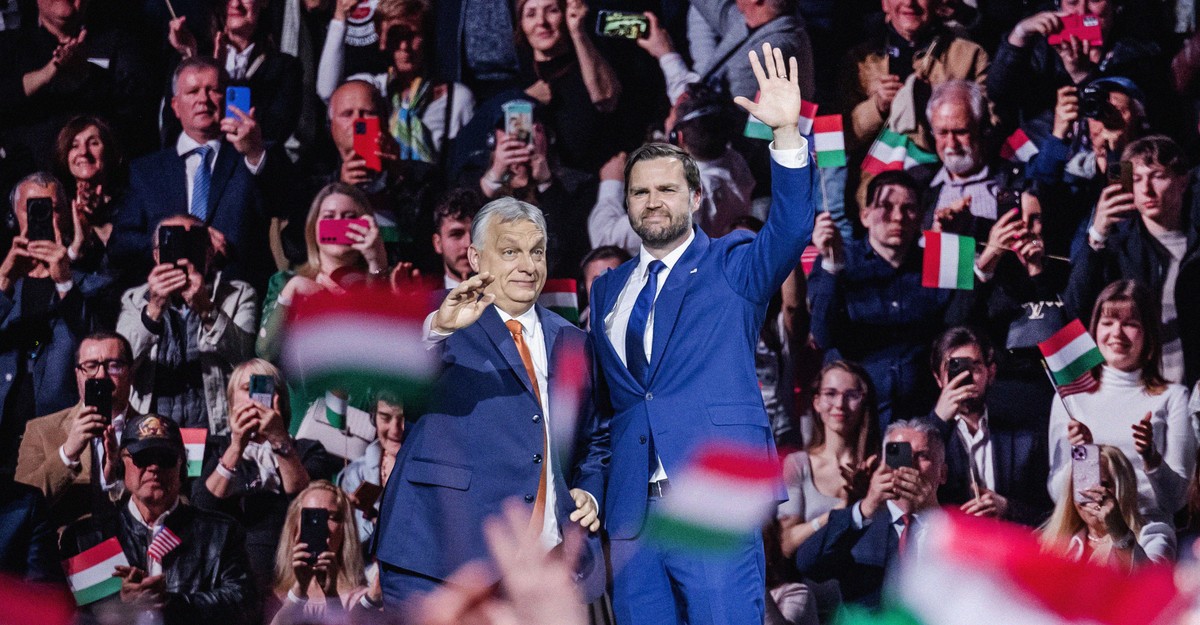
The United States has been accused of election interference in Hungary’s April parliamentary election due to an unprecedented campaign visit by US Vice President J.D. Vance.
Breaking with long-standing diplomatic conventions that prevent senior US officials from campaigning in foreign elections, Vance openly endorsed Orbán’s re-election bid, addressed a campaign rally, and even called President Donald Trump on loudspeaker so the former president could directly voice his support to the Hungarian crowd.
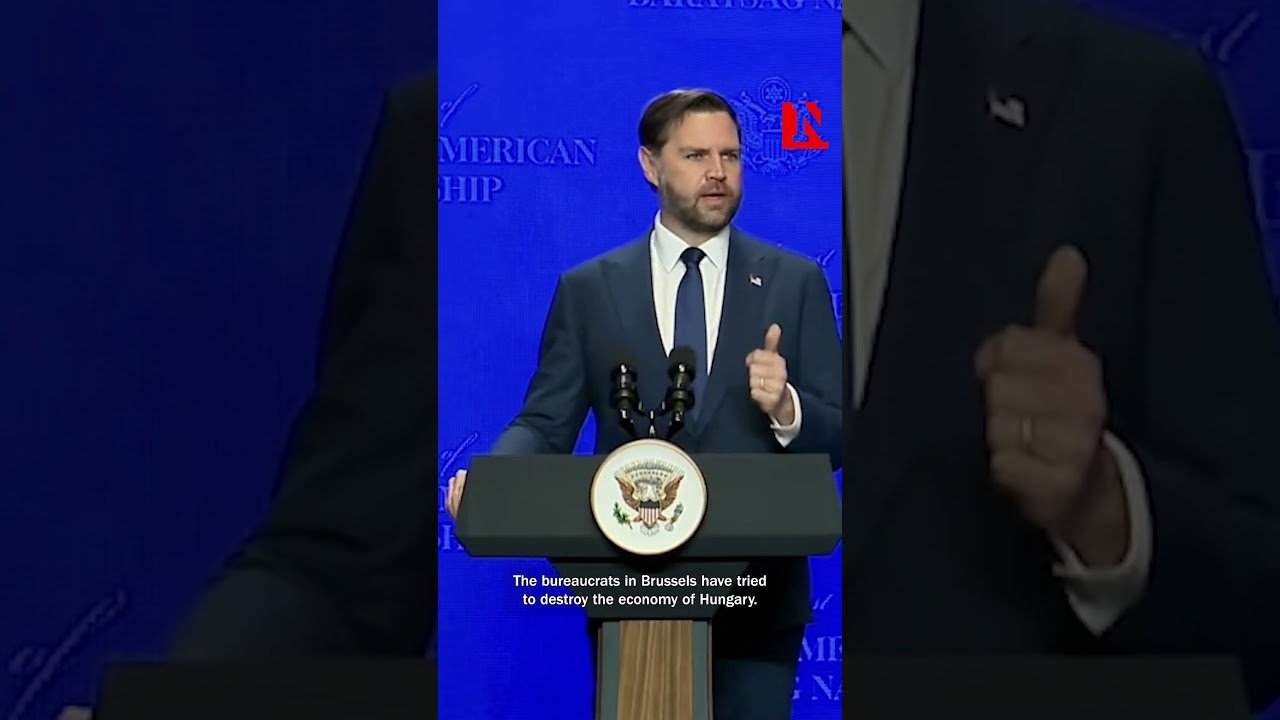
During his visit, Vance also accused the European Union of orchestrating “one of the worst examples of foreign election interference” he had ever seen. Vance argued that the EU has actively tried to destroy the Hungarian economy, undermine its energy independence, and pressure social media companies to manipulate information presented to Hungarian voters, claiming that Brussels “hates” Orbán.
A deputy spokesperson for the German government openly called Vance’s complaints about the EU hypocritical. He noted that Vance was physically stumping for a foreign leader in their country days before a vote, adding, “This fact alone speaks for itself as to who is interfering.”
I would like to point out — since Vance is complaining about the EU’s alleged interference in the election — that the US vice president was in Hungary just a few days before the election. This fact alone speaks for itself as to who is interfering.
German deputy government spokesperson Sebastian Hille told reporters during a press conference
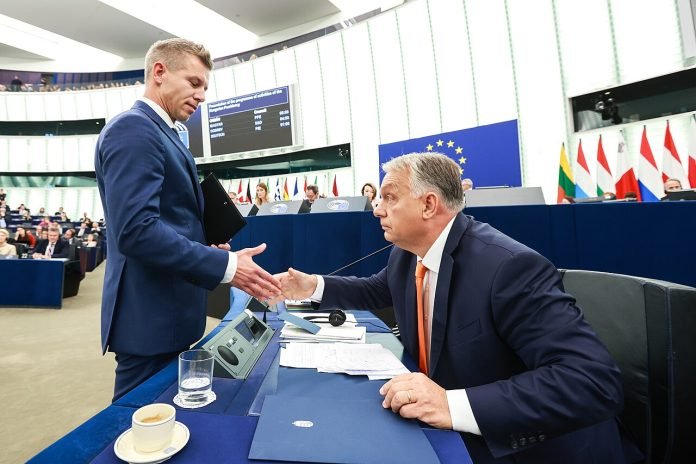
Péter Magyar, the leader of the opposition Tisza party (who has been leading independent polling against Orbán), directly condemned any foreign involvement. He stated on social media that “Hungarian history is not written in Washington, Moscow, or Brussels — it is written in Hungarian streets and squares,” emphasizing that no foreign country should interfere in their democratic process.
Statement on the occasion of the visit of the US Vice President to Budapest:
— Magyar Péter (Ne féljetek) (@magyarpeterMP) April 7, 2026
No foreign country may interfere in Hungarian elections. This is our country. Hungarian history is not written in Washington, Moscow, or Brussels – it is written in Hungary’s streets and squares.
Five…
Responding to Vance’s accusations about tech platforms, EU spokespersons clarified that their Digital Services Act acts to protect democracies from external disinformation and manipulation, rather than to influence elections.
Many analyzed the move as a blatant breach of traditional diplomatic rules. The European Commission avoided public retaliation but stated it would use formal diplomatic channels to convey its concerns directly to its US counterparts.
Why is Hungary’s election so important to the US and EU?
The Hungarian election on April 12, 2026, holds immense significance for the United States because it serves as a critical proxy battleground for broader geopolitical strategies, ideological divides, and the strength of Western alliances.
Under Orbán, Hungary has frequently acted as a spoiler within both NATO and the European Union— regularly delaying or blocking aid to Ukraine and opposing sanctions against Russia.
A victory for Orbán ensures that the US administration retains a close, disruptive ally inside the EU to help pressure Brussels. Conversely, a victory for the opposition’s Péter Magyar would likely see Hungary pivot back toward mainstream European unity and a harder stance against Russian aggression.
The US and the EU have actively tried to isolate Russia economically. However, Orbán has maintained a strategy of buying cheap Russian oil and gas.
In a highly unusual move for a US administration, Vice President Vance explicitly praised Orbán’s approach to energy security during his April 2026 visit, putting the US at direct odds with its traditional Western European allies who view energy dependence on Moscow as a security threat.
Prime Minister Viktor Orbán and his allies welcomed the heavy US involvement, framing their friendship with the Trump administration as a “new golden age” in bilateral relations.
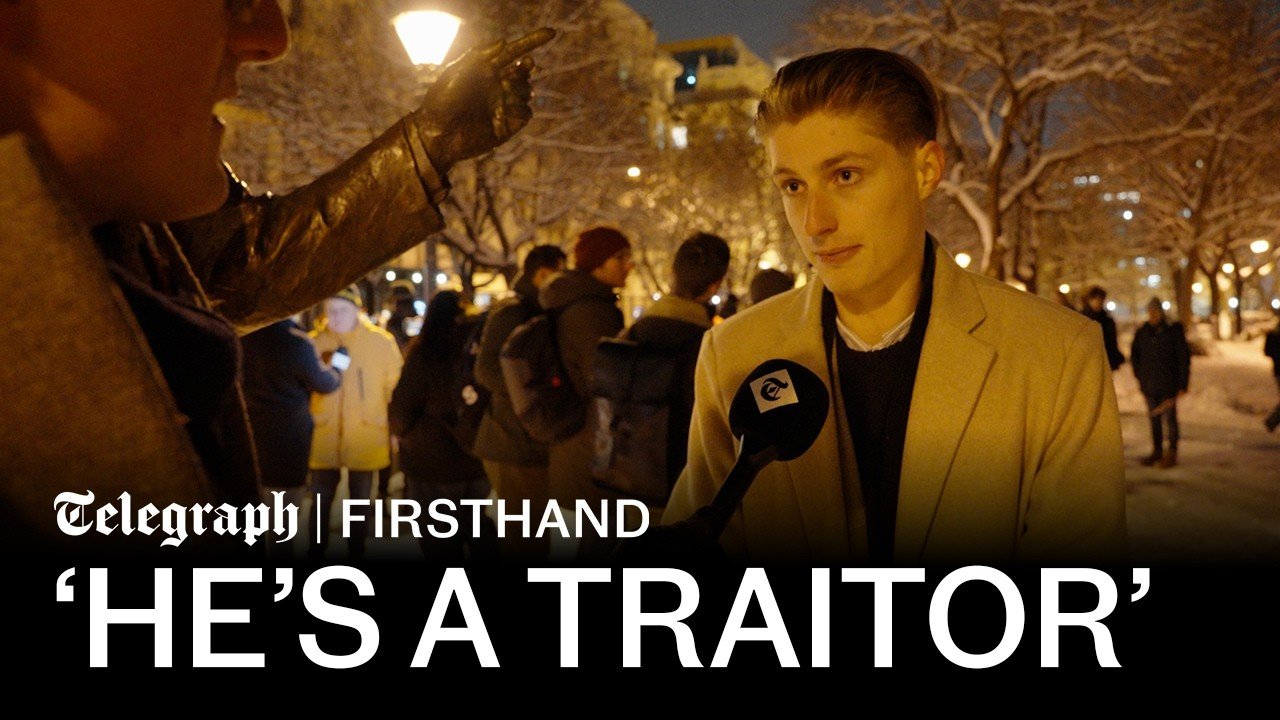
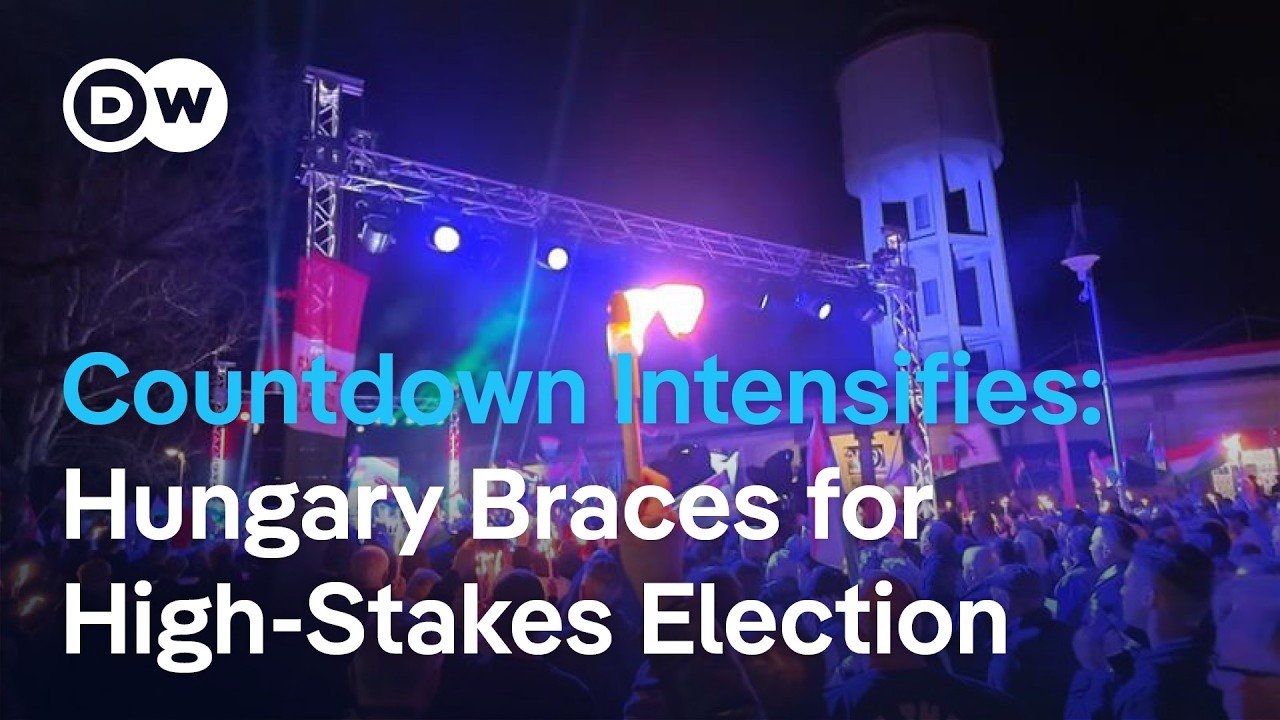
Hungary heads into its parliamentary elections on Sunday, April 12, 2026, with Prime Minister Viktor Orbán facing his fiercest challenge in 16 years from Péter Magyar’s surging Tisza Party. Polls show a tight race, with independent surveys giving Tisza a 10-point edge while pro-Fidesz ones predict a narrower gap, complicated by the system’s bias toward constituency winners.