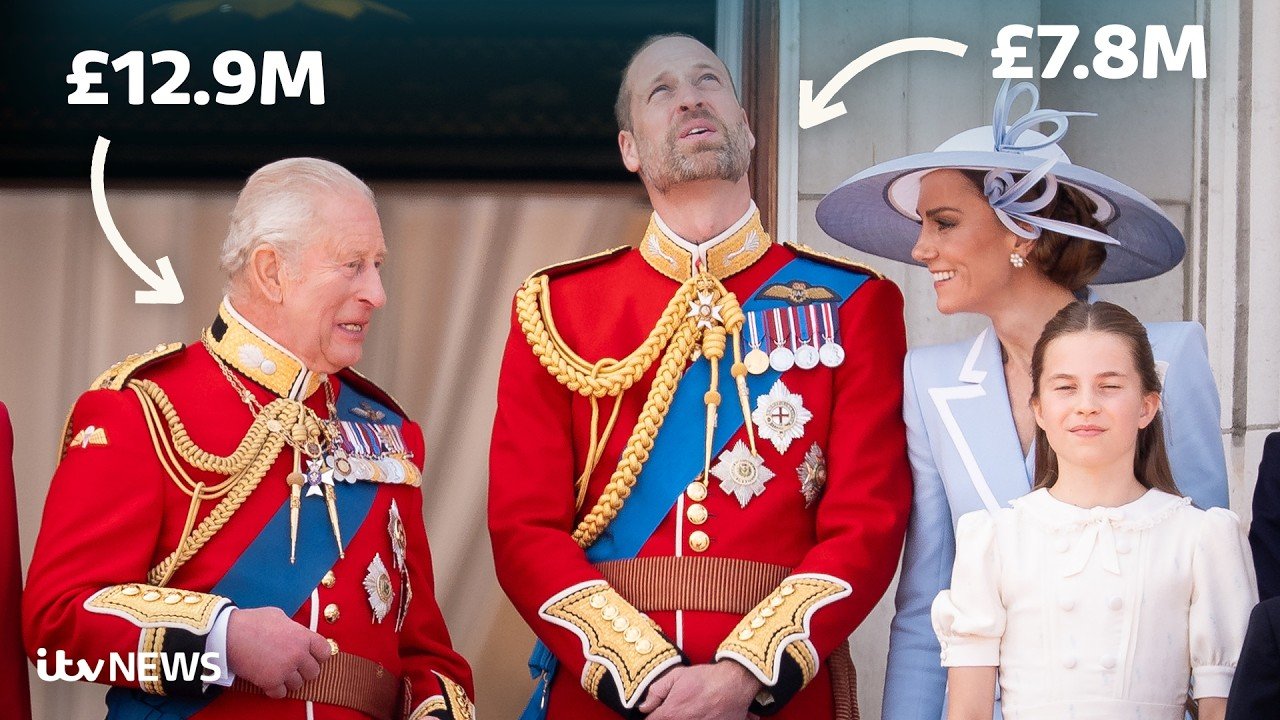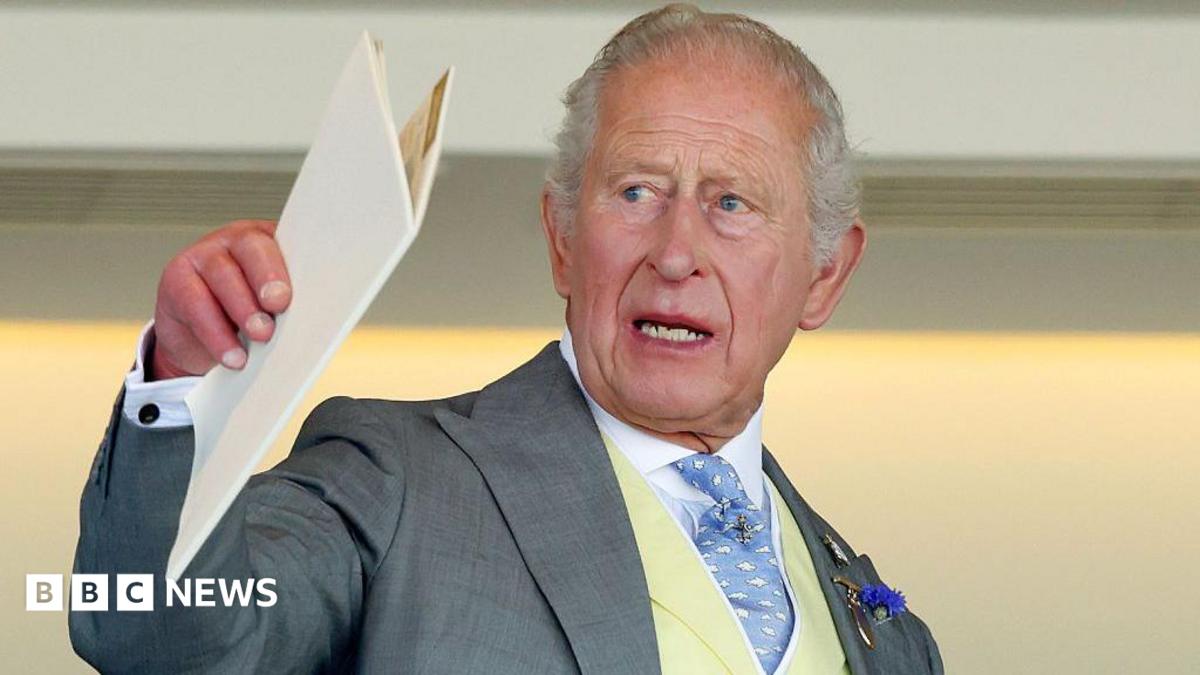

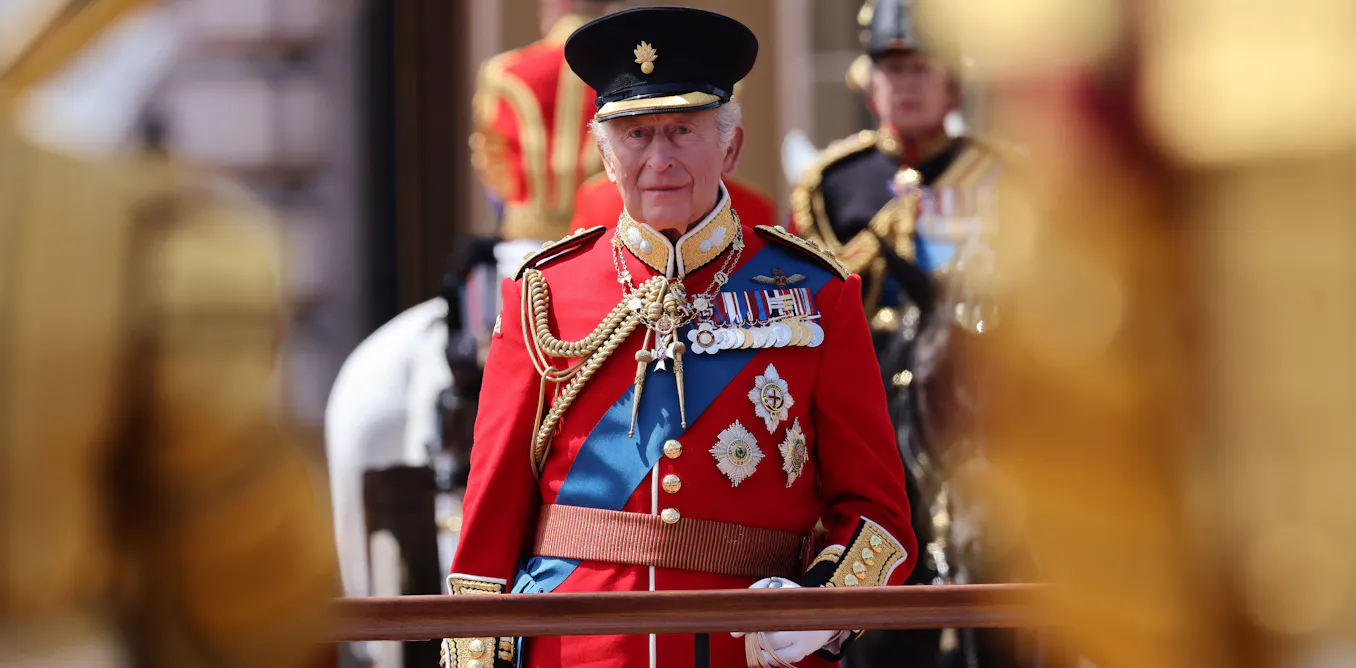
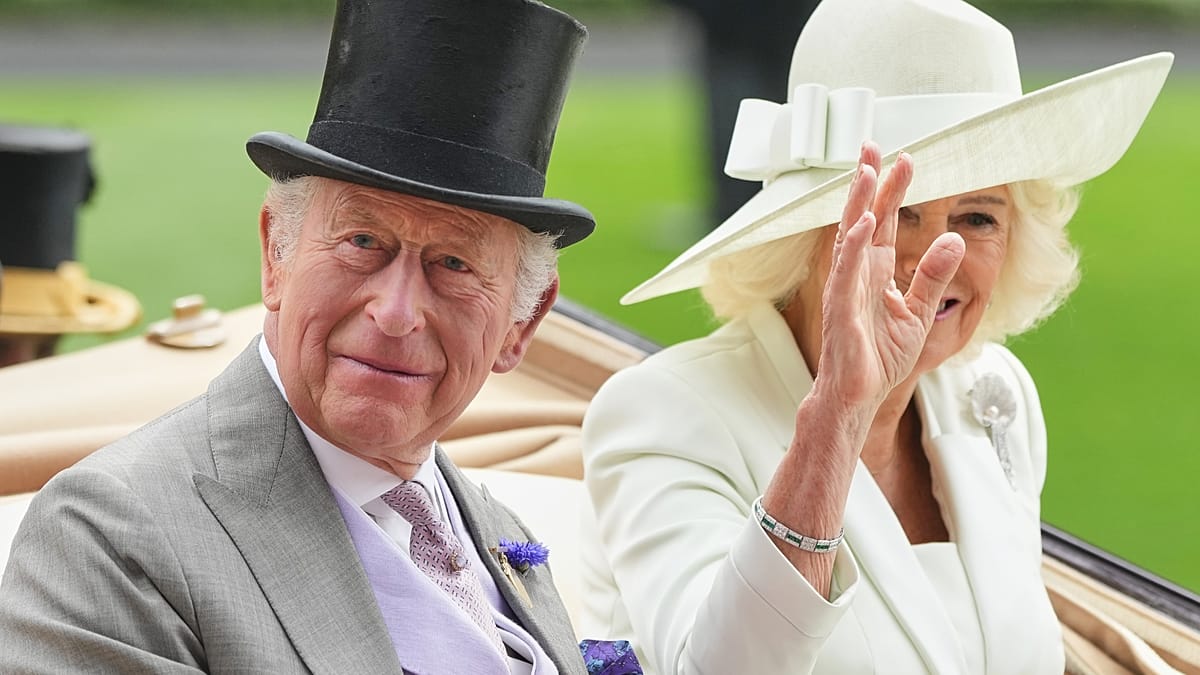
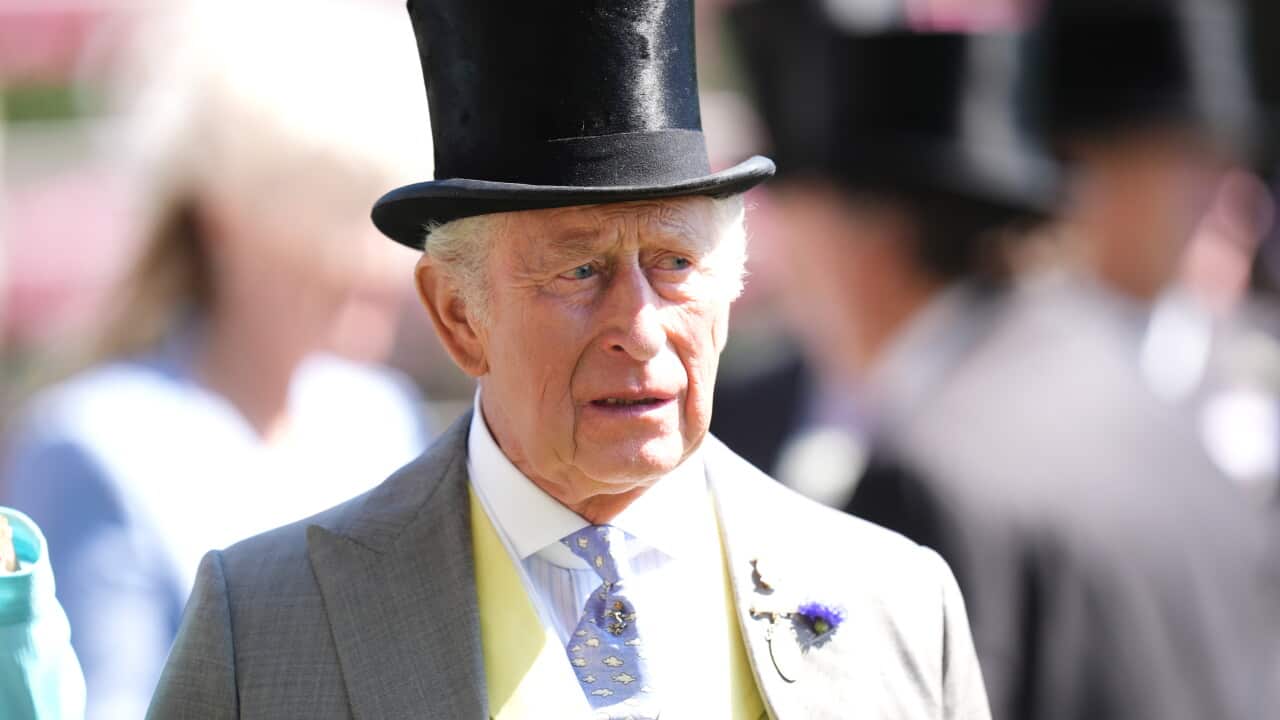

King Charles III has taken an unprecedented step toward financial transparency, voluntarily disclosing that he paid £12.9million in personal taxes for the 2024–25 financial year—the first time a British monarch has publicly revealed such a figure.
The disclosure, which follows a £11.7million payment the previous year, offers a rare glimpse into the monarch’s private income. However, while the headline figure is striking, it reveals only part of a far more complex royal financial structure.
A voluntary system rooted in tradition
The British sovereign is not legally required to pay income tax, capital gains tax, or inheritance tax. This exemption stems from the monarch’s unique constitutional position as the state itself, making taxation legally redundant.
However, in 1993, Queen Elizabeth II agreed to voluntarily pay income tax on private income in response to public pressure for greater accountability. King Charles III has continued this practice—and has now gone further by publicly disclosing the amount.
The voluntary nature of the arrangement remains significant: it is governed by a memorandum of understanding with the UK Treasury rather than statutory law, meaning the scope and definitions of taxable income are not independently enforced.
Where the money comes from
The bulk of King Charles’s taxable income derives from the Duchy of Lancaster, a private estate dating back to 1399. The Duchy generates tens of millions of pounds annually through:
- Commercial property holdings across England
- Agricultural land and rural estates
- Financial investments
Unlike the Crown Estate — which belongs to the state and funds the Sovereign Grant — the Duchy of Lancaster is considered the monarch’s private property, though it is held in trust for future sovereigns and cannot be sold.
Additional taxable income may include returns from personal investments and revenues from privately owned estates such as Balmoral and Sandringham.
What is not included
Crucially, the disclosed tax figure does not reflect the monarch’s full financial picture.
Several major components remain outside the scope of personal taxation:
- The Sovereign Grant: Public funding currently worth over £80million annually, used for official duties, staffing, and palace maintenance
- The Crown Estate: A portfolio valued at more than £15billion, whose profits are surrendered to the Treasury
- Inheritance transfers between monarchs: Exempt from inheritance tax under a 1993 agreement designed to preserve continuity of the monarchy
As a result, the £12.9million figure reflects only taxable private income — not the broader economic resources associated with the Crown.
A parallel disclosure from Prince William
In a coordinated move toward transparency, Prince William has also disclosed that he has paid more than £20million in taxes since inheriting the Duchy of Cornwall upon becoming Prince of Wales in 2022.
Like the Duchy of Lancaster, the Duchy of Cornwall provides income to the heir apparent and operates under similar voluntary tax arrangements.
Together, the disclosures suggest a generational shift toward greater openness within the royal family—particularly as scrutiny over wealth, privilege, and public funding intensifies.
Transparency vs. accountability
While the announcement has been framed as a milestone in royal transparency, analysts caution that it remains limited in scope.
The disclosure does not include:
- Total income earned by the monarch
- Effective tax rate applied
- Detailed breakdowns of income sources or deductions
- Independent verification of taxable calculations
This leaves open questions about how “voluntary taxation” compares to standard UK tax obligations, and whether the monarchy’s financial reporting meets modern expectations for public accountability.
A strategic move in a changing climate
The timing of the disclosure is notable. The monarchy faces increasing scrutiny amid broader debates over wealth inequality, public spending, and institutional relevance.
By voluntarily revealing his tax contribution, King Charles appears to be positioning the monarchy as responsive to public expectations — without fundamentally altering its financial privileges.
Whether this marks the beginning of deeper transparency reforms or remains a symbolic gesture will likely depend on future disclosures and pressure for structural change.
For now, the £12.9million figure offers a rare data point—but not a complete picture—of royal finances in the modern era.