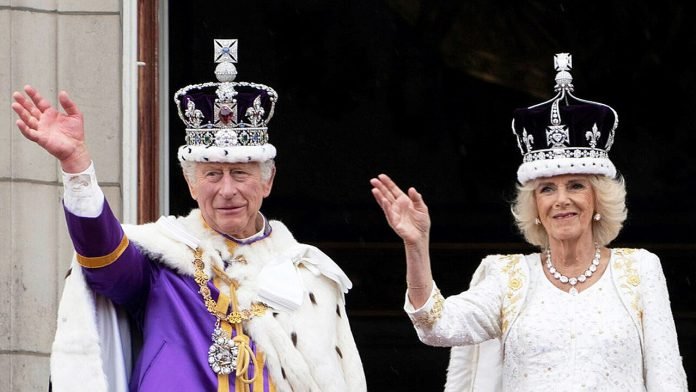
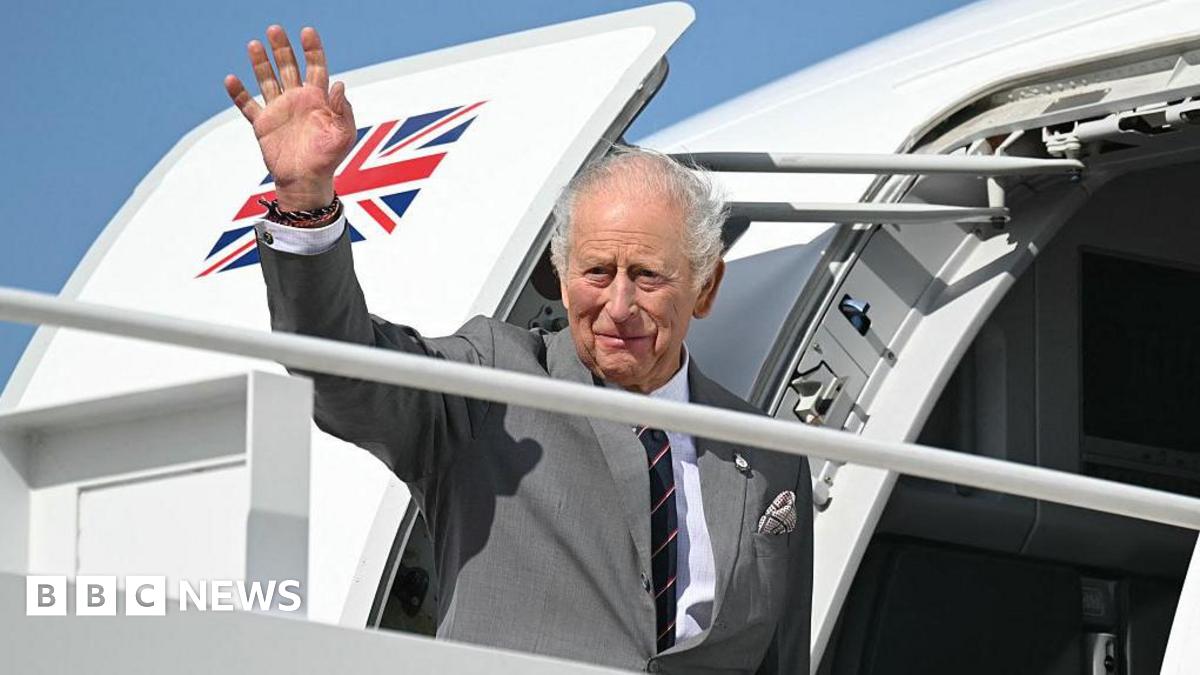
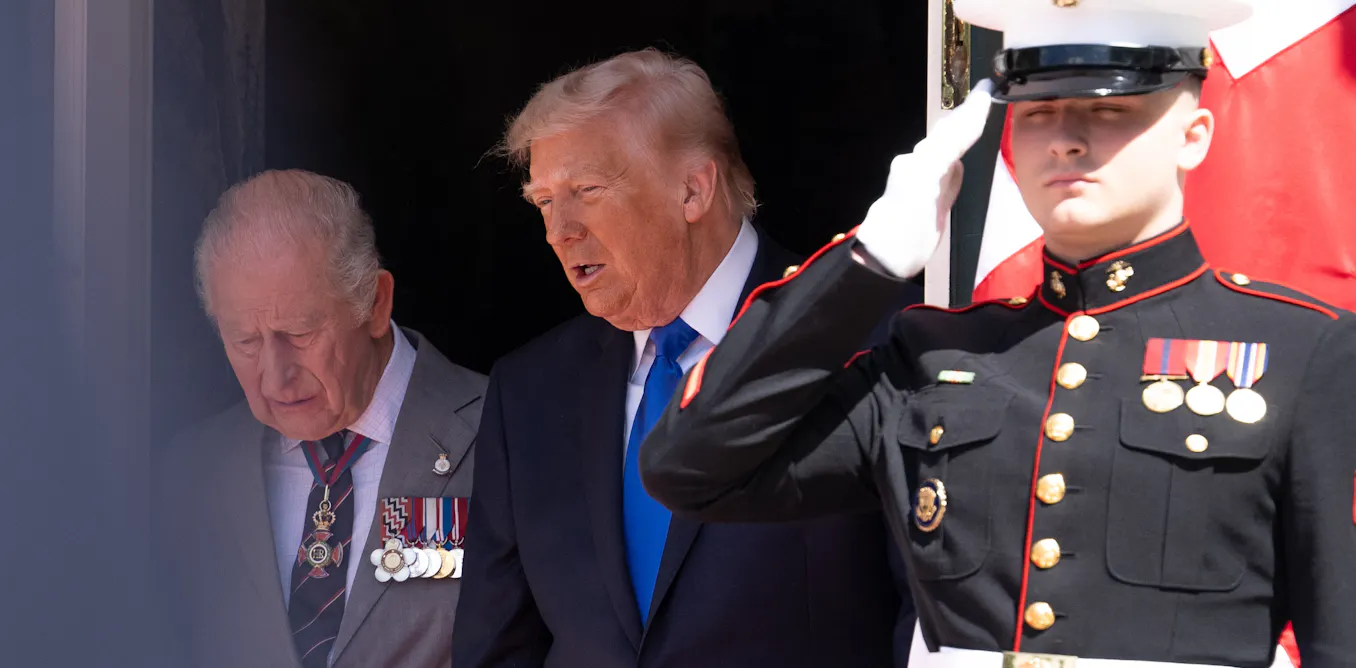
King Charles III and Queen Camilla have concluded a four-day state visit to the United States, marking the first such trip by a British monarch in nearly two decades and offering a carefully calibrated display of diplomacy, symbolism and soft power.
Hosted by President Donald Trump from April 27 to 30, the visit coincided with the approaching 250th anniversary of American independence. It was widely framed as an effort to reinforce the long-standing “Special Relationship” at a time of geopolitical strain, including ongoing disagreements over trade and the conflict in Iran.
Speech to Congress underscores shared values
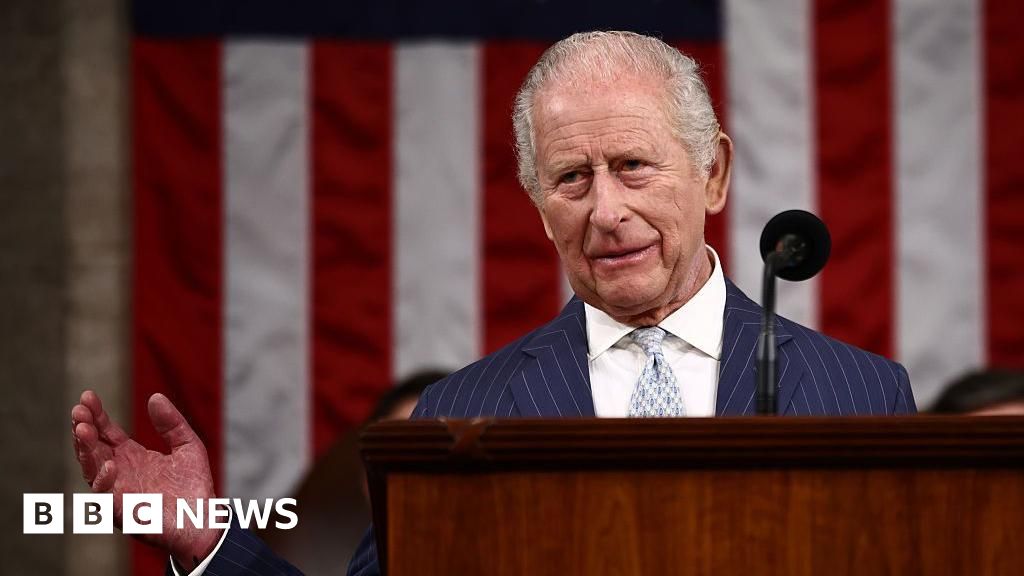
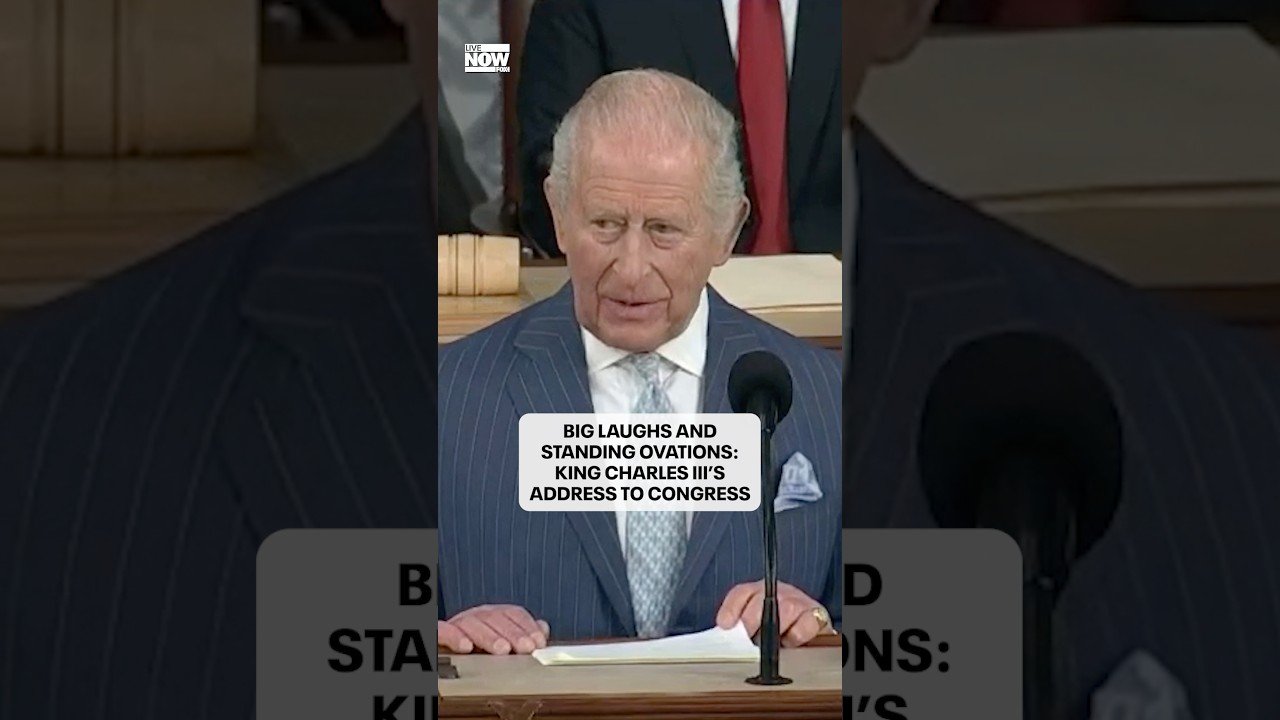
At the centre of the visit was King Charles’s address to a joint meeting of Congress on April 28 — only the second time a British monarch has delivered such remarks. Over roughly 20 minutes, he received multiple standing ovations while weaving together historical reflection, humour and pointed commentary on democratic governance.
The King invoked the Magna Carta as a foundation of constitutional limits on executive authority, a line some analysts interpreted as a subtle nod to contemporary political debates in the United States. He paired this with a broader appeal for transatlantic unity, warning against isolationism and describing the Atlantic alliance as “more important today than it has ever been.”
Referencing NATO, he reminded lawmakers that Article 5 — the alliance’s mutual defence clause — has been invoked only once, in response to the September 11 attacks on the United States. He also called for sustained support for Ukraine, urging “unyielding resolve” to secure what he described as a just and lasting peace.
The speech balanced seriousness with levity. The King joked about Britain’s tradition of symbolically holding a Member of Parliament “hostage” during royal ceremonies, and quipped that he had not come to mount a “cunning rearguard action” to reclaim the American colonies. A historical aside describing King George III and George Washington as a “tale of two Georges” drew laughter from lawmakers.
State dinner blends diplomacy and wit
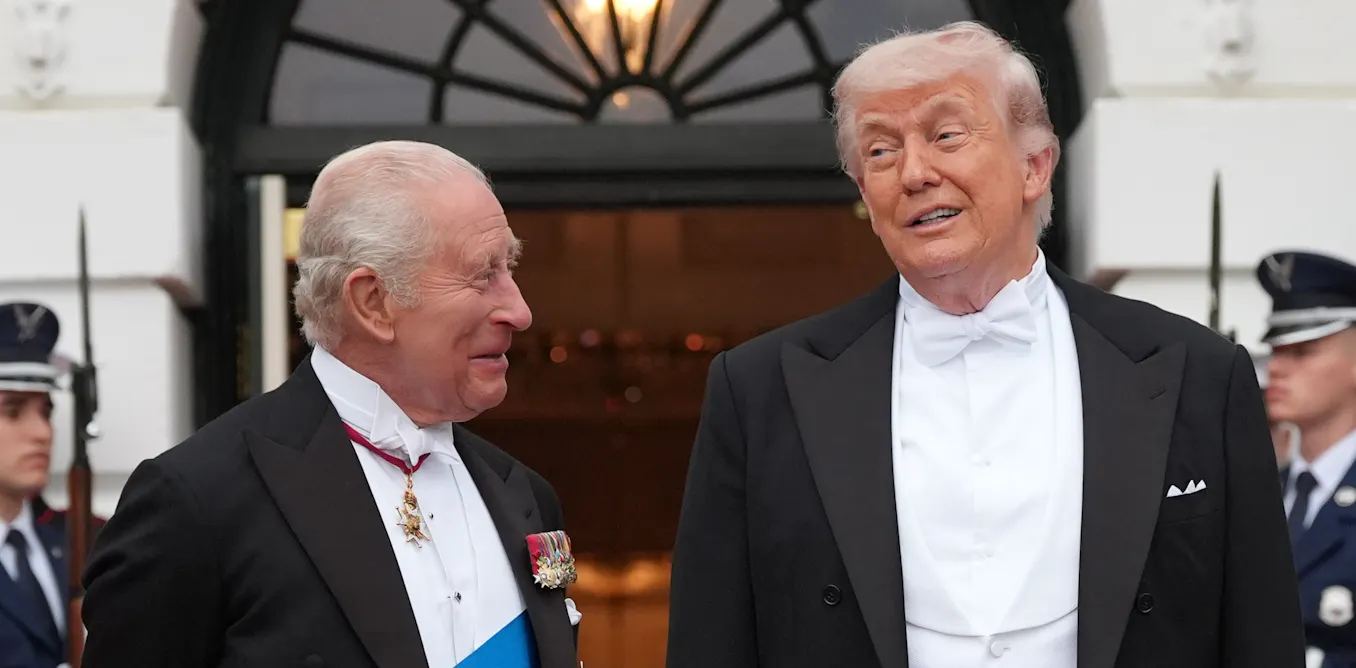
Later that evening, the White House hosted a formal state dinner that underscored both ceremony and personal rapport between the leaders.
In one of the night’s most talked-about moments, King Charles offered a playful rejoinder to President Trump’s past claim that, without US intervention in World War II, Europeans would be “speaking German.” The King replied that, had history taken a different turn in the 18th century, “you might be speaking French” — a reference to Britain’s victory over France in the Seven Years’ War. The remark drew laughter and was widely shared online.
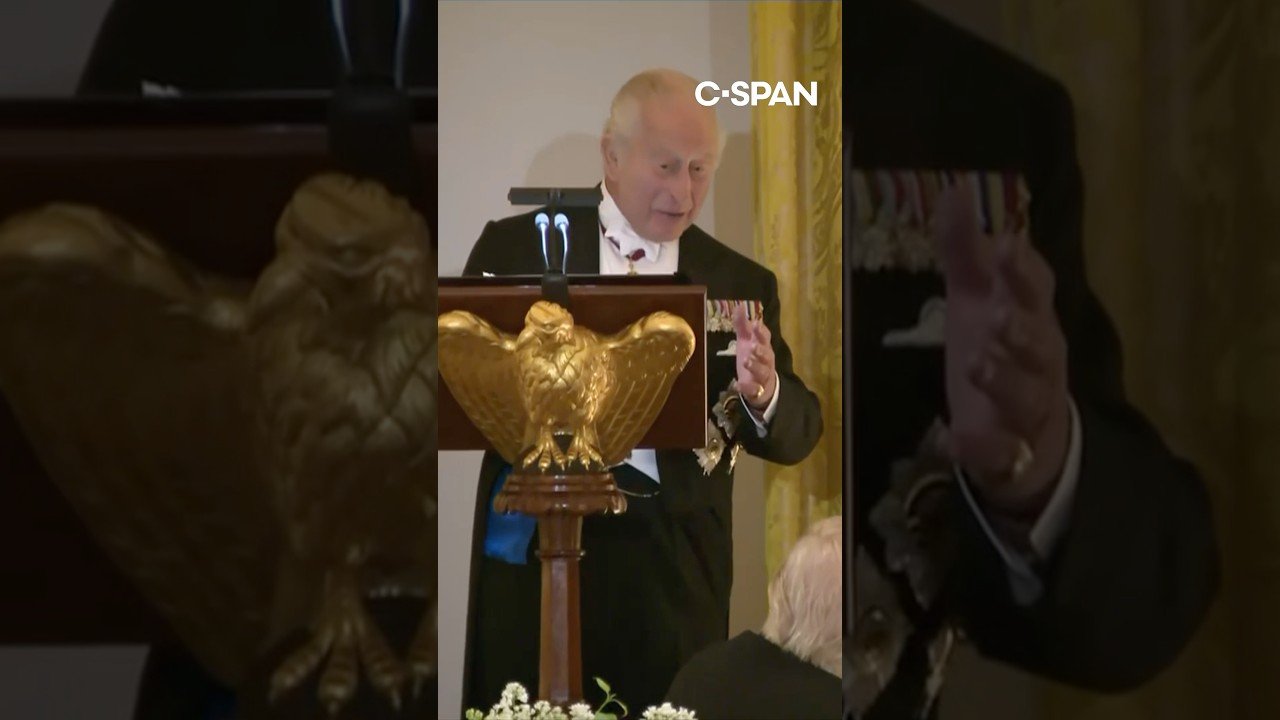
The King also presented President Trump with a symbolic gift: a polished brass bell from HMS Trump, a Royal Navy submarine launched in 1944. The bell, engraved with the vessel’s name, served as a nod to shared wartime history. Delivering the gift, the King added another light-hearted line: “Should you ever need to get hold of us, well, just give us a ring,” prompting applause from attendees.
The White House later described the visit as a success, with President Trump reportedly signalling a willingness to ease trade tensions, including the lifting of tariffs on Scottish whisky.
Contrasting reception in New York
The tone shifted during the royal couple’s April 29 visit to New York City, where they were received by Mayor Zohran Mamdani. The meeting highlighted a more complex political landscape, reflecting ideological differences at the municipal level.
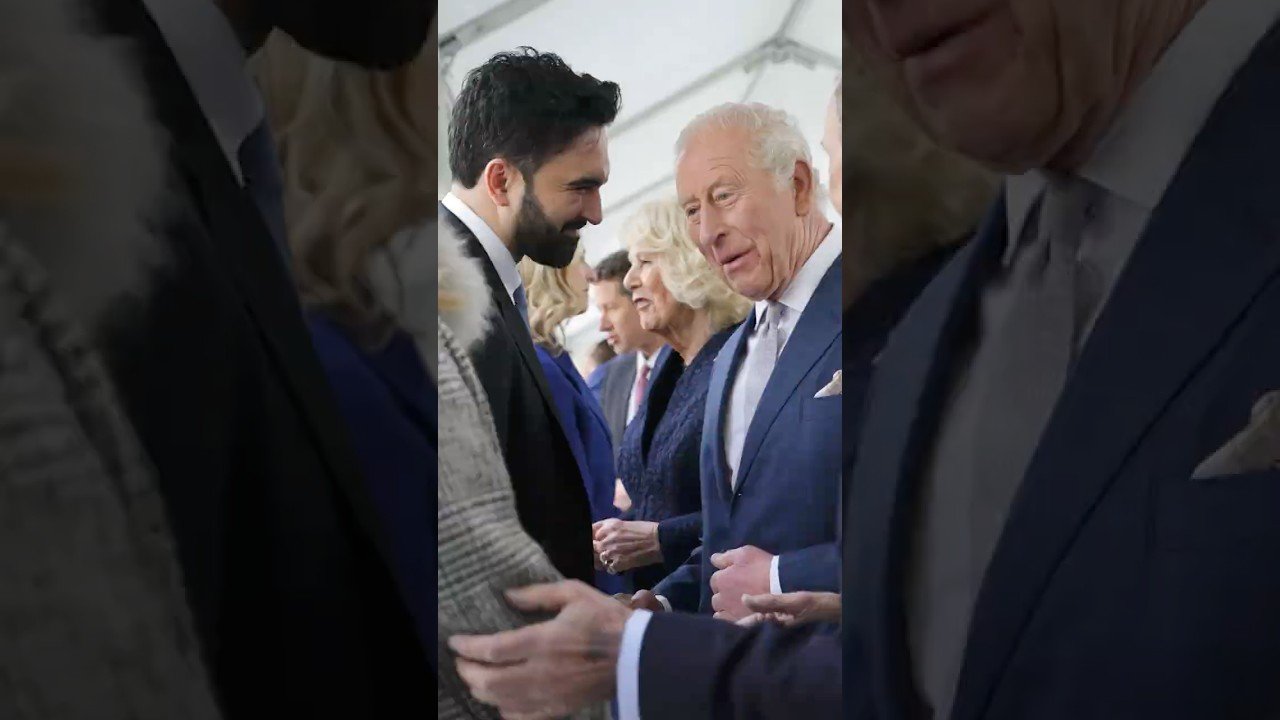
Mamdani, who has publicly expressed opposition to monarchy as an institution, offered a brief and formal visit. The pair exchanged a handshake near the 9/11 Memorial, but there was no private meeting or ceremonial welcome. The mayor also declined to publicise the encounter on social media, a decision observers interpreted as consistent with his political positioning.
In remarks ahead of the visit, Mamdani had suggested he would raise the issue of the Koh-i-Noor diamond’s contested history if given the opportunity, though no such discussion was confirmed.
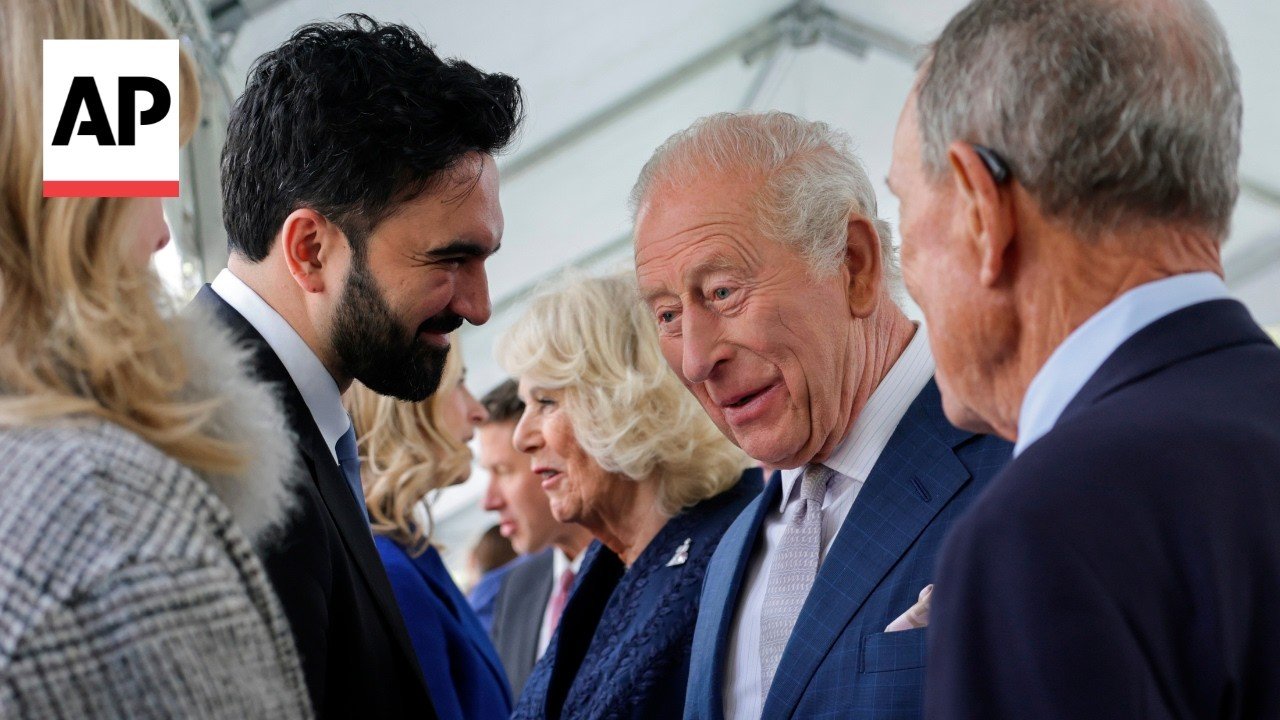
Former mayor Michael Bloomberg, in his capacity as chairman of the 9/11 Memorial & Museum, took a leading role in hosting the royal couple during their visit to the site. King Charles laid a tribute in honour of the victims of the September 11 attacks.
The New York itinerary also included a visit to an urban farm in Harlem, reflecting the King’s longstanding interest in sustainability, while Queen Camilla attended a literacy event at the New York Public Library.
Soft power and strategic timing
Taken together, the visit was widely interpreted as a strategic exercise in diplomacy, aimed at stabilising and strengthening US-UK relations at a delicate moment. By combining historic symbolism, policy messaging and personal engagement, the visit underscored the enduring — if sometimes tested — ties between the two countries.