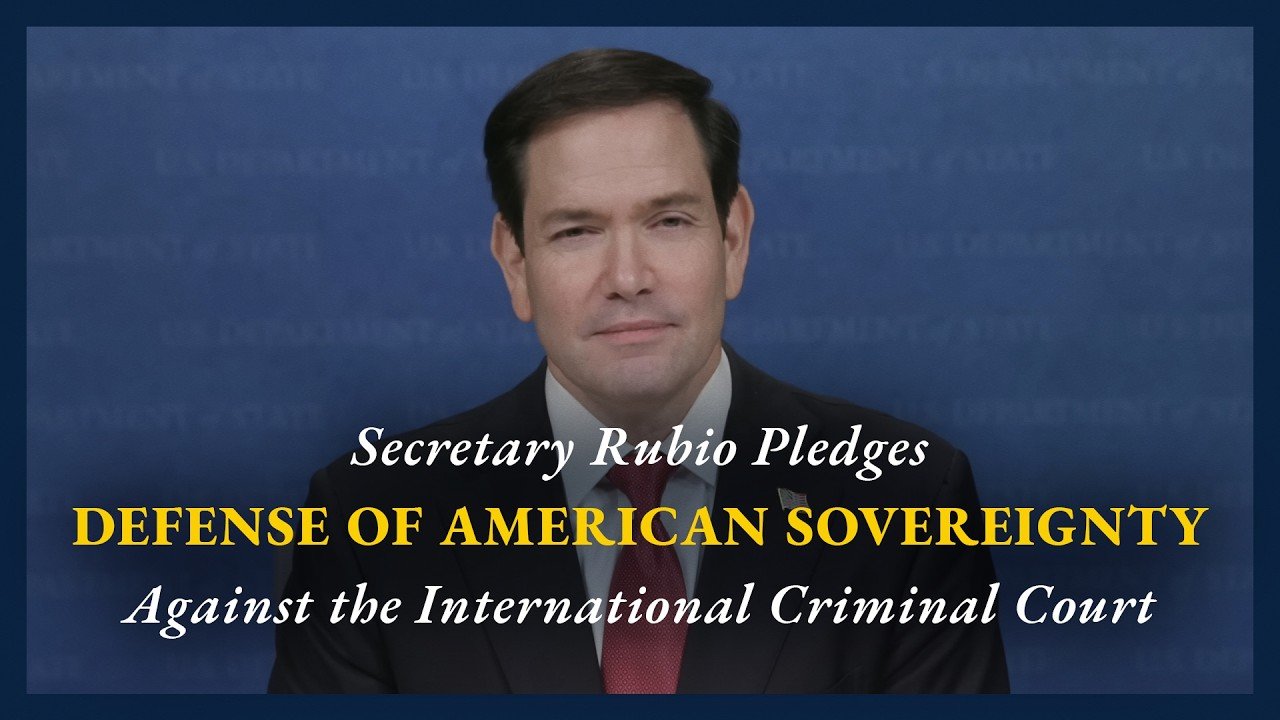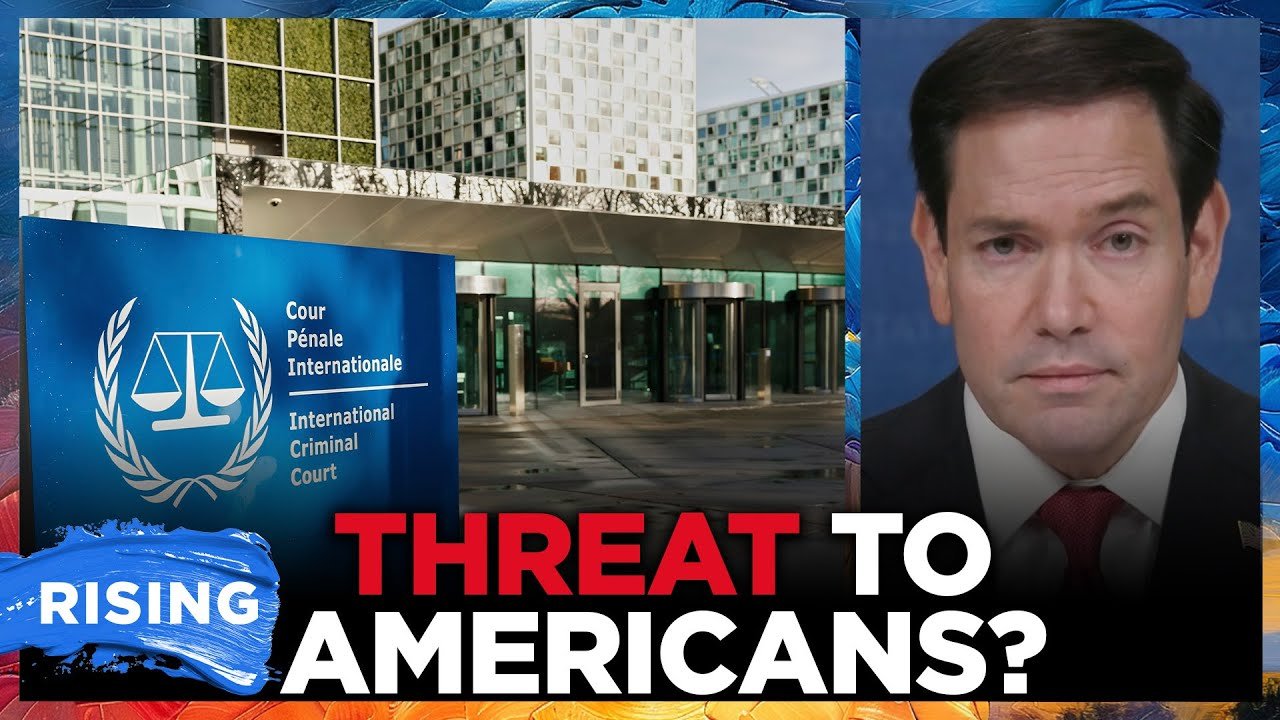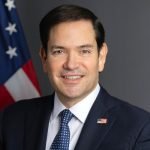

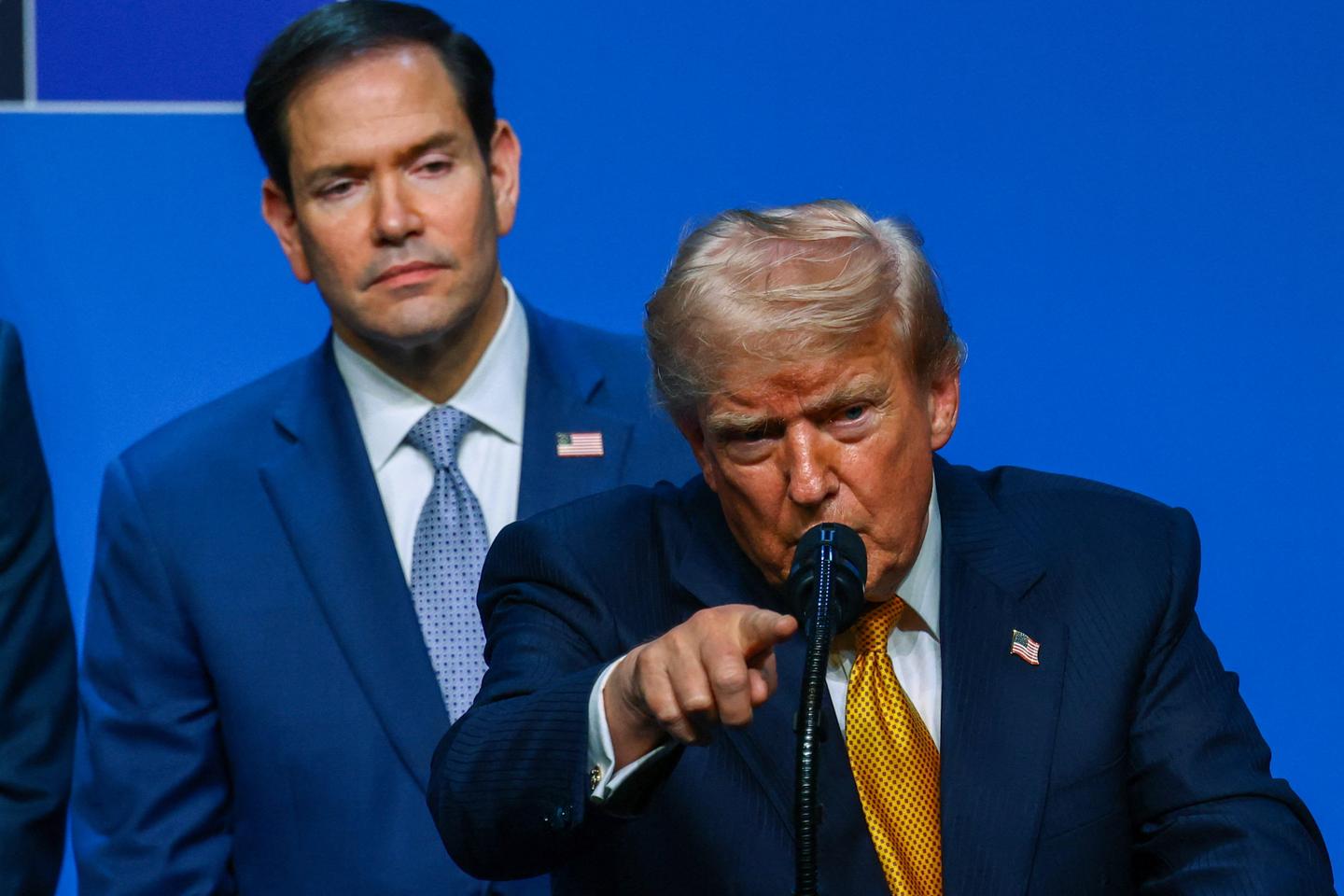


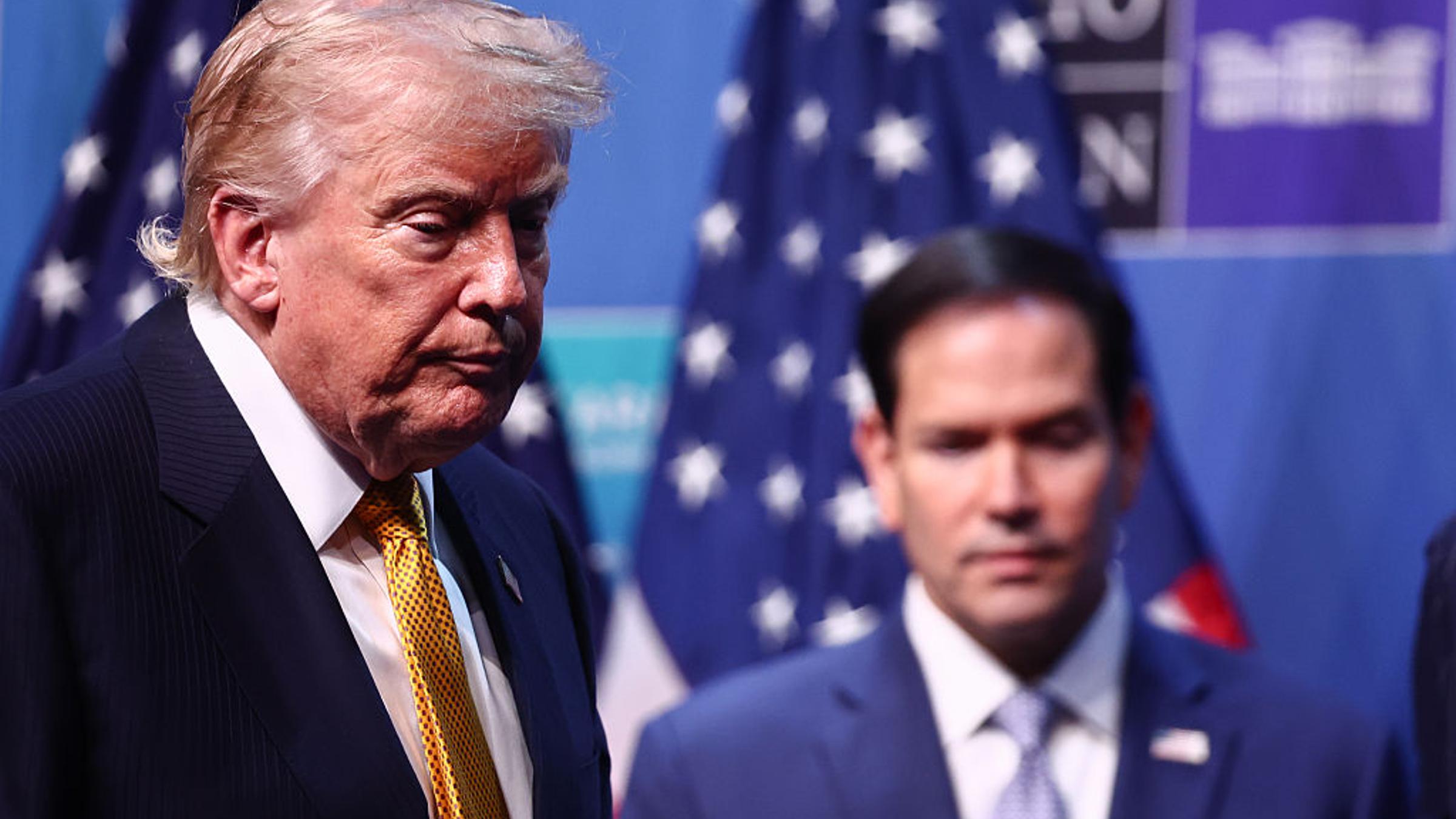
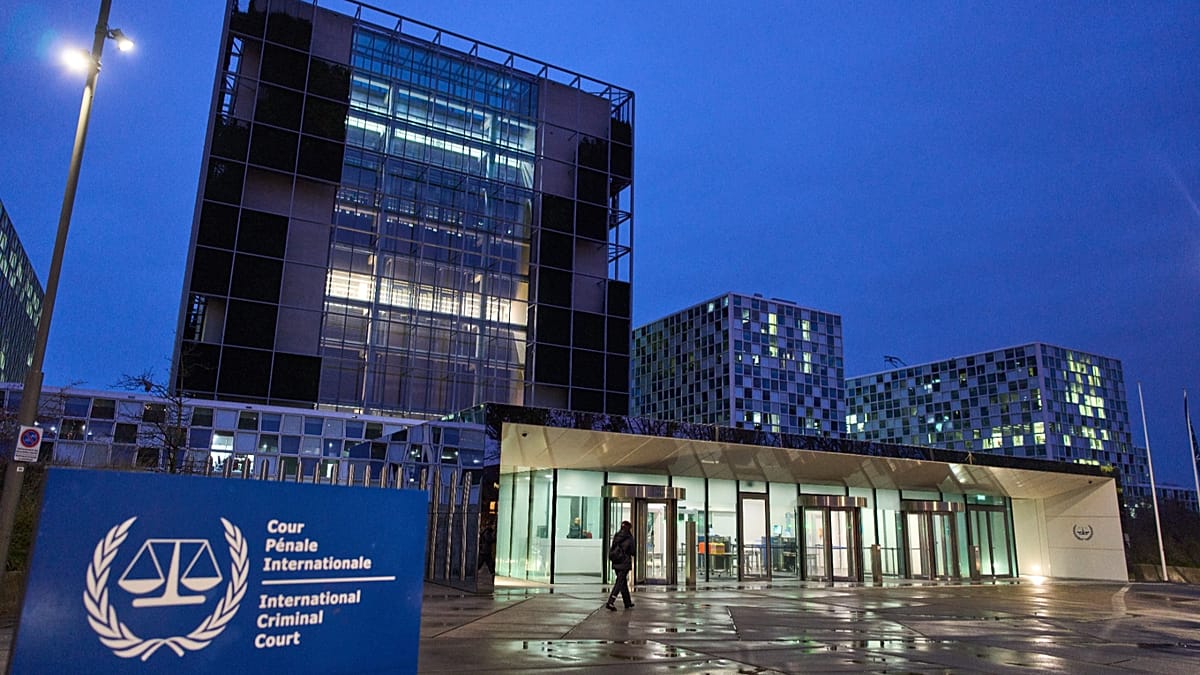
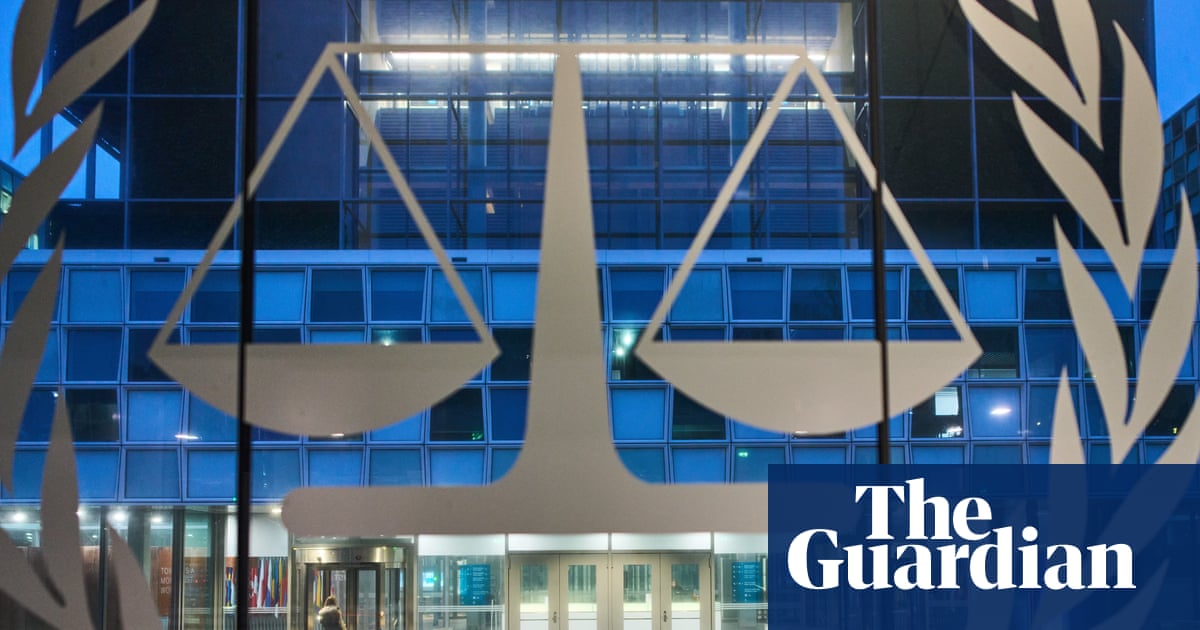

The United States announced a sweeping “whole‑of‑government” campaign to undermine the International Criminal Court (ICC), with Secretary of State Marco Rubio saying the Hague‑based tribunal poses “an intolerable threat to US sovereignty”.
On July 13, 2026, the State Department published a media note and Secretary Rubio released a video and a Wall Street Journal op‑ed outlining a coordinated plan to “systematically disable” the ICC’s capacity to operate and to prevent it from targeting US officials or servicemembers. The statement said the campaign will deploy diplomatic pressure, financial measures and legal levers and that “no diplomatic option will be off‑limits”.
The administration framed the campaign as a defense of American sovereignty against an institution it says claims jurisdiction over non‑member nationals and could prosecute American personnel.
Rubio accused the ICC of “waging a war against our nation…with the force of so‑called international law.” Reported triggers include past ICC scrutiny of alleged US actions — notably previous probes related to Afghanistan — and the court’s recent arrest warrants for Israeli leaders, which prompted retaliatory US measures last year.
The International Criminal Court seeks to become the unaccountable arbiter of a new global law — empowered to prosecute and arrest our citizens at will and existentially threaten American sovereignty.
— Secretary Marco Rubio (@SecRubio) July 13, 2026
We will teach the ICC the full meaning of American resolve. pic.twitter.com/2egHK1jA98
Core measures under consideration
- Visa and travel restrictions: The State Department said it is considering visa revocations and travel bans for ICC personnel.
- Sanctions and financial targeting: Officials signalled possible expansion of sanctions against the court and its affiliates, building on prior US sanctions on individual ICC judges and prosecutors.
- Diplomatic isolation: Senior US diplomats will press allies to withdraw from the Rome Statute, urging countries that rely on US security or aid to reject the ICC’s authority and warning of “increased scrutiny” for those that refuse.
- Public diplomacy: The campaign includes outreach from the Secretary, deputy secretary and US ambassadors to highlight alleged ICC abuses and to persuade states to withhold funding or membership.
Context: US history with the ICC
The United States is not a party to the Rome Statute and has long contested ICC jurisdiction over its nationals. Previous US actions include targeted economic and travel sanctions against ICC officials after the court issued arrest warrants related to the Israel‑Gaza conflict, and longstanding US pressure on partners to resist ICC jurisdiction.
The United States helped shape the broader field of international criminal justice after World War II, including the Nuremberg and Tokyo tribunals, but it never fully embraced the permanent court created later in The Hague. Washington signed the Rome Statute on December 31, 2000, under President Bill Clinton, but Clinton said he would not recommend Senate ratification until major concerns were addressed.
Under the George W. Bush administration, US policy hardened sharply. Washington moved to distance itself from the court, pushed bilateral agreements meant to block the surrender of US nationals to the ICC, and opposed efforts that could expose American personnel to ICC jurisdiction. That period established the core US argument that the ICC could infringe on sovereignty and constrain military operations.
Relations became more pragmatic under Barack Obama, with the US still not joining the court but cooperating more often on issues such as atrocity prevention and certain ICC investigations. The relationship soured again under Donald Trump, when his first administration imposed sanctions on ICC officials after the court pursued cases involving US personnel and Israeli leaders.
President Joe Biden revoked those sanctions in 2021, which briefly suggested a more cooperative posture, but the current Trump administration has now reversed course with a far more aggressive campaign to isolate the court. In practice, that means the US–ICC relationship has swung between limited cooperation and outright confrontation, with sovereignty, military jurisdiction and allied politics driving the fight.
International and domestic responses
European institutions and international bodies pushed back quickly. The European Union described US threats to the ICC as “unacceptable,” and UN officials defended the court as an essential pillar of the global justice system, according to reporting. Human rights groups and some US lawmakers — including Rep. Ilhan Omar — criticized the move as an attack on the post‑World War II rules‑based order.
Analysts say the campaign could deepen transatlantic tensions and force allies to choose between US policy and support for multilateral justice mechanisms, potentially reducing funding and cooperation for the ICC while increasing legal and political friction with partners that remain Rome Statute members.
What remains unclear
The State Department’s memo lists actions “under consideration” but does not set a timeline or provide legal specifics about how sanctions on an international tribunal would be implemented or defended in US courts. It is also uncertain how many US partners would follow Washington’s call to withdraw from the Rome Statute.